Ghumoopedia — Explore, Discover, Experience
Sign in

City guide · Uttar Pradesh

Aliganj

Aliganj is a town and municipal-board centre in Etah district, in western Uttar Pradesh. Its official name, Pargana Azamnagar, preserves an older administrative identity, while today the town serves local residents and nearby settlements with civic services, shops and everyday facilities.

Famous for

  • Pargana Azamnagar
  • Etah district town
  • C.K. Sethi's hometown
  • Local markets and services

Why Aliganj matters

Aliganj is a town and municipal-board centre in Etah district, in western Uttar Pradesh. Its official name, Pargana Azamnagar, preserves an older administrative identity, while today the town serves local residents and nearby settlements with civic services, shops and everyday facilities. It is best approached as a regional town rather than a major, purpose-built tourist destination.

The town is associated with C.K. Sethi, who served as Agriculture Chairman of India and as a Member of Parliament. Its local civic life is represented by Nagar Palika Parishad Aliganj, whose chairperson is Suneeta Gupta. Visitors may find Aliganj useful as a stop while travelling around the Etah–Kaimganj–Farrukhabad area, or as a base for seeing the rhythms of a smaller Uttar Pradesh market town. There is no widely documented signature craft, food or monument that defines it for visitors, so its appeal lies chiefly in its local character and connections to surrounding towns.
Famous for: crafts, trade & products

Aliganj is not widely identified with a particular textile, handicraft, GI-tagged product or large-scale industry. Its best-established identity is as a local civic and market town: the central shopping streets serve residents and people from nearby settlements with everyday goods and services. Visitors looking for local products can browse the town’s general market, but should not expect a recognised specialist craft quarter or a single celebrated souvenir.

The municipal institution, Nagar Palika Parishad Aliganj, is an important part of the town’s public life. The name Pargana Azamnagar also remains a notable marker of its administrative identity. C.K. Sethi, a former national Agriculture Chairman and Member of Parliament, is among the public figures connected with Aliganj. For regional specialities, ask shopkeepers which foods or seasonal goods are locally sourced; availability can vary, and no particular product is reliably established as an Aliganj speciality. The town is therefore more suited to browsing everyday shops and observing local commerce than to a dedicated crafts or textile-shopping visit.

History

Aliganj’s official name, Pargana Azamnagar, points to an older administrative identity. A pargana was a territorial unit used in North Indian administration, but the name alone does not establish when the settlement began or which ruler may have founded it. A detailed, town-specific chronology of its rulers and colonial-era events is not well documented, so a precise founding story should be treated cautiously.

Over time, Aliganj developed as a town serving its surrounding settlements and became a municipal-board centre in Etah district. Its present identity is shaped by local administration, everyday commerce and road connections with nearby towns. In modern public life, the town is associated with C.K. Sethi, who served as Agriculture Chairman of India and as a Member of Parliament. Nagar Palika Parishad Aliganj continues to represent the town’s civic administration. These roles, rather than a single documented monument or royal legacy, form the clearest outline of Aliganj’s known history.

Food, festivals & culture

Aliganj shares the everyday food culture of this part of Uttar Pradesh. Meals commonly draw on North Indian staples such as wheat breads, lentils, seasonal vegetables and rice; tea and familiar Indian snacks are easy to find around market streets. No particular sweet or dish is firmly established as unique to the town, so visitors seeking a local speciality can ask residents or shopkeepers what is in season.

Hindi is widely used in daily life, and Urdu is also part of the region’s linguistic and cultural landscape. Hindu festivals such as Holi in spring and Diwali in autumn, alongside Eid celebrations whose dates follow the lunar calendar, are observed by local communities. Religious life is expressed through neighbourhood places of worship and family or community gatherings; visitors should ask locally about accessible sites and appropriate conduct. There is no well-documented signature music or dance tradition specific to Aliganj, though regional North Indian forms and popular devotional music are part of the wider cultural setting.

Visiting the city

October to March is generally the most comfortable period to visit, with cooler weather than the hot summer months and the monsoon season. Bareilly Airport is a nearby airport option, though commercial flight availability may be limited; check current services before planning. Kaimganj railway station is a useful nearby railhead, while onward travel to Aliganj is by road. Confirm connections locally, as services can change.

Within town, auto-rickshaws and other local road transport can help with short journeys; walking is practical around the central market streets. Begin around the bazaar and municipal-town centre to get a feel for daily life, then explore nearby areas with local guidance. Aliganj is a modest town rather than a destination with established tourist districts, so allow time for road connections and ask residents about current places of interest and worship.

Trips from the city

Nearest places to visit from Aliganj

Our closest destination guides, by straight-line distance.

Etawah Safari Park

82 km away · Etawah district

Etawah Safari Park

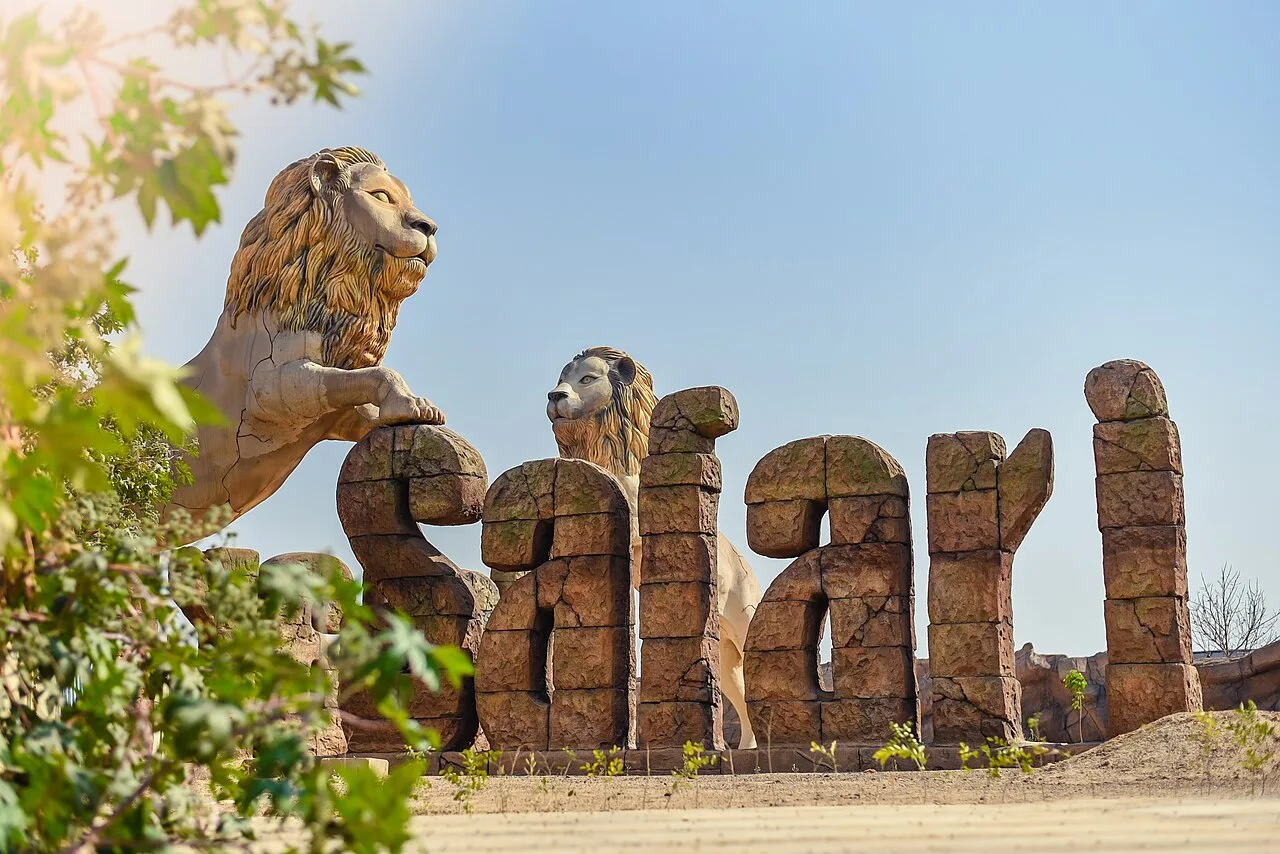
A wildlife attraction in Etawah district, Uttar Pradesh, the park draws visitors for its vehicle-based safari experiences, Asiatic lion breeding centre and visitor centre.

Bateshwar Temples, Agra

88 km away · Agra district

Bateshwar Temples, Agra

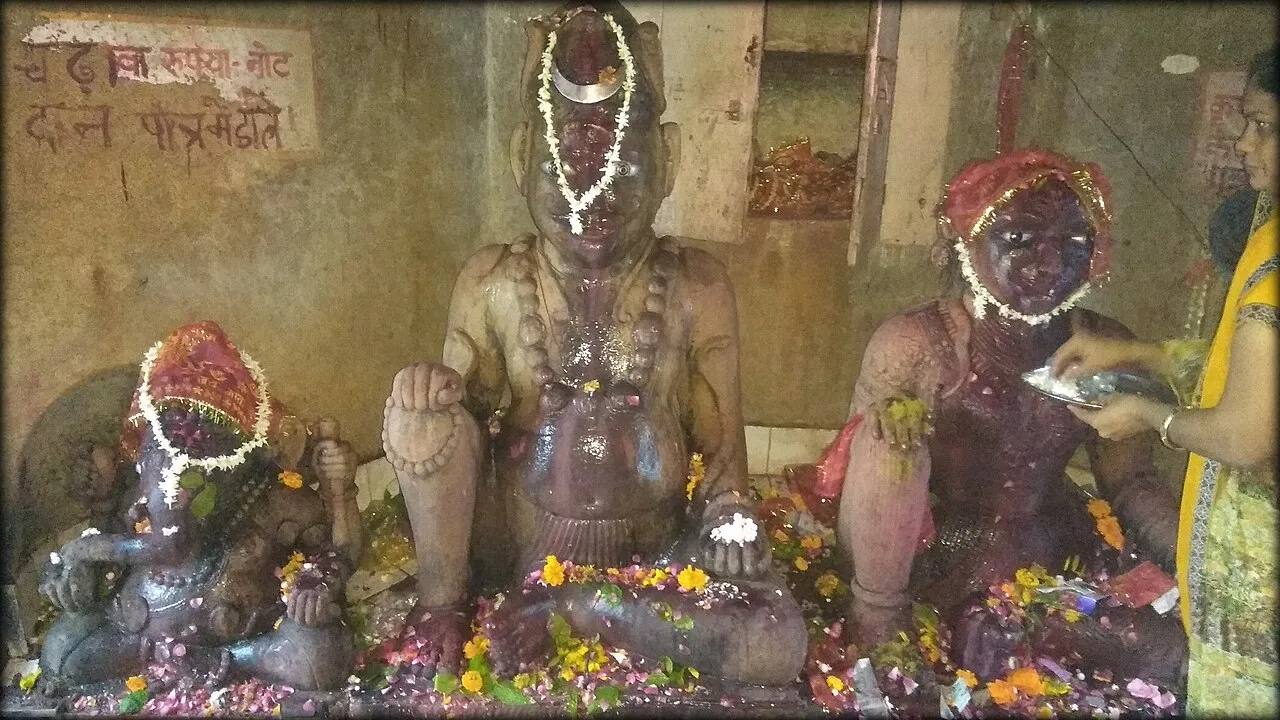
Bateshwar is a village in Uttar Pradesh’s Agra district, known as a spiritual centre for Hindus and Jains, with 101 Shiva temples and an annual fair.

Chini Ka Rauza

117 km away · Agra district

Chini Ka Rauza

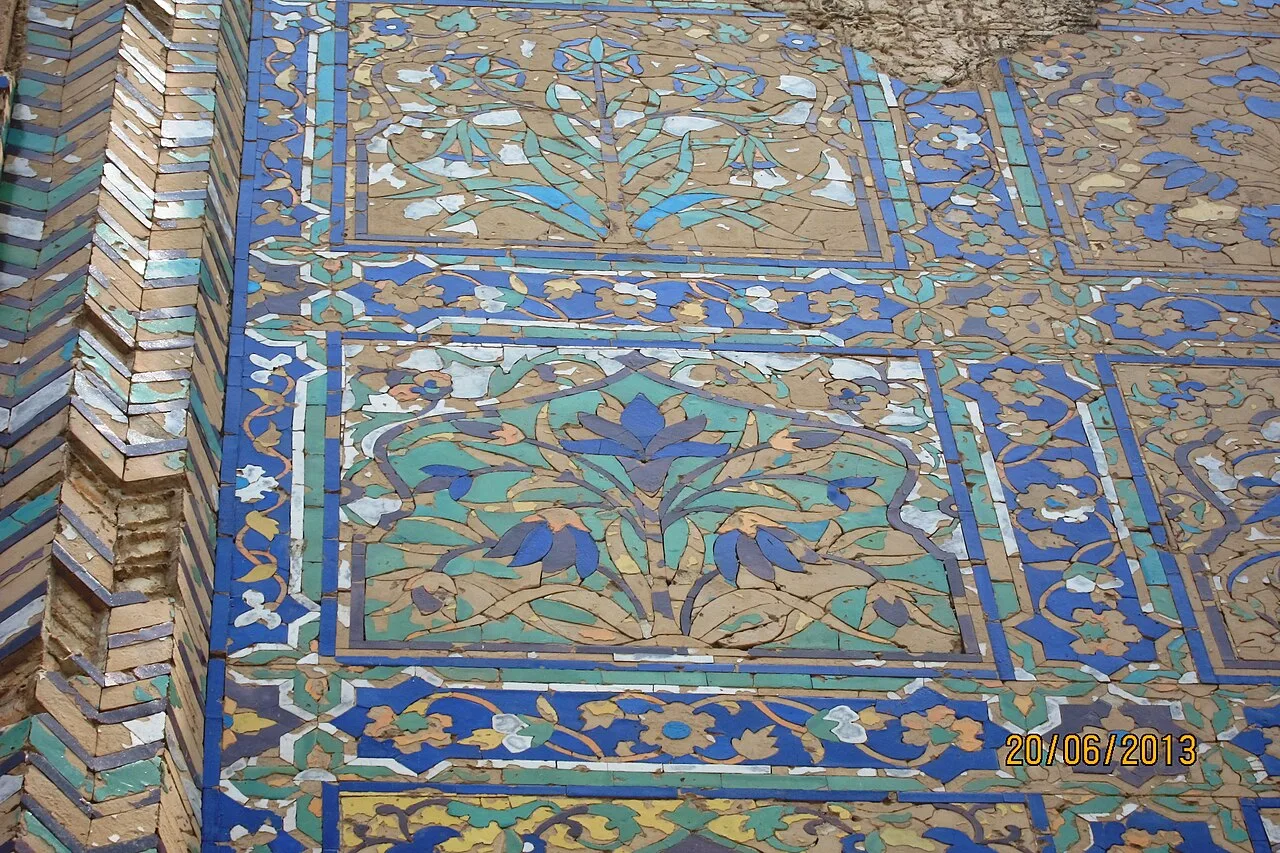
Chini Ka Rauza is a funerary monument in Agra, built in 1635 for Afzal Khan Shirazi, a scholar, poet and Shah Jahan’s grand vizier. Visitors come to see its glazed tiles and learn about its history.

Itmad Ud Daulah

117 km away · Agra district

Itmad Ud Daulah

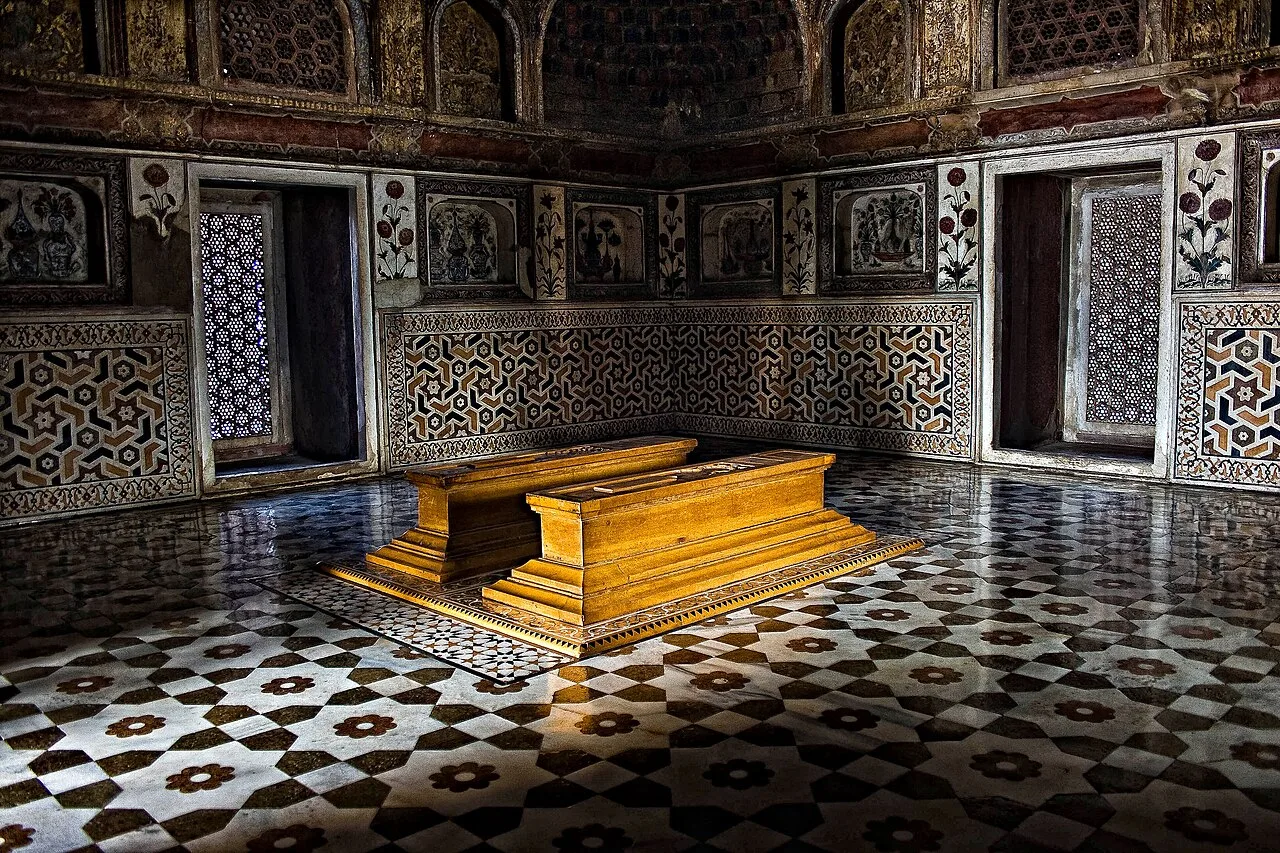
A Mughal marble mausoleum in Agra, Itmad Ud Daulah attracts visitors for its garden setting, intricate decoration and place in the evolution of Mughal architecture.

Mehtab Bagh

117 km away · Agra district

Mehtab Bagh

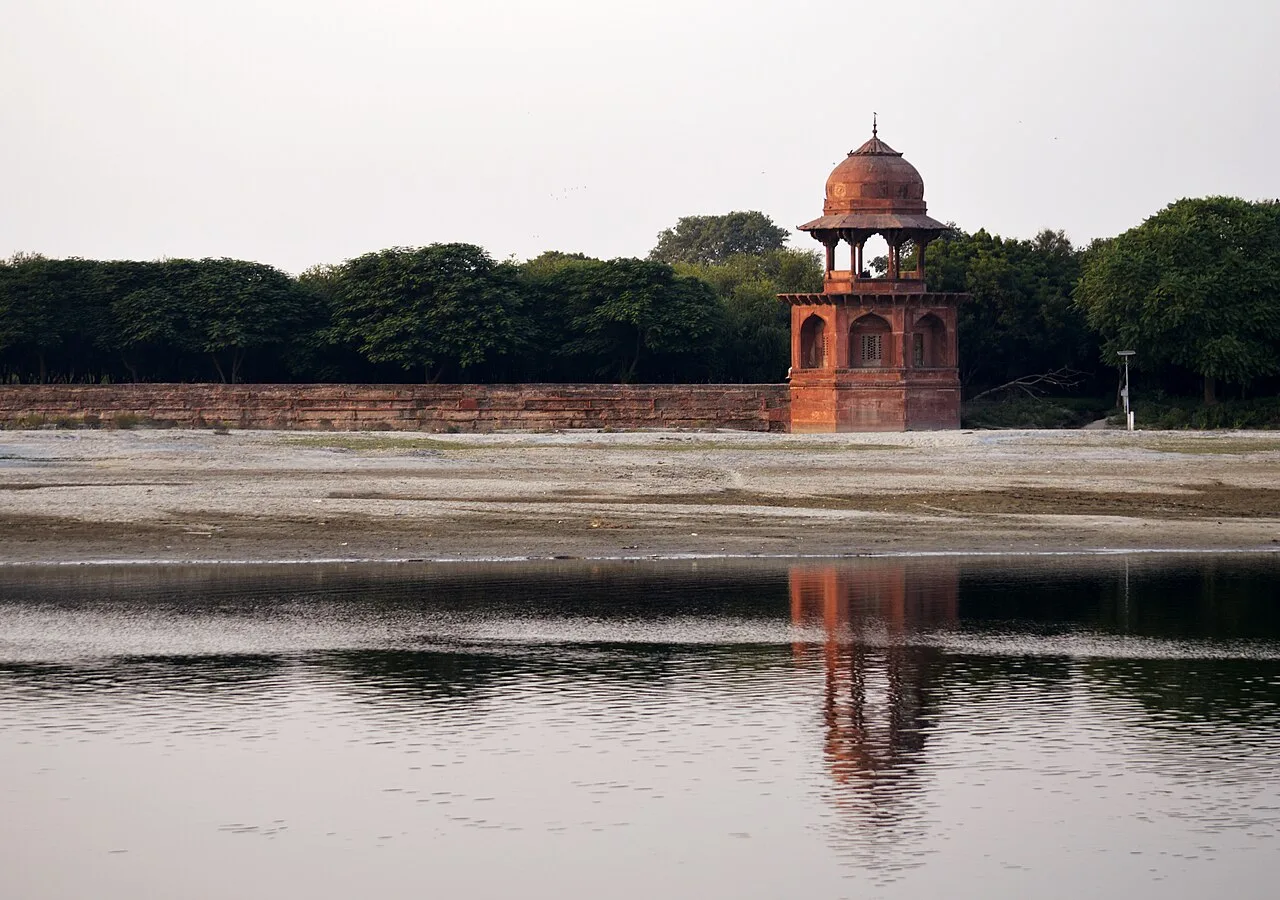
Mehtab Bagh is a square charbagh garden in Agra, Uttar Pradesh, across the Yamuna from the Taj Mahal. Visitors come to see its carefully aligned setting opposite the monument.

Taj Mahal

117 km away · Agra district

Taj Mahal

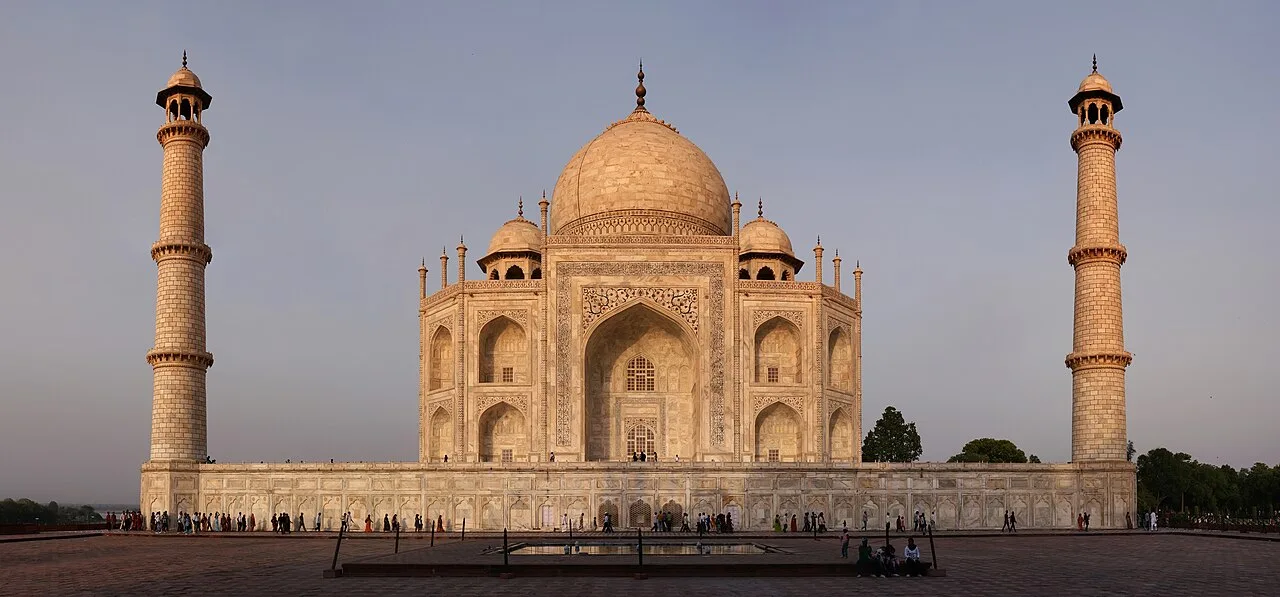
The Taj Mahal is a marble tomb complex in Agra, built for Mumtaz Mahal and Shah Jahan. Visitors come to see its Mughal architecture, gardens and memorials.

Agra Fort

119 km away · Agra district

Agra Fort

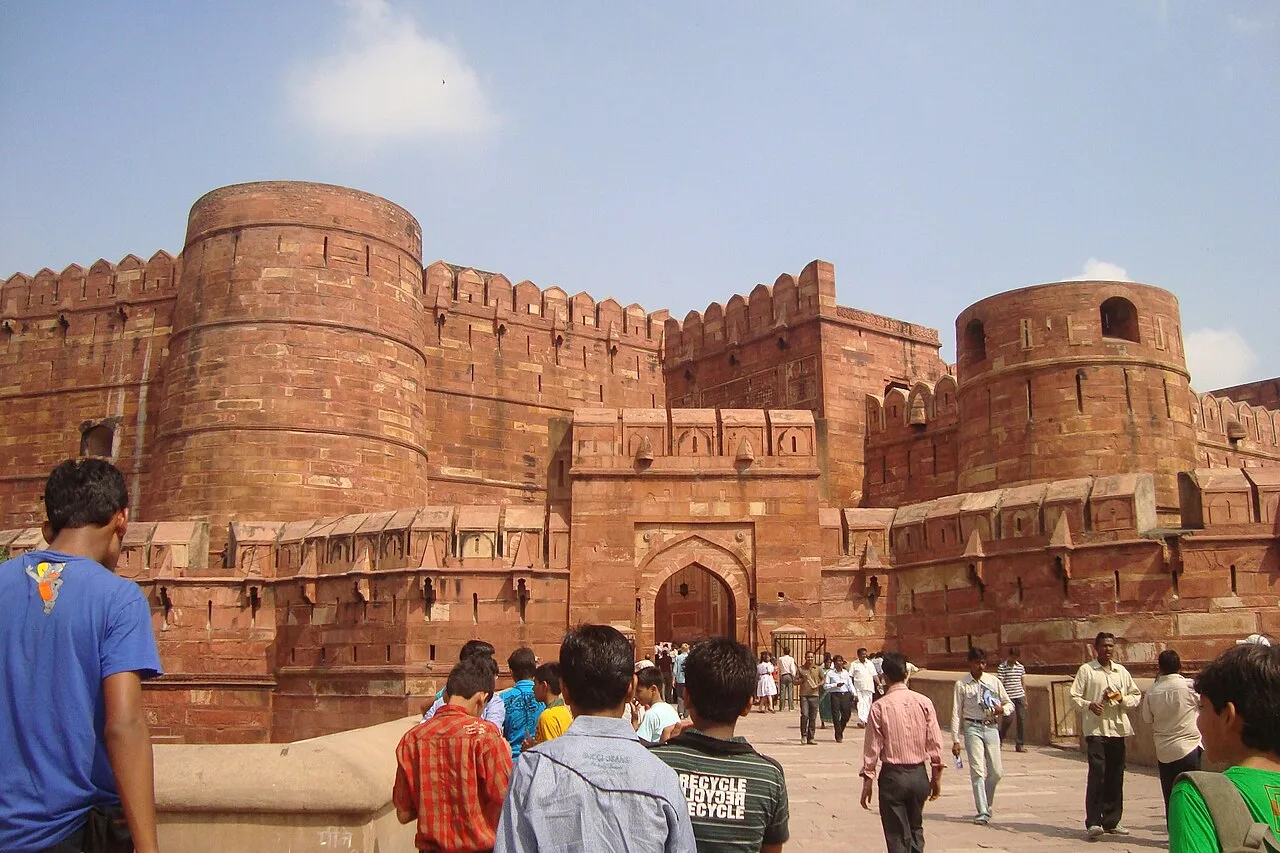
Agra Fort is a major Mughal-era stronghold in Agra, rebuilt by Akbar and later expanded by Shah Jahan. Visitors come to see its palaces, mosques and historic gateways.

Jama Masjid, Agra

119 km away · Agra district

Jama Masjid, Agra

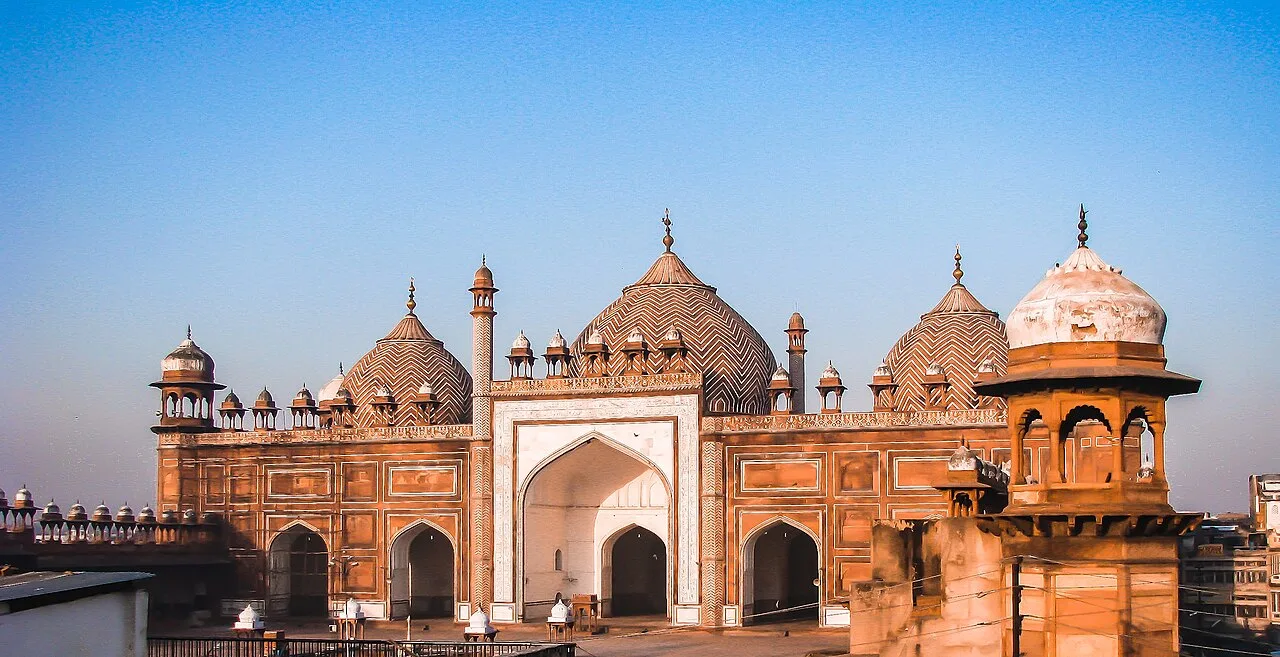
Jama Masjid is a seventeenth-century mosque in Agra, built by Jahanara Begum during Shah Jahan’s reign. Visitors come to see the city’s principal mosque, situated near Agra Fort.

Map

Aliganj on the map

  1. 1Etawah Safari Park
  2. 2Bateshwar Temples, Agra
  3. 3Chini Ka Rauza
  4. 4Itmad Ud Daulah
  5. 5Mehtab Bagh
  6. 6Taj Mahal
  7. 7Agra Fort
  8. 8Jama Masjid, Agra

Uttar Pradesh

Other cities to explore