Ghumoopedia — Explore, Discover, Experience
Sign in
Ayodhya Old Town, near Goshainganj

City guide · Uttar Pradesh

Goshainganj

Goshainganj, also written Gosainganj, is a town and nagar panchayat in Uttar Pradesh’s Ayodhya district. About 32 kilometres from Ayodhya, it serves as a local centre for shopping and everyday commerce.

Famous for

  • Historic Goshainganj market
  • Gosaiganj Katara bazaar
  • Baruwar taluqdar heritage
  • Ayodhya-district trading town

Why Goshainganj matters

Goshainganj, also written Gosainganj, is a town and nagar panchayat in Uttar Pradesh’s Ayodhya district. About 32 kilometres from Ayodhya, it serves as a local centre for shopping and everyday commerce. Its established market is one of the older markets in the district and remains the town’s most distinctive feature. The name is associated with Mahant Inccha Gosai, a saint for whom land was set aside for a market; as the market grew, the settlement became known by a related name.

Goshainganj is not primarily a monument-led tourist destination, but it offers a glimpse of small-town life in the Ayodhya region. Visitors may come to browse its bazaar, attend to local business or use the town as a stop while travelling through the district. Its importance lies in this practical market role and in its historical connection to local landholders and religious figures. Ayodhya’s major pilgrimage sites are within reach for a wider regional visit, while Goshainganj itself is best approached as a working market town rather than a major sightseeing centre.
Famous for: crafts, trade & products

Goshainganj is best known locally for trade rather than for a signature textile, handicraft or manufactured product. Its long-established market serves residents and people from surrounding settlements with everyday shopping and services. The Gosaiganj Katara bazaar is associated with the town’s commercial history and is a natural place to explore the local retail scene. Visitors can look there for routine household goods and provisions, though the town is not widely identified with a specialist craft market or a particular regional product.

No specific Goshainganj-made textile, craft or GI-tagged product is firmly associated with the town. Travellers seeking a particular Awadh or Ayodhya-region specialty should check its origin rather than assume it is made locally. The town’s story is more about the creation and persistence of a market than about a single industry: land was given for a market by a local taluqdar, and another bazaar is linked to the family of Madho Singh Barwar. For visitors, the historic bazaar is the most meaningful place to see how Goshainganj functions as a local trading centre today.

History

Goshainganj’s early growth is closely tied to its market. Local tradition connects the market’s founding to Rai Ahankaari Singh, also known as Ahankari Rae, a Baruwar taluqdar who gave land to the saint Mahant Inccha Gosai. The market and, in time, the settlement became associated with the saint’s name. Gosaiganj Katara bazaar has a separate founding tradition: it is said to have been established by the wife of Madho Singh Barwar. Together, these accounts point to the role of local landholding families and religious figures in shaping the town’s commercial life.

A detailed, well-established account of Goshainganj’s experience under colonial rule is not readily identifiable, so specific colonial-era events should not be assumed. In modern times, it has developed as a nagar panchayat and local market town within Ayodhya district. Its proximity to Ayodhya and its continuing role in serving nearby communities have shaped its regional importance more than large-scale industry or a major tourist landmark.

Food, festivals & culture

Goshainganj shares the everyday cultural life of the Awadh region. Hindi is widely used, and Awadhi is also spoken locally. The town is not especially known for a distinctive cuisine or a signature sweet; visitors are more likely to find familiar North Indian meals and snacks in local eateries and market areas. For a broader selection of regional food and pilgrimage-related experiences, nearby Ayodhya is a useful extension to a visit.

Holi in spring, Diwali in autumn and Ram Navami in spring are among the widely observed Hindu festivals in the region; Muslim residents also mark Eid celebrations. The town’s religious life includes local places of worship, though Goshainganj is not chiefly known as a major pilgrimage centre. Folk singing and performance traditions of Awadh belong to the wider regional culture, but no single music or dance form is uniquely associated with the town. Festival activity and daily worship are best experienced respectfully, with attention to local customs and any restrictions at individual sites.

Visiting the city

The cooler months, roughly October to March, are generally the most comfortable time to visit; summer can be very hot, while monsoon travel may bring rain. The nearest airport is Maharshi Valmiki International Airport, Ayodhyadham. Goshainganj has its own railway station, while Ayodhya Dham Junction is a larger rail hub for the area. Check current connections before setting out, as routes and services can change.

Auto-rickshaws and local road transport are practical for getting around town; the market area is the main place to explore on foot. Spend time around the historic bazaar and Gosaiganj Katara bazaar to see local commerce. Ayodhya’s pilgrimage sites can be added as a separate regional excursion. Goshainganj is a modest market town, so plan around its local services rather than expecting a large concentration of visitor facilities.

Trips from the city

Nearest places to visit from Goshainganj

Our closest destination guides, by straight-line distance.

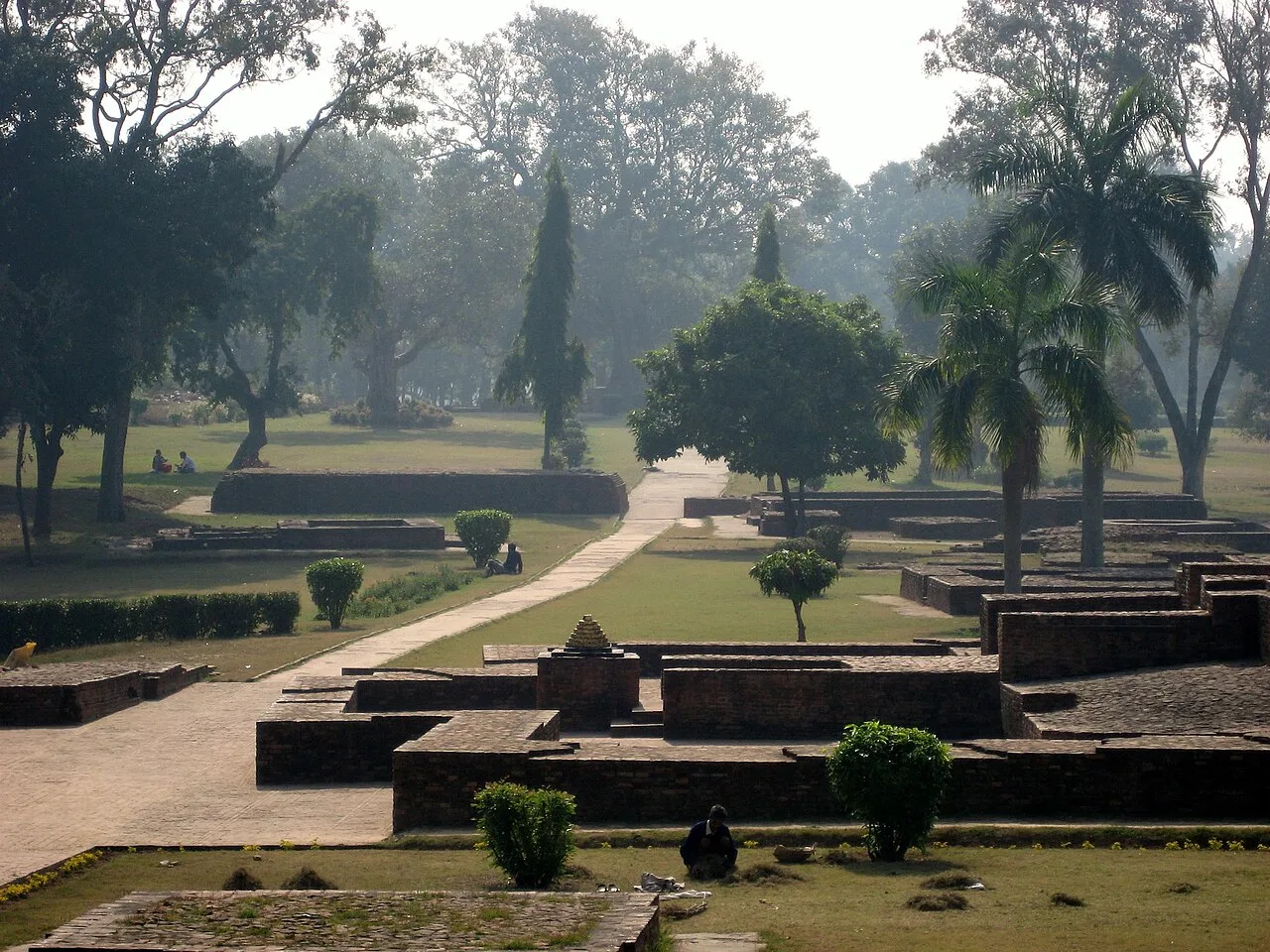
Ayodhya Old Town

31 km away · Ayodhya district

Ayodhya Old Town

Ayodhya Old Town is the historic centre of a city in Uttar Pradesh, associated with early Buddhist and Jain traditions and the Hindu epic Ramayana. Visitors come chiefly for its religious importance and links to Rama.

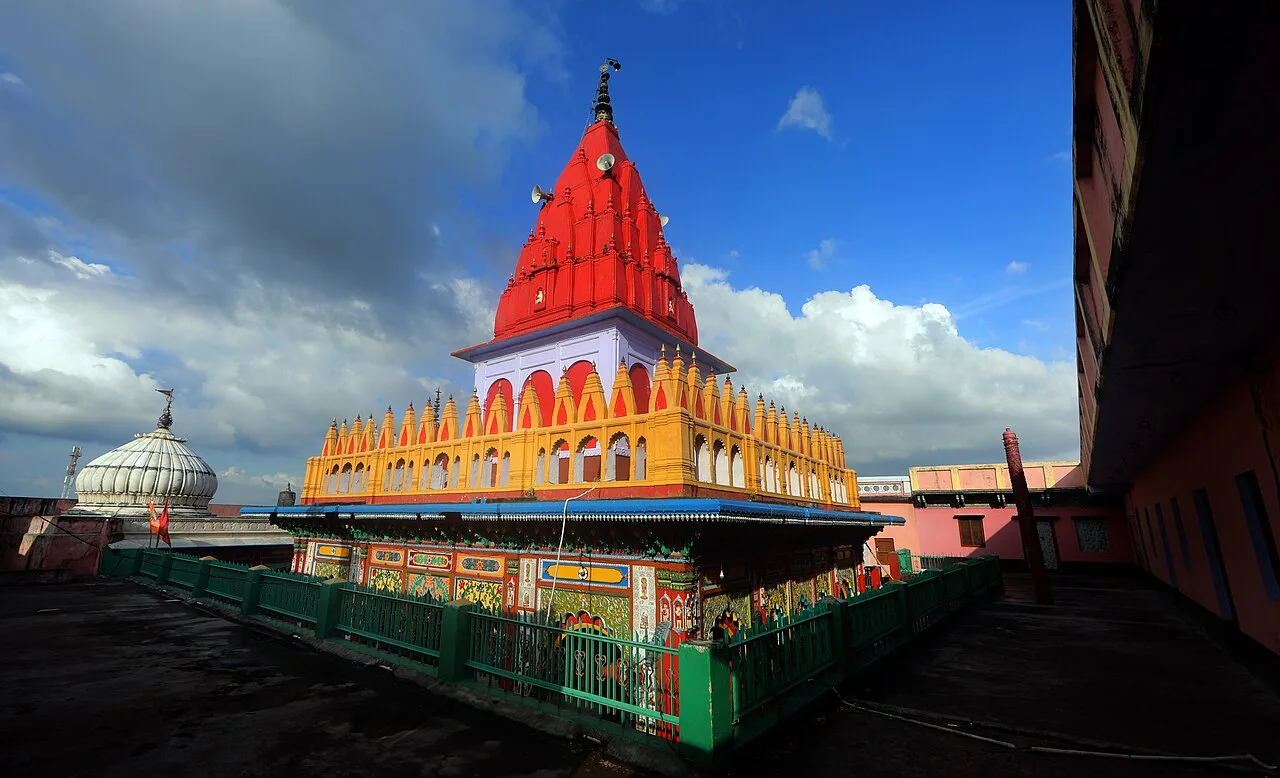
Hanuman Garhi

31 km away · Ayodhya district

Hanuman Garhi

Hanuman Garhi is a Hindu shrine to Hanuman in Ayodhya, Uttar Pradesh. People visit to worship there, and it is counted among the city’s important temples.

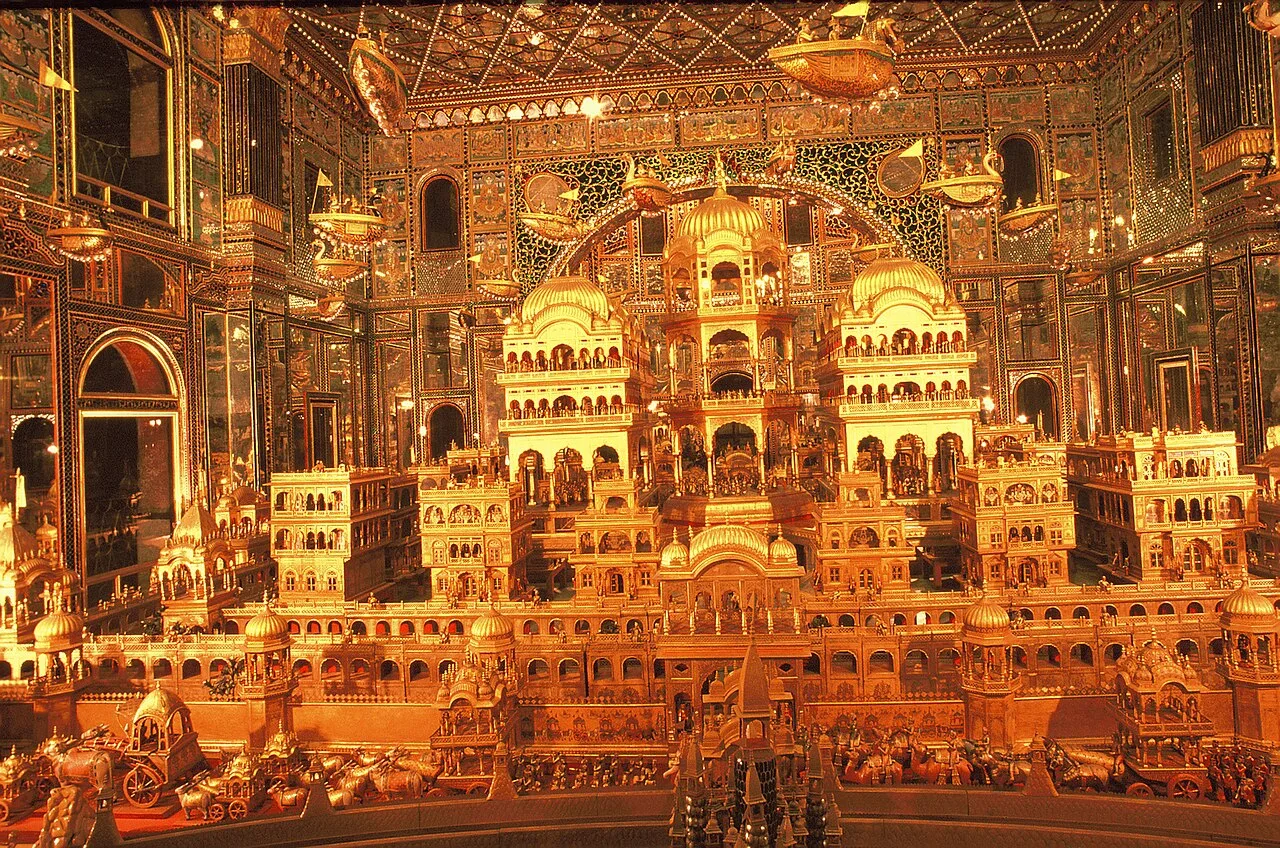
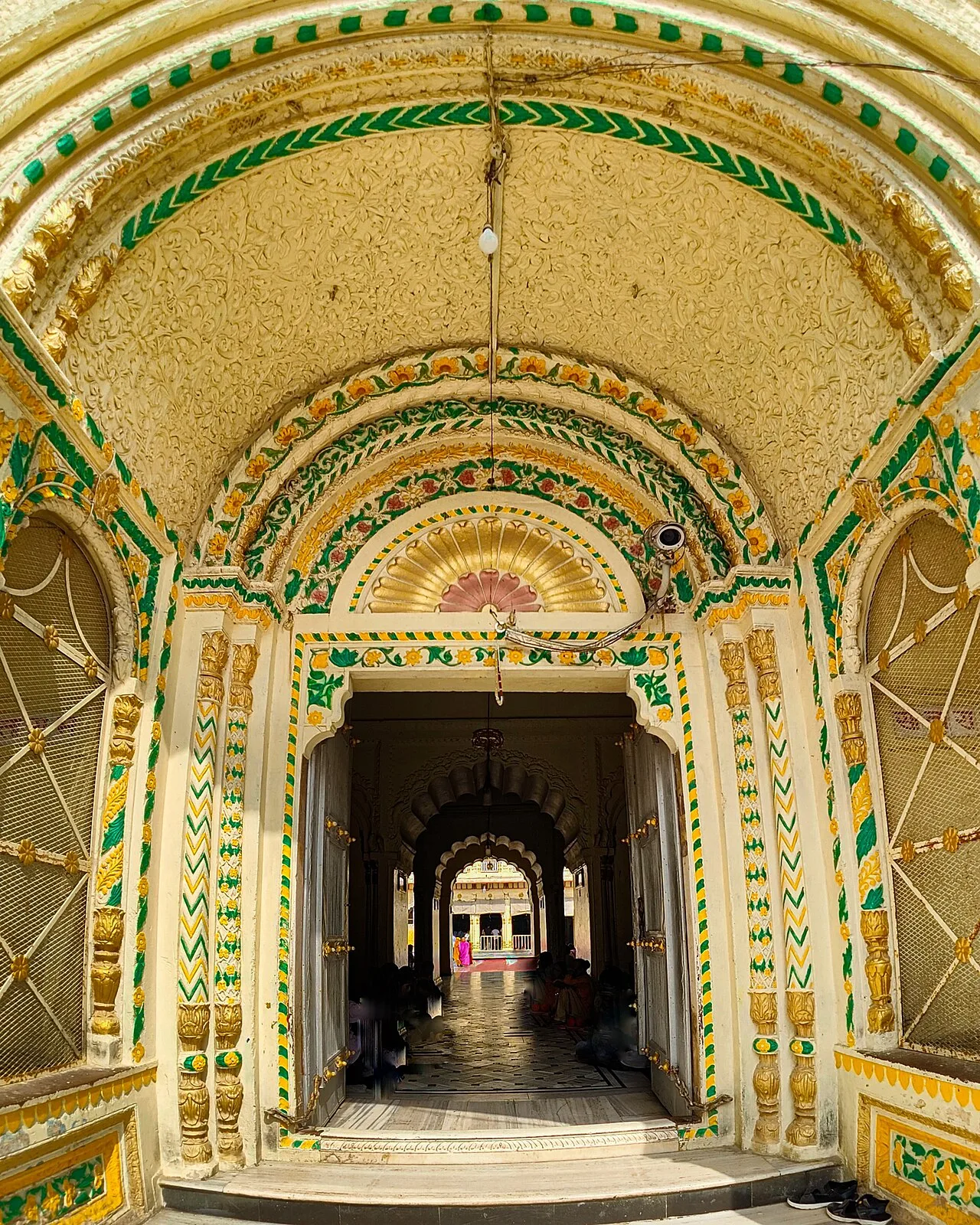
Kanak Bhawan

31 km away · Ayodhya district

Kanak Bhawan

Kanak Bhawan is an Ayodhya temple linked to the stories of Rama and Sita, whose images are enshrined there. Visitors come to see the shrine and learn its traditional history.

Ram Mandir

31 km away · Ayodhya district

Ram Mandir

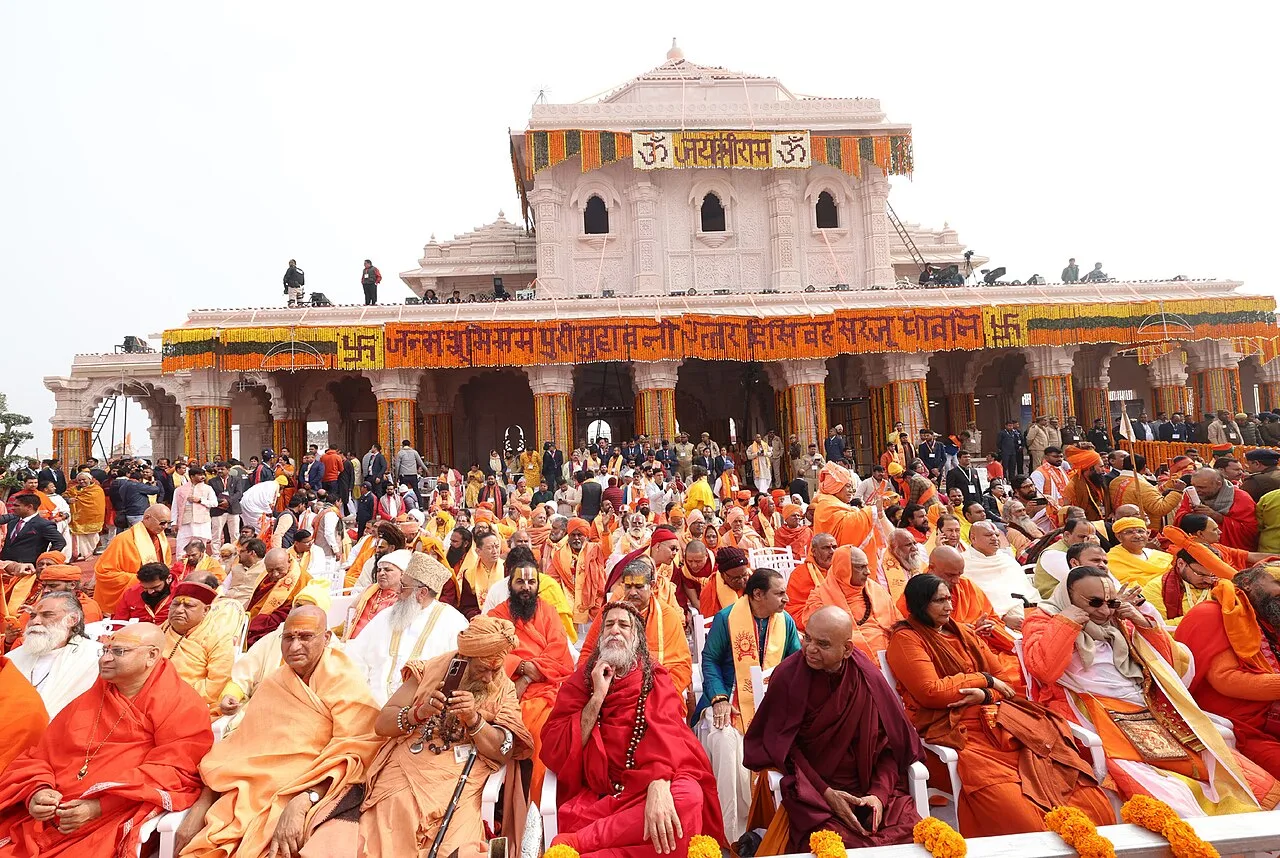
Ram Mandir is a Hindu temple complex in Ayodhya, Uttar Pradesh. Visitors come to worship at a place many Hindus regard as the birthplace of Rama.

Atala Mosque

96 km away · Jaunpur district

Atala Mosque

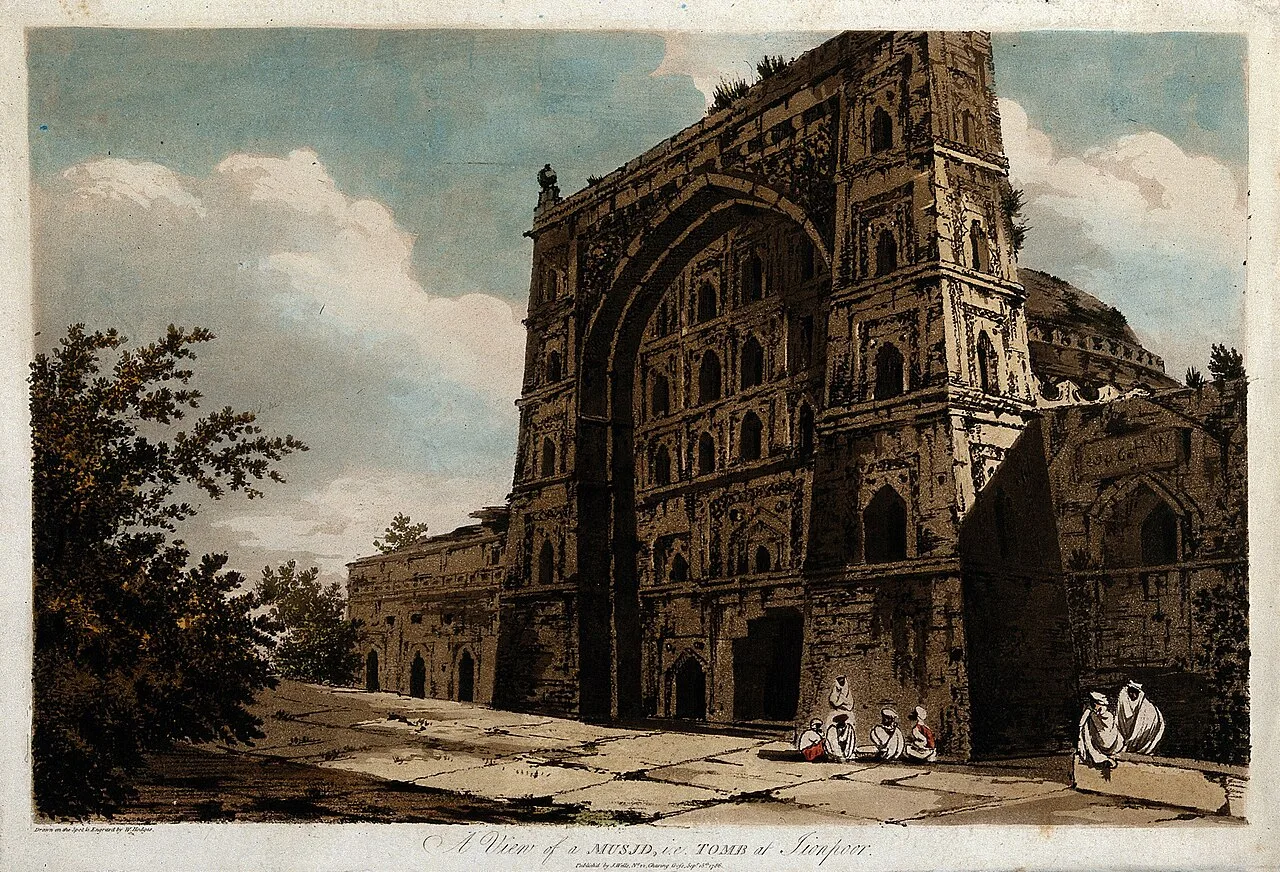
Atala Mosque, a 15th-century place of worship in Jaunpur, Uttar Pradesh, is visited by those wishing to see a historic mosque near the city’s Shahi Qila and Jama Mosque.

Shahi Bridge

96 km away · Jaunpur district

Shahi Bridge

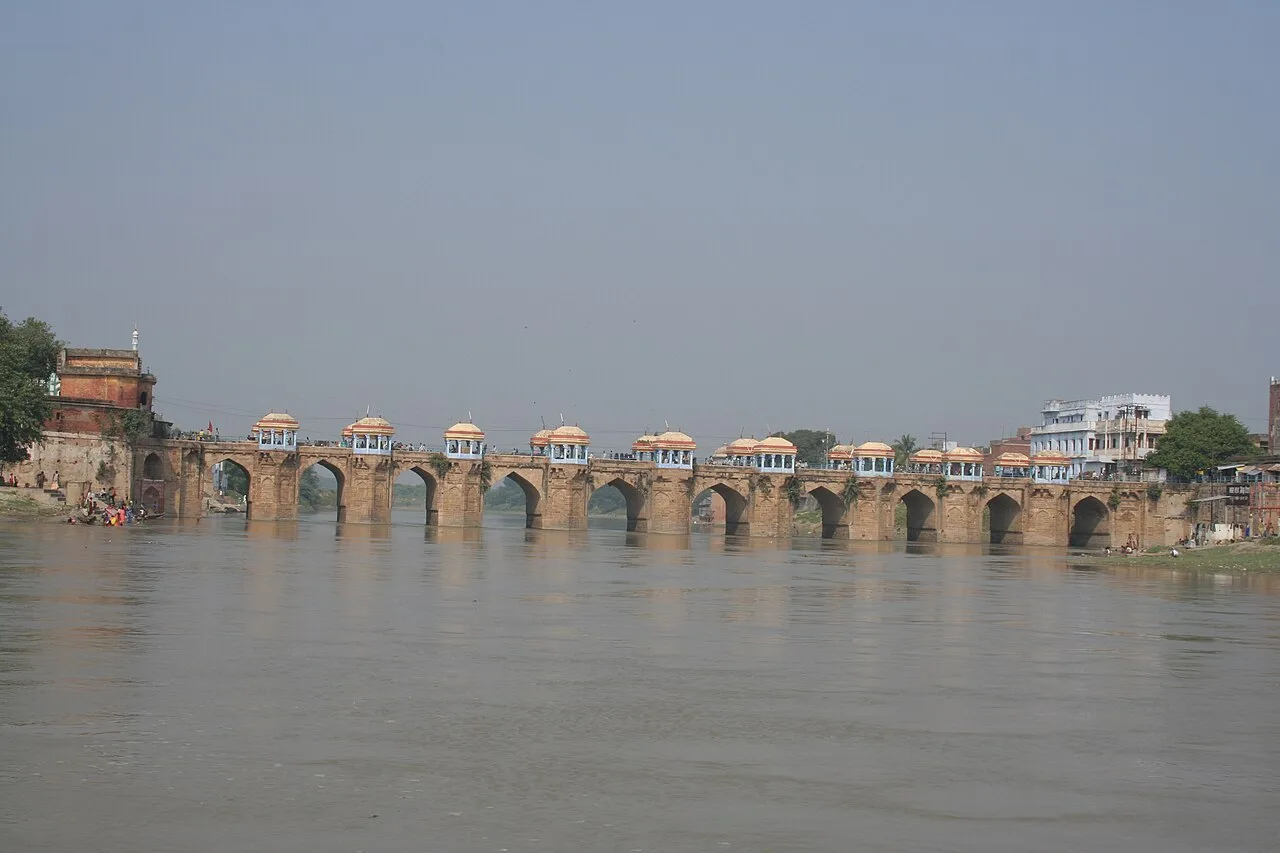
Shahi Bridge is a 16th-century crossing over the Gomti in Jaunpur, Uttar Pradesh. Visitors come to see the historic bridge, which is also known by several other names.

Gorakhnath Math

100 km away · Gorakhpur district

Gorakhnath Math

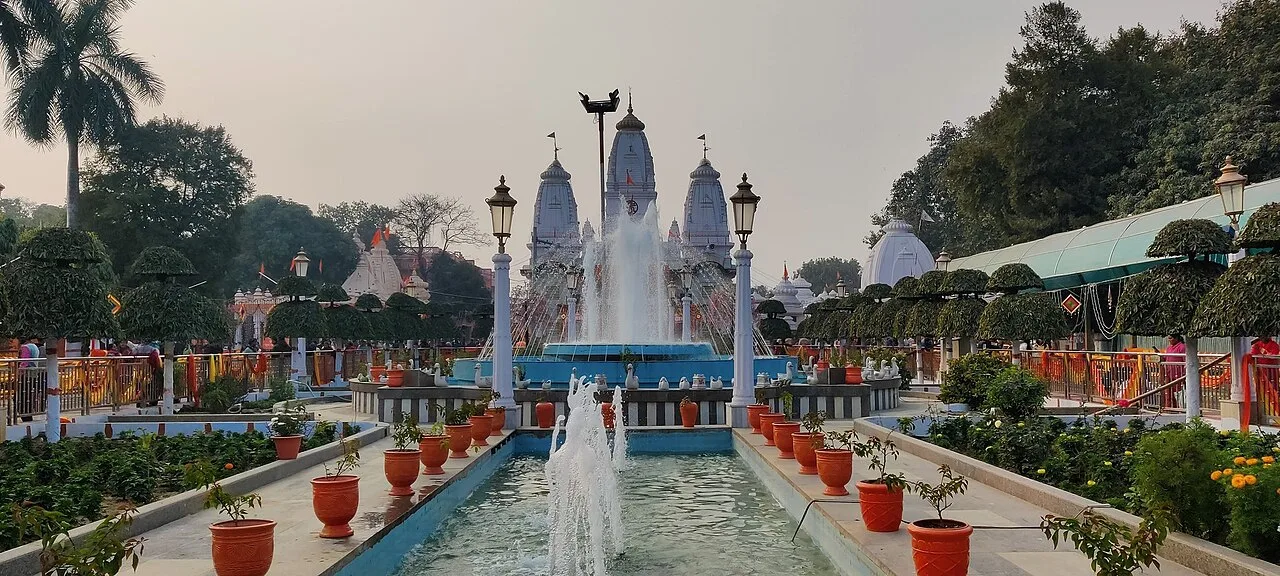
Gorakhnath Math is a Hindu temple and Nath monastic centre in Gorakhpur, Uttar Pradesh. People visit for its religious role and the cultural and social activities held on its premises.

Jetavana

110 km away · Shravasti district

Jetavana

Jetavana is a Buddhist monastic site near ancient Savatthi, in Uttar Pradesh’s Shravasti district. Visitors explore its close association with the Buddha, who stayed there and delivered many teachings.

Map

Goshainganj on the map

  1. 1Ayodhya Old Town
  2. 2Hanuman Garhi
  3. 3Kanak Bhawan
  4. 4Ram Mandir
  5. 5Atala Mosque
  6. 6Shahi Bridge
  7. 7Gorakhnath Math
  8. 8Jetavana

Uttar Pradesh

Other cities to explore