Ghumoopedia — Explore, Discover, Experience
Sign in

City guide · Uttar Pradesh

Mohammadabad

Mohammadabad is a town and nagar panchayat in Farrukhabad district, in the Kannauj–Farrukhabad region of Uttar Pradesh. Its importance is chiefly local: it serves residents of the town and surrounding villages with everyday shops, services and civic facilities, while remaining connected to the larger district centre at Farrukhabad.

Famous for

  • Farrukhabad district setting
  • Local rural-market life
  • Nearby Sankisa heritage
  • Regional hand-block printing

Why Mohammadabad matters

Mohammadabad is a town and nagar panchayat in Farrukhabad district, in the Kannauj–Farrukhabad region of Uttar Pradesh. Its importance is chiefly local: it serves residents of the town and surrounding villages with everyday shops, services and civic facilities, while remaining connected to the larger district centre at Farrukhabad. Visitors are more likely to come for family, business or regional travel than for a major sightseeing circuit within the town itself.

The wider district offers points of interest for a longer visit. These include the historic city of Farrukhabad and Sankisa, an archaeological site associated with Buddhist tradition. Mohammadabad can provide a glimpse of ordinary small-town life in the Ganga plain, with neighbourhood markets, places of worship and a rural hinterland. The district is also associated with hand-block printing, though this craft should be sought from specialist makers and sellers rather than assumed to be a prominent Mohammadabad industry. For travellers, the town is best understood as a practical stop within a broader exploration of Farrukhabad district.
Famous for: crafts, trade & products

Mohammadabad is primarily a local service and trading centre for nearby settlements. Its shops and bazaars cater to everyday needs, including groceries, clothing and household goods; there is no widely established basis for describing the town itself as a major textile, saree or handicraft hub. Visitors looking for a distinctive local product should ask traders about the item’s place of production rather than assume it was made in town.

At the district level, Farrukhabad is associated with hand-block-printed textiles, including the craft known as Farrukhabad print. To see or buy such work, enquire at specialist textile and printing businesses in Farrukhabad city, where makers or sellers are more likely to have relevant knowledge. Availability and production practices can vary, so ask whether an item is locally printed and, where relevant, whether it carries the appropriate GI identification. Mohammadabad’s own market is useful for everyday shopping and a sense of local commerce, but it is not a documented destination for a signature GI product or a major industrial cluster.

History

Mohammadabad’s local history is not as widely documented as that of the district headquarters, Farrukhabad. The town’s development is best understood in relation to the surrounding agricultural settlements and the growth of local administration, trade and transport in the central Ganga plain. Its present civic role is reflected in its status as a nagar panchayat, serving the town and its nearby rural catchment.

The broader district’s history provides useful context. Farrukhabad city was founded in 1714 by Muhammad Khan Bangash, a regional ruler, and grew into an important centre under Bangash rule. The area later came under British influence and became part of the colonial administrative landscape of northern India. In the modern period, district institutions, road links and local markets have shaped settlement growth. Mohammadabad has developed within this wider regional history, but specific claims about its founding, rulers or colonial-era events should be treated cautiously unless supported by local records.

Food, festivals & culture

Daily life in Mohammadabad reflects the small-town and village culture of the Farrukhabad region. Hindi is widely used, alongside regional speech forms such as Kannauji; Urdu is also part of the area’s linguistic and cultural life. Neighbourhood temples and mosques serve local worshippers, while family and community gatherings are important occasions for social life.

Holi, usually in spring, and Diwali, in autumn, are widely observed, as are Eid celebrations and Muharram among Muslim communities. The calendar also includes religious observances and fairs that may vary between neighbourhoods and villages. There is no single dish or sweet that is firmly established as Mohammadabad’s signature. Local eateries and market stalls typically offer familiar North Indian fare such as poori-sabzi, kachori, snacks and sweets including jalebi, with menus changing by season. Music and dance are generally heard in devotional settings, weddings and festival gatherings rather than presented as a dedicated visitor attraction.

Visiting the city

The cooler months, roughly October to March, are generally the most comfortable for visiting; summers can be very hot, and the monsoon brings rain and humidity. Farrukhabad Junction is the main railway station for reaching the district and continuing by road to Mohammadabad. Bareilly Airport is a nearby airport to check for available flights; Kanpur and Lucknow are other options, with connectivity depending on current services.

Within town, local autos, shared vehicles and taxis can help with short trips; confirm the destination before setting out. The central bazaar and surrounding civic centre are useful areas to explore on foot for everyday shops and local life. Mohammadabad is a modest base rather than a major sightseeing destination, so allow additional travel time for district excursions such as Farrukhabad city or Sankisa. Check current road and transport conditions before travelling.

Trips from the city

Nearest places to visit from Mohammadabad

Our closest destination guides, by straight-line distance.

Etawah Safari Park

74 km away · Etawah district

Etawah Safari Park

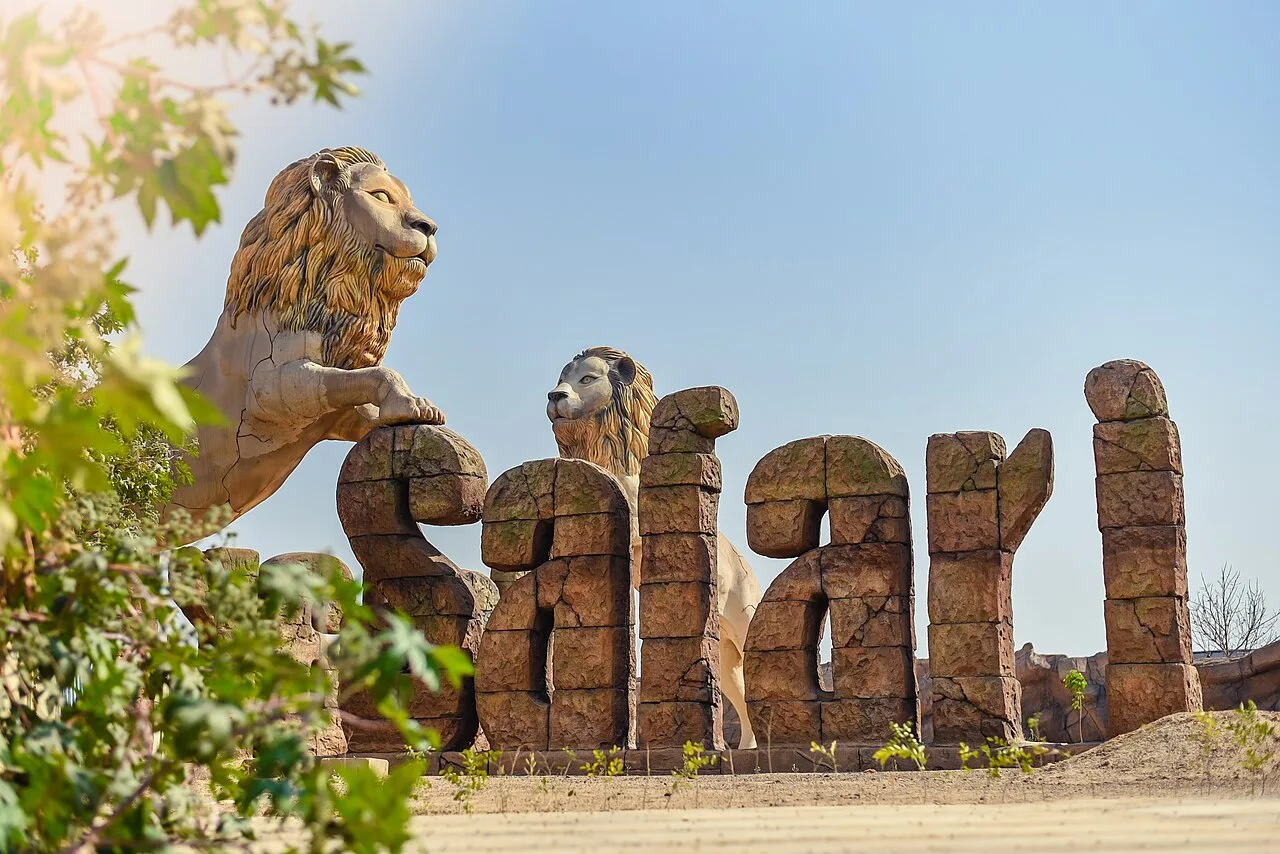
A wildlife attraction in Etawah district, Uttar Pradesh, the park draws visitors for its vehicle-based safari experiences, Asiatic lion breeding centre and visitor centre.

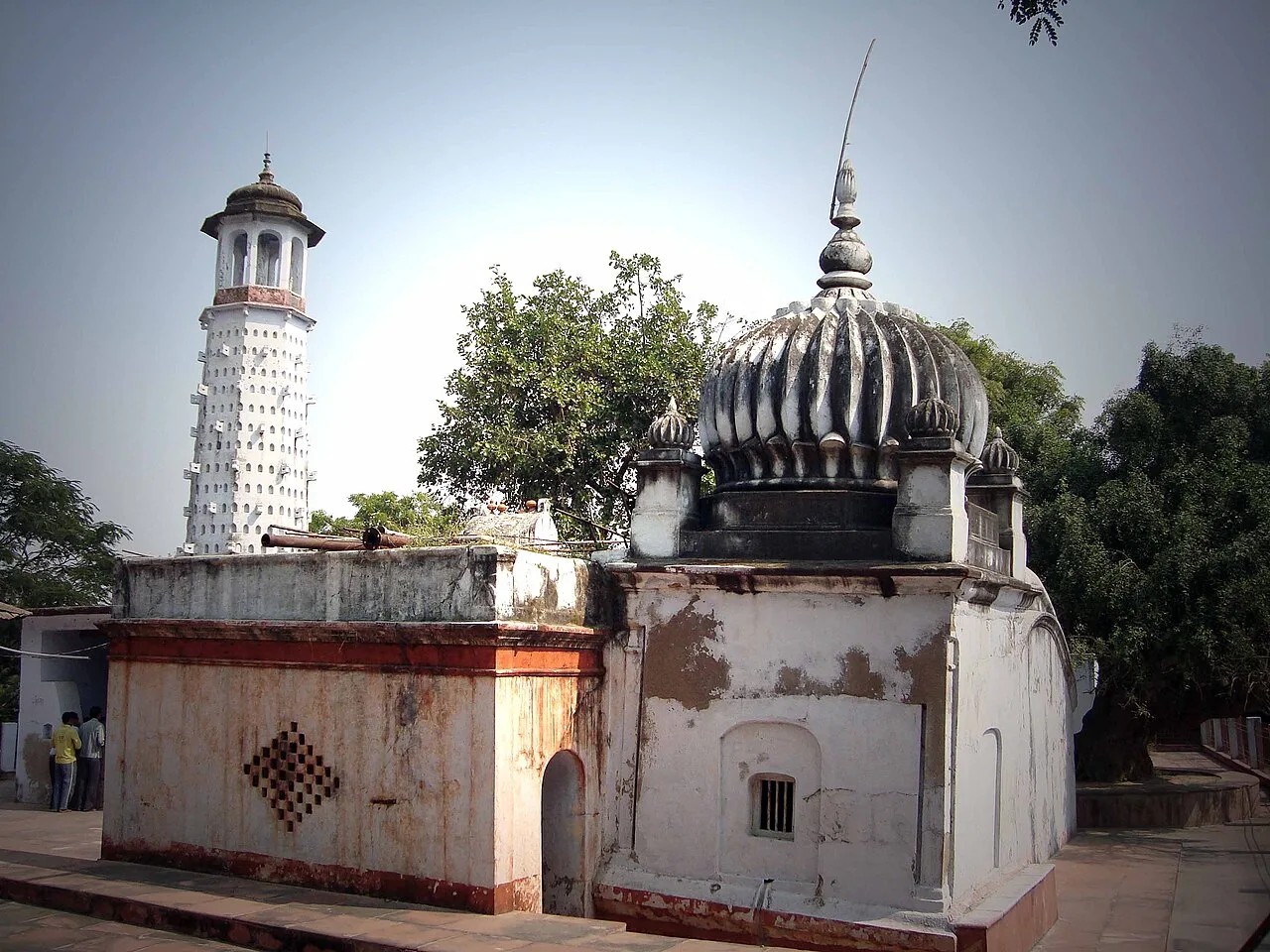
Bateshwar Temples, Agra

97 km away · Agra district

Bateshwar Temples, Agra

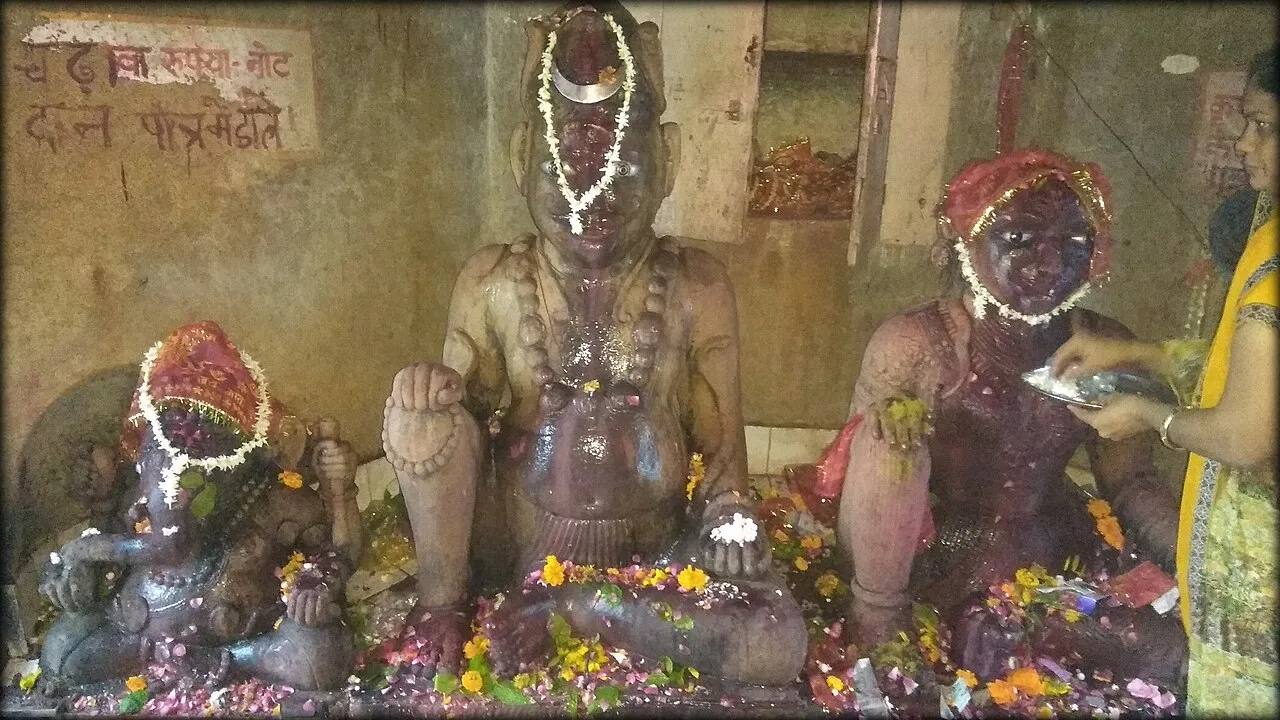
Bateshwar is a village in Uttar Pradesh’s Agra district, known as a spiritual centre for Hindus and Jains, with 101 Shiva temples and an annual fair.

Bithoor Ghats

114 km away · Kanpur Nagar district

Bithoor Ghats

Bithoor Ghats are part of Bithoor, a town in Uttar Pradesh beside the Ganges. People visit for its importance as a Hindu pilgrimage centre and its connection with Nana Sahib and the 1857 uprising.

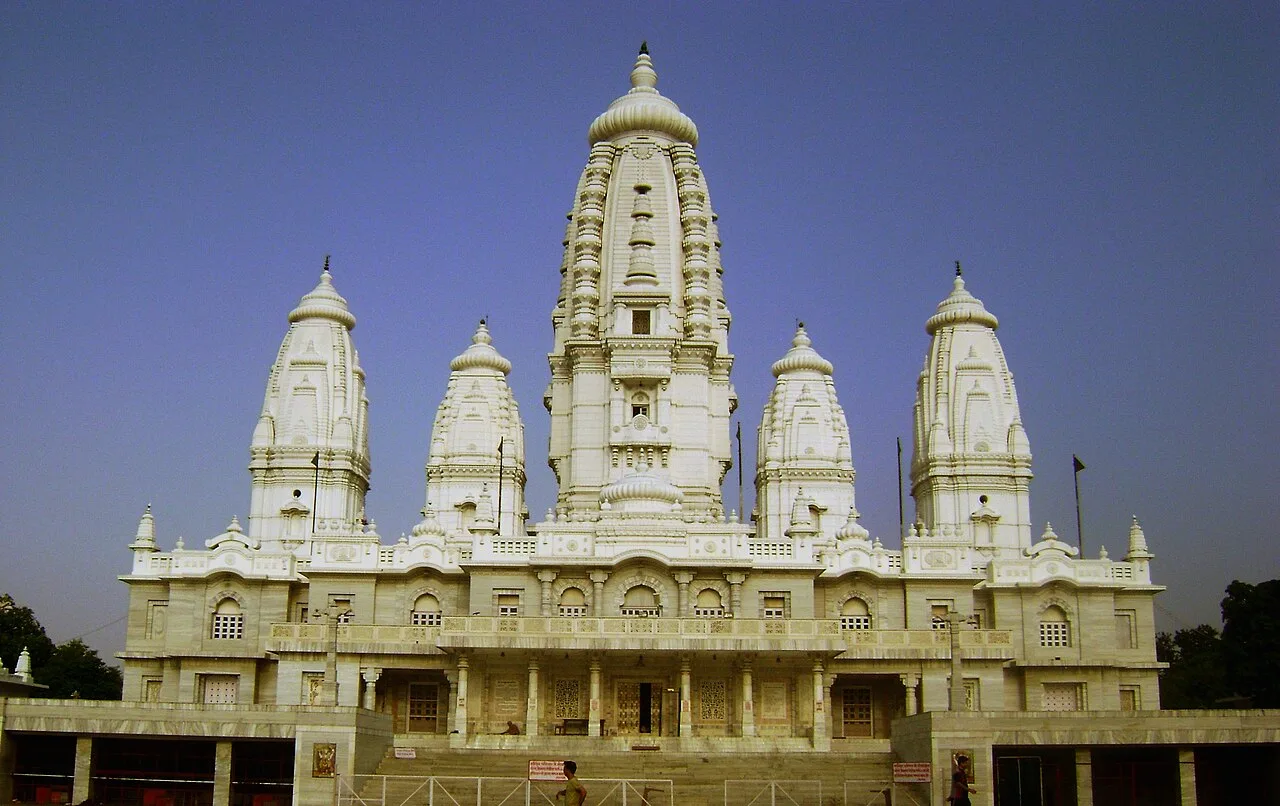
JK Temple

127 km away · Kanpur Nagar district

JK Temple

Known also as the Juggilal Kamlapat Temple and Radhakrishna Temple, this Hindu place of worship in Kanpur draws visitors for its combination of traditional and modern architectural features.

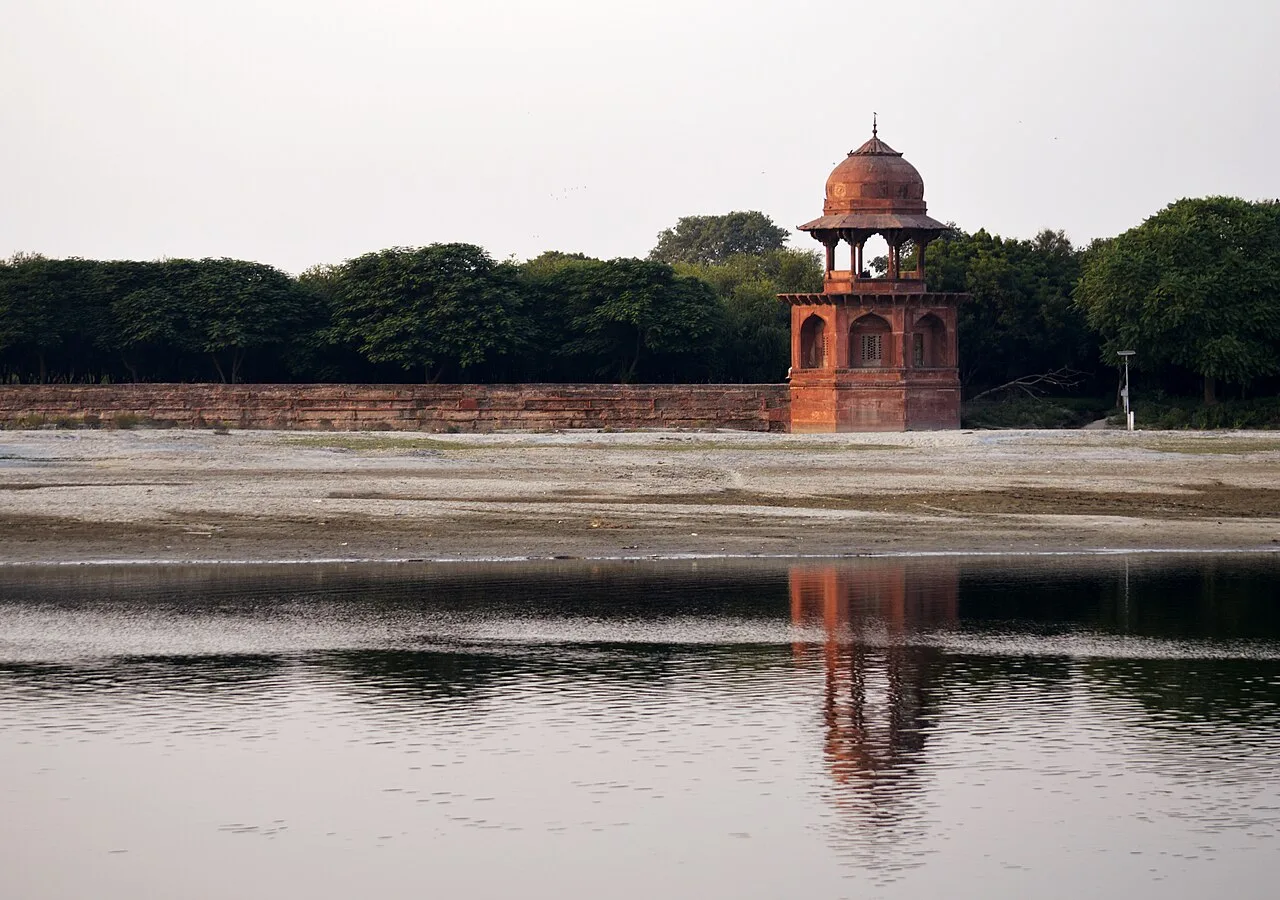
Mehtab Bagh

138 km away · Agra district

Mehtab Bagh

Mehtab Bagh is a square charbagh garden in Agra, Uttar Pradesh, across the Yamuna from the Taj Mahal. Visitors come to see its carefully aligned setting opposite the monument.

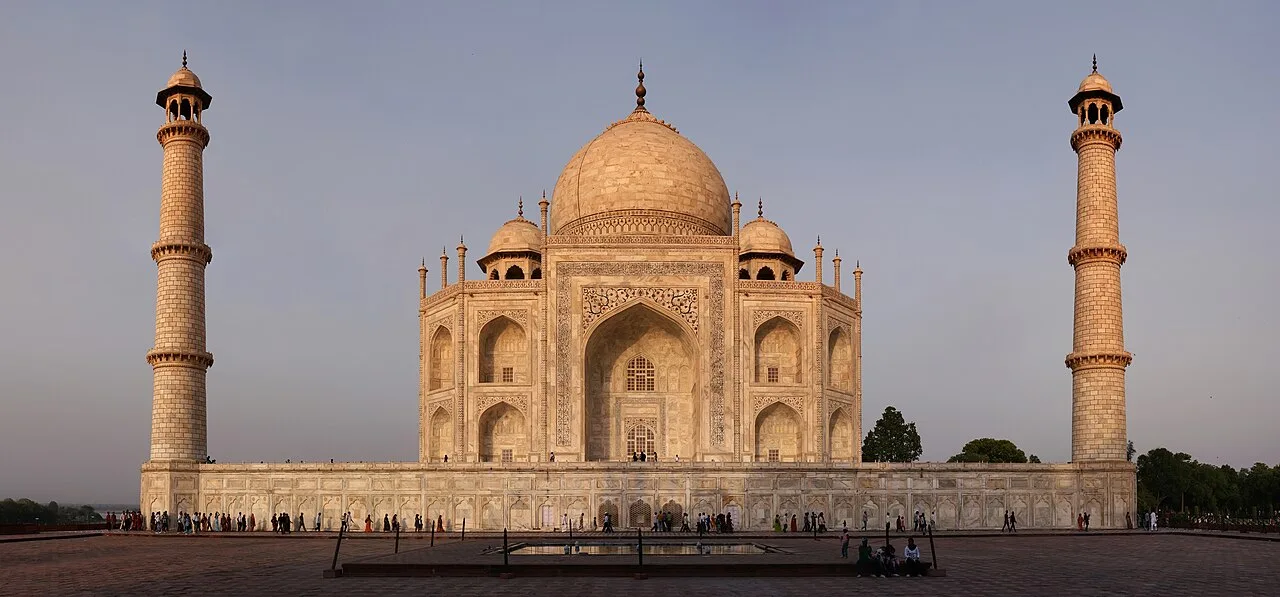
Taj Mahal

138 km away · Agra district

Taj Mahal

The Taj Mahal is a marble tomb complex in Agra, built for Mumtaz Mahal and Shah Jahan. Visitors come to see its Mughal architecture, gardens and memorials.

Chini Ka Rauza

139 km away · Agra district

Chini Ka Rauza

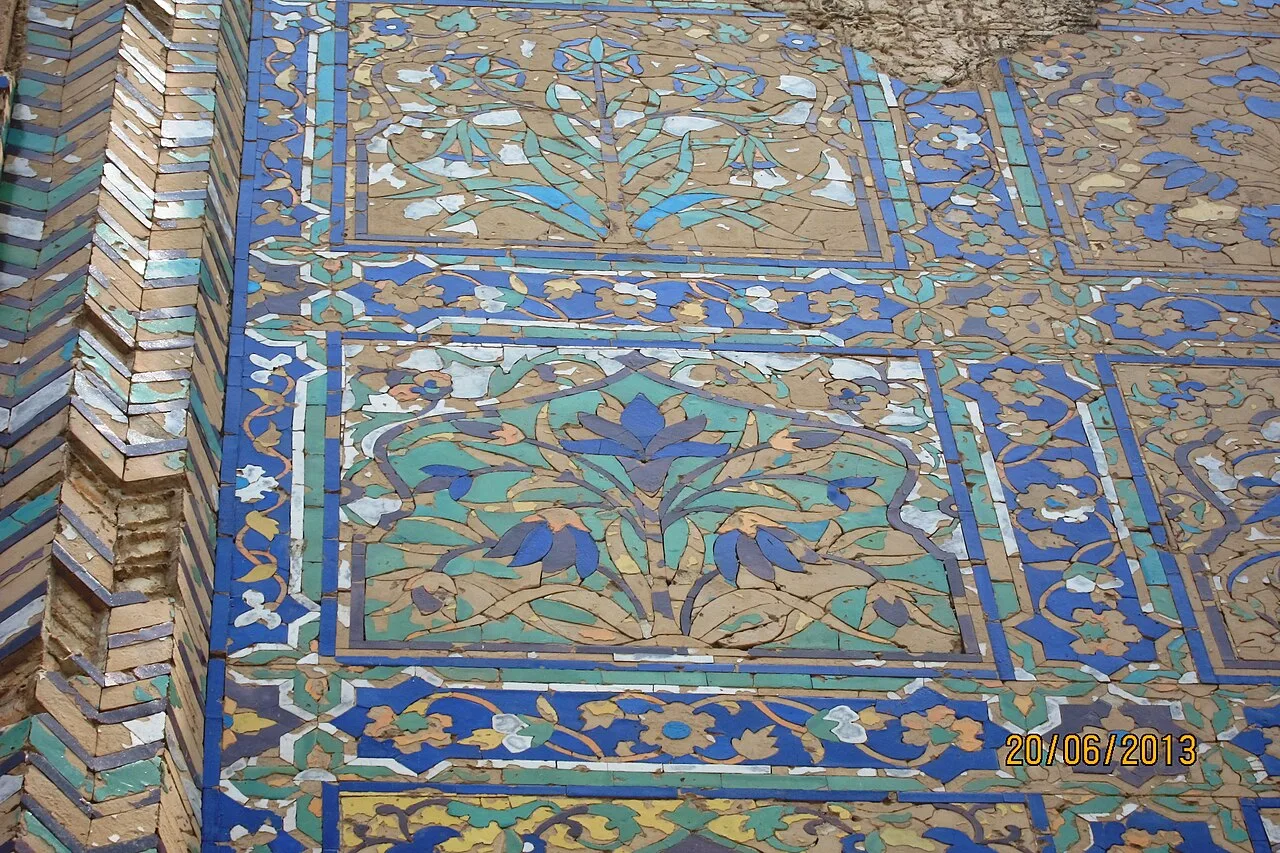
Chini Ka Rauza is a funerary monument in Agra, built in 1635 for Afzal Khan Shirazi, a scholar, poet and Shah Jahan’s grand vizier. Visitors come to see its glazed tiles and learn about its history.

Itmad Ud Daulah

139 km away · Agra district

Itmad Ud Daulah

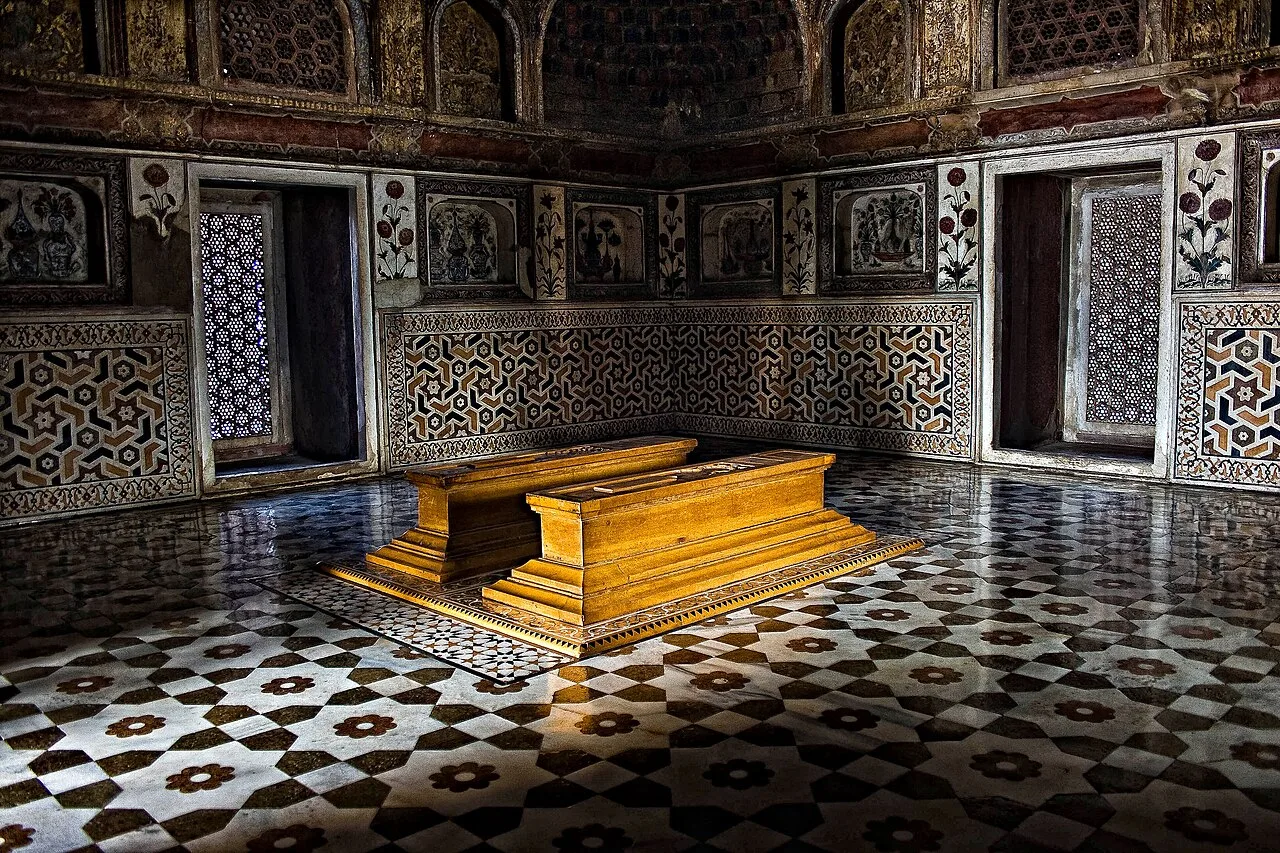
A Mughal marble mausoleum in Agra, Itmad Ud Daulah attracts visitors for its garden setting, intricate decoration and place in the evolution of Mughal architecture.

Map

Mohammadabad on the map

  1. 1Etawah Safari Park
  2. 2Bateshwar Temples, Agra
  3. 3Bithoor Ghats
  4. 4JK Temple
  5. 5Mehtab Bagh
  6. 6Taj Mahal
  7. 7Chini Ka Rauza
  8. 8Itmad Ud Daulah

Uttar Pradesh

Other cities to explore