Ghumoopedia — Explore, Discover, Experience
Sign in
Vindhyavasini Temple, Vindhyachal, near Gyanpur

City guide · Uttar Pradesh

Gyanpur

Gyanpur is a small town in eastern Uttar Pradesh and the administrative headquarters of Bhadohi district. Its importance today comes less from grand monuments than from its civic role: district offices and local services make it a working centre for surrounding settlements.

Famous for

  • Bhadohi carpet region
  • Handmade carpet trade
  • District administrative centre
  • Regional market town

Why Gyanpur matters

Gyanpur is a small town in eastern Uttar Pradesh and the administrative headquarters of Bhadohi district. Its importance today comes less from grand monuments than from its civic role: district offices and local services make it a working centre for surrounding settlements. The town also provides a useful base for exploring a district widely associated with handmade carpets and the wider carpet-making belt around Bhadohi and Gopiganj.

Visitors drawn to crafts can use Gyanpur as a starting point for learning about the region’s carpet trade, though the larger production and buying network extends beyond the town itself. Local markets offer a glimpse of everyday commerce, while nearby religious sites and rural landscapes add interest to a short visit. Gyanpur is best approached as a practical regional town rather than a major sightseeing destination. Its appeal lies in its connection to the carpet economy, its administrative importance and its position within a culturally rich part of the Varanasi–Prayagraj region.
Famous for: crafts, trade & products

Gyanpur is associated with the carpet economy of Bhadohi district, a major centre for handmade carpet production and trade. The district’s carpets are recognised under the Geographical Indication system, but the craft is spread across many towns and villages; it should not be attributed to Gyanpur alone. Weaving, finishing, trading and export activity are found across the wider region, with Bhadohi and Gopiganj among the better-known places to encounter the industry.

In Gyanpur, the town bazaar and local shops are practical places to look for household goods and regional products. For a broader choice of carpets, visitors can ask local traders about sellers or workshops in nearby carpet-market centres. Buying directly from a workshop may offer a chance to see stages of production, although access and availability vary. The area’s commercial life also serves nearby villages, so its markets are useful for everyday shopping rather than a dedicated handicraft district. No single signature saree or food product is as strongly associated with Gyanpur as the district’s carpet trade.

History

Gyanpur’s modern identity is closely tied to administration. Bhadohi district was formed in 1994 from territory that had been part of Varanasi district, and Gyanpur became its headquarters. The district was also known for a period as Sant Ravidas Nagar before the name Bhadohi was restored. These changes strengthened Gyanpur’s role as a centre for government services and local administration.

The town’s wider history belongs to the fertile, settled region between Varanasi and Prayagraj, where village markets and religious networks shaped everyday life. Available accounts do not establish Gyanpur as the seat of a major dynasty or princely court, so its story is not chiefly one of royal rule. During the colonial period, the area’s administration shifted with changing district boundaries; modern growth has been more closely linked to its headquarters functions, transport connections and the carpet industry across Bhadohi district. Today, government offices and local trade remain central to the town’s character.

Food, festivals & culture

Daily life in Gyanpur reflects the customs of eastern Uttar Pradesh. Hindi is widely used, alongside regional speech varieties associated with the Bhojpuri-speaking belt. Meals commonly feature familiar north Indian dishes such as roti, rice, dal, seasonal vegetables and snacks like kachori; sweets such as jalebi are found in local markets. These are regional favourites rather than foods unique to Gyanpur.

Holi in spring and Diwali in autumn are widely observed, while Navratri and Dussehra bring seasonal worship and community gatherings. Chhath, celebrated after Diwali, is also important in many parts of eastern Uttar Pradesh. Local Hindu temples serve as neighbourhood places of worship; the district’s better-known Sita Samahit Sthal at Sitamarhi is a separate nearby pilgrimage destination, not in Gyanpur town. Religious observances, family gatherings and market activity shape the cultural calendar. Folk music and devotional songs are heard at festivals and ceremonies, with local performance traditions shared across the surrounding countryside.

Visiting the city

The cooler months from October to March are generally the most comfortable time to visit; summers can be very hot and the monsoon brings periods of heavy rain. The nearest major airport is Lal Bahadur Shastri International Airport in Varanasi. Gyanpur Road railway station, which serves the town and surrounding area, is the main rail access point commonly used by visitors.

Auto-rickshaws and cycle-rickshaws are useful for short trips, while local road transport connects the town with nearby settlements and district centres. Explore the central bazaar and administrative area for a sense of everyday town life. Visitors interested in carpets can plan onward visits to Bhadohi or Gopiganj, where the wider craft and trade network is more visible. Sitamarhi’s Sita Samahit Sthal can also be considered as a nearby religious excursion.

Trips from the city

Nearest places to visit from Gyanpur

Our closest destination guides, by straight-line distance.

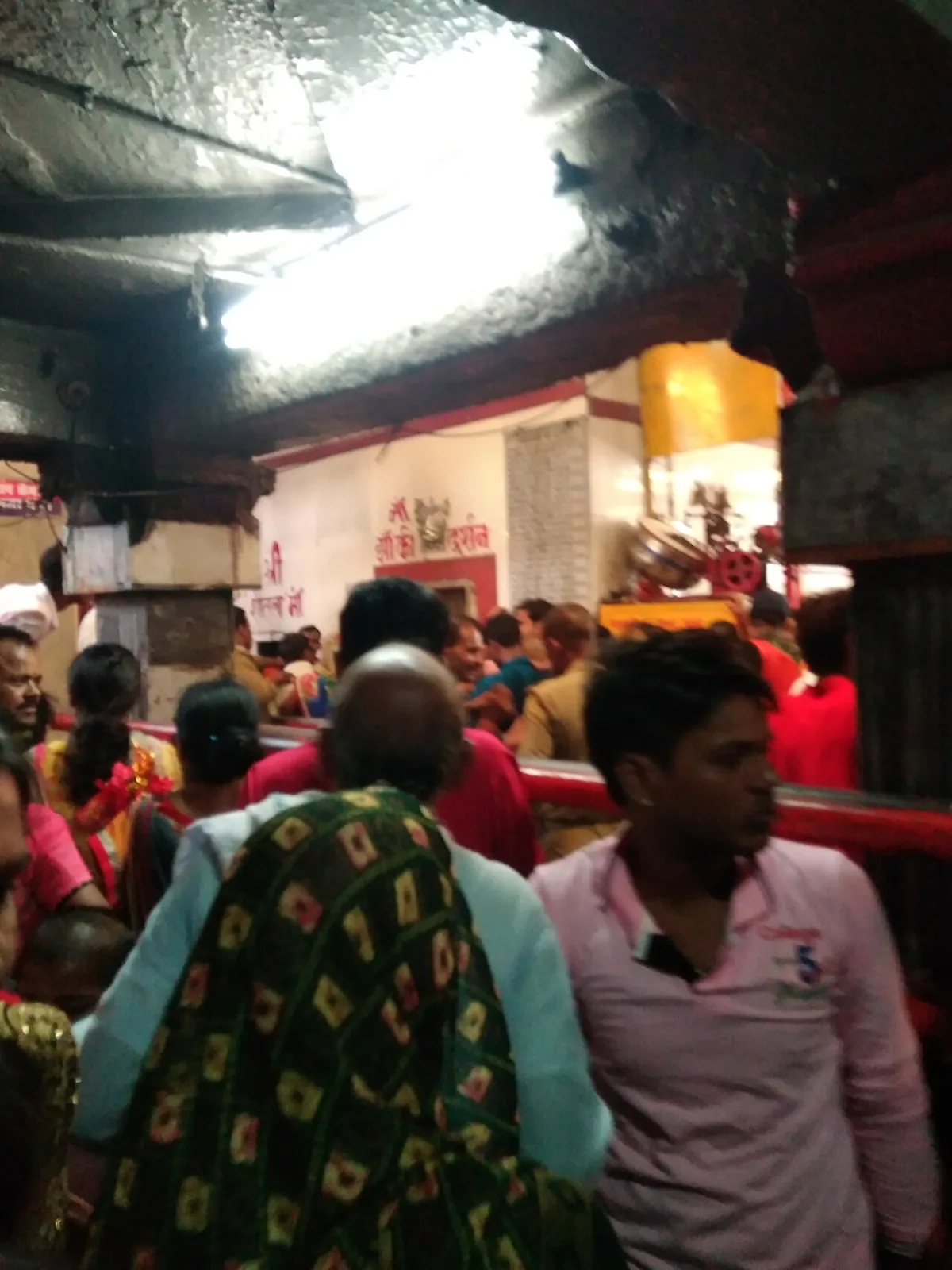
Vindhyavasini Temple, Vindhyachal

19 km away · Mirzapur district

Vindhyavasini Temple, Vindhyachal

In Vindhyachal, Mirzapur district, Uttar Pradesh, Vindhyavasini Temple is a Hindu pilgrimage destination associated with the goddess Vindhyavasini and her encounter with Mahishasura.

Chunar Fort

47 km away · Mirzapur district

Chunar Fort

Chunar Fort is a historic stronghold in Mirzapur district, Uttar Pradesh, linked to local legends and a succession of rulers. Visitors come to explore its history and riverside setting.

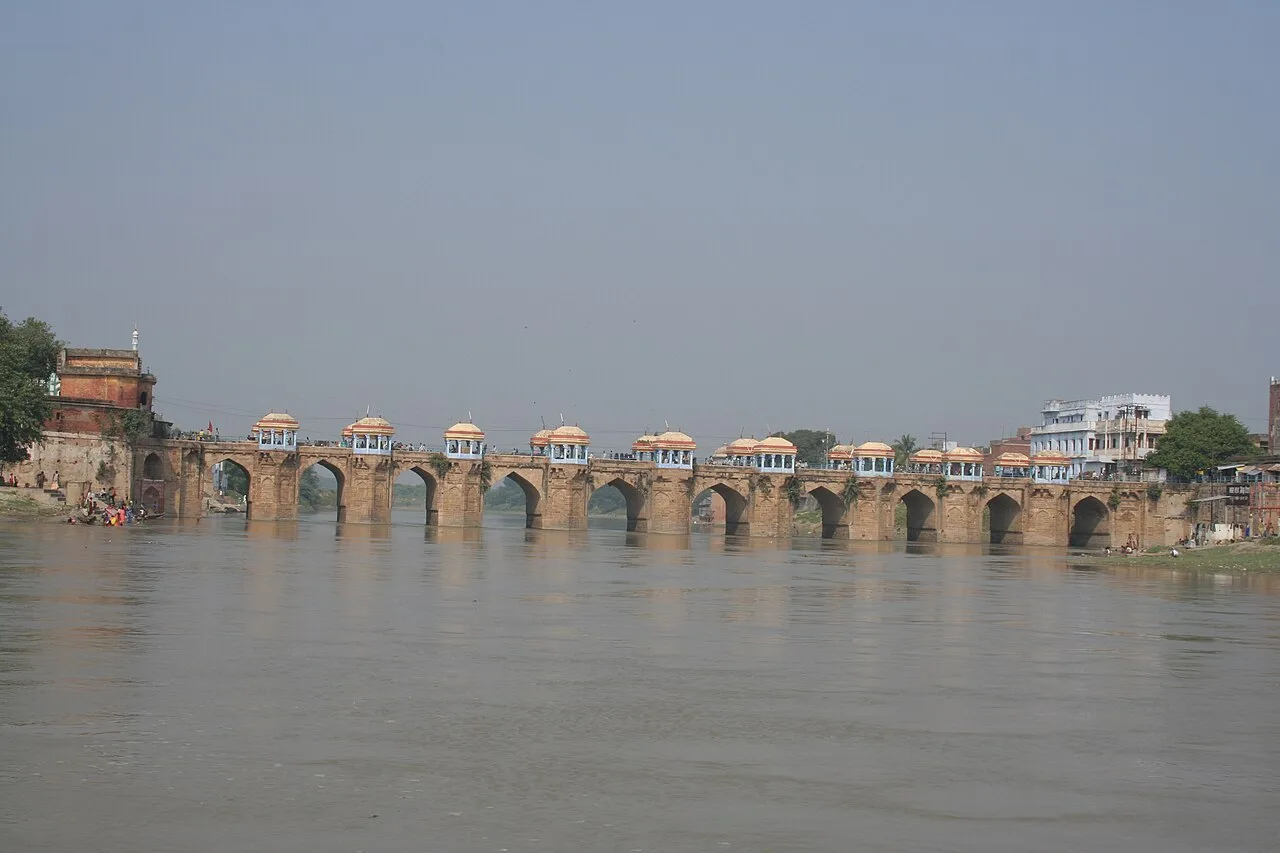
Shahi Bridge

51 km away · Jaunpur district

Shahi Bridge

Shahi Bridge is a 16th-century crossing over the Gomti in Jaunpur, Uttar Pradesh. Visitors come to see the historic bridge, which is also known by several other names.

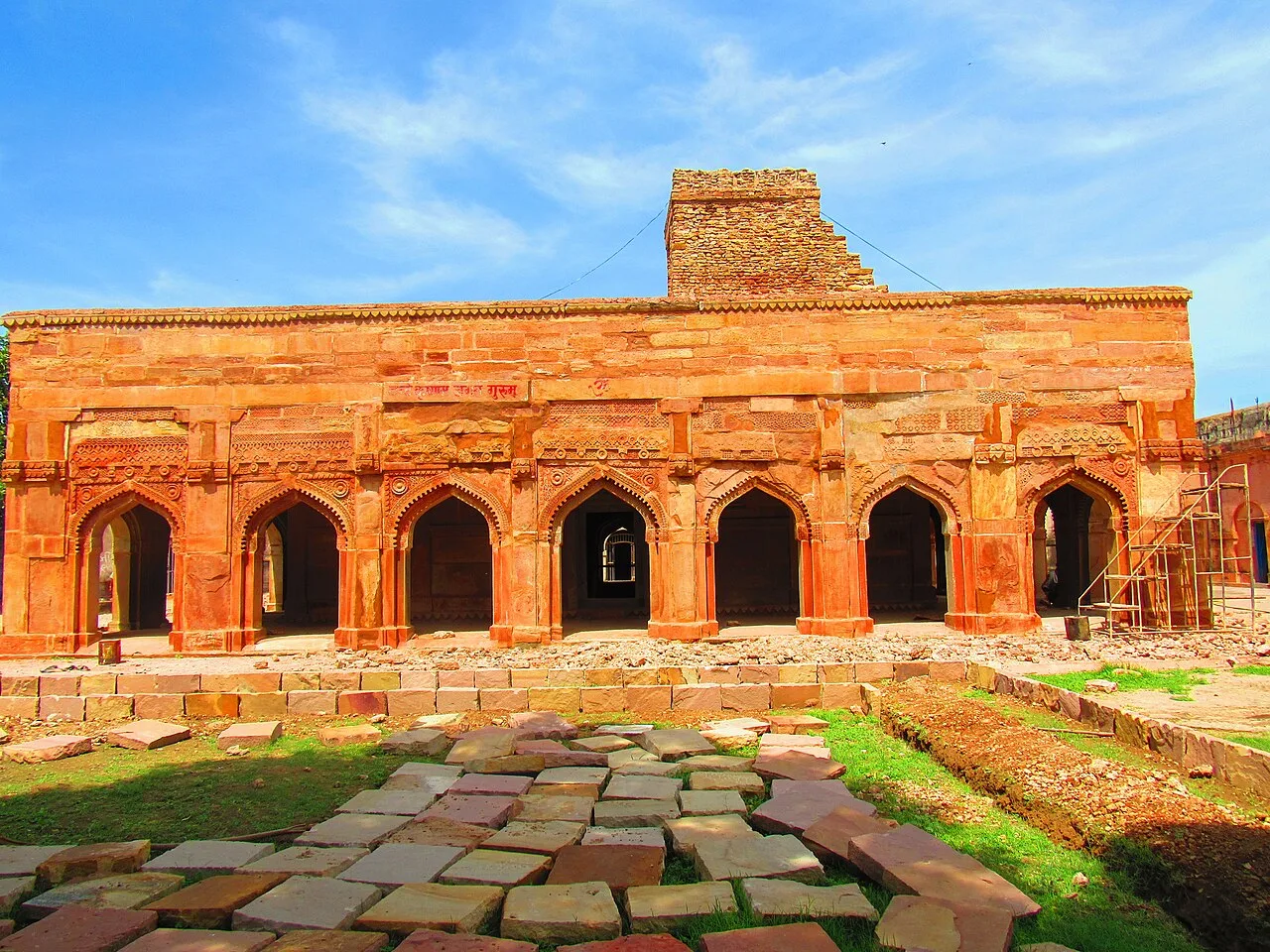
Atala Mosque

52 km away · Jaunpur district

Atala Mosque

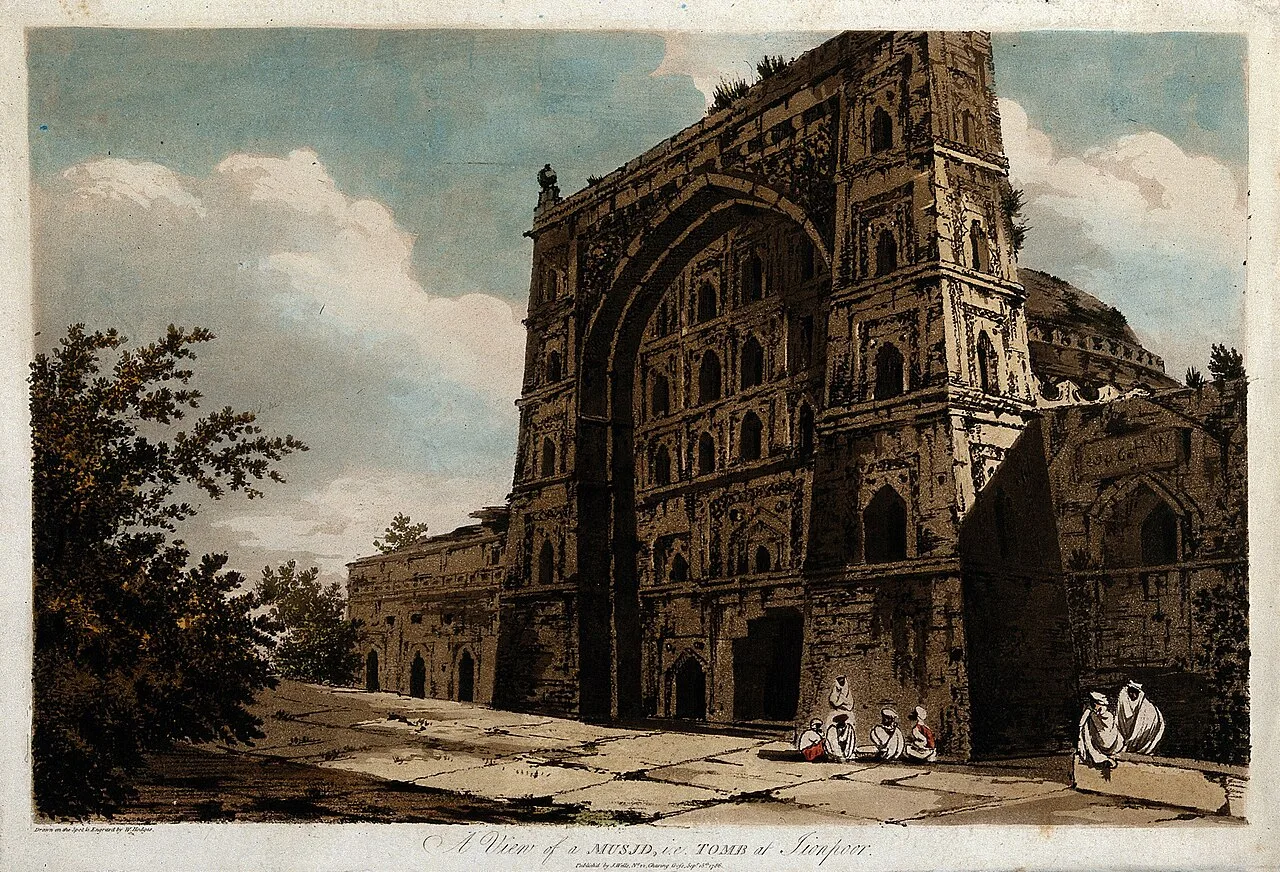
Atala Mosque, a 15th-century place of worship in Jaunpur, Uttar Pradesh, is visited by those wishing to see a historic mosque near the city’s Shahi Qila and Jama Mosque.

Bharat Kala Bhavan

54 km away · Varanasi district

Bharat Kala Bhavan

Bharat Kala Bhavan is a university museum within Banaras Hindu University in Varanasi. Visitors can learn about its contribution to knowledge of Indian art and culture and its place among the university’s and city’s attractions.

Durga Kund Mandir

54 km away · Varanasi district

Durga Kund Mandir

Durga Kund Mandir is a Hindu shrine to Durga in Varanasi district, Uttar Pradesh. People visit for its religious significance and its place among the city’s well-known temples.

Sankat Mochan Hanuman Temple

54 km away · Varanasi district

Sankat Mochan Hanuman Temple

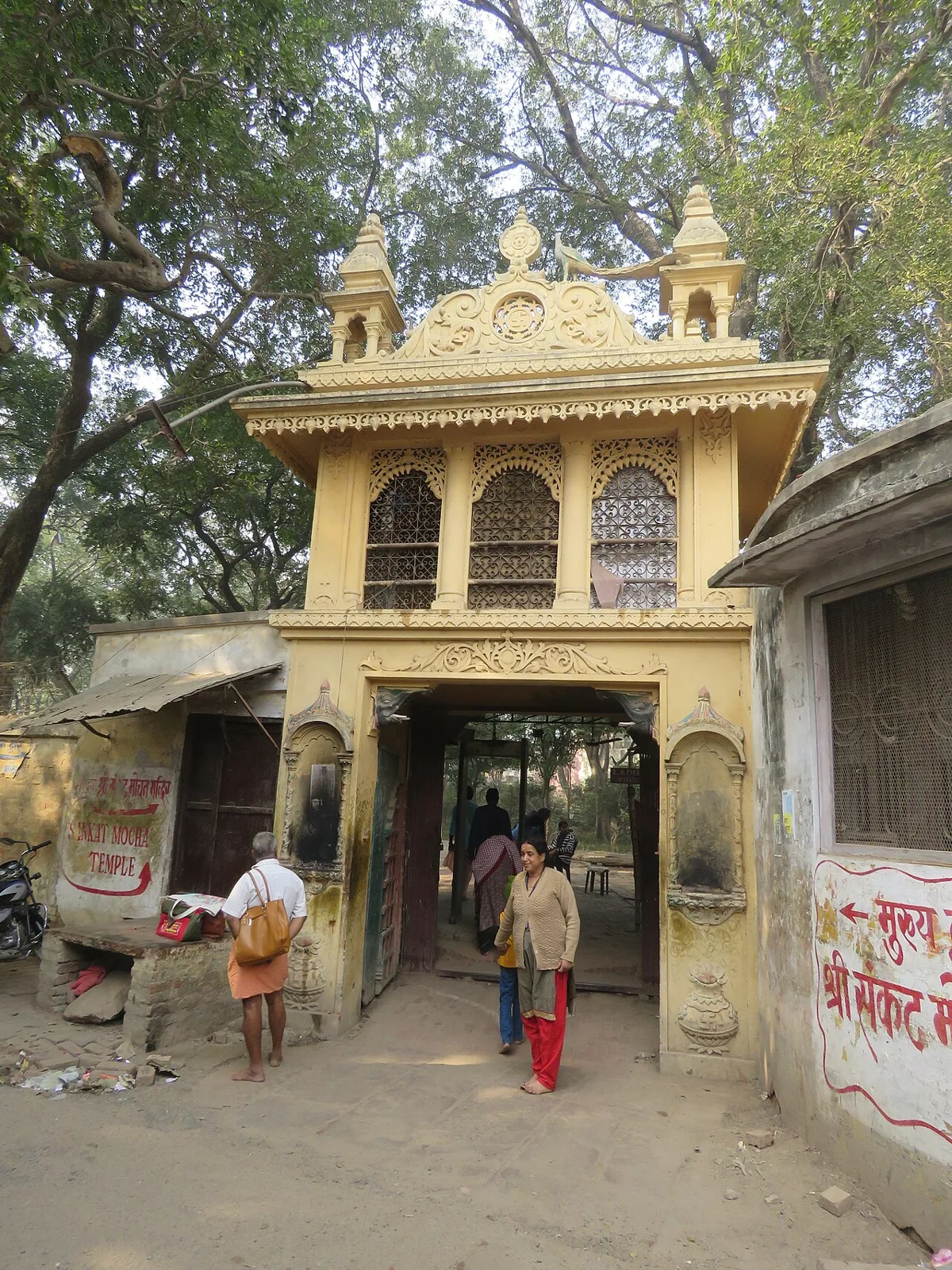
In Varanasi, Uttar Pradesh, this Hindu shrine honours Hanuman as Sankat Mochan, the one who relieves hardship. Visitors come to worship the deity in this form.

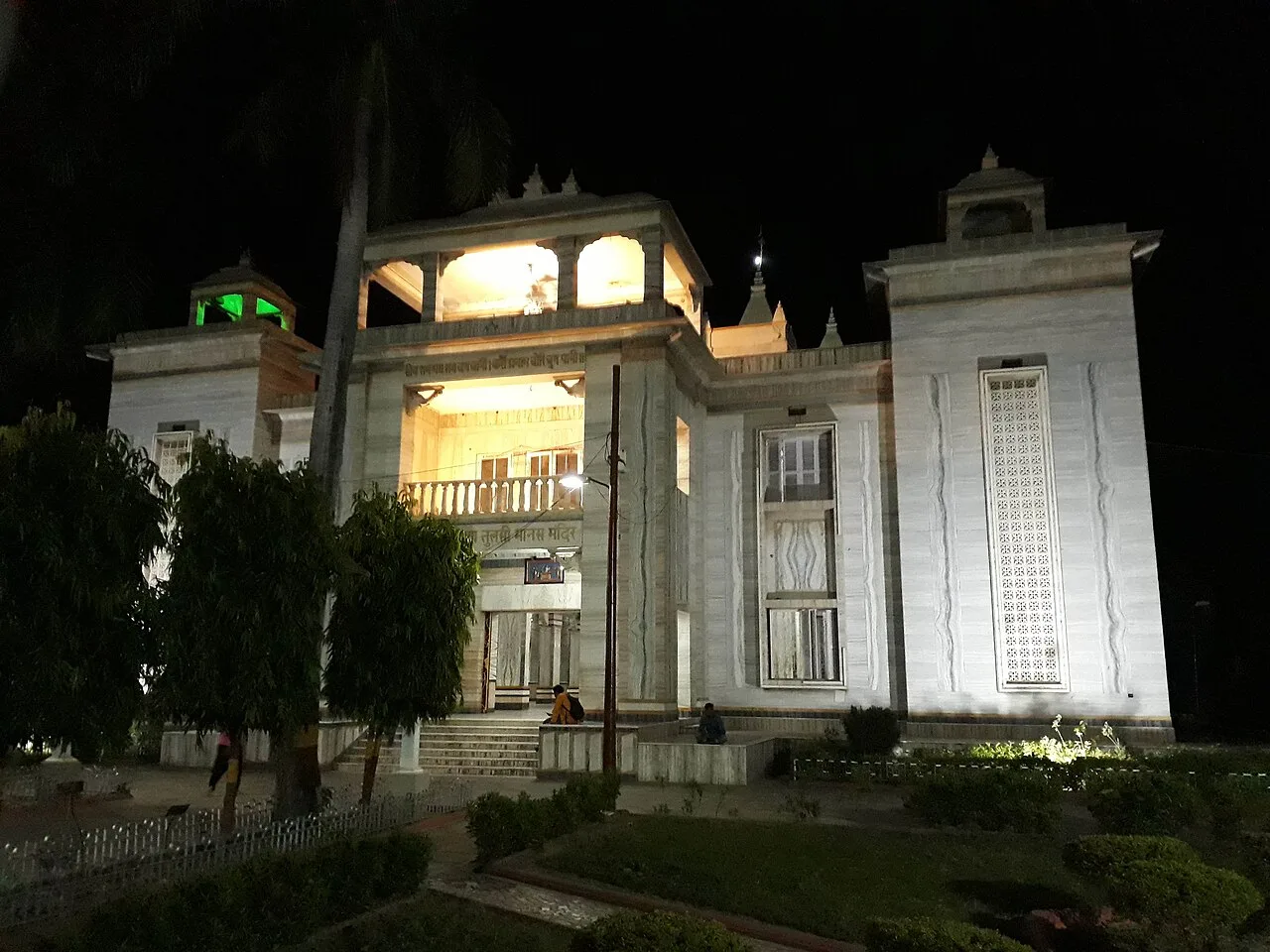
Tulsi Manas Mandir

54 km away · Varanasi district

Tulsi Manas Mandir

In Varanasi, Uttar Pradesh, Tulsi Manas Mandir is a Hindu temple associated with the Ramcharitmanas, which Goswami Tulsidas wrote there during the sixteenth century.

Map

Gyanpur on the map

  1. 1Vindhyavasini Temple, Vindhyachal
  2. 2Chunar Fort
  3. 3Shahi Bridge
  4. 4Atala Mosque
  5. 5Bharat Kala Bhavan
  6. 6Durga Kund Mandir
  7. 7Sankat Mochan Hanuman Temple
  8. 8Tulsi Manas Mandir

Uttar Pradesh

Other cities to explore