Ghumoopedia — Explore, Discover, Experience
Sign in
Chandra Prabha Wildlife Sanctuary, near Mau

City guide · Uttar Pradesh

Mau

Mau, also known as Maunath Bhanjan, is an industrial town in eastern Uttar Pradesh and the headquarters of Mau district. Its strongest identity comes from weaving: generations of artisans and loom workers have made the town an important centre for sarees and other textiles.

Famous for

  • Mau sarees
  • Powerloom weaving
  • Textile markets
  • Shahi Qatra
  • Malik Tahir Baba’s tomb
Plan a tripHotels near Mau

Why Mau matters

Mau, also known as Maunath Bhanjan, is an industrial town in eastern Uttar Pradesh and the headquarters of Mau district. Its strongest identity comes from weaving: generations of artisans and loom workers have made the town an important centre for sarees and other textiles. The industry remains a major part of local livelihoods and gives Mau a distinctive place among the region’s manufacturing towns.

Visitors interested in textiles can browse the town’s saree shops and markets, while its historic neighbourhoods offer glimpses of a layered local past. Shahi Qatra is associated with the town’s Mughal-era traditions, and the tomb of Sufi saint Malik Tahir Baba remains a place of local significance. Mau is also a useful base for exploring nearby eastern Uttar Pradesh, including the Tamsa river area and the wider district. Its appeal is less about a large circuit of monuments and more about seeing a working textile town, meeting its everyday rhythms and understanding the craft that continues to shape its character.
Famous for: crafts, trade & products

Mau is best known for sarees and woven textiles produced by a long-established community of artisans and loom workers. Powerlooms support much of the industry, alongside handloom skills and smaller-scale work. The town’s textile trade has endured even as other weaving centres in eastern Uttar Pradesh have declined. Sarees and fabric are sold through local textile shops and markets; visitors can ask traders about locally woven pieces and the differences in weave, design and finish. Weaving and industrial activity is associated with areas including Tajopur and Shahadatpura, though production sites are working premises rather than formal visitor attractions.

The wider economy includes small industrial areas in Tajopur, Shahadatpura and Ghosi, as well as businesses serving the textile trade. Mau’s sarees are locally distinctive, but visitors should not assume that they carry a geographical indication tag. The town is also known for educational institutions, including colleges and Islamic seminaries such as Al-Jameatul Islamia Faiz-E-Aam and Darul Uloom Mau. These institutions, the markets and the weaving economy together give Mau a character shaped by trade, learning and craft.

History

The Mau region has a long history of settlement, with archaeological remains reported at several sites. Local historical accounts describe early communities living near the Tamsa river and preserve traditions connected with Sufi figures Malik Tahir and Malik Qasim; neighbourhood names and Malik Tahir Baba’s tomb recall that heritage. Accounts also associate the wider area with Sher Shah Suri’s visit to meet Sufi saint Syed Ahmad Wadva, and with Mughal-era journeys through the region. Shahi Qatra and its mosque are linked in local tradition to this period.

Weaving and artisan work developed into a defining part of Mau’s economy over generations. During the freedom movement, residents supported the national struggle; Mahatma Gandhi visited the Doharighat area in 1939. Mau remained part of Azamgarh district until a separate Mau district was formed in 1988. Development efforts associated with Kalpnath Rai included infrastructure such as a railway station and a stadium. The town’s modern growth has continued around textiles, commerce and public institutions.

Food, festivals & culture

Mau’s daily culture reflects its position in eastern Uttar Pradesh and its mix of urban trade, weaving communities and religious institutions. Hindi and Urdu are widely used, and Bhojpuri is also heard in the area. Everyday meals draw on the broader cuisine of eastern Uttar Pradesh, including roti, rice, lentils, seasonal vegetables and snacks; tea shops and sweet shops are part of the town’s social life. Visitors can look for familiar regional sweets such as jalebi, though menus vary by shop.

Eid and Muharram are important occasions for many Muslim residents, while Diwali, Holi and other Hindu festivals are observed across the town and district. Chhath is celebrated in the wider region, often around water. Devotional singing, qawwali and Bhojpuri folk music feature in local religious and community settings, with folk performance especially associated with festive occasions. Places of worship include the Shahi Mosque in Shahi Qatra and the tomb of Malik Tahir Baba in Malik Tahir Pura, alongside neighbourhood mosques and temples.

Visiting the city

The most comfortable time to visit Mau is generally from October to March, when days are cooler than in the hot summer months. The nearest major airport for most visitors is Lal Bahadur Shastri International Airport in Varanasi. Mau Junction is the town’s main railway station and a convenient arrival point by rail.

Auto-rickshaws and e-rickshaws are useful for getting around town; local taxis can be arranged for longer journeys. Shahi Qatra is worth exploring for its historic associations, while Malik Tahir Pura offers a visit to Malik Tahir Baba’s tomb. Shahadatpura and Tajopur are associated with textile and industrial activity, and the central markets are practical places to browse sarees and other goods. Be mindful that weaving units are workplaces, so ask permission before entering or photographing them.

Trips from the city

Nearest places to visit from Mau

Our closest destination guides, by straight-line distance.

Chandra Prabha Wildlife Sanctuary

40 km away · Chandauli district

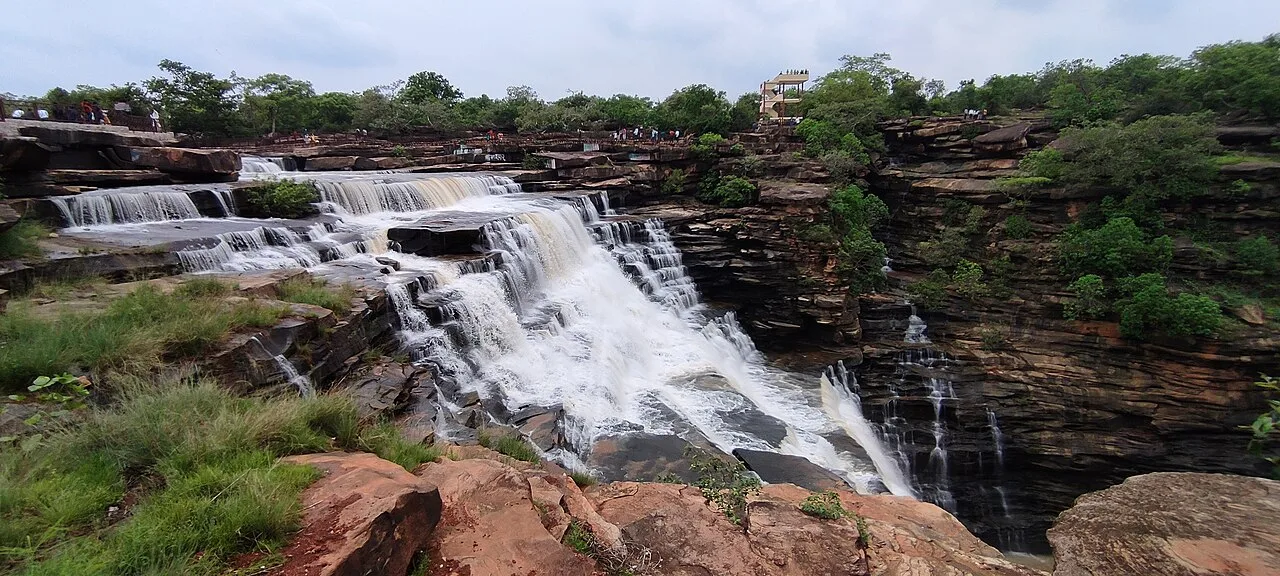
Chandra Prabha Wildlife Sanctuary

In Uttar Pradesh’s Chandauli district, Chandraprabha is a wildlife sanctuary in central India. Visitors come to explore the sanctuary, which lies around 70 kilometres from Varanasi.

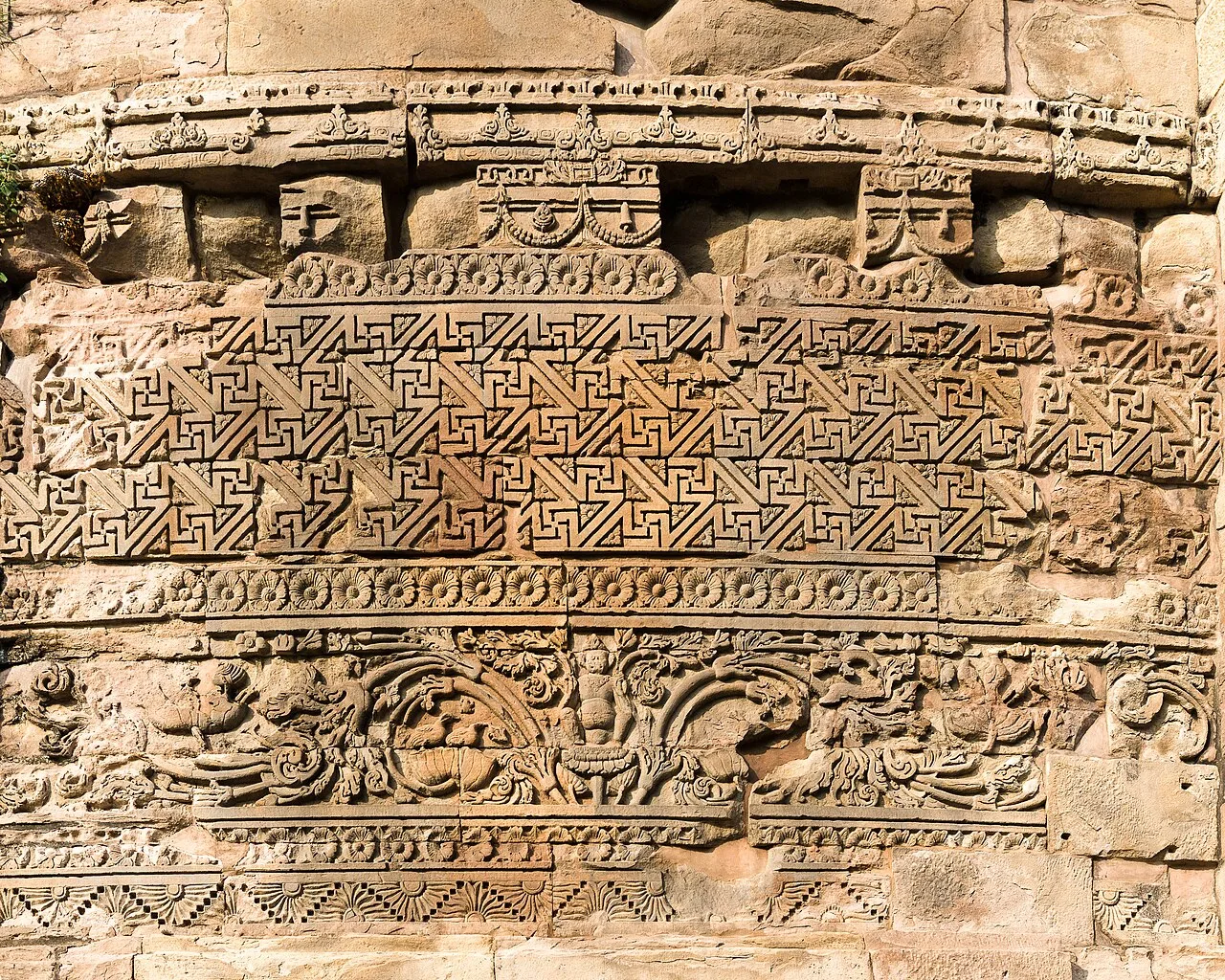
Dhamek Stupa

82 km away · Varanasi district

Dhamek Stupa

Dhamek Stupa is a large Buddhist monument at Sarnath in Uttar Pradesh, associated with the Buddha’s first teaching and visited as an important pilgrimage place.

Chaukhandi Stupa

83 km away · Varanasi district

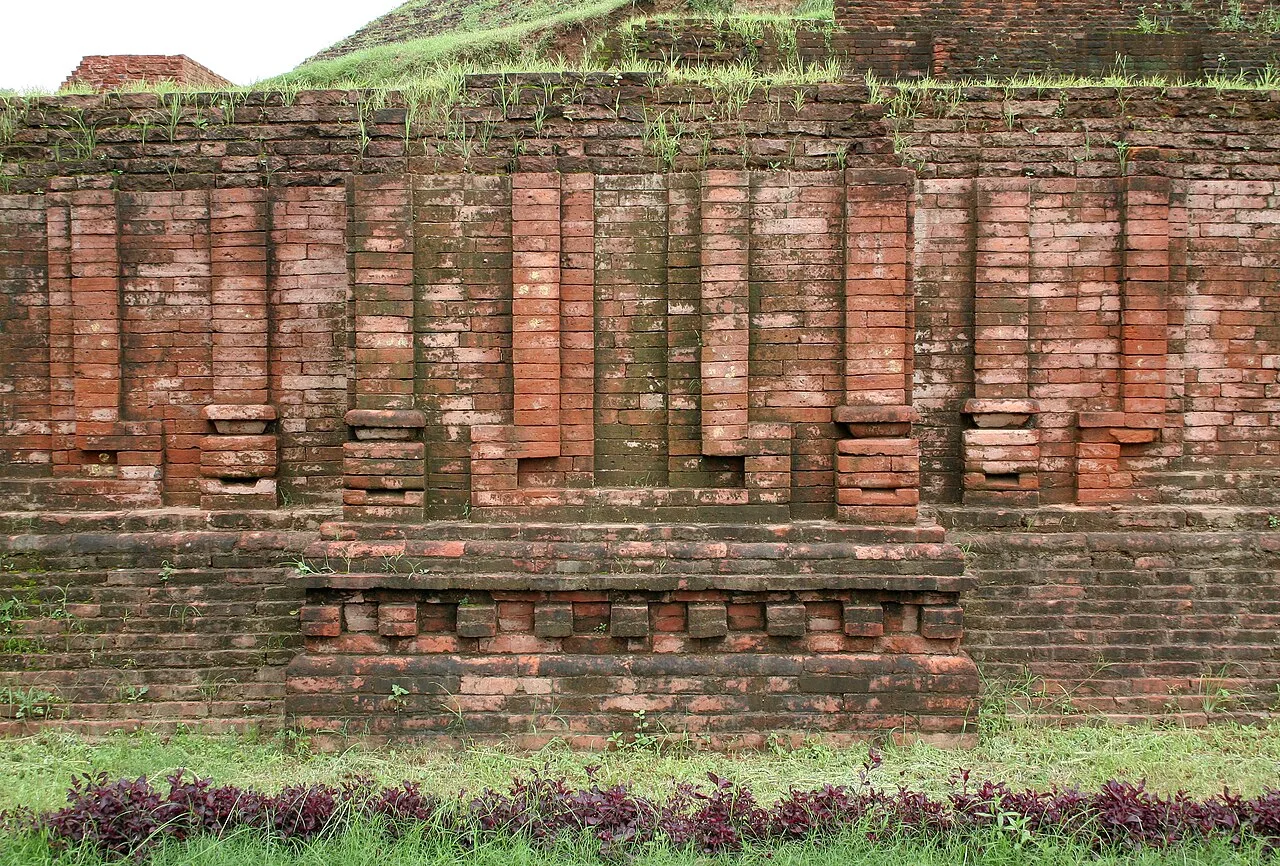
Chaukhandi Stupa

Chaukhandi Stupa is a Buddhist monument at Sarnath in Uttar Pradesh’s Varanasi district. Visitors come to see this nationally important site, recognised by the Archaeological Survey of India in 2019.

Sarnath Buddhist Site

83 km away · Varanasi district

Sarnath Buddhist Site

Sarnath is a Buddhist pilgrimage town near Varanasi, remembered as the place where Gautama Buddha first taught after his enlightenment. Visitors come to see its important religious and historical associations.

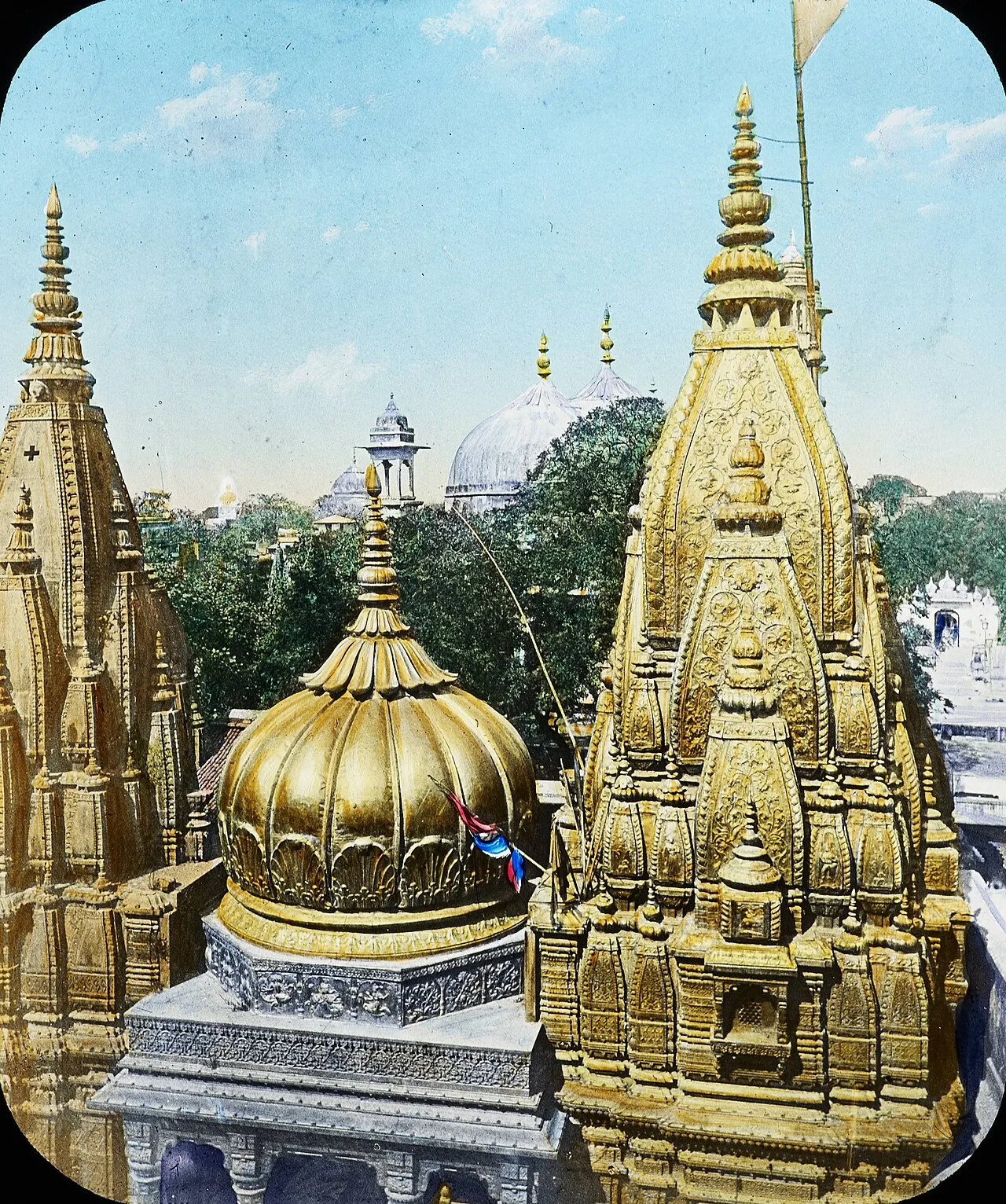
Kashi Vishwanath Temple

89 km away · Varanasi district

Kashi Vishwanath Temple

Kashi Vishwanath Temple is a Shiva shrine in Varanasi and one of the twelve Jyotirlinga sites. Hindu pilgrims visit to worship Shiva, revered here as Vishwanath or Vishweshwara.

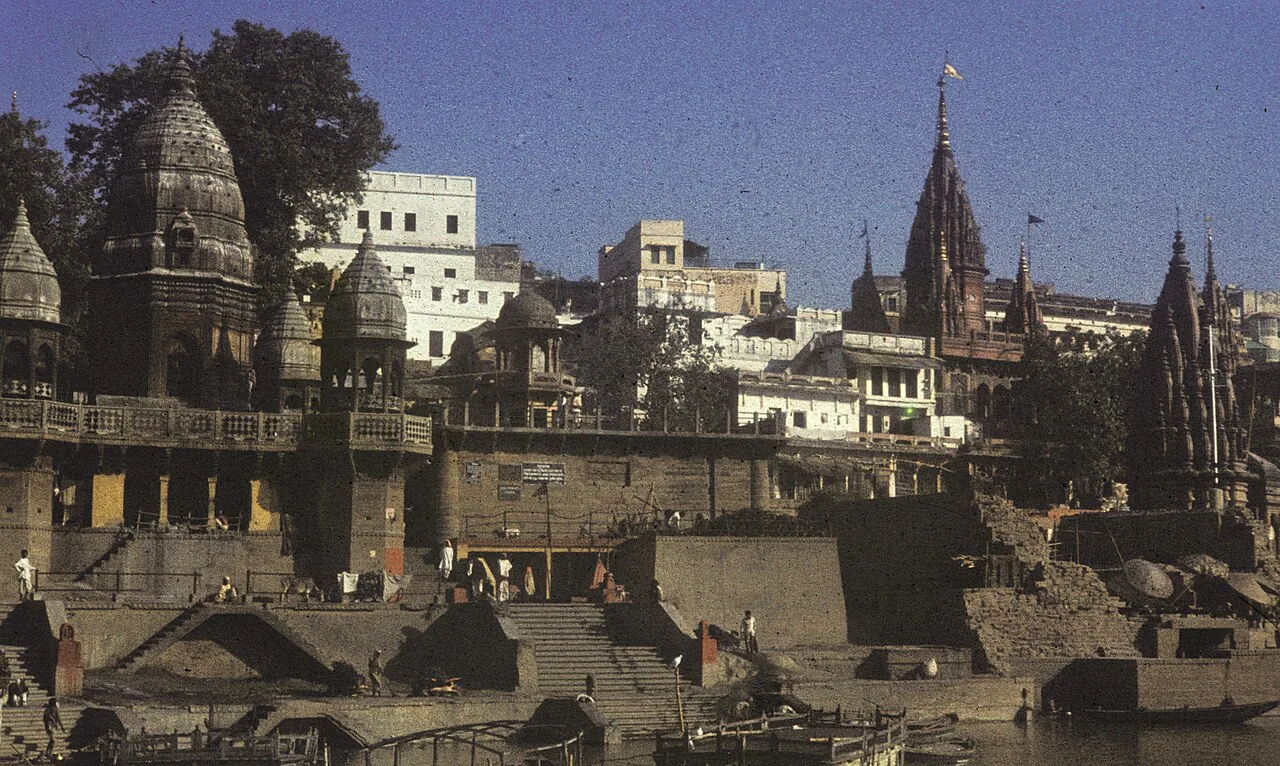
Manikarnika Ghat

89 km away · Varanasi district

Manikarnika Ghat

Manikarnika Ghat is a sacred Ganges-side site in Varanasi, Uttar Pradesh, visited for Hindu rites and cremations and revered for beliefs about moksha.

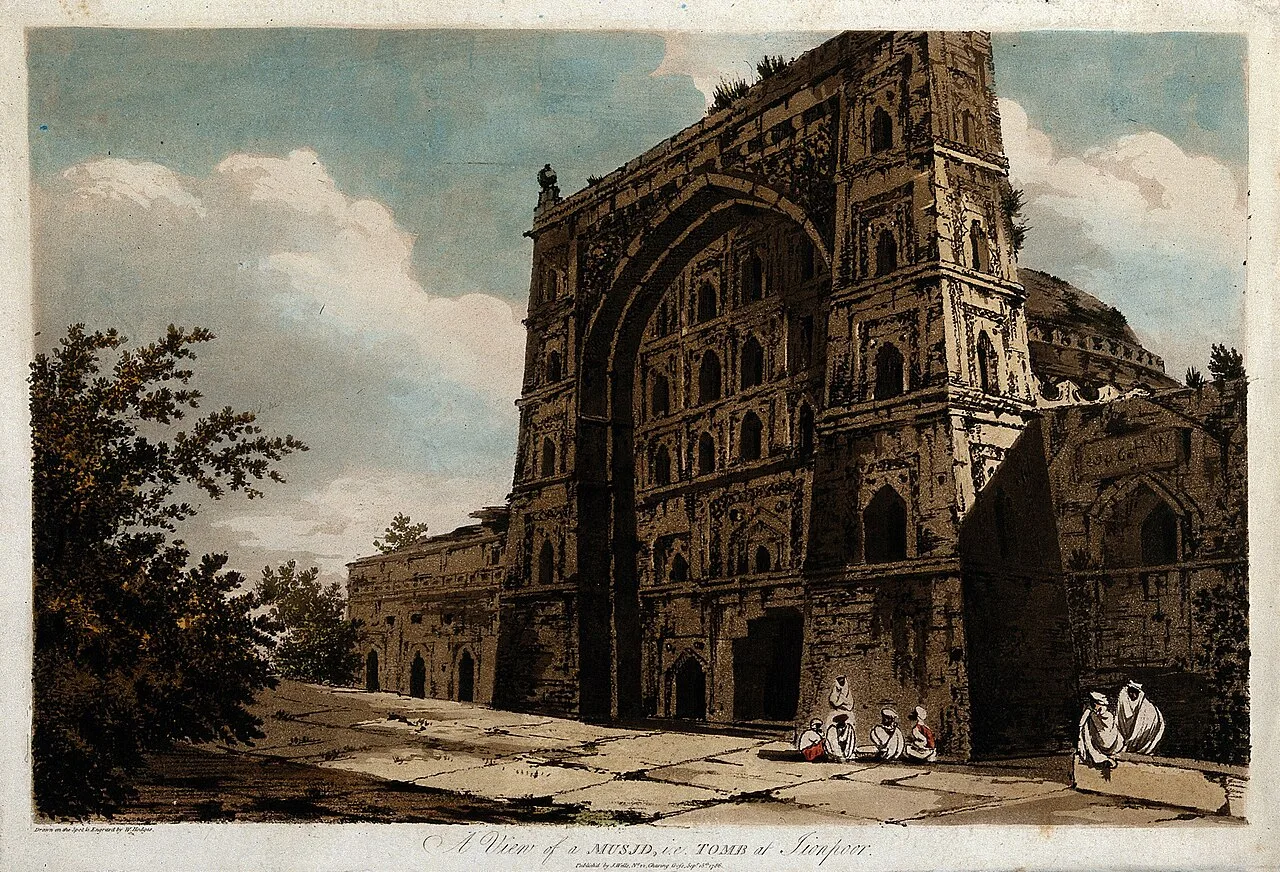
Atala Mosque

90 km away · Jaunpur district

Atala Mosque

Atala Mosque, a 15th-century place of worship in Jaunpur, Uttar Pradesh, is visited by those wishing to see a historic mosque near the city’s Shahi Qila and Jama Mosque.

Dashashwamedh Ghat

90 km away · Varanasi district

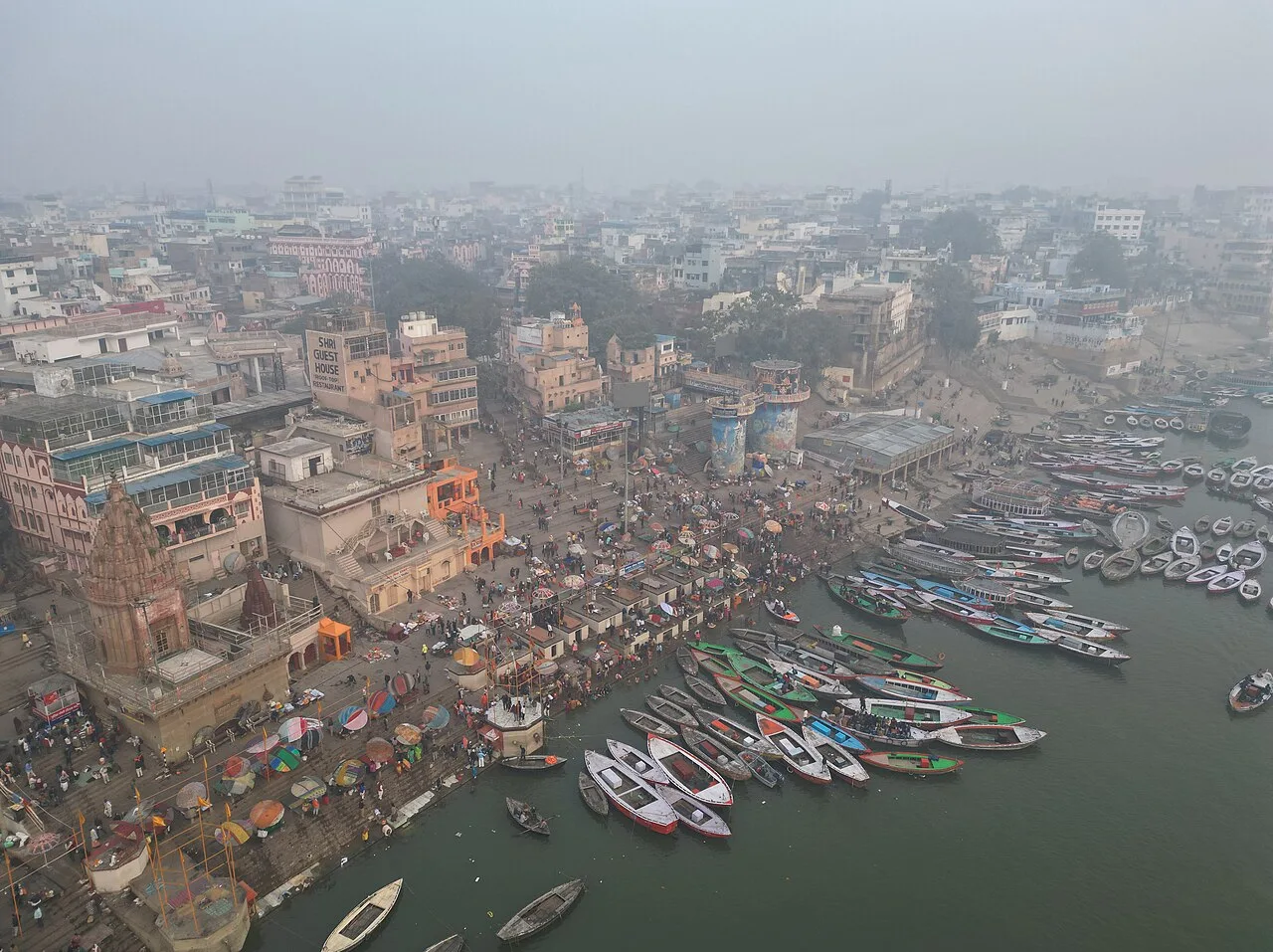
Dashashwamedh Ghat

A prominent riverside ghat in Varanasi, Dashashwamedh is visited for its connection to Hindu legends and the city’s history, as well as its position beside the Ganges and near Vishwanath Temple.

Map

Mau on the map

  1. 1Chandra Prabha Wildlife Sanctuary
  2. 2Dhamek Stupa
  3. 3Chaukhandi Stupa
  4. 4Sarnath Buddhist Site
  5. 5Kashi Vishwanath Temple
  6. 6Manikarnika Ghat
  7. 7Atala Mosque
  8. 8Dashashwamedh Ghat

Uttar Pradesh

Other cities to explore