Ghumoopedia — Explore, Discover, Experience
Sign in

City guide · Uttar Pradesh

Behat

Behat is a small historic town in Saharanpur district, in the northern reaches of Uttar Pradesh. Set on National Highway 709B beside the Eastern Yamuna Canal, it connects Saharanpur with settlements towards the Himalayan foothills and the neighbouring states.

Famous for

  • Mata Shakumbari Devi Temple
  • Mangoes and guavas
  • Reed stools (moorhas)
  • Brass bells
  • Wrought-iron handicrafts

Why Behat matters

Behat is a small historic town in Saharanpur district, in the northern reaches of Uttar Pradesh. Set on National Highway 709B beside the Eastern Yamuna Canal, it connects Saharanpur with settlements towards the Himalayan foothills and the neighbouring states. Its location makes it a useful stop for travellers exploring the region, rather than a large urban destination in its own right.

The town’s importance rests on both its past and its local character. Archaeological finds point to a long history of settlement, while accounts of the area describe Behat as an important Buddhist centre in ancient times. Today, visitors are drawn especially to Mata Shakumbari Devi Temple and to the rural landscape around the town. Behat is also associated with mangoes and guavas, reed stools known as moorhas, brass bells and wrought-iron work. These products reflect a mix of farming and small-scale craft traditions. A visit offers a glimpse of a quieter market town whose heritage and everyday economy remain closely tied to the wider Saharanpur region.
Famous for: crafts, trade & products

Behat is best known locally for fruit and small-scale crafts rather than large factories or a major textile trade. Mangoes and guavas are grown in the surrounding area and are most visible in season, when local shops and vendors may have fresh produce. The town is also associated with moorhas—stools made from reeds—as well as brass bells and wrought-iron handicrafts. These useful, often locally made objects reflect skills and materials found across the region.

To look for them, start with Behat’s town market and ask shopkeepers about locally made pieces or seasonal fruit. Craft availability can vary, and some work may be made in nearby villages rather than displayed in dedicated showrooms. Saharanpur, the larger nearby commercial centre, offers a broader range of shops and goods. Behat is not especially known for sarees or a documented GI-tagged product, so visitors should avoid assuming that every item sold as local is made in the town. Buying directly from makers, where possible, is a good way to learn about the materials and workmanship behind a piece.

History

Archaeological surveys and excavations in and around Behat have revealed traces of ancient habitation, with evidence indicating settlement as far back as the second millennium BCE. The town is sometimes associated with the name Brihat-vat in accounts of the Nanda period, though its early history is best understood through archaeological remains. Behat later became an important Buddhist centre. The Chinese traveller Xuanzang passed through the area in the seventh century and recorded Buddhist monasteries in the region.

In the fifteenth century, a Muslim settlement was established under Shah Abdullah, whose name survives in the locality of Abdullah Mazra. Under the Mughal emperor Akbar, Behat served as the headquarters of a pargana and was known as Behat Kanjawar. In 1834, during work to redesign the Eastern Yamuna Canal, Captain Proby Thomas Cautley uncovered a buried settlement and finds that included Indo-Scythian coins and evidence of a Buddhist site. Following the Indian Rebellion of 1857, a police station was established. By the late nineteenth century, Behat also had a post office and an upper primary school. It remains a small town serving its surrounding area.

Food, festivals & culture

Behat shares the everyday food culture of western Uttar Pradesh. Meals commonly draw on wheat breads, lentils, seasonal vegetables and dairy, while tea and familiar Indian sweets are easy to find in local shops. Mangoes and guavas are prominent seasonal produce, though availability depends on the harvest. Visitors looking for a particular regional dish should ask locally, as Behat is not widely associated with a single signature food.

Holi in spring, Navratri in spring and autumn, Diwali in autumn, and Eid celebrations are observed by communities in the area. Mata Shakumbari Devi Temple is an important place of worship and a draw for devotees; visitors should be considerate of local customs and temple etiquette. Hindi is widely used, with regional speech forms common in daily conversation. Music and dance are generally part of family, religious and seasonal gatherings rather than organised visitor performances. Behat’s cultural atmosphere is shaped by its local markets, worship, agricultural calendar and close links with villages around Saharanpur.

Visiting the city

October to March is generally the most comfortable period to visit, with cooler weather for exploring the town and surrounding countryside. Summers can be very hot, while the monsoon brings rain and greener fields. The nearest major railway station is Saharanpur Junction. Jolly Grant Airport, serving Dehradun, is a practical nearby airport; check current onward road connections before travelling.

Behat lies on National Highway 709B, and road transport links it with Saharanpur and nearby towns. Local shared transport and taxis may be available, though options can be limited; confirm arrangements locally. Explore the town market for everyday life and locally made goods, visit Mata Shakumbari Devi Temple, and take in the Eastern Yamuna Canal and nearby rural landscape. Saharanpur makes a useful base for wider regional trips.

Trips from the city

Nearest places to visit from Behat

Our closest destination guides, by straight-line distance.

Hastinapur Heritage Town

118 km away · Meerut district

Hastinapur Heritage Town

Hastinapur is a town in Uttar Pradesh’s Meerut district, known for its place in Hindu accounts of the Kuru kingdom and its Jain associations with three Tirthankaras.

Okhla Bird Sanctuary

181 km away · Gautam Buddh Nagar district

Okhla Bird Sanctuary

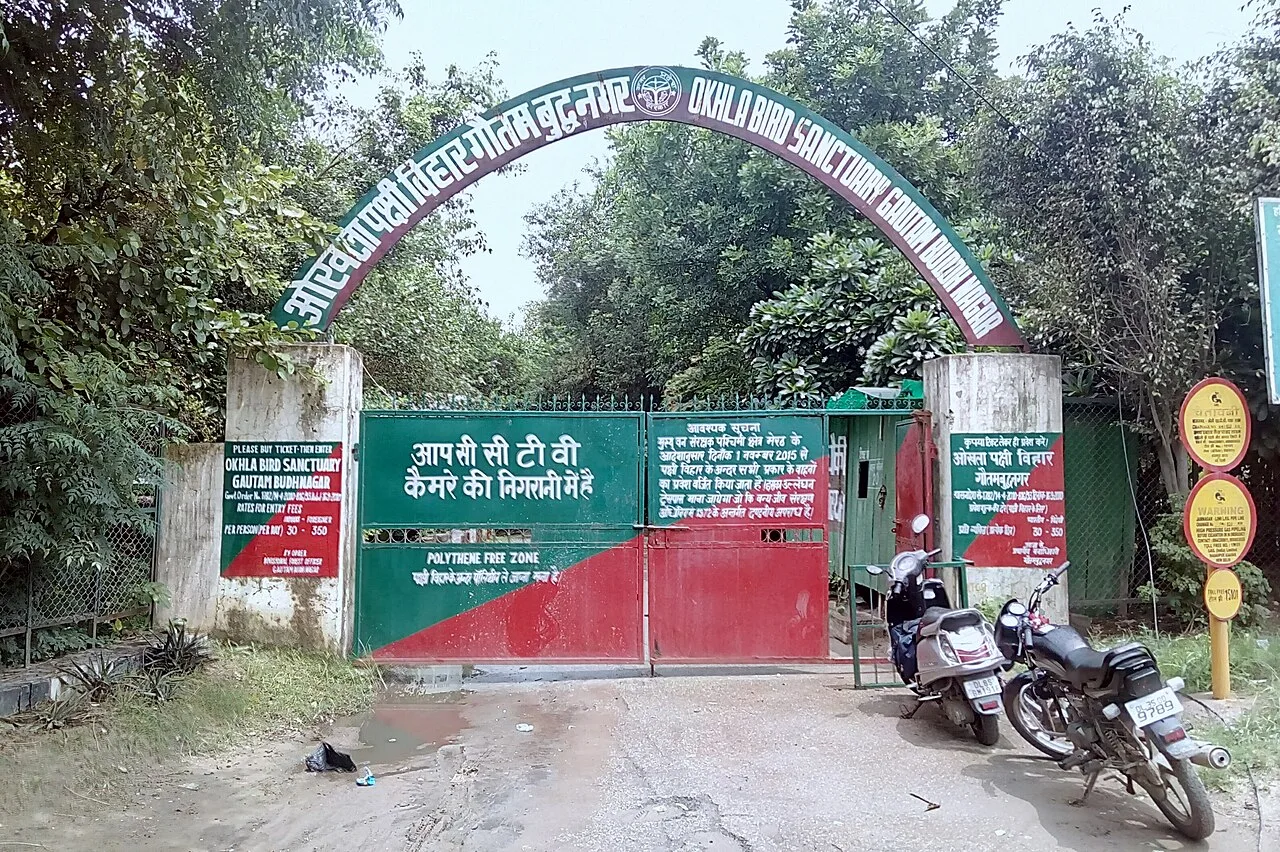
At the Yamuna’s crossing from Delhi into Uttar Pradesh, Okhla Bird Sanctuary protects a barrage-created wetland that visitors come to explore and watch its varied birdlife.

Rampur Raza Library

204 km away · Rampur district

Rampur Raza Library

In Rampur, Uttar Pradesh, the Rampur Raza Library preserves Indo-Islamic cultural heritage dating to the late eighteenth century. Visitors come to see its manuscripts, artworks, historical records and varied printed collection.

Barsana Radha Rani Temple

281 km away · Mathura district

Barsana Radha Rani Temple

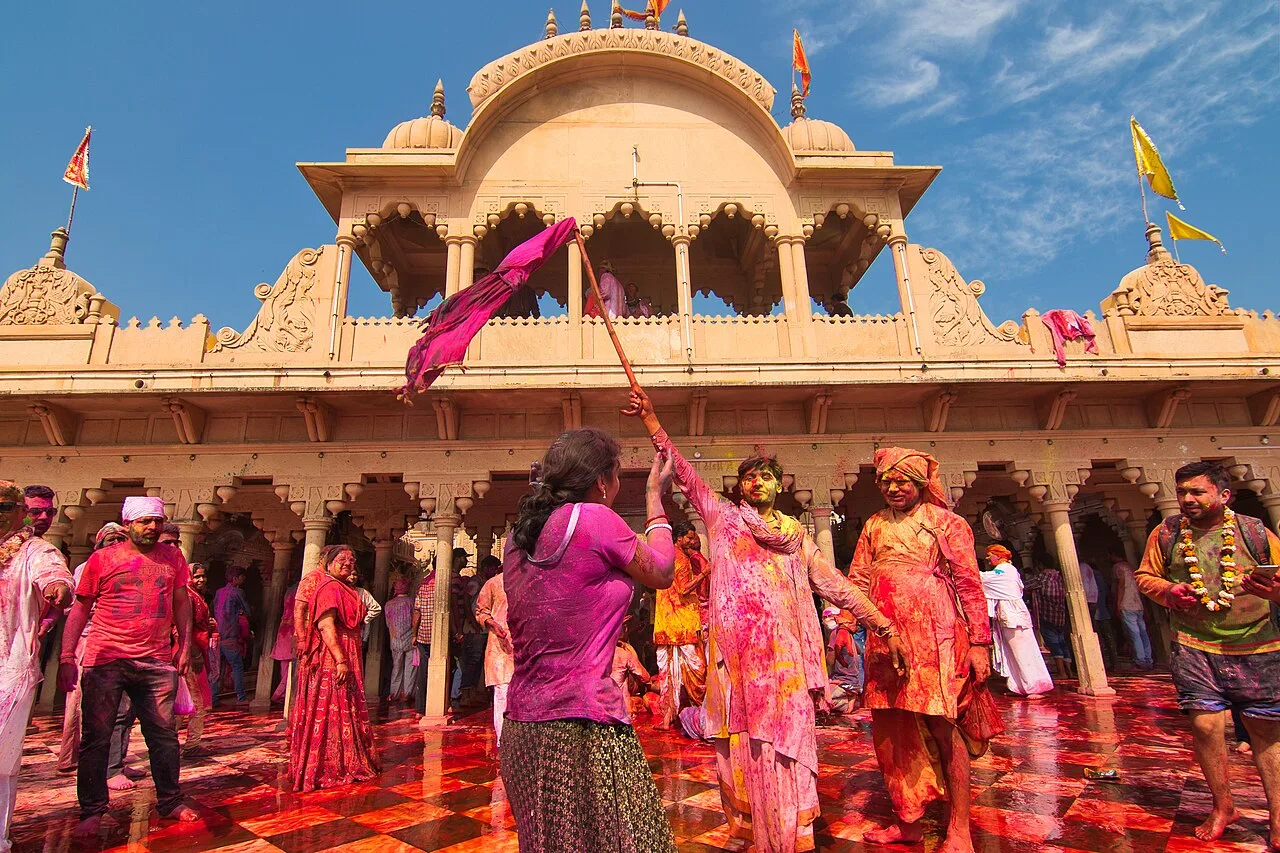
Barsana Radha Rani Temple stands in Barsana, a town in Uttar Pradesh’s Mathura district. Visitors come to worship Radha at a temple central to the town’s religious importance.

Banke Bihari Temple

288 km away · Mathura district

Banke Bihari Temple

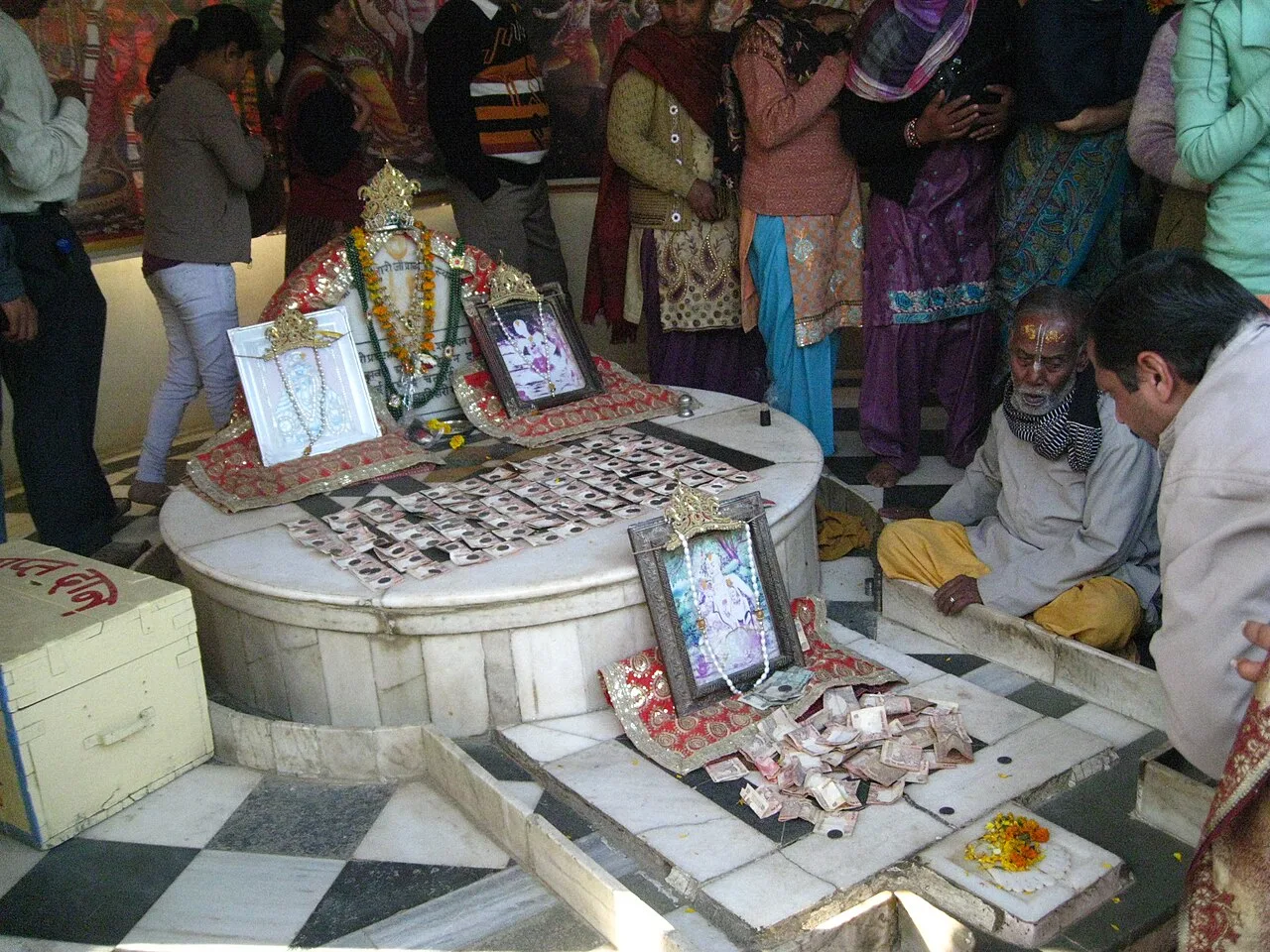
Banke Bihari Temple is a Hindu place of worship in Vrindavan, Mathura district, visited by devotees to honour Banke Bihari, regarded as Radha and Krishna united.

Pilibhit Tiger Reserve

288 km away · Pilibhit district

Pilibhit Tiger Reserve

Pilibhit Tiger Reserve is a protected tiger habitat in Uttar Pradesh’s Pilibhit district, designated in 2014. Visitors come to explore its forests, grasslands, wetlands and wildlife, including tigers and deer.

Vrindavan Town

288 km away · Mathura district

Vrindavan Town

Vrindavan is a historic town in Uttar Pradesh’s Mathura district, within Braj Bhoomi. Visitors come for its Hindu associations with Krishna and its many temples to Krishna and Radha.

ISKCON Temple, Vrindavan

289 km away · Mathura district

ISKCON Temple, Vrindavan

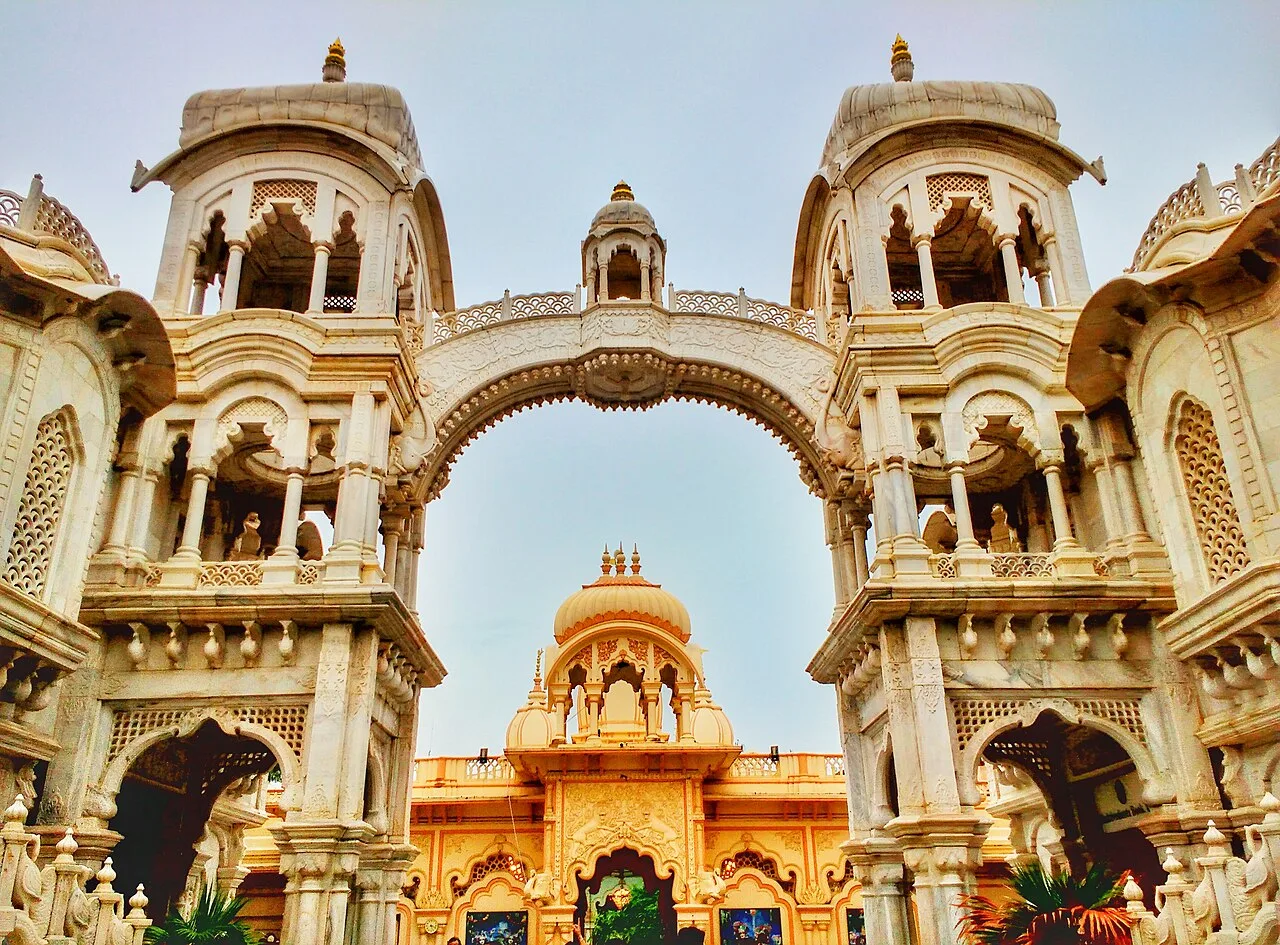
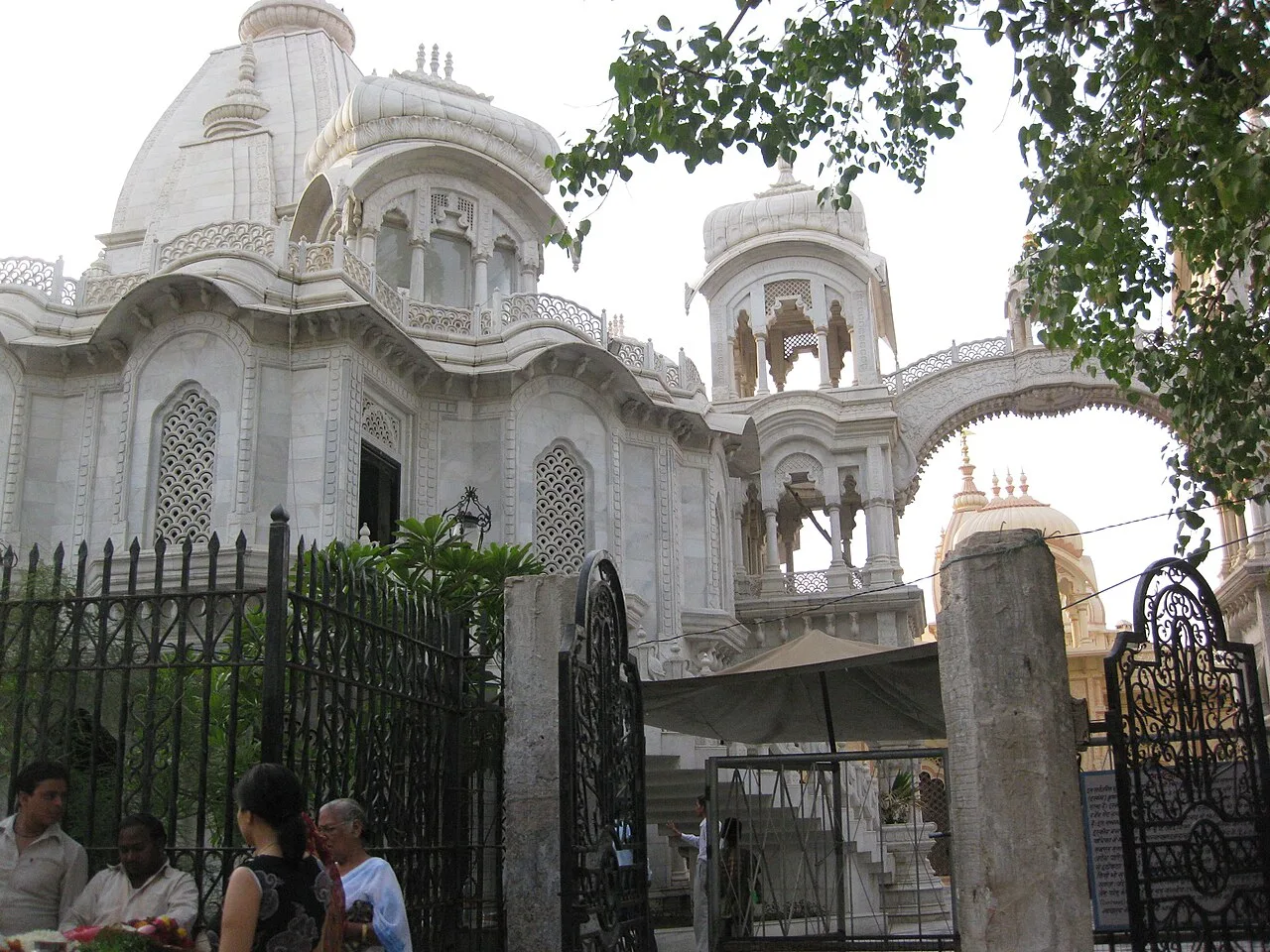
In Vrindavan, Uttar Pradesh’s Mathura district, this Gaudiya Vaishnava temple is devoted to Krishna and Balarama. Visitors come to worship these deities and the other figures honoured there.

Map

Behat on the map

  1. 1Hastinapur Heritage Town
  2. 2Okhla Bird Sanctuary
  3. 3Rampur Raza Library
  4. 4Barsana Radha Rani Temple
  5. 5Banke Bihari Temple
  6. 6Pilibhit Tiger Reserve
  7. 7Vrindavan Town
  8. 8ISKCON Temple, Vrindavan

Uttar Pradesh

Other cities to explore