Ghumoopedia — Explore, Discover, Experience
Sign in
Jhansi Fort, near Talbehat

City guide · Uttar Pradesh

Talbehat

Talbehat is a nagar panchayat and tehsil headquarters in Lalitpur district, in the Bundelkhand region of Uttar Pradesh. Its position on the Jhansi–Lalitpur road makes it a local service and trading centre as well as a stopping point for visitors exploring the district.

Famous for

  • Talbehat Fort
  • Mansarovar Lake
  • Iron cookware
  • Bundela history
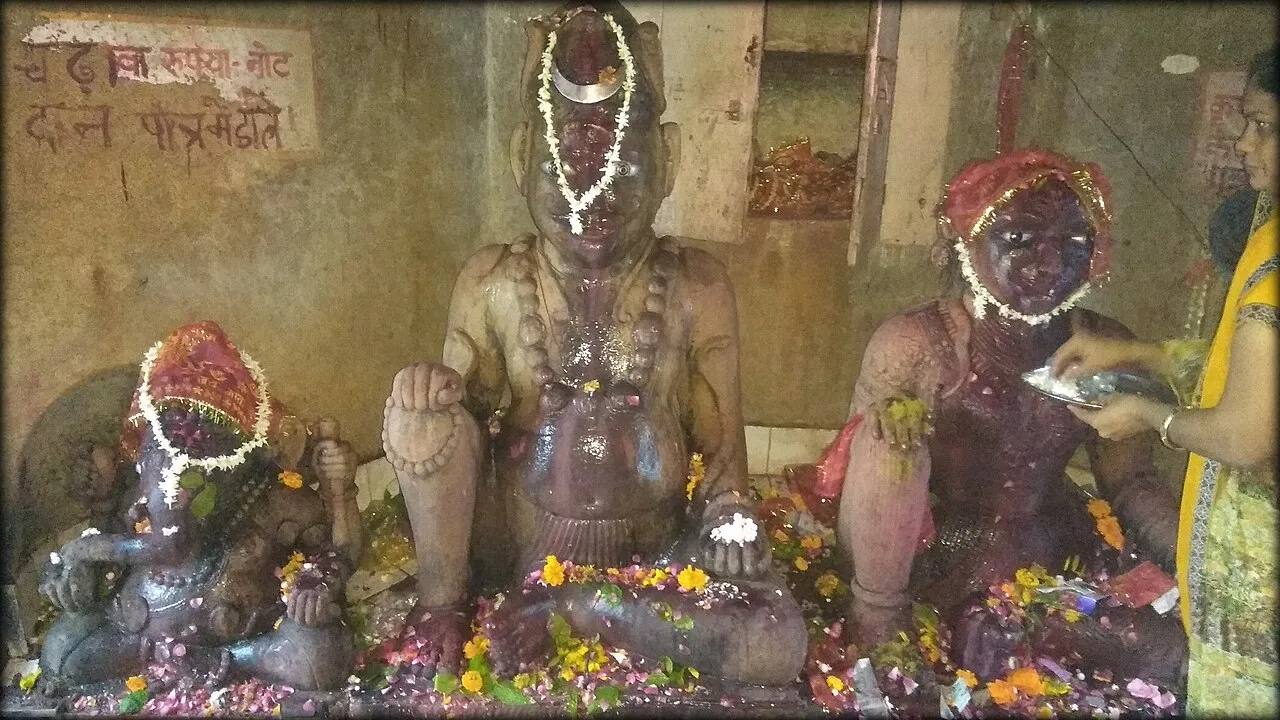
  • Hazaria Mahadev Temple

Why Talbehat matters

Talbehat is a nagar panchayat and tehsil headquarters in Lalitpur district, in the Bundelkhand region of Uttar Pradesh. Its position on the Jhansi–Lalitpur road makes it a local service and trading centre as well as a stopping point for visitors exploring the district. The town is best known for Talbehat Fort, associated with Bundela ruler Raja Mardan Singh, and for the broad Mansarovar Lake beside it.

The fort’s temples and imposing structures give the lakeside setting both historical and religious significance. Hazaria Mahadev Temple, on the lake’s bank, is another place of worship visitors may include in a visit. Talbehat is also known for making iron cooking vessels and tools, an industry supported by a local Mini Industrial Area. Together, its fort, lake, temples and working iron workshops offer a different picture of Bundelkhand from the better-known palace and wildlife destinations. The town’s importance today is practical as well as cultural: it serves surrounding settlements through its tehsil administration, local commerce and small-scale manufacturing.
Famous for: crafts, trade & products

Talbehat’s most distinctive local product is practical ironware. Workshops and factories make items such as kadhai, tawa, other cooking vessels and axes (kulhari). The Mini Industrial Area supports this activity, while local workshops and town markets are the most relevant places to ask about purchasing locally made goods. Availability and direct-sale arrangements can vary, so visitors should check in town rather than assume every factory has a public showroom.

The city is not especially identified with a major saree or textile tradition, and no widely recognised Talbehat-specific GI-tagged product is commonly associated with it. Its local identity is more closely linked to metalworking than to decorative handicrafts. The iron industry is part of everyday commerce as well as a source of employment, with production carried out by multiple factories and smaller makers. For a visit focused on the craft, the Mini Industrial Area offers a starting point for learning about local production; the bazaar is a practical place to look for finished cookware and tools. The fort, Mansarovar Lake and nearby temples remain the town’s main cultural landmarks rather than shopping districts.

History

Talbehat’s history is closely tied to the Bundela rulers of Bundelkhand. The town’s fort served as the seat of Raja Thakur Mardan Singh Bundela, whose association with the stronghold remains central to its historical identity. The fort’s large structures and temples reflect its role as more than a defensive site: it was also a centre of local authority and worship, overlooking Mansarovar Lake.

During the uprising of 1857, Mardan Singh fought the British from Talbehat alongside Rani Lakshmibai of Jhansi. This connection places the town within the wider story of resistance in Bundelkhand, though the fort is the most visible reminder of that past. In later years Talbehat developed as an administrative centre, becoming a tehsil headquarters within Lalitpur district. Its contemporary growth also reflects local manufacturing: iron foundries and workshops produce cookware and tools, with a Mini Industrial Area intended to facilitate production. The town thus combines a historic fort settlement with the administrative and industrial functions of a small regional centre.

Food, festivals & culture

Talbehat shares the everyday food traditions of Bundelkhand and neighbouring Uttar Pradesh. Meals commonly centre on roti, lentils, seasonal vegetables and other familiar north Indian dishes; sweets and snacks can be found in local shops, though the town is not widely known for a signature dish. Hindi is used widely, while Bundeli is also spoken in the region and contributes to local expressions and oral traditions.

Holi, usually celebrated in spring, and Diwali, in autumn, are among the major festivals observed locally. Navratri brings seasonal worship of the Goddess, while Mahashivratri is important to devotees of Shiva. The Hazaria Mahadev Temple and the temples within Talbehat Fort are significant places of worship; the lake and its banks also form part of the town’s religious landscape. Bundeli folk music and dance traditions, including Rai, belong to the wider cultural region, although performances are more likely to be associated with community occasions than a regular visitor programme. Festival dates follow the Hindu calendar and vary from year to year.

Visiting the city

The cooler months, roughly October to March, are generally the most comfortable for exploring Talbehat’s fort, lake and temples. The nearest practical airport for scheduled commercial flights is generally Gwalior Airport; check current flight connections before planning. Talbehat has its own railway station, while Jhansi Junction is a major rail gateway for broader connections. Road travel on the Jhansi–Lalitpur route is a straightforward way to reach the town.

Within Talbehat, local taxis, auto-rickshaws and other local transport can help with short trips; confirm availability on arrival. Begin around Talbehat Fort and Mansarovar Lake, then visit Hazaria Mahadev Temple. The town bazaar and Mini Industrial Area provide a look at local commerce and ironware production. Allow time to check locally about access to workshops and lakeside activities.

Trips from the city

Nearest places to visit from Talbehat

Our closest destination guides, by straight-line distance.

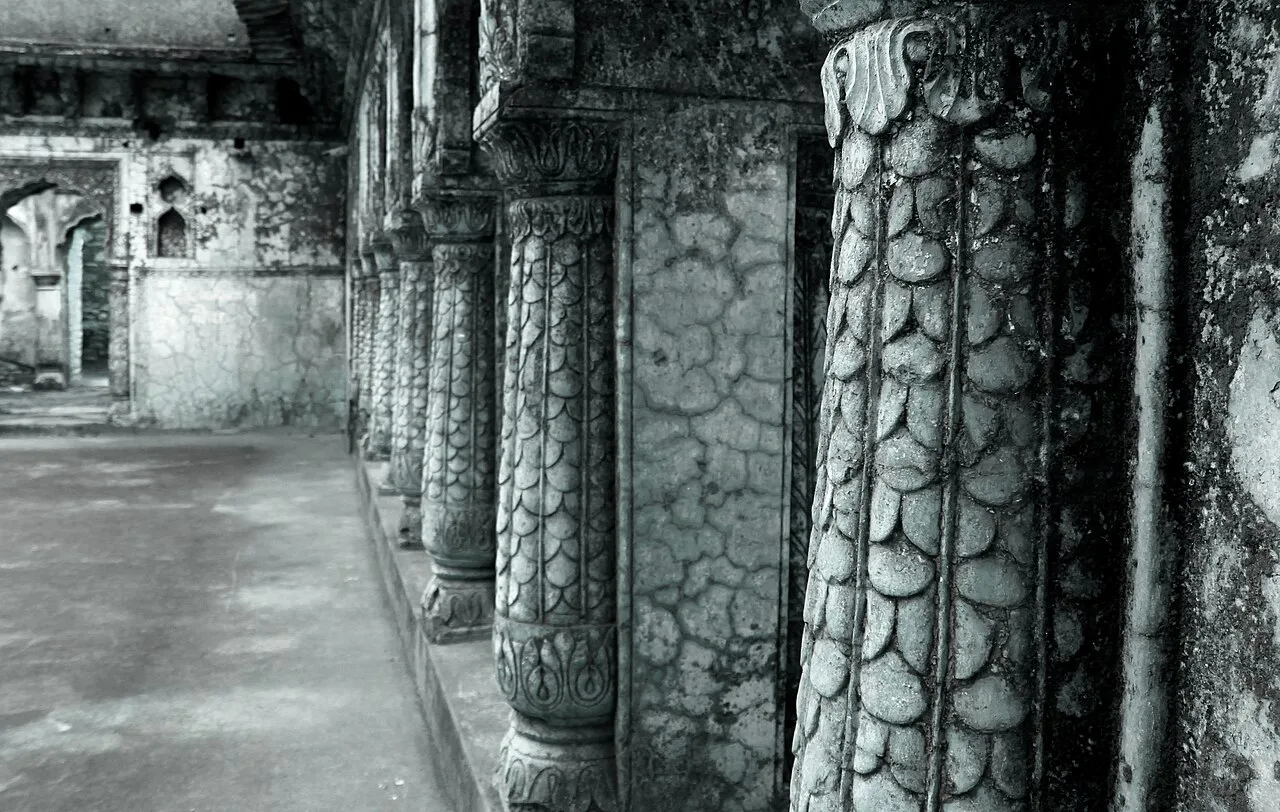
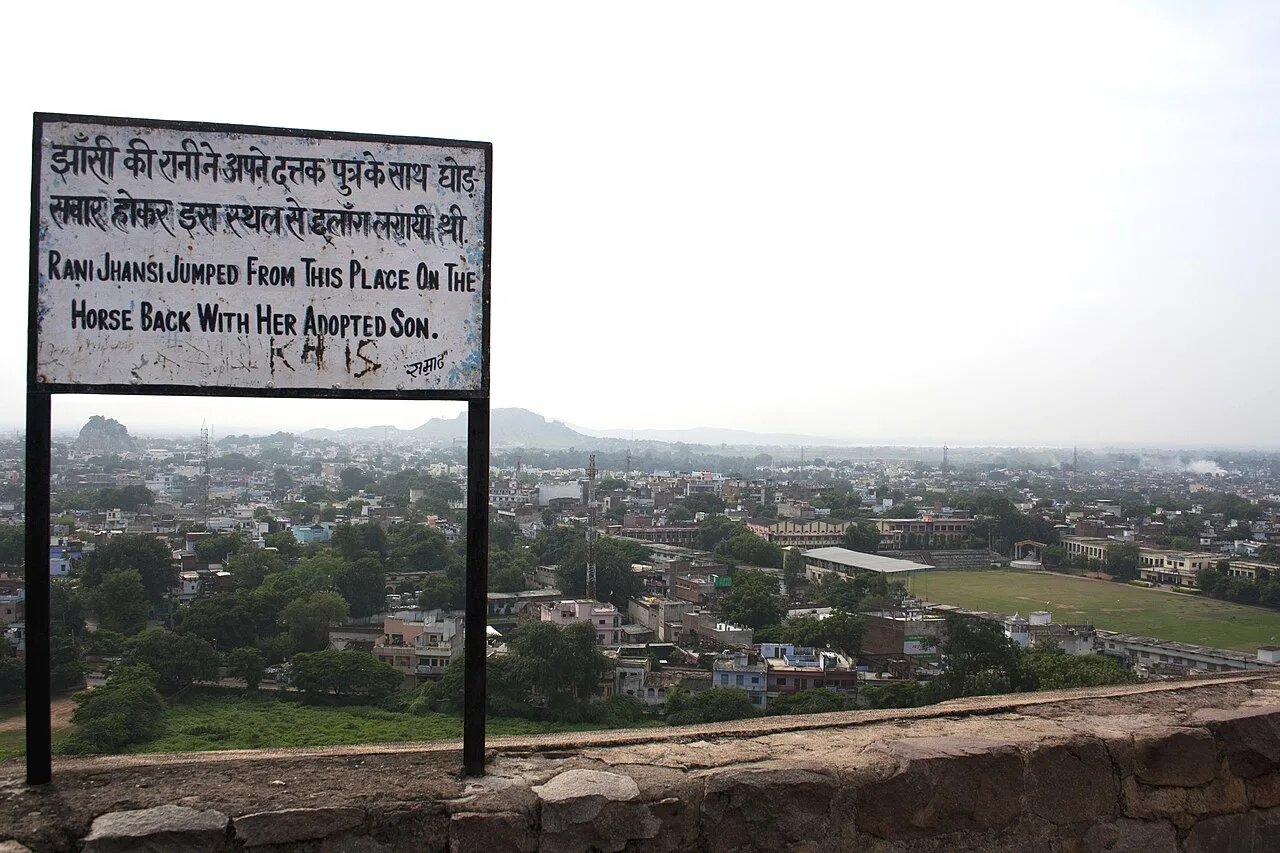
Jhansi Fort

48 km away · Jhansi district

Jhansi Fort

Jhansi Fort is a historic stronghold on Bangira in Jhansi, Uttar Pradesh. Visitors can explore its links to the Karhade Brahmin rulers and the town’s later British-era history.

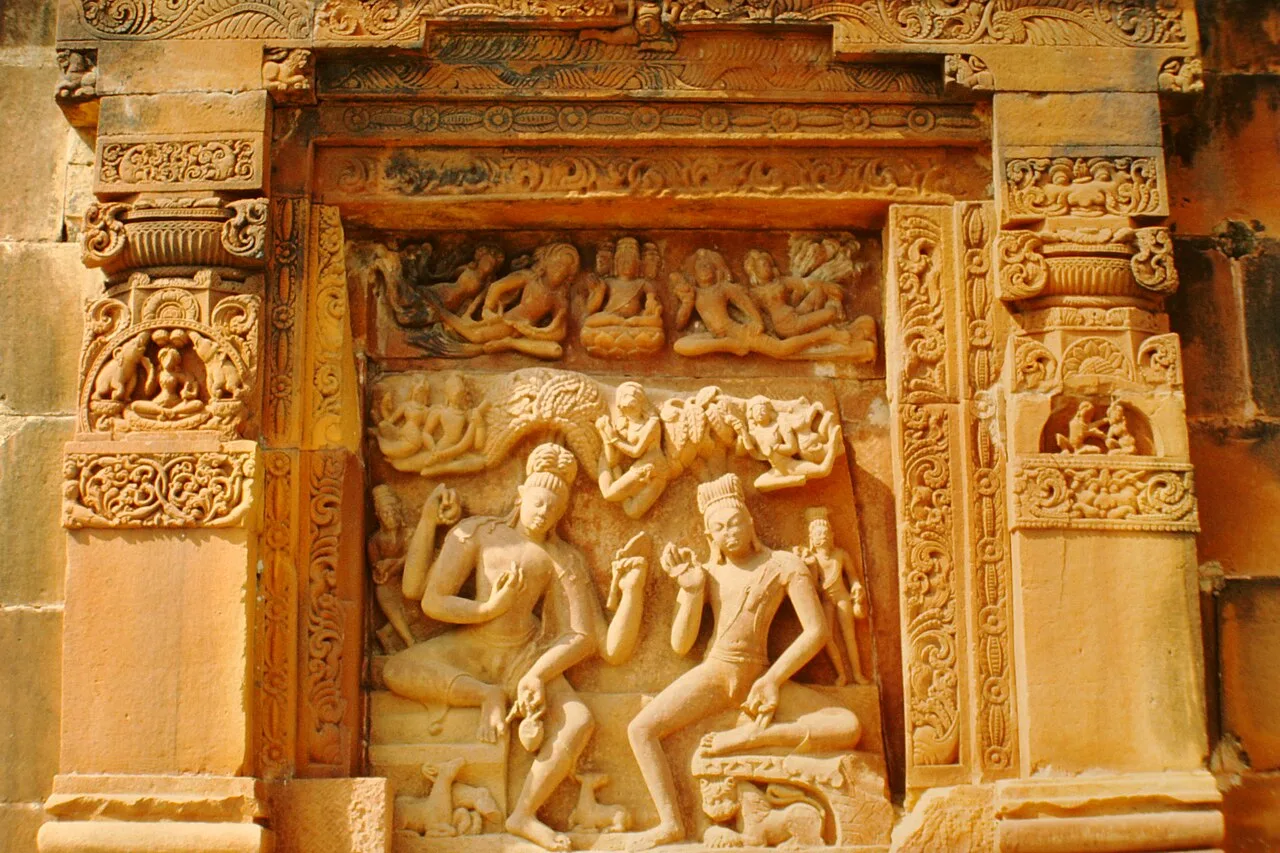
Dashavatara Temple

61 km away · Lalitpur district

Dashavatara Temple

The Dashavatara Temple is a Gupta-period shrine to Vishnu at Deogarh, Uttar Pradesh. Visitors come to study its early stone architecture and carved narratives, which illuminate the development of northern Indian temple design.

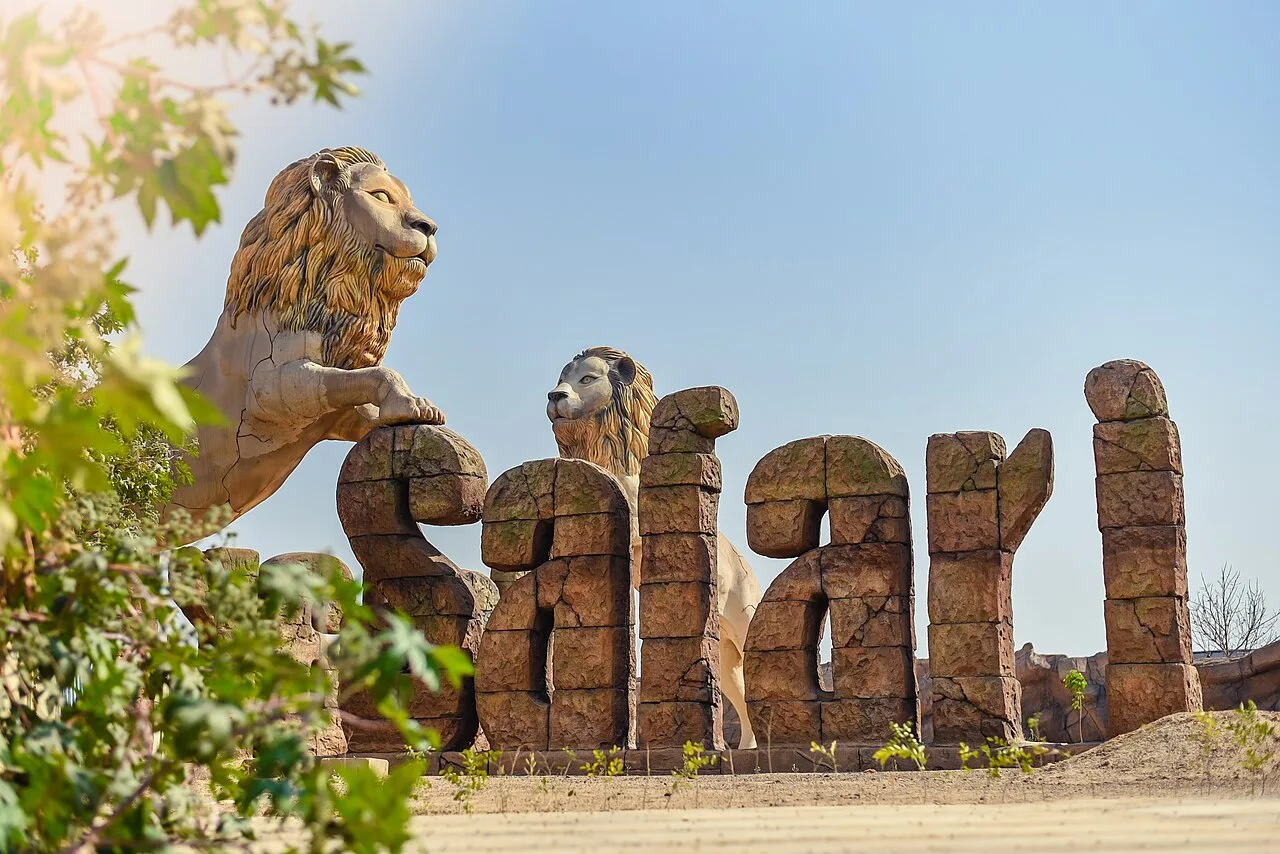
Etawah Safari Park

200 km away · Etawah district

Etawah Safari Park

A wildlife attraction in Etawah district, Uttar Pradesh, the park draws visitors for its vehicle-based safari experiences, Asiatic lion breeding centre and visitor centre.

Kalinjar Fort

207 km away · Banda district

Kalinjar Fort

Travellers visit Kalinjar for its extensive fortifications, its association with Chandela rule and its long religious history, including sacred structures dating to the Gupta period.

Bateshwar Temples, Agra

211 km away · Agra district

Bateshwar Temples, Agra

Bateshwar is a village in Uttar Pradesh’s Agra district, known as a spiritual centre for Hindus and Jains, with 101 Shiva temples and an annual fair.

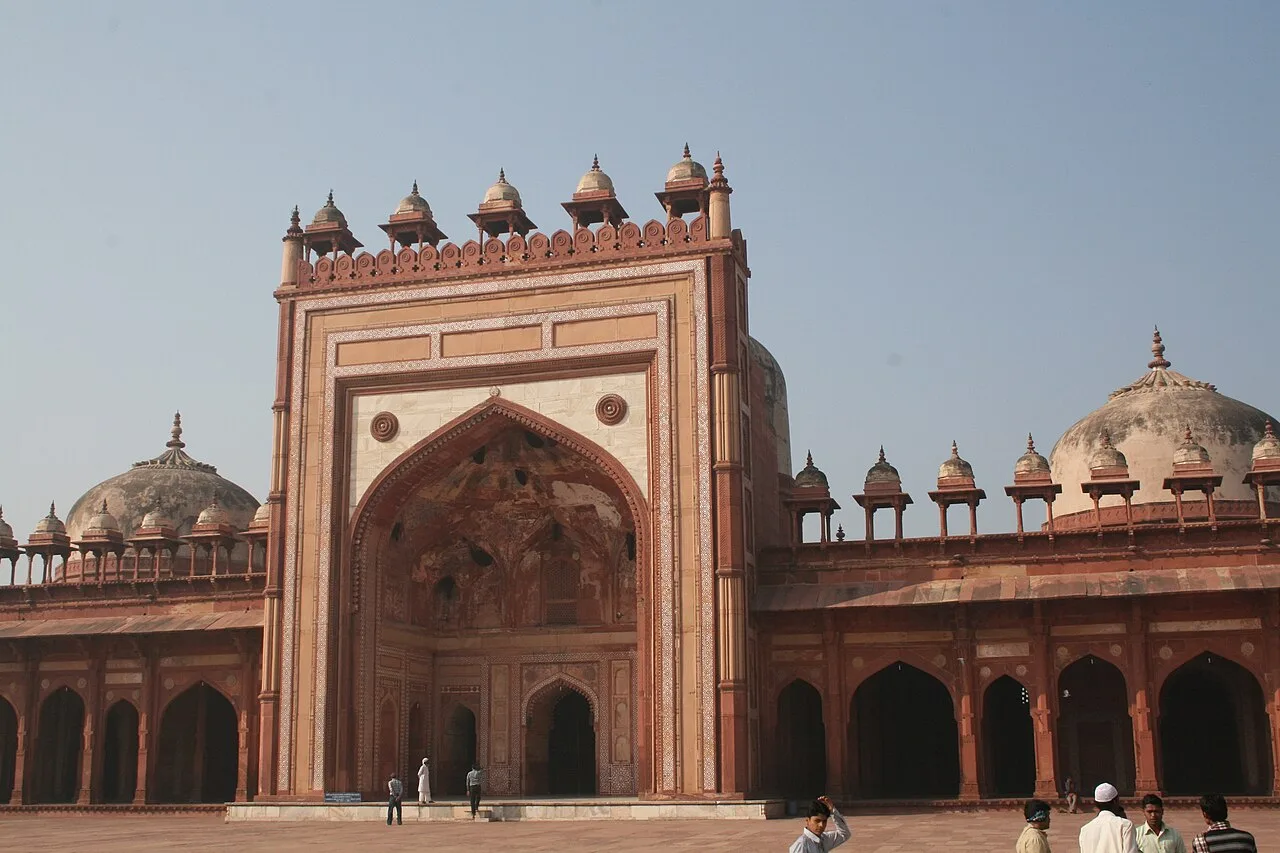
Fatehpur Sikri

240 km away · Agra district

Fatehpur Sikri

Fatehpur Sikri is a town in Uttar Pradesh’s Agra district, known for its short-lived role as Akbar’s Mughal capital. Visitors come to see its historic palace complex and religious buildings.

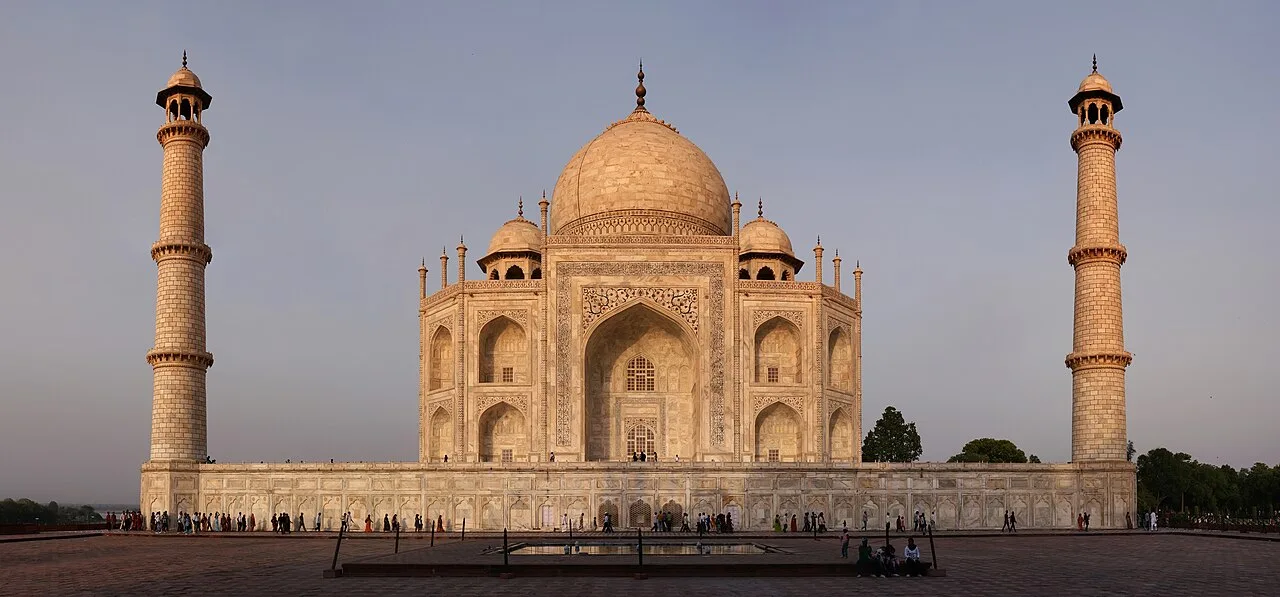
Taj Mahal

240 km away · Agra district

Taj Mahal

The Taj Mahal is a marble tomb complex in Agra, built for Mumtaz Mahal and Shah Jahan. Visitors come to see its Mughal architecture, gardens and memorials.

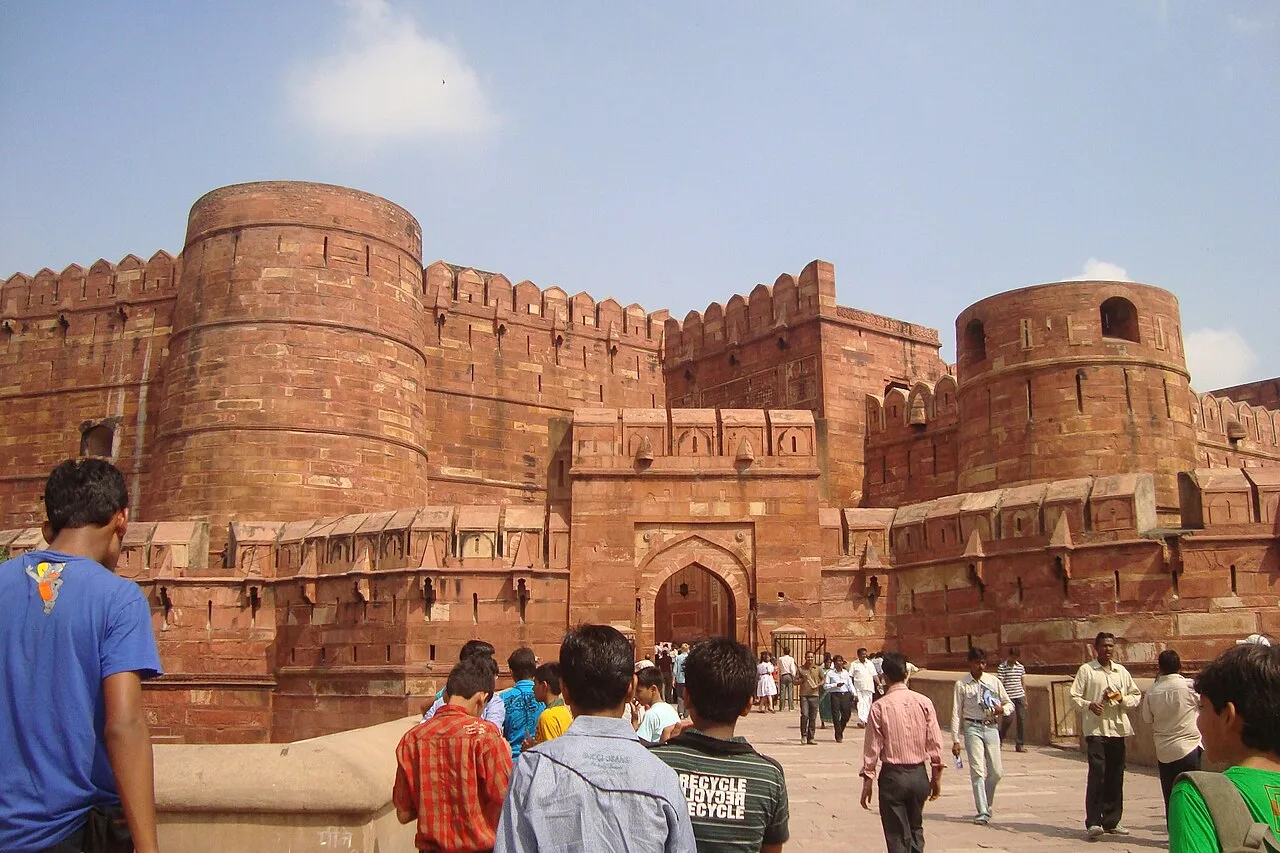
Agra Fort

241 km away · Agra district

Agra Fort

Agra Fort is a major Mughal-era stronghold in Agra, rebuilt by Akbar and later expanded by Shah Jahan. Visitors come to see its palaces, mosques and historic gateways.

Map

Talbehat on the map

  1. 1Jhansi Fort
  2. 2Dashavatara Temple
  3. 3Etawah Safari Park
  4. 4Kalinjar Fort
  5. 5Bateshwar Temples, Agra
  6. 6Fatehpur Sikri
  7. 7Taj Mahal
  8. 8Agra Fort

Uttar Pradesh

Other cities to explore