Ghumoopedia — Explore, Discover, Experience
Sign in
Taj Mahal, near Shamsabad

City guide · Uttar Pradesh

Shamsabad

Shamsabad is a small urban centre in Agra district, in western Uttar Pradesh. Its importance is chiefly regional: it serves residents of the town and nearby settlements, while Agra provides access to larger markets, transport connections and well-known heritage attractions.

Famous for

  • Agra-district setting
  • Regional market town
  • Road access to Agra
  • Braj cultural influences

Why Shamsabad matters

Shamsabad is a small urban centre in Agra district, in western Uttar Pradesh. Its importance is chiefly regional: it serves residents of the town and nearby settlements, while Agra provides access to larger markets, transport connections and well-known heritage attractions. Shamsabad lies southeast of Agra, at an elevation of about 165 metres, and is connected to the surrounding district by road.

The town is not widely associated with a single landmark, major industry or nationally recognised craft. Visitors are more likely to come for local business, family visits or as part of a wider journey through the Agra region than as a destination for a long sightseeing itinerary. Its everyday markets and places of worship offer a view of town life away from Agra’s major tourist circuit. Travellers using Shamsabad as a base should plan separately for Agra’s monuments and services; the city itself is best approached as a modest regional centre rather than a heritage attraction.
Famous for: crafts, trade & products

Shamsabad is not widely identified with a particular textile, handicraft or GI-tagged product. Its role is more practical than specialist: local shops and market streets serve everyday needs for residents and nearby communities. Visitors can browse the central bazaar for ordinary household goods, clothing and provisions, but should not expect a designated craft market or a well-established souvenir trade.

For a wider choice of traditional goods, Agra is the nearest major shopping centre. Its markets are better known for souvenirs and regional products, including leather goods and marble-work items; these should not be taken as products unique to Shamsabad. The town’s local shops are the most convenient place to see its day-to-day commerce, while visitors seeking specialist crafts, branded products or a broad retail selection can make a separate trip to Agra. Shamsabad’s significance in trade is therefore primarily local, linked to serving its immediate area rather than to a distinctive export industry.

History

Shamsabad’s history is not as extensively documented in popular accounts as that of nearby Agra, so specific founding stories or associations with individual rulers should be treated cautiously. Its setting places it within a region shaped over time by the political and commercial importance of Agra. The city was a major centre under Mughal rule and remained an important administrative and military hub during the colonial period, but that broader history should not be mistaken for a detailed account of Shamsabad itself.

Shamsabad’s growth is best understood as that of a local settlement serving the surrounding district. Roads and connections with Agra have helped link residents to regional services and commerce. In modern times it has developed as an urban centre with municipal administration and neighbourhood markets. Its contemporary identity remains closely connected to the wider Agra district rather than to a separately documented monument or historic industry.

Food, festivals & culture

Daily life in Shamsabad reflects the customs of western Uttar Pradesh and the wider Agra region. Hindi is widely used, and Braj Bhasha influences are part of the area’s speech and cultural setting. Hindu and Muslim communities mark their religious calendars through local observances; Holi, usually in spring, and Diwali, generally in autumn, are important Hindu festivals, while Eid celebrations follow the Islamic lunar calendar. Temples and mosques serve as neighbourhood places of worship, though the town is not known for a single major pilgrimage site.

Meals are generally based on familiar North Indian home cooking, including breads, lentils, vegetables and seasonal dishes. Agra is especially associated with petha, but it is better regarded as a regional specialty than as a distinct Shamsabad product. Folk music and dance traditions from the Braj region form part of the broader cultural backdrop, particularly around festive occasions. Visitors will find a local rather than a staged performance culture; community and religious celebrations are the best way to encounter it respectfully.

Visiting the city

The more comfortable season for visiting is generally October to March, when daytime weather is milder than in the hot summer months. Agra Airport, also known as Kheria Airport, is the nearest airport, while Agra Cantt is the principal railway station most useful for reaching Shamsabad. From Agra, continue by road; local transport can be used for short journeys within the town, with availability varying by location.

Start around the central market streets to see everyday commerce, then explore nearby residential lanes and local places of worship respectfully. Shamsabad has no widely established tourist quarter or major visitor circuit, so it works best as a short local visit or a stop within a wider Agra district itinerary. For major monuments, museums and broader shopping, plan time in Agra rather than expecting those attractions in Shamsabad.

Trips from the city

Nearest places to visit from Shamsabad

Our closest destination guides, by straight-line distance.

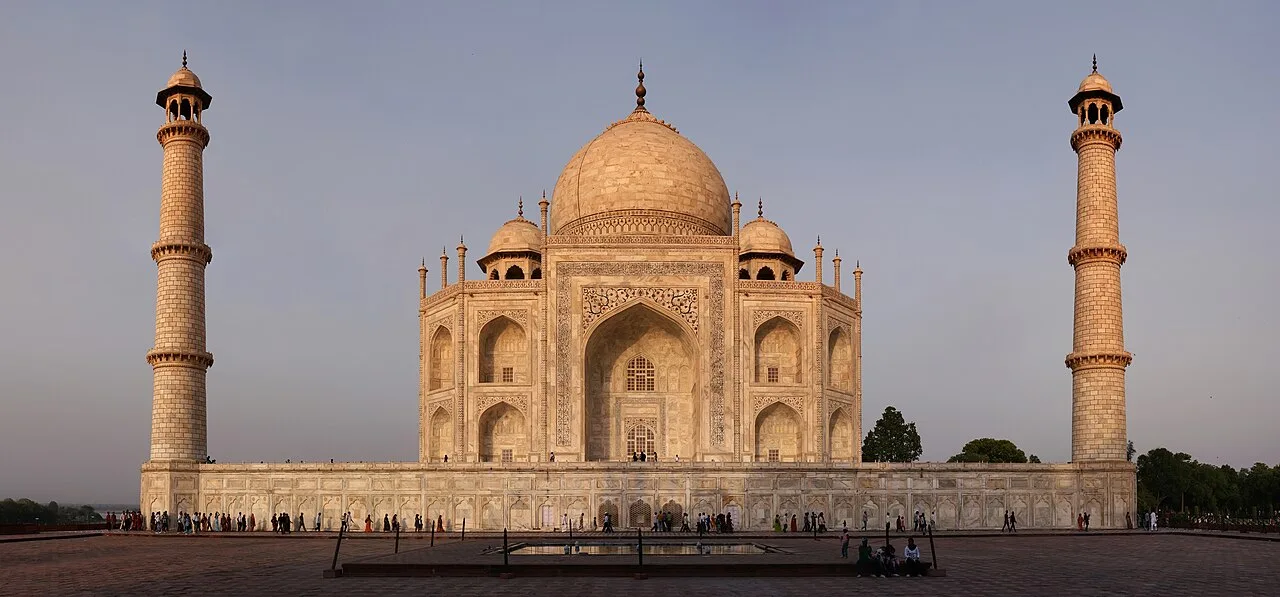
Taj Mahal

19 km away · Agra district

Taj Mahal

The Taj Mahal is a marble tomb complex in Agra, built for Mumtaz Mahal and Shah Jahan. Visitors come to see its Mughal architecture, gardens and memorials.

Mehtab Bagh

20 km away · Agra district

Mehtab Bagh

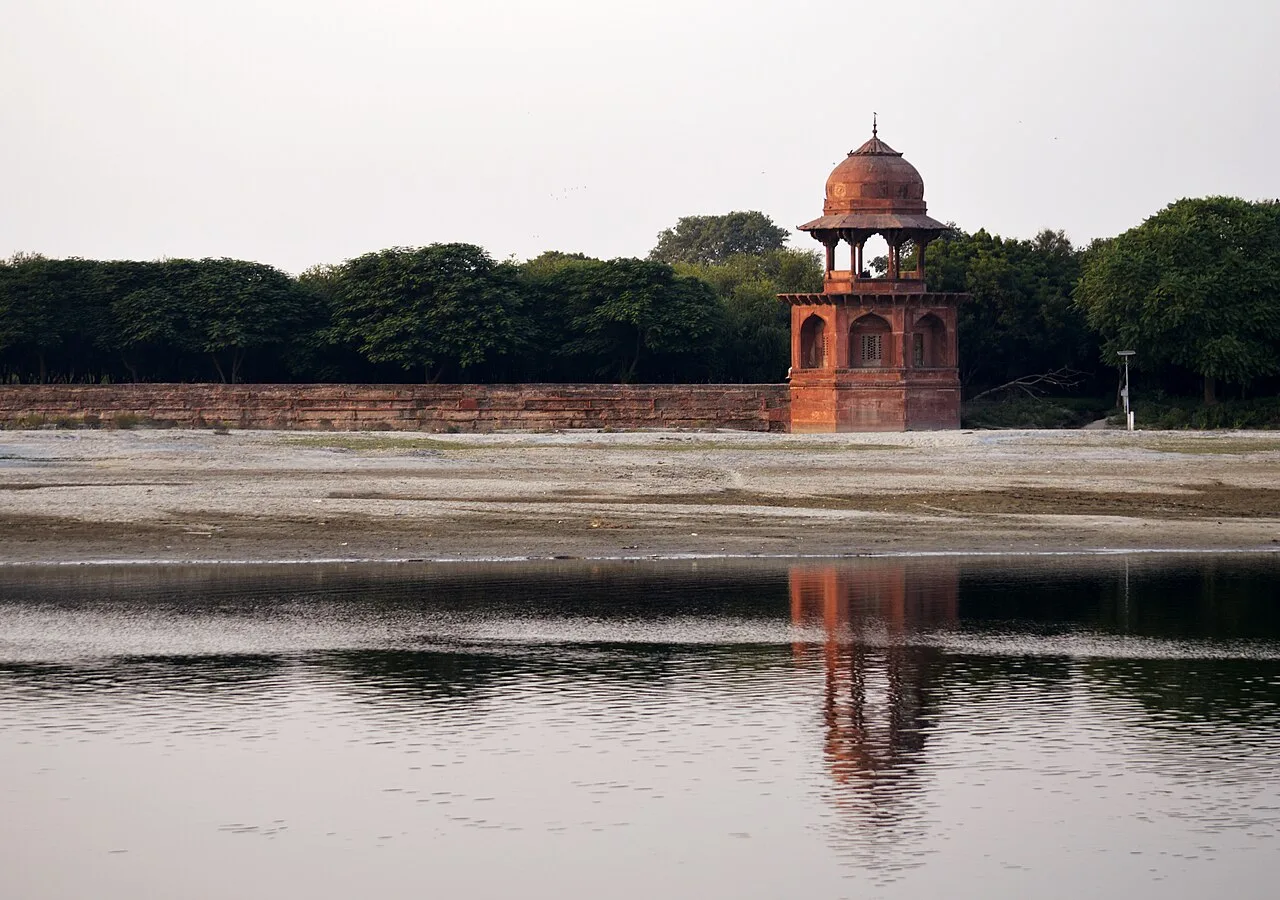
Mehtab Bagh is a square charbagh garden in Agra, Uttar Pradesh, across the Yamuna from the Taj Mahal. Visitors come to see its carefully aligned setting opposite the monument.

Agra Fort

21 km away · Agra district

Agra Fort

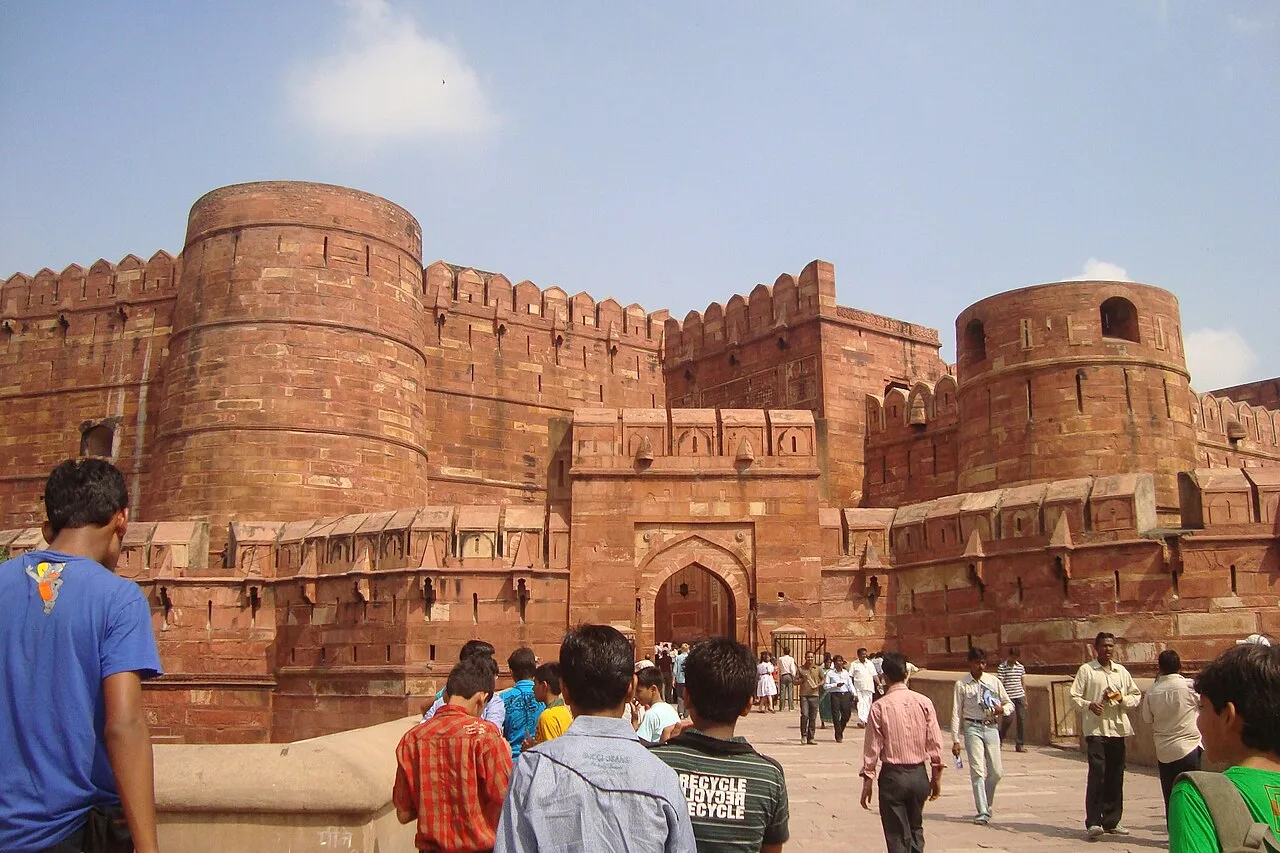
Agra Fort is a major Mughal-era stronghold in Agra, rebuilt by Akbar and later expanded by Shah Jahan. Visitors come to see its palaces, mosques and historic gateways.

Jama Masjid, Agra

21 km away · Agra district

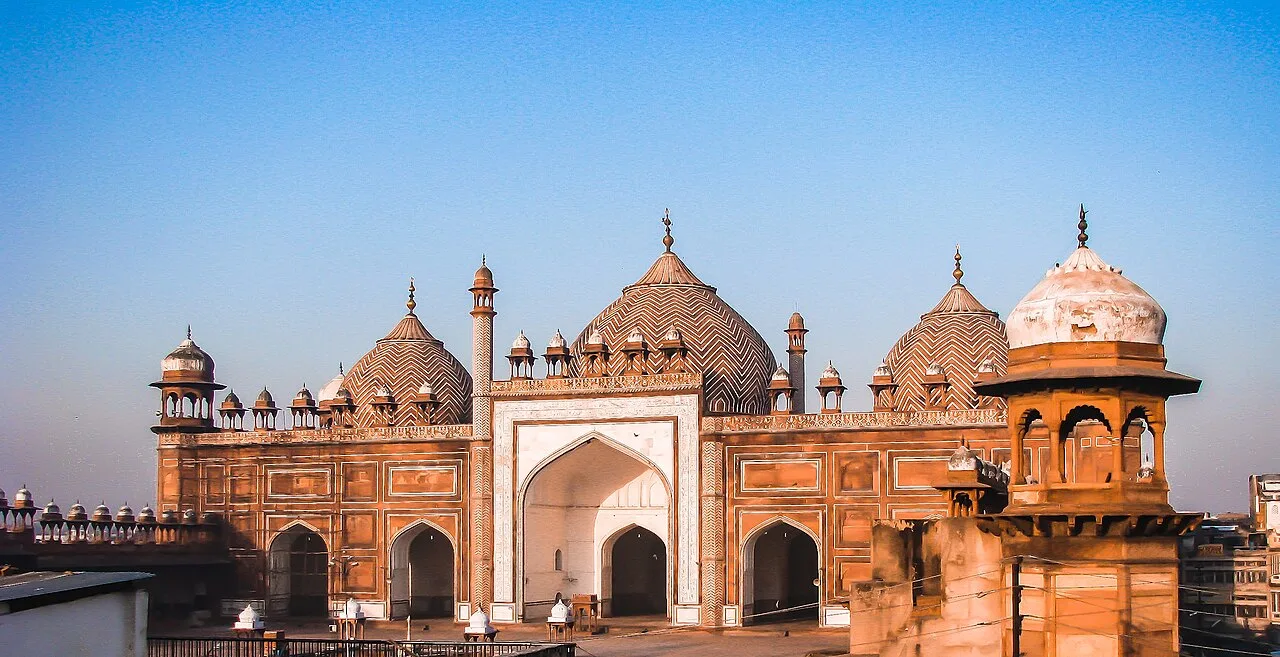
Jama Masjid, Agra

Jama Masjid is a seventeenth-century mosque in Agra, built by Jahanara Begum during Shah Jahan’s reign. Visitors come to see the city’s principal mosque, situated near Agra Fort.

Chini Ka Rauza

22 km away · Agra district

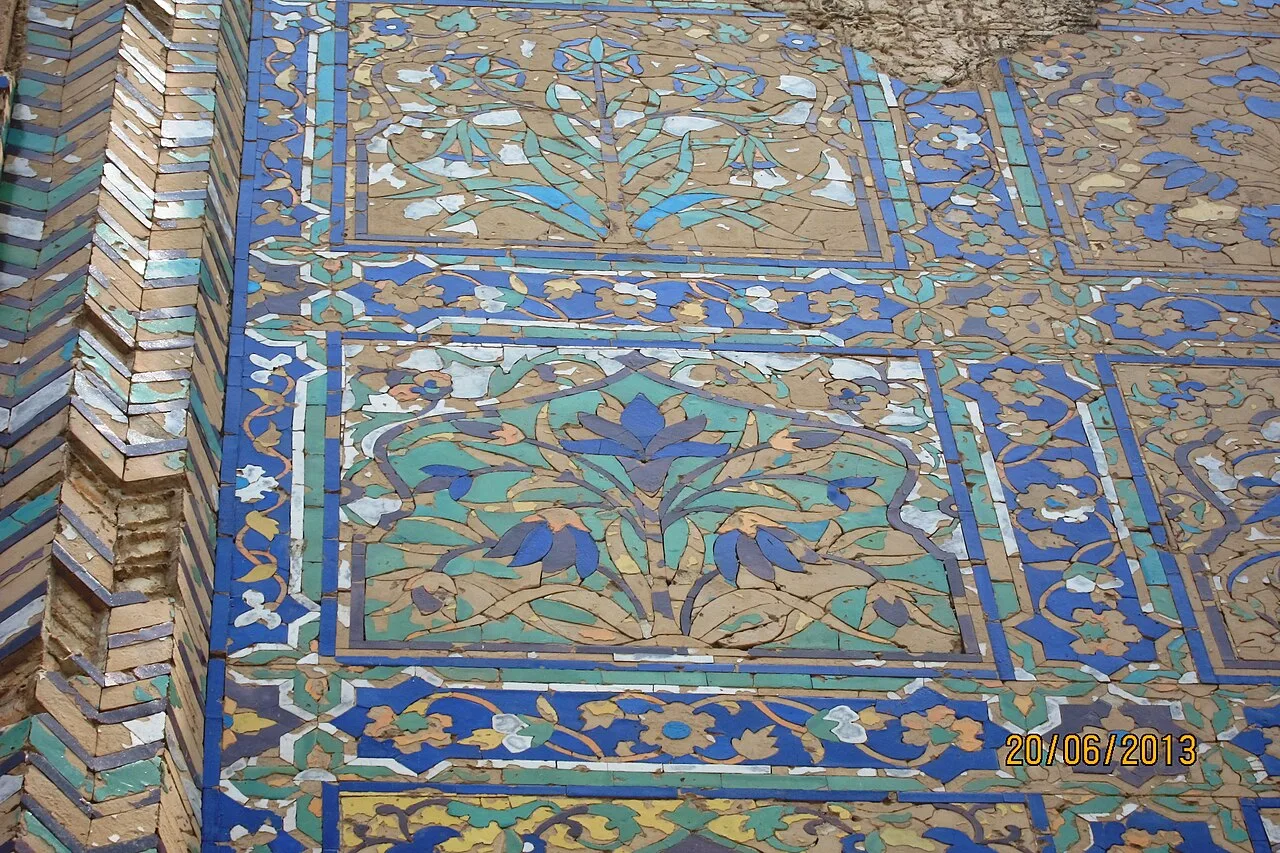
Chini Ka Rauza

Chini Ka Rauza is a funerary monument in Agra, built in 1635 for Afzal Khan Shirazi, a scholar, poet and Shah Jahan’s grand vizier. Visitors come to see its glazed tiles and learn about its history.

Itmad Ud Daulah

22 km away · Agra district

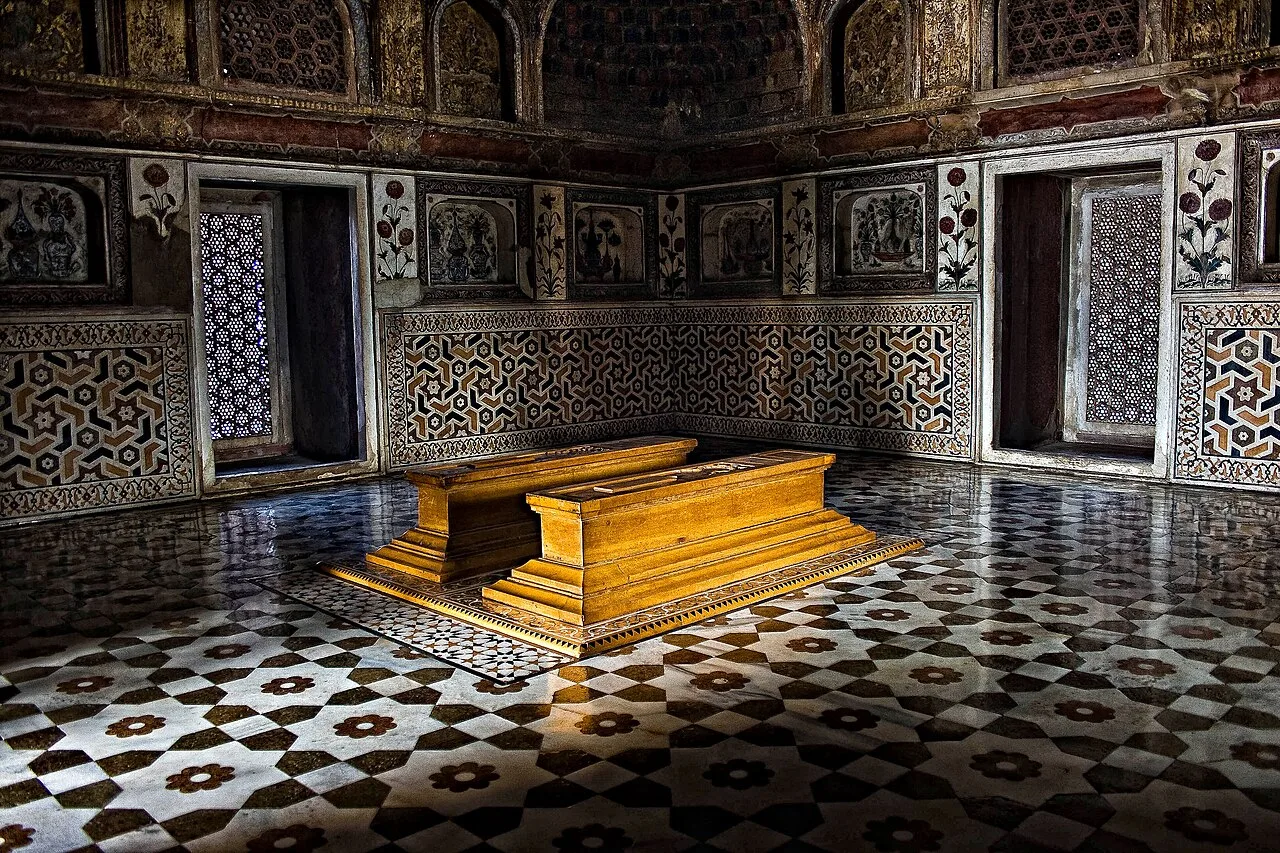
Itmad Ud Daulah

A Mughal marble mausoleum in Agra, Itmad Ud Daulah attracts visitors for its garden setting, intricate decoration and place in the evolution of Mughal architecture.

27 km away · Agra district

Guru ka Taal Gurdwara

Guru ka Taal Gurdwara, near Sikandra in Agra, is a Sikh pilgrimage site honouring the ninth Guru, Tegh Bahadur. People visit to remember his martyrdom and the defence of religious freedom.

Akbar's tomb

28 km away · Agra district

Akbar's tomb

The burial monument of Mughal ruler Akbar, this Agra site is visited for its historic association and buildings that combine red sandstone construction with white marble details.

Map

Shamsabad on the map

  1. 1Taj Mahal
  2. 2Mehtab Bagh
  3. 3Agra Fort
  4. 4Jama Masjid, Agra
  5. 5Chini Ka Rauza
  6. 6Itmad Ud Daulah
  7. 7Guru ka Taal Gurdwara
  8. 8Akbar's tomb

Uttar Pradesh

Other cities to explore