Ghumoopedia — Explore, Discover, Experience
Sign in
Kushinagar Buddhist Site, near Kaptanganj

City guide · Uttar Pradesh

Kaptanganj

Kaptanganj is a town and Nagar Panchayat in Kushinagar district, in eastern Uttar Pradesh. Its importance is chiefly regional: it serves as a tehsil headquarters, a local administrative centre and a trading point for nearby villages.

Famous for

  • Kaptanganj Junction
  • Kushinagar tehsil centre
  • Regional rural market
  • Bhojpuri-speaking culture
  • Road and rail connections

Why Kaptanganj matters

Kaptanganj is a town and Nagar Panchayat in Kushinagar district, in eastern Uttar Pradesh. Its importance is chiefly regional: it serves as a tehsil headquarters, a local administrative centre and a trading point for nearby villages. Kaptanganj Junction and State Highway 64 connect the town with other parts of the district and the wider region, making it a useful place for everyday travel and commerce rather than a large tourist destination in its own right.

Visitors often come for practical reasons or use Kaptanganj as a stop while exploring Kushinagar, whose Buddhist heritage draws pilgrims and other travellers. The town’s markets, railway station and roadside businesses reflect its role in serving an agricultural hinterland. Hindi is widely used, while Bhojpuri is part of local life and conversation. Kaptanganj is best understood as a working small town: its appeal lies in its transport links, local services and access to the surrounding countryside and Kushinagar’s better-known sites.
Famous for: crafts, trade & products

Kaptanganj is not especially associated with a nationally recognised textile, handicraft or GI-tagged product. Its commercial character is more closely tied to the needs of nearby rural communities. Shops and market stalls supply everyday goods, while local trade reflects the agricultural economy of the surrounding alluvial plain. Visitors looking for a particular craft or specialty product should not expect a dedicated artisan quarter or a well-established tourist shopping district.

For routine shopping, explore the central market and the shops along the main roads and around the railway station. These are the most practical places to look for snacks, household goods and locally sold produce, though selection varies. The town also has the services expected of a tehsil centre, including businesses serving residents from nearby villages. For distinctive souvenirs, travellers may find more options at established visitor areas in Kushinagar. Ask locally about seasonal produce and regional snacks, as availability can change through the year.

History

Kaptanganj’s history is primarily that of a regional service town rather than a celebrated royal capital. The wider area has long been shaped by fertile farmland and settlements linked to agriculture. No distinct ruling dynasty or well-documented founding date is closely associated with the town itself, so its growth is best understood through its practical role in the surrounding countryside.

During the colonial era, administrative and transport networks changed how people and goods moved across eastern Uttar Pradesh. Kaptanganj’s railway junction and road links helped strengthen its position as a local centre, although detailed accounts of the town’s early development are limited. In modern times, its functions as a Nagar Panchayat and tehsil headquarters have supported its growth as a place for public services, trade and travel. It is now part of Kushinagar district and remains connected to the district’s agricultural communities and the wider region.

Food, festivals & culture

Everyday food in Kaptanganj reflects the cooking of eastern Uttar Pradesh and the Bhojpuri region. Meals commonly draw on wheat, rice, pulses and seasonal vegetables; familiar regional fare includes roti, dal, sabzi and rice. Street-side shops may sell snacks such as samosa or kachori, with sweets like jalebi or peda available in local markets. These are regional favourites rather than products unique to the town.

Hindi and Bhojpuri are widely used. Bhojpuri folk traditions include forms such as biraha and kajri, heard especially during community gatherings and seasonal celebrations. Holi in spring and Diwali in autumn are prominent festivals; Chhath, observed after Diwali, is also important across the region. Eid is celebrated by the Muslim community. Local temples and mosques serve residents, while visitors interested in Buddhist heritage can make excursions to the important religious sites in nearby Kushinagar.

Visiting the city

The most comfortable season to visit is generally from October to March, when days are cooler. Summers can be very hot, while the June-to-September monsoon may bring heavy rain. Kaptanganj Junction is the town’s main rail station. Kushinagar International Airport is the nearest airport; travellers can also check flight options from Gorakhpur Airport.

Auto-rickshaws and cycle rickshaws are useful for short trips where available, and the central areas can be explored on foot. The railway-station surroundings, main-road shops and central market offer a sense of the town’s everyday life. Kaptanganj is also a convenient starting point for journeys towards Kushinagar’s Buddhist sites and nearby rural settlements. Local transport availability can vary, so confirm onward connections after arrival.

Trips from the city

Nearest places to visit from Kaptanganj

Our closest destination guides, by straight-line distance.

Kushinagar Buddhist Site

27 km away · Kushinagar district

Kushinagar Buddhist Site

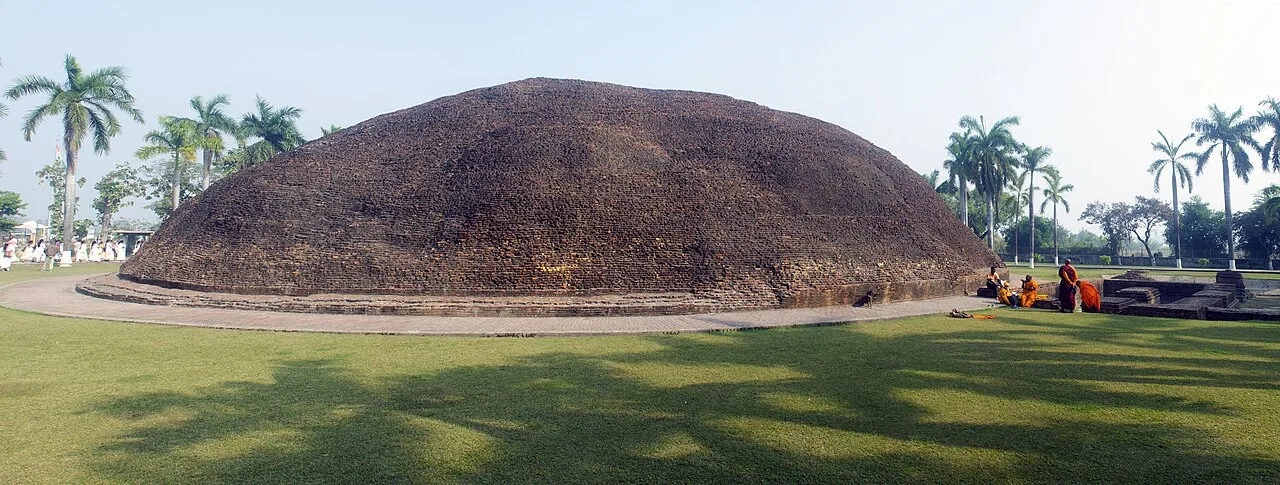
The Kushinagar Buddhist Site is a pilgrimage destination associated with Gautama Buddha’s parinirvana. Visitors come to this Uttar Pradesh town because of its importance in Buddhist belief.

Gorakhnath Math

39 km away · Gorakhpur district

Gorakhnath Math

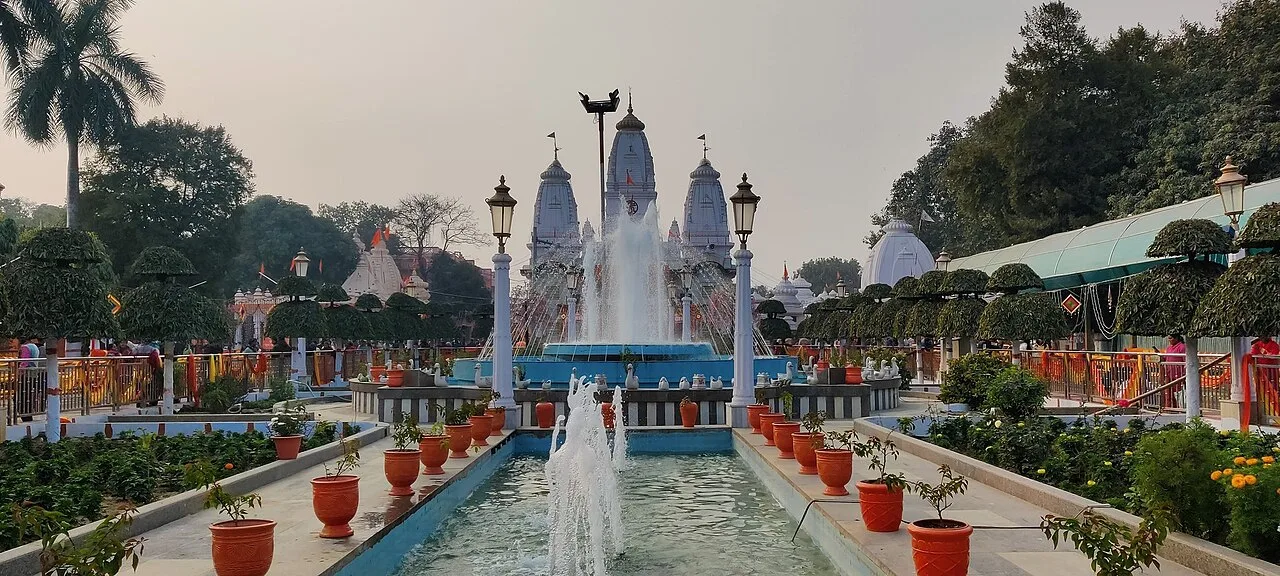
Gorakhnath Math is a Hindu temple and Nath monastic centre in Gorakhpur, Uttar Pradesh. People visit for its religious role and the cultural and social activities held on its premises.

Chandra Prabha Wildlife Sanctuary

143 km away · Chandauli district

Chandra Prabha Wildlife Sanctuary

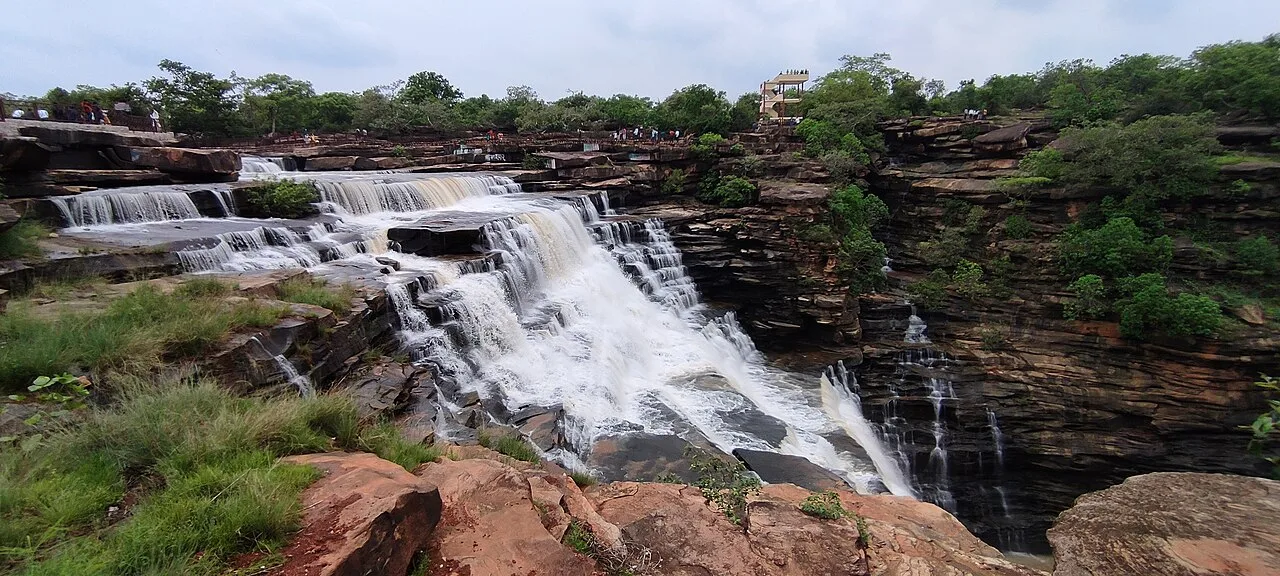
In Uttar Pradesh’s Chandauli district, Chandraprabha is a wildlife sanctuary in central India. Visitors come to explore the sanctuary, which lies around 70 kilometres from Varanasi.

Ayodhya Old Town

150 km away · Ayodhya district

Ayodhya Old Town

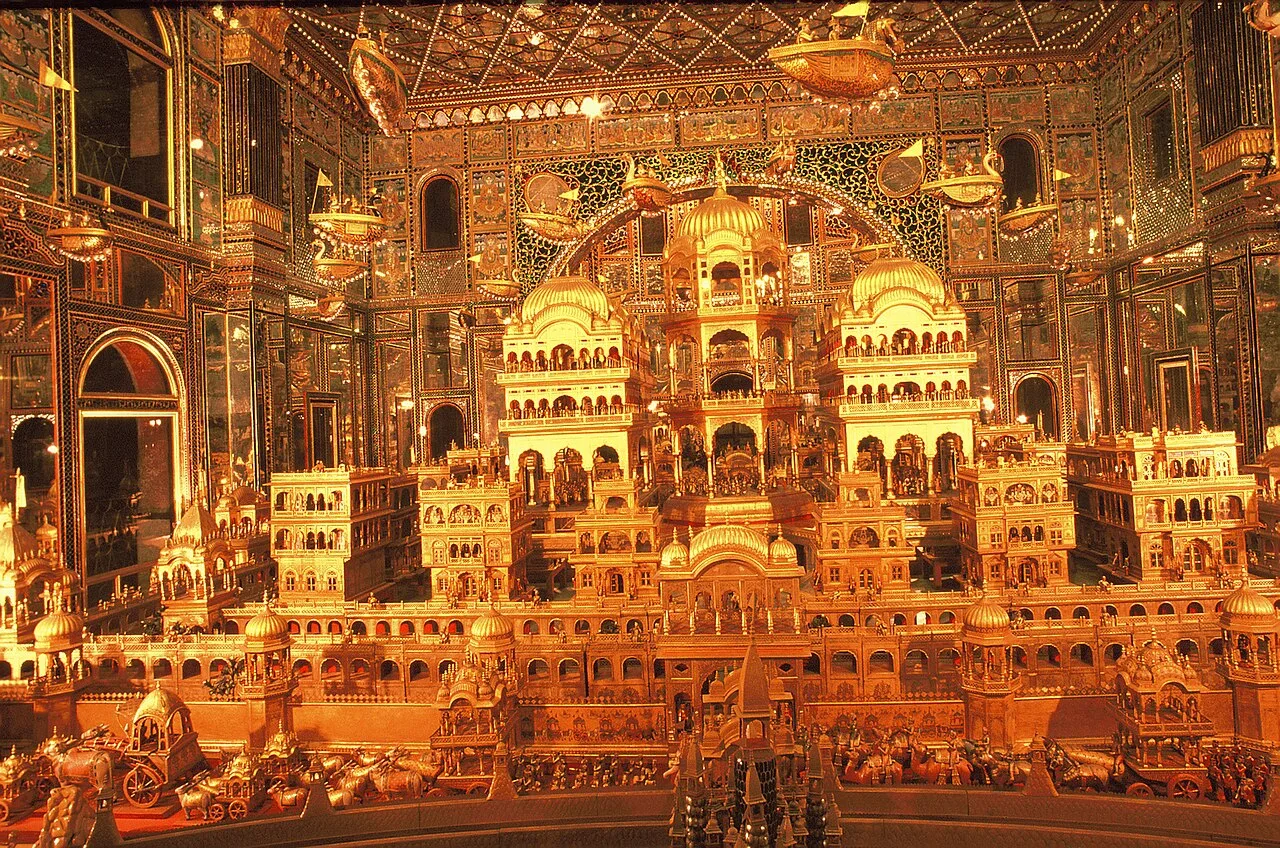
Ayodhya Old Town is the historic centre of a city in Uttar Pradesh, associated with early Buddhist and Jain traditions and the Hindu epic Ramayana. Visitors come chiefly for its religious importance and links to Rama.

Hanuman Garhi

151 km away · Ayodhya district

Hanuman Garhi

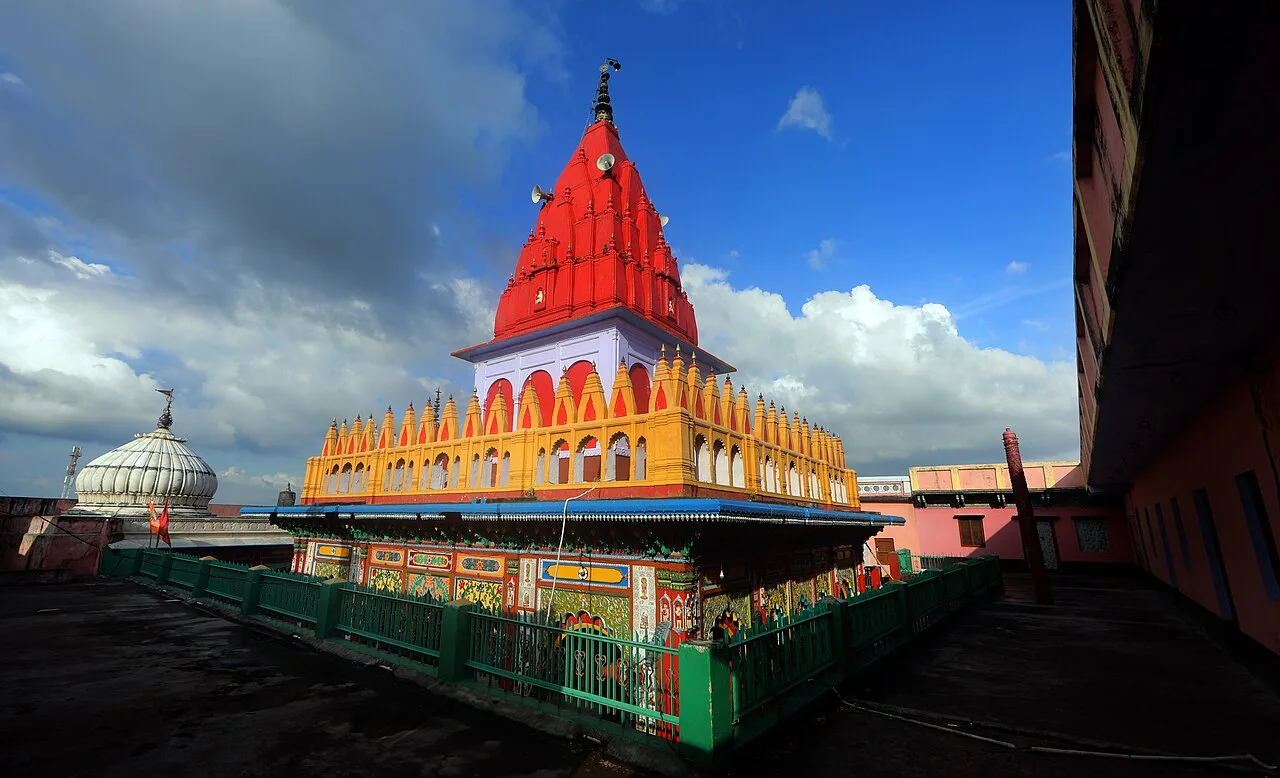
Hanuman Garhi is a Hindu shrine to Hanuman in Ayodhya, Uttar Pradesh. People visit to worship there, and it is counted among the city’s important temples.

Kanak Bhawan

151 km away · Ayodhya district

Kanak Bhawan

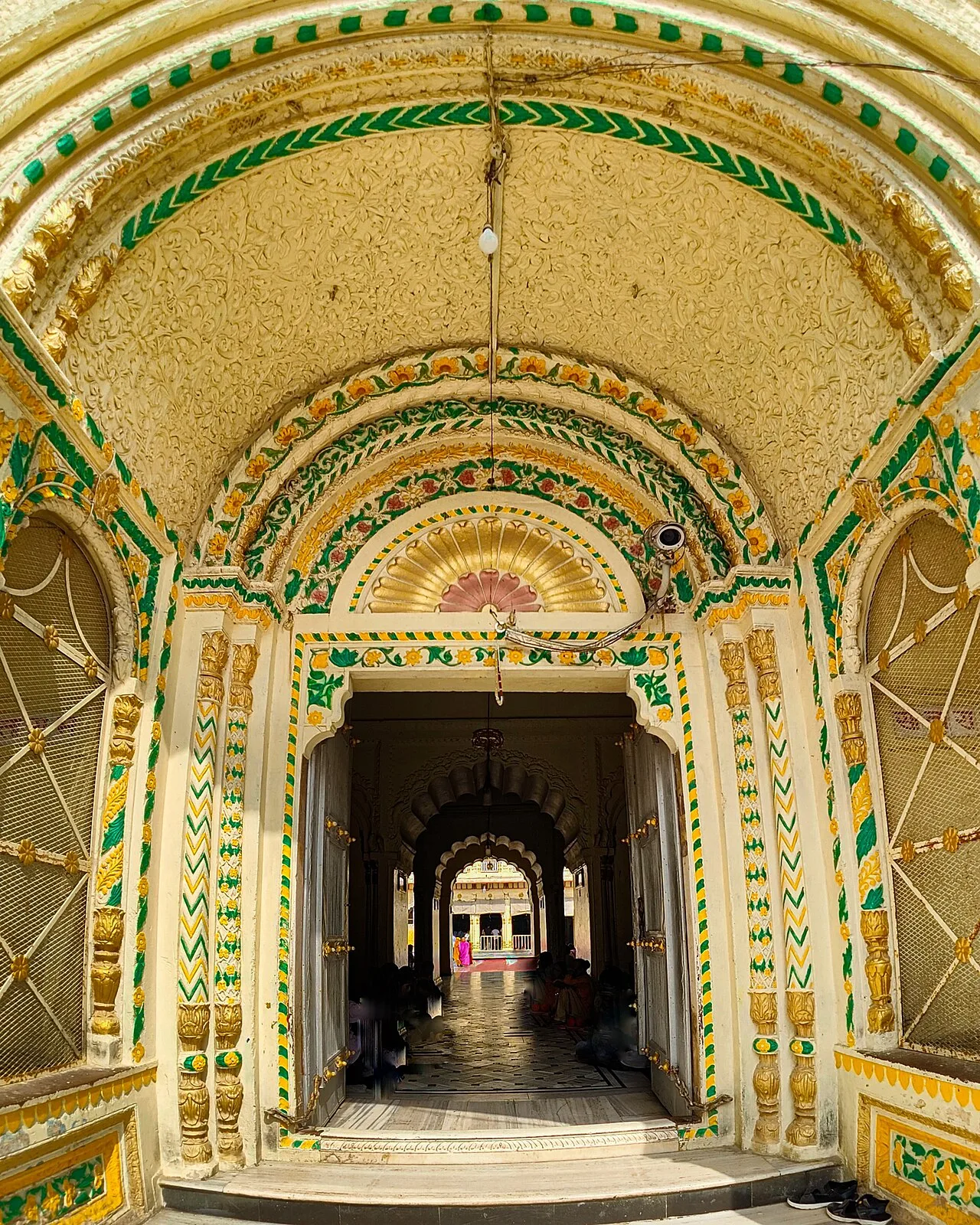
Kanak Bhawan is an Ayodhya temple linked to the stories of Rama and Sita, whose images are enshrined there. Visitors come to see the shrine and learn its traditional history.

Ram Mandir

151 km away · Ayodhya district

Ram Mandir

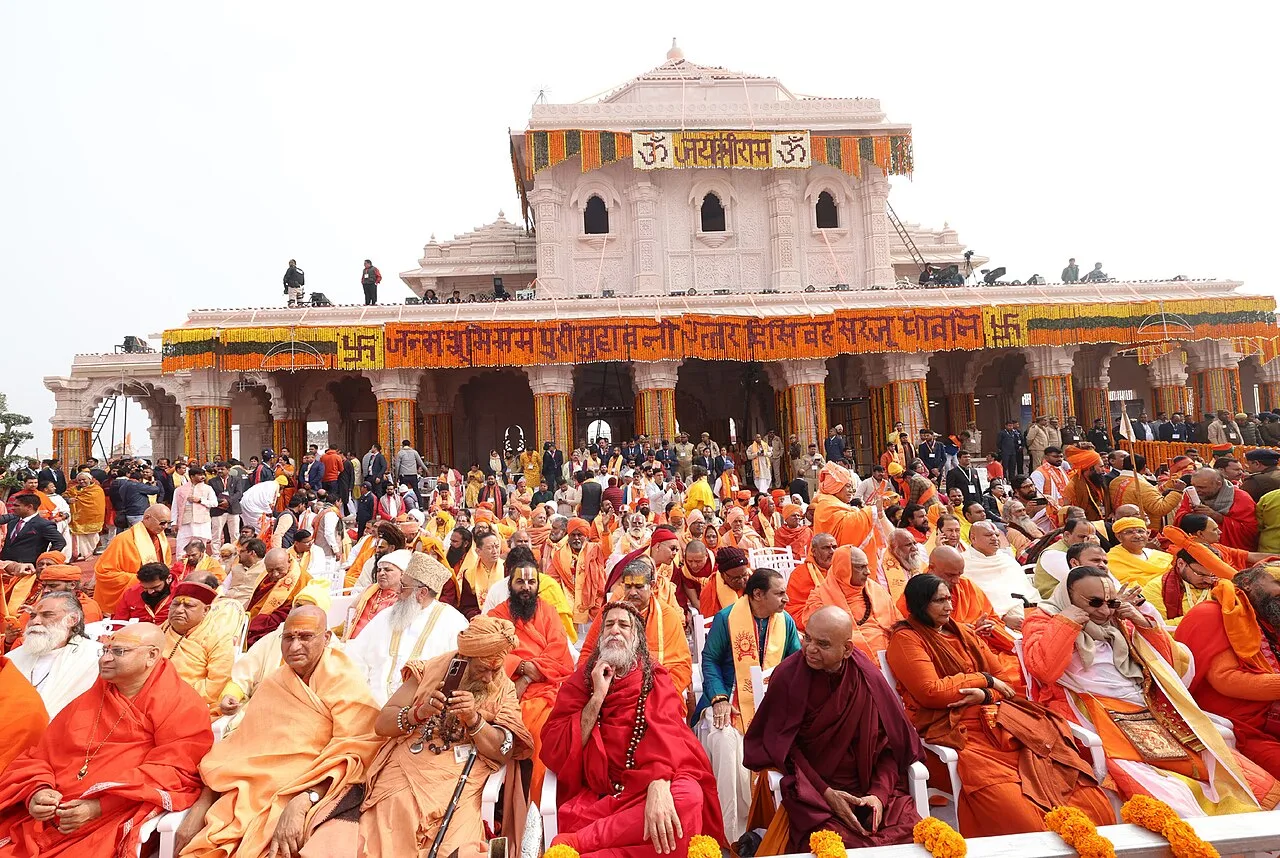
Ram Mandir is a Hindu temple complex in Ayodhya, Uttar Pradesh. Visitors come to worship at a place many Hindus regard as the birthplace of Rama.

Atala Mosque

166 km away · Jaunpur district

Atala Mosque

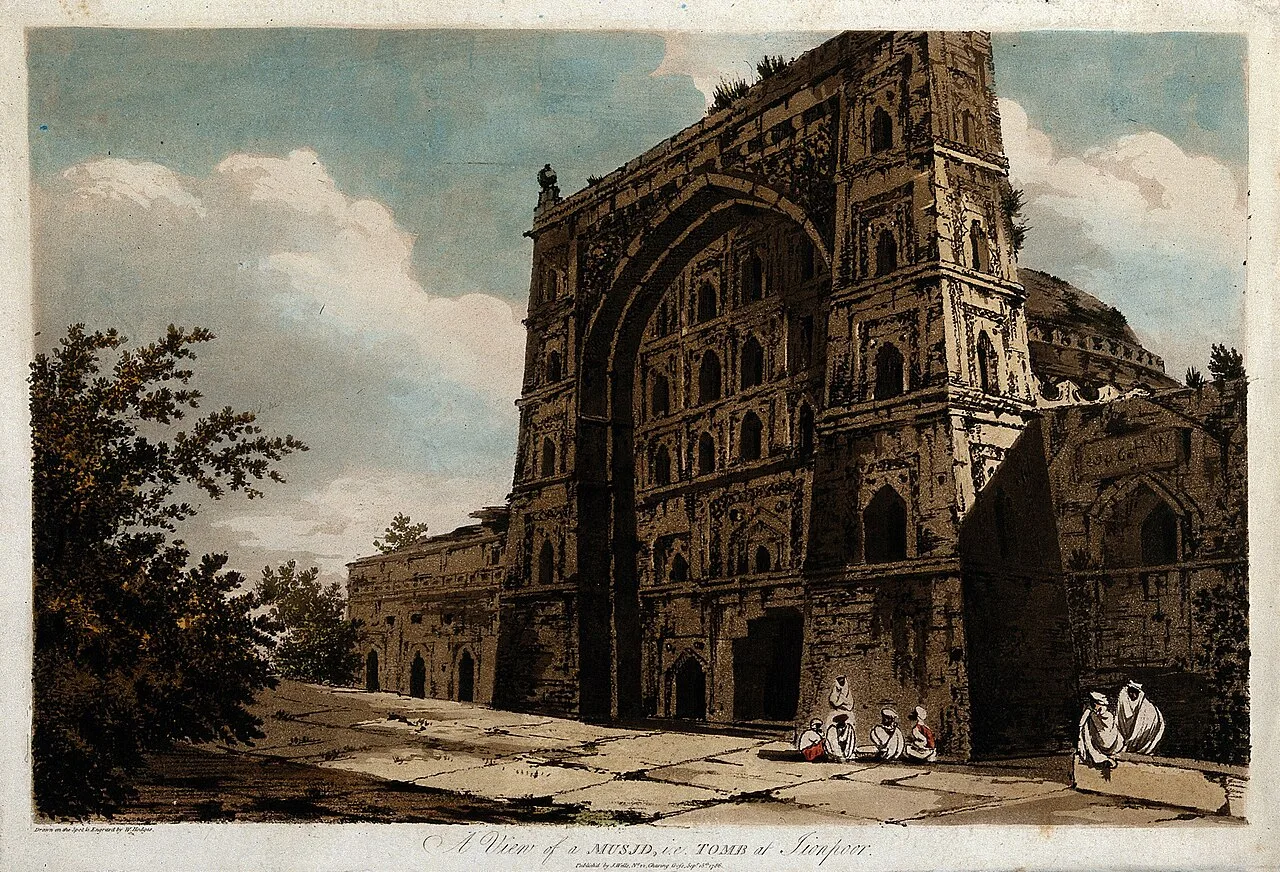
Atala Mosque, a 15th-century place of worship in Jaunpur, Uttar Pradesh, is visited by those wishing to see a historic mosque near the city’s Shahi Qila and Jama Mosque.

Map

Kaptanganj on the map

  1. 1Kushinagar Buddhist Site
  2. 2Gorakhnath Math
  3. 3Chandra Prabha Wildlife Sanctuary
  4. 4Ayodhya Old Town
  5. 5Hanuman Garhi
  6. 6Kanak Bhawan
  7. 7Ram Mandir
  8. 8Atala Mosque

Uttar Pradesh

Other cities to explore