Ghumoopedia — Explore, Discover, Experience
Sign in
Chandra Prabha Wildlife Sanctuary, near Mubarakpur

City guide · Uttar Pradesh

Mubarakpur

Mubarakpur is a town in Azamgarh district, about 13 kilometres north-east of Azamgarh city. Its importance reaches beyond its role as a local market centre: it is one of eastern Uttar Pradesh’s best-known silk-weaving towns, with generations of weavers producing sarees and other patterned fabrics.

Famous for

  • Mubarakpur silk sarees
  • Handloom silk weaving
  • Zari and brocade textiles
  • Traditional weaving neighbourhoods

Why Mubarakpur matters

Mubarakpur is a town in Azamgarh district, about 13 kilometres north-east of Azamgarh city. Its importance reaches beyond its role as a local market centre: it is one of eastern Uttar Pradesh’s best-known silk-weaving towns, with generations of weavers producing sarees and other patterned fabrics. Visitors come to see this textile heritage, browse local shops and gain a sense of a working craft town rather than a purpose-built tourist destination.

The weaving trade shapes Mubarakpur’s identity and connects its households and markets with buyers across Uttar Pradesh and beyond. Silk sarees, detailed brocade work and the skills behind them are its most recognisable draws. The town also serves nearby communities with shops, services and transport links to Azamgarh. Its compact setting makes it possible to combine a visit with time in the district headquarters. For travellers interested in textiles, the appeal lies in seeing how a living craft is made and traded, while respecting that workshops are workplaces and visits should be arranged courteously.
Famous for: crafts, trade & products

Mubarakpur is especially associated with silk sarees, including fabrics with intricate motifs and zari-style detailing. Weaving remains a defining local occupation, carried out in household workshops and small production units; both handloom and powerloom methods are found in the wider trade. The town’s textiles are often discussed alongside the broader Banaras brocade-and-saree tradition. Banaras Brocades and Sarees have a registered geographical indication, but that protection applies to qualifying products made within the defined region and should not be assumed for every item labelled “Mubarakpur silk.” Ask sellers about fibre, weaving method and provenance when comparing pieces.

The central bazaar and textile shops are practical places to look for sarees and fabric. Some workshops may be approachable through a local introduction, but production spaces are not necessarily visitor attractions, so ask before entering or taking photographs. Mubarakpur’s trade includes the networks of dyers, designers, suppliers and sellers that support weaving, though particular products and techniques vary by workshop. Bargaining customs can differ from shop to shop; taking time to examine the weave and understand the fabric is more useful than relying on a label alone.

History

Mubarakpur grew as a settlement and market in the eastern Gangetic plain, linked to nearby Azamgarh and the surrounding villages. Its name and early foundation are not consistently documented in widely available accounts, so a precise founding date or a single founder should be treated cautiously. Like other towns in the region, it experienced changing Mughal and successor-state authority before the expansion of British administration in eastern Uttar Pradesh. Local trade and craft production formed part of the economy through these political changes.

The town’s strongest historical continuity is its weaving tradition. Silk production and the sale of woven cloth helped establish Mubarakpur’s reputation and supported specialised skills passed between generations. Under colonial rule and later, changing markets, transport and access to materials reshaped the textile trade. After independence, Mubarakpur developed as a municipal town within Azamgarh district, while weaving remained central to its identity. Today, traditional skills operate alongside newer looms and commercial channels, reflecting both continuity and adaptation rather than a craft frozen in the past.

Food, festivals & culture

Hindi and Urdu are widely used, with Bhojpuri also heard in everyday conversation across this part of eastern Uttar Pradesh. Mubarakpur’s textile culture is visible in its weaving households and bazaars, where work and commerce are closely connected. Food is broadly Purvanchali and North Indian: meals commonly include roti or rice, lentils, vegetables and seasonal dishes. Sweets and festive foods vary by household and season; sevaiyan are associated with Eid, while gujiya is commonly enjoyed around Holi. Local eateries are the best guide to what is freshly prepared.

Eid al-Fitr and Eid al-Adha are important celebrations for Muslim residents, while Muharram is observed with religious processions and gatherings. Hindu festivals including Holi, Diwali and Chhath are also marked in the town and nearby communities, especially in their usual spring, autumn and post-monsoon seasons. Religious life is expressed through neighbourhood mosques and temples; visitors should dress modestly and follow local customs. Music and performance are part of wider regional traditions, including devotional singing and folk forms, though the town is more widely recognised for weaving than for a distinctive dance or music scene.

Visiting the city

The most comfortable time to visit is generally October to March, when days are cooler than in the hot pre-monsoon months. Gorakhpur Airport is a useful nearby commercial gateway; Lal Bahadur Shastri International Airport at Varanasi is another option. Check current flight availability before planning. Azamgarh railway station is the main rail access for the district, with Mubarakpur reached onward by road.

Auto-rickshaws, cycle-rickshaws, local buses and hired vehicles are useful for getting around, depending on the journey. In Mubarakpur, spend time around the central bazaar and textile-selling streets, and ask locally whether a weaving workshop can receive visitors. The town’s neighbourhoods are working residential areas, so seek permission before entering a workshop or photographing people. Allow time to browse without rushing: fabric selection and conversations with sellers are part of the visit.

Trips from the city

Nearest places to visit from Mubarakpur

Our closest destination guides, by straight-line distance.

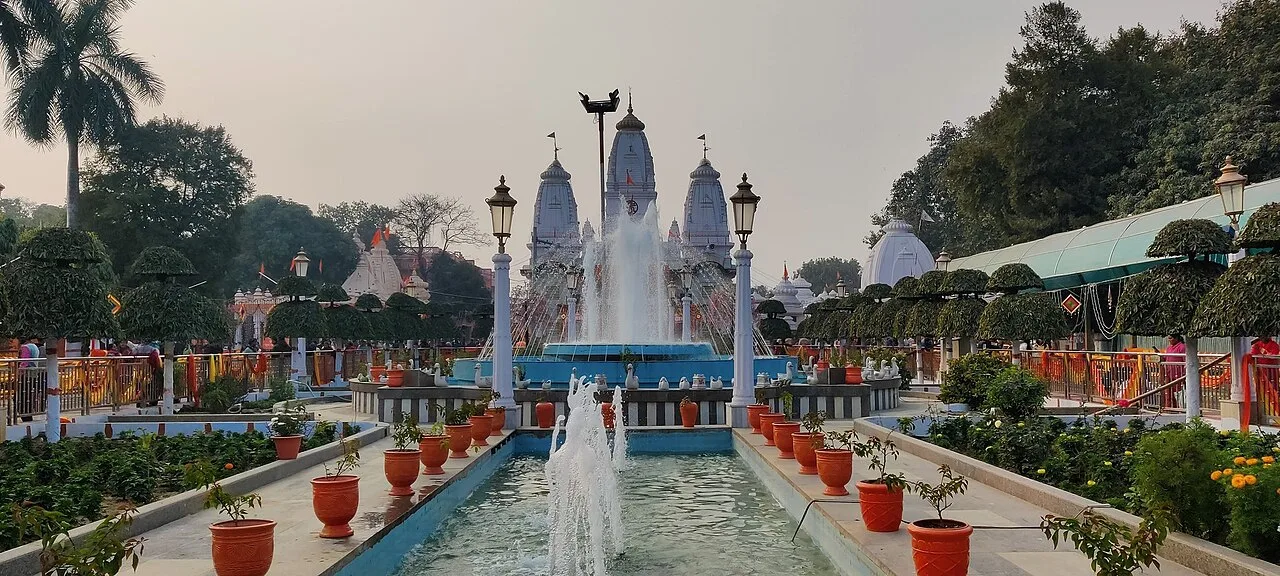
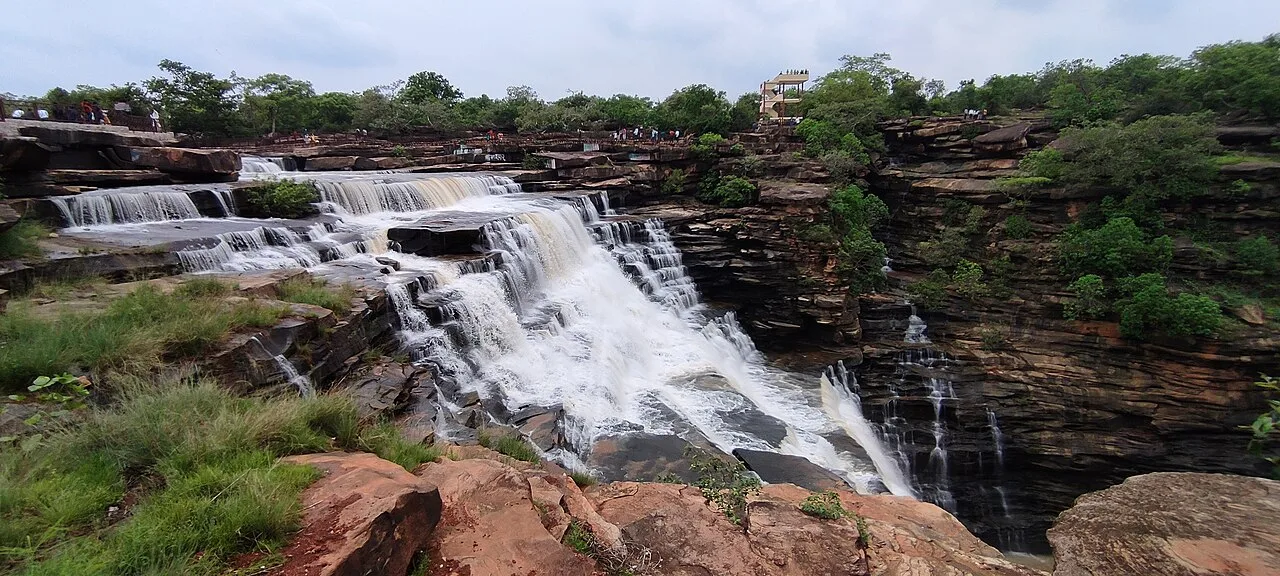
Chandra Prabha Wildlife Sanctuary

43 km away · Chandauli district

Chandra Prabha Wildlife Sanctuary

In Uttar Pradesh’s Chandauli district, Chandraprabha is a wildlife sanctuary in central India. Visitors come to explore the sanctuary, which lies around 70 kilometres from Varanasi.

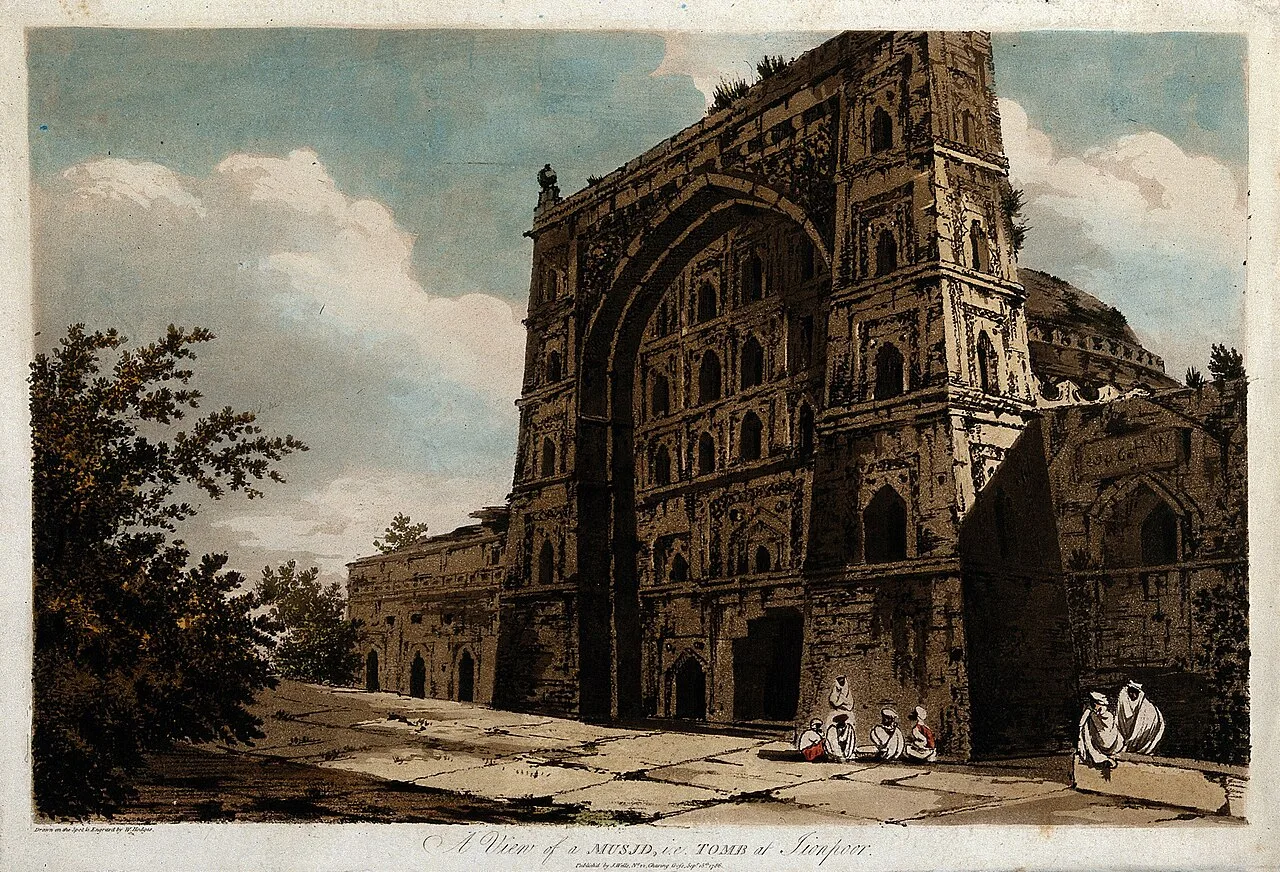
Atala Mosque

71 km away · Jaunpur district

Atala Mosque

Atala Mosque, a 15th-century place of worship in Jaunpur, Uttar Pradesh, is visited by those wishing to see a historic mosque near the city’s Shahi Qila and Jama Mosque.

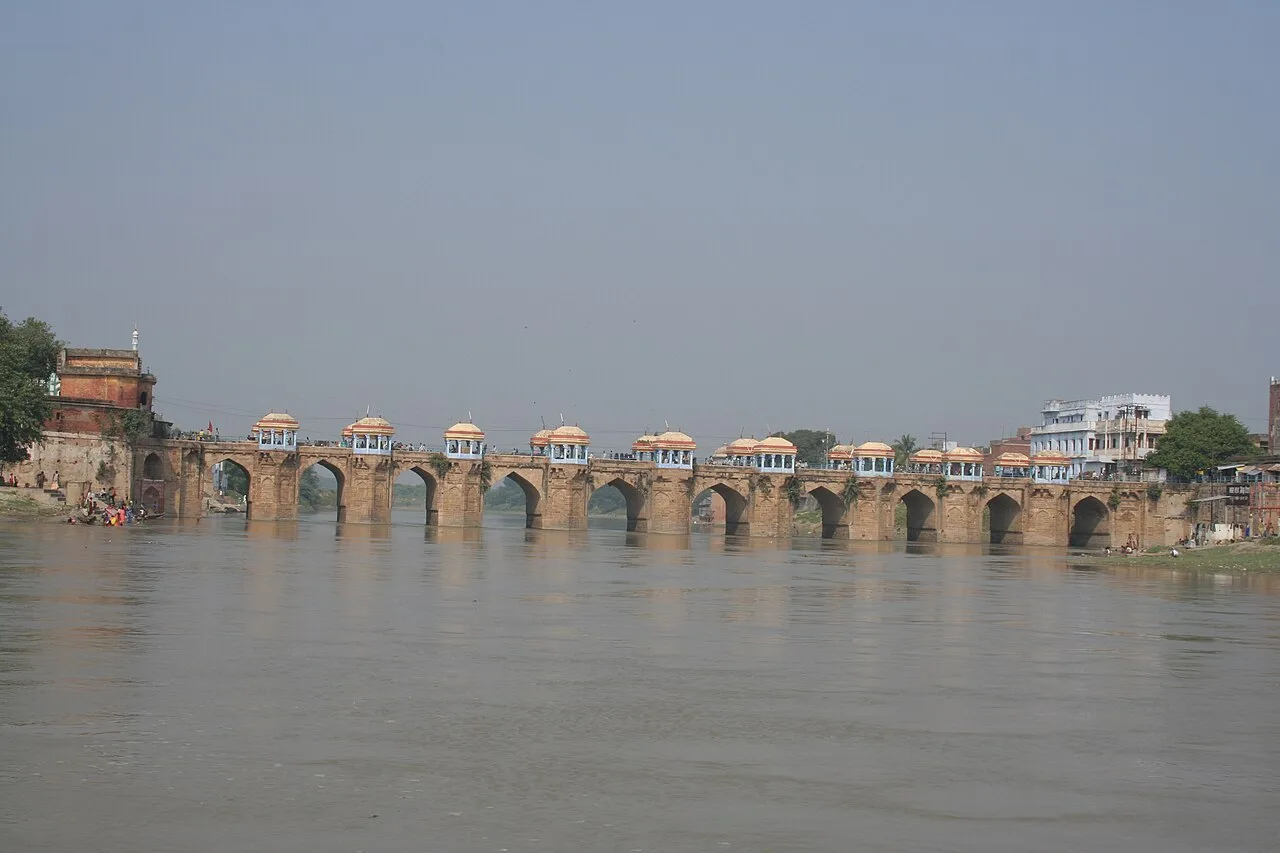
Shahi Bridge

71 km away · Jaunpur district

Shahi Bridge

Shahi Bridge is a 16th-century crossing over the Gomti in Jaunpur, Uttar Pradesh. Visitors come to see the historic bridge, which is also known by several other names.

Gorakhnath Math

76 km away · Gorakhpur district

Gorakhnath Math

Gorakhnath Math is a Hindu temple and Nath monastic centre in Gorakhpur, Uttar Pradesh. People visit for its religious role and the cultural and social activities held on its premises.

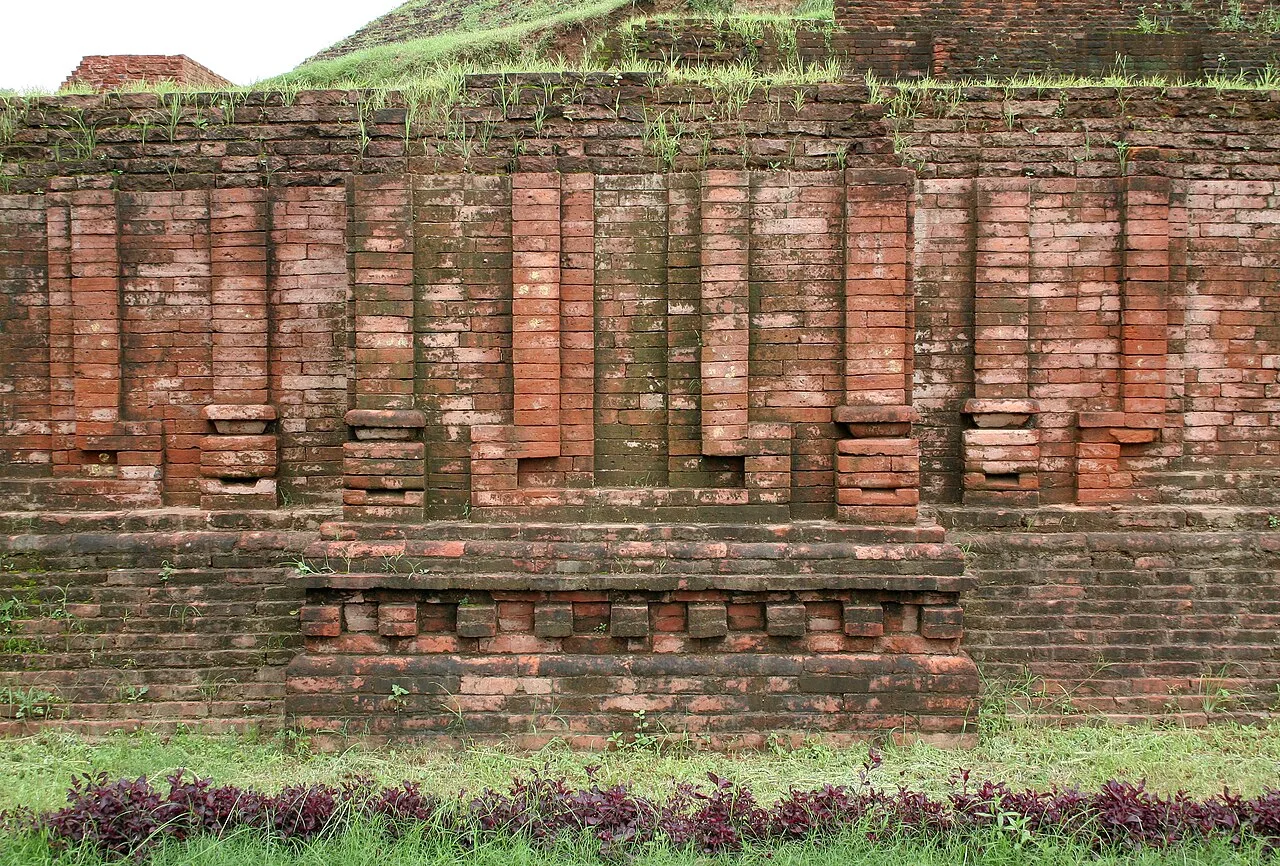
Dhamek Stupa

83 km away · Varanasi district

Dhamek Stupa

Dhamek Stupa is a large Buddhist monument at Sarnath in Uttar Pradesh, associated with the Buddha’s first teaching and visited as an important pilgrimage place.

Sarnath Buddhist Site

83 km away · Varanasi district

Sarnath Buddhist Site

Sarnath is a Buddhist pilgrimage town near Varanasi, remembered as the place where Gautama Buddha first taught after his enlightenment. Visitors come to see its important religious and historical associations.

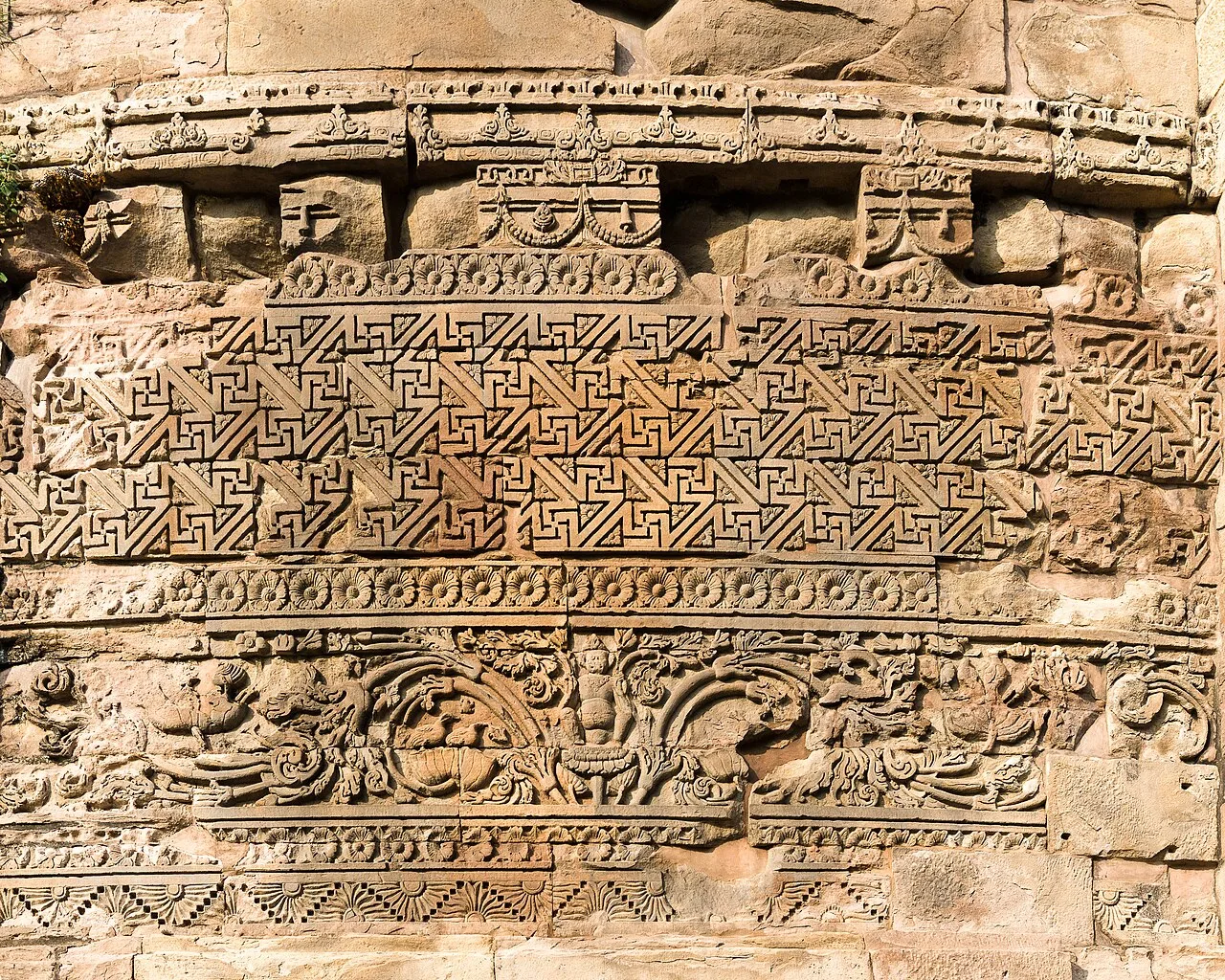
Chaukhandi Stupa

84 km away · Varanasi district

Chaukhandi Stupa

Chaukhandi Stupa is a Buddhist monument at Sarnath in Uttar Pradesh’s Varanasi district. Visitors come to see this nationally important site, recognised by the Archaeological Survey of India in 2019.

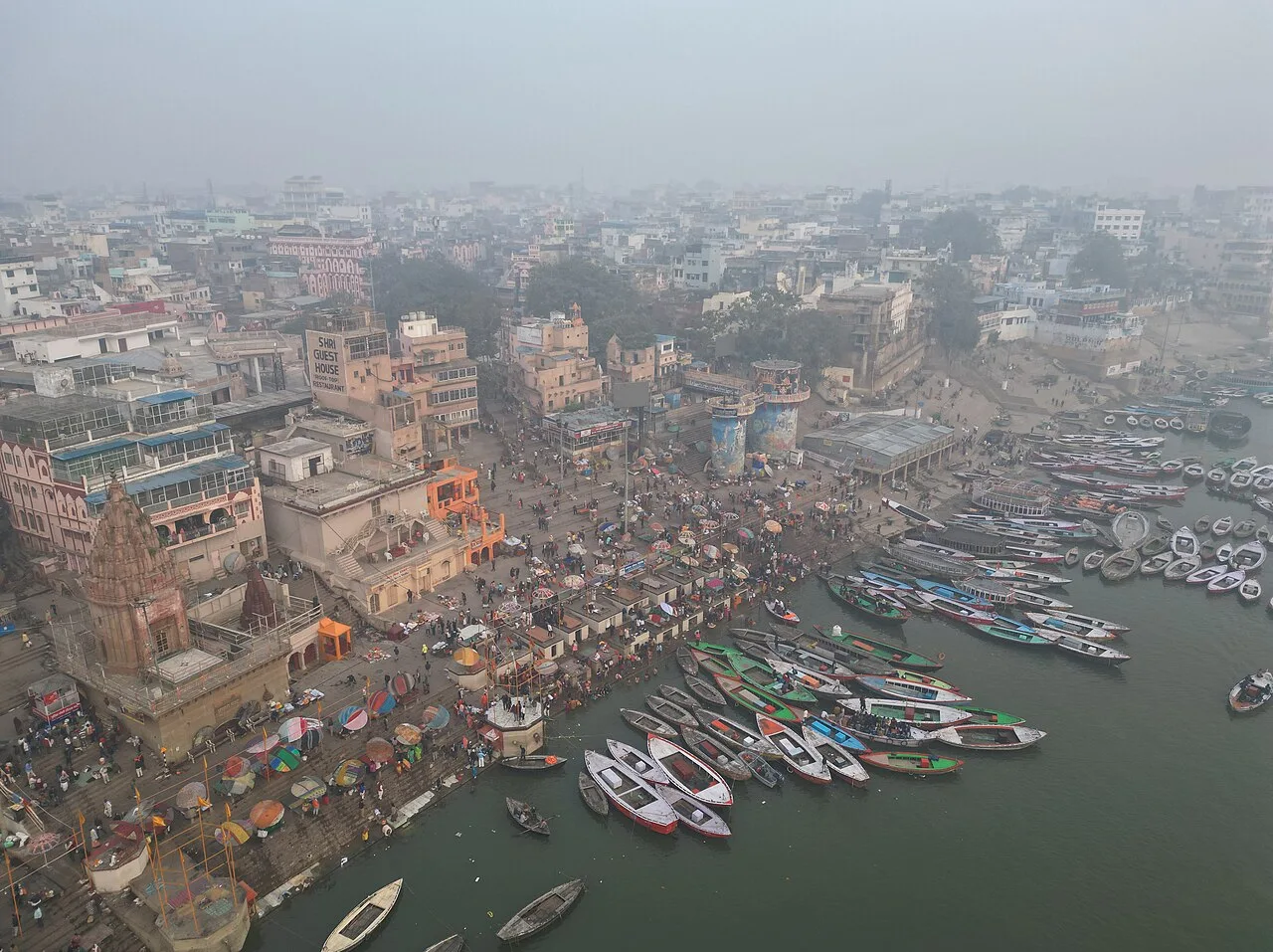
Dashashwamedh Ghat

91 km away · Varanasi district

Dashashwamedh Ghat

A prominent riverside ghat in Varanasi, Dashashwamedh is visited for its connection to Hindu legends and the city’s history, as well as its position beside the Ganges and near Vishwanath Temple.

Map

Mubarakpur on the map

  1. 1Chandra Prabha Wildlife Sanctuary
  2. 2Atala Mosque
  3. 3Shahi Bridge
  4. 4Gorakhnath Math
  5. 5Dhamek Stupa
  6. 6Sarnath Buddhist Site
  7. 7Chaukhandi Stupa
  8. 8Dashashwamedh Ghat

Uttar Pradesh

Other cities to explore