Ghumoopedia — Explore, Discover, Experience
Sign in
Vrindavan Town, near Hathras

City guide · Uttar Pradesh

Hathras

Hathras is a historic city in western Uttar Pradesh and the administrative headquarters of Hathras district. Its position between Agra, Aligarh and Mathura has long connected it with regional roads, railways and markets.

Famous for

  • Hing and asafoetida
  • Hathras Fort
  • Braj cultural traditions
  • Historic trading centre

Why Hathras matters

Hathras is a historic city in western Uttar Pradesh and the administrative headquarters of Hathras district. Its position between Agra, Aligarh and Mathura has long connected it with regional roads, railways and markets. Today it serves as a commercial and service centre for nearby towns and villages, as well as a gateway to parts of the Braj region.

The city is especially associated with the production and trade of hing, or asafoetida, an ingredient used in kitchens across India. Its older trading role, local industries and lively markets give it a character distinct from the larger tourist centres nearby. Visitors interested in regional history can seek out the remains of Hathras Fort, linked to the town’s former rulers, while the surrounding streets offer a view of everyday life in a busy Uttar Pradesh district centre. Braj Bhasha traditions are part of the local cultural setting, and Mathura’s wider religious and cultural landscape is within reach for travellers exploring the region.
Famous for: crafts, trade & products

Hathras is best known in trade for hing, or asafoetida. Processing and commerce in the spice have helped shape the city’s reputation, and visitors may find it in grocery and spice shops around the central market areas. Ask for food-grade hing and check the packaging and ingredients, since products can vary in form and strength. Hathras also has a broader history as a trading and industrial centre, serving surrounding settlements with everyday goods and services.

The city is not chiefly identified with a particular saree tradition or a widely recognised handicraft, and no specific local product should be assumed to carry a GI tag. Rather than looking for a single craft district, explore the central bazaars and neighbourhood shops for spices, household goods and regional food products. Market activity is part of the appeal: it offers a practical glimpse of the town’s commercial life. For a more specialised selection of goods, larger nearby centres such as Agra, Aligarh and Mathura have wider retail options.

History

Hathras came to prominence under local rulers in the late eighteenth century. The town was then held by the Thenua Jat chief Raja Dayaram Singh, who built Hathras Fort on its eastern side. In 1817 British forces besieged the fort and subsequently annexed the territory. During British rule, Hathras developed into an important commercial centre, benefiting from its location on routes across the Doab and its connections with nearby towns.

The city’s trading and industrial activity continued to shape its growth. After independence, Hathras remained a regional centre for commerce and administration. In 1997 it became the headquarters of a newly formed district, assembled from parts of the former Aligarh and Mathura districts; the district was also known for a period as Mahamaya Nagar. The old fort recalls the town’s earlier political history, while its railway links, roads and markets reflect its continuing role in western Uttar Pradesh.

Food, festivals & culture

Hathras shares many customs with the Braj region. Braj Bhasha is widely spoken alongside Hindi, and local life is shaped by regional ties to Mathura and other Braj towns. Rasiya songs, folk singing and devotional music belong to the wider cultural tradition; seasonal performances and community celebrations bring these forms into public life. Religious sites in the city include local temples and mosques, serving Hindu and Muslim communities.

Holi, usually celebrated in spring, is an especially prominent festival across Braj, often accompanied by folk songs and community gatherings. Janmashtami, associated with Krishna’s birth, is observed in the region in late summer, while Diwali is marked in autumn. Eid celebrations also form part of the city’s calendar. Everyday food draws on north Indian and Braj cooking: wheat breads, lentils, seasonal vegetables and dairy-based dishes are common. Local sweet shops sell familiar regional treats such as peda and jalebi, though these are not exclusive to Hathras. Hing is a distinctive ingredient in the area’s savoury cooking.

Visiting the city

The cooler months, roughly October to March, are generally the most comfortable time to visit. Summers can be very hot, and the monsoon brings humidity and rain. The nearest useful airport is Agra Airport (Kheria); travellers seeking a wider range of connections can consider Indira Gandhi International Airport in Delhi. Hathras Junction is the principal railway station serving the city, which also has other local stations.

Auto-rickshaws and local road transport are practical for getting around, while taxis can be arranged for longer trips. Explore the central bazaars for everyday shopping and food, and visit the old-town area around Hathras Fort to see the remains associated with the city’s history. Local neighbourhoods are best explored at an unhurried pace; confirm local access conditions before making a special trip to historic sites.

Trips from the city

Nearest places to visit from Hathras

Our closest destination guides, by straight-line distance.

Vrindavan Town

35 km away · Mathura district

Vrindavan Town

Vrindavan is a historic town in Uttar Pradesh’s Mathura district, within Braj Bhoomi. Visitors come for its Hindu associations with Krishna and its many temples to Krishna and Radha.

Banke Bihari Temple

36 km away · Mathura district

Banke Bihari Temple

Banke Bihari Temple is a Hindu place of worship in Vrindavan, Mathura district, visited by devotees to honour Banke Bihari, regarded as Radha and Krishna united.

Gokul Village

37 km away · Mathura district

Gokul Village

Gokul is a town in Mathura district, Uttar Pradesh, 15 kilometres south-east of Mathura. Its position near Mathura makes it a destination for visitors to the area.

ISKCON Temple, Vrindavan

37 km away · Mathura district

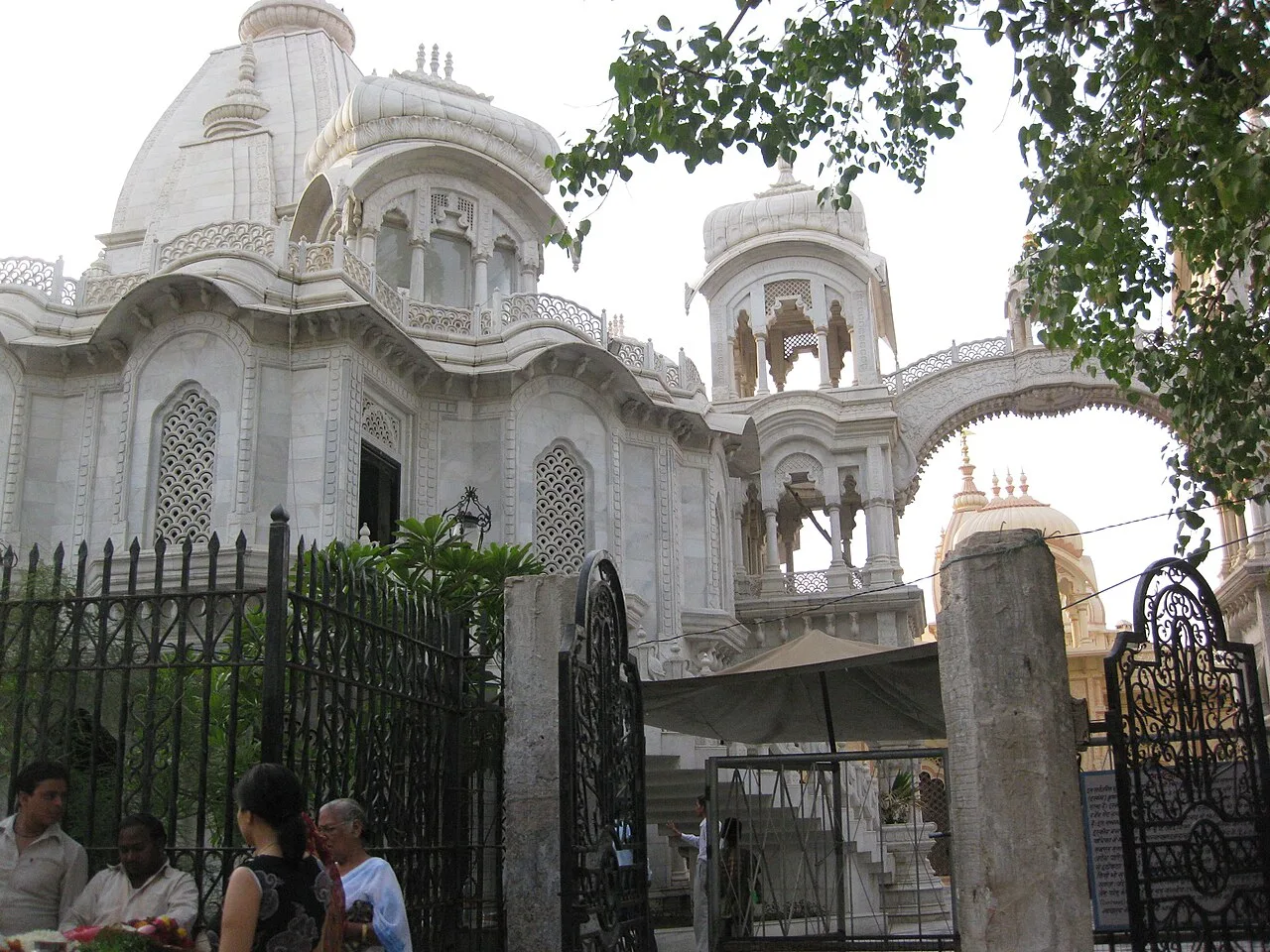
ISKCON Temple, Vrindavan

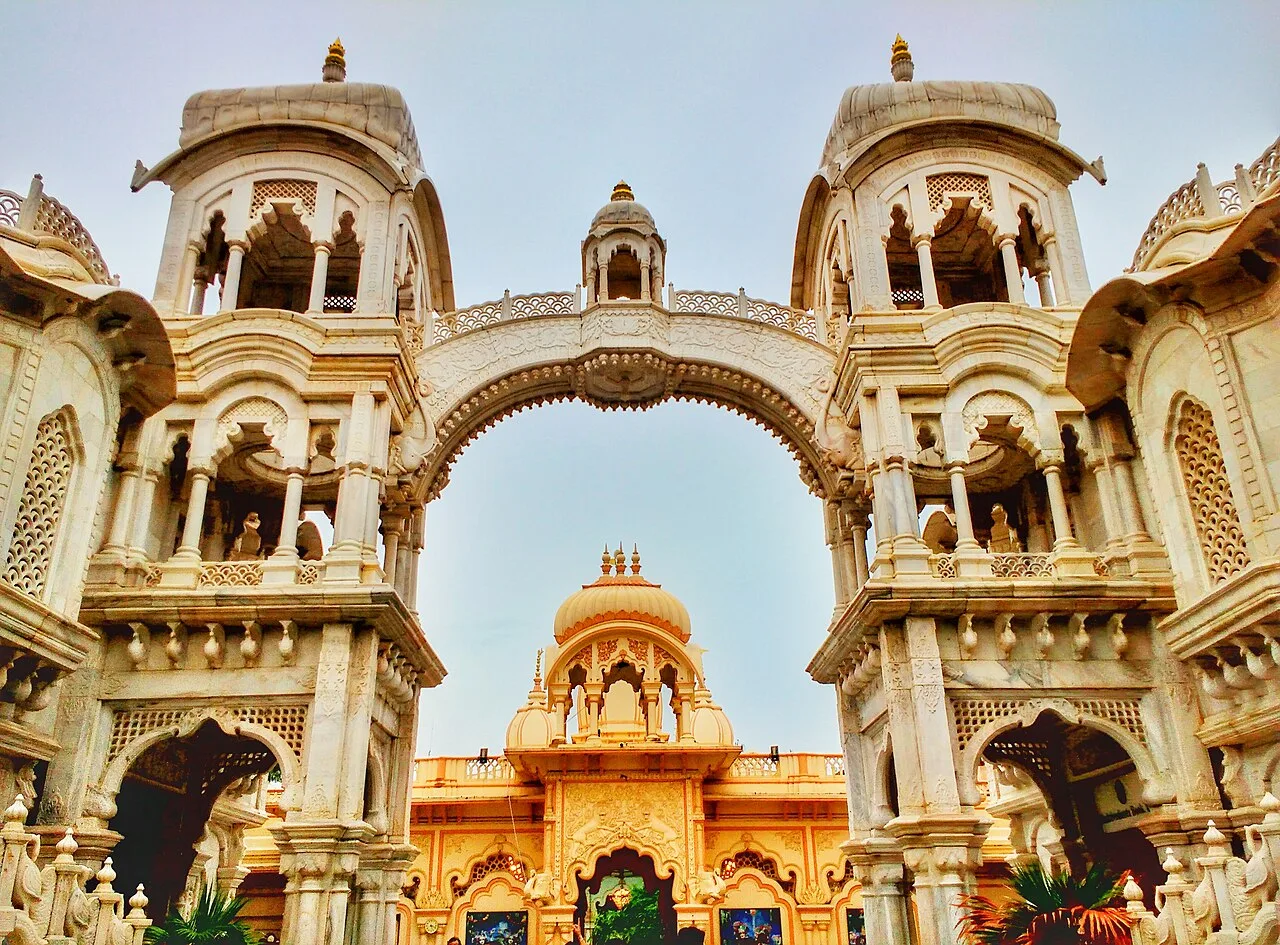
In Vrindavan, Uttar Pradesh’s Mathura district, this Gaudiya Vaishnava temple is devoted to Krishna and Balarama. Visitors come to worship these deities and the other figures honoured there.

Prem Mandir

37 km away · Mathura district

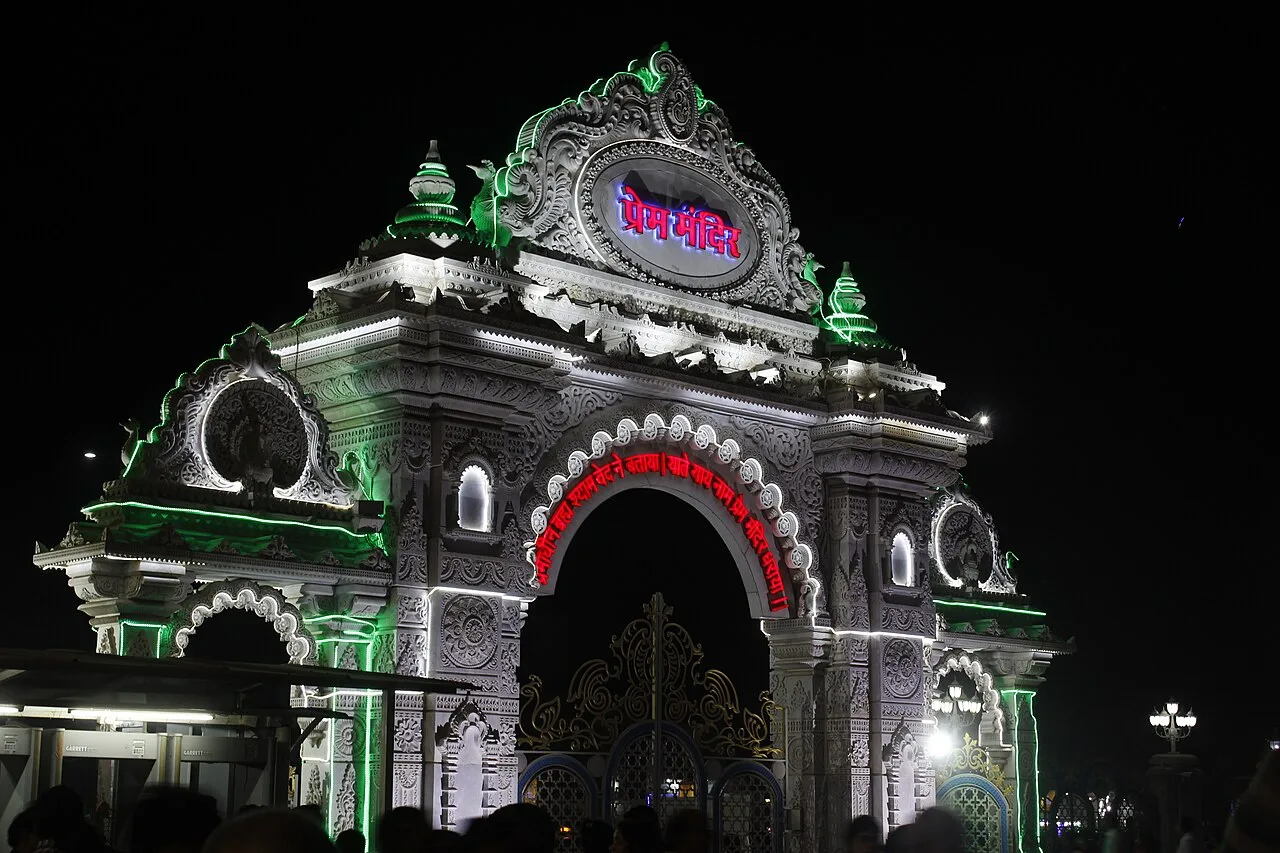
Prem Mandir

Prem Mandir is a Hindu temple in Vrindavan, Mathura district, Uttar Pradesh. Visitors come to see its dedications to Radha Krishna and Sita Ram, as well as a tribute to four earlier Jagadgurus.

Vishram Ghat

37 km away · Mathura district

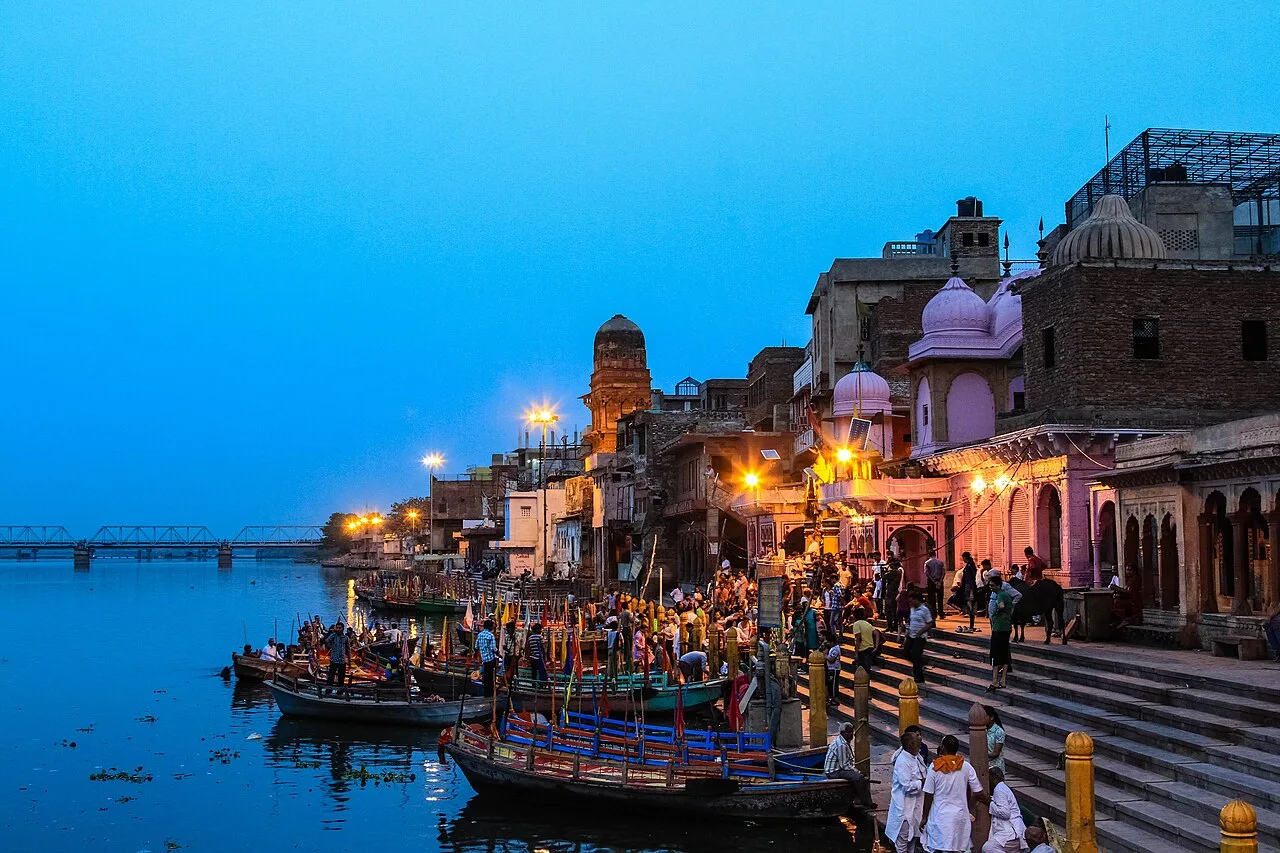
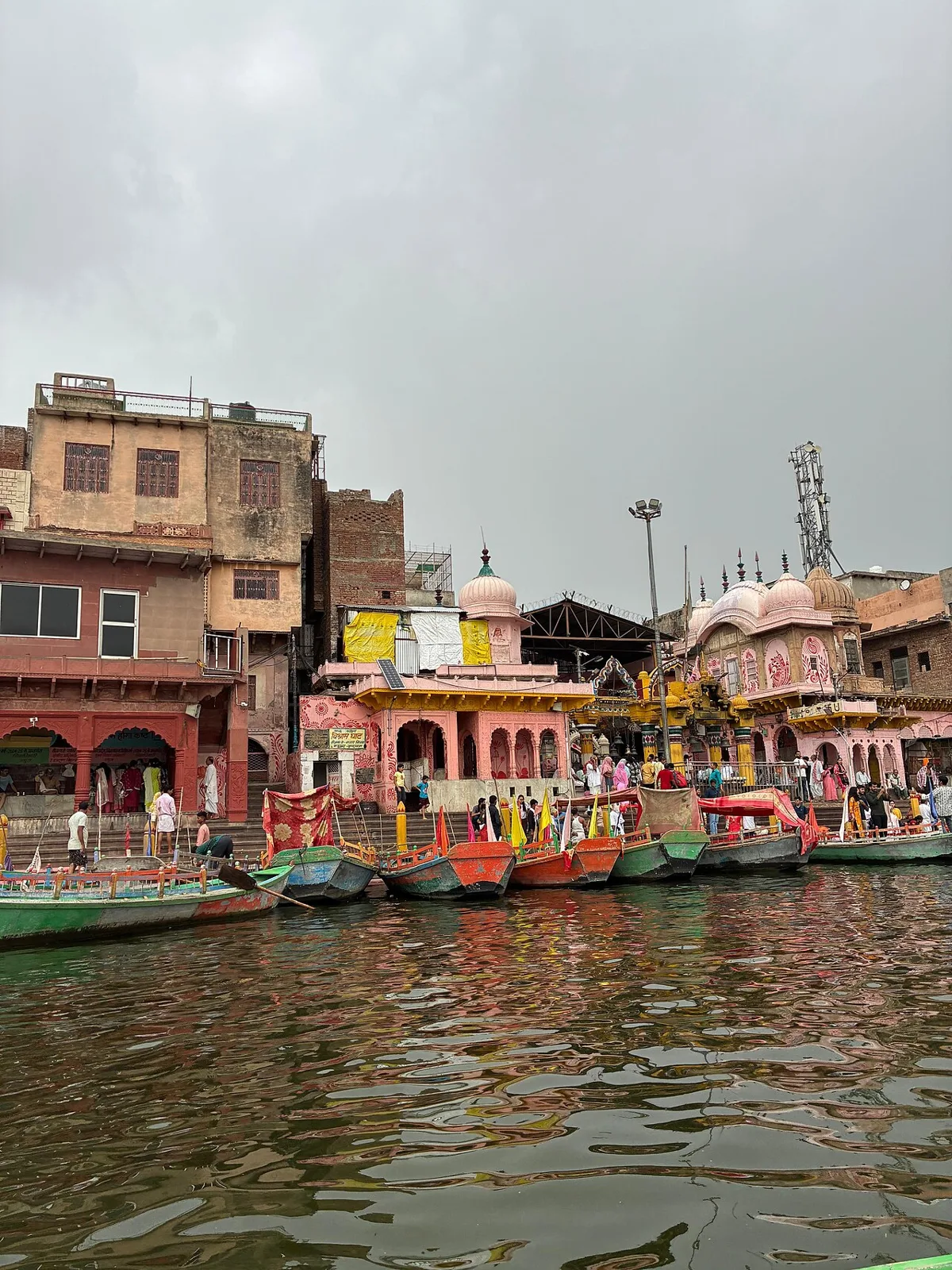
Vishram Ghat

On the Yamuna in Mathura, Vishram Ghat is a place for bathing and worship. Pilgrims visit it as the starting and finishing point of the traditional parikrama.

Dwarkadhish Temple, Mathura

38 km away · Mathura district

Dwarkadhish Temple, Mathura

In Mathura, Uttar Pradesh, Dwarkadhish Temple is a Hindu shrine where Krishna is worshipped as Dwarkadhish alongside Radha as Radharani. Visitors come to worship at this Pushtimarg temple.

Government Museum, Mathura

38 km away · Mathura district

Government Museum, Mathura

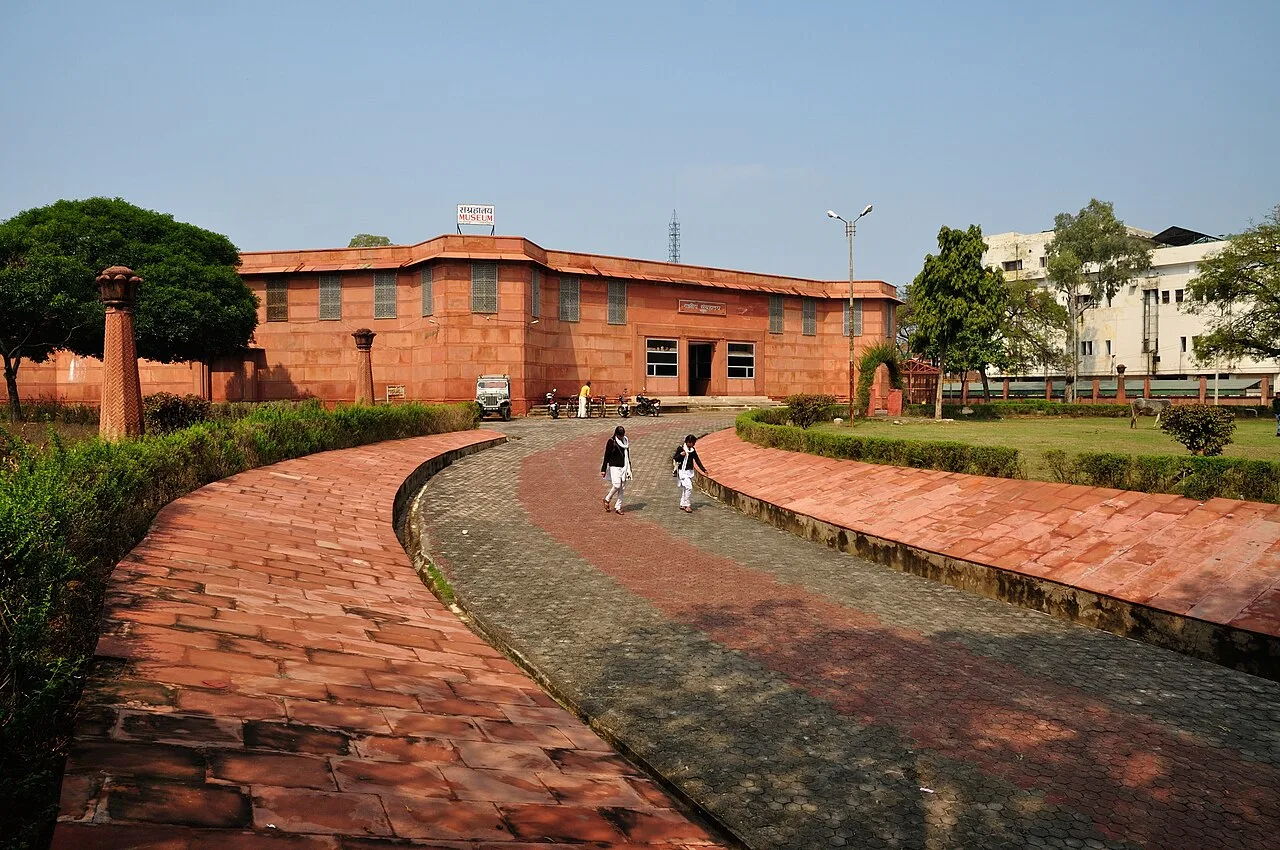
The Government Museum in Mathura is an archaeological museum in Uttar Pradesh. Visitors come to explore its archaeological focus and learn about the institution’s history.

Map

Hathras on the map

  1. 1Vrindavan Town
  2. 2Banke Bihari Temple
  3. 3Gokul Village
  4. 4ISKCON Temple, Vrindavan
  5. 5Prem Mandir
  6. 6Vishram Ghat
  7. 7Dwarkadhish Temple, Mathura
  8. 8Government Museum, Mathura

Uttar Pradesh

Other cities to explore