Ghumoopedia — Explore, Discover, Experience
Sign in
Rampur Raza Library, near Sambhal

City guide · Uttar Pradesh

Sambhal

Sambhal is a historic market city in Uttar Pradesh’s Rohilkhand region, within Moradabad division and about 32 km from Moradabad. Its location links nearby towns and rural trading areas, while its old markets and workshops give the city a distinctly local character.

Famous for

  • Sambhal horn craft
  • Kalki Vishnu Mandir
  • Mentha oil trade
  • Rohilkhand market town

Why Sambhal matters

Sambhal is a historic market city in Uttar Pradesh’s Rohilkhand region, within Moradabad division and about 32 km from Moradabad. Its location links nearby towns and rural trading areas, while its old markets and workshops give the city a distinctly local character. Sambhal is best known beyond the region for its horn craft and for religious traditions associated with the name Shambhala. Hindu texts and local belief connect Shambhala with the future birth of Kalki, an association reflected in the city’s Shri Kalki Vishnu Mandir.

Visitors come to explore the temple and historic townscape, see locally made craft goods and experience the everyday life of a busy regional centre. Sambhal is also a commercial hub for its surrounding area, including trade in agricultural products such as mentha oil. It is not primarily a conventional sightseeing destination: its appeal lies in the combination of living religious traditions, artisan work, bazaars and a long history shaped by successive North Indian dynasties.
Famous for: crafts, trade & products

Sambhal’s best-known specialist craft is horn craft, traditionally made from horn and bone into decorative and functional objects. The work includes items such as combs, buttons and ornaments, alongside contemporary giftware. Sambhal Horn Craft has a Geographical Indication (GI) registration. Visitors interested in buying it can enquire at local handicraft workshops and established shops in the town’s market areas; ask about materials and lawful sourcing when purchasing. The city is not especially known for a distinctive saree or textile tradition, so shoppers should not expect a specialised handloom market of that kind.

Sambhal also serves as a trading centre for the surrounding agricultural belt. Mentha, or mint, cultivation and mentha-oil trade are associated with the wider area, though these are not visitor-facing products in the same way as finished handicrafts. General bazaars carry everyday goods, clothing, household items and regional produce. For craft purchases, comparing workmanship and asking local traders where artisans sell directly can help visitors find locally made pieces rather than mass-produced souvenirs. The city’s commercial character is rooted more in regional exchange and its distinctive craft than in large tourist retail districts.

History

Sambhal has a long history as an urban centre. Religious traditions identify it with Shambhala, a place associated in Hindu texts with the future birth of Kalki; this is a traditional identification rather than a settled historical account. Medieval stories also connect the area with legendary battles. From the thirteenth and fourteenth centuries, Sambhal came under the Delhi Sultanate, including the rule of Qutb ud-Din Aibak and Firuz Shah Tughlaq.

In the fifteenth century, Sikandar Lodi made Sambhal a capital of the Lodi dynasty for a period. After the Delhi Sultanate declined, the city passed to the Mughals under Babur and later came under Humayun and other Mughal rulers. It prospered under Akbar, but its administrative importance diminished when the local regional headquarters shifted to Moradabad under Shah Jahan. Under British rule, Sambhal formed part of the wider Moradabad administrative area. In 2011, Sambhal became the headquarters of a newly created district, strengthening its role as a centre for administration and services in the surrounding region.

Food, festivals & culture

Sambhal’s culture reflects its place in Rohilkhand and its Hindu and Muslim communities. Hindi and Urdu are widely used, alongside regional forms of speech. The Shri Kalki Vishnu Mandir is an important place of Hindu worship, while mosques and other neighbourhood religious sites serve the city’s Muslim community. Visitors should approach active places of worship with respect and follow local guidance on dress, photography and access.

Holi, usually in spring, and Diwali, in autumn, are prominent Hindu festivals; Navratri is also observed. Eid celebrations follow the Islamic lunar calendar, so their season shifts from year to year, and Muharram is marked by the Shia and Sunni communities in different ways. Food is broadly North Indian and Rohilkhand in character: everyday meals include breads, lentils, vegetables, rice and meat dishes, with sweets available from local shops. Sambhal does not have a widely established signature dish for visitors. Music and dance are commonly encountered through family, religious and festival occasions rather than as a formal tourist performance scene.

Visiting the city

October to March is generally the most comfortable season for exploring Sambhal; summers can be very hot and the monsoon brings rain. For scheduled flights, Delhi’s Indira Gandhi International Airport is the most practical major gateway. Bareilly Airport is geographically closer, but services may be limited. Sambhal Hatim Sarai is the city’s railway station; Moradabad is a larger nearby rail hub with broader connections.

Auto-rickshaws and e-rickshaws are useful for short trips, while local taxis can be arranged for journeys beyond the centre. Explore the older market lanes for everyday trade and craft shops, and visit the area around Shri Kalki Vishnu Mandir for its religious significance. Ask locally about artisan workshops, as production and retail locations may vary. Keep time for the town’s ordinary street life, and check access expectations before entering places of worship.

Trips from the city

Nearest places to visit from Sambhal

Our closest destination guides, by straight-line distance.

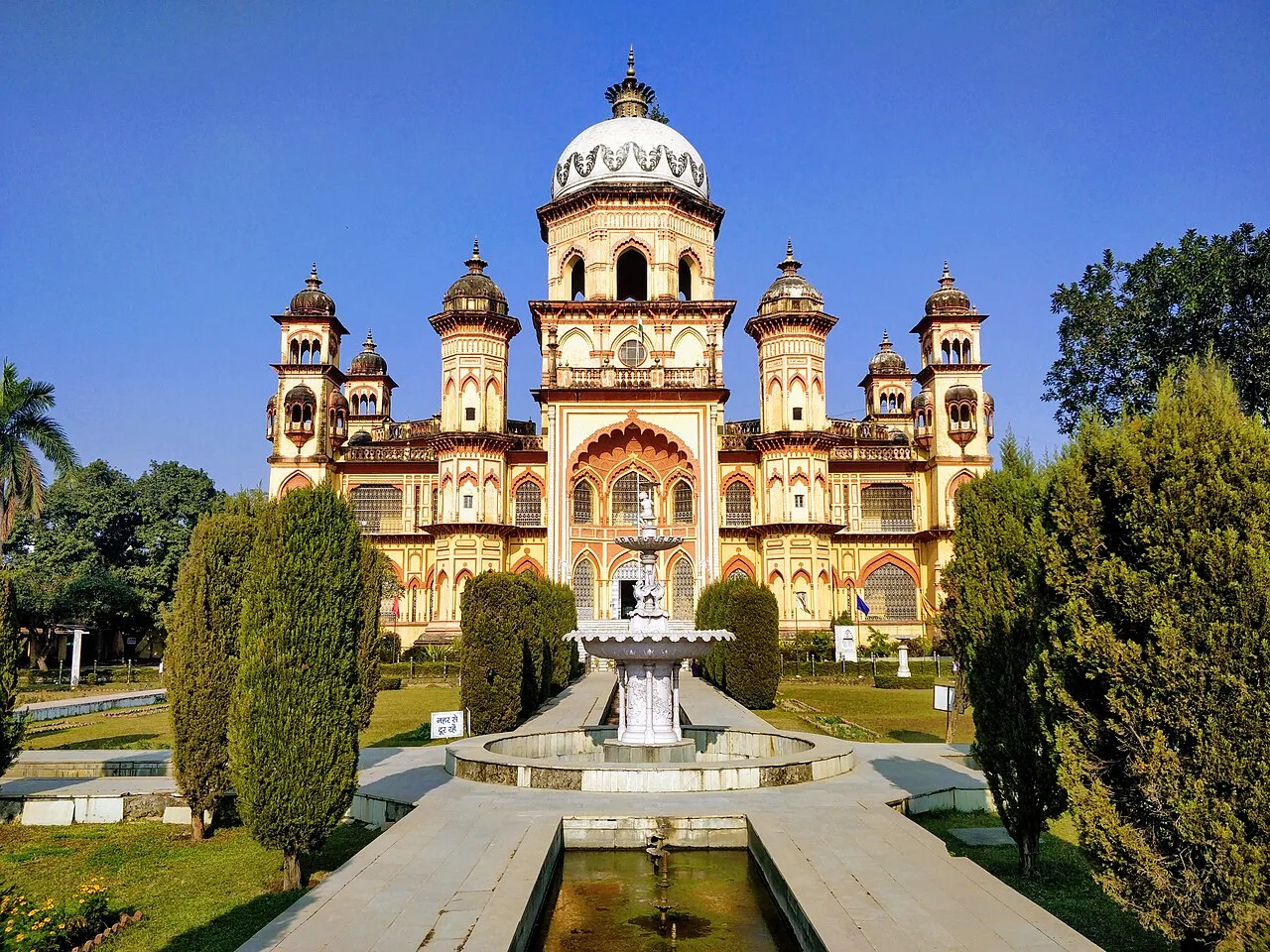
Rampur Raza Library

51 km away · Rampur district

Rampur Raza Library

In Rampur, Uttar Pradesh, the Rampur Raza Library preserves Indo-Islamic cultural heritage dating to the late eighteenth century. Visitors come to see its manuscripts, artworks, historical records and varied printed collection.

Hastinapur Heritage Town

84 km away · Meerut district

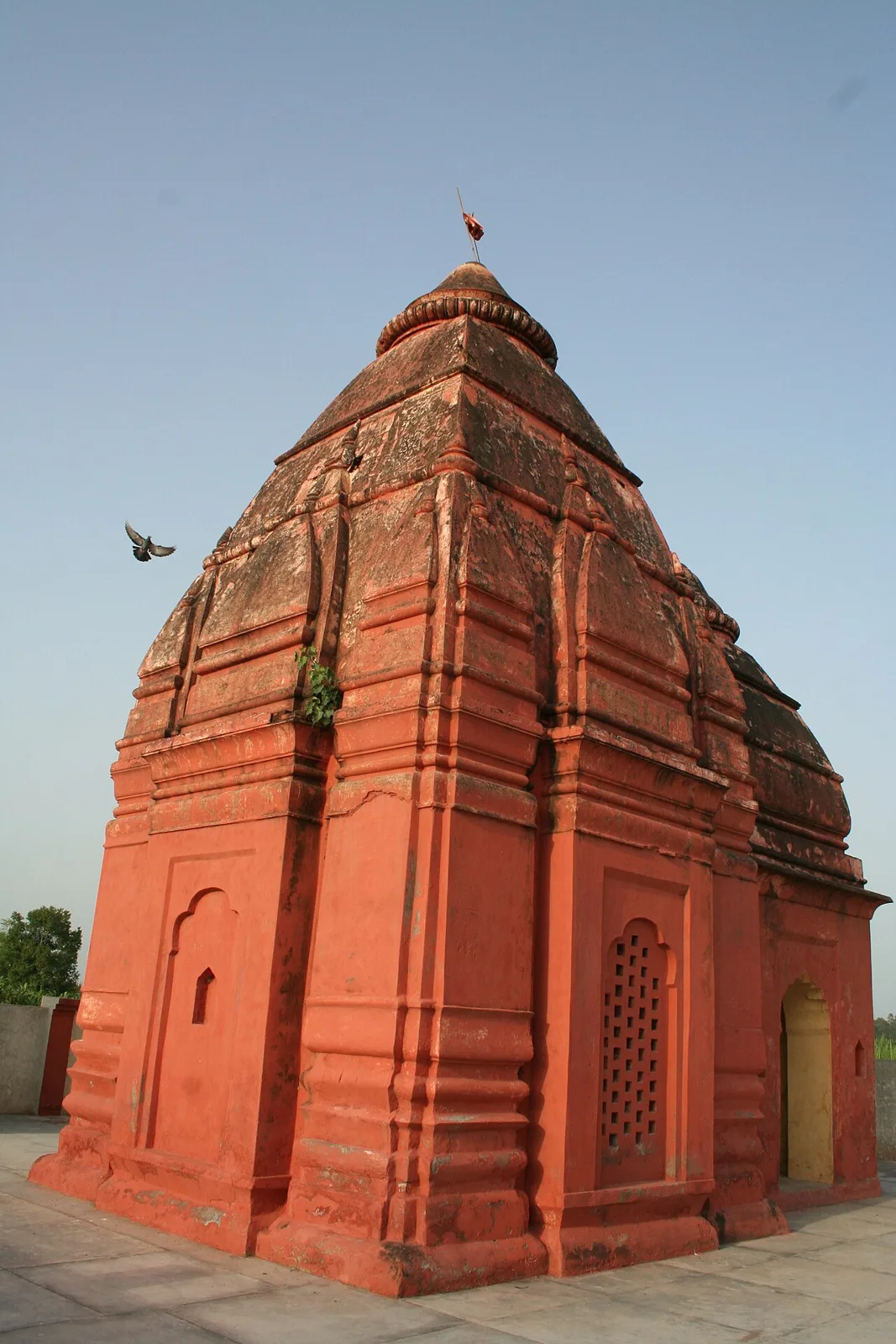
Hastinapur Heritage Town

Hastinapur is a town in Uttar Pradesh’s Meerut district, known for its place in Hindu accounts of the Kuru kingdom and its Jain associations with three Tirthankaras.

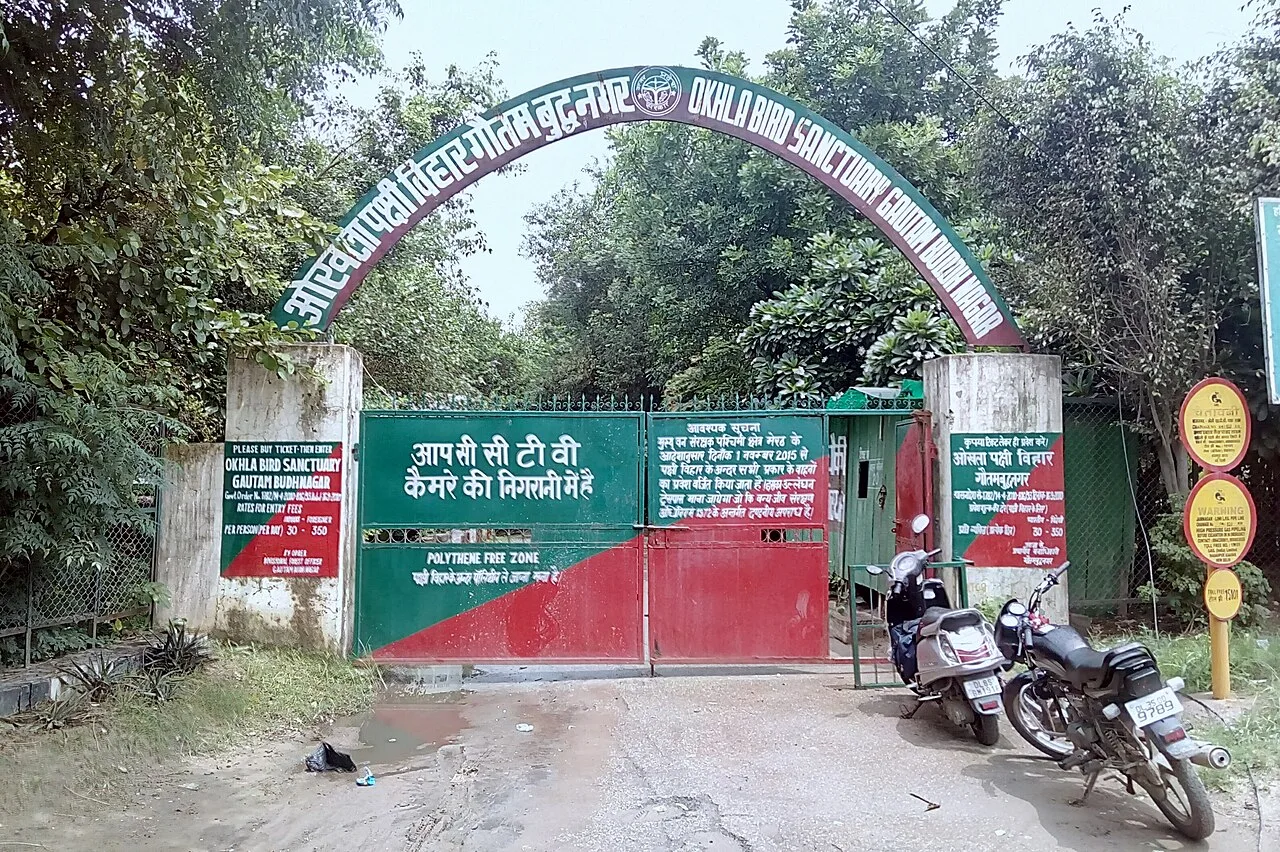
Okhla Bird Sanctuary

124 km away · Gautam Buddh Nagar district

Okhla Bird Sanctuary

At the Yamuna’s crossing from Delhi into Uttar Pradesh, Okhla Bird Sanctuary protects a barrage-created wetland that visitors come to explore and watch its varied birdlife.

Banke Bihari Temple

141 km away · Mathura district

Banke Bihari Temple

Banke Bihari Temple is a Hindu place of worship in Vrindavan, Mathura district, visited by devotees to honour Banke Bihari, regarded as Radha and Krishna united.

Vrindavan Town

141 km away · Mathura district

Vrindavan Town

Vrindavan is a historic town in Uttar Pradesh’s Mathura district, within Braj Bhoomi. Visitors come for its Hindu associations with Krishna and its many temples to Krishna and Radha.

ISKCON Temple, Vrindavan

143 km away · Mathura district

ISKCON Temple, Vrindavan

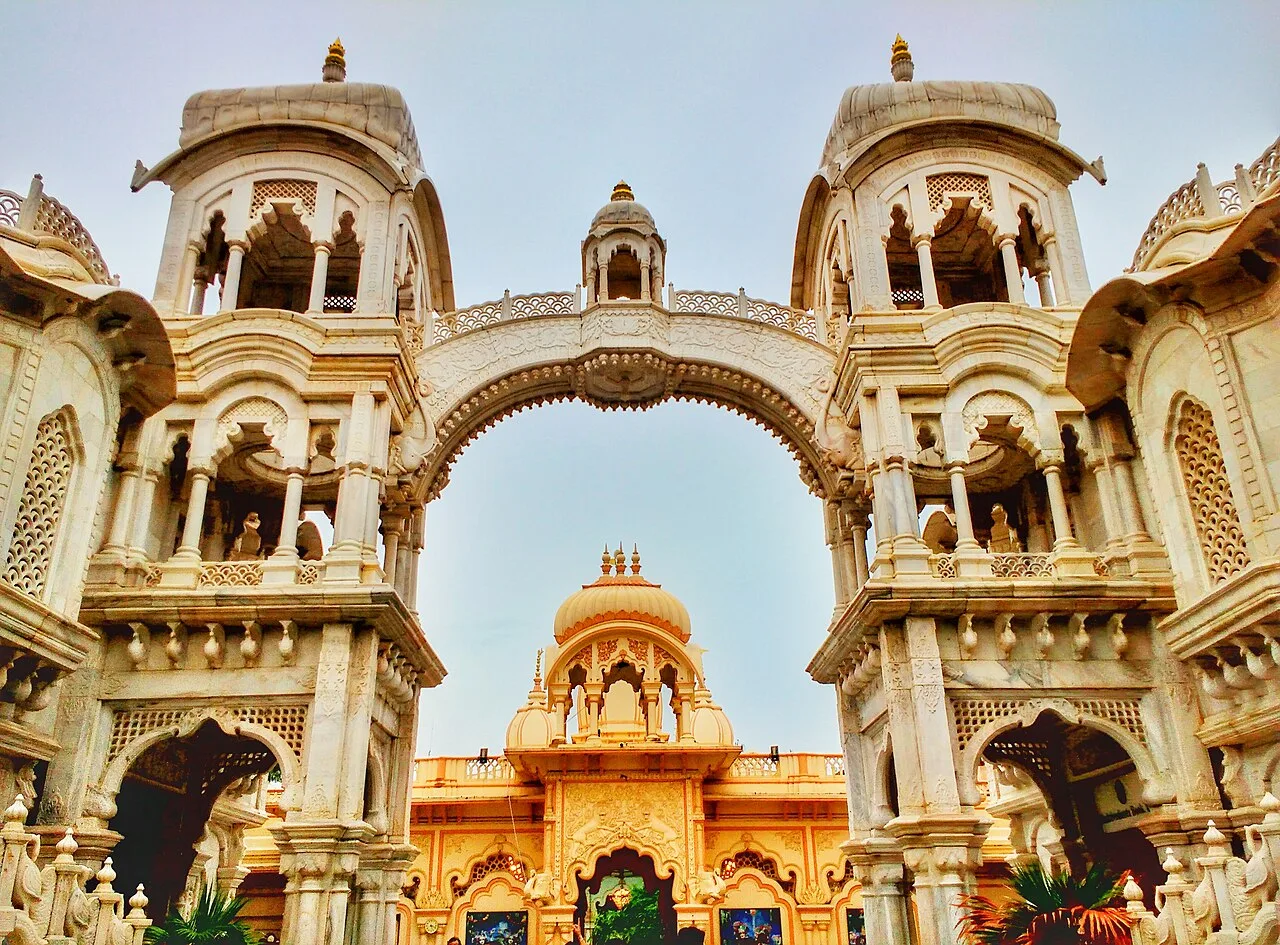
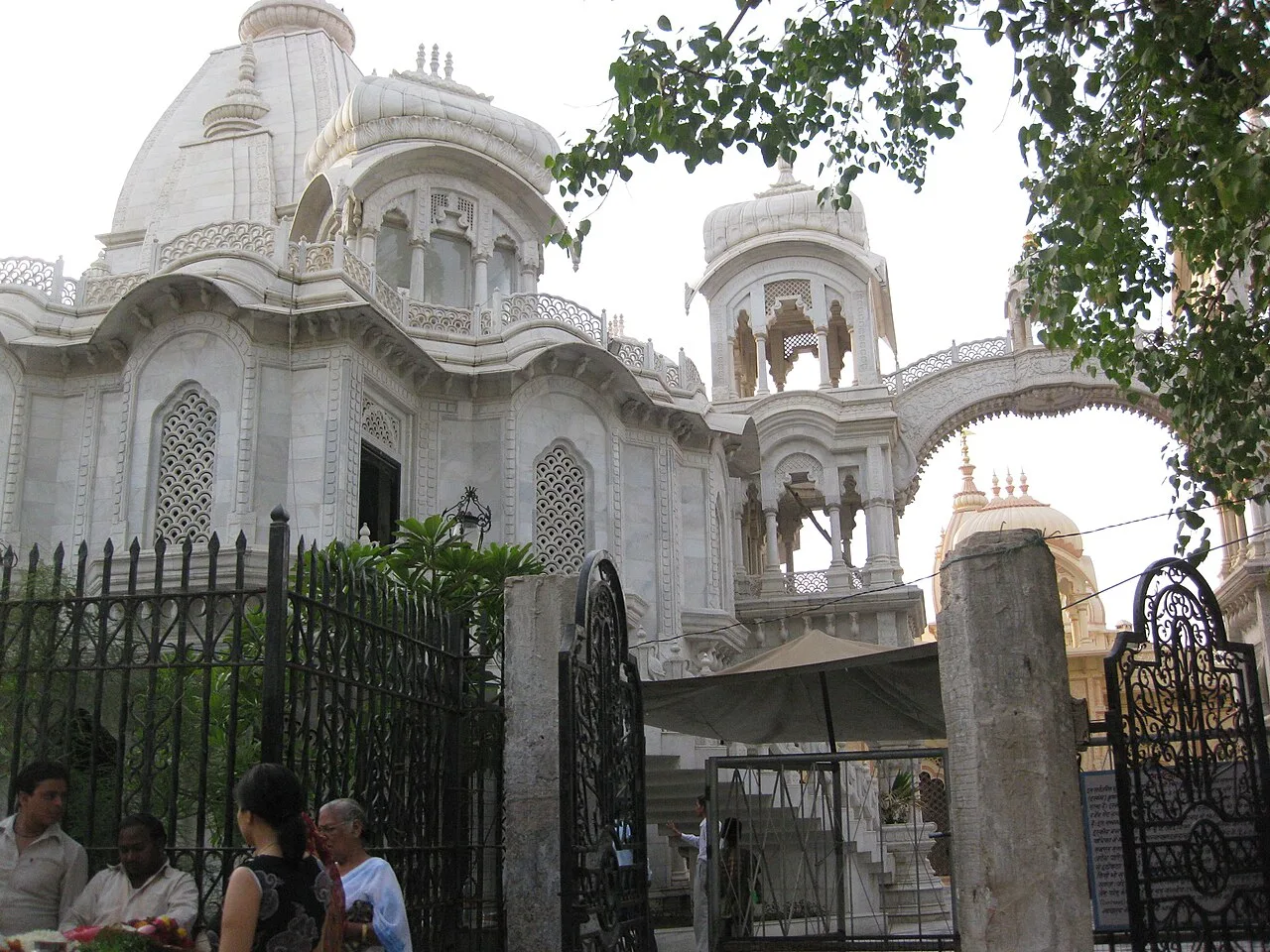
In Vrindavan, Uttar Pradesh’s Mathura district, this Gaudiya Vaishnava temple is devoted to Krishna and Balarama. Visitors come to worship these deities and the other figures honoured there.

Prem Mandir

143 km away · Mathura district

Prem Mandir

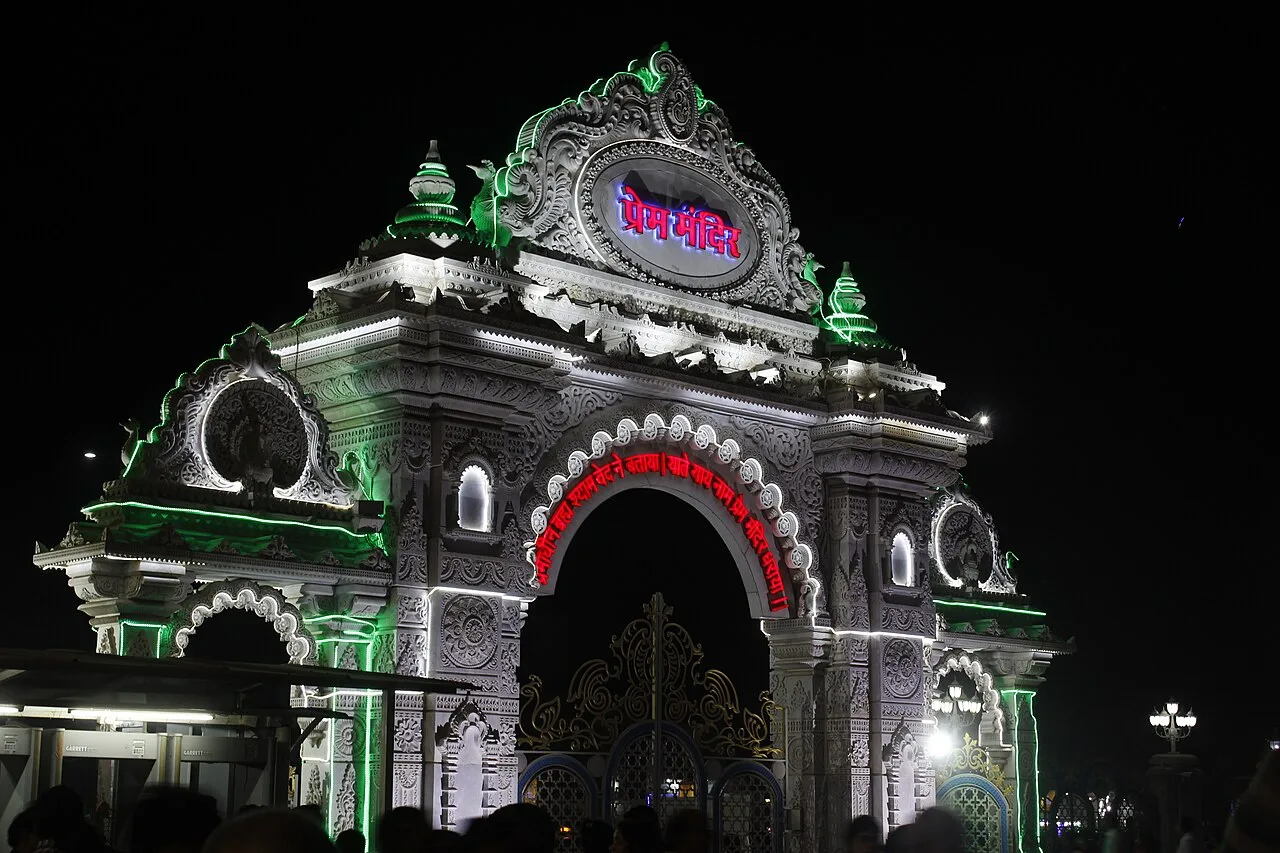
Prem Mandir is a Hindu temple in Vrindavan, Mathura district, Uttar Pradesh. Visitors come to see its dedications to Radha Krishna and Sita Ram, as well as a tribute to four earlier Jagadgurus.

Pilibhit Tiger Reserve

147 km away · Pilibhit district

Pilibhit Tiger Reserve

Pilibhit Tiger Reserve is a protected tiger habitat in Uttar Pradesh’s Pilibhit district, designated in 2014. Visitors come to explore its forests, grasslands, wetlands and wildlife, including tigers and deer.

Map

Sambhal on the map

  1. 1Rampur Raza Library
  2. 2Hastinapur Heritage Town
  3. 3Okhla Bird Sanctuary
  4. 4Banke Bihari Temple
  5. 5Vrindavan Town
  6. 6ISKCON Temple, Vrindavan
  7. 7Prem Mandir
  8. 8Pilibhit Tiger Reserve

Uttar Pradesh

Other cities to explore