Ghumoopedia — Explore, Discover, Experience
Sign in
Hanuman Garhi, near Akbarpur

City guide · Uttar Pradesh

Akbarpur

Akbarpur is the administrative headquarters of Ambedkar Nagar district, in Uttar Pradesh’s Ayodhya division. Its role as a centre for district government, trade, education and everyday services makes it an important stop for people from nearby towns and villages.

Famous for

  • Tamsa River setting
  • Shahzadpur bazaar
  • Mughal-era foundations
  • Shravan Kshetra traditions
  • Lorepur imambargah

Why Akbarpur matters

Akbarpur is the administrative headquarters of Ambedkar Nagar district, in Uttar Pradesh’s Ayodhya division. Its role as a centre for district government, trade, education and everyday services makes it an important stop for people from nearby towns and villages. The city stands on the Tamsa River, also known as the Tons, with historic Shahzadpur on the opposite bank. Shahzadpur’s bazaar has long served as a commercial focus for the surrounding area.

Visitors come for a sense of the region’s layered history and for places tied to religious tradition. Local accounts connect the area with Shravan Kshetra and the Ramayana story of Dasharatha and Shravan Kumar. Lorepur, now part of the city, is associated with an old palace and an imambargah. Akbarpur is not primarily a resort destination; it is better approached as a working district town, a base for local journeys and a place to explore the Tamsa’s riverbank, older neighbourhoods and regional markets.
Famous for: crafts, trade & products

Akbarpur is better known for its regional trade and administrative role than for a nationally recognised craft, textile or GI-tagged product. Shahzadpur, incorporated into Akbarpur in the nineteenth century, has historically been a busy bazaar. Its shops and market lanes serve local households and visitors from nearby settlements, with everyday goods and services rather than a single signature shopping product. The city’s markets are the most practical places to look for locally sold produce, groceries, clothing and household items.

The Tamsa crossing and the older commercial areas help explain the city’s historic importance as a meeting point for trade. There is no widely established city-specific craft trail or landmark artisan quarter to seek out, so visitors interested in handicrafts may find a broader selection in larger regional centres. For a more distinctive visit, combine a walk through Shahzadpur’s market area with time in Lorepur, known for its historic religious and estate connections. Ask locally about current market activity and products, which can vary by season and day.

History

Before Akbarpur was founded, the surrounding area was known as Sinjhauli and was divided into local administrative units called tappas. The region had earlier been controlled by the Bhars. During the reign of the Mughal emperor Akbar, Muhammad Mohsin Khan, an administrator of Sinjhauli, established the settlement on the Tamsa’s left bank. He built a fort, a mosque within it and a bridge across the river. A Persian inscription on the mosque records its construction in 976 Hijri. Tradition also says that Akbar later passed through the town and ordered further building.

Akbarpur subsequently became a mint town and an important centre in the area. The Sayyid family of Pirpur gained influence, and local estates later included the taluqa holdings of Pirpur and Samanpur. Shahzadpur developed as a significant trading bazaar on the river’s opposite bank and was incorporated into Akbarpur in 1856. In the modern period, the town’s role as the headquarters of Ambedkar Nagar district has strengthened its importance as a centre for administration and regional services.

Food, festivals & culture

Akbarpur shares the food traditions of eastern Uttar Pradesh. Everyday meals commonly draw on wheat breads, rice, lentils, seasonal vegetables and familiar North Indian snacks; sweets are available from local sweet shops, though the city is not especially identified with one signature dish. Hindi and Urdu are widely used, while Awadhi speech and expressions are part of the wider regional setting.

Major Hindu festivals such as Holi, usually in spring, and Diwali, in autumn, are observed alongside Navratri celebrations. Eid al-Fitr and Eid al-Adha are important occasions for Muslim residents, and Muharram is marked in the Shia tradition, particularly associated locally with Lorepur’s imambargah. Religious observances, family gatherings and seasonal fairs shape much of the public calendar. Devotional singing and regional folk music may be heard at celebrations, though performances vary by event. The city’s religious landscape includes mosques and imambargahs as well as Hindu places of worship; nearby Shravan Kshetra is linked in local tradition with the Ramayana.

Visiting the city

The cooler months, roughly from October to March, are generally the most comfortable for exploring Akbarpur. The nearest major airport is Maharishi Valmiki International Airport Ayodhyadham, in Ayodhya. Akbarpur Junction is the city’s main railway station and a useful arrival point for rail travellers.

Auto-rickshaws and local taxis are practical for getting between the station, central markets and neighbourhoods; confirm local arrangements on arrival. Explore Shahzadpur for its long-established bazaar and river-crossing setting, then visit Lorepur for its historic associations and imambargah. The Tamsa’s banks offer a sense of the city’s geography, while Shravan Kshetra makes a relevant excursion for visitors interested in local religious traditions. Check locally for access and transport conditions before setting out.

Trips from the city

Nearest places to visit from Akbarpur

Our closest destination guides, by straight-line distance.

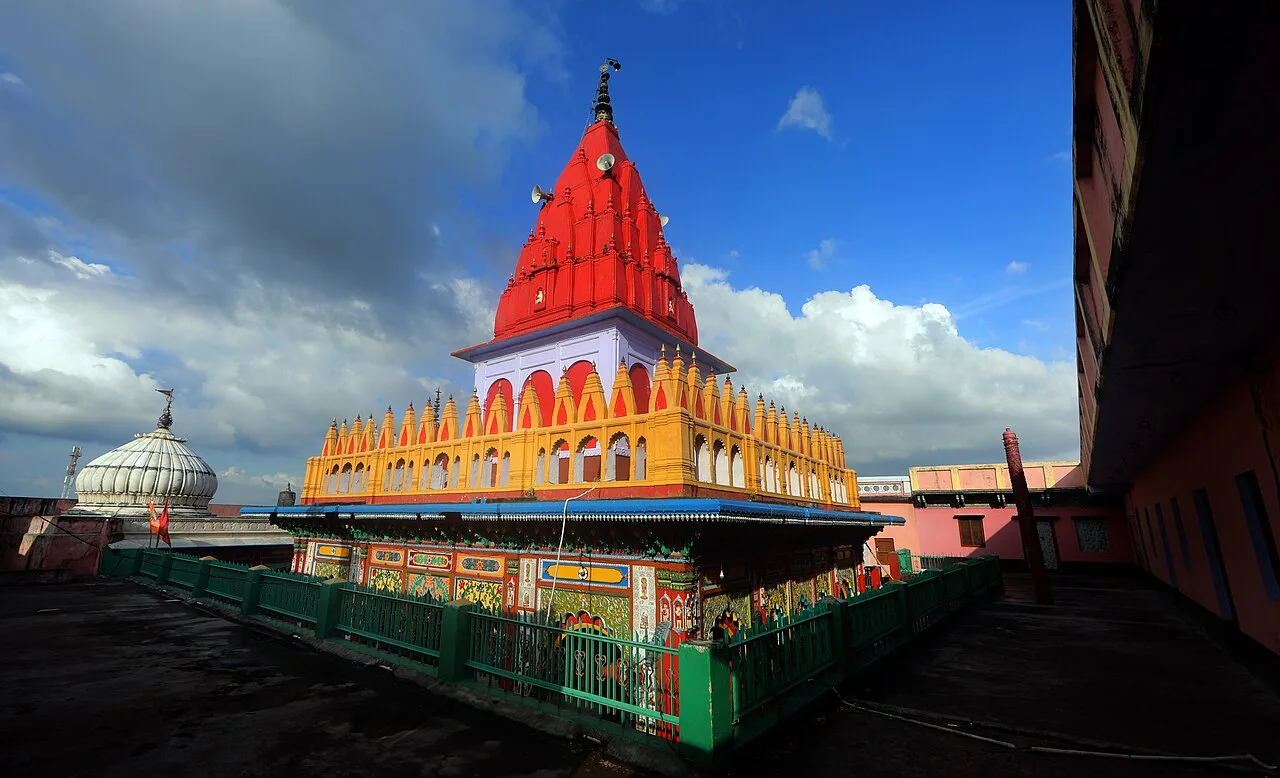
Hanuman Garhi

52 km away · Ayodhya district

Hanuman Garhi

Hanuman Garhi is a Hindu shrine to Hanuman in Ayodhya, Uttar Pradesh. People visit to worship there, and it is counted among the city’s important temples.

Ayodhya Old Town

53 km away · Ayodhya district

Ayodhya Old Town

Ayodhya Old Town is the historic centre of a city in Uttar Pradesh, associated with early Buddhist and Jain traditions and the Hindu epic Ramayana. Visitors come chiefly for its religious importance and links to Rama.

Kanak Bhawan

53 km away · Ayodhya district

Kanak Bhawan

Kanak Bhawan is an Ayodhya temple linked to the stories of Rama and Sita, whose images are enshrined there. Visitors come to see the shrine and learn its traditional history.

Ram Mandir

53 km away · Ayodhya district

Ram Mandir

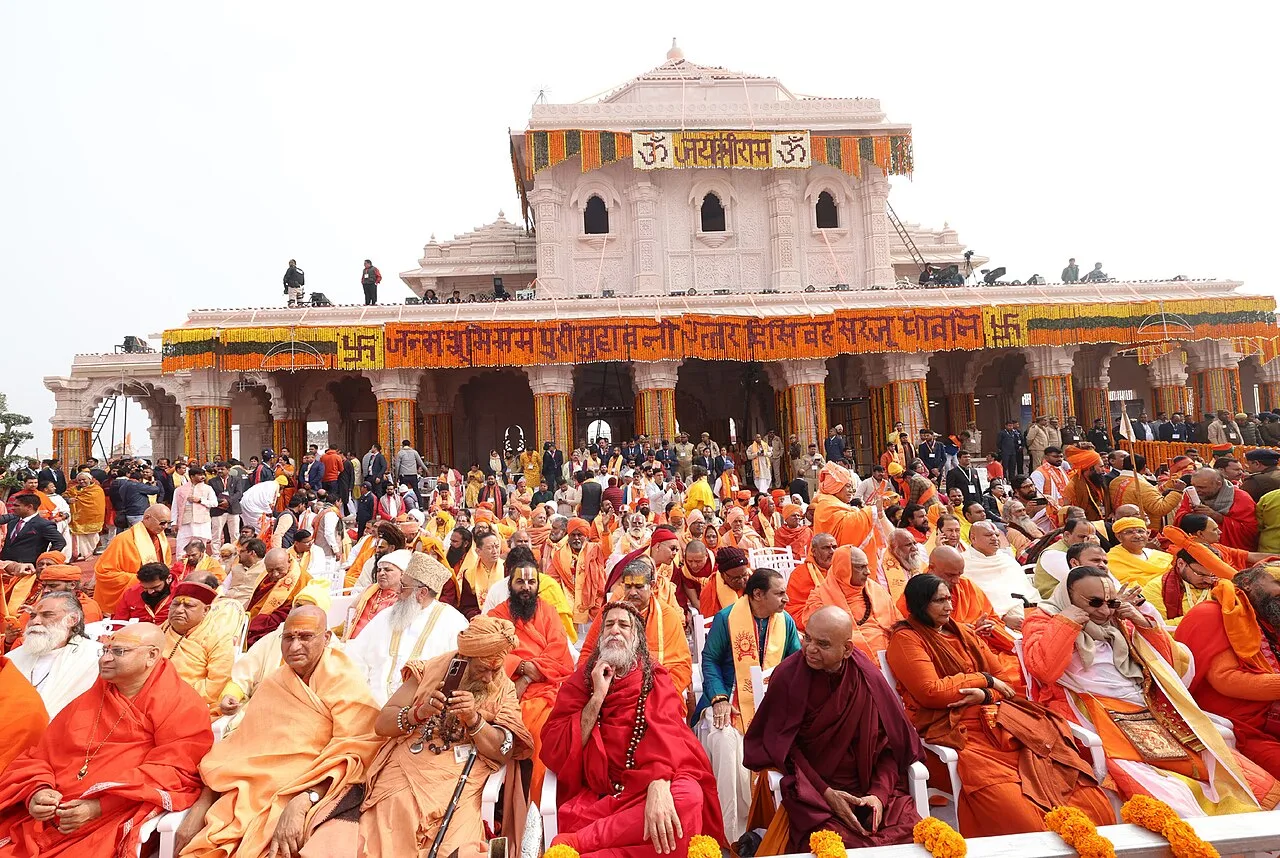
Ram Mandir is a Hindu temple complex in Ayodhya, Uttar Pradesh. Visitors come to worship at a place many Hindus regard as the birthplace of Rama.

Atala Mosque

77 km away · Jaunpur district

Atala Mosque

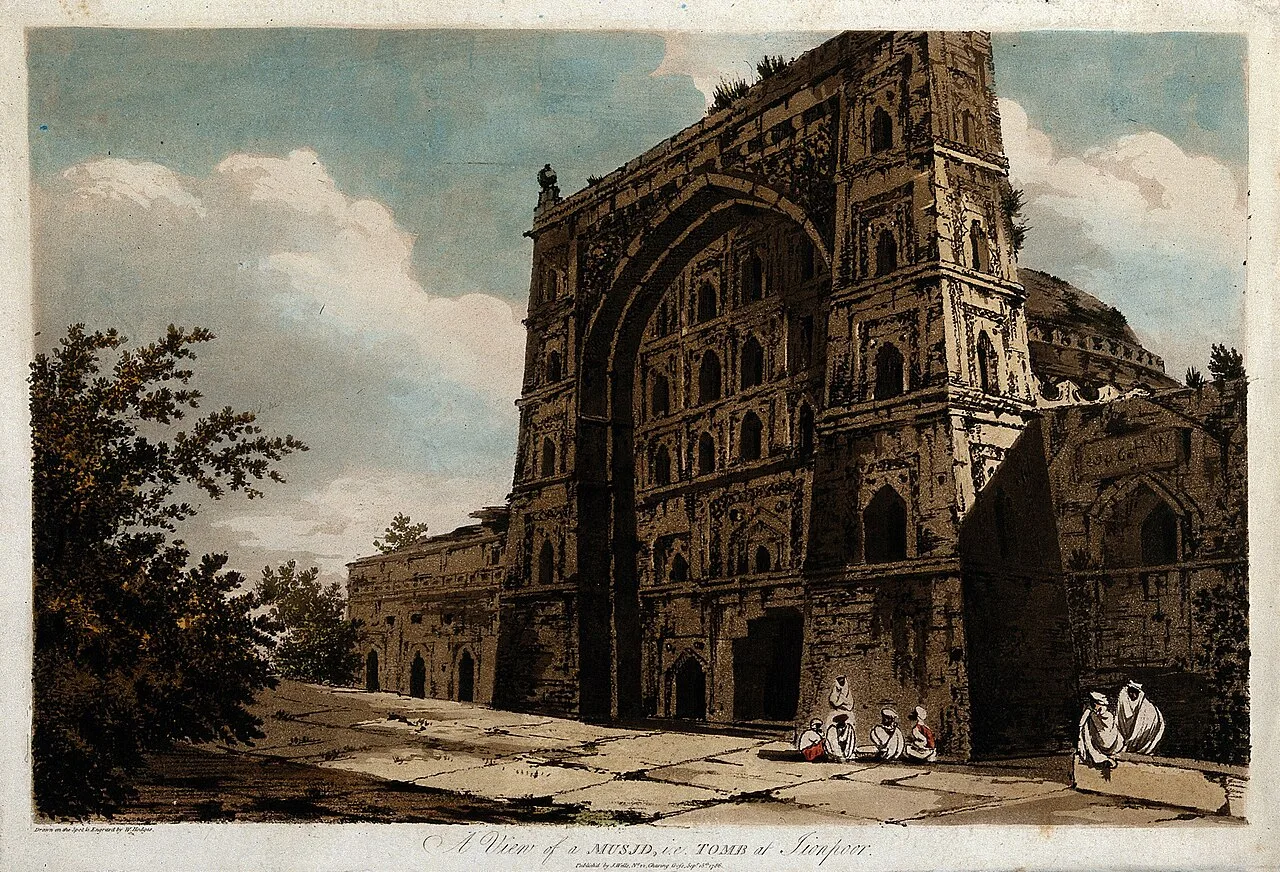
Atala Mosque, a 15th-century place of worship in Jaunpur, Uttar Pradesh, is visited by those wishing to see a historic mosque near the city’s Shahi Qila and Jama Mosque.

Shahi Bridge

77 km away · Jaunpur district

Shahi Bridge

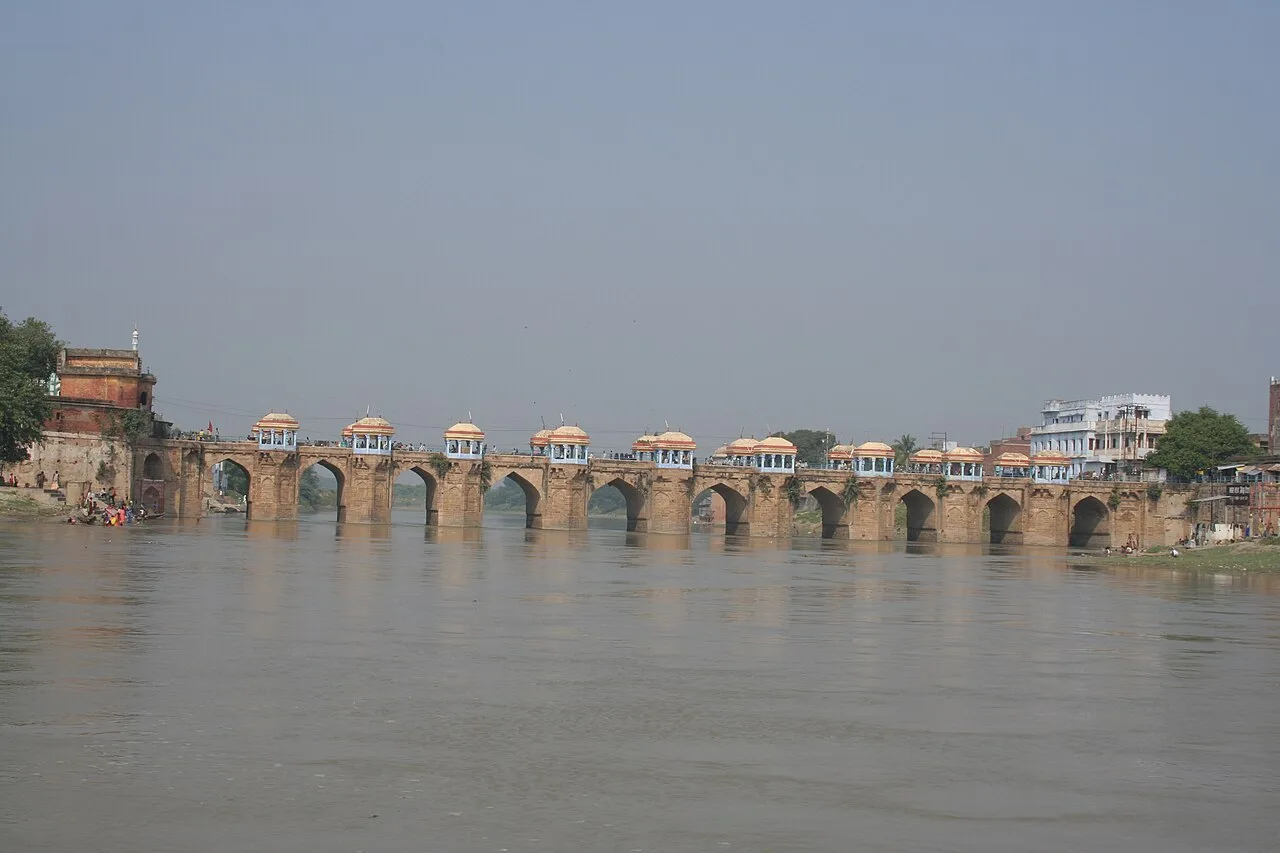
Shahi Bridge is a 16th-century crossing over the Gomti in Jaunpur, Uttar Pradesh. Visitors come to see the historic bridge, which is also known by several other names.

Gorakhnath Math

90 km away · Gorakhpur district

Gorakhnath Math

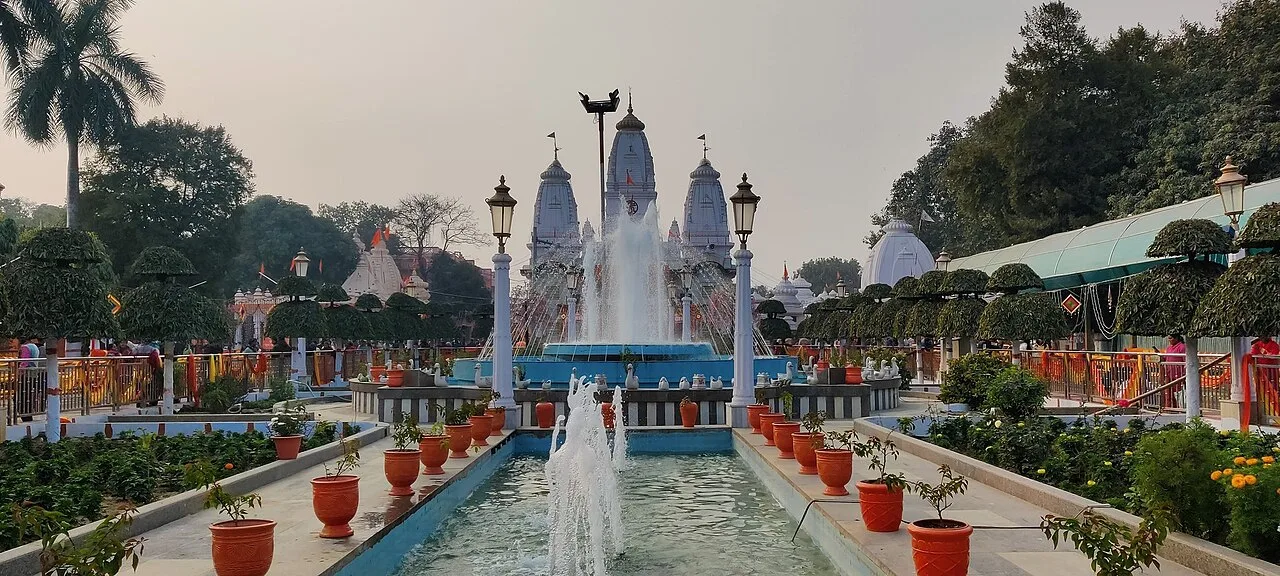
Gorakhnath Math is a Hindu temple and Nath monastic centre in Gorakhpur, Uttar Pradesh. People visit for its religious role and the cultural and social activities held on its premises.

Chandra Prabha Wildlife Sanctuary

109 km away · Chandauli district

Chandra Prabha Wildlife Sanctuary

In Uttar Pradesh’s Chandauli district, Chandraprabha is a wildlife sanctuary in central India. Visitors come to explore the sanctuary, which lies around 70 kilometres from Varanasi.

Map

Akbarpur on the map

  1. 1Hanuman Garhi
  2. 2Ayodhya Old Town
  3. 3Kanak Bhawan
  4. 4Ram Mandir
  5. 5Atala Mosque
  6. 6Shahi Bridge
  7. 7Gorakhnath Math
  8. 8Chandra Prabha Wildlife Sanctuary

Uttar Pradesh

Other cities to explore