Ghumoopedia — Explore, Discover, Experience
Sign in
Okhla Bird Sanctuary, near Ghaziabad

City guide · Uttar Pradesh

Ghaziabad

Ghaziabad is a major urban centre in western Uttar Pradesh, closely connected to Delhi and part of the National Capital Region. Its position on important road and rail corridors makes it a gateway between the capital and cities farther into Uttar Pradesh.

Famous for

  • Dudheshwar Nath Temple
  • Hindon River
  • Major railway junction
  • Sahibabad industries
  • Turab Nagar markets

Why Ghaziabad matters

Ghaziabad is a major urban centre in western Uttar Pradesh, closely connected to Delhi and part of the National Capital Region. Its position on important road and rail corridors makes it a gateway between the capital and cities farther into Uttar Pradesh. The Hindon River divides the city into Trans-Hindon and Cis-Hindon areas, while the wider urban landscape includes established neighbourhoods, new residential districts and busy industrial zones.

Visitors come for its temples, markets and local food, as well as for practical access to Delhi and nearby destinations. Dudheshwar Nath Temple is among the city’s best-known places of worship, and the Hindon’s banks recall the area’s earlier history as a retreat beyond Delhi. Ghaziabad is also recognised for manufacturing and commerce, with industrial estates and shopping districts woven into everyday city life. Its rail connections and links to highways and urban transit make it a useful base for exploring the eastern side of the NCR, though many travellers also visit as part of a wider Delhi-region itinerary.
Famous for: crafts, trade & products

Ghaziabad’s commercial identity is tied more to manufacturing and trade than to a single signature handicraft or textile. Industrial areas such as Sahibabad, Mohan Nagar and Loni accommodate businesses in engineering, electrical goods, electronics and other manufacturing sectors. The city is not especially known for a distinct GI-tagged product, so visitors looking for region-specific crafts may find a broader selection in nearby parts of Uttar Pradesh and Delhi.

For everyday shopping, Turab Nagar is a busy market area with clothing, accessories, household goods and street-side snacks. Gandhi Nagar is associated with garment and textile trading, while Raj Nagar and neighbourhood commercial centres offer a mix of shops and services. Large retail complexes and malls around the city provide national brands alongside food and entertainment. These districts give a sense of Ghaziabad’s role as a working commercial hub: traditional market lanes serve local shoppers, while newer retail developments cater to the expanding NCR population. Buyers seeking specialist crafts should check product origins rather than assume an item is locally made.

History

Ghaziabad was founded in 1740 by Ghazi-ud-Din II, a wazir in the court of Mughal emperor Muhammad Shah. It was first called Ghaziuddinnagar. The Hindon riverbanks were once used as a recreational retreat by Mughal royals, and the town later became important as railway lines connected Delhi with destinations to the north and west. The name shortened to Ghaziabad as railways expanded in the nineteenth century, and the town developed as a junction linking major routes.

The area was connected with the Indian Rebellion of 1857 and later formed part of Meerut district under British rule. It became a separate district in 1976. In the decades that followed, its proximity to Delhi, transport links and industrial estates encouraged rapid urban growth. Ghaziabad is now part of the National Capital Region and serves as an administrative, manufacturing and residential centre, with development extending across both sides of the Hindon River.

Food, festivals & culture

Everyday eating in Ghaziabad reflects the wider food traditions of western Uttar Pradesh and the NCR. North Indian meals, kebabs, parathas, chaat, kachori and jalebi are widely available, alongside sweets from local halwai shops and food courts serving cuisines from across India. Market lanes and neighbourhood eateries are good places to sample casual snacks; the city does not have one universally defining dish.

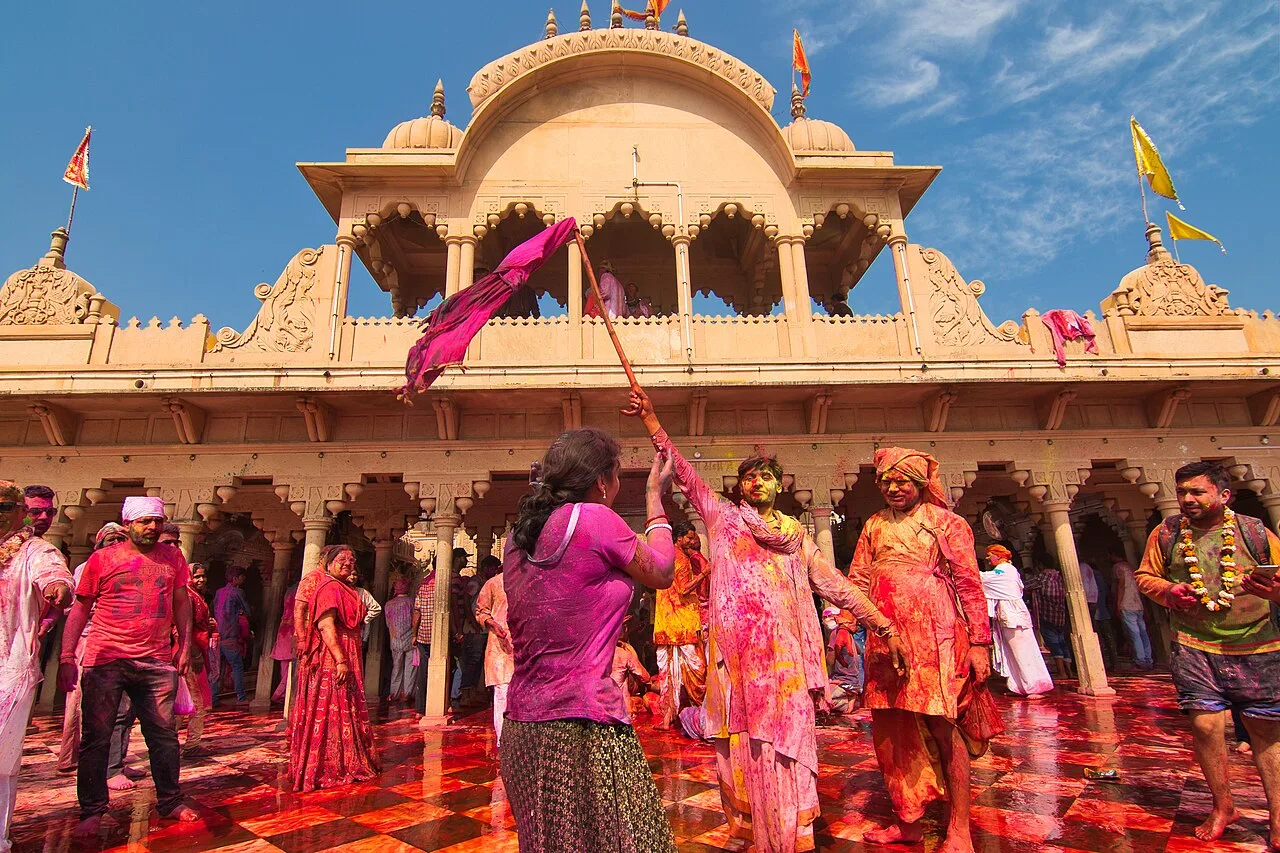
Hindi is the most widely used language, with Urdu, Punjabi and English also heard. Holi in spring and Diwali in autumn are celebrated across the city; Navratri and Dussehra bring devotional events, while Eid is observed by Muslim communities. Chhath is also marked by families, particularly those with roots in eastern India. Religious life includes Hindu temples such as Dudheshwar Nath Temple, as well as mosques, gurdwaras and churches serving the city’s diverse communities. Devotional singing and bhajans are common at religious gatherings, while seasonal fairs and community programmes add to the local cultural calendar.

Visiting the city

October to March is generally the most comfortable period to visit, with cooler weather than the hot summer months and monsoon season. Hindon Airport is in Ghaziabad and handles regional flights; for a wider range of domestic and international connections, travellers use Indira Gandhi International Airport in Delhi. Ghaziabad Junction is the city’s principal railway station and a major stop on regional rail routes.

Delhi Metro, local buses, app-based cabs and auto-rickshaws help with getting around; check current routes when planning a trip. Raj Nagar and the surrounding commercial districts are convenient for shopping and dining, while Turab Nagar offers a livelier market experience. Dudheshwar Nath Temple is a notable stop for visitors interested in places of worship. The city’s road and rail links also make it practical to combine a stay with excursions around Delhi NCR.

Trips from the city

Nearest places to visit from Ghaziabad

Our closest destination guides, by straight-line distance.

Okhla Bird Sanctuary

17 km away · Gautam Buddh Nagar district

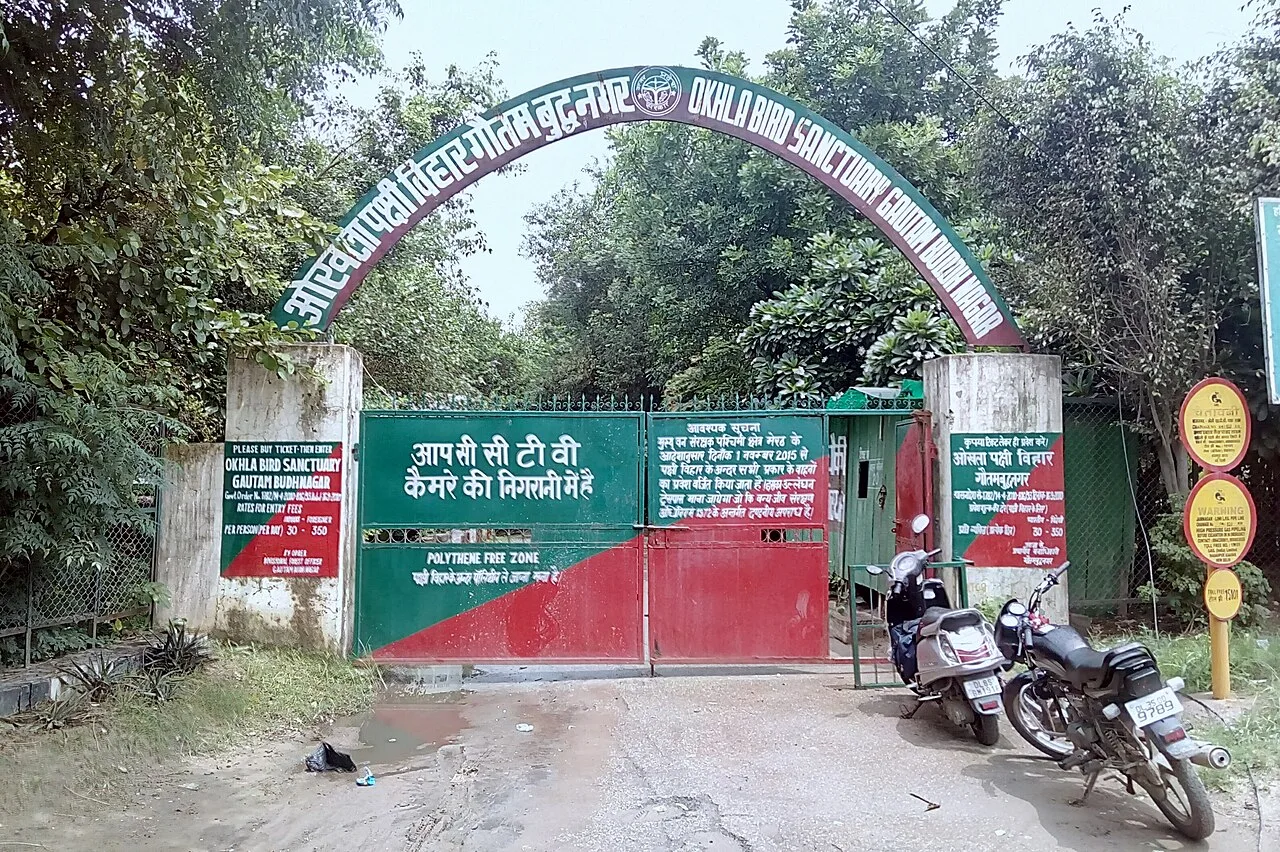
Okhla Bird Sanctuary

At the Yamuna’s crossing from Delhi into Uttar Pradesh, Okhla Bird Sanctuary protects a barrage-created wetland that visitors come to explore and watch its varied birdlife.

Hastinapur Heritage Town

80 km away · Meerut district

Hastinapur Heritage Town

Hastinapur is a town in Uttar Pradesh’s Meerut district, known for its place in Hindu accounts of the Kuru kingdom and its Jain associations with three Tirthankaras.

Barsana Radha Rani Temple

113 km away · Mathura district

Barsana Radha Rani Temple

Barsana Radha Rani Temple stands in Barsana, a town in Uttar Pradesh’s Mathura district. Visitors come to worship Radha at a temple central to the town’s religious importance.

Banke Bihari Temple

123 km away · Mathura district

Banke Bihari Temple

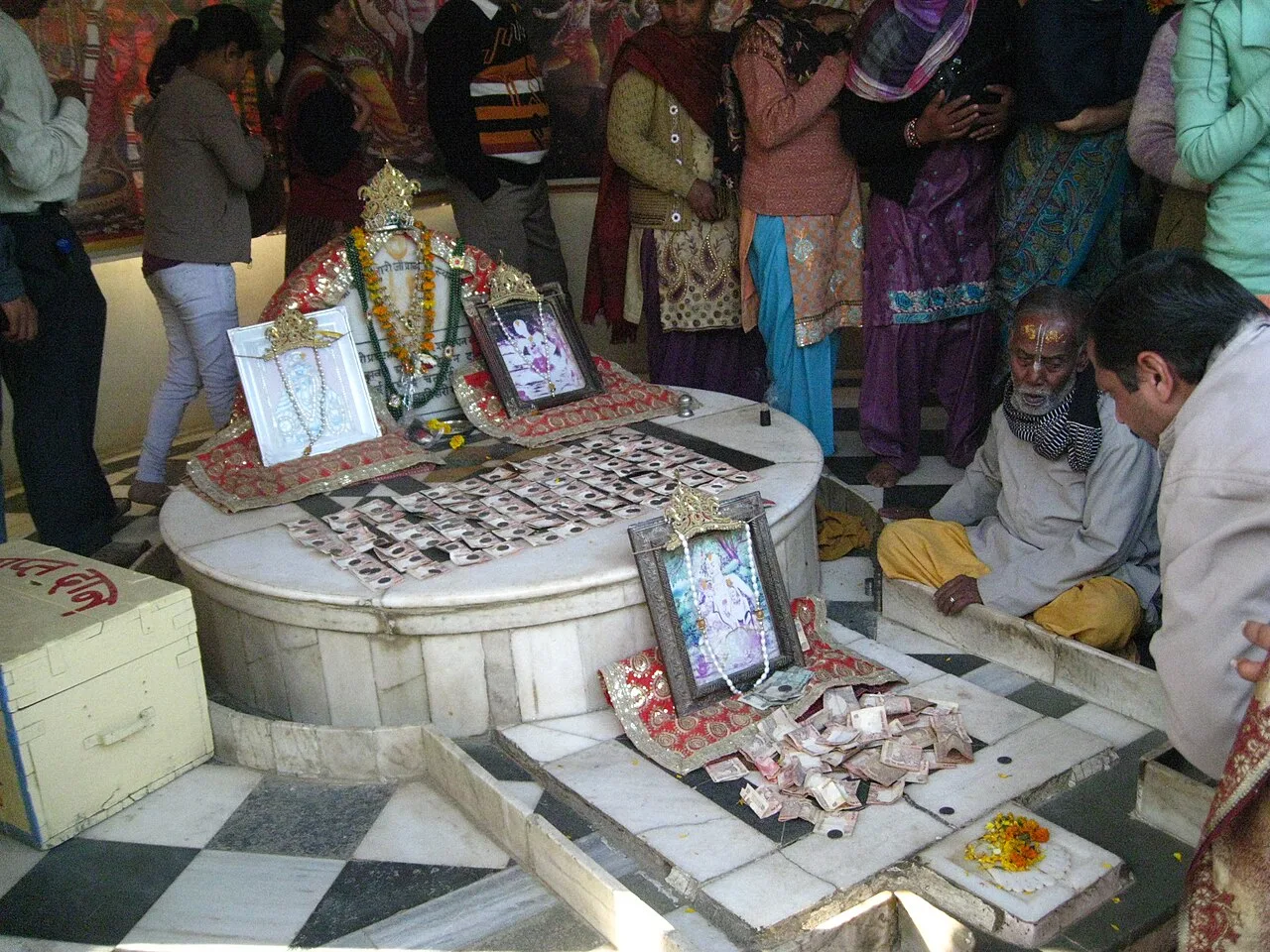
Banke Bihari Temple is a Hindu place of worship in Vrindavan, Mathura district, visited by devotees to honour Banke Bihari, regarded as Radha and Krishna united.

Vrindavan Town

123 km away · Mathura district

Vrindavan Town

Vrindavan is a historic town in Uttar Pradesh’s Mathura district, within Braj Bhoomi. Visitors come for its Hindu associations with Krishna and its many temples to Krishna and Radha.

ISKCON Temple, Vrindavan

124 km away · Mathura district

ISKCON Temple, Vrindavan

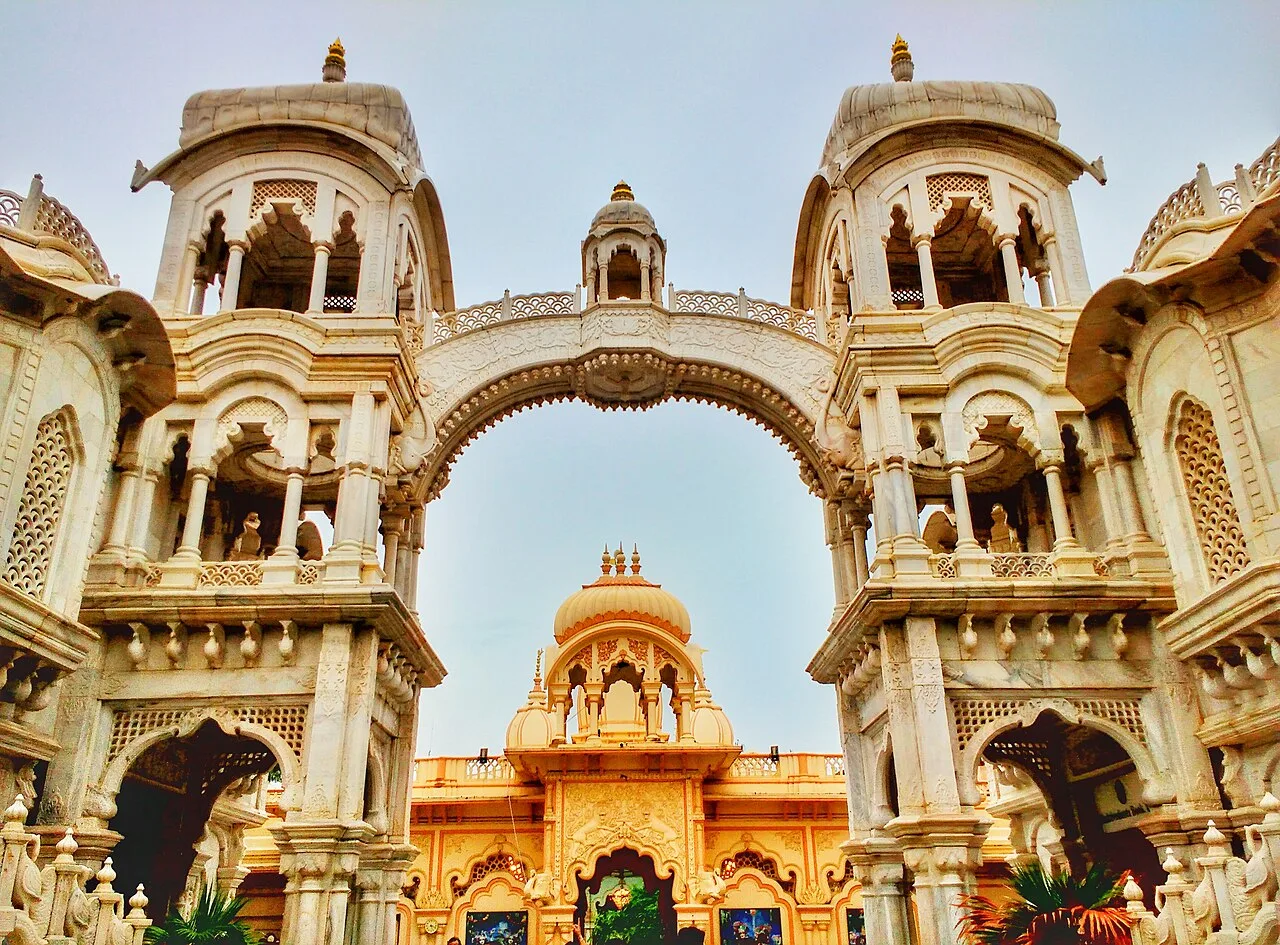
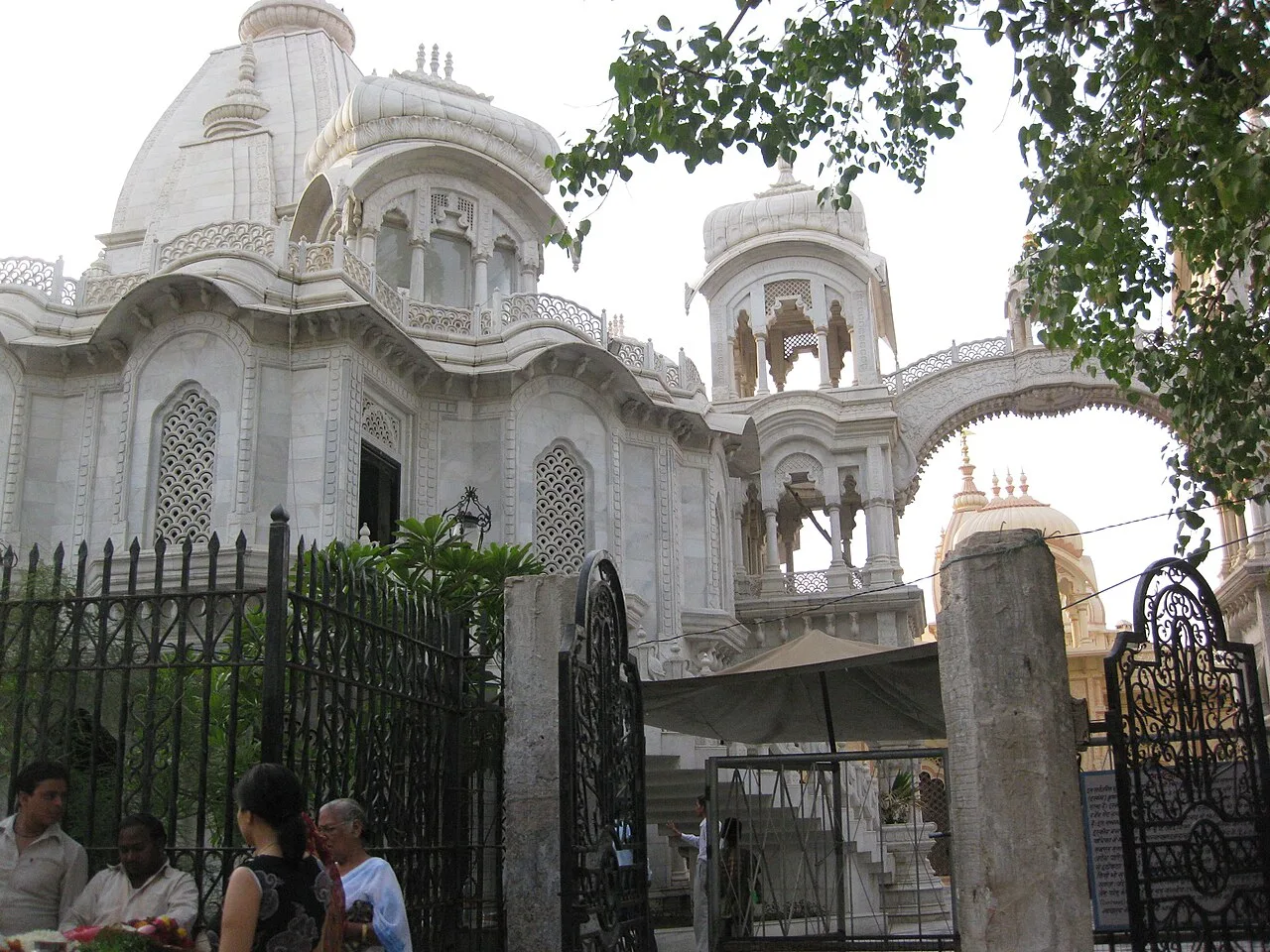
In Vrindavan, Uttar Pradesh’s Mathura district, this Gaudiya Vaishnava temple is devoted to Krishna and Balarama. Visitors come to worship these deities and the other figures honoured there.

Prem Mandir

124 km away · Mathura district

Prem Mandir

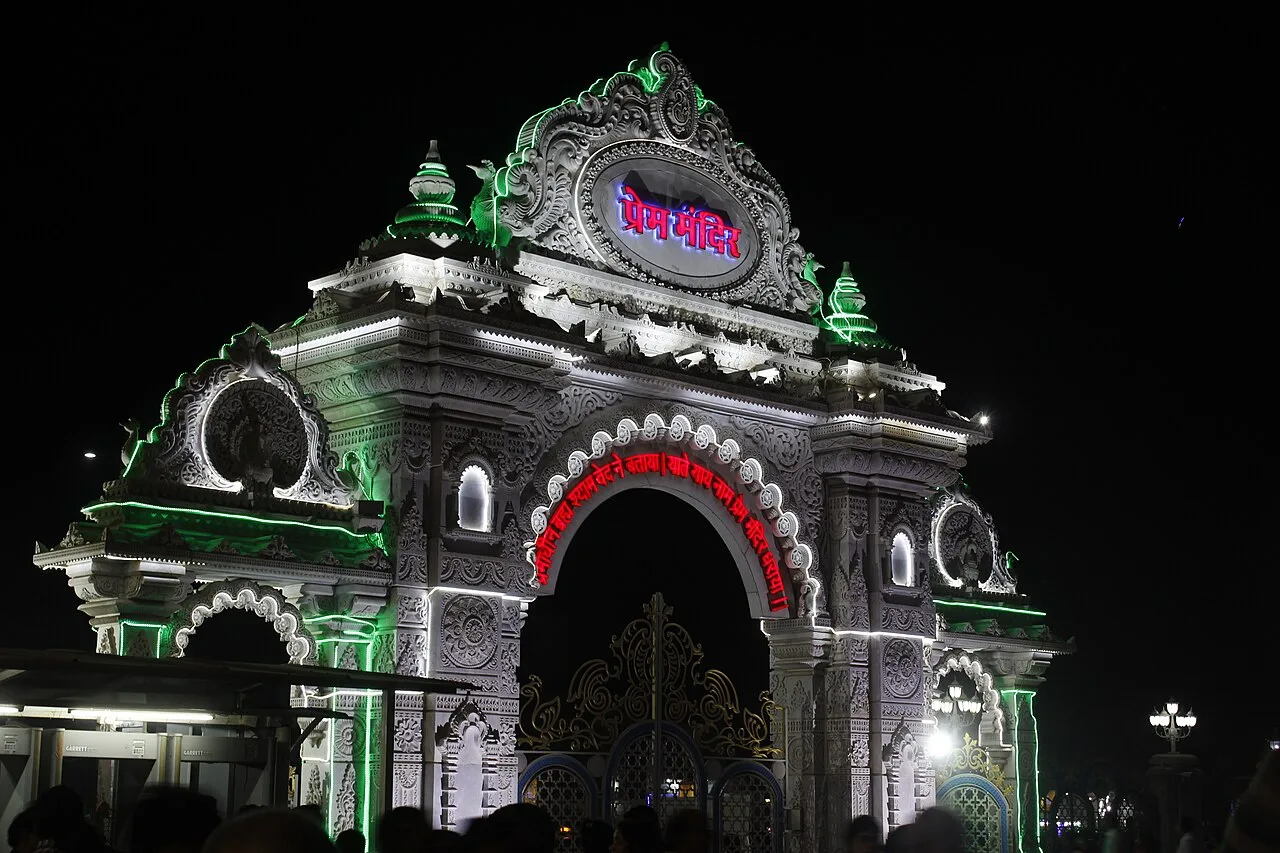
Prem Mandir is a Hindu temple in Vrindavan, Mathura district, Uttar Pradesh. Visitors come to see its dedications to Radha Krishna and Sita Ram, as well as a tribute to four earlier Jagadgurus.

Radha Kund

127 km away · Mathura district

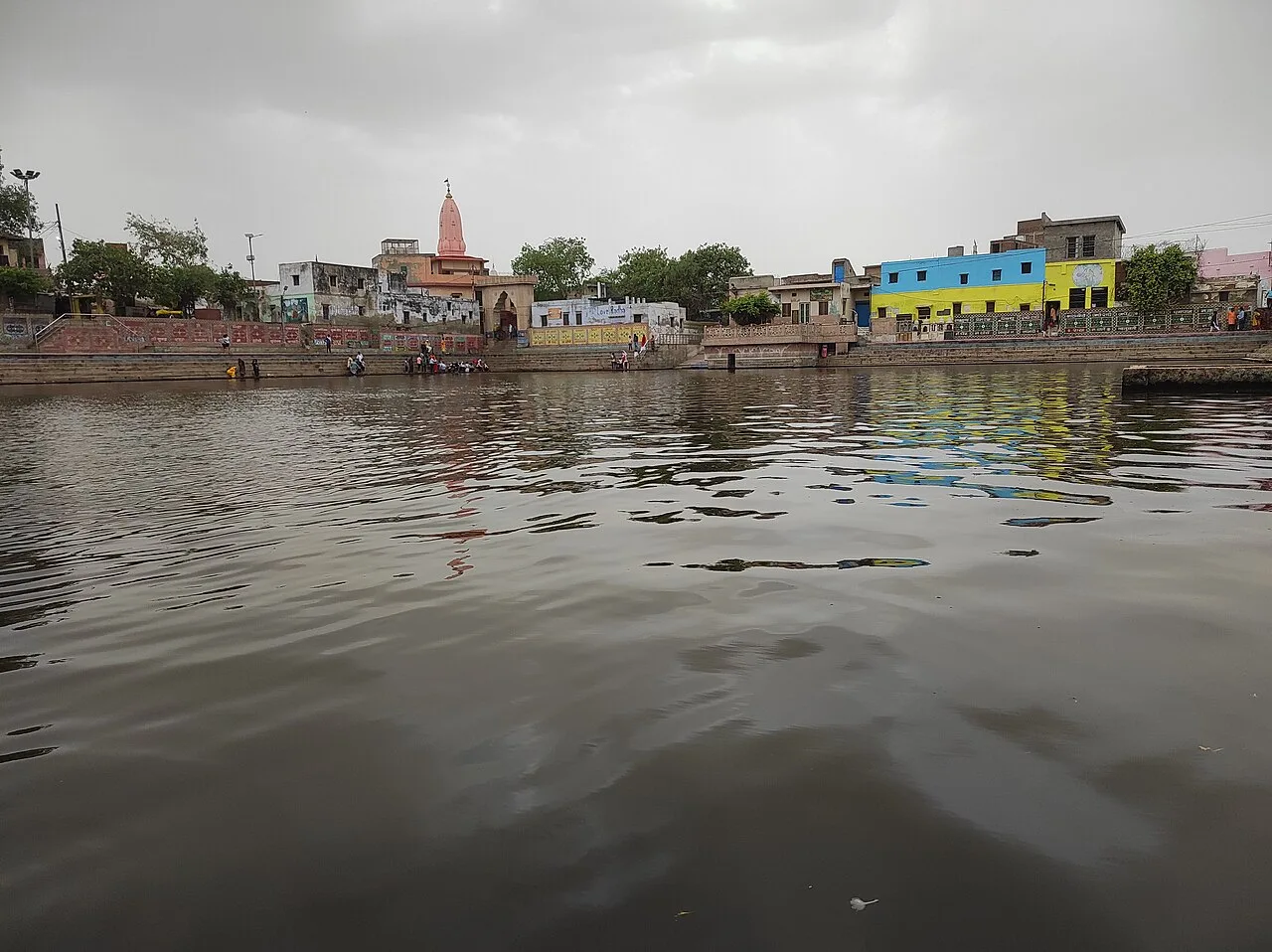
Radha Kund

Radha Kund is a town and nagar panchayat in Uttar Pradesh’s Mathura district. People visit it as a pilgrimage place dedicated to the Hindu goddess Radha.

Map

Ghaziabad on the map

  1. 1Okhla Bird Sanctuary
  2. 2Hastinapur Heritage Town
  3. 3Barsana Radha Rani Temple
  4. 4Banke Bihari Temple
  5. 5Vrindavan Town
  6. 6ISKCON Temple, Vrindavan
  7. 7Prem Mandir
  8. 8Radha Kund

Uttar Pradesh

Other cities to explore