Ghumoopedia — Explore, Discover, Experience
Sign in
Shravasti Buddhist Site, near Tulsipur

City guide · Uttar Pradesh

Tulsipur

Tulsipur is a town and tehsil in Balrampur district, in northeastern Uttar Pradesh, close to the Nepal border. Its most important landmark is Devi Patan Temple, a Hindu pilgrimage site that draws worshippers from across India and Nepal.

Famous for

  • Devi Patan Temple
  • Maha Shivratri pilgrimage
  • Temple fair
  • India–Nepal border setting
  • Chauhan-era history

Why Tulsipur matters

Tulsipur is a town and tehsil in Balrampur district, in northeastern Uttar Pradesh, close to the Nepal border. Its most important landmark is Devi Patan Temple, a Hindu pilgrimage site that draws worshippers from across India and Nepal. The town becomes especially lively around Maha Shivratri, when pilgrims gather and a fair is held. For many visitors, the temple is the principal reason to come; Tulsipur also offers a glimpse of everyday life in a borderland market town.

Set near the rivers Nakti and Siria, Tulsipur is about 28 km from Balrampur and around 190 km from Lucknow, according to commonly cited distances. Its location gives it connections with nearby settlements and routes towards Nepal, while its tehsil role makes it a local administrative and trading centre. The town is also notable for its history as the seat of the Chauhan rulers of Tulsipur and for its association with the uprising of 1857. Visitors can combine a temple visit with time in the town’s bazaar and a broader trip through Balrampur district.
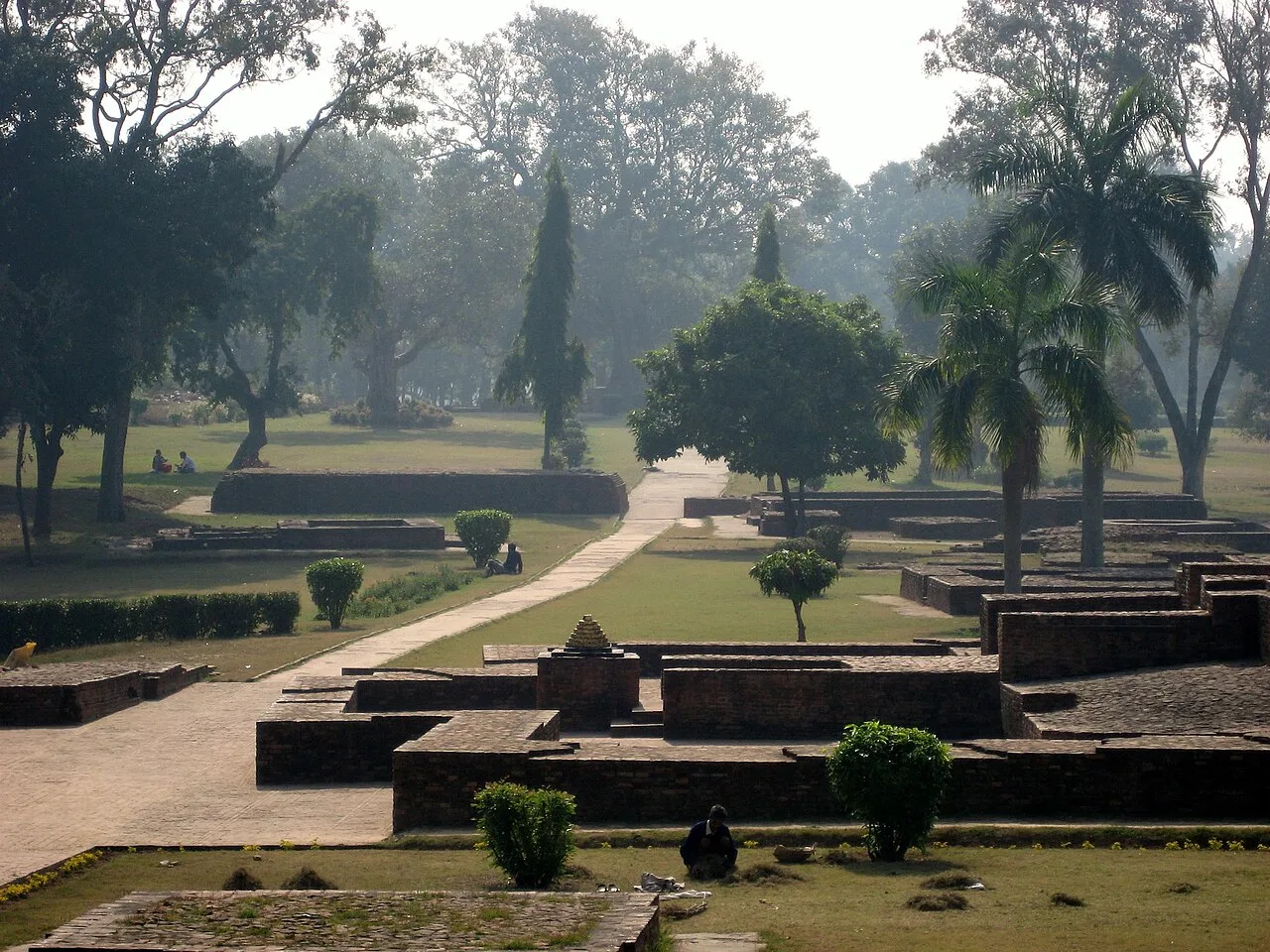
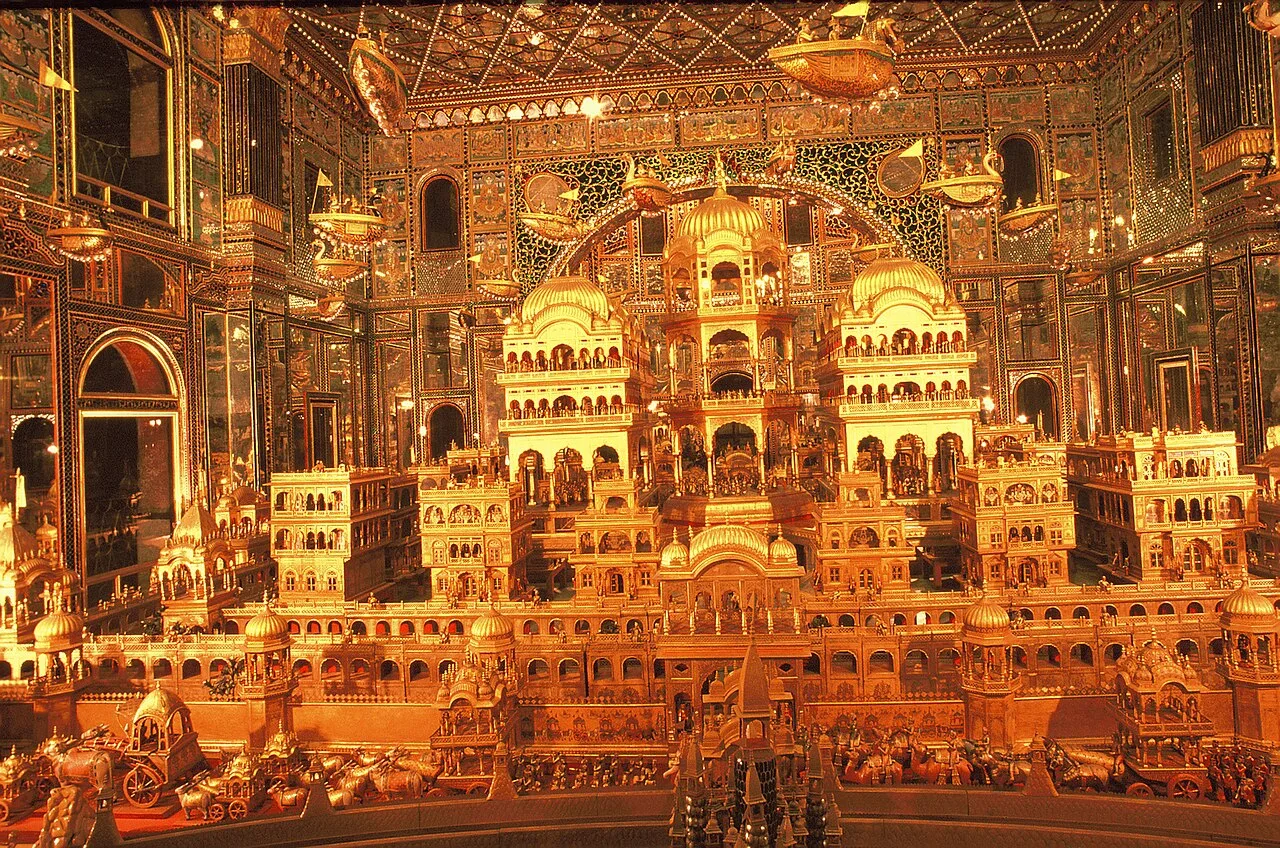
Famous for: crafts, trade & products

Tulsipur’s best-known public institution is Devi Patan Temple, which shapes the town’s visitor economy and brings demand for offerings, worship items, snacks and other everyday goods. Around the temple and in the town’s central bazaar, visitors can look for flowers, incense, devotional objects and provisions for a pilgrimage. Small shops and market stalls mainly serve local residents and travellers rather than forming a major specialist shopping district.

There is no widely established, documented Tulsipur-specific textile, handicraft, GI-tagged product or signature industrial product to seek out. The town is not especially known as a saree-weaving or craft-production centre, so visitors looking for those specialties should not assume they are made locally. Its commercial character is primarily that of a small regional market serving surrounding settlements and temple visitors. For locally made goods or a particular craft, ask shopkeepers or local residents about current availability; selection can be limited and may vary. The bazaar is the most practical place to buy routine supplies and pilgrimage necessities, while the temple precinct is more suited to devotional items.

History

Local accounts place Tulsipur’s beginnings more than three centuries ago and associate its founding with a Kurmi named Tulsi Das. The area had earlier been associated with Tharu communities. Tulsipur later came under the Chauhans of Dang, whose dominion extended across parts of northeastern Awadh and the Dang and Deukhuri valleys, now in Nepal. After the Gorkha annexation of Dang, the Chauhan rulers were displaced to Tulsipur. Their relations with the neighbouring rulers of Balrampur were marked by a long-running dispute over tribute.

During the uprising of 1857, Rani Ishwari Devi, widow of Raja Drig Narain Singh, supported the rebel cause and sent troops to Lucknow. After the rebellion was defeated, she fled to Nepal; the British confiscated the estate and awarded it to the Maharaja of Balrampur. Tulsipur remained part of the Balrampur estate until after independence. It became a separate tehsil in 1987 and was included in Balrampur district when that district was formed from Gonda in 1997.

Food, festivals & culture

Religious life in Tulsipur centres on Devi Patan Temple. Maha Shivratri, usually observed in February or March, is the town’s main pilgrimage occasion, accompanied by a fair and a particularly busy flow of visitors from India and Nepal. Other Hindu festivals, including Navratri and Diwali, are observed in the wider region, though the scale of local celebrations varies. Devotional songs and bhajans are part of worship and festival gatherings.

Hindi is widely used, with Awadhi also spoken in the surrounding area; visitors may encounter other regional languages because of the town’s border connections and pilgrimage traffic. Everyday food is broadly North Indian, with simple vegetarian meals and familiar snacks available at local eateries and market stalls. Tulsipur does not have a widely documented signature dish or sweet, so it is best to ask locally what is freshly prepared. The temple precinct is the main place to experience the town’s devotional atmosphere; visitors should dress respectfully and follow local customs.

Visiting the city

The cooler months, roughly October to March, are generally the most comfortable for visiting. Maha Shivratri offers the liveliest pilgrimage atmosphere, but also brings larger crowds. Tulsipur railway station is the town’s main rail stop. For air travel, Gorakhpur Airport is a regional option for scheduled domestic connections; check current services and onward road arrangements before travelling. Lucknow is another airport option, though farther away.

Auto-rickshaws and local shared transport are practical for short journeys; confirm the destination before setting out. The temple precinct is the essential area to explore, while the central bazaar gives a feel for everyday town life and is useful for food and basic supplies. Tulsipur can also serve as a base for visiting Balrampur and nearby parts of the district. Riverbanks are not necessarily developed visitor sites, so seek local advice before heading there.

Trips from the city

Nearest places to visit from Tulsipur

Our closest destination guides, by straight-line distance.

Shravasti Buddhist Site

36 km away · Shravasti district

Shravasti Buddhist Site

Shravasti is an ancient town and Buddhist archaeological site in Uttar Pradesh, known for its links to the Buddha’s teachings, disciples and miracles, as well as its importance to other religions.

Jetavana

37 km away · Shravasti district

Jetavana

Jetavana is a Buddhist monastic site near ancient Savatthi, in Uttar Pradesh’s Shravasti district. Visitors explore its close association with the Buddha, who stayed there and delivered many teachings.

Ayodhya Old Town

84 km away · Ayodhya district

Ayodhya Old Town

Ayodhya Old Town is the historic centre of a city in Uttar Pradesh, associated with early Buddhist and Jain traditions and the Hindu epic Ramayana. Visitors come chiefly for its religious importance and links to Rama.

Hanuman Garhi

85 km away · Ayodhya district

Hanuman Garhi

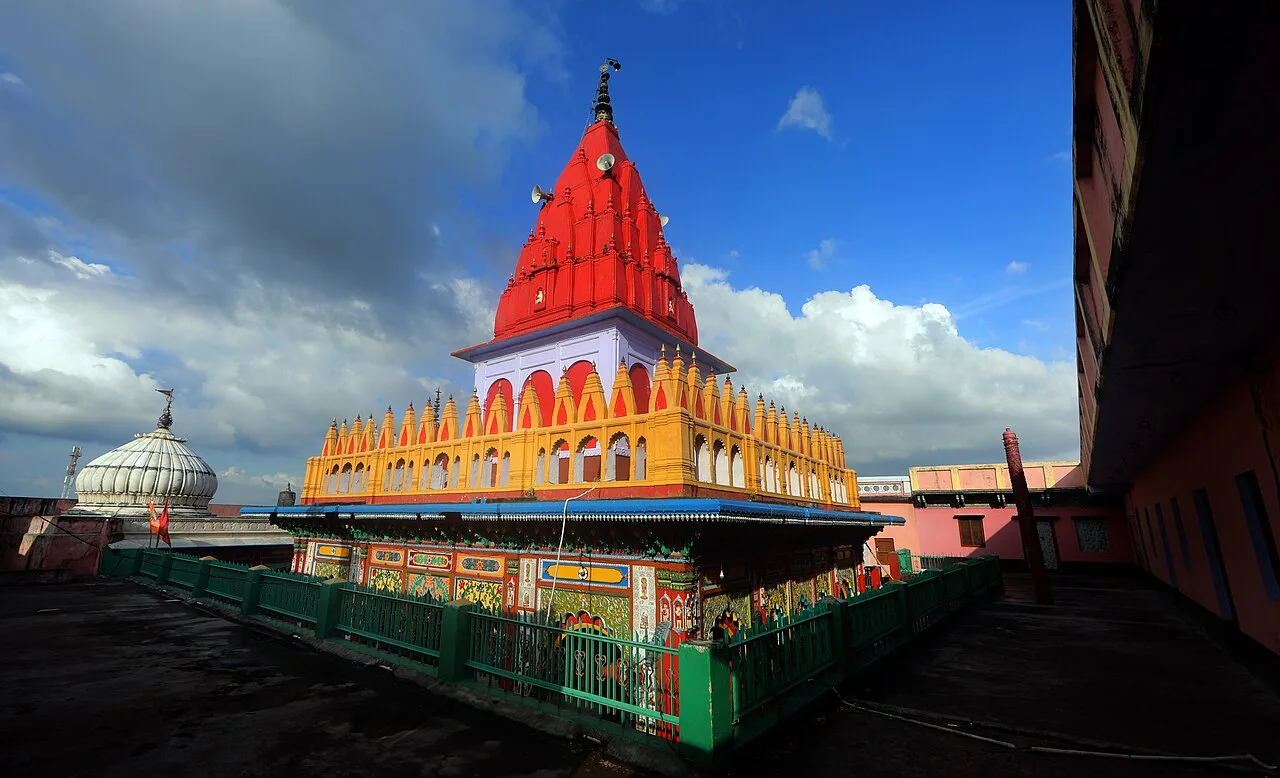
Hanuman Garhi is a Hindu shrine to Hanuman in Ayodhya, Uttar Pradesh. People visit to worship there, and it is counted among the city’s important temples.

Kanak Bhawan

85 km away · Ayodhya district

Kanak Bhawan

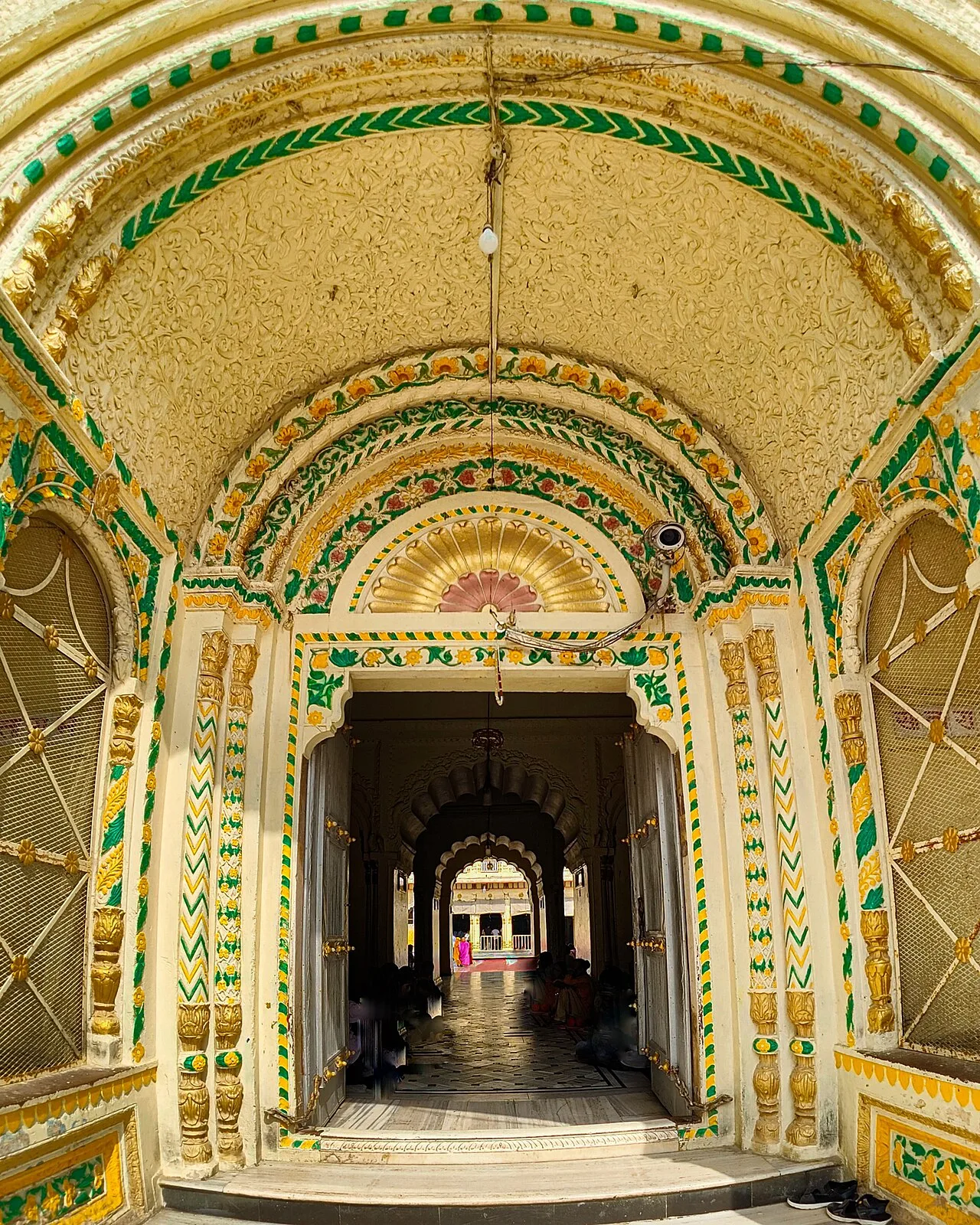
Kanak Bhawan is an Ayodhya temple linked to the stories of Rama and Sita, whose images are enshrined there. Visitors come to see the shrine and learn its traditional history.

Ram Mandir

85 km away · Ayodhya district

Ram Mandir

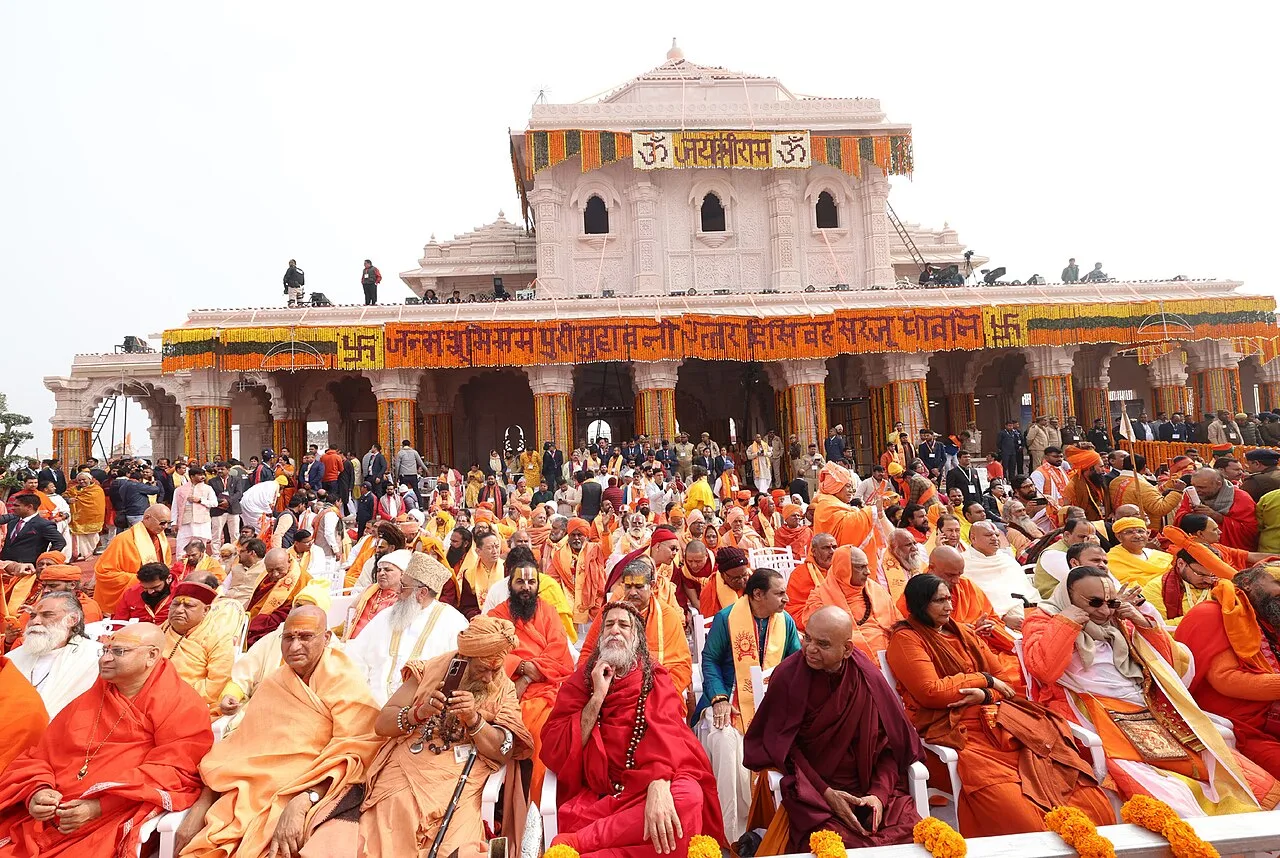
Ram Mandir is a Hindu temple complex in Ayodhya, Uttar Pradesh. Visitors come to worship at a place many Hindus regard as the birthplace of Rama.

Gorakhnath Math

126 km away · Gorakhpur district

Gorakhnath Math

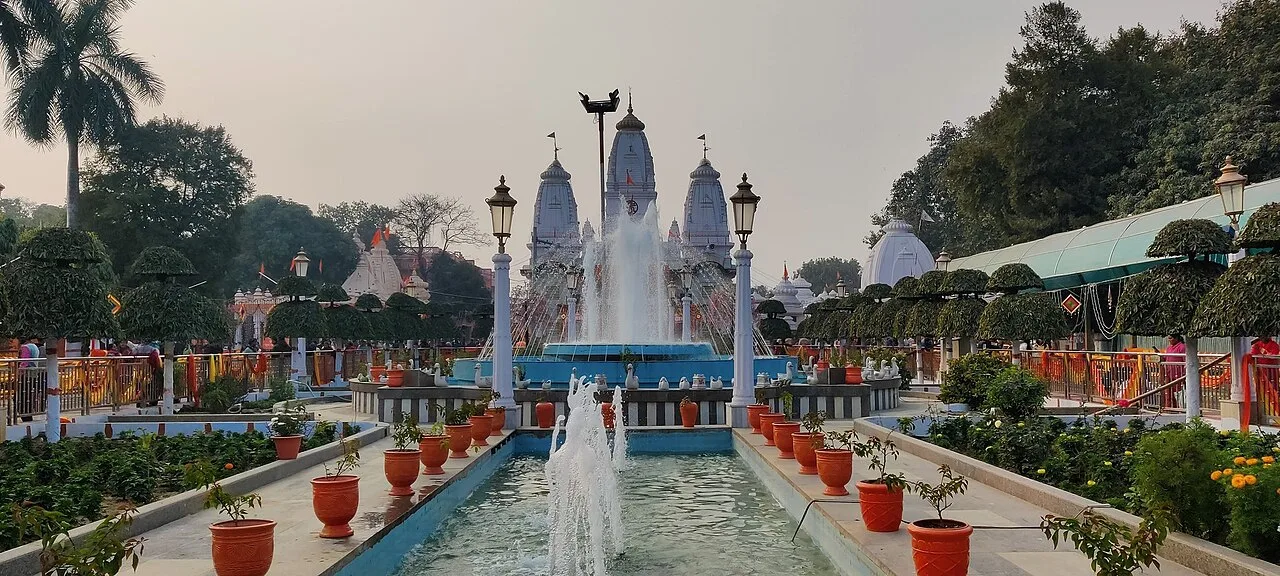
Gorakhnath Math is a Hindu temple and Nath monastic centre in Gorakhpur, Uttar Pradesh. People visit for its religious role and the cultural and social activities held on its premises.

Katarniaghat Wildlife Sanctuary

154 km away · Bahraich district

Katarniaghat Wildlife Sanctuary

Katarniaghat Wildlife Sanctuary is a protected area in Uttar Pradesh’s Bahraich district, visited by people interested in wildlife and its connection with the Dudhwa Tiger Reserve.

Map

Tulsipur on the map

  1. 1Shravasti Buddhist Site
  2. 2Jetavana
  3. 3Ayodhya Old Town
  4. 4Hanuman Garhi
  5. 5Kanak Bhawan
  6. 6Ram Mandir
  7. 7Gorakhnath Math
  8. 8Katarniaghat Wildlife Sanctuary

Uttar Pradesh

Other cities to explore