Ghumoopedia — Explore, Discover, Experience
Sign in

City guide · Uttar Pradesh

Marehra

Marehra, also called Marehra Sharif, is a town in Etah district whose identity is closely tied to the Khankah-e-Barkatiya Dargah. The shrine draws devotees throughout the year, and thousands gather for its annual Urs.

Famous for

  • Khankah-e-Barkatiya Dargah
  • Annual Urs gathering
  • Sunni devotional tradition
  • Religious visits in Etah

Why Marehra matters

Marehra, also called Marehra Sharif, is a town in Etah district whose identity is closely tied to the Khankah-e-Barkatiya Dargah. The shrine draws devotees throughout the year, and thousands gather for its annual Urs. This religious role gives Marehra importance beyond its size as a local centre in western Uttar Pradesh, and makes it a destination for pilgrimage as well as a stop for visitors exploring the Etah–Kasganj region.

The town also serves nearby communities through its markets and everyday services. Visitors generally come to pay their respects at the dargah, attend devotional gatherings or experience the town during the Urs. Marehra is sometimes described locally as an important centre of Sunni devotion; its wider recognition is chiefly spiritual rather than based on a major craft, industry or tourist landmark. Its connections with Etah, Kasganj and other nearby cities make it accessible as part of a regional journey, while the shrine remains the reason most travellers seek it out.
Famous for: crafts, trade & products

Marehra is best known for the Khankah-e-Barkatiya Dargah and its religious gatherings, rather than for a widely recognised textile, handicraft or manufacturing tradition. No particular local product or GI-tagged good is strongly associated with the town. Visitors should therefore avoid expecting a specialist craft district or a product market comparable to those in larger cities.

The town’s bazaar and commercial streets serve residents and pilgrims with everyday goods, refreshments and travel necessities. Shops near the central town and the routes leading to the shrine are the most convenient places to browse, though selection varies. The khankah is the principal institution associated with Marehra’s public identity and devotional life. For distinctive regional crafts or a broader choice of textiles and manufactured goods, travellers may find more options in larger nearby centres such as Aligarh or Agra. In Marehra, the most meaningful local experience is visiting the shrine and observing the town’s market life, rather than shopping for a signature product.

History

Marehra’s history is most visibly connected with the Khankah-e-Barkatiya, around which the town developed as a centre of religious learning and devotion. Its name is often extended to Marehra Sharif in recognition of this association. The annual Urs continues to bring pilgrims together and sustains the town’s reputation across the region.

Like other towns in the area, Marehra was administered under successive systems of local and district government; in modern Uttar Pradesh it is a municipal board within Etah district. Its growth has chiefly reflected the needs of residents, local commerce and visitors to the shrine. Today, connections with Etah and nearby towns support its role as a small regional service centre as well as a place of pilgrimage.

Food, festivals & culture

Marehra’s cultural life is shaped especially by the Khankah-e-Barkatiya and the annual Urs, when devotees gather for prayer and remembrance. The Urs follows the Islamic lunar calendar, so its date shifts from year to year. Ramadan and Eid are important occasions for the town’s Muslim community, while Muharram is also observed. Devotional recitation and religious music may form part of gatherings; practices and programmes can vary, so visitors should check locally before planning around an event.

Hindi and Urdu are commonly used in daily life, with local speech reflecting the wider western Uttar Pradesh region. Food is broadly familiar to the area: home-style breads, lentils and seasonal vegetables, alongside snacks and sweets available from local shops. These are regional staples rather than distinctive Marehra specialities. The dargah and local mosques are central places of worship; visitors should dress respectfully and follow guidance on conduct, particularly during busy religious gatherings.

Visiting the city

October to March is generally the most comfortable period to visit, with cooler weather than the hot summer months. The annual Urs can be a rewarding time for those interested in devotional gatherings, but its date follows the Islamic lunar calendar and changes each year. Agra Airport (Kheria) is a nearby airport to check for suitable connections. Marehra Railway Station serves the town; confirm current rail services before travelling.

Local auto-rickshaws and other shared or hired vehicles can help with short journeys, while the bazaar and shrine area are best explored on foot where practical. Begin around the Khankah-e-Barkatiya and nearby market streets to experience the town’s main religious and commercial centres. During the Urs, expect larger crowds and allow extra time for local movement.

Trips from the city

Nearest places to visit from Marehra

Our closest destination guides, by straight-line distance.

Chini Ka Rauza

80 km away · Agra district

Chini Ka Rauza

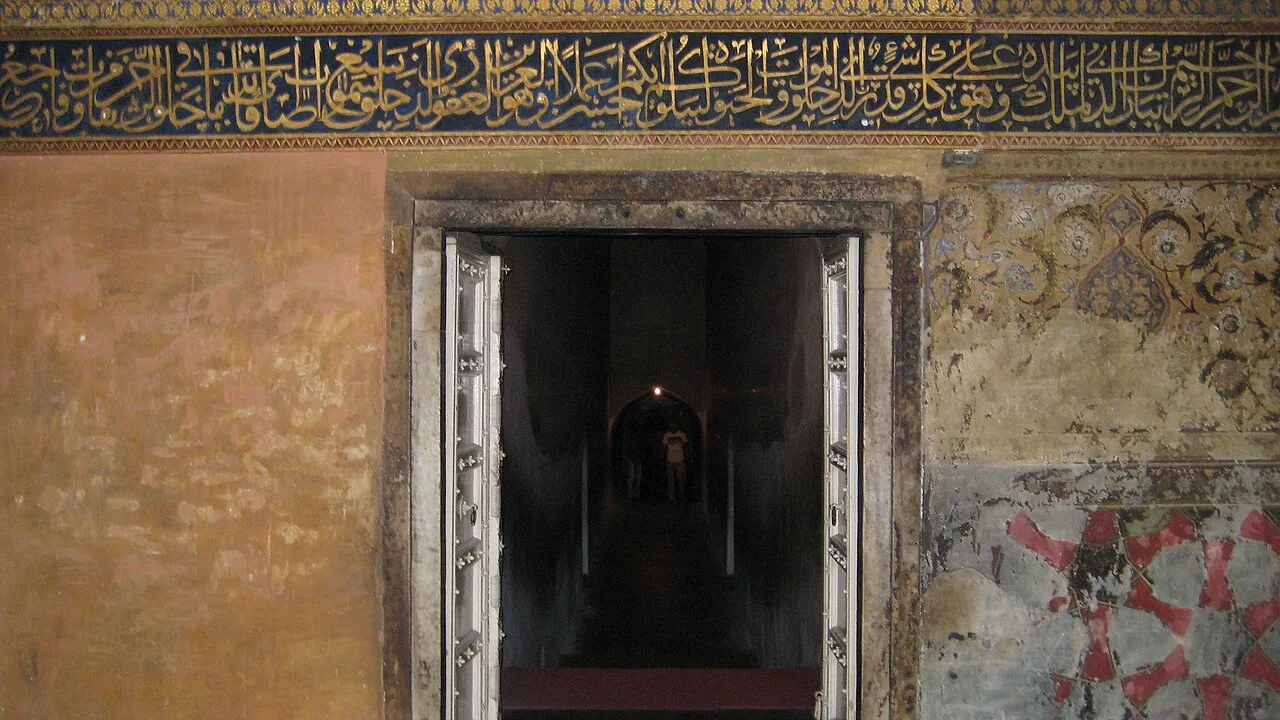
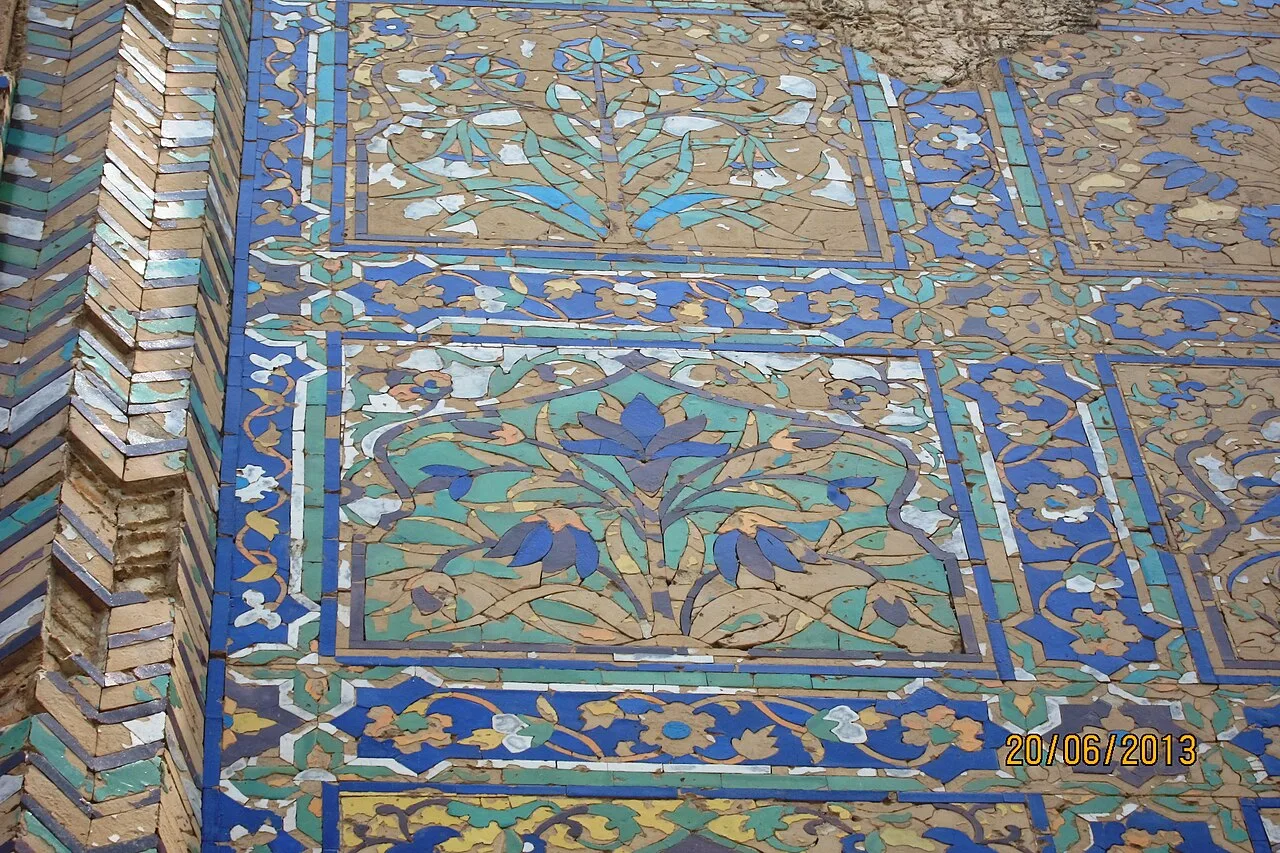
Chini Ka Rauza is a funerary monument in Agra, built in 1635 for Afzal Khan Shirazi, a scholar, poet and Shah Jahan’s grand vizier. Visitors come to see its glazed tiles and learn about its history.

Itmad Ud Daulah

80 km away · Agra district

Itmad Ud Daulah

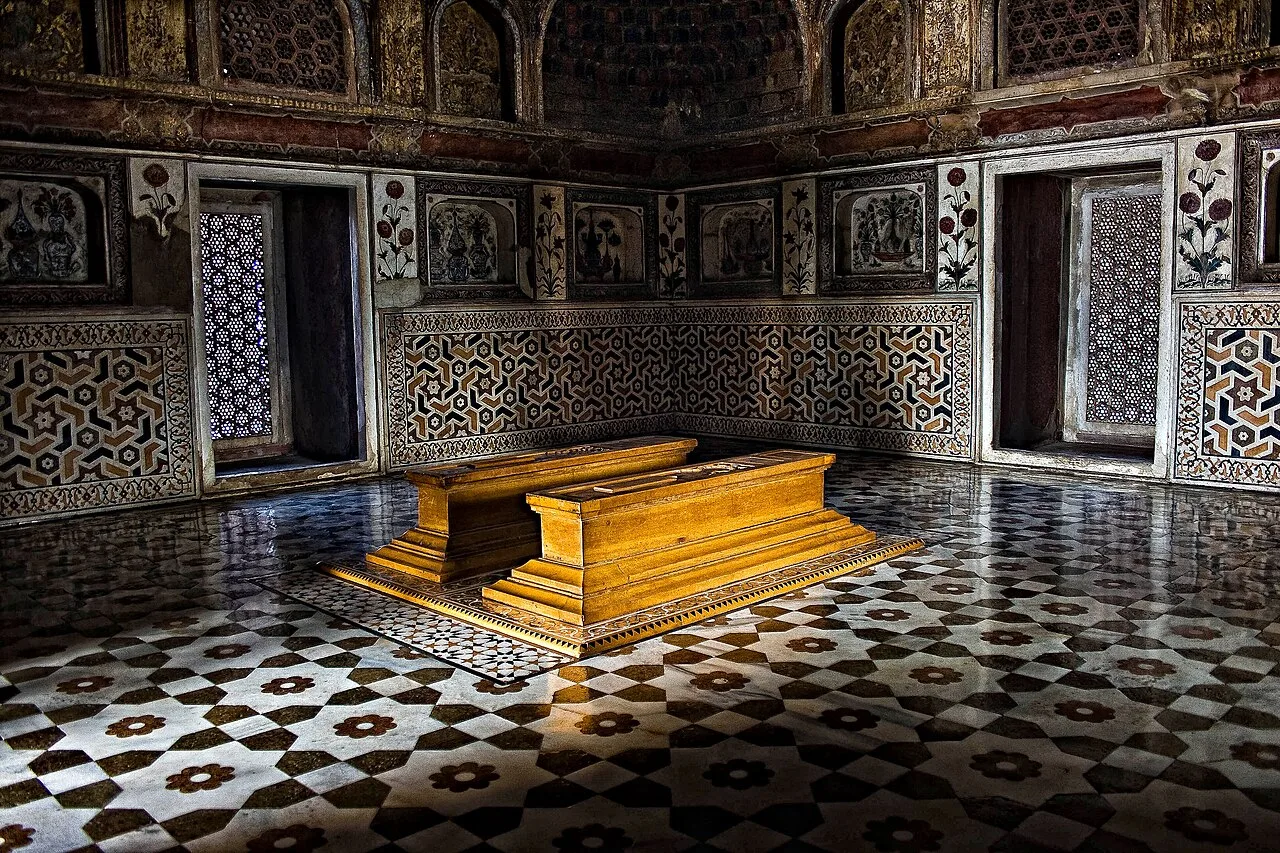
A Mughal marble mausoleum in Agra, Itmad Ud Daulah attracts visitors for its garden setting, intricate decoration and place in the evolution of Mughal architecture.

Mehtab Bagh

81 km away · Agra district

Mehtab Bagh

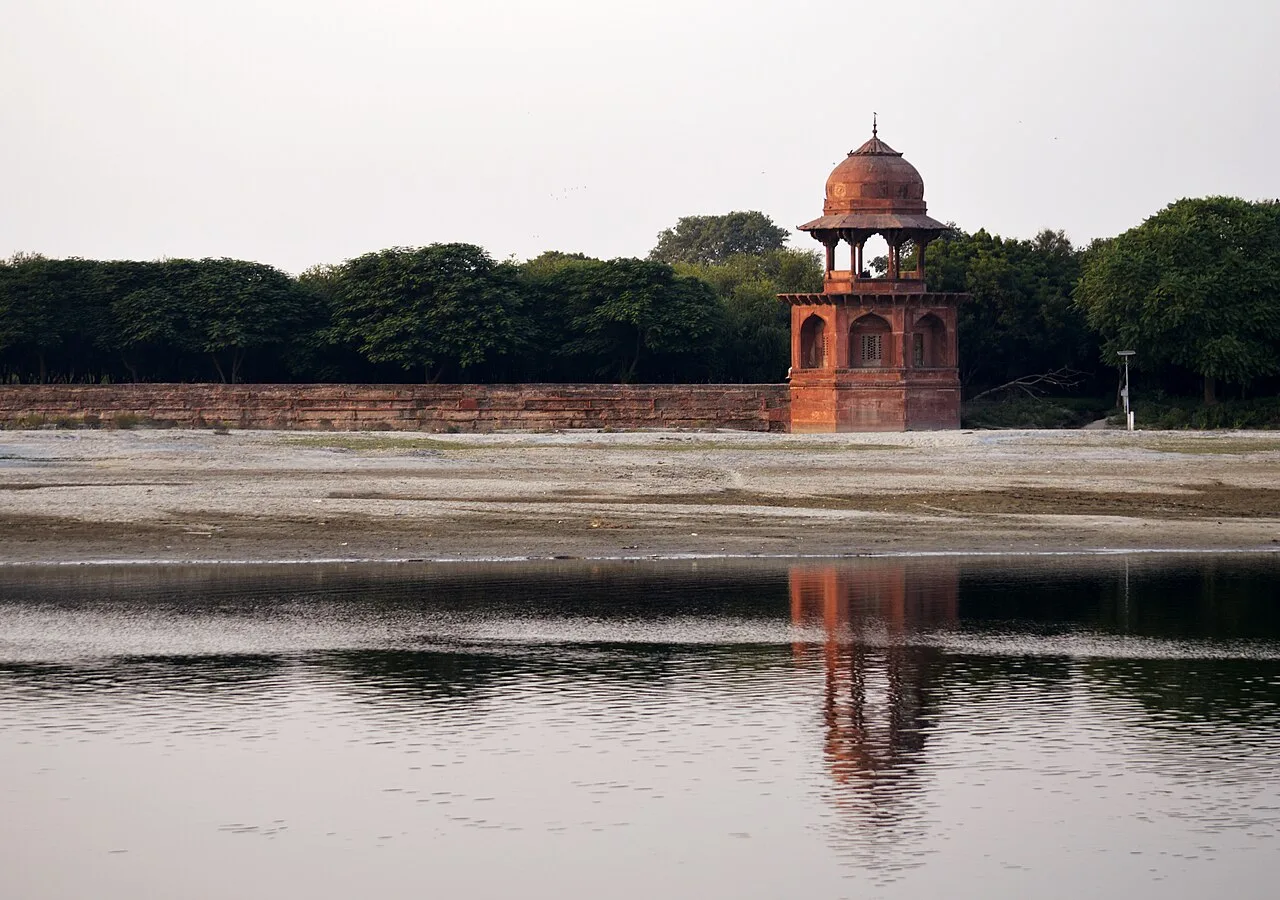
Mehtab Bagh is a square charbagh garden in Agra, Uttar Pradesh, across the Yamuna from the Taj Mahal. Visitors come to see its carefully aligned setting opposite the monument.

Taj Mahal

81 km away · Agra district

Taj Mahal

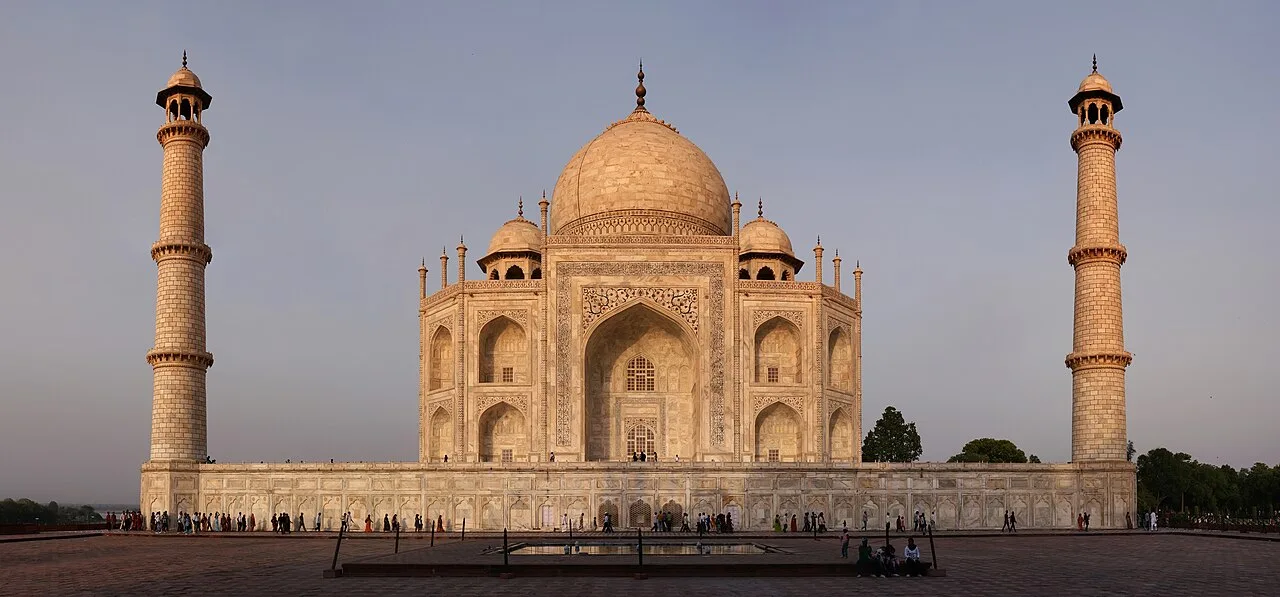
The Taj Mahal is a marble tomb complex in Agra, built for Mumtaz Mahal and Shah Jahan. Visitors come to see its Mughal architecture, gardens and memorials.

Agra Fort

82 km away · Agra district

Agra Fort

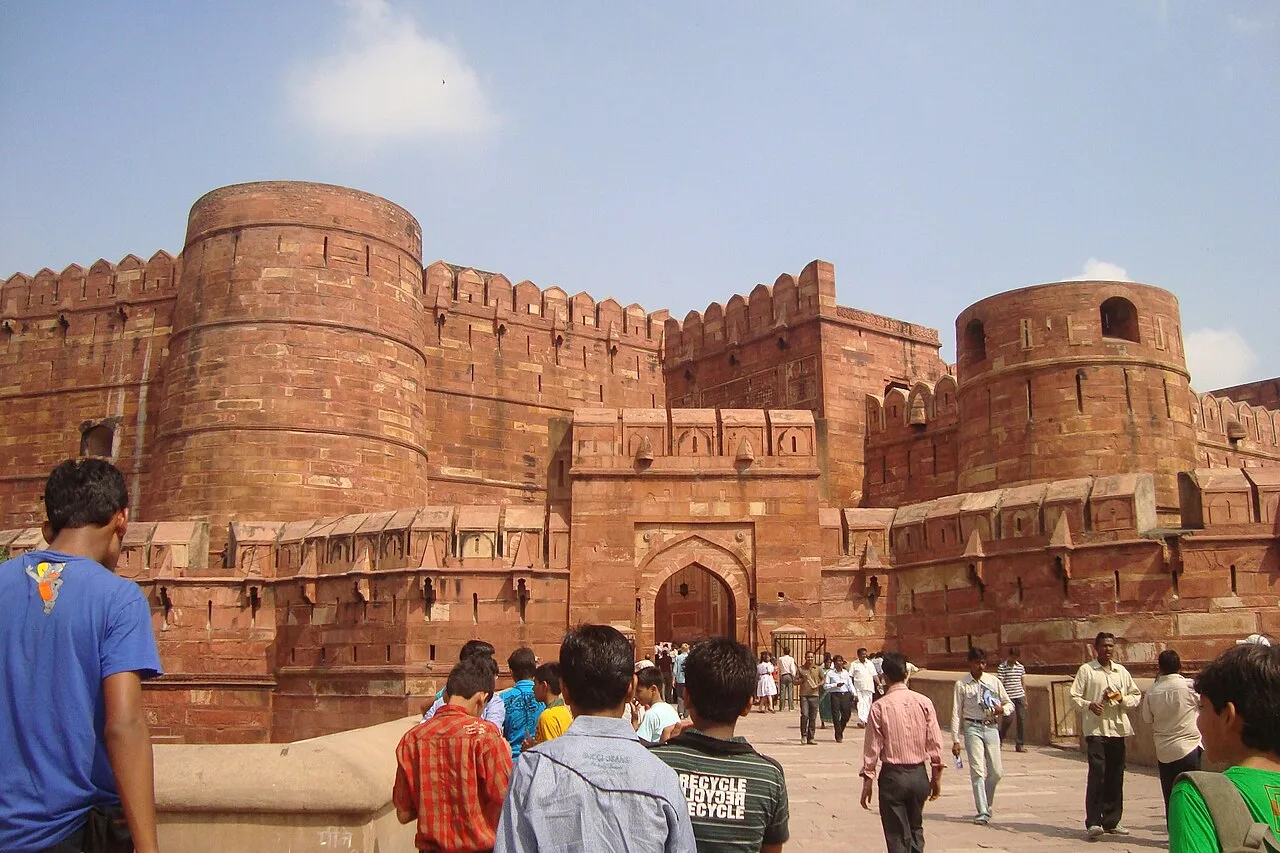
Agra Fort is a major Mughal-era stronghold in Agra, rebuilt by Akbar and later expanded by Shah Jahan. Visitors come to see its palaces, mosques and historic gateways.

Jama Masjid, Agra

82 km away · Agra district

Jama Masjid, Agra

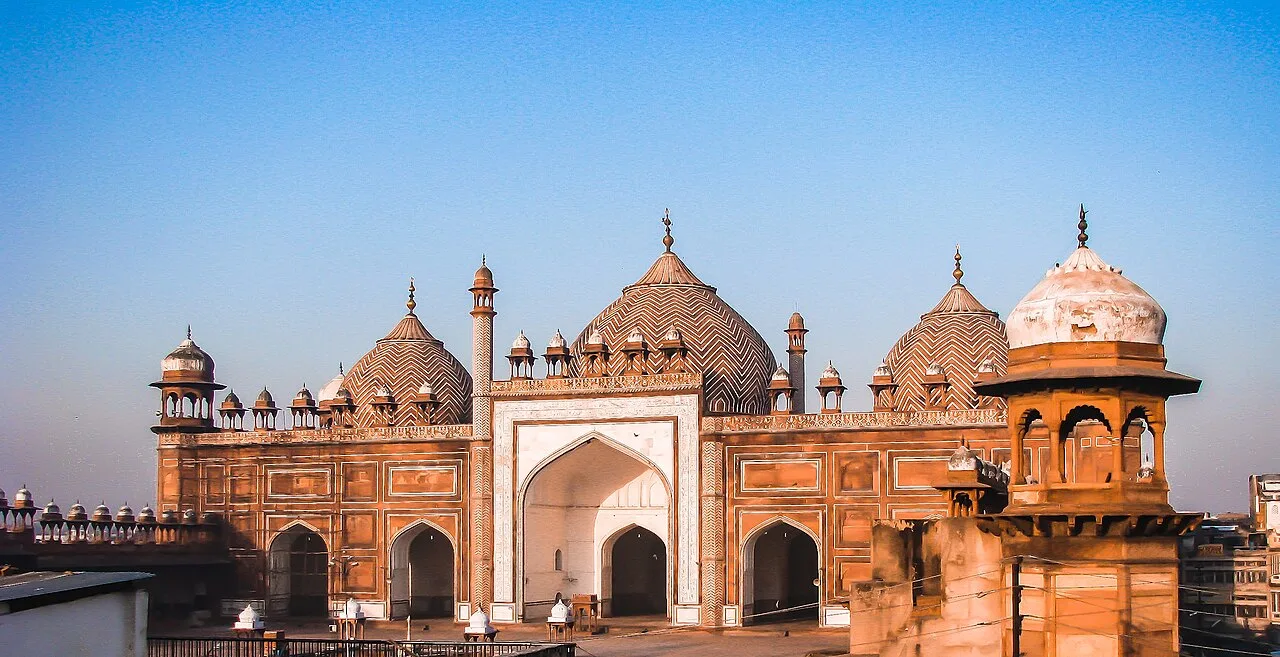
Jama Masjid is a seventeenth-century mosque in Agra, built by Jahanara Begum during Shah Jahan’s reign. Visitors come to see the city’s principal mosque, situated near Agra Fort.

83 km away · Agra district

Guru ka Taal Gurdwara

Guru ka Taal Gurdwara, near Sikandra in Agra, is a Sikh pilgrimage site honouring the ninth Guru, Tegh Bahadur. People visit to remember his martyrdom and the defence of religious freedom.

Akbar's tomb

84 km away · Agra district

Akbar's tomb

The burial monument of Mughal ruler Akbar, this Agra site is visited for its historic association and buildings that combine red sandstone construction with white marble details.

Map

Marehra on the map

  1. 1Chini Ka Rauza
  2. 2Itmad Ud Daulah
  3. 3Mehtab Bagh
  4. 4Taj Mahal
  5. 5Agra Fort
  6. 6Jama Masjid, Agra
  7. 7Guru ka Taal Gurdwara
  8. 8Akbar's tomb

Uttar Pradesh

Other cities to explore