Ghumoopedia — Explore, Discover, Experience
Sign in

City guide · Uttar Pradesh

Bilsi

Bilsi is a small town in Badaun district, in western Uttar Pradesh. Its main importance is as a tehsil centre and a service town for nearby villages: residents come into town for administration, shopping, transport and everyday services.

Famous for

  • Bilsi tehsil headquarters
  • Badaun district market town
  • Rural trading centre
  • Local religious places

Why Bilsi matters

Bilsi is a small town in Badaun district, in western Uttar Pradesh. Its main importance is as a tehsil centre and a service town for nearby villages: residents come into town for administration, shopping, transport and everyday services. The surrounding countryside gives Bilsi a practical role in the district’s network of rural markets and settlements.

Bilsi is not widely known as a major heritage or resort destination, and visitors should not expect a large circuit of established tourist attractions. Its appeal is more local: a glimpse of everyday town life, its market streets and places of worship, and a convenient base for visiting the surrounding area. Travellers passing through may find it useful to explore the bazaar and town centre, or to continue onward to Badaun and other better-known regional destinations. Bilsi’s identity is therefore rooted less in a signature craft or landmark than in its administrative and trading links with the nearby countryside.
Famous for: crafts, trade & products

Bilsi is best understood as a local market and service centre rather than a specialist manufacturing or craft destination. The town serves residents of surrounding villages, and its shops and bazaars cater to everyday needs. The wider rural area supports farming, so agricultural goods and seasonal produce form part of the local economy; however, Bilsi is not especially associated with a single named crop, textile, handicraft or food product.

There is no widely recognised Bilsi-made textile or handicraft, nor a prominent GI-tagged product specifically identified with the town. Visitors looking for local purchases can browse the central bazaar for routine household goods, clothing, snacks and seasonal market produce, keeping in mind that selection varies by shop and time of year. Bilsi’s principal institutions are its tehsil and municipal services, which reflect its role in local administration. For a broader choice of specialist shopping, visitors may need to look to larger district or regional centres rather than expect dedicated craft markets in Bilsi.

History

Bilsi’s history is closely connected to the development of Badaun district and the villages that depend on it as a market and administrative centre. The wider Badaun region has a long history of settlement and changing political rule, but detailed accounts of Bilsi as a distinct town are limited. It is safer to understand its growth through its local role than to assign particular monuments or ruling dynasties to the town without clear evidence.

Under British rule, Badaun became part of the colonial district system, and towns across the area developed around administration, trade and rural services. Bilsi’s position as a tehsil centre reflects this enduring function. In modern Uttar Pradesh it continues to serve nearby communities through local government, commerce and transport links. Its municipal status and connection to a large rural hinterland have shaped a town whose growth has been practical and regional, rather than centred on a major industrial or tourist identity.

Food, festivals & culture

Daily life in Bilsi reflects the customs of western Uttar Pradesh and the surrounding farming communities. Hindi is widely used, while Urdu is also spoken in the region. Everyday meals commonly draw on the North Indian staples of wheat breads, lentils, vegetables and seasonal produce. Small shops and eateries serve familiar snacks and sweets, though Bilsi is not particularly known for a signature dish or sweet.

Hindu and Muslim communities contribute to the town’s religious and cultural life, with local temples and mosques serving as places of worship. Holi, usually in spring, and Diwali, generally in autumn, are important Hindu festivals; Eid celebrations follow the Islamic calendar, and Muharram is observed by Muslim communities. Weddings and religious gatherings bring devotional singing and regional folk music into community life. These celebrations are generally local in character rather than large events promoted as visitor attractions. Visitors should dress respectfully at places of worship and ask before photographing people or ceremonies.

Visiting the city

The cooler months, roughly October to March, are usually the most comfortable time to visit; summers can be very hot and the monsoon brings rain. Bareilly Airport is the nearest airport generally used for air access, while Bilsi Railway Station is the town’s rail station. Check current connections before travelling, as services and onward transport can vary.

Within town, local auto-rickshaws and shared vehicles are practical for short journeys, with walking useful around the central bazaar. The town centre and market streets offer the clearest sense of everyday Bilsi, while local places of worship can be visited respectfully. Bilsi is compact and works best as a short stop or as a base for nearby rural visits rather than as a destination with a formal tourist circuit. For wider services and sightseeing, travellers can plan onward visits to Badaun or Bareilly.

Trips from the city

Nearest places to visit from Bilsi

Our closest destination guides, by straight-line distance.

Rampur Raza Library

77 km away · Rampur district

Rampur Raza Library

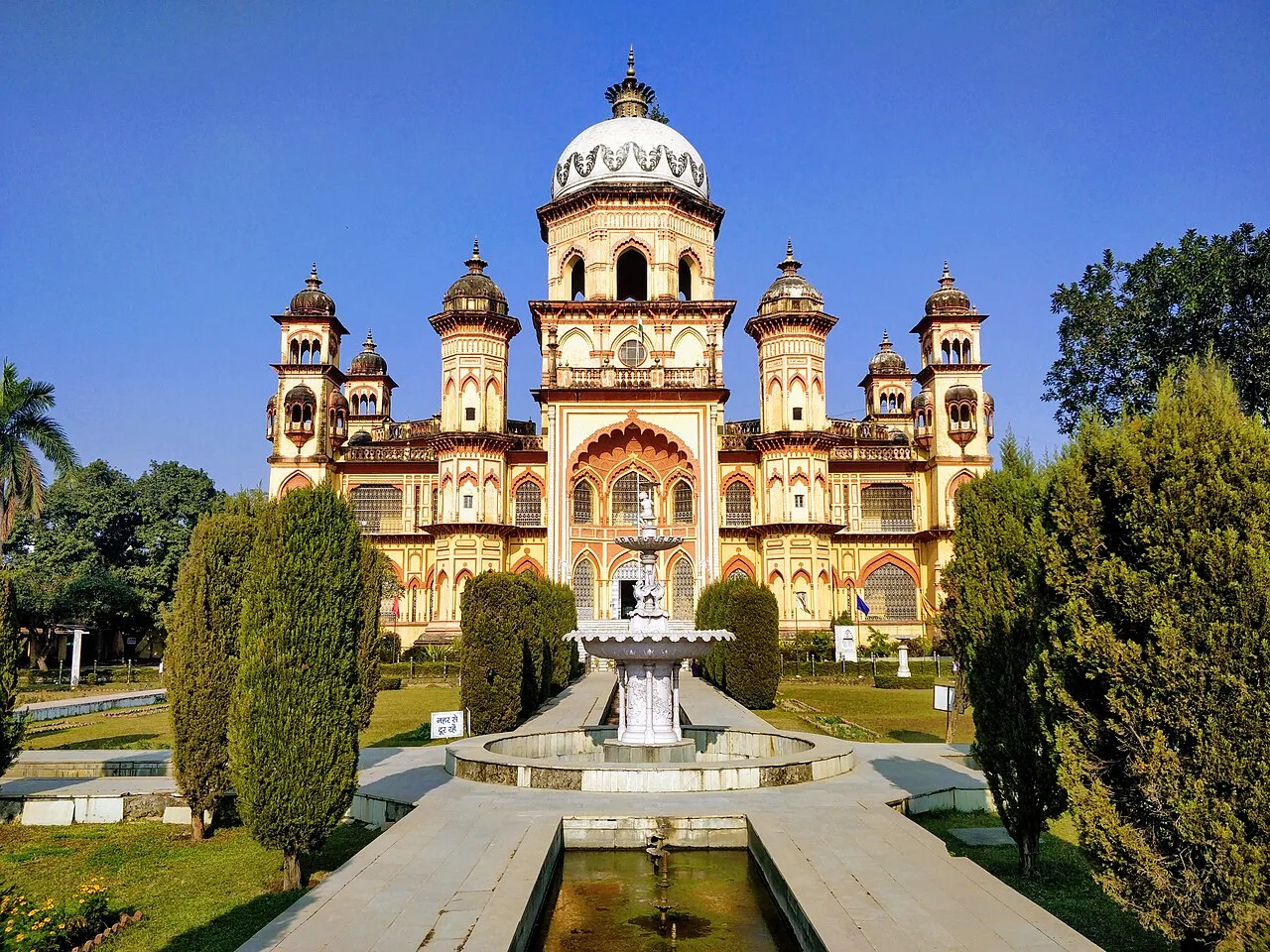
In Rampur, Uttar Pradesh, the Rampur Raza Library preserves Indo-Islamic cultural heritage dating to the late eighteenth century. Visitors come to see its manuscripts, artworks, historical records and varied printed collection.

Pilibhit Tiger Reserve

131 km away · Pilibhit district

Pilibhit Tiger Reserve

Pilibhit Tiger Reserve is a protected tiger habitat in Uttar Pradesh’s Pilibhit district, designated in 2014. Visitors come to explore its forests, grasslands, wetlands and wildlife, including tigers and deer.

Vrindavan Town

134 km away · Mathura district

Vrindavan Town

Vrindavan is a historic town in Uttar Pradesh’s Mathura district, within Braj Bhoomi. Visitors come for its Hindu associations with Krishna and its many temples to Krishna and Radha.

Banke Bihari Temple

135 km away · Mathura district

Banke Bihari Temple

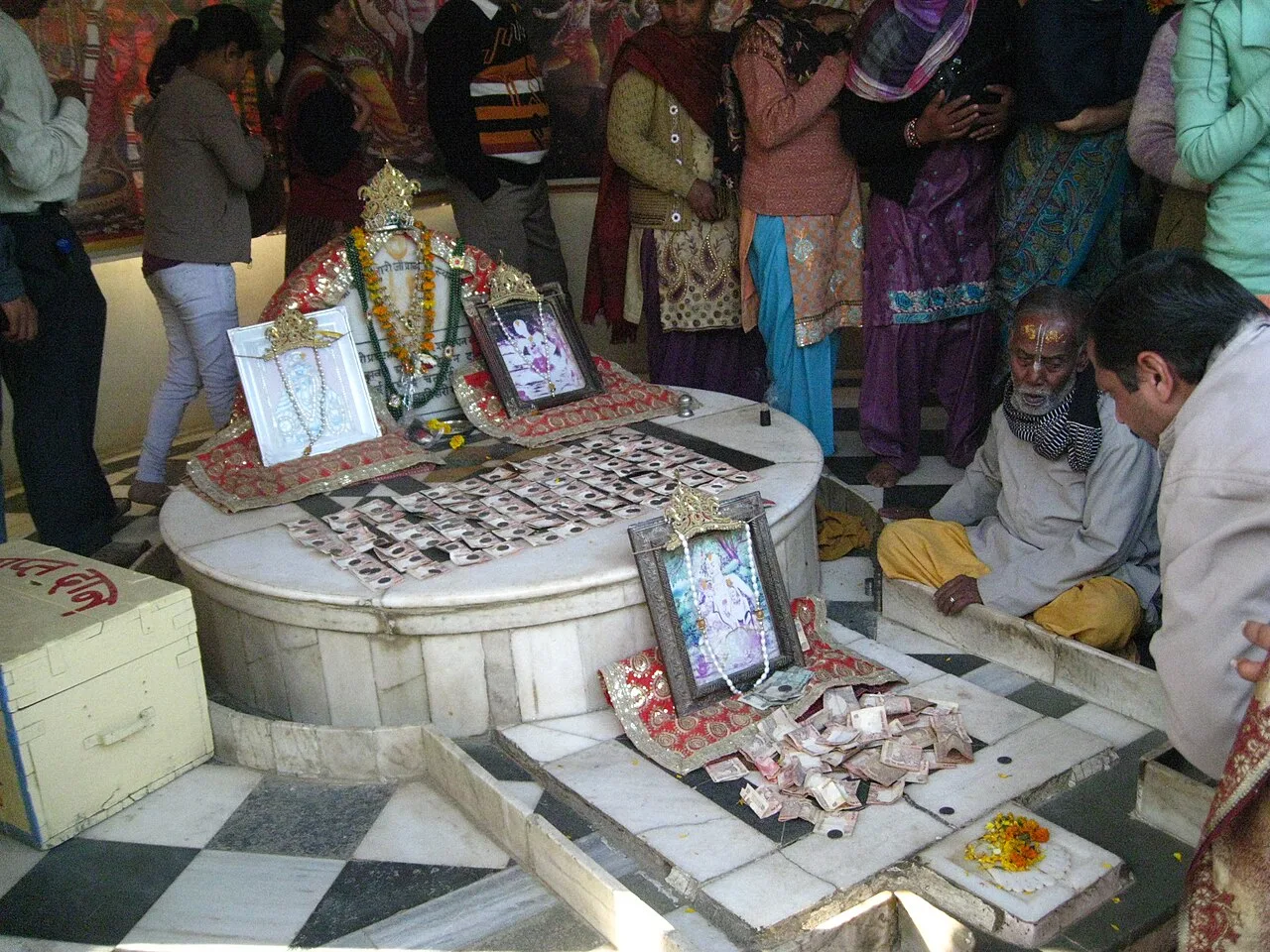
Banke Bihari Temple is a Hindu place of worship in Vrindavan, Mathura district, visited by devotees to honour Banke Bihari, regarded as Radha and Krishna united.

Chini Ka Rauza

135 km away · Agra district

Chini Ka Rauza

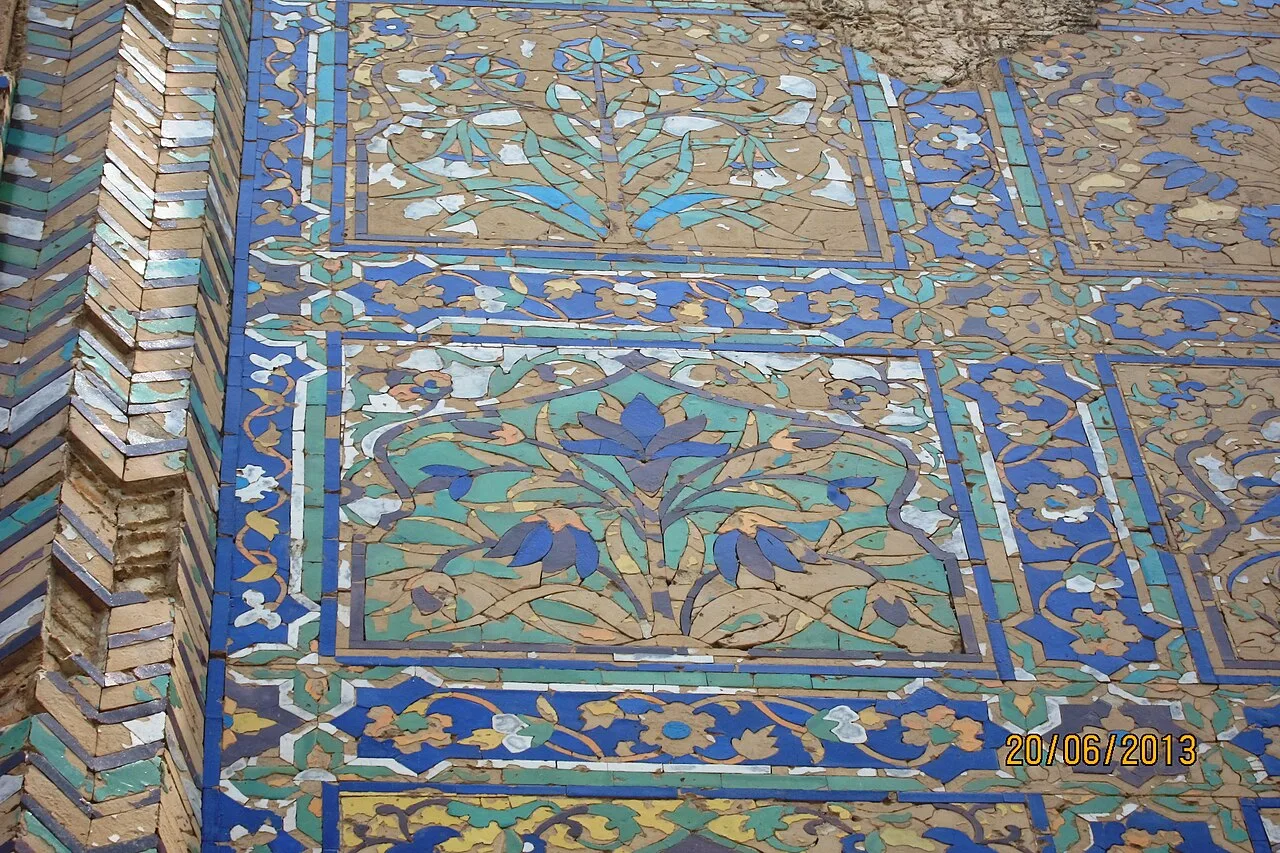
Chini Ka Rauza is a funerary monument in Agra, built in 1635 for Afzal Khan Shirazi, a scholar, poet and Shah Jahan’s grand vizier. Visitors come to see its glazed tiles and learn about its history.

Itmad Ud Daulah

135 km away · Agra district

Itmad Ud Daulah

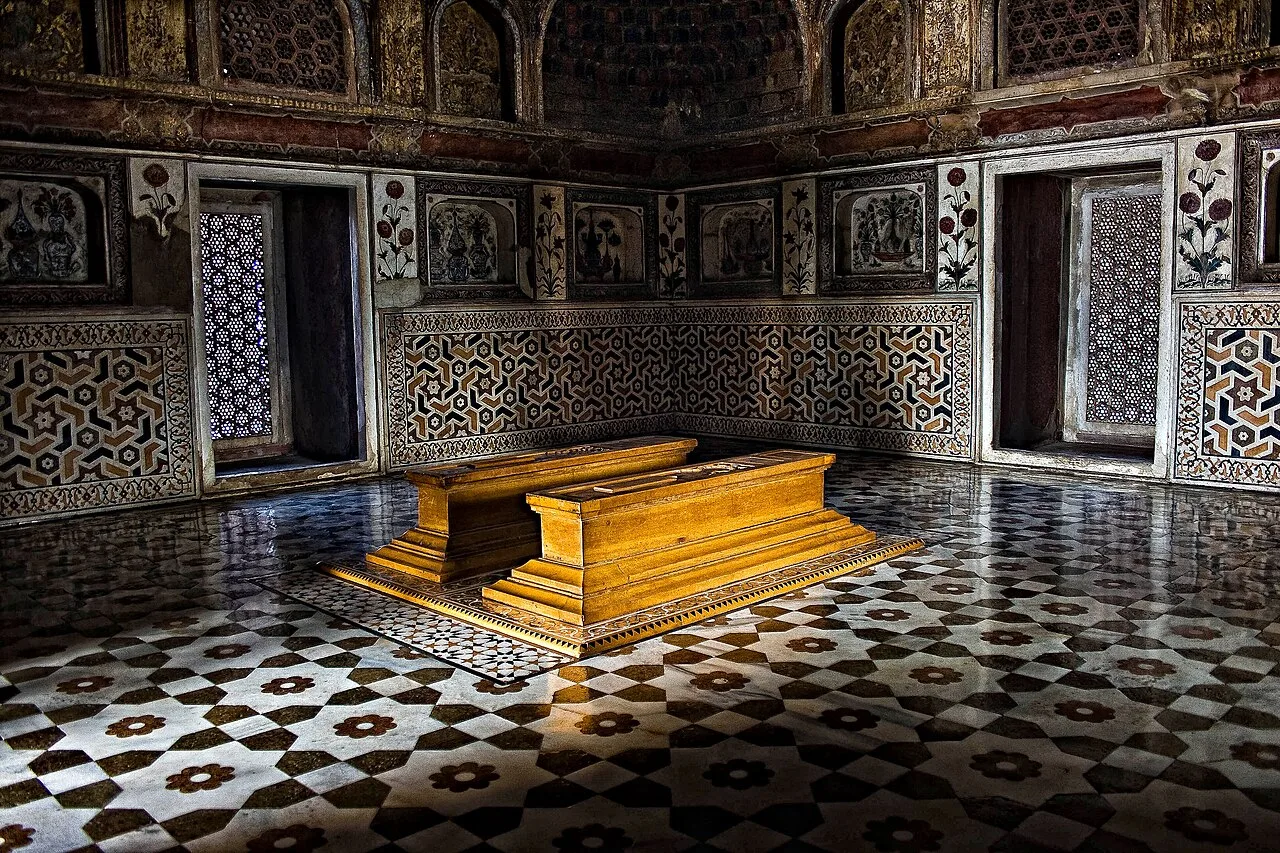
A Mughal marble mausoleum in Agra, Itmad Ud Daulah attracts visitors for its garden setting, intricate decoration and place in the evolution of Mughal architecture.

ISKCON Temple, Vrindavan

136 km away · Mathura district

ISKCON Temple, Vrindavan

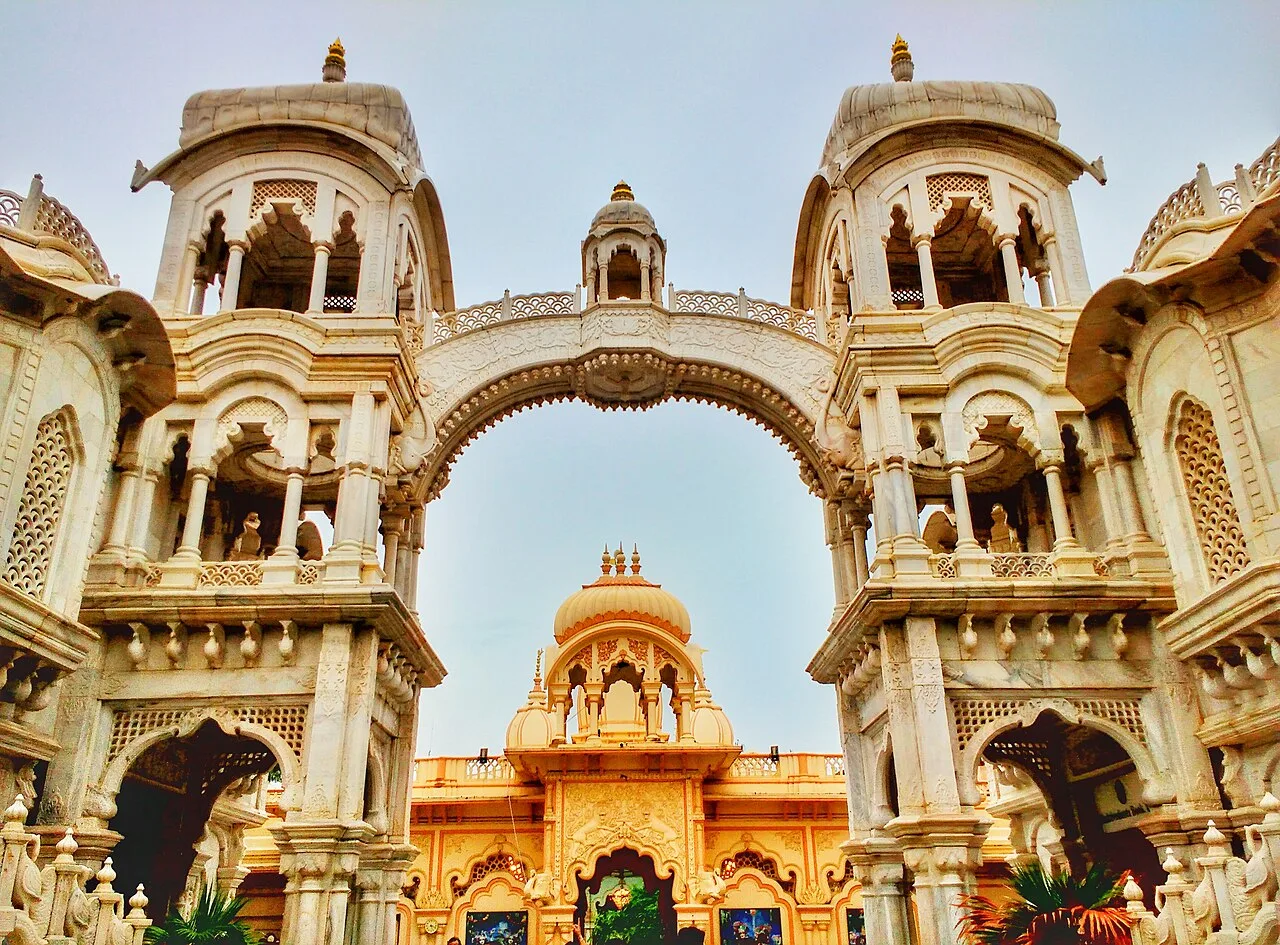
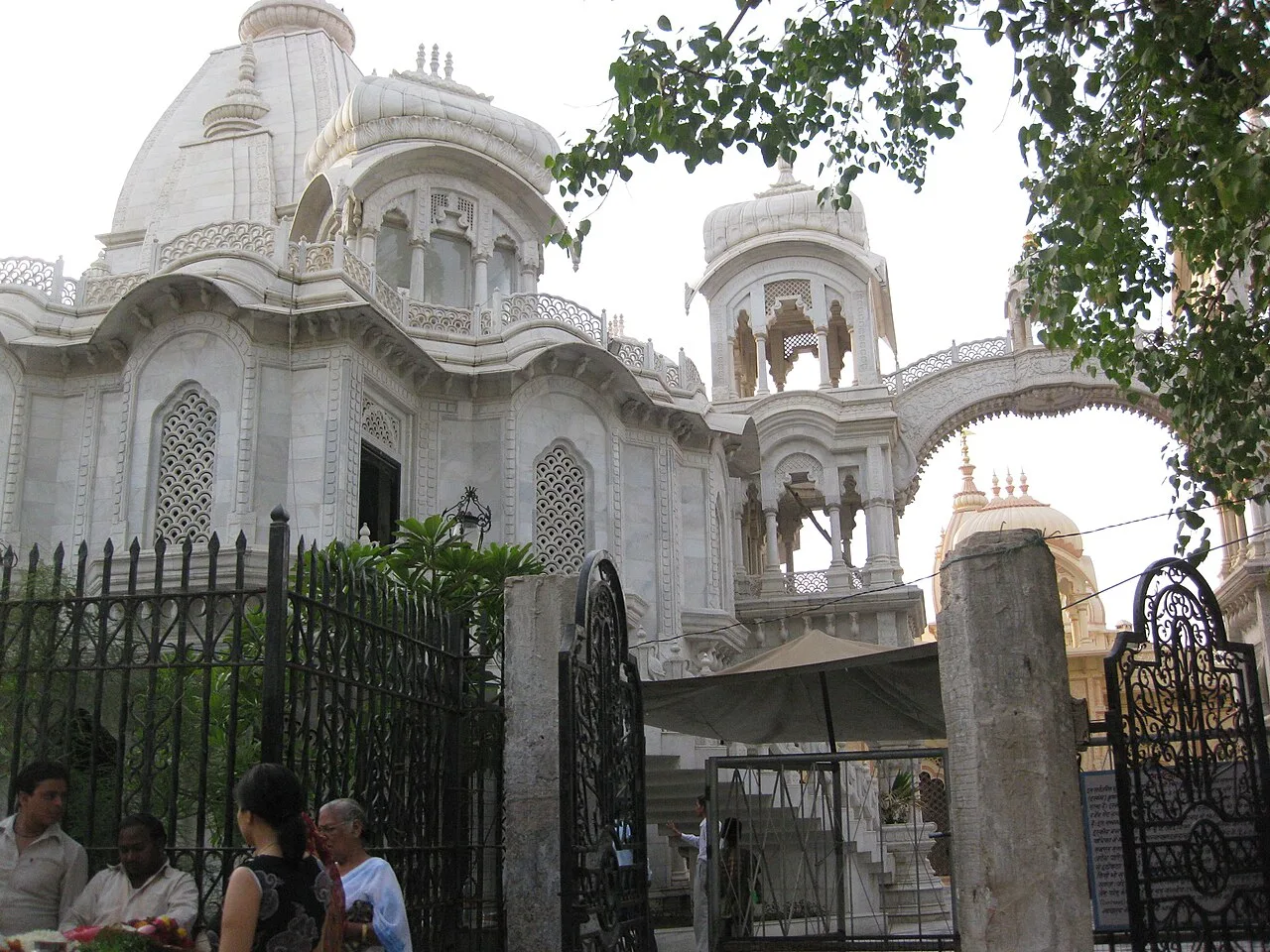
In Vrindavan, Uttar Pradesh’s Mathura district, this Gaudiya Vaishnava temple is devoted to Krishna and Balarama. Visitors come to worship these deities and the other figures honoured there.

Mehtab Bagh

136 km away · Agra district

Mehtab Bagh

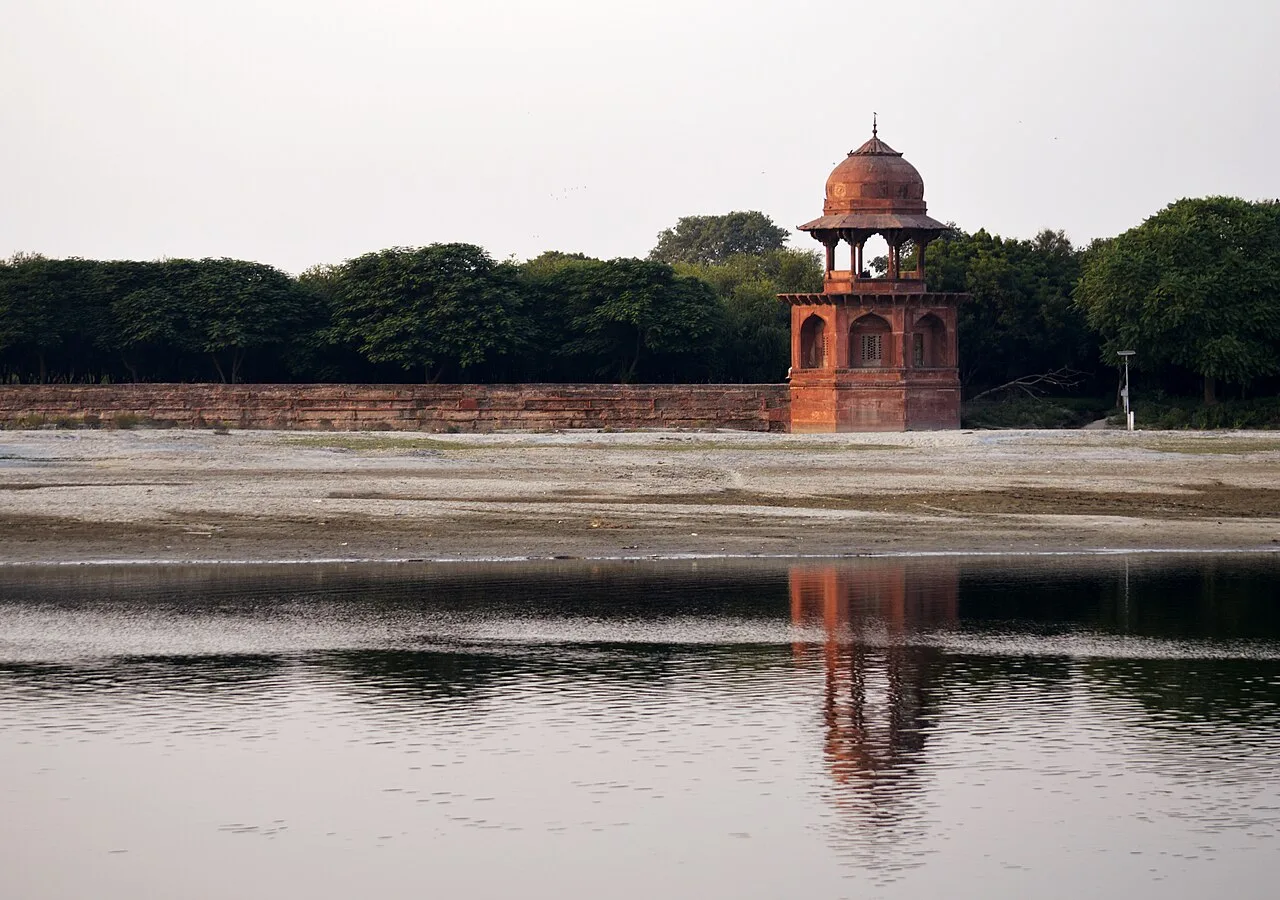
Mehtab Bagh is a square charbagh garden in Agra, Uttar Pradesh, across the Yamuna from the Taj Mahal. Visitors come to see its carefully aligned setting opposite the monument.

Map

Bilsi on the map

  1. 1Rampur Raza Library
  2. 2Pilibhit Tiger Reserve
  3. 3Vrindavan Town
  4. 4Banke Bihari Temple
  5. 5Chini Ka Rauza
  6. 6Itmad Ud Daulah
  7. 7ISKCON Temple, Vrindavan
  8. 8Mehtab Bagh

Uttar Pradesh

Other cities to explore