Ghumoopedia — Explore, Discover, Experience
Sign in

City guide · Uttar Pradesh

Narora

Narora is a small town in Dibai tehsil of Bulandshahr district, on the banks of the Ganga in western Uttar Pradesh. Its best-known landmark is the Narora Atomic Power Station, an important nuclear energy facility that gives the town a national profile beyond its size.

Famous for

  • Narora Atomic Power Station
  • Ganga riverbank
  • Narora Barrage

Why Narora matters

Narora is a small town in Dibai tehsil of Bulandshahr district, on the banks of the Ganga in western Uttar Pradesh. Its best-known landmark is the Narora Atomic Power Station, an important nuclear energy facility that gives the town a national profile beyond its size. The power station is a working, access-controlled site rather than a conventional visitor attraction, so visitors should not assume that tours or entry are available.

The river is central to Narora’s setting and local identity. The broad, comparatively stable bank and the barrage make this stretch of the Ganga a distinctive landscape, drawing people interested in the river, its ghats and the surrounding countryside. Narora is also a local service and transport centre for nearby settlements. A visit is generally about experiencing a quieter riverside town and its landscape, rather than shopping or a large collection of monuments.
Famous for: crafts, trade & products

Narora is not widely known for a signature textile, handicraft, GI-tagged product or specialist food trade. Its strongest association is institutional: the Narora Atomic Power Station, operated by the Nuclear Power Corporation of India Limited. The facility is significant to the town’s modern identity, though its operational areas are restricted and should not be treated as a public attraction.

Everyday commerce is centred on local shops and markets serving residents and surrounding villages. Visitors can look for routine provisions, snacks and household goods in the town’s market areas, but Narora is not a major destination for curated craft shopping. For a wider choice of regional goods, larger commercial centres in Bulandshahr district or Aligarh are more suitable. The Ganga and Narora Barrage are notable features of the local landscape, not products for sale; visitors should follow local guidance around the river and barrage. There is no well-established local claim to a particular craft or branded regional product, so shoppers seeking one should explore the broader western Uttar Pradesh region rather than expect a specialist Narora market.

History

Narora’s history is closely tied to its position beside the Ganga and its role as a settlement serving the surrounding countryside. The town lies within the historically connected western Uttar Pradesh plain, a region governed over time by successive North Indian powers and later incorporated into British-administered territory. Narora itself, however, is not widely documented as a major royal capital or a centre of monumental architecture, and details of its early growth are limited.

River access and local routes helped sustain settlement and everyday trade. In the modern period, Narora acquired a much wider profile through the development of the Narora Atomic Power Station, a major change in the town’s institutional and economic role. The nearby barrage also forms part of the area’s modern river infrastructure. Today, Narora combines a small-town setting with the presence of a nationally significant energy facility, while the Ganga remains its most visible geographic feature.

Food, festivals & culture

Life in Narora reflects the customs of western Uttar Pradesh and the rhythms of the Ganga. Hindi is widely used, alongside regional speech varieties such as Khari Boli; Urdu is also understood in parts of the wider region. Everyday meals commonly draw on North Indian staples such as wheat breads, lentils, seasonal vegetables and dairy. Tea and familiar market snacks are easy to find, but Narora is not especially known for a distinct signature dish or sweet.

Holi in spring and Diwali in autumn are among the principal festivals, celebrated with family gatherings, worship and neighbourhood festivities. Ganga-related observances, including Ganga Dussehra in late spring or early summer and Kartik Purnima in autumn, may bring people to riverside worship and bathing places; observance varies locally. The town’s religious life is expressed through neighbourhood temples and other places of worship, as well as customs connected with the river. Music and dance are generally part of regional and festival traditions rather than a specifically Narora performance scene.

Visiting the city

The cooler months, roughly October to March, are generally the most comfortable for exploring Narora and its riverside setting. Summer can be very hot, while monsoon conditions may affect travel and river access. Hindon Airport near Ghaziabad is a closer airport option, though services are limited; Delhi’s Indira Gandhi International Airport is the main full-service gateway for many travellers. Narora Railway Station serves the town, while Aligarh Junction offers broader rail connections.

Auto-rickshaws and local vehicles are useful for short journeys; arrange onward transport locally, especially for the riverbank. Explore the town’s market streets for everyday local life, then visit accessible stretches of the Ganga bank and the area around Narora Barrage, following safety instructions and local access rules. The power station is restricted infrastructure, not an open sightseeing site. Check river conditions before approaching the water.

Trips from the city

Nearest places to visit from Narora

Our closest destination guides, by straight-line distance.

Rampur Raza Library

92 km away · Rampur district

Rampur Raza Library

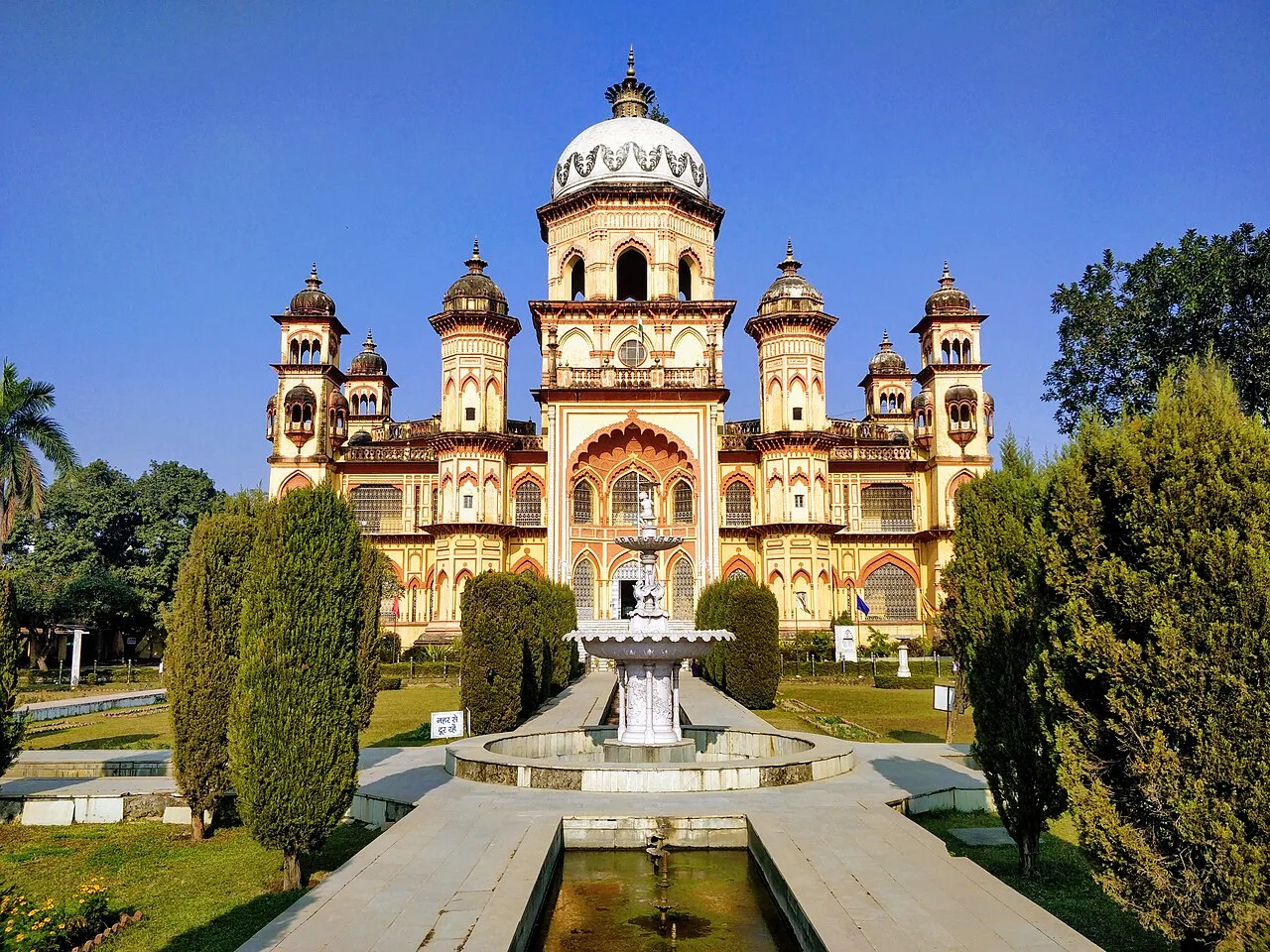
In Rampur, Uttar Pradesh, the Rampur Raza Library preserves Indo-Islamic cultural heritage dating to the late eighteenth century. Visitors come to see its manuscripts, artworks, historical records and varied printed collection.

Banke Bihari Temple

97 km away · Mathura district

Banke Bihari Temple

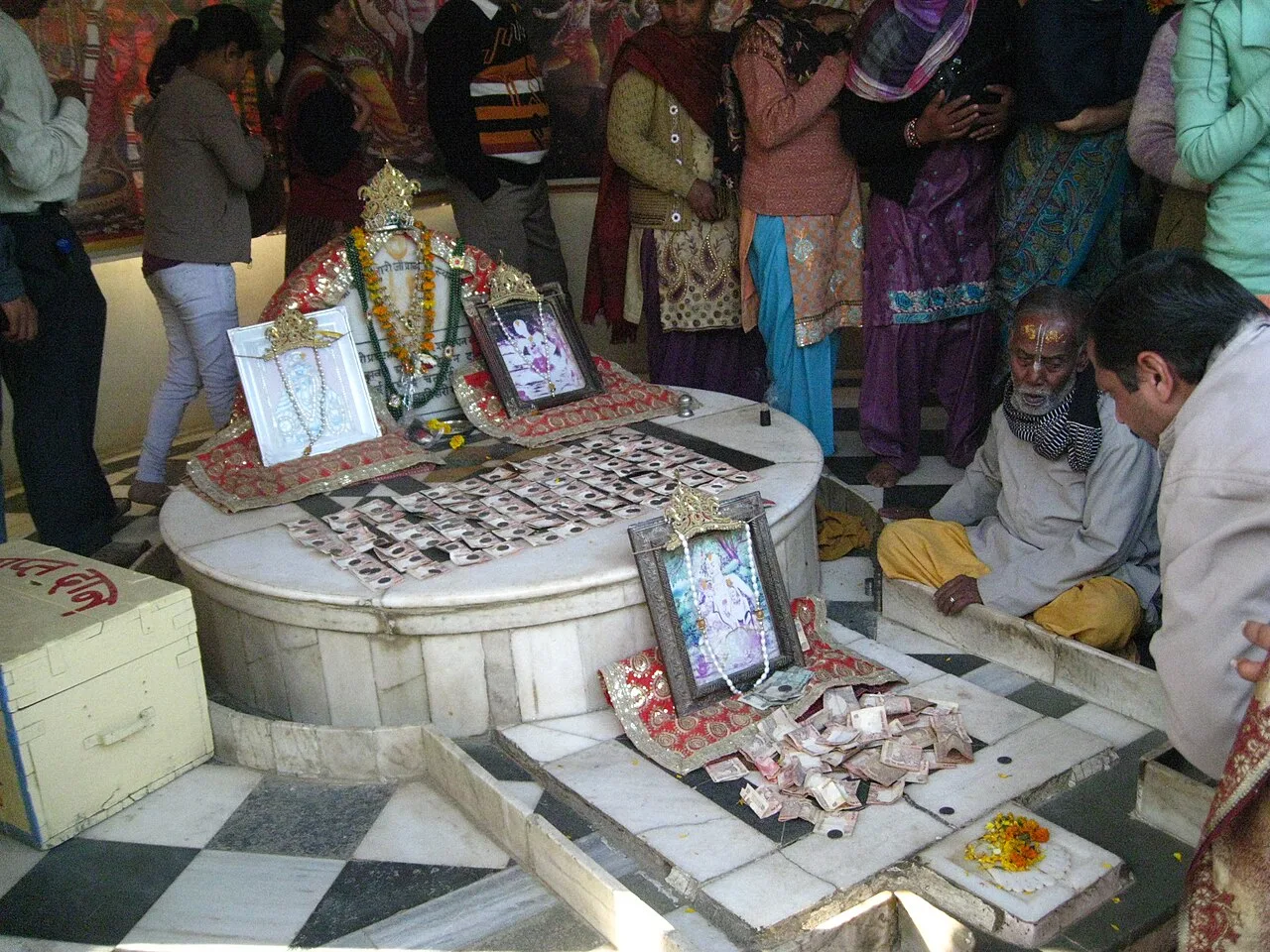
Banke Bihari Temple is a Hindu place of worship in Vrindavan, Mathura district, visited by devotees to honour Banke Bihari, regarded as Radha and Krishna united.

Vrindavan Town

97 km away · Mathura district

Vrindavan Town

Vrindavan is a historic town in Uttar Pradesh’s Mathura district, within Braj Bhoomi. Visitors come for its Hindu associations with Krishna and its many temples to Krishna and Radha.

ISKCON Temple, Vrindavan

99 km away · Mathura district

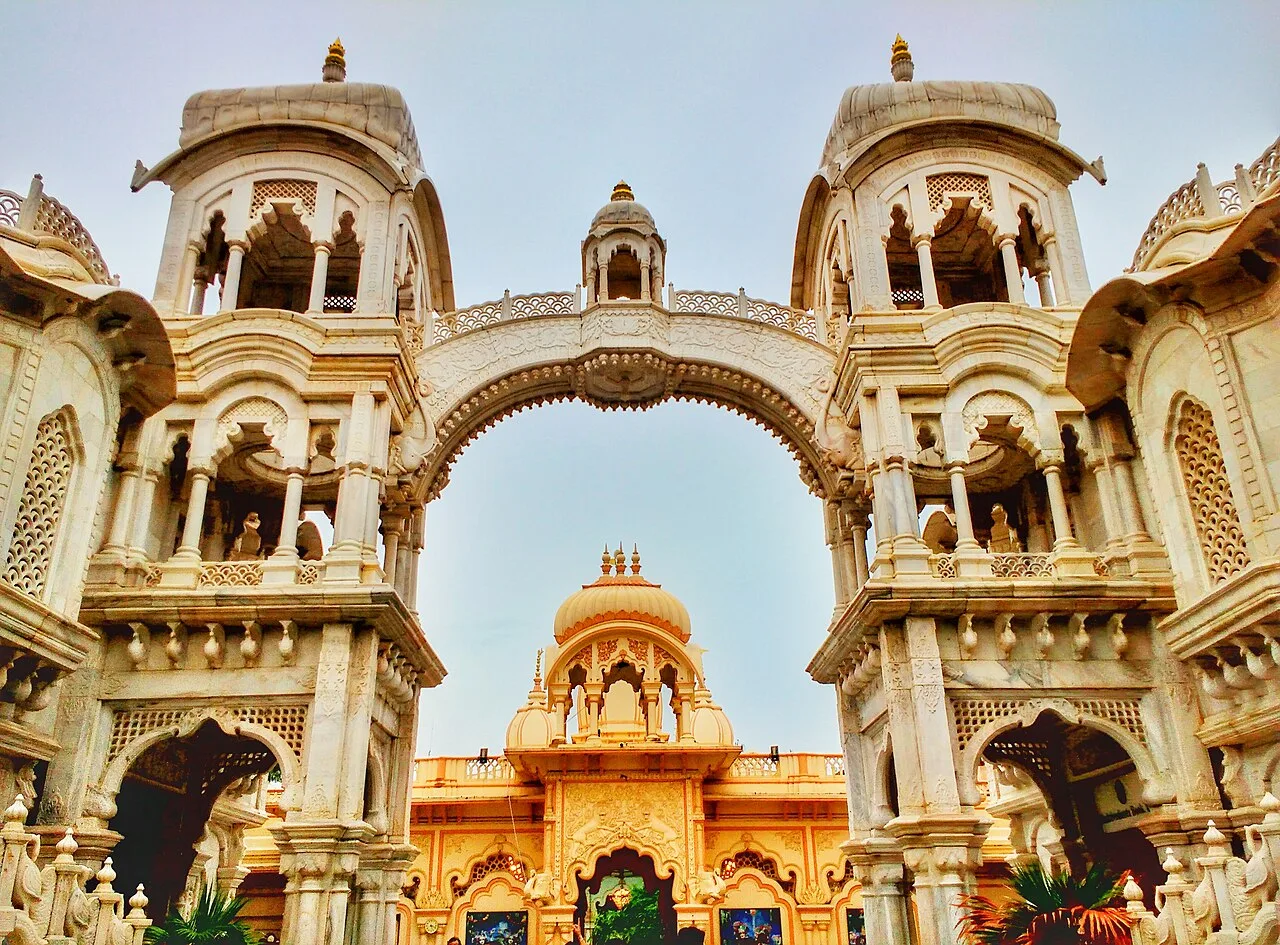
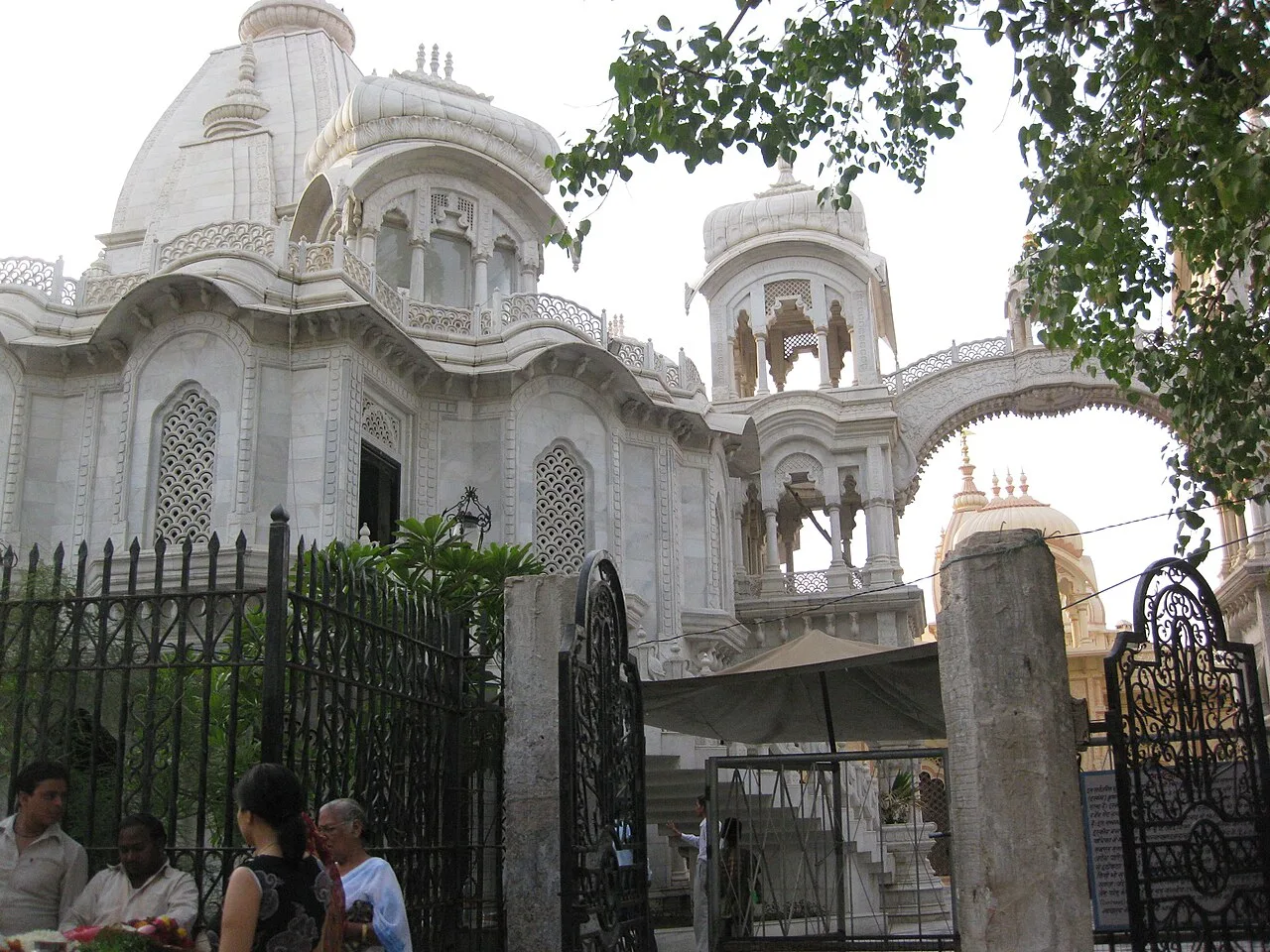
ISKCON Temple, Vrindavan

In Vrindavan, Uttar Pradesh’s Mathura district, this Gaudiya Vaishnava temple is devoted to Krishna and Balarama. Visitors come to worship these deities and the other figures honoured there.

Prem Mandir

99 km away · Mathura district

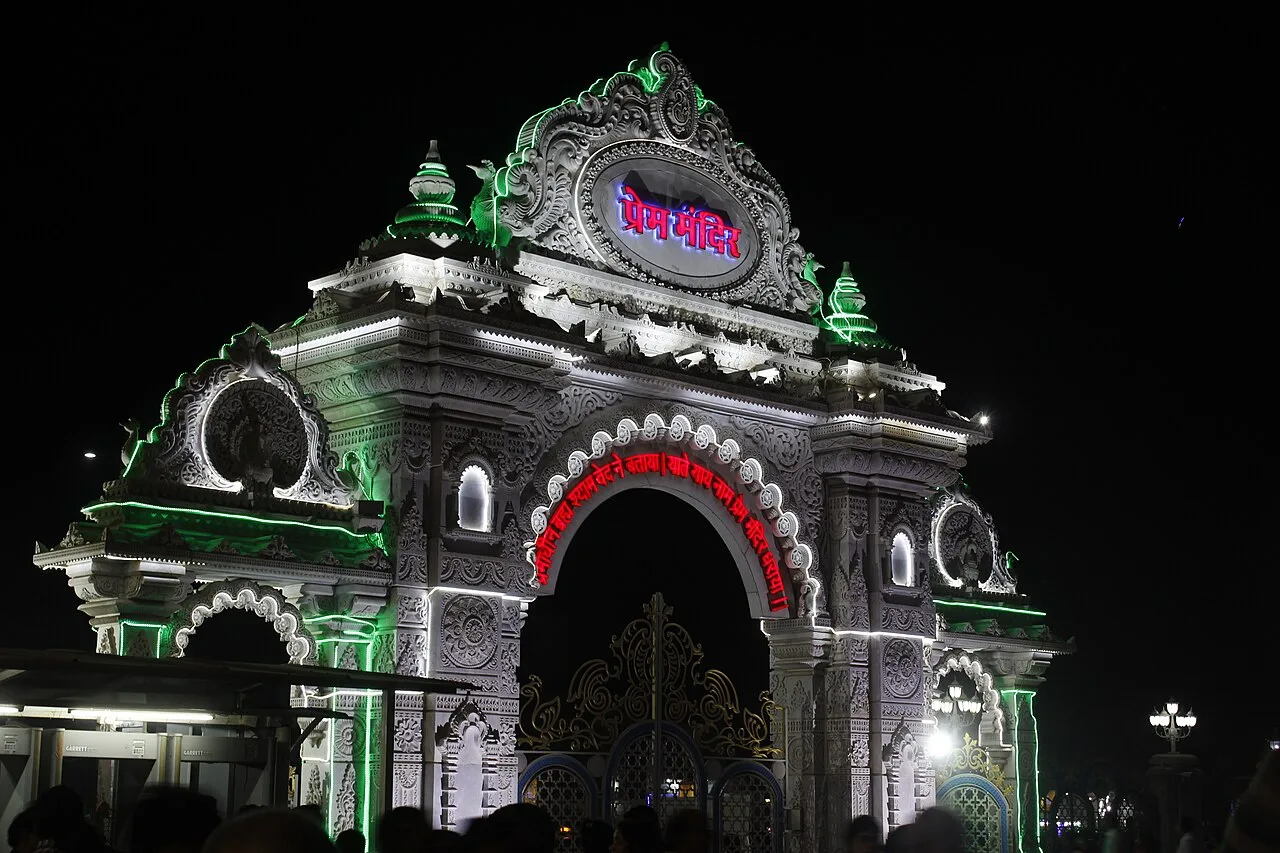
Prem Mandir

Prem Mandir is a Hindu temple in Vrindavan, Mathura district, Uttar Pradesh. Visitors come to see its dedications to Radha Krishna and Sita Ram, as well as a tribute to four earlier Jagadgurus.

Vishram Ghat

103 km away · Mathura district

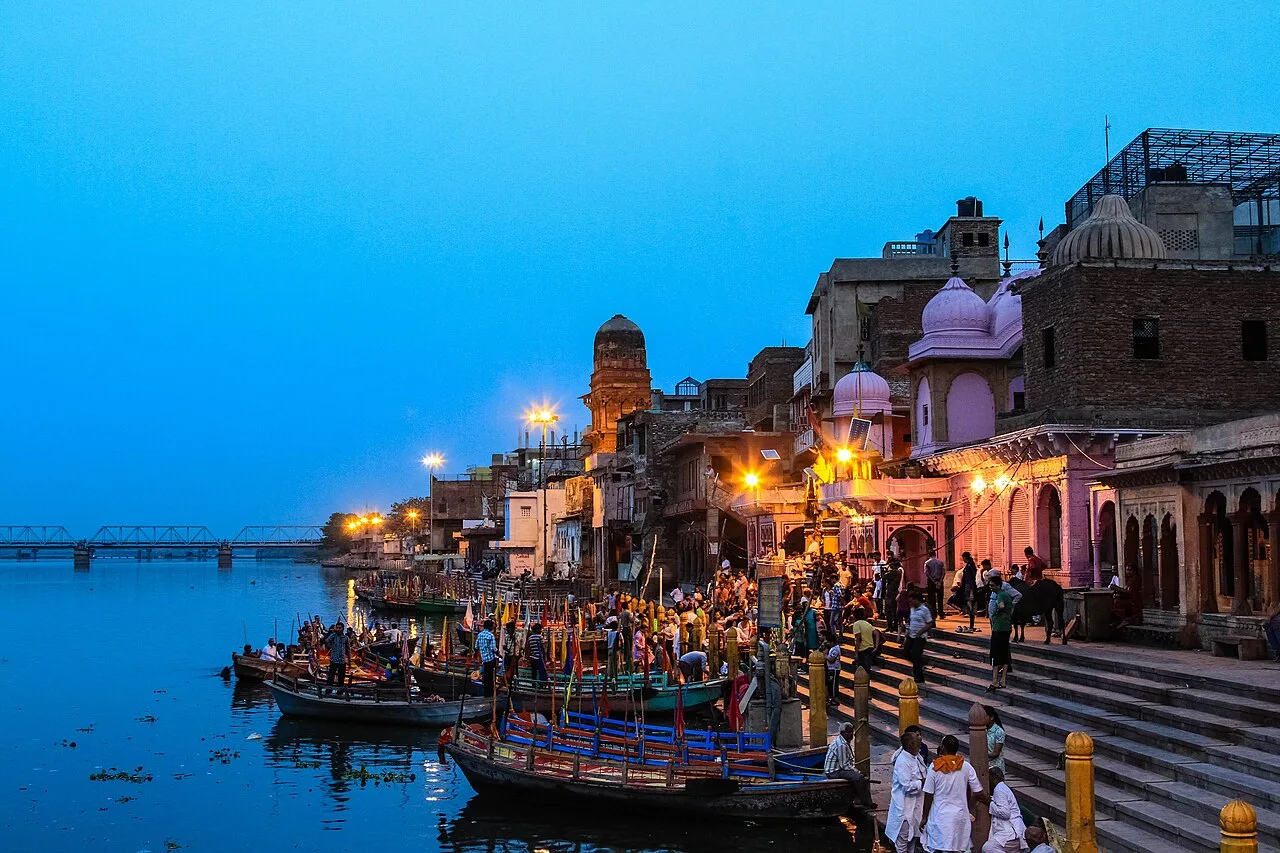
Vishram Ghat

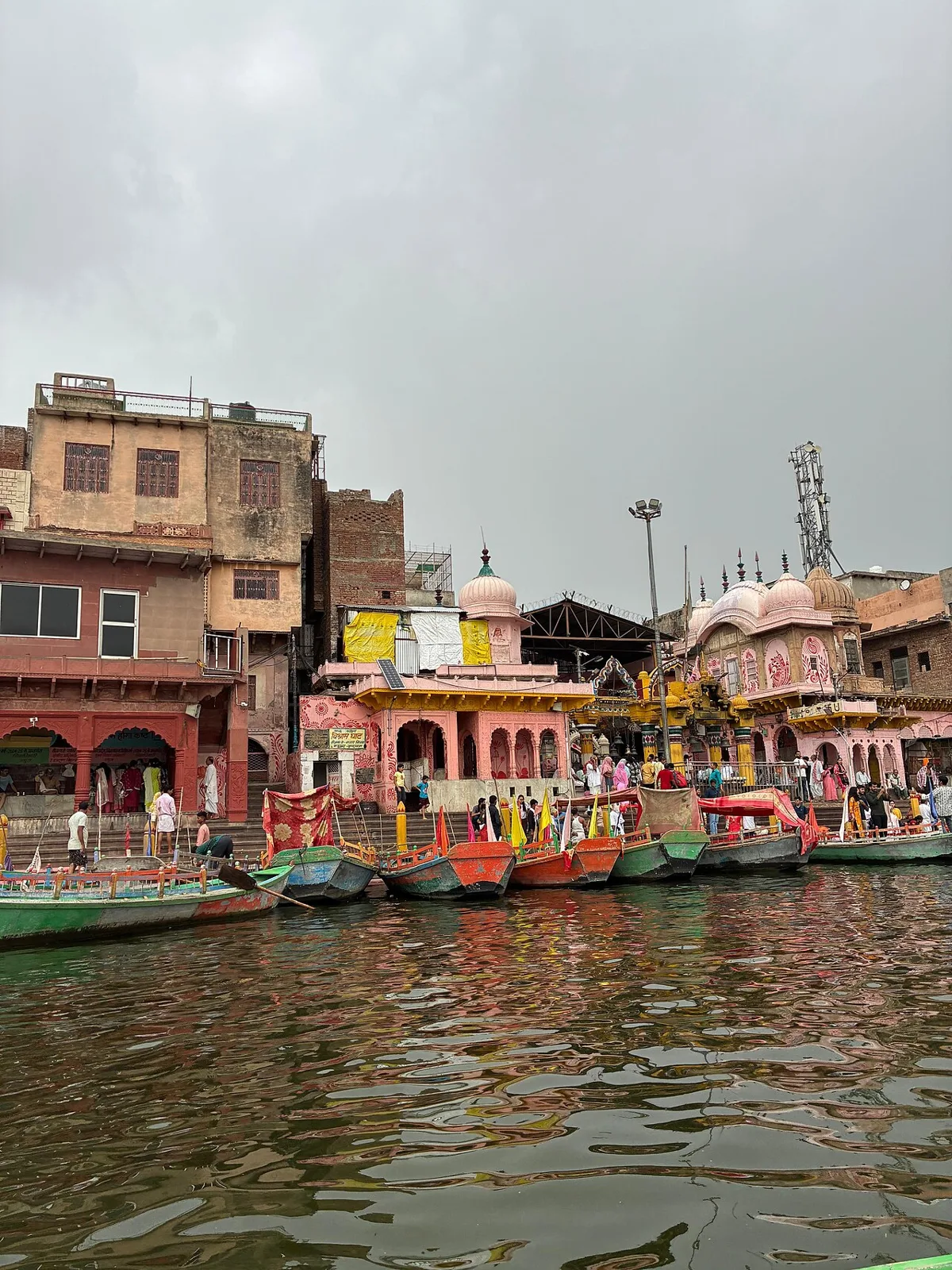
On the Yamuna in Mathura, Vishram Ghat is a place for bathing and worship. Pilgrims visit it as the starting and finishing point of the traditional parikrama.

Dwarkadhish Temple, Mathura

104 km away · Mathura district

Dwarkadhish Temple, Mathura

In Mathura, Uttar Pradesh, Dwarkadhish Temple is a Hindu shrine where Krishna is worshipped as Dwarkadhish alongside Radha as Radharani. Visitors come to worship at this Pushtimarg temple.

Government Museum, Mathura

105 km away · Mathura district

Government Museum, Mathura

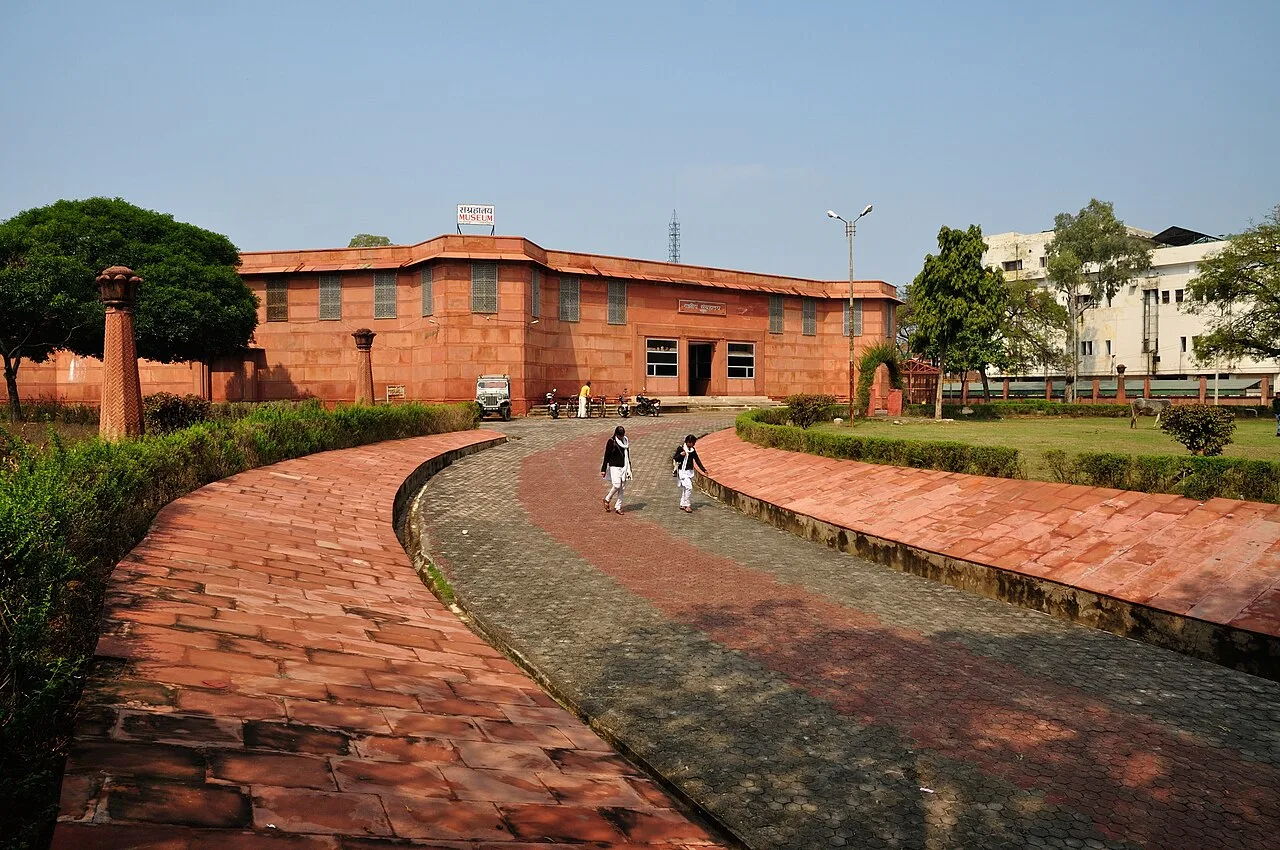
The Government Museum in Mathura is an archaeological museum in Uttar Pradesh. Visitors come to explore its archaeological focus and learn about the institution’s history.

Map

Narora on the map

  1. 1Rampur Raza Library
  2. 2Banke Bihari Temple
  3. 3Vrindavan Town
  4. 4ISKCON Temple, Vrindavan
  5. 5Prem Mandir
  6. 6Vishram Ghat
  7. 7Dwarkadhish Temple, Mathura
  8. 8Government Museum, Mathura

Uttar Pradesh

Other cities to explore