Ghumoopedia — Explore, Discover, Experience
Sign in
Shringverpur, near Pratapgarh

City guide · Uttar Pradesh

Pratapgarh

Pratapgarh is a district headquarters in Uttar Pradesh’s Prayagraj division, serving as an administrative and market centre for the surrounding towns and villages. It is often called Bela Pratapgarh, a name that distinguishes the city from the wider district.

Famous for

  • Pratapgarh Amla
  • Belha Devi Temple
  • Amla preserves and sweets
  • Pratapgarh Junction

Why Pratapgarh matters

Pratapgarh is a district headquarters in Uttar Pradesh’s Prayagraj division, serving as an administrative and market centre for the surrounding towns and villages. It is often called Bela Pratapgarh, a name that distinguishes the city from the wider district. Its strongest association is with amla, or Indian gooseberry: the fruit is grown in the region and sold fresh as well as in preserved forms. Pratapgarh Amla is also recognised with a Geographical Indication tag.

Visitors come for the city’s temples, local markets and a sense of everyday life in the Awadh–eastern Uttar Pradesh borderlands. Belha Devi Temple, beside the Sai River, is among its best-known places of worship. The city is also a useful base for journeys around the district. Pratapgarh Junction connects it by rail with other parts of Uttar Pradesh, while its roads link the administrative centre to nearby settlements. Rather than a large sightseeing circuit, a visit here centres on the temple, market streets and regional food and produce.
Famous for: crafts, trade & products

Amla is Pratapgarh’s signature product. The fruit is eaten fresh and processed into murabba, candy, pickles, juice and other preserves; Pratapgarh Amla has a Geographical Indication tag. Local shops and market stalls are the most convenient places to look for packaged amla products, while seasonal markets may offer fresh fruit. Availability varies through the year, so visitors should ask locally about the harvest and current stock.

The city is primarily known for agricultural trade and administration rather than for a widely recognised textile or handicraft tradition. Its bazaars serve residents from the surrounding district, with everyday groceries, clothing, household goods and regional snacks. For a visitor, the older market streets and shops around the central town are practical places to browse and sample local produce. Amla-based sweets and preserves make the most distinctive regional purchase. There is no single, well-established craft quarter or specialist textile market that defines Pratapgarh, so it is best approached as a working district market town rather than a dedicated craft-shopping destination.

History

Local tradition traces Pratapgarh’s beginnings to 1628, when a settlement was established over the remains of an older place called Aror. The town takes its name from a fort built at Rampur by the local ruler Pratap Bahadur Singh, who lived from 1628 to 1682; the surrounding area gradually came to be known by the fort’s name. Aror has older historical associations: it is linked with Aruresha, a district mentioned in an 1107 land grant of the Gahadavala dynasty, and later appears as a mahal in the Ain-i-Akbari.

Under British rule, Pratapgarh developed as the district’s administrative centre, and rail connections strengthened its role as a regional town. In modern Uttar Pradesh it remains the headquarters of Pratapgarh district, within Prayagraj division. Government offices, transport links and agricultural commerce continue to shape its growth, alongside the markets that serve nearby rural communities.

Food, festivals & culture

Food in Pratapgarh reflects the home cooking of Uttar Pradesh: meals commonly include wheat breads, rice, lentils, seasonal vegetables and familiar snacks. Amla is the most distinctive local flavour, appearing in preserves such as murabba, as well as candy and pickles. Sweet shops and market stalls offer regional sweets, though menus and specialities differ from shop to shop.

Holi in spring and Diwali in autumn are widely celebrated, along with Dussehra and the two Navratri periods. Eid is observed by the city’s Muslim communities, with dates following the lunar calendar. Belha Devi Temple draws worshippers, particularly during Navratri, and neighbourhood temples and mosques serve local congregations throughout the year. Hindi is widely used; Awadhi is common in local speech, and Urdu is also spoken. Folk songs and seasonal forms such as kajri are part of the wider regional culture, heard especially at community gatherings and during festivals.

Visiting the city

October to March is generally the most comfortable time to visit, with cooler weather for walking around town. Summers can be very hot, while monsoon rain may affect travel. The nearest major airport is Prayagraj Airport, also known as Bamrauli Airport. The main rail stop is Pratapgarh Junction, which is close to the town centre.

Auto-rickshaws and e-rickshaws are useful for short trips; local taxis and road transport can help with longer journeys. Explore the central bazaars for shops and food, then visit Belha Devi Temple by the Sai River. The areas around the railway station and the main town roads are convenient for transport and everyday services. Pratapgarh works well as a short stop or a base for visiting places elsewhere in the district; check local conditions before planning onward trips.

Trips from the city

Nearest places to visit from Pratapgarh

Our closest destination guides, by straight-line distance.

Shringverpur

51 km away · Prayagraj district

Shringverpur

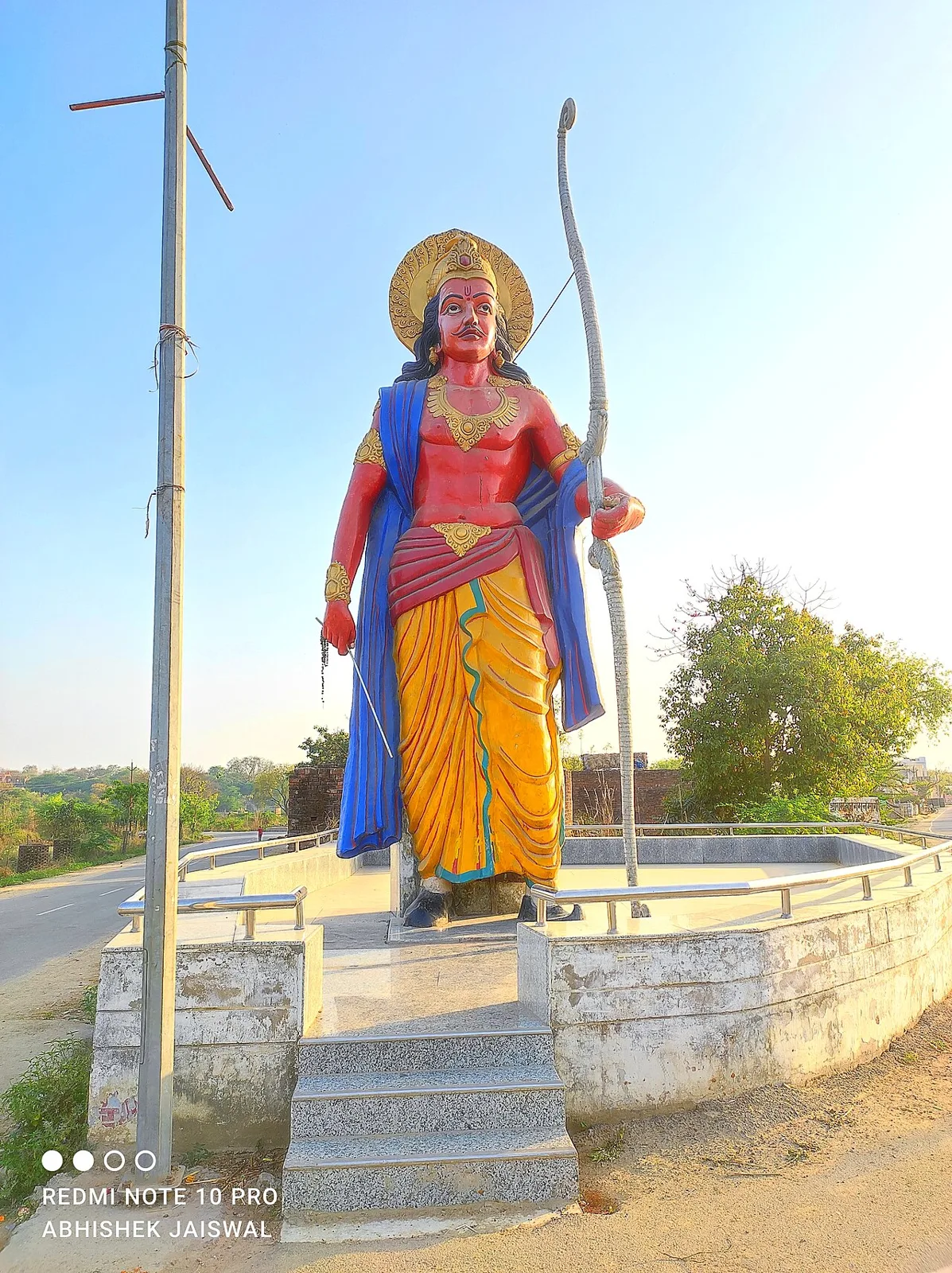
The Uttar Pradesh village of Shringverpur is also known as Shringaverpur or Singraur; its alternate names help visitors identify the settlement in references using different spellings.

Anand Bhavan

53 km away · Prayagraj district

Anand Bhavan

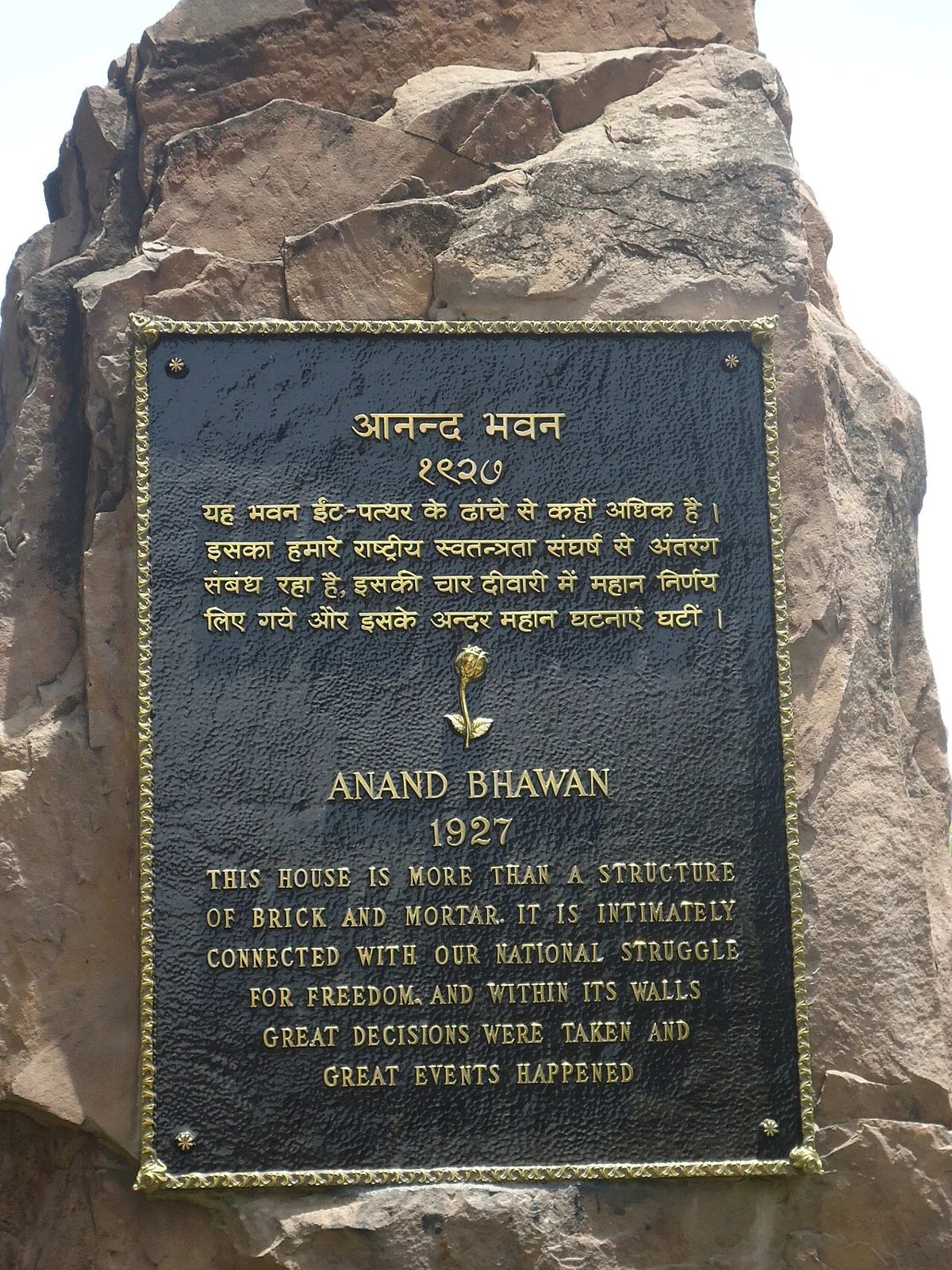
Anand Bhavan is a Nehru family residence in Prayagraj that became a house museum. Visitors come to explore its family history and attend astronomy and science shows at Jawahar Planetarium.

Allahabad Museum

54 km away · Prayagraj district

Allahabad Museum

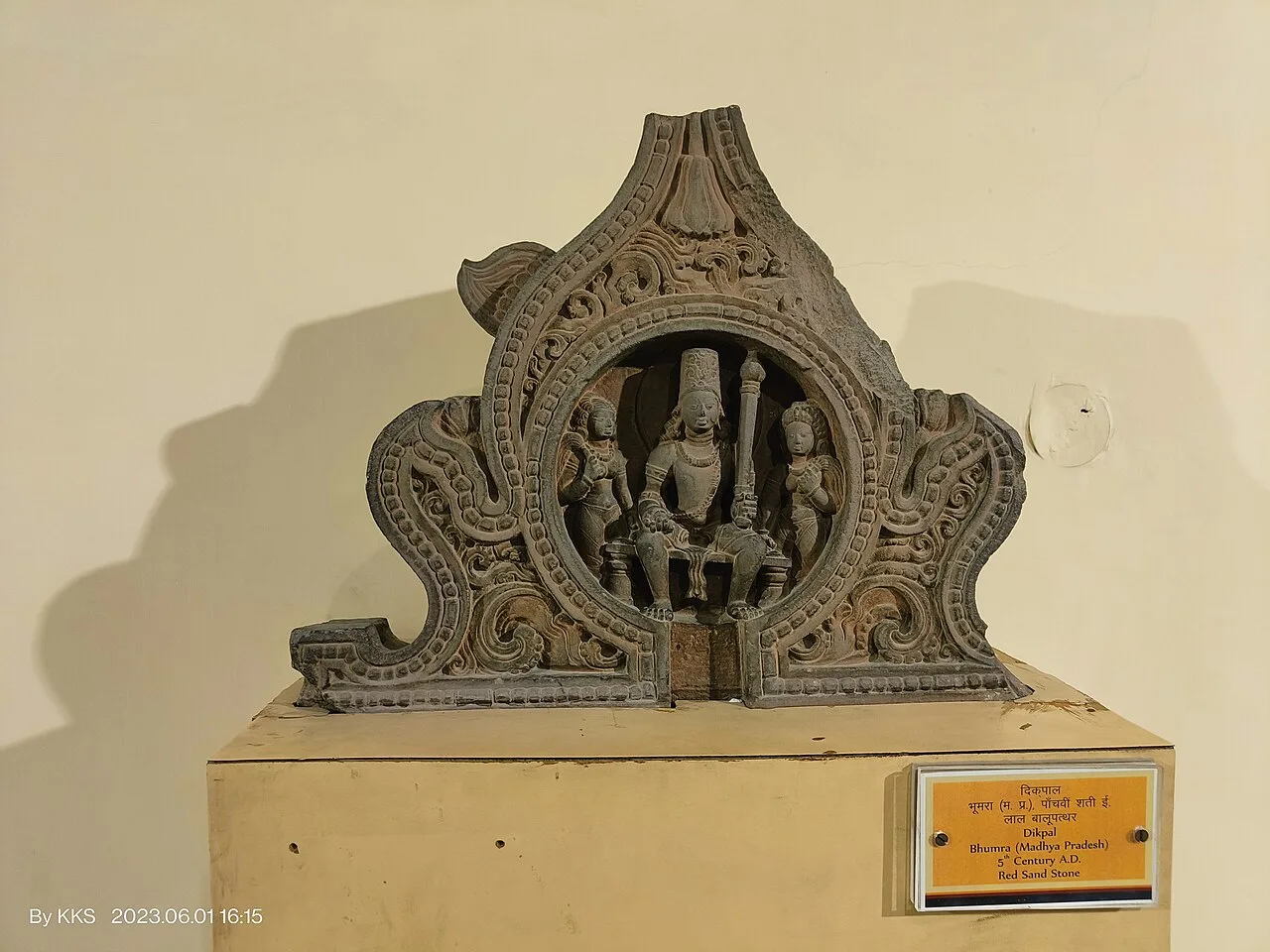
Set in Prayagraj’s Chandrashekhar Azad Park, the Allahabad Museum is a national-level institution. Visitors come to see its art collections and prehistoric rock paintings, as well as explore its research work.

Chandra Shekhar Azad Park

54 km away · Prayagraj district

Chandra Shekhar Azad Park

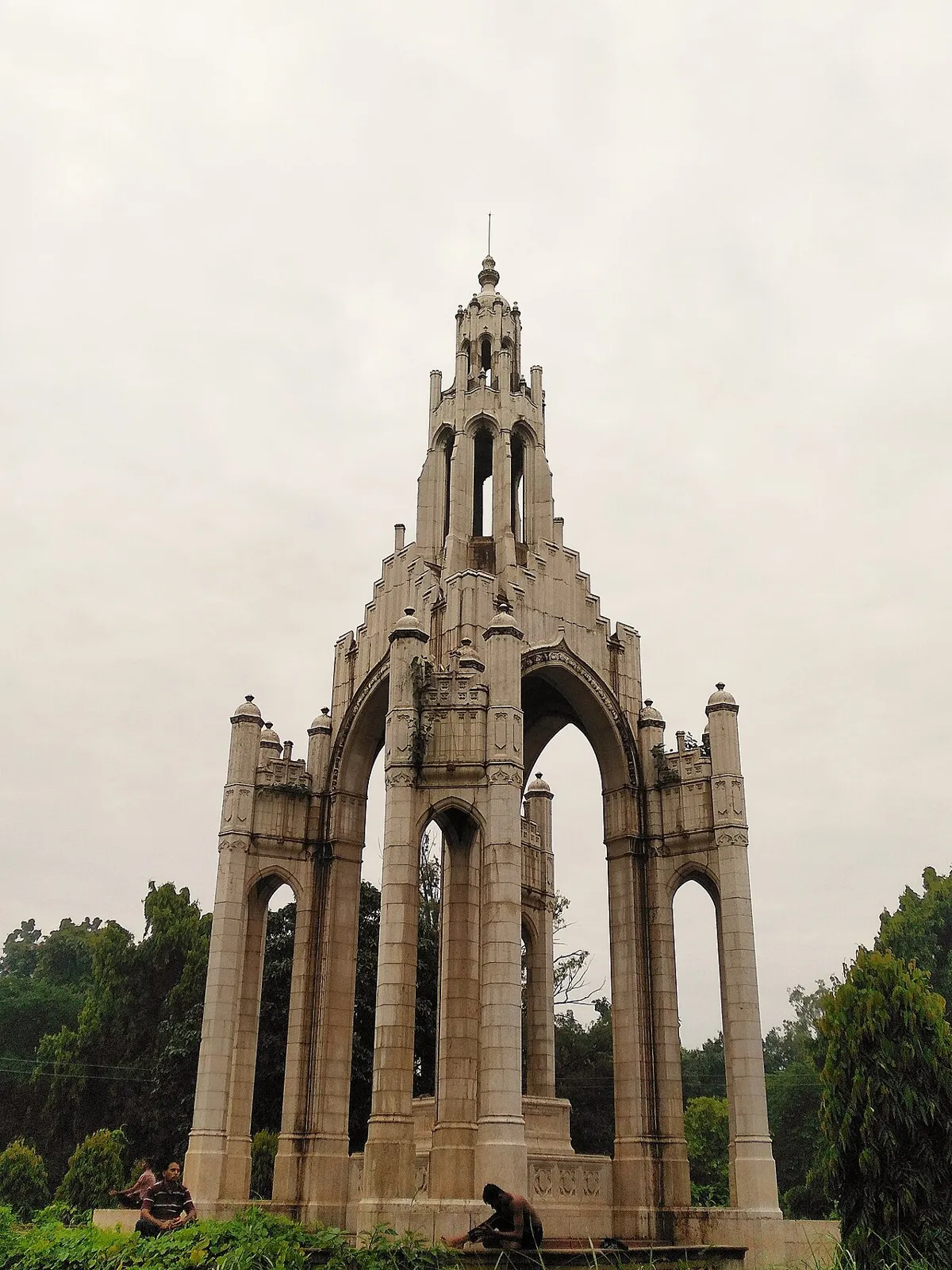
Chandra Shekhar Azad Park is a 54-hectare public garden in Prayagraj, Uttar Pradesh. Visitors come for its association with revolutionary Chandra Shekhar Azad and the city’s past.

All Saints Cathedral, Prayagraj

55 km away · Prayagraj district

All Saints Cathedral, Prayagraj

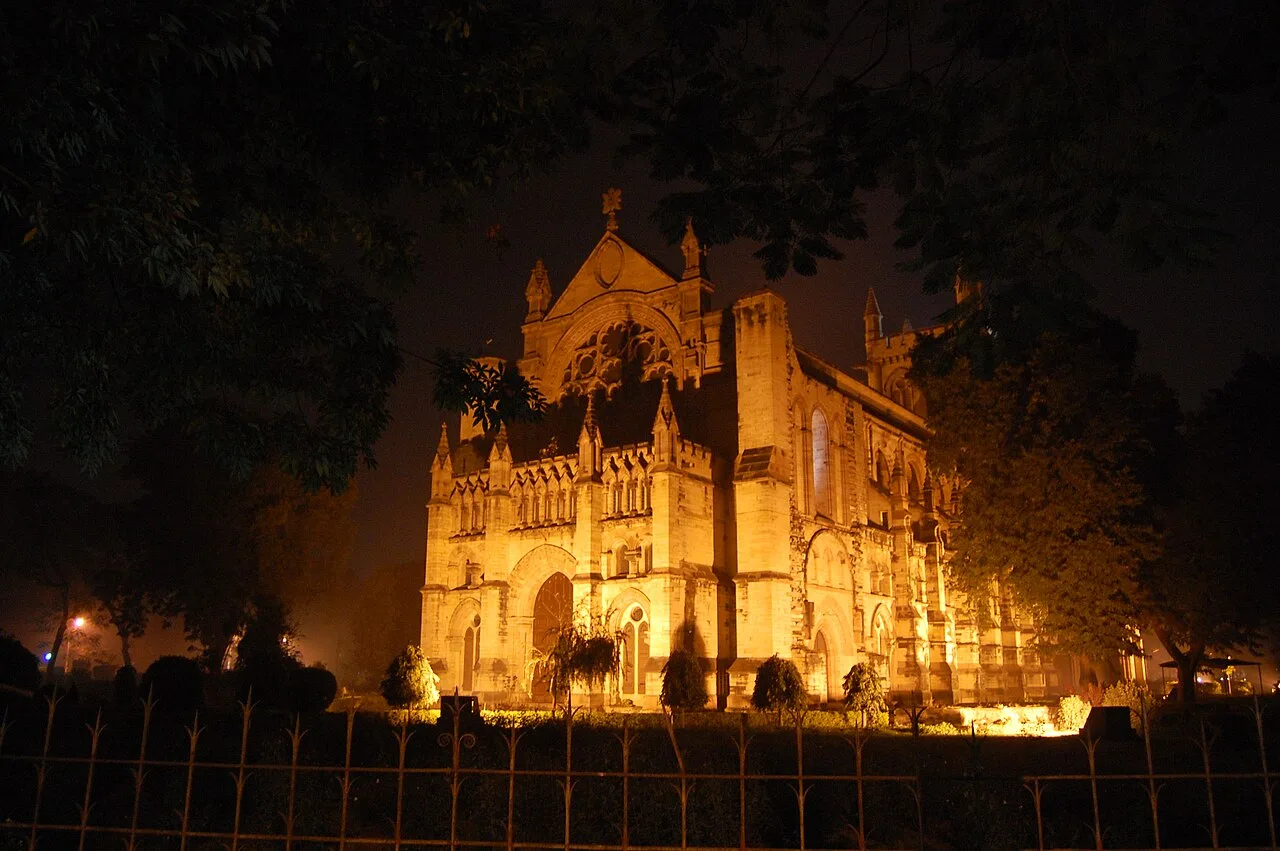
All Saints Cathedral is a Church of North India landmark in Prayagraj, valued for its Gothic Revival architecture and its history as a church designed during British rule.

Allahabad Fort

56 km away · Prayagraj district

Allahabad Fort

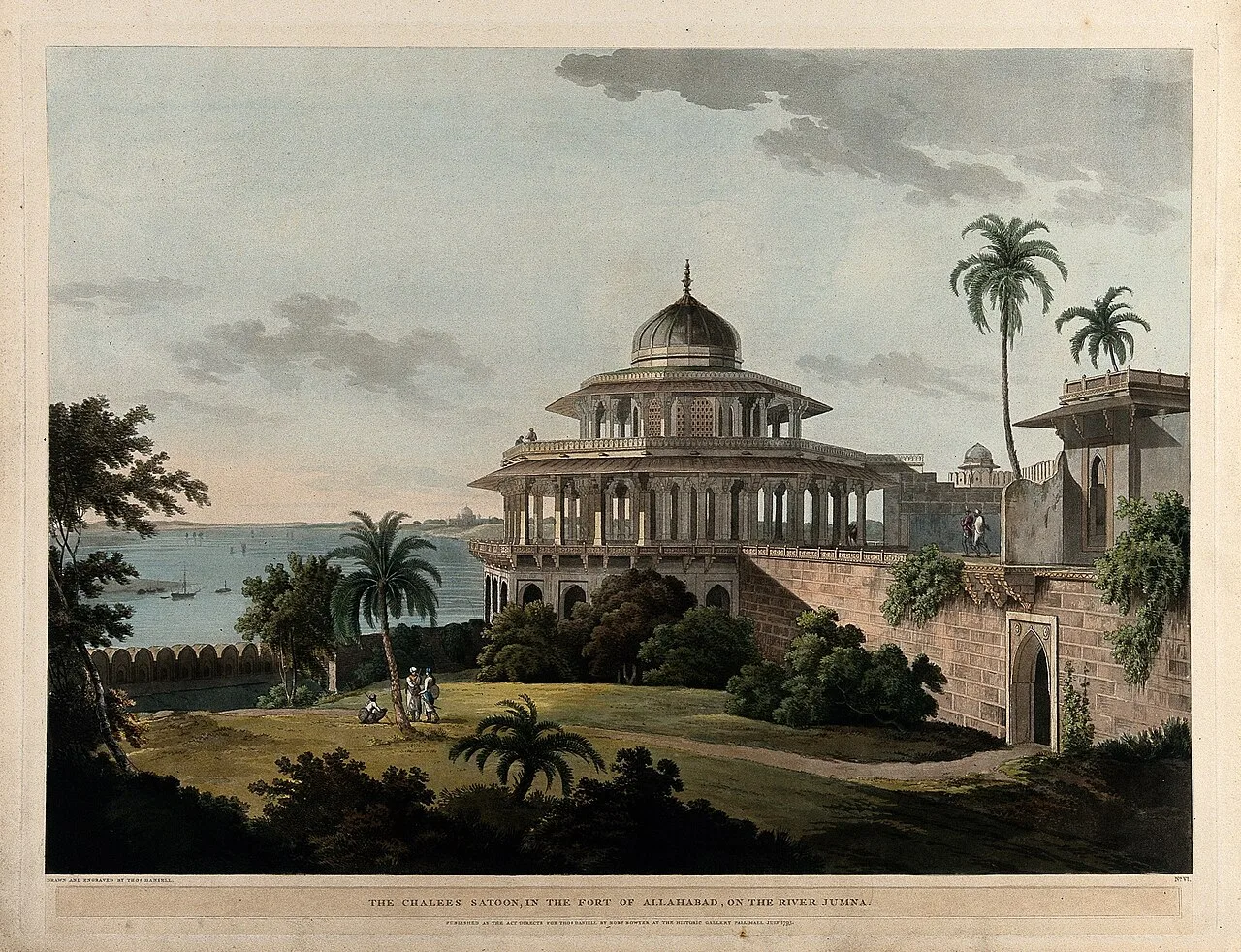
Allahabad Fort is a Mughal-era fort in Prayagraj, built under Akbar in 1583. Visitors can see its riverside setting and a monument recognised for national importance.

Khusro Bagh

56 km away · Prayagraj district

Khusro Bagh

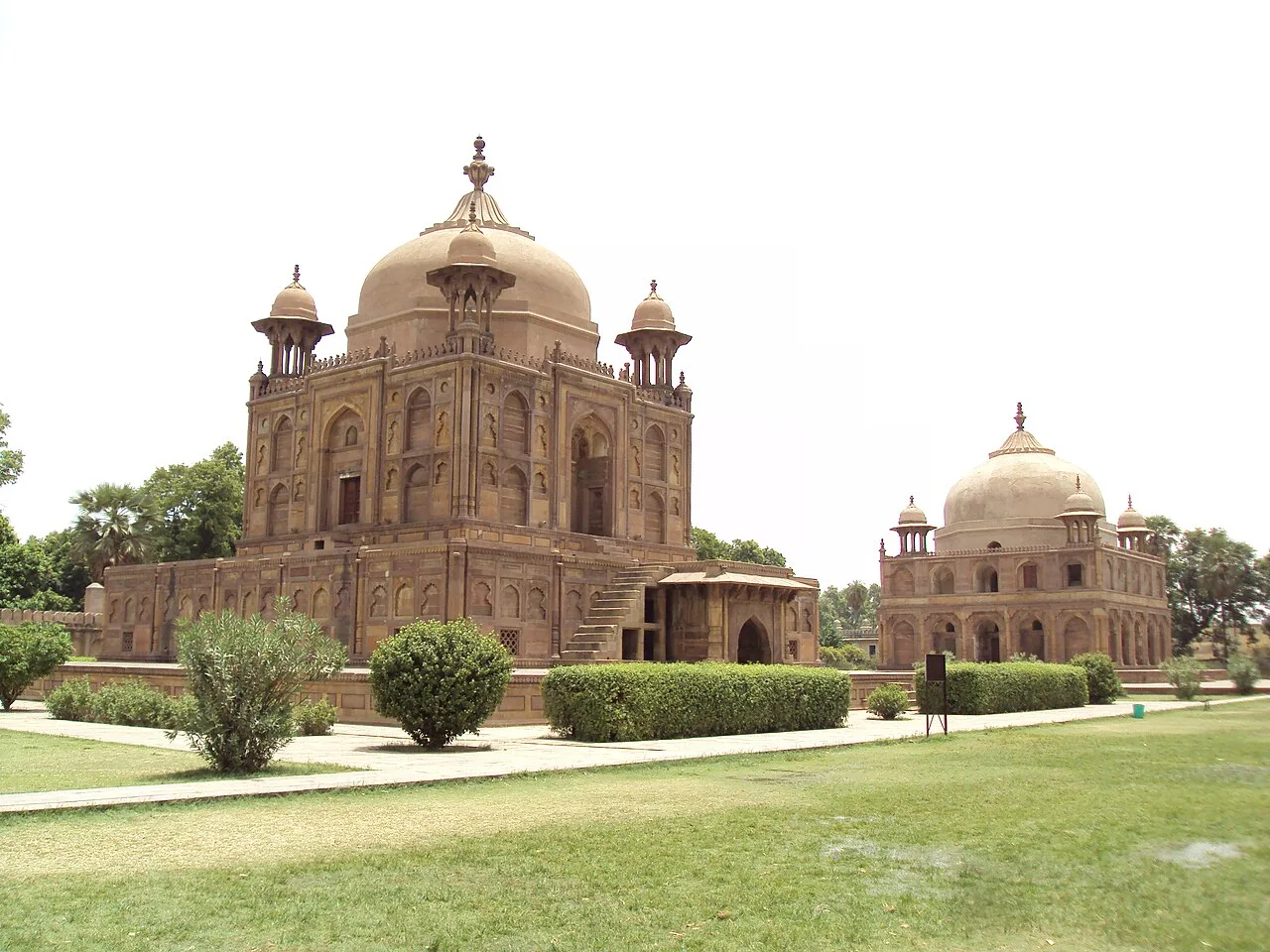
Khusro Bagh is a walled garden and burial complex in Prayagraj. Visitors come to see its four tombs and explore its connections with Jahangir and his family.

Samaspur Bird Sanctuary

61 km away · Raebareli district

Samaspur Bird Sanctuary

In Uttar Pradesh’s Raebareli district, Samaspur is a wetland reserve where visitors can see resident birds, long-distance migrants and a variety of fish.

Map

Pratapgarh on the map

  1. 1Shringverpur
  2. 2Anand Bhavan
  3. 3Allahabad Museum
  4. 4Chandra Shekhar Azad Park
  5. 5All Saints Cathedral, Prayagraj
  6. 6Allahabad Fort
  7. 7Khusro Bagh
  8. 8Samaspur Bird Sanctuary

Uttar Pradesh

Other cities to explore