Ghumoopedia — Explore, Discover, Experience
Sign in
Janeshwar Mishra Park, near Nawabganj

City guide · Uttar Pradesh

Nawabganj

Nawabganj is the urban and administrative heart of Barabanki district in central Uttar Pradesh. It is closely connected with Barabanki town, serving as a tehsil and municipality within the district headquarters area.

Famous for

  • Nawabi-era Qidwai heritage
  • 1857 uprising history
  • Barabanki district administration
  • Awadhi regional culture

Why Nawabganj matters

Nawabganj is the urban and administrative heart of Barabanki district in central Uttar Pradesh. It is closely connected with Barabanki town, serving as a tehsil and municipality within the district headquarters area. Its importance today is chiefly regional: government offices, local trade, education and transport serve residents from surrounding towns and villages, while links to Lucknow bring the state capital within reach for business and onward travel.

The town’s appeal lies less in a single landmark or celebrated product than in its place in the history and everyday life of the Awadh region. Its name recalls the Nawabi period, and the surrounding area was caught up in the fighting of 1857. Visitors can use Nawabganj as a base for exploring Barabanki district, including the well-known shrine at Dewa Sharif, a separate nearby town. Local markets and the civic centre offer a glimpse of contemporary district life, while the wider region reflects a blend of Awadhi, Hindi-speaking and Urdu-speaking traditions.
Famous for: crafts, trade & products

Nawabganj is not especially associated with a widely documented signature textile, handicraft or GI-tagged product. Its best-known role is as a local administrative and trading centre: shops and markets cater mainly to everyday needs in the town and nearby settlements. Visitors looking for regional goods can browse the central market for clothing, household items, snacks and seasonal produce, but these are general market offerings rather than a distinctive local craft tradition.

The town’s commercial links are part of the wider Awadh economy, with agricultural produce and ordinary consumer goods moving through local trade. Barabanki district is also known for the shrine at Dewa Sharif, outside Nawabganj, which draws visitors and supports a separate stream of religious and visitor-related commerce. It should not be confused with a product market or an attraction within the town itself. For specialist crafts, textiles or branded regional products, travellers may find a broader selection in Lucknow. In Nawabganj, the most useful places to browse are the central shopping streets and the busy commercial areas around the town centre and transport links.

History

Nawabganj was formerly known as Maila Raiganj and took its present name during the Nawabi era. Local estate history is associated with Qidwai Raja Ghulam Amir Khan, who received a jagir from Awadh ruler Shuja-ud-Daula in 1756. The estate grew through later generations, including Raja Lutf Ali Khan and other members of the family. These connections place the town within the political and landholding history of Awadh.

In 1857, Nawabganj and the surrounding Barabanki area were drawn into the uprising against East India Company rule. Fighting took place in the area in June, and British forces under Sir Hope Grant defeated rebel forces. Under British administration, Nawabganj served as the headquarters of a tehsil and pargana. Barabanki village, within the wider urban area, was connected to the Oudh and Rohilkhand Railway. In modern times, the town’s growth has been shaped chiefly by its role in the district headquarters, public administration, transport and local commerce.

Food, festivals & culture

Everyday food in Nawabganj reflects the wider Awadh region and north Indian home cooking. Local eateries and market stalls commonly serve familiar dishes such as breads, rice meals, savoury snacks and sweets; menus vary, and the town is not especially known for one signature dish. Hindi and Awadhi are widely used in daily conversation, while Urdu is also spoken in the region.

The religious calendar brings together Hindu and Muslim observances. Diwali, Holi, Navratri and Dussehra are celebrated in their usual autumn or spring seasons, while Eid celebrations follow the lunar calendar and Muharram is observed with processions and remembrance in some communities. Religious life includes local temples and mosques. The shrine and annual Urs at Dewa Sharif, in a nearby town rather than Nawabganj itself, are among the region’s notable Sufi traditions. Awadhi speech, devotional practices and family celebrations shape much of the area’s cultural life; no single dance or music form defines the town.

Visiting the city

The most comfortable time to visit is generally October to March, when conditions are cooler than during the hot summer and monsoon months. The nearest major airport is Chaudhary Charan Singh International Airport in Lucknow. Barabanki Junction is the main railway station for the urban area, with road connections linking Nawabganj to Lucknow and nearby district towns.

Auto-rickshaws and local taxis are practical for getting around; confirm the destination before setting out, as Nawabganj and Barabanki are closely connected in local usage. Begin around the central market and civic centre to see everyday town life. The railway-station area is useful for transport and shops. Dewa Sharif, a separate nearby town, can be considered as a regional excursion rather than a neighbourhood within Nawabganj.

Trips from the city

Nearest places to visit from Nawabganj

Our closest destination guides, by straight-line distance.

Janeshwar Mishra Park

23 km away · Lucknow district

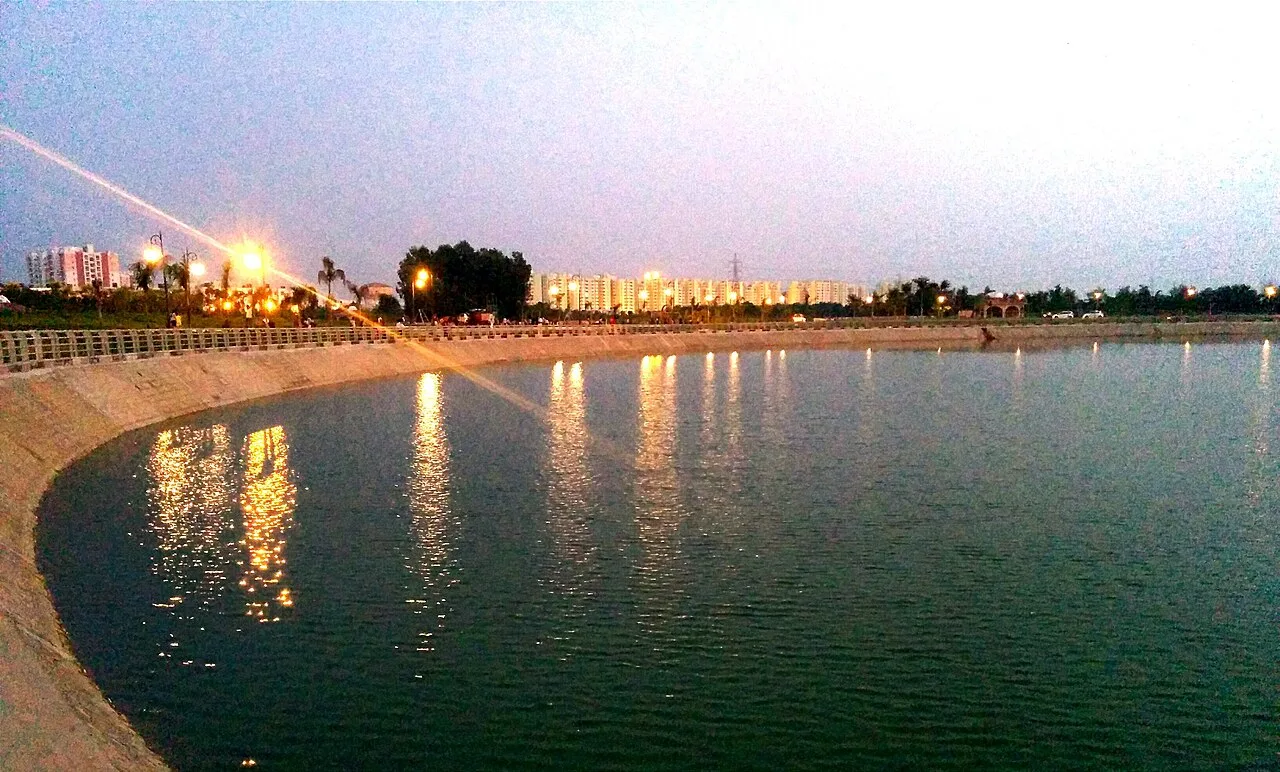
Janeshwar Mishra Park

Located in Gomti Nagar, Lucknow, Janeshwar Mishra Park is a vast urban green space named for Samajwadi Party politician Janeshwar Mishra; visitors come to spend time in this city park.

Ambedkar Memorial Park

24 km away · Lucknow district

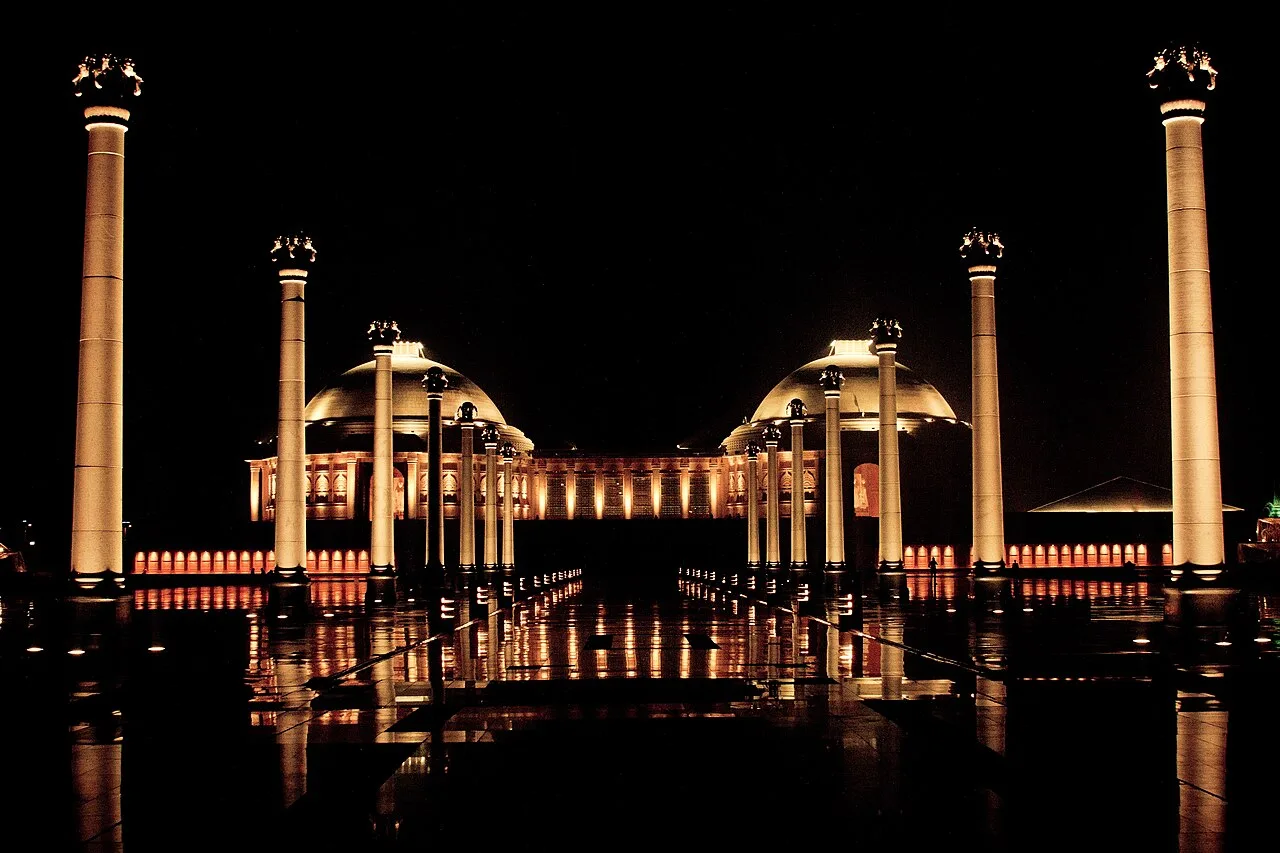
Ambedkar Memorial Park

Dr. Bhimrao Ambedkar Samajik Parivartan Sthal in Gomti Nagar, Lucknow, is a public memorial honouring B. R. Ambedkar and other leaders. Visitors come to view its commemorative features, including 124 monumental elephants.

Lucknow Zoo (Nawab Wajid Ali Shah Prani Udyan)

26 km away · Lucknow district

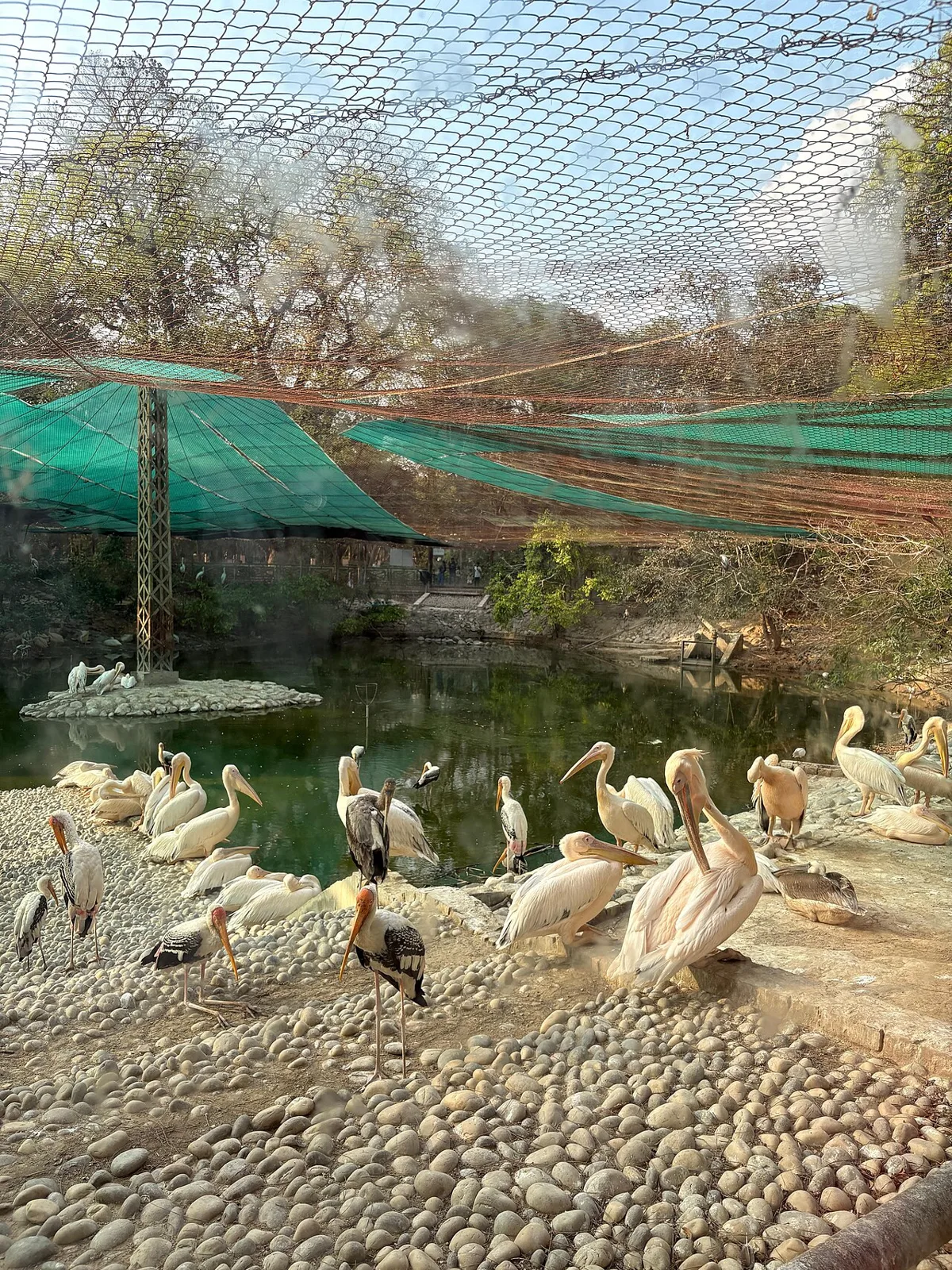
Lucknow Zoo (Nawab Wajid Ali Shah Prani Udyan)

Lucknow Zoo, also called Nawab Wajid Ali Shah Prani Udyan, is a large zoological garden in Uttar Pradesh’s capital, known for its history and its connection to a royal visit.

State Museum, Lucknow

26 km away · Lucknow district

State Museum, Lucknow

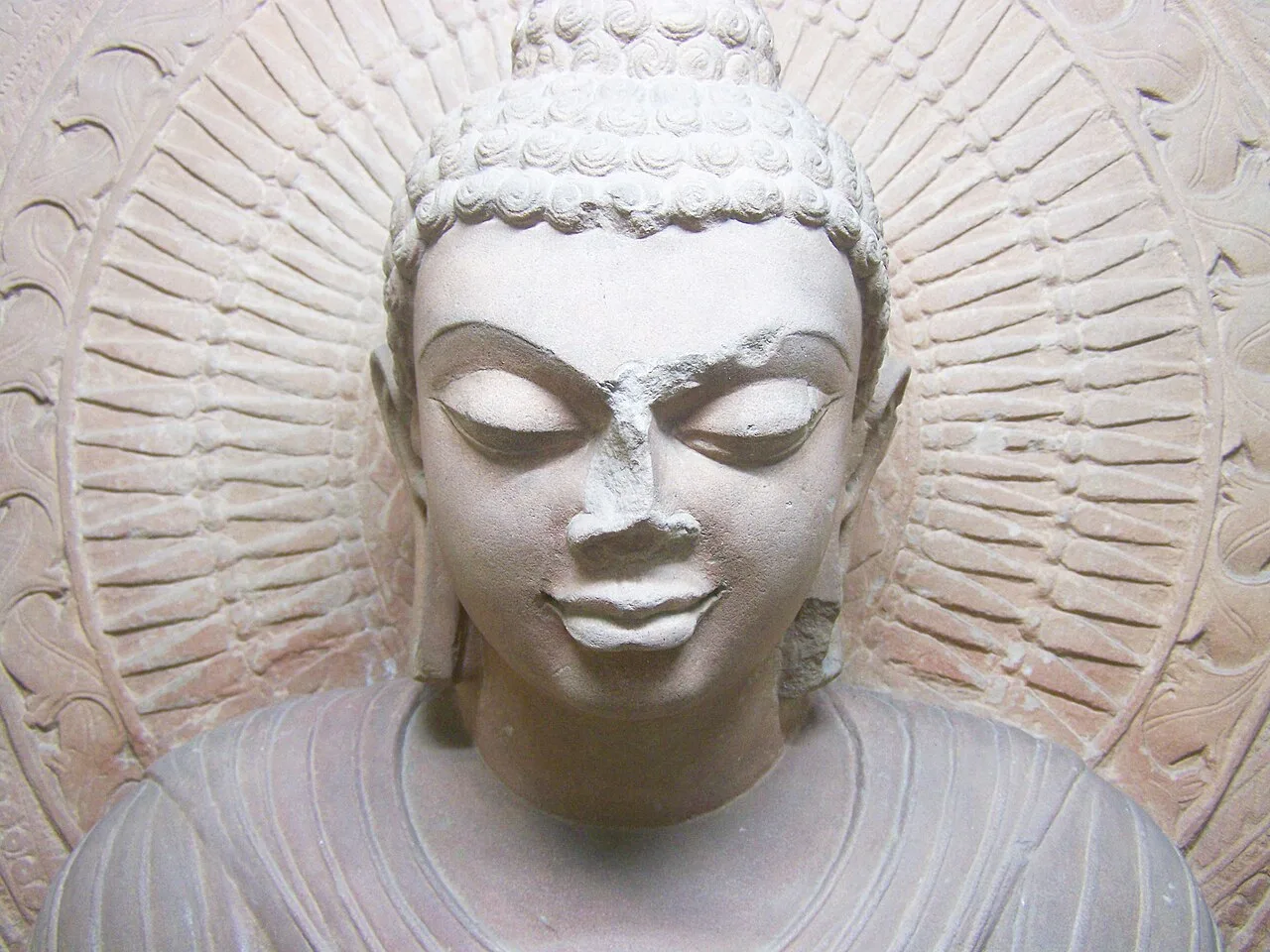
Lucknow’s State Museum is a cultural institution in Uttar Pradesh’s capital. Visitors come to see collections ranging from prehistoric objects and coins to paintings, manuscripts and textiles.

Dilkusha Kothi

27 km away · Lucknow district

Dilkusha Kothi

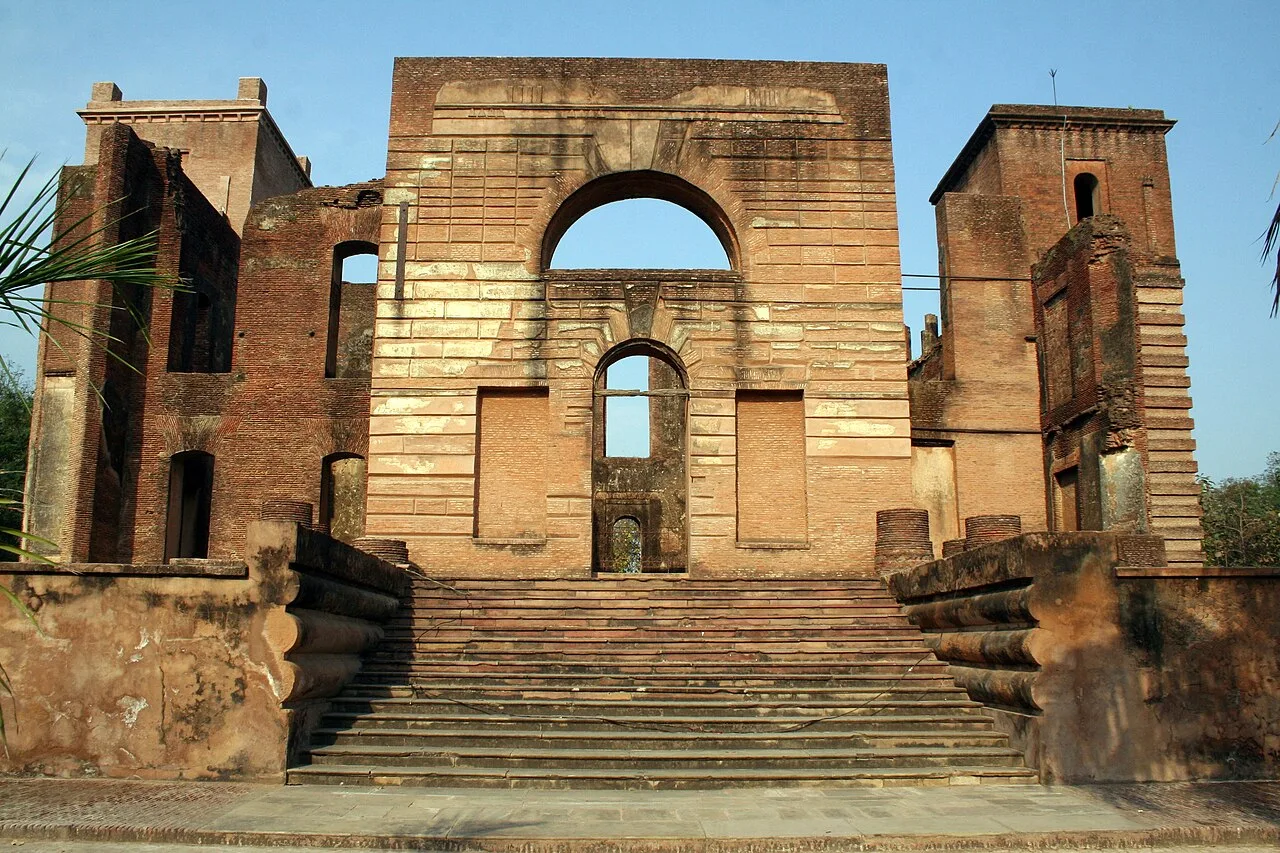
Dilkusha Kothi is an eighteenth-century English Baroque residence in Lucknow, now a monument of surviving towers, outer walls and gardens, visited for its historic remains and links to the 1857 siege.

Hazratganj Market

27 km away · Lucknow district

Hazratganj Market

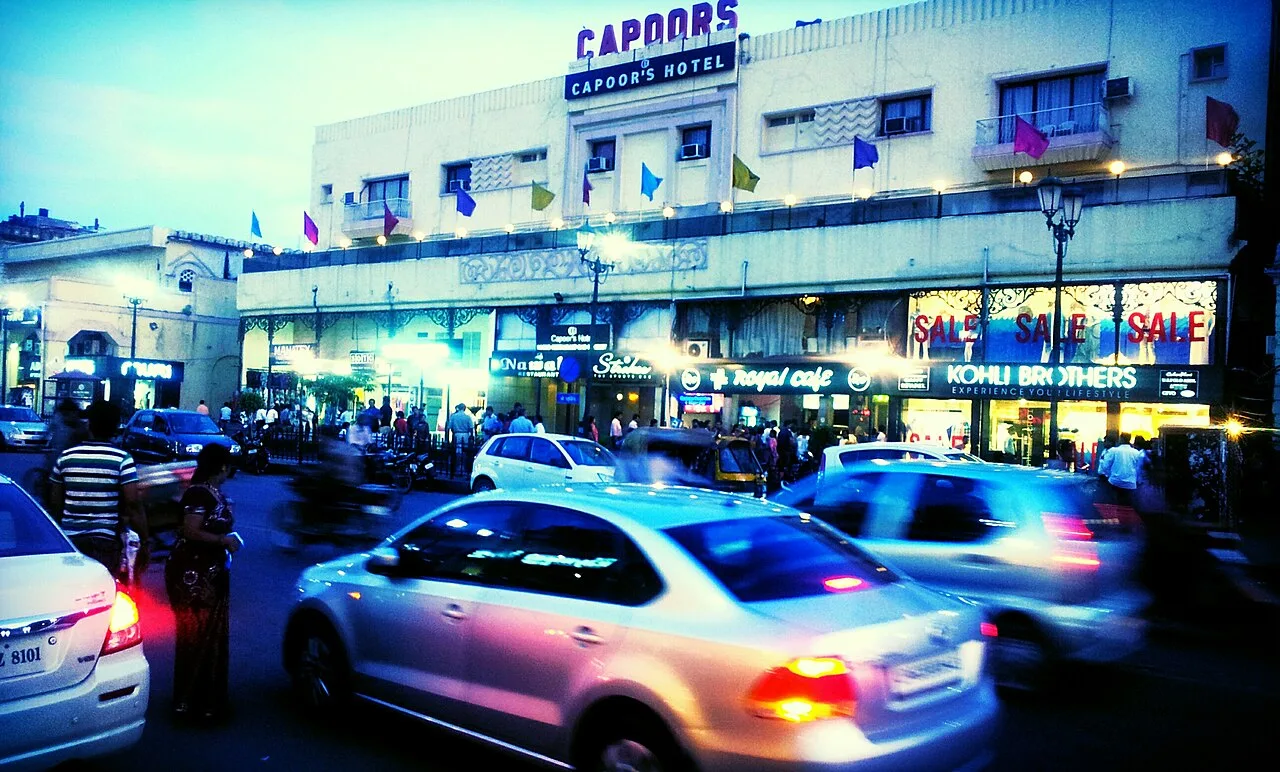
Hazratganj Market is a commercial and shopping area in Lucknow, Uttar Pradesh. Visitors come for its bazaars, retail and dining options, entertainment venues and access to the metro.

The Residency, Lucknow

28 km away · Lucknow district

The Residency, Lucknow

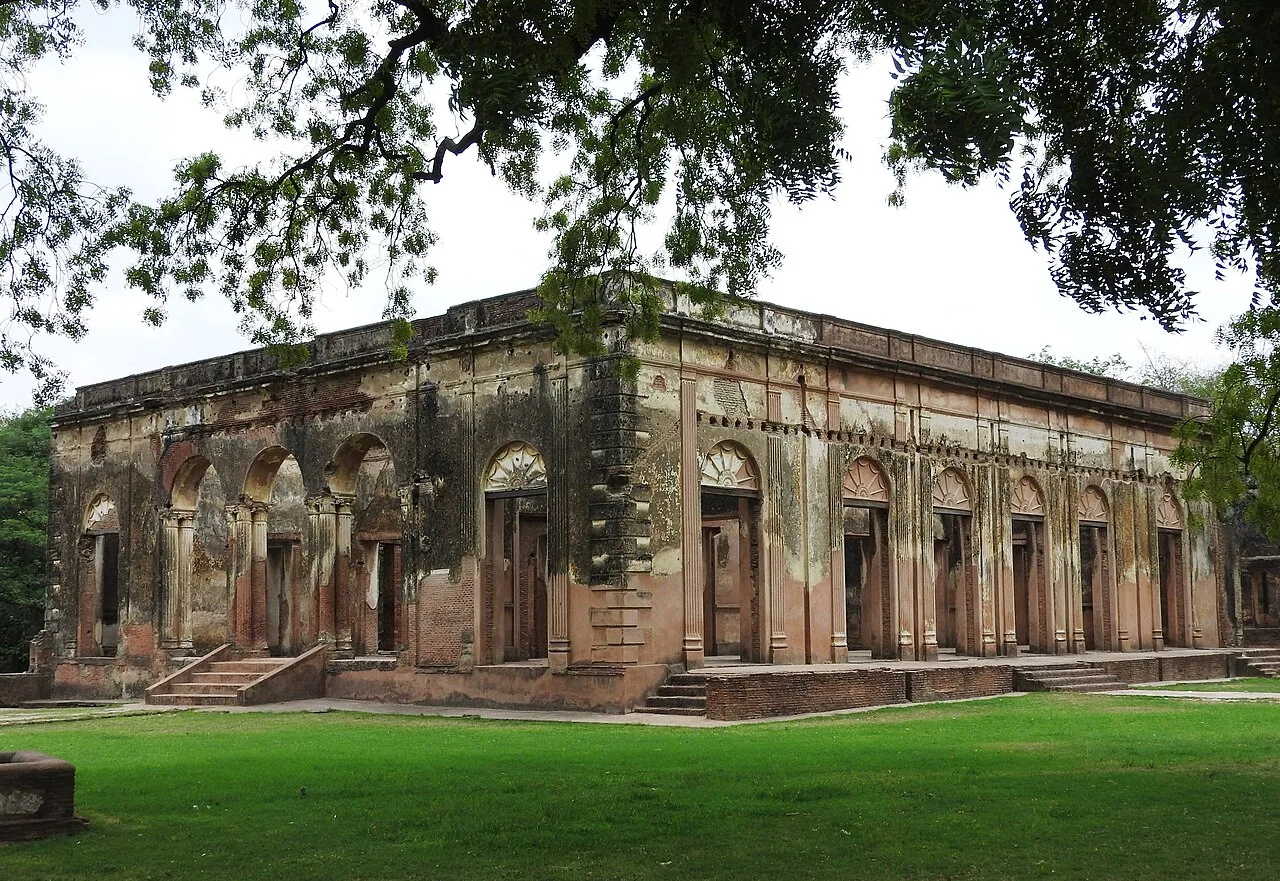
The Residency is a collection of buildings in Lucknow associated with the British representative at the Nawab of Awadh’s court. Visitors can explore its former residential role and its setting near other landmarks.

Bara Imambara

29 km away · Lucknow district

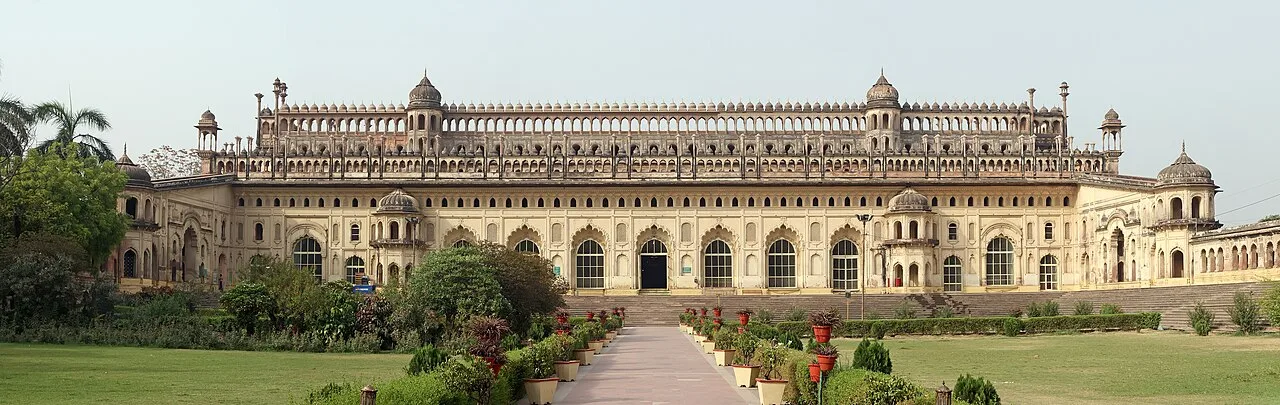
Bara Imambara

Bara Imambara, also known as the Asafi Imambara, is a religious complex in Lucknow. Visitors come to see its imambara and mosque and its status as a nationally important monument.

Map

Nawabganj on the map

  1. 1Janeshwar Mishra Park
  2. 2Ambedkar Memorial Park
  3. 3Lucknow Zoo (Nawab Wajid Ali Shah Prani Udyan)
  4. 4State Museum, Lucknow
  5. 5Dilkusha Kothi
  6. 6Hazratganj Market
  7. 7The Residency, Lucknow
  8. 8Bara Imambara

Uttar Pradesh

Other cities to explore