Ghumoopedia — Explore, Discover, Experience
Sign in
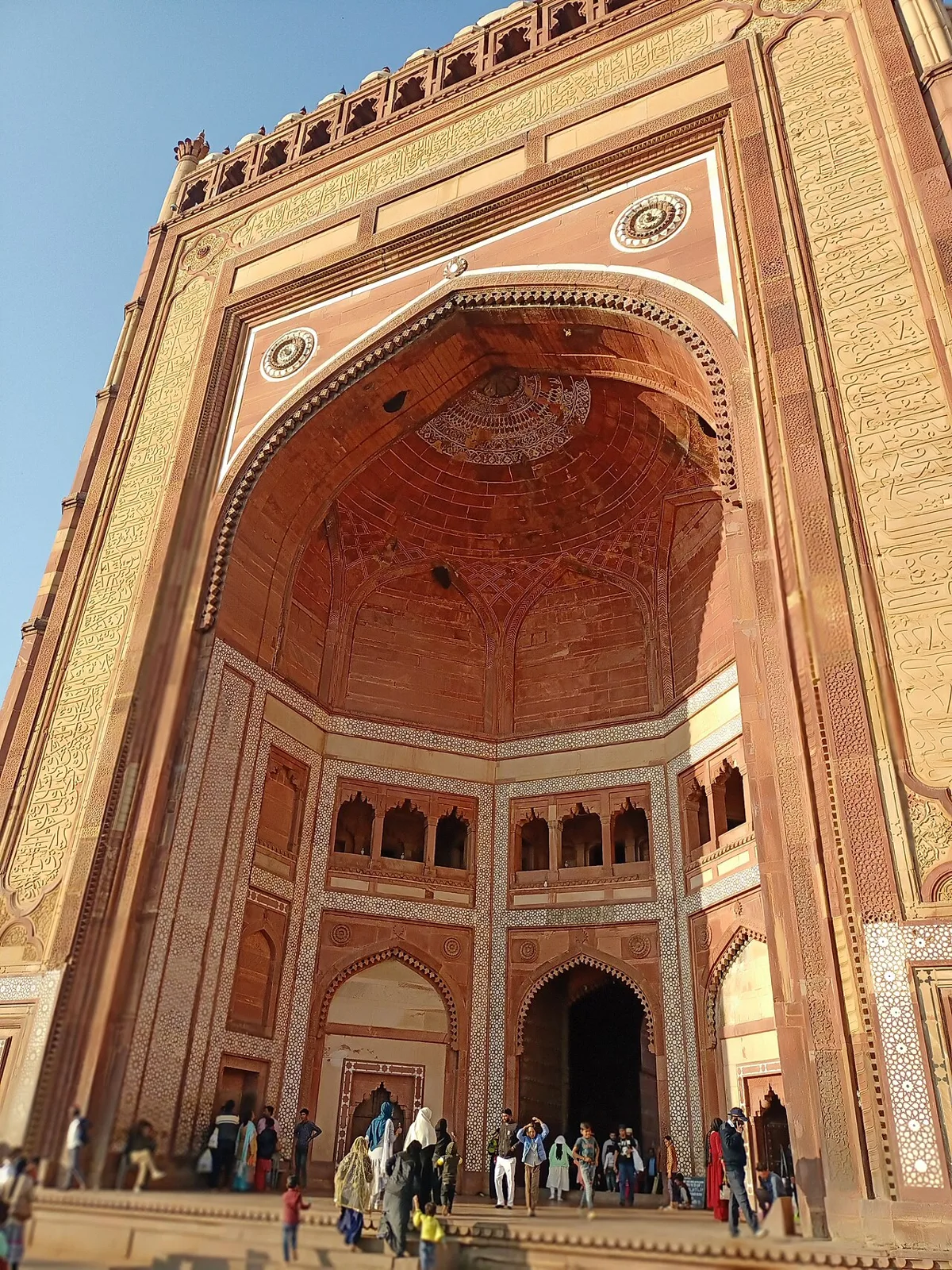
Buland Darwaza, near Jagner

City guide · Uttar Pradesh

Jagner

Jagner is a small town in the southern part of Agra district, about 57 km from Agra city. Its main landmark is a hill fort rising above the settlement on a steep rocky slope.

Famous for

  • Gwal Baba cave shrine
  • Jagner hill fort
  • Hilltop pilgrimage site
  • Jagan Singh tradition

Why Jagner matters

Jagner is a small town in the southern part of Agra district, about 57 km from Agra city. Its main landmark is a hill fort rising above the settlement on a steep rocky slope. Within the fort is the shrine of Gwal Baba, associated with a saint remembered for his devotion to cows and said to have lived in a cave. The shrine and fort give Jagner a distinctive pilgrimage and heritage character, drawing visitors interested in local religious traditions and the town’s hilltop setting.

Jagner is also a nagar panchayat serving nearby communities. It is not a large tourism or commercial centre, and many visitors make a focused stop at the fort and shrine rather than treating it as a base for a longer trip. Its proximity to Agra connects it with the district’s broader travel network, while its quieter scale offers a different experience from the city’s major monuments. The name is traditionally linked to Jagan Singh, a ruler associated with the area in the 13th century.
Famous for: crafts, trade & products

Jagner is not widely identified as a centre for a particular textile, saree, handicraft or GI-tagged product. There is no well-established specialist craft market for visitors to seek out, so it is best not to expect the range of dedicated workshops and emporiums found in larger cities. The town’s commercial life is mainly local, serving residents and surrounding villages with everyday goods and services.

For basic shopping, visitors can look around the town centre and its ordinary retail streets, where small shops cater to daily needs. These are more useful for essentials than for destination shopping, and specific product availability can vary. Travellers looking for Agra’s better-known handicrafts, textiles or larger retail selection will generally find more options in Agra itself. Jagner’s most distinctive point of interest remains its hill fort and Gwal Baba shrine, rather than a locally branded product or industrial attraction.

History

Jagner’s history is closely associated with the hill fort around which the town is spread. The fort stands on a steep hill, with the rocky rise forming a prominent feature of the settlement. Local tradition connects the town’s name with Jagan Singh, a ruler said to have lived in the 13th century; detailed accounts of the fort’s construction and successive rulers are not firmly established here.

The shrine of Gwal Baba is another part of Jagner’s remembered past. The saint is associated with a cave in the fort and is revered for his devotion to cows, making the site a place of pilgrimage as well as a historical landmark. A detailed account of Jagner’s role during the colonial period is not readily established, so specific events from that era should not be assumed. In modern times, Jagner has developed as a small nagar panchayat within Agra district, serving the town and nearby rural settlements. Its identity continues to centre on local civic life and the fort-shrine complex.

Food, festivals & culture

Jagner’s cultural life reflects the customs of the Agra region and the surrounding towns and villages. Hindi is widely used, and regional speech may include Braj-influenced forms. Everyday meals are broadly North Indian, with staples such as wheat breads, lentils and seasonal vegetables; there is no single dish or sweet that is especially established as Jagner’s signature. For a wider choice of food, visitors may find more options in Agra.

Hindu festivals such as Holi in spring, Navratri and Dussehra in autumn, and Diwali in autumn are commonly observed across the region. The Gwal Baba shrine gives local devotional practice a visible focus, particularly for pilgrims visiting the fort. Music at religious and family occasions may include devotional singing and regional popular forms; specific performance traditions are not a defining visitor attraction in Jagner. The town is best approached as a place of local worship and community celebrations rather than as a major centre for staged performances or festival tourism.

Visiting the city

The cooler months, roughly October to March, are generally more comfortable for exploring the steep fort setting; summer heat can make the climb tiring. The nearest airport serving the area is Agra Airport (Kheria), though flight options should be checked before planning. Agra Cantt is the principal railway station for onward travel to Jagner. The town is about 57 km from Agra and is reached by road; local auto-rickshaws or other locally available vehicles can help with short trips, but availability may vary.

Allow time for the hill fort and Gwal Baba shrine, and explore the town centre for a sense of everyday local life. The approach and ascent can involve uneven or steep ground, so suitable footwear is useful. Ask locally about access conditions before setting out.

Trips from the city

Nearest places to visit from Jagner

Our closest destination guides, by straight-line distance.

Buland Darwaza

26 km away · Agra district

Buland Darwaza

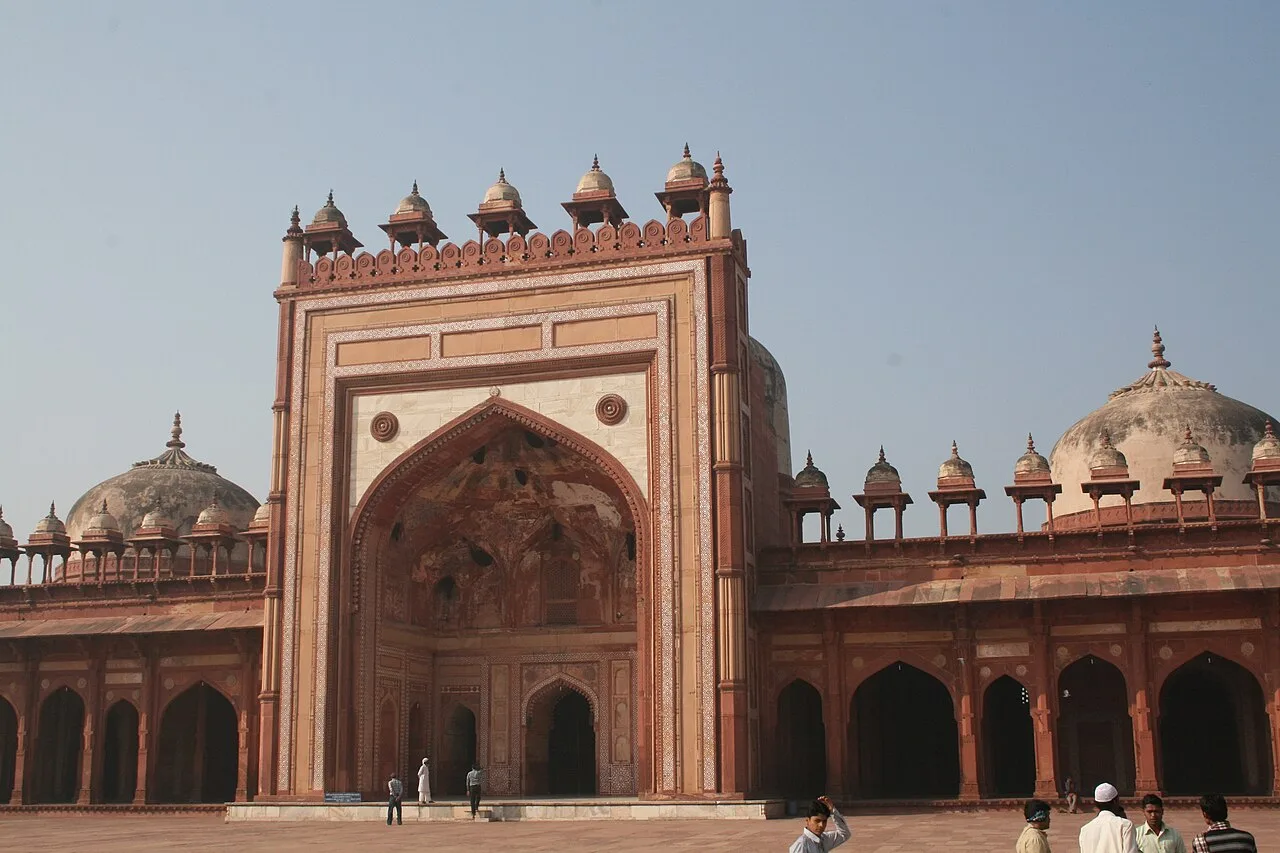
Buland Darwaza is a Mughal gateway at Fatehpur Sikri, raised under Akbar to mark his victory in Gujarat. Visitors see its architectural scale and its place at the entrance to the Jama Masjid.

Fatehpur Sikri

26 km away · Agra district

Fatehpur Sikri

Fatehpur Sikri is a town in Uttar Pradesh’s Agra district, known for its short-lived role as Akbar’s Mughal capital. Visitors come to see its historic palace complex and religious buildings.

Tomb of Salim Chishti

26 km away · Agra district

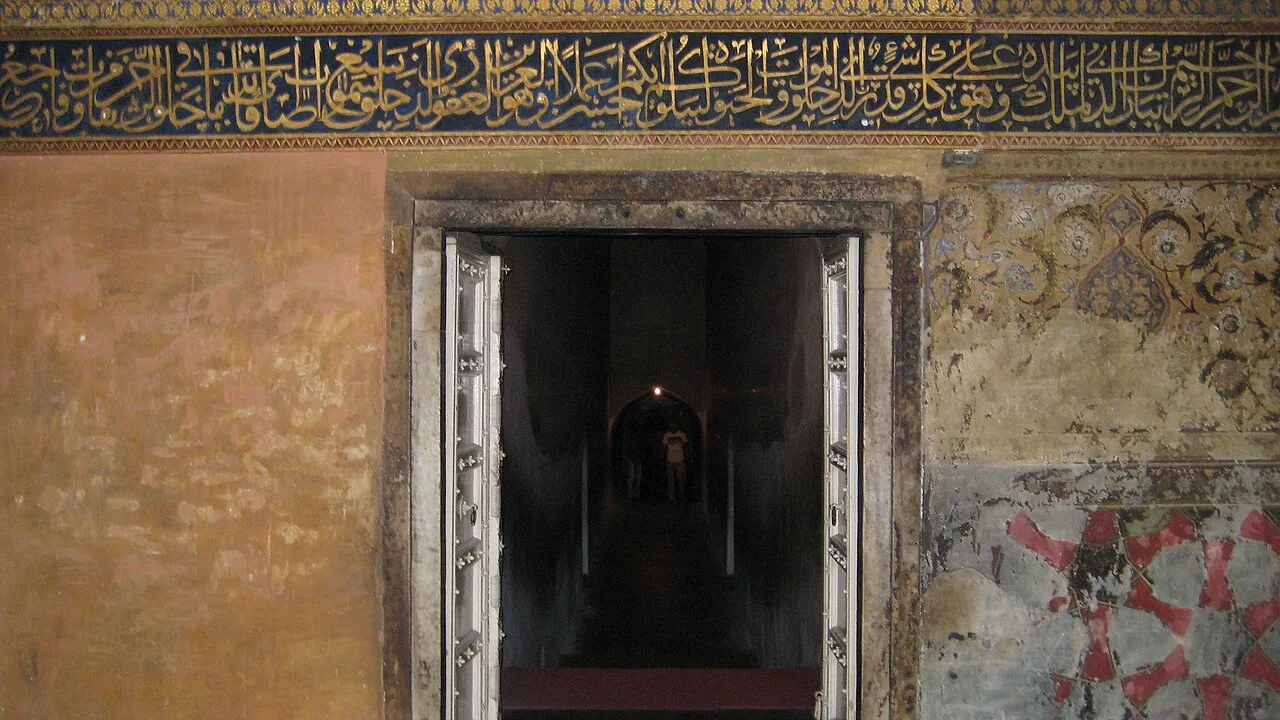
Tomb of Salim Chishti

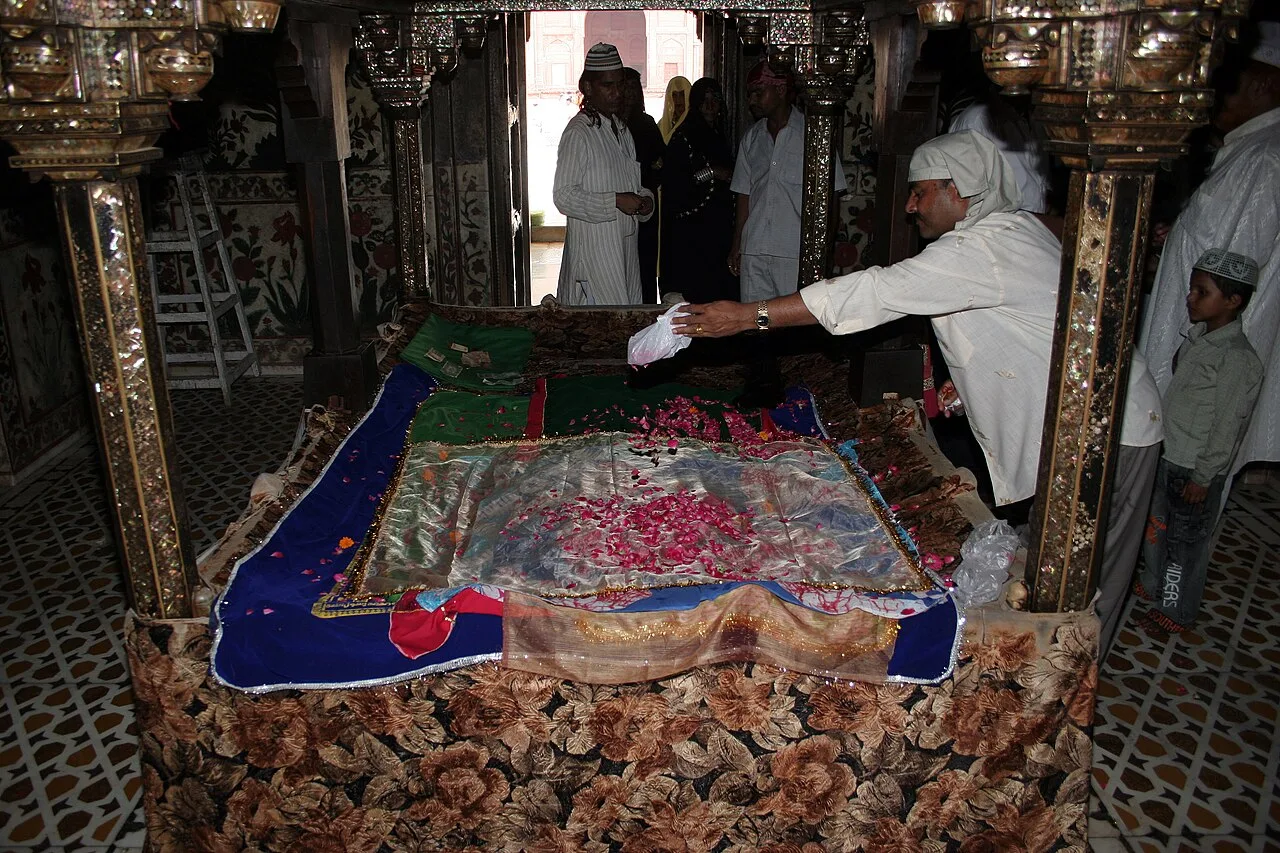
This mausoleum in Fatehpur Sikri honours Sufi saint Salim Chishti. Visitors come to see its Mughal architecture and the shrine linked to Akbar’s prophecy of an heir.

Panch Mahal, Fatehpur Sikri

27 km away · Agra district

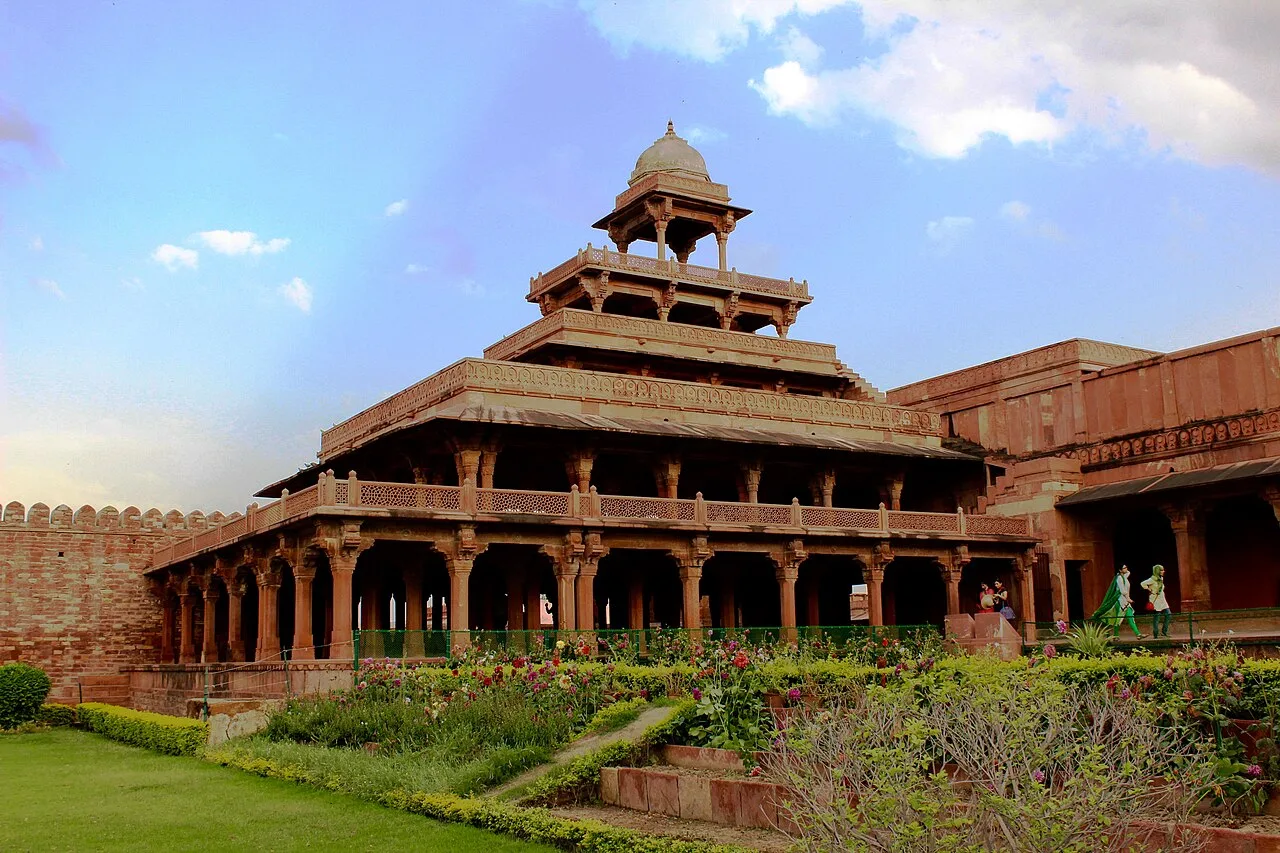
Panch Mahal, Fatehpur Sikri

Panch Mahal is a five-level palace at Fatehpur Sikri, commissioned by Akbar. Visitors see its tiered, carved architecture and learn about its possible role in royal recreation beside the Anoop Talab.

49 km away · Agra district

Sur Sarovar Bird Sanctuary (Keetham Lake)

Sur Sarovar Bird Sanctuary, also called Keetham Lake, is a Ramsar-protected wetland in Agra district, Uttar Pradesh. Visitors come to see its birdlife, open water and artificial islands.

Tomb of Mariam-uz-Zamani

52 km away · Agra district

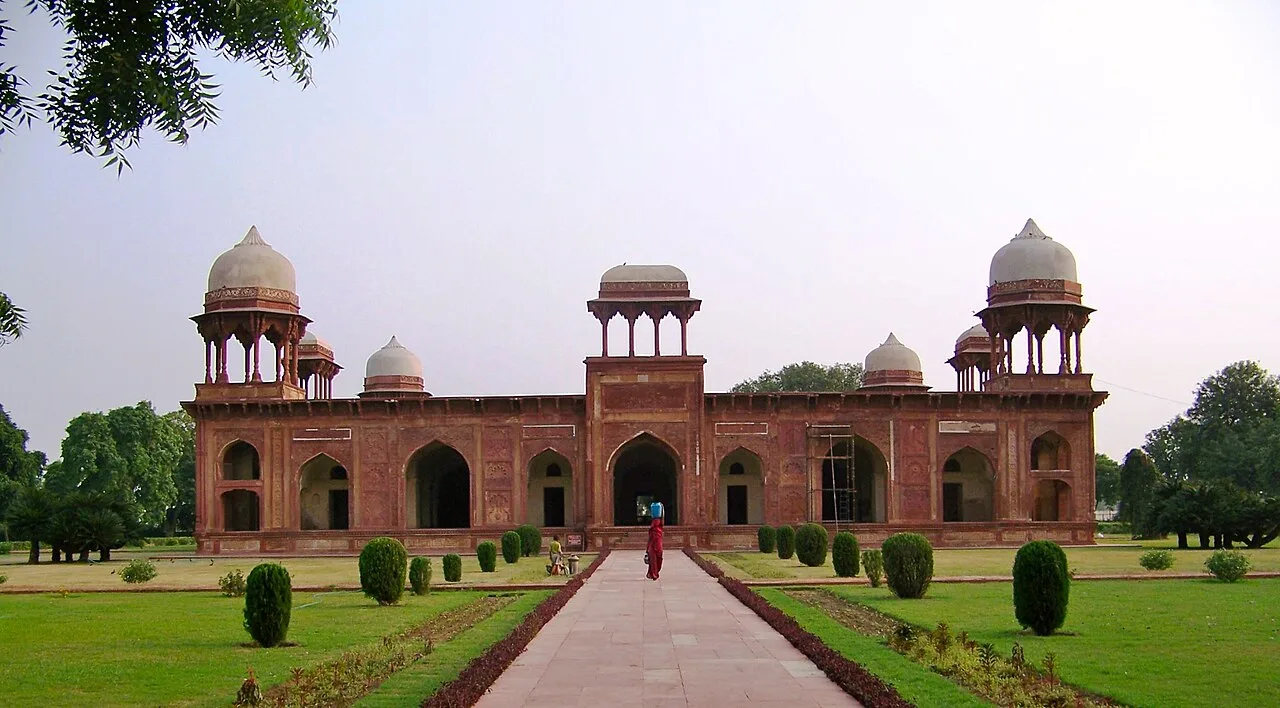
Tomb of Mariam-uz-Zamani

The Tomb of Mariam-uz-Zamani is the mausoleum of Akbar’s wife, built by their son Jahangir. Visitors come to see her burial place beside Akbar’s tomb.

Akbar's tomb

53 km away · Agra district

Akbar's tomb

The burial monument of Mughal ruler Akbar, this Agra site is visited for its historic association and buildings that combine red sandstone construction with white marble details.

53 km away · Agra district

Guru ka Taal Gurdwara

Guru ka Taal Gurdwara, near Sikandra in Agra, is a Sikh pilgrimage site honouring the ninth Guru, Tegh Bahadur. People visit to remember his martyrdom and the defence of religious freedom.

Map

Jagner on the map

  1. 1Buland Darwaza
  2. 2Fatehpur Sikri
  3. 3Tomb of Salim Chishti
  4. 4Panch Mahal, Fatehpur Sikri
  5. 5Sur Sarovar Bird Sanctuary (Keetham Lake)
  6. 6Tomb of Mariam-uz-Zamani
  7. 7Akbar's tomb
  8. 8Guru ka Taal Gurdwara

Uttar Pradesh

Other cities to explore