Ghumoopedia — Explore, Discover, Experience
Sign in

City guide · Uttar Pradesh

Kulpahar

Kulpahar is a historic town in Mahoba district, in the Bundelkhand region of Uttar Pradesh. It serves as an administrative and market centre for nearby settlements, while its setting among rocky hills, old reservoirs and scattered archaeological remains gives it a distinctive regional character.

Famous for

  • Chandela-era temple ruins
  • Raja Ka Tal lake
  • Senapati Mahal
  • Bundeli bhata aur gakariya

Why Kulpahar matters

Kulpahar is a historic town in Mahoba district, in the Bundelkhand region of Uttar Pradesh. It serves as an administrative and market centre for nearby settlements, while its setting among rocky hills, old reservoirs and scattered archaeological remains gives it a distinctive regional character. The town’s history is visible in its palaces, forts, temples and waterworks, associated with Chandela and Bundela-era rule.

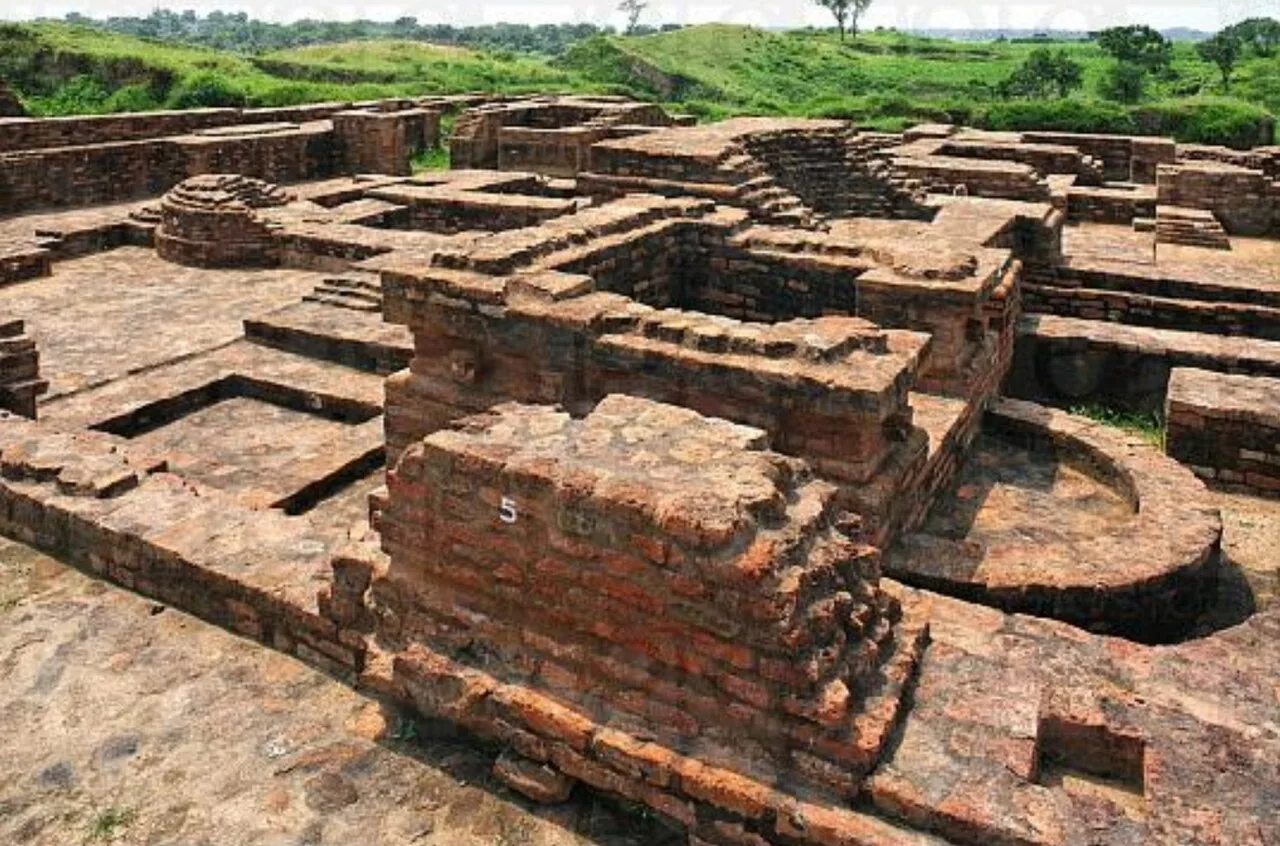
Visitors come to explore sites such as Senapati Mahal, Raja Ka Tal and the remains of Chandela-period temples near villages including Akona, Rawatpura and Salat. Belasagar, a large lake outside the town, adds to the area’s historic landscape. Kulpahar is also a useful base for journeys to other Bundelkhand destinations, including Mahoba, Charkhari, Jhansi and Khajuraho. Its appeal is quieter than that of major heritage centres: the town offers a chance to see local architecture and everyday life alongside the region’s broader history. Seasonal fairs and Bundeli food add to the experience.
Famous for: crafts, trade & products

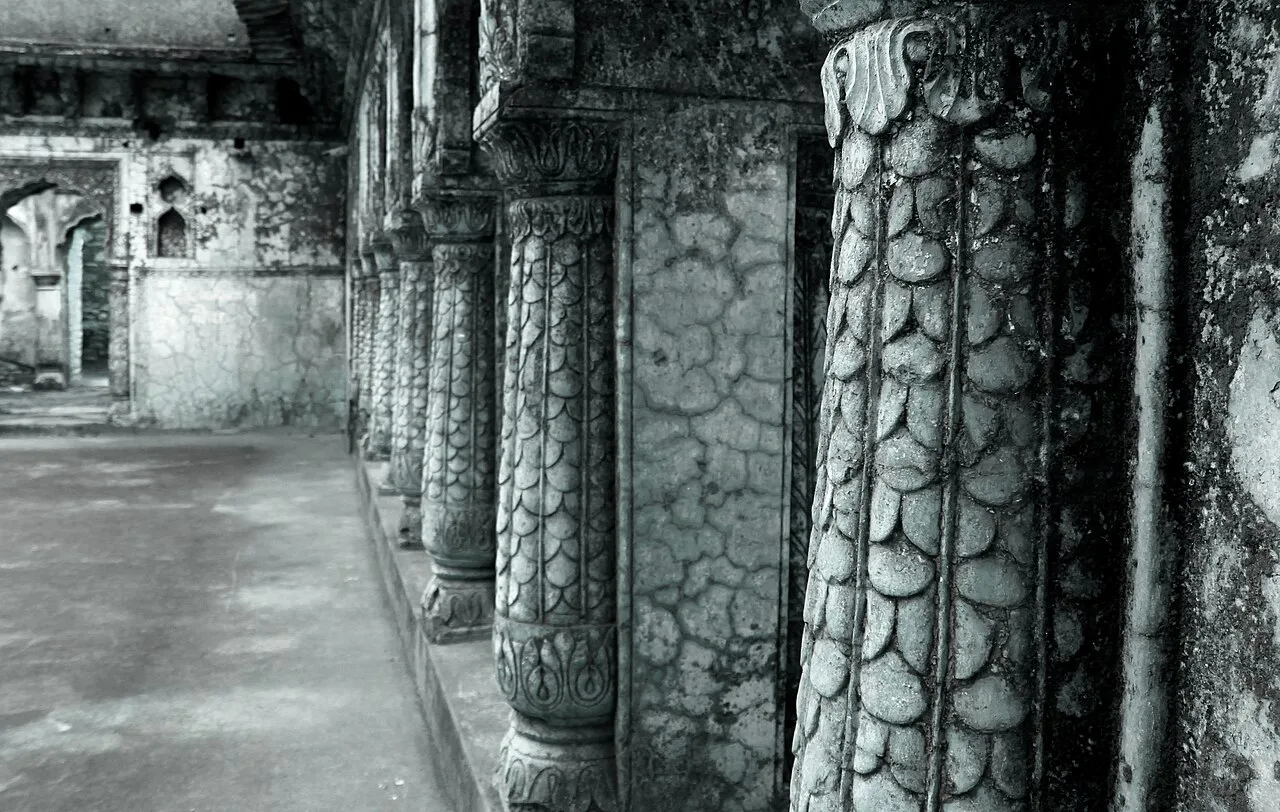
Kulpahar is better known for its historical landscape than for a particular textile, handicraft or industrial product. Its notable heritage includes Senapati Mahal, Raja Ka Tal, Belasagar and the remains of Chandela-period temples and ritual structures in the surrounding villages. The lakes and masonry waterworks reflect the importance of water storage in this dry region, while carved stonework and old hilltop ruins give the area much of its visual character.

There is no widely recognised local GI-tagged product or signature craft associated with Kulpahar. The town’s ordinary shops and markets cater mainly to residents and visitors’ everyday needs; they should not be confused with a specialist craft bazaar. Travellers looking for local food can ask at town eateries for Bundeli dishes such as bhata aur gakariya. For heritage, explore the town’s palace remains and lakes, then arrange local transport to archaeological sites outside the centre. Availability and access at individual ruins can vary, so it is sensible to check locally before setting out.

History

Kulpahar’s archaeological remains point to activity in the area by the ninth and tenth centuries, when Chandela rulers built temples and water structures across Bundelkhand. More detailed records of the town’s early history are limited. In the early eighteenth century, Bundela ruler Raja Jagat Raj of Jaitpur established Kulpahar as a seat of authority; his son Senapati later developed the town and its fortifications. The palace associated with Senapati and the nearby lake Raja Ka Tal date from this period.

Kulpahar became involved in the struggles between Bundela rulers, the Mughals and the Marathas. In the colonial era it was incorporated into the Bundelkhand Agency and later administered as a tehsil within Hamirpur district. Mahoba district was created from Hamirpur in 1995, placing Kulpahar in the new district. Today it remains a local administrative centre, with historic structures and reservoirs forming an important part of its identity. Conservation work has been undertaken at some heritage sites.

Food, festivals & culture

Everyday food is broadly North Indian, with Bundeli cooking an important local influence. A regional favourite is bhata aur gakariya: brinjal-based curry served with gakariya, a local bread. Simple home-style meals and seasonal produce are more characteristic than a single celebrated restaurant dish. Hindi and Bundeli are commonly heard; language use varies between households and communities.

Navratri and Dussehra are major celebrations, usually falling in autumn. During Navratri, devotional gatherings and Durga images animate neighbourhoods, with festivities concluding in processions and immersion. Jalvihar is held around August and September, with temple images taken out in a procession and a fair bringing people together. Holi and Diwali are widely celebrated, while Eid and Christmas are observed by their respective communities. Temples, mosques and churches serve local worshippers. Bundeli folk music and dance belong to the wider cultural life of the region, and may feature at community celebrations, though performances are not a year-round visitor attraction.

Visiting the city

October to March is generally the most comfortable season to visit; summers can be very hot, and monsoon travel may be affected by rain. The nearest airport is Khajuraho Airport. Kulpahar Railway Station serves the town, while Jhansi is a larger rail hub for the wider region. By road, Kulpahar is connected with nearby Bundelkhand towns.

Auto-rickshaws and local vehicles are useful for getting around the town. A hired car or taxi can make visits to outlying sites easier, including the temples near Akona, Rawatpura and Salat and the lakes at Belasagar and Raja Ka Tal. Explore the town centre and Senapati Mahal, then allow time for the surrounding historic landscape. Check locally about access to individual ruins, as facilities may be limited.

Trips from the city

Nearest places to visit from Kulpahar

Our closest destination guides, by straight-line distance.

Kalinjar Fort

92 km away · Banda district

Kalinjar Fort

Travellers visit Kalinjar for its extensive fortifications, its association with Chandela rule and its long religious history, including sacred structures dating to the Gupta period.

Jhansi Fort

108 km away · Jhansi district

Jhansi Fort

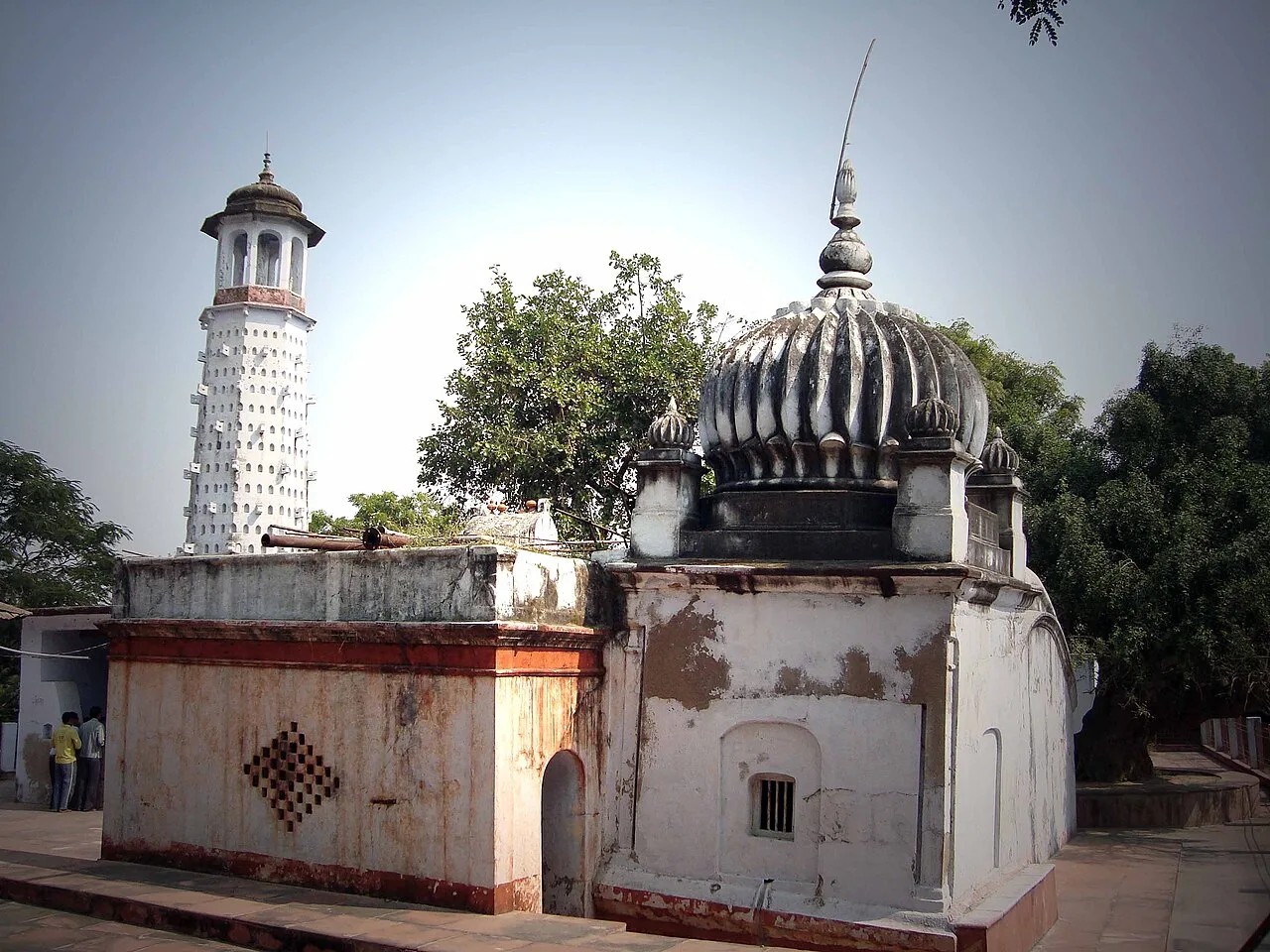
Jhansi Fort is a historic stronghold on Bangira in Jhansi, Uttar Pradesh. Visitors can explore its links to the Karhade Brahmin rulers and the town’s later British-era history.

JK Temple

145 km away · Kanpur Nagar district

JK Temple

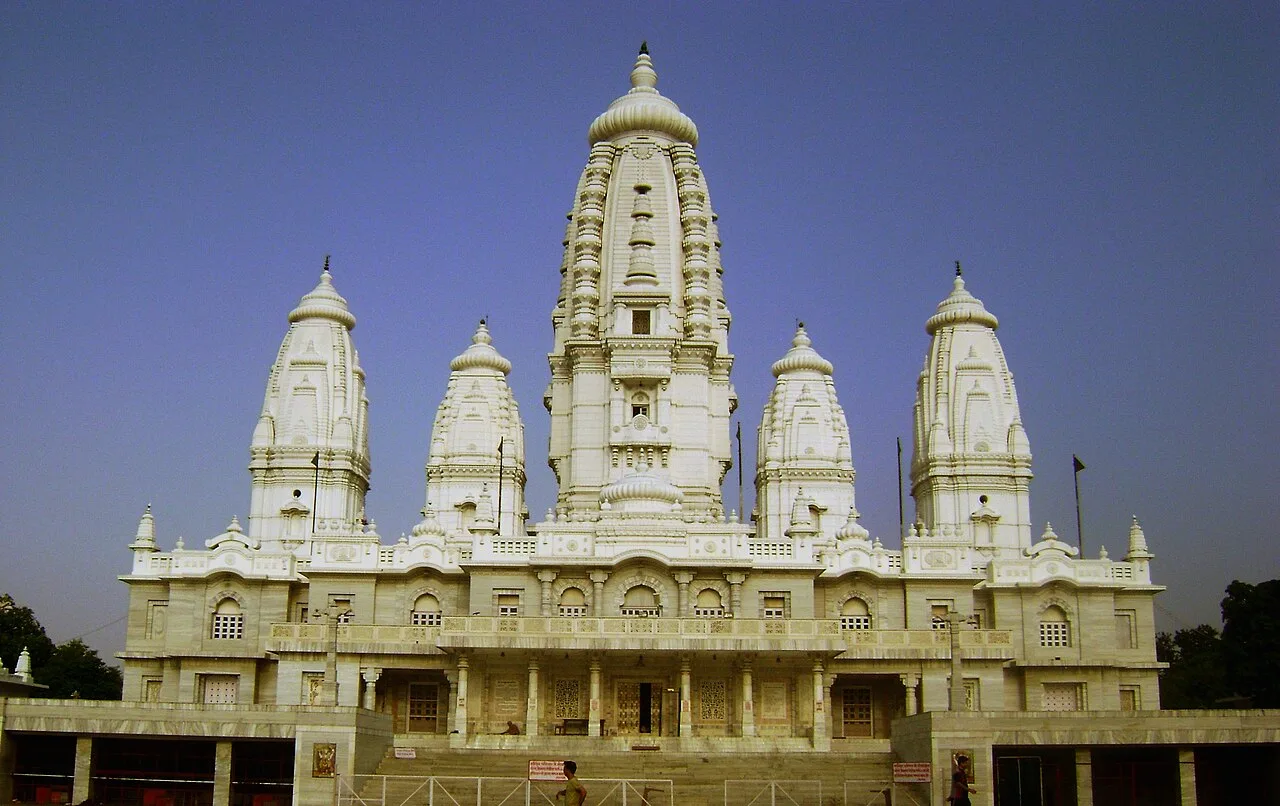
Known also as the Juggilal Kamlapat Temple and Radhakrishna Temple, this Hindu place of worship in Kanpur draws visitors for its combination of traditional and modern architectural features.

Bithoor Ghats

157 km away · Kanpur Nagar district

Bithoor Ghats

Bithoor Ghats are part of Bithoor, a town in Uttar Pradesh beside the Ganges. People visit for its importance as a Hindu pilgrimage centre and its connection with Nana Sahib and the 1857 uprising.

Dashavatara Temple

166 km away · Lalitpur district

Dashavatara Temple

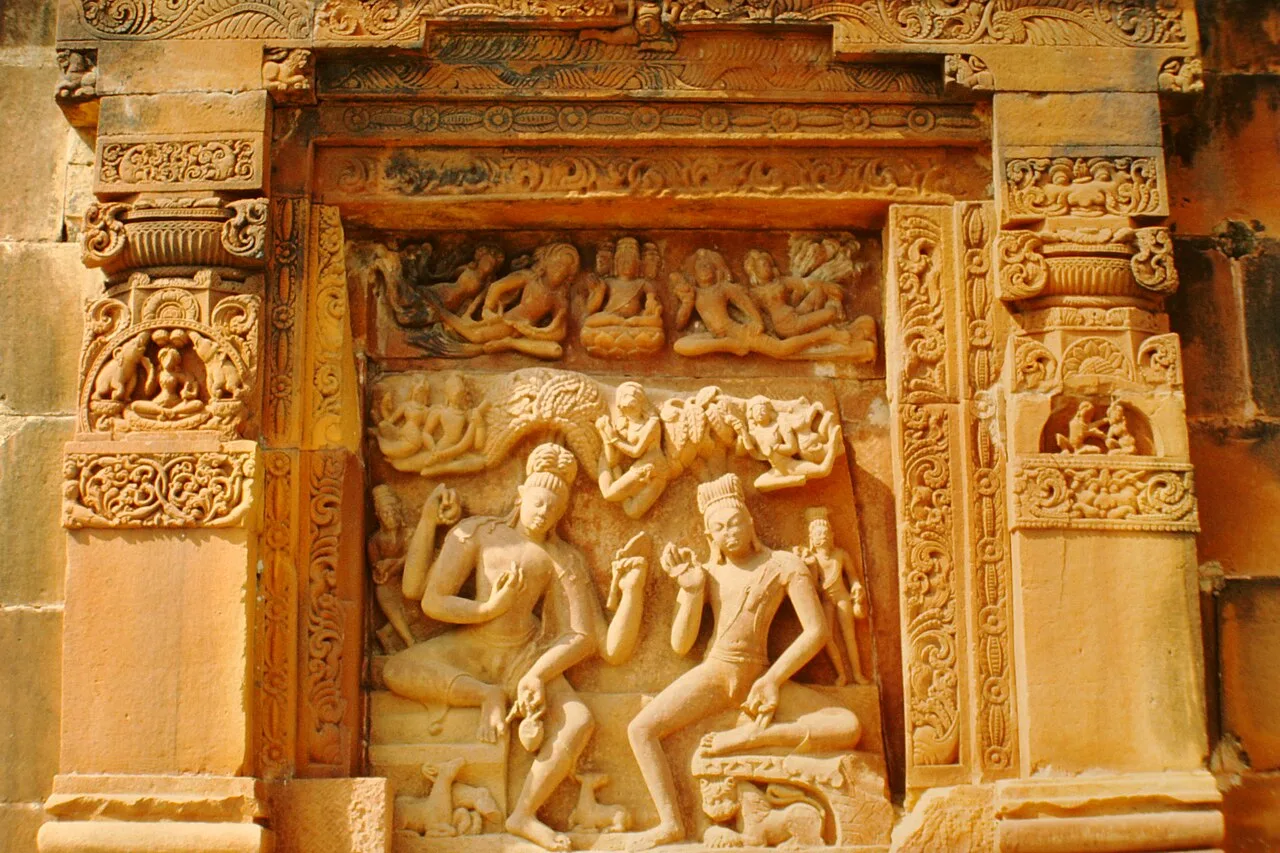
The Dashavatara Temple is a Gupta-period shrine to Vishnu at Deogarh, Uttar Pradesh. Visitors come to study its early stone architecture and carved narratives, which illuminate the development of northern Indian temple design.

Etawah Safari Park

173 km away · Etawah district

Etawah Safari Park

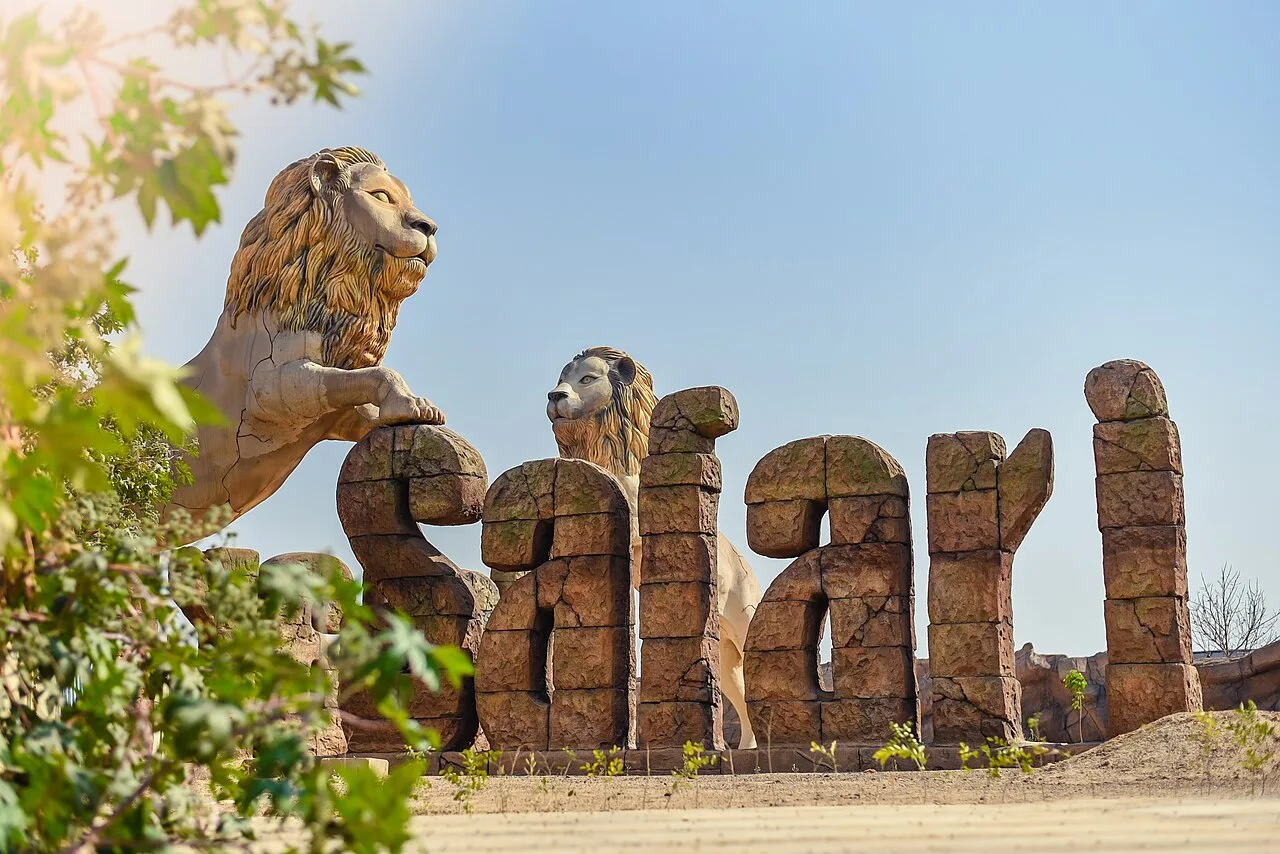
A wildlife attraction in Etawah district, Uttar Pradesh, the park draws visitors for its vehicle-based safari experiences, Asiatic lion breeding centre and visitor centre.

Kaushambi Archaeological Site

176 km away · Kaushambi district

Kaushambi Archaeological Site

Kaushambi Archaeological Site is associated with an ancient city that served as the Vatsa kingdom’s capital and a trading centre on the Ganges Plain, attracting interest for its historical significance.

Nawabganj Bird Sanctuary

176 km away · Unnao district

Nawabganj Bird Sanctuary

Nawabganj Bird Sanctuary, renamed Shahid Chandra Shekhar Azad Bird Sanctuary in 2015, is a wetland reserve in Unnao district, visited for its migratory birds, deer park, watchtowers and boats.

Map

Kulpahar on the map

  1. 1Kalinjar Fort
  2. 2Jhansi Fort
  3. 3JK Temple
  4. 4Bithoor Ghats
  5. 5Dashavatara Temple
  6. 6Etawah Safari Park
  7. 7Kaushambi Archaeological Site
  8. 8Nawabganj Bird Sanctuary

Uttar Pradesh

Other cities to explore