
District · Rajasthan
Kota
Kota is a useful gateway to the Hadoti region of south-eastern Rajasthan, where the Chambal and wooded hill country offer a different setting from the state’s desert west.
Kota district lies in south-eastern Rajasthan’s Hadoti region, where the Chambal River, cultivated plains and rocky hills give the landscape a character distinct from the state’s desert west. Kota city developed as the seat of a Rajput principality that emerged from Bundi in the seventeenth century. Its fortified Garh Palace remains an important expression of that courtly past, overlooking the river in the old city. Beyond the urban centre, the Mukundara Hills Tiger Reserve protects a landscape of wooded hills and wildlife habitats, though visitor access requires current local confirmation. Today, Kota combines historic neighbourhoods and regional cultural traditions with industry, commerce and a prominent educational coaching sector.
Kota is a useful gateway to the Hadoti region of south-eastern Rajasthan, where the Chambal and wooded hill country offer a different setting from the state’s desert west. Travellers come for the fortified Garh Palace and Kota’s old-city heritage, as well as for the region’s landscapes and cultural traditions. The district is also known for its industrial and commercial activity and its large coaching-education sector, which gives the city a busy, contemporary character. Kota suits visitors interested in combining a historic city stop with a carefully planned excursion into the surrounding countryside.
Kota’s history is closely linked to Hadoti and the neighbouring former kingdom of Bundi. In the seventeenth century, Kota emerged as a separate Rajput principality under Rao Madho Singh, a son of Bundi’s ruler Rao Ratan Singh. The Kota court developed around its fortified palace, now known as Garh Palace, and the city grew beside the Chambal River. Kota’s rulers negotiated changing relationships with the Mughal Empire and, later, with the Maratha powers active in the region. In the early nineteenth century, the state came under British paramountcy through treaties made during the expansion of British influence in Rajasthan. Kota remained a princely state until India’s independence and the integration of princely territories into Rajasthan. The modern district took shape through post-independence administrative reorganisation; its boundaries and administration belong to the state’s later district framework. The former courtly centre and the surrounding region’s agricultural, industrial and urban development together shape Kota’s present-day identity.
3 destination guides · 2 on the map
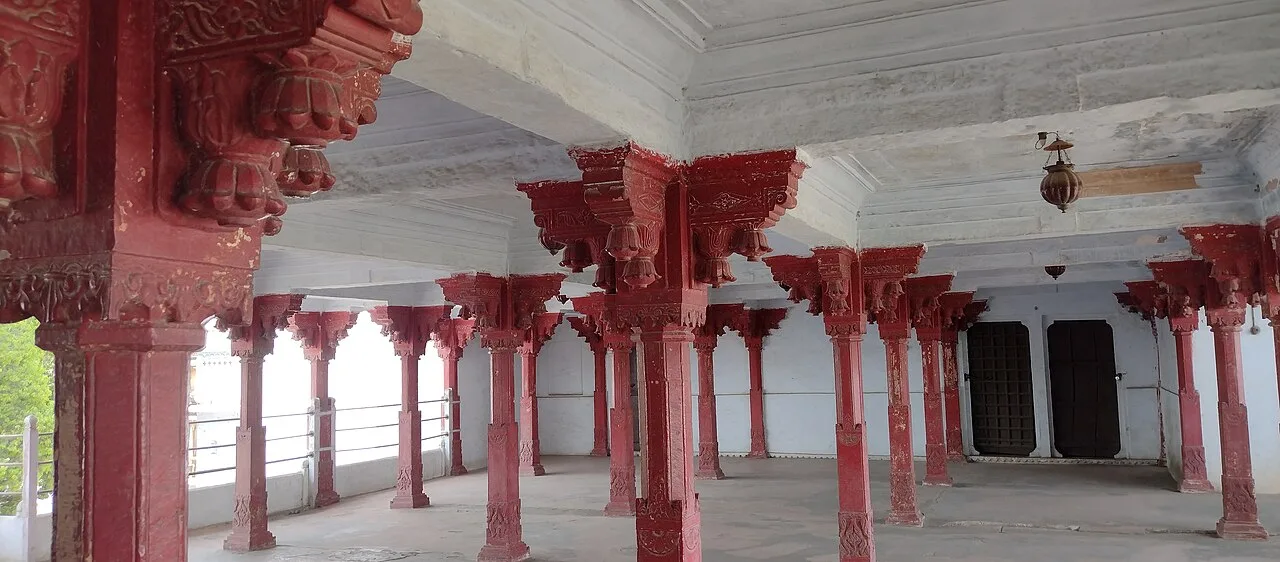
Garh Palace
Garh Palace, also called the City Palace or Garh, is a fortified palace in Kota, Rajasthan. Visitors come to see its historic buildings and wide-ranging heritage collection.
Kaithoon
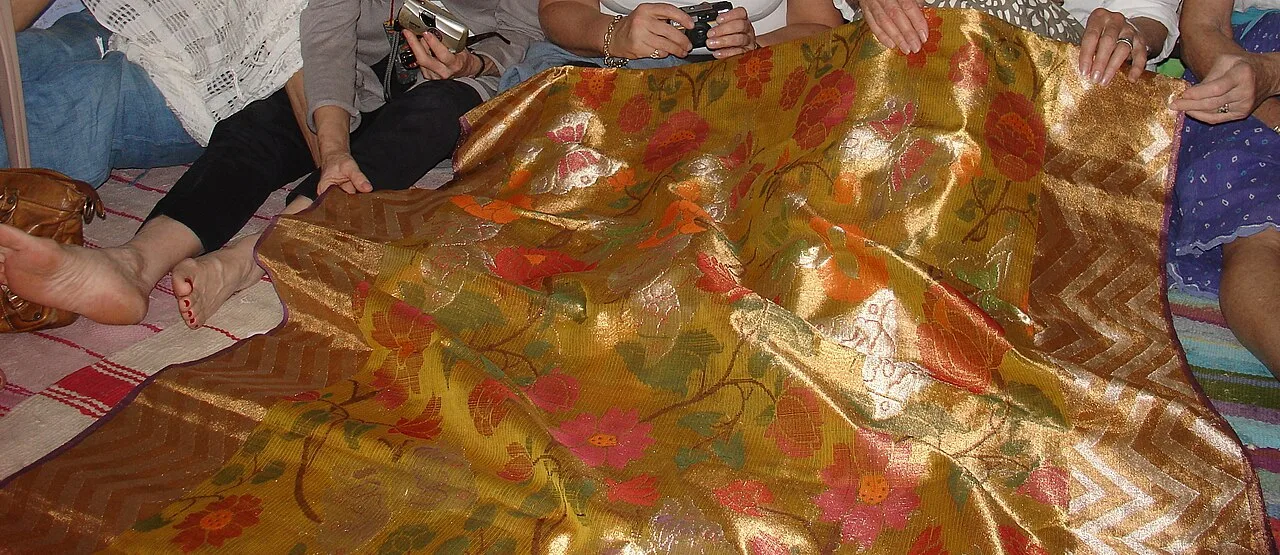
Kaithoon is a town and municipality in Rajasthan’s Kota district, known for its association with Kota Doria sarees, which are a reason for visitors’ interest.
Mukundara Hills Tiger Reserve
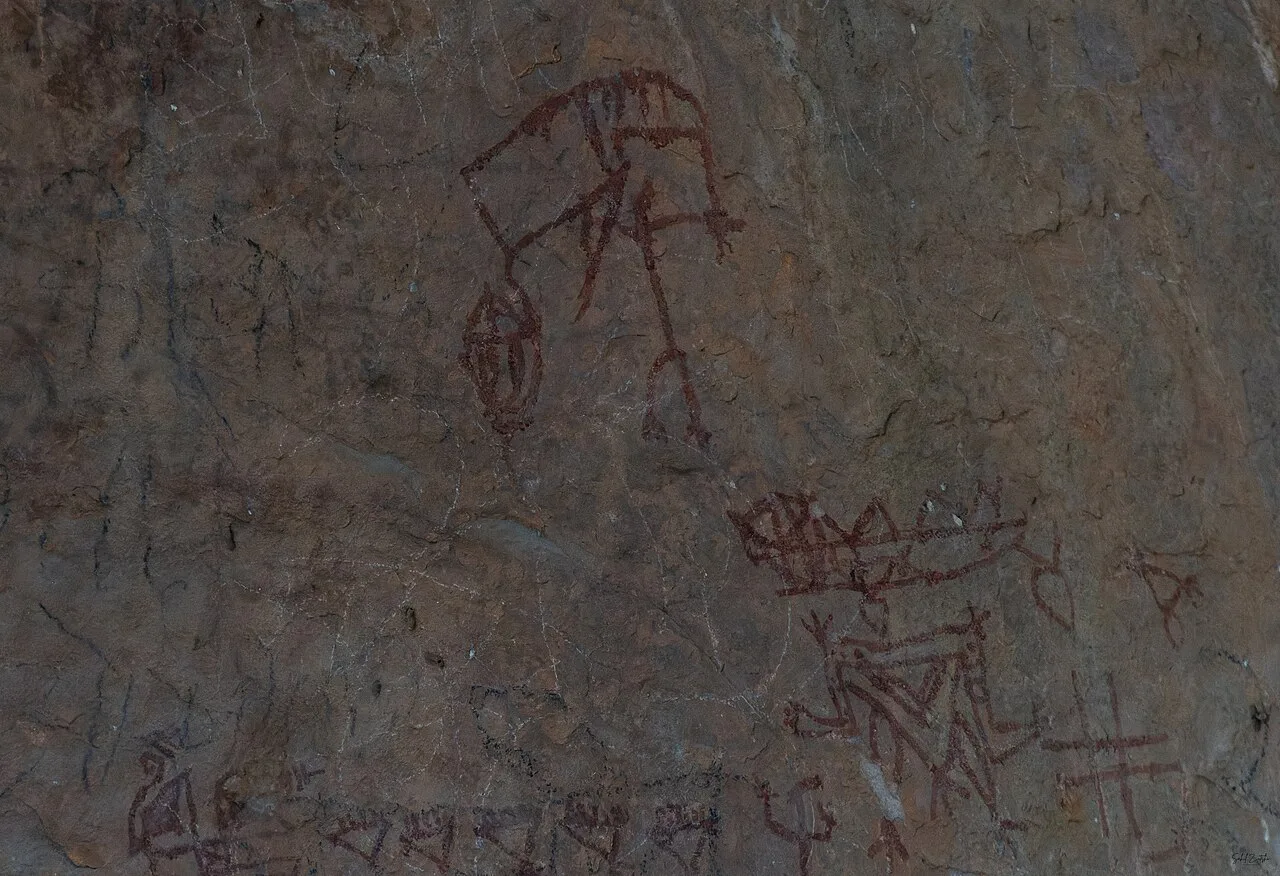
In southeastern Rajasthan, Mukundara Hills Tiger Reserve protects a landscape of forest, hills and wildlife habitat. Visitors can explore a reserve centred on a national park and several adjoining sanctuaries.
Kota’s food belongs broadly to the Hadoti and wider Rajasthani kitchen. Dal baati churma, gatte ki sabzi and seasonal vegetable preparations are familiar choices, while ker sangri reflects the broader state’s tradition of cooking with hardy desert produce. Kachori is a popular snack; pyaaz kachori and mirchi vada are also found across Rajasthan. Ghewar and mawa kachori belong to the region’s rich sweet-making repertoire, with availability varying by shop and season. Vegetarian meals are easy to find, while some restaurants serve laal maas and other meat dishes. Carry water and snacks for outings away from town.
Kota is closely associated with Kota Doria, a lightweight woven fabric distinguished by its fine checked structure, known as khat. Kaithoon, near Kota city, is an important centre of this handloom tradition, which commonly combines cotton and silk in saris and other textiles. Buying from established weavers or trusted sellers helps distinguish handwoven work from machine-made imitations. Kota also has a recognised miniature-painting tradition within the wider Hadoti school, particularly noted for lively hunting scenes, animals and courtly subjects. These paintings offer another way to understand the district’s royal artistic heritage.
Kota’s best-known public celebration is its Dussehra fair, held in autumn and drawing visitors from the city and surrounding Hadoti region. The event can make central areas busier and accommodation harder to find, so booking ahead is sensible during the fair period. Gangaur, Teej, Holi and Diwali are also observed in Kota and the wider region, with processions, local gatherings or family celebrations depending on the occasion. Festival activity varies from year to year; check locally for current programmes and likely crowd levels.
Elsewhere in Rajasthan
The district lies in the Hadoti plateau, with cultivated plains, rocky ground and low, wooded hills. The Chambal River is a defining feature of Kota city, while the wider district includes tributaries and seasonal watercourses. Mukundara Hills and their forest habitats bring a more rugged landscape to parts of the region. Roads across the plains are generally more straightforward than routes into hilly or protected areas, where access and conditions may vary. For countryside excursions, check the route and permitted access before setting out.
Kota has hot summers, a monsoon season and cooler winters. Summer days can be demanding for outdoor sightseeing, while monsoon weather may bring wet roads and changing conditions in the countryside. Winter, broadly from October to March, is generally the most comfortable period for exploring the city and planning regional outings. Pack light clothing and sun protection in warmer months, and carry a light layer for winter evenings. During the monsoon, take rain protection and suitable footwear. Check the forecast before travelling, especially if your plans include hills or forest areas.
Kota Junction is the district’s principal railway gateway, with connections to major Indian cities. For air travel, Jaipur International Airport and Maharana Pratap Airport at Udaipur are established regional options, requiring an onward journey to Kota; compare the complete route before booking. National highways connect Kota with Jaipur, Bundi, Baran and Jhalawar, while RSRTC buses and private coaches provide intercity travel options. Within Kota, auto-rickshaws and taxis are practical for sightseeing. A hired vehicle can help with rural excursions, but confirm permitted access before travelling to Mukundara Hills Tiger Reserve. Check current services locally.
Kota city is the main base for getting around the district. Auto-rickshaws and taxis can be useful for moving between the railway station, the old city and other urban areas; local buses serve some routes, though coverage and frequency may vary. Roads link Kota with nearby towns including Bundi, Baran and Jhalawar, and buses and private vehicles are common options for intercity travel. A hired car can make rural excursions easier. Confirm current road conditions and access rules before travelling to Mukundara Hills Tiger Reserve; do not assume that all areas are open to visitors.
2 days: Garh Palace; night 1 in Kota. 3 days: Garh Palace → Mukundara Hills Tiger Reserve; nights 1 and 2 in Kota (visit the reserve only after confirming current access).
Kota city is the most practical base for both listed destinations, with a range of hotels and other visitor accommodation. It also offers the broadest choice of services for travellers arriving by rail or continuing to nearby towns. For a short heritage-focused visit, stay in Kota and make local trips from there. Accommodation in smaller settlements may be more limited, so confirm availability before planning a rural overnight stop. Homestays, government lodges or dharamshalas may be available in the wider region, but provision varies and should be checked directly.
Kota’s urban sights are generally easiest to visit by road, but traffic and crowds can be tiring; take care when crossing busy streets and keep belongings secure in crowded areas. Summer heat calls for sun protection, water and breaks. Use treated or bottled drinking water if unsure about local supplies. In the countryside, check road conditions and mobile connectivity, which may be limited. Mukundara Hills is a wildlife area: keep a safe distance from animals and follow forest staff instructions. Confirm official visitor access and any permit requirements with the relevant authorities before travelling; do not enter closed areas.
- Jhalawarabout 50 km
- Bundiabout 56 km
- Bhilwaraabout 75 km
- Sawai Madhopurabout 126 km
- Chittorgarhabout 128 km
Straight-line distance between the centres of each district's destinations; road distance is longer.
Q: How many days should I spend in Kota district? A: Two days can cover the city and Garh Palace; allow an additional day if you are planning a countryside visit and access is confirmed. Q: When is the best time to visit? A: October to March is generally more comfortable for sightseeing; summers are hot and monsoon conditions can affect travel. Q: Where is the best base for visiting the listed sights? A: Kota city is the most practical base for Garh Palace and for arranging a confirmed trip towards Mukundara Hills Tiger Reserve. Q: How do I get to Kota? A: Kota Junction is the main rail gateway. Road services connect the city with other Rajasthan towns; Jaipur and Udaipur airports require onward travel. Q: Is Kota suitable for families or elderly travellers? A: Kota can suit families and older visitors, especially with a vehicle for local travel. Plan for heat, walking and uneven surfaces, and confirm access conditions before any forest excursion.
This page draws on our 3 destination guides for Kota and is updated as our team checks it.
Be the first to share photos, stories, advice or a helpful contact for Kota.
Loading…