
District · Gujarat
Banaskantha
Banaskantha lies at Gujarat’s northern edge, where the Aravalli foothills meet the state’s broad agricultural plains and the Rajasthan border.
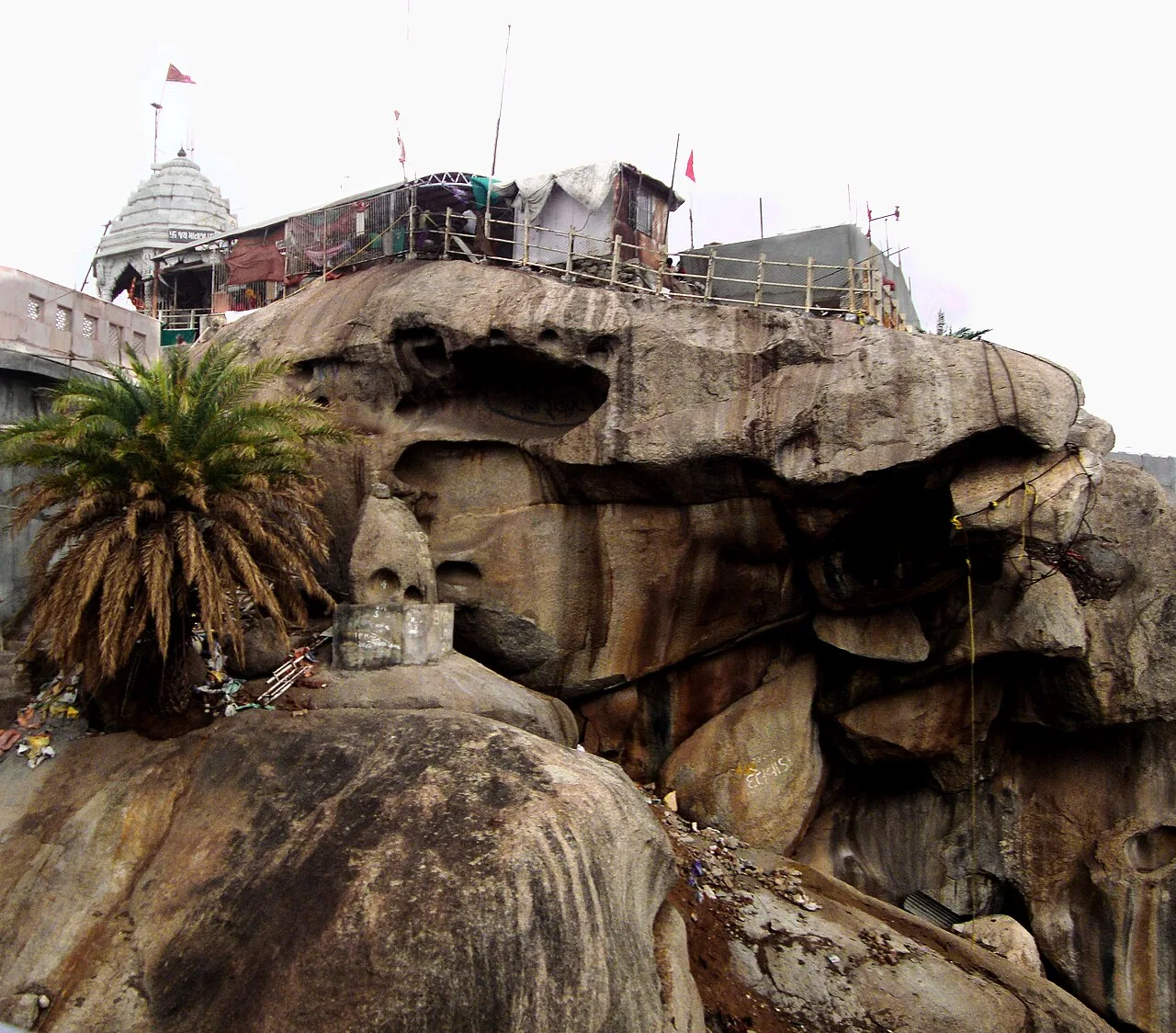
Banaskantha lies in northern Gujarat along the Rajasthan border, bringing together the rocky Aravalli landscape around Ambaji and broad agricultural plains around Palanpur. Farming, livestock rearing and dairy production shape much of its everyday character. Palanpur, historically the seat of a princely state, provides an urban counterpoint to the district’s villages and pilgrimage settlements. Ambaji is its best-known sacred destination, drawing devotees to a major centre of goddess worship; nearby Gabbar hill is closely associated with the pilgrimage. The district offers a quieter introduction to Gujarat beyond its larger cities, with temple traditions, rural markets and a cultural atmosphere shaped partly by its proximity to Rajasthan.
Banaskantha lies at Gujarat’s northern edge, where the Aravalli foothills meet the state’s broad agricultural plains and the Rajasthan border. It offers a view of Gujarat shaped by farming, livestock rearing and dairy production, alongside pilgrimage traditions and a quieter pace than the state’s larger urban centres. The district is best known to many visitors for Ambaji, an important centre of goddess worship, and nearby Gabbar hill, closely linked to the pilgrimage. Palanpur adds a historic town setting, while village markets and rural landscapes give travellers a sense of everyday life in northern Gujarat.
Banaskantha’s past reflects the history of a region made up of princely states and local territories rather than a single enduring kingdom. Palanpur developed as the seat of a princely state ruled by the Babi dynasty, whose rulers were Muslim nawabs. The state came under British paramountcy during the colonial period, while the surrounding region included other princely territories, among them Danta. The area’s religious history is also evident at Ambaji, a longstanding pilgrimage centre associated with goddess worship; the nearby Gabbar hill is part of its sacred tradition. After India became independent, princely states in the region were integrated into the Indian Union. Palanpur state merged with India in 1949 and became part of the then Bombay State. When Gujarat was formed in 1960, Banaskantha became one of its districts, with Palanpur as its administrative centre. The district’s modern identity continues to combine its princely-era urban history with pilgrimage, agriculture and pastoral livelihoods.
Food in Banaskantha is best understood within the wider traditions of northern Gujarat. Rotla, seasonal vegetables, dal, kadhi and khichdi are familiar everyday choices, while a Gujarati thali offers a convenient introduction to several dishes together. Dhokla, khandvi, thepla and fafda-jalebi belong to the broader Gujarati repertoire rather than being district specialities. Dairy foods also fit naturally into this important milk-producing region. In Ambaji, expect predominantly vegetarian meals suited to a pilgrimage town. Small eateries may prepare only a limited daily selection, so asking what is freshly cooked is often more useful than seeking an extensive menu.
Banaskantha shares in the textile and decorative traditions of northern Gujarat, where embroidery, mirror embellishment and colourful clothing form part of a broader regional heritage. Styles vary between communities, and a piece sold locally should not automatically be assumed to have been made in the district. Bandhani tie-dye and embroidered textiles encountered in shops are associated with Gujarat and Rajasthan more widely. Around Ambaji, pilgrimage shopping also includes devotional pictures, ornaments and ritual objects. Ask sellers about materials, makers and place of production if you want locally made work rather than general souvenir merchandise.
Ambaji is especially busy during the Bhadarvi Poonam fair, held around the full moon in the Hindu month of Bhadrapada, usually in the monsoon season. Large numbers of pilgrims visit the temple and Gabbar hill, so accommodation and local transport can be in high demand; reserve ahead where possible. Navratri, usually in autumn, brings devotional gatherings and celebrations, while Diwali and Holi are observed across the district. Festival dates follow religious calendars and vary each year. Check local announcements before travelling, particularly if you prefer quieter visits.
Elsewhere in Gujarat
The district rises into the Aravalli foothills around Ambaji and Danta, with rocky slopes and wooded patches giving way westward to broad, mostly level agricultural plains. The Banas river and its tributaries are important features, though water levels and flow vary by season. There is no coastline. Farming and pastoral life shape much of the open countryside, while the hill country makes some journeys slower and more winding than travel across the plains. Roads link the main towns, but rural routes may be less direct and services less frequent.
Banaskantha has hot summers, a monsoon season and generally milder winters. Summer heat can make daytime sightseeing tiring, especially on exposed roads or around pilgrimage sites. Monsoon brings relief and greener countryside, but rain can affect rural road conditions and make hill journeys slower. Winter, broadly from November to February, is usually the most comfortable period for travel and outdoor visits. Pack light, breathable clothing for warm days, a warmer layer for winter evenings, sun protection and comfortable walking shoes. During the monsoon, carry rain protection and check local road conditions before setting out.
Sardar Vallabhbhai Patel International Airport in Ahmedabad is a practical air gateway for Banaskantha, with onward travel by road or rail. Palanpur Junction is a major railway access point for the district, while Abu Road railway station in Rajasthan is particularly useful for reaching Ambaji. Road connections link Palanpur and Ambaji with Ahmedabad and neighbouring Rajasthan. State transport buses, private buses and hired cars provide onward options, though rural connections may be less frequent. Auto-rickshaws and taxis can help with local journeys; agree on the route and terms beforehand. Check current services locally.
Palanpur and Deesa are useful road hubs, while Ambaji is connected to them and to nearby Rajasthan by road. State buses and private buses serve principal routes, but services to smaller settlements may be limited. Shared vehicles, including jeeps where available, can be useful for rural journeys; confirm their route locally. Auto-rickshaws and taxis are practical for shorter trips and local sightseeing, and hired cars offer more flexibility in the hill country. Agree on the route and terms before starting a hired journey, and check current transport options locally.
2 days: Ambaji and its local pilgrimage area; sleep in Ambaji on both nights. 3 days: Ambaji at a slower pace, with time for the temple, Gabbar hill and nearby surroundings; sleep in Ambaji on all three nights.
Ambaji is the most convenient base for the district’s principal pilgrimage experience, with visitor accommodation that includes hotels, dharamshalas and other simple lodgings. Palanpur offers a wider choice of town hotels and works better for travellers arriving by rail or exploring the plains. Smaller settlements may have fewer places to stay, so plan overnight stops in advance rather than relying on walk-in availability. Homestays and government lodges may be available in some areas, but options can be limited; confirm current arrangements locally, especially during major pilgrimage periods.
Summer heat can cause dehydration, so carry drinking water, take breaks and limit strenuous outdoor activity during the hottest part of the day. Use care on rocky or uneven ground around hills, and do not approach or feed wildlife in wooded areas. Pilgrimage crowds can be dense during major festivals; keep valuables secure and agree on a meeting point if travelling in a group. Rural roads may be narrow, winding or affected by monsoon rain, so allow for slower travel. Mobile coverage can be weaker outside towns. No special permit is generally needed for routine visits to Ambaji, but confirm official guidance before entering any restricted area.
- Sirohi · Rajasthanabout 33 km
- Sabarkanthaabout 57 km
- Mehsanaabout 74 km
- Udaipur · Rajasthanabout 89 km
- Patanabout 92 km
- Pali · Rajasthanabout 108 km
- Rajsamand · Rajasthanabout 118 km
- Gandhinagarabout 128 km
Straight-line distance between the centres of each district's destinations; road distance is longer.
Q: How many days should I spend in Banaskantha? A: Two days can suit a focused visit to Ambaji; allow three days for a slower pilgrimage and time to explore the surrounding area. Q: When is the best time to visit? A: Winter, broadly November to February, is usually the most comfortable season. Festival periods are livelier but busier. Q: What is the best base for visiting Ambaji? A: Ambaji is the most convenient base for the temple and nearby pilgrimage area; Palanpur is useful for rail access and town facilities. Q: How do I get to Banaskantha? A: Palanpur Junction is a major rail gateway, and Ahmedabad is a practical airport gateway. Abu Road station in Rajasthan can be useful for Ambaji, with onward road travel. Q: Is Banaskantha suitable for families or elderly travellers? A: Yes, though festival crowds, summer heat and uneven ground around hill sites can be challenging. Plan rest breaks and transport suited to individual mobility.
This page draws on our 1 destination guides for Banaskantha and is updated as our team checks it.
Be the first to share photos, stories, advice or a helpful contact for Banaskantha.
Loading…