
District · Gujarat
Surendranagar
Surendranagar sits in western Gujarat between the cultivated interior of Saurashtra and the saline flats of the Little Rann of Kutch.
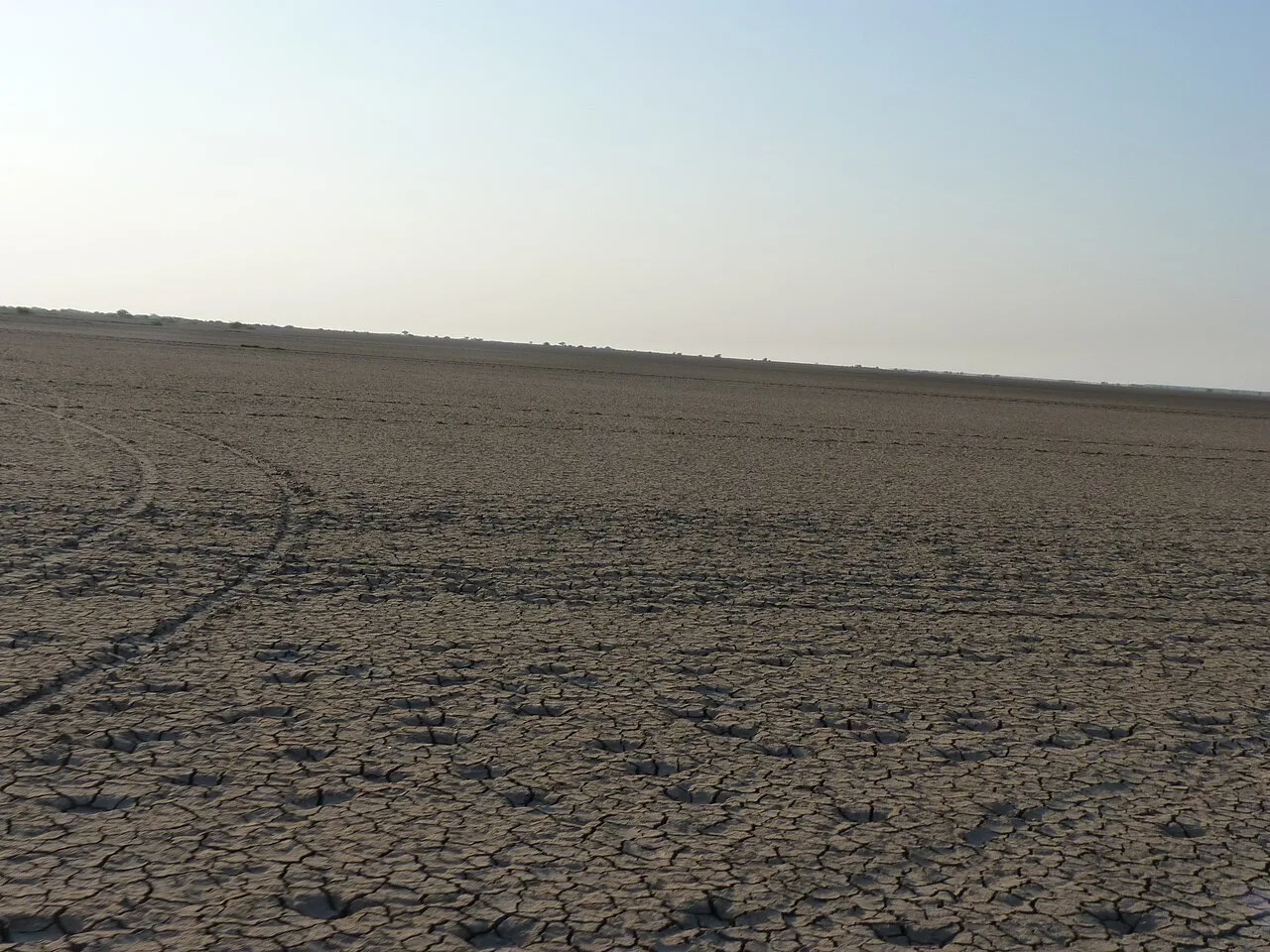
Surendranagar district lies between Gujarat’s Saurashtra region and the saline landscapes of the Little Rann of Kutch. Its character shifts from cultivated plains and busy market towns to thorn scrub, salt-working areas and seasonally flooded flats. The Indian Wild Ass Sanctuary, which extends across several districts, protects much of the Little Rann and offers opportunities to see the Indian wild ass and wetland birds. Historically associated with Jhalawad and its princely states, the district preserves traces of that past in towns such as Wadhwan, Dhrangadhra and Limbdi. Textile traditions, salt production and agriculture remain important threads in a landscape shaped by scarce water, seasonal change and trading connections.
Surendranagar sits in western Gujarat between the cultivated interior of Saurashtra and the saline flats of the Little Rann of Kutch. It offers a chance to experience landscapes that change markedly with the seasons, from farmland and market towns to salt-working areas and wetlands. The district is best known for the Indian Wild Ass Sanctuary, part of a wider protected landscape where Indian wild asses and wetland birds may be seen. Towns such as Wadhwan and Dhrangadhra reflect the area’s Jhalawad heritage, while agriculture, textiles and salt production remain part of local life. It suits travellers interested in wildlife, regional history and quieter road journeys.
The area is historically associated with Jhalawad, a region of princely states ruled by Jhala Rajput lineages. Wadhwan, Dhrangadhra and Limbdi developed as separate state centres, with their own courts, local administrations and trading links. Dhrangadhra State was also known in earlier periods as Halvad-Dhrangadhra. Under British paramountcy, these states retained local rulers while operating within the political framework of colonial India; they were integrated into the Indian Union after independence. When Gujarat was formed as a separate state in 1960, the region became part of its administrative system, and district boundaries and administration were subsequently organized under the state. The Little Rann’s salt flats and seasonal wetlands shaped livelihoods alongside farming and trade. In more recent times, conservation of the Indian wild ass has brought national attention to the Rann, where the sanctuary protects habitat across district boundaries. The region’s history is therefore visible both in its former princely towns and in the changing use and protection of its distinctive landscape.
2 destination guides
Indian Wild Ass Sanctuary
In Gujarat’s Little Rann of Kutch, the Indian Wild Ass Sanctuary protects the endangered khur. Visitors are drawn by the chance to see this wild ass, a southern subspecies of the Asiatic wild ass.
Tarnetar
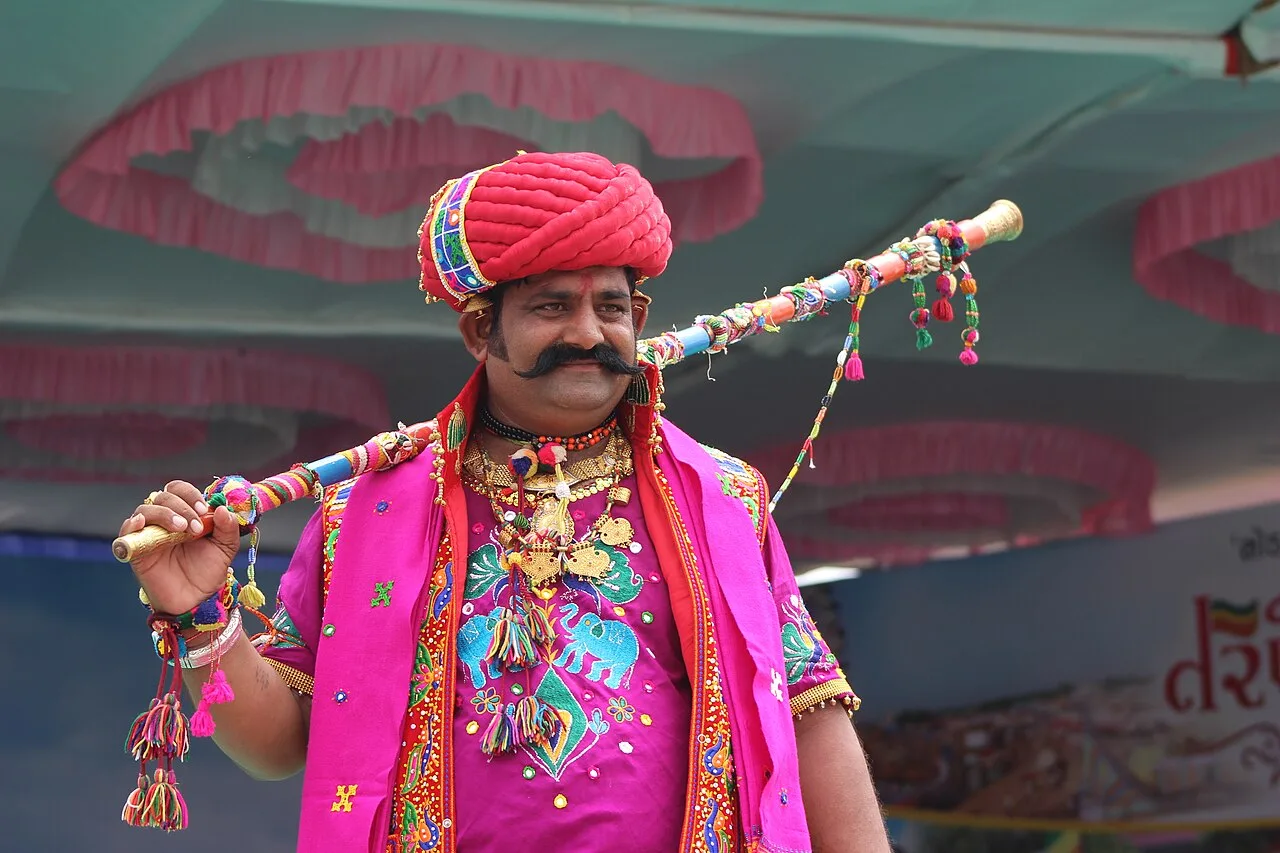
Tarnetar is a village in Gujarat’s Surendranagar district, close to Thangadh. Visitors in the vicinity can include it in their travels around the nearby city.
Food here belongs broadly to Gujarati and Saurashtrian traditions rather than a separate district cuisine. Vegetarian meals commonly bring together rotli or bajra rotla, seasonal vegetable preparations, dal or kadhi, rice, pickles and buttermilk. Thepla, dhokla and khandvi are familiar snacks, while fafda with jalebi is a popular breakfast combination across Gujarat. Winter can bring undhiyu and other seasonal dishes, depending on the eatery. Gujarati thalis offer a convenient introduction, though sweetness and spice vary between kitchens. In smaller towns and near sanctuary approaches, ask what has been freshly prepared; modest eateries may serve only a limited daily menu.
Surendranagar is especially associated with Tangaliya weaving, a textile tradition practised by Dangasia weavers. Its characteristic raised dots are made by twisting contrasting yarn around warp threads during weaving, creating geometric patterns on shawls, wraps and other cloth. The tradition has strong connections with pastoral communities and includes woollen textiles. Patola-style silk weaving is also associated with the district, particularly single-ikat work; this should not be confused with Patan’s better-known double-ikat tradition. When buying, ask about the weaving technique, fibre and maker, and favour purchases directly from weavers or established cooperatives where possible.
Navratri is widely observed in Gujarat in autumn, with devotional events and Garba dancing; Diwali and Holi are also celebrated in towns and villages. The district is particularly associated with the Tarnetar fair, held near Thangadh around the late-monsoon season. It draws visitors for folk music, dance, crafts and traditional displays, and can make nearby roads and accommodation busier than usual. Festival dates vary by the calendar, so check locally before travelling. Smaller temple fairs and community events take place through the year, but their scale and effect on rooms vary by location.
Elsewhere in Gujarat
Surendranagar ranges from cultivated plains and scrub to the saline, seasonally flooded flats of the Little Rann. The Indian Wild Ass Sanctuary occupies part of this wider Rann landscape, which also includes wetlands and salt-working areas. Low hills occur in parts of the district, while seasonal streams and river channels cross the plains; there is no coastline. Monsoon water can change access across flat, unpaved areas, and dry-season conditions can bring dust and heat. Towns are linked by roads, but reaching rural landscapes and sanctuary entry areas is easier with a locally arranged vehicle.
Summer is generally hot and dry, so outdoor travel in the middle of the day can be tiring. The monsoon brings variable rainfall and can leave low-lying Rann areas wet or difficult to cross; access conditions may change from year to year. Winter is usually the most comfortable season for visiting towns and arranging wildlife outings. October to February is generally a good period to plan a visit, while checking local conditions before entering the Rann. Pack sun protection, a hat, breathable clothing and sturdy footwear; winter mornings and evenings may call for a light warm layer. Carry water, especially on rural drives.
Surendranagar Junction is the main rail gateway for the district headquarters. For flights, Ahmedabad’s Sardar Vallabhbhai Patel International Airport is a practical option, with onward travel by road or rail. Roads connect Surendranagar with Ahmedabad, Rajkot and other Gujarat towns, while buses and taxis provide onward links to places such as Wadhwan, Limbdi and Dhrangadhra. For the Indian Wild Ass Sanctuary, plan around your chosen entry area rather than the district headquarters; Viramgam Junction can be useful for some approaches. Auto-rickshaws serve towns, but a locally arranged vehicle is more practical for rural excursions and sanctuary visits. Check current services locally.
Surendranagar Junction is the district’s main rail gateway, and roads connect the headquarters with towns including Wadhwan, Limbdi and Dhrangadhra. State and local buses serve town-to-town routes, while shared jeeps and auto-rickshaws may be available for shorter journeys, with services less dependable in rural areas. Taxis or a locally arranged vehicle are more practical for reaching sanctuary entry areas and salt-flat landscapes. The Little Rann is extensive, so plan transport around the chosen approach rather than assuming one entry serves the whole sanctuary. Confirm current road and access conditions locally.
2 days: Indian Wild Ass Sanctuary; sleep in Dhrangadhra on night 1. 3 days: Indian Wild Ass Sanctuary; sleep in Dhrangadhra on night 1 and Surendranagar on night 2.
Dhrangadhra is a practical base for visitors arranging an approach to the Indian Wild Ass Sanctuary; confirm the most suitable entry area before booking. Surendranagar offers a broader choice of ordinary hotels and is useful for rail connections and town-to-town travel. Wadhwan and Limbdi may suit travellers wanting to stay nearer their local itinerary, though options can be more limited. Accommodation is generally town-based, with hotels and some simpler lodgings; homestays or dharamshalas may be available in certain places. Dedicated stays within the sanctuary landscape should not be assumed.
The Rann’s open, saline terrain can be disorienting, and seasonal flooding, soft ground or poor visibility may affect rural roads. Do not enter remote flats alone; arrange an experienced local driver and follow wildlife guidance, keeping a safe distance from animals. Carry drinking water, sun protection and any personal medicines, and avoid relying on mobile coverage outside towns. Check road and weather conditions before setting out, particularly during and after the monsoon. Ask the forest department or relevant local authorities about current sanctuary entry, vehicle and guide rules; confirm officially whether any permits are required before travel.
- Rajkotabout 100 km
- Patanabout 118 km
- Ahmedabadabout 119 km
- Gandhinagarabout 125 km
- Mehsanaabout 135 km
- Bhavnagarabout 147 km
- Jamnagarabout 173 km
- Kutchabout 194 km
Straight-line distance between the centres of each district's destinations; road distance is longer.
Q: How many days should I spend in Surendranagar district? A: Two or three days can allow time for a sanctuary outing and travel between a town base and the Little Rann; allow more time if conditions or your chosen entry area require it. Q: When is the best time to visit? A: October to February is generally the most comfortable period. Check seasonal access conditions before travelling into the Rann. Q: What is the best base for the sanctuary? A: Dhrangadhra is a practical starting point, but the best base depends on the sanctuary entry area you arrange. Q: How do I get to the district? A: Surendranagar Junction is the main rail gateway. Ahmedabad is a practical airport option, followed by onward travel by road or rail. Q: Is the district suitable for families or elderly travellers? A: Town visits are manageable with ordinary planning. Sanctuary excursions can involve long, exposed drives and uneven or seasonal terrain, so choose a suitable vehicle and itinerary and check access conditions in advance.
This page draws on our 2 destination guides for Surendranagar and is updated as our team checks it.
Be the first to share photos, stories, advice or a helpful contact for Surendranagar.
Loading…