
District · Gujarat
Gir Somnath
Gir Somnath, in southwestern Saurashtra, brings together an important pilgrimage coast, working port towns and access to the wider Gir landscape.
Gir Somnath brings together Gujarat’s Arabian Sea coast, pilgrimage settlements and the wooded landscapes of the wider Gir region. Veraval is a fishing and transport centre, while nearby Prabhas Patan is home to Somnath Temple, one of Hinduism’s twelve jyotirlinga shrines. The temple’s long history of destruction and rebuilding gives the coast a strong historical as well as devotional character. Bhalka Tirtha, associated in Hindu tradition with Krishna’s final earthly episode, forms another important pilgrimage stop. Inland, the Gir forests are renowned for their wild Asiatic lions; the protected landscape extends beyond this district. A journey here can therefore combine temple visits and coastal town life with carefully planned wildlife excursions.
Gir Somnath, in southwestern Saurashtra, brings together an important pilgrimage coast, working port towns and access to the wider Gir landscape. Somnath Temple at Prabhas Patan is one of Hinduism’s twelve jyotirlinga shrines, while nearby Bhalka Tirtha is associated in Hindu tradition with Krishna’s final earthly episode. Veraval offers a glimpse of coastal town and fishing life. Inland, the Gir forests are celebrated for their Asiatic lions, though the protected landscape extends beyond the district. Travellers can combine temple visits and coastal scenery with a separately planned wildlife excursion, making the district a distinctive part of a Saurashtra journey.
Prabhas Patan has long been a sacred settlement, and Somnath Temple’s history is marked by repeated destruction and rebuilding. The shrine was attacked by Mahmud of Ghazni in 1025; later rulers and communities restored it over successive centuries. The wider Saurashtra region was governed at different times by the Maitraka dynasty, the Chudasama rulers of Junagadh, the Gujarat Sultanate and the Mughals. In the colonial era, much of the area formed part of the princely state of Junagadh, under British paramountcy. Junagadh joined India after the 1947 political dispute and was integrated into the Saurashtra state in 1948; Saurashtra became part of Bombay State in 1956 and Gujarat in 1960. The present Somnath temple was rebuilt after independence and consecrated in 1951. Veraval developed as a port and fishing centre alongside the pilgrimage settlement. Gir Somnath district was formed in 2013 from territory that had been part of Junagadh district.
3 destination guides
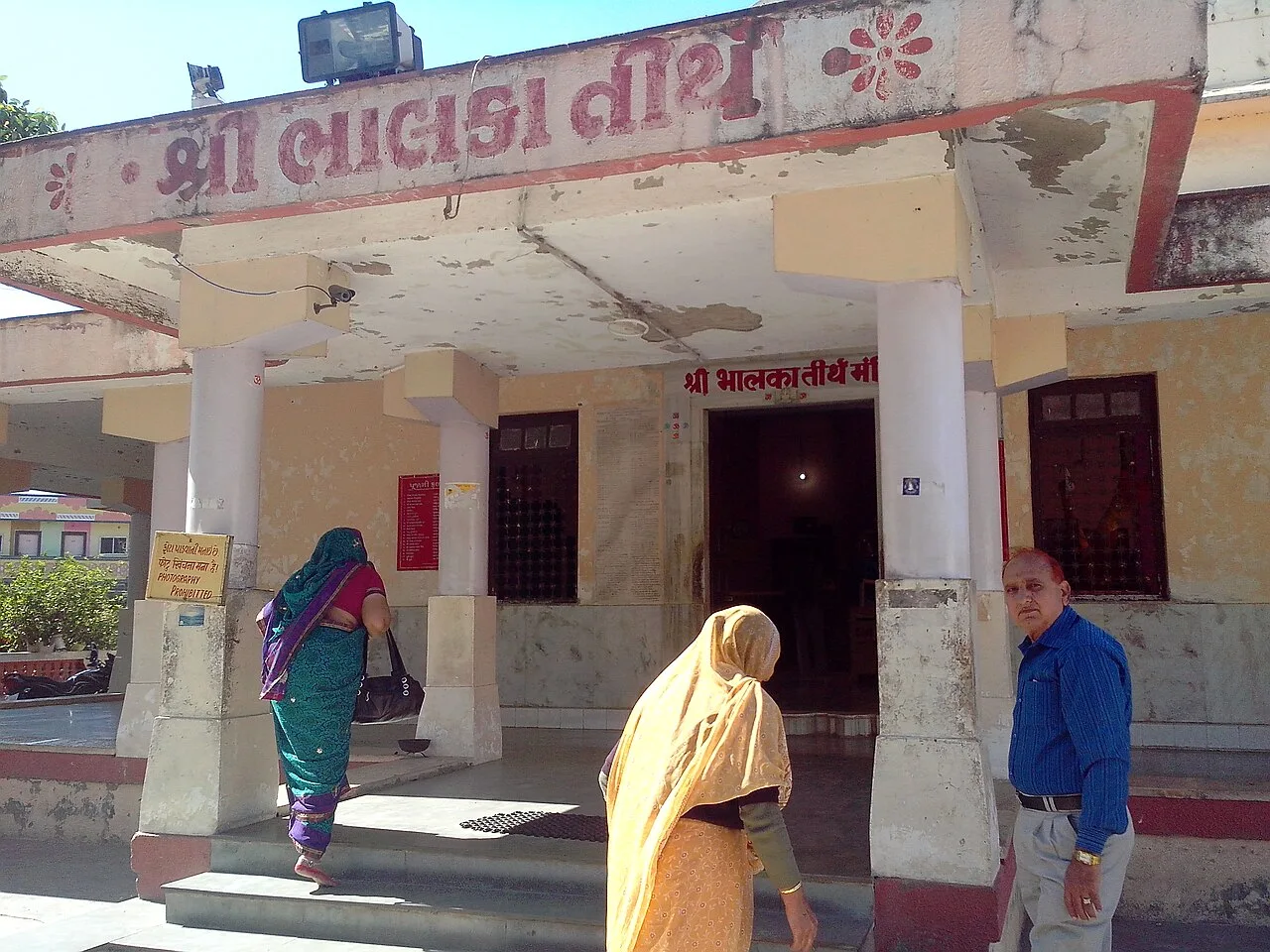
Bhalka Tirtha
Bhalka Tirtha is a shrine in Veraval, Gujarat, associated with Krishna’s departure from earthly life. Visitors come to honour this event and include the site in Krishna pilgrimage journeys.
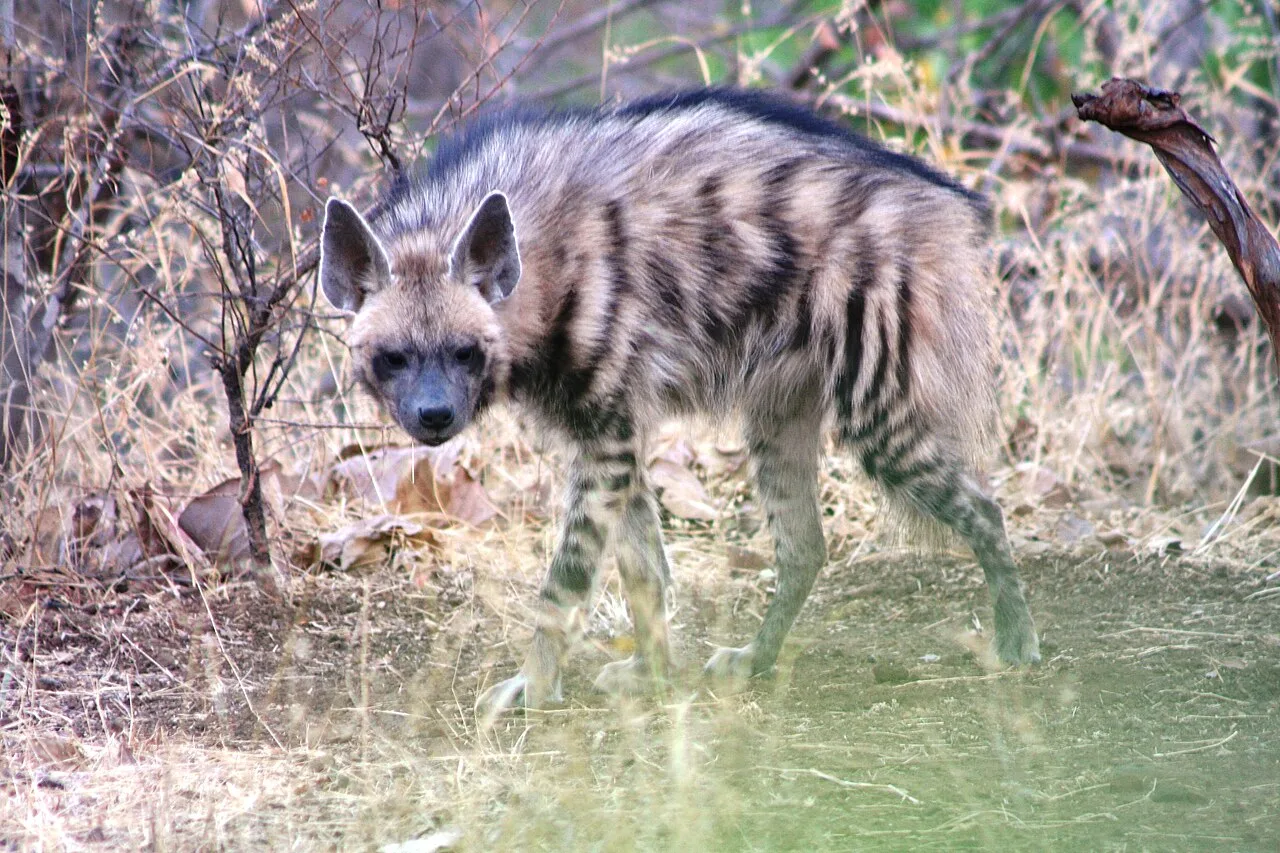
Gir National Park
Gir National Park, also called Sasan Gir, is a protected area in Gujarat known for its Asiatic lions. Visitors come to see its wildlife and forest landscape.
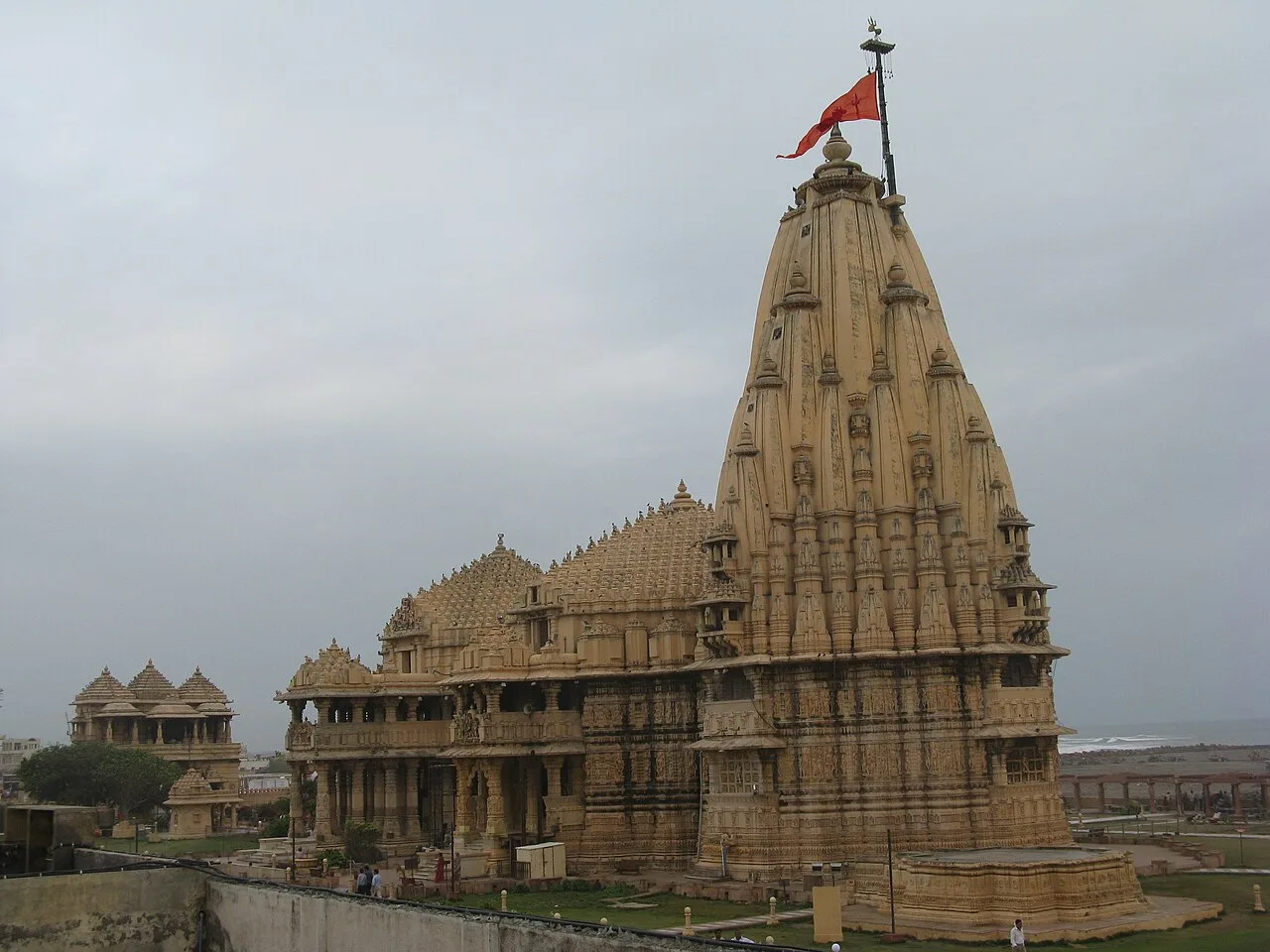
Somnath Temple
At Prabhas Patan near Veraval, Somnath is a Hindu shrine associated with Shiva and a major pilgrimage destination, revered as the foremost of the twelve Jyotirlinga sites.
Food around Somnath’s pilgrimage precincts is predominantly vegetarian, drawing on the wider traditions of Saurashtra and Gujarat. A Gujarati thali commonly brings together rotli, vegetable dishes, dal or kadhi, rice and accompaniments, with a gentle sweetness appearing in some preparations. Thepla, dhokla and fafda-jalebi are familiar breakfast or snack choices, while kadhi-khichdi makes a comforting simple meal. Bajra rotla is associated with the broader Saurashtra region, and undhiyu is a seasonal Gujarati favourite in winter. Veraval’s fishing economy also supports seafood traditions outside the temple-oriented dining circuit. Ask small eateries what has been freshly prepared that day.
Gir Somnath sits within Saurashtra’s wider craft culture rather than being defined by a single widely documented signature craft. Embroidery, beadwork and decorative textiles are associated with the broader region, appearing in clothing, household hangings and festive ornaments. Bandhani tie-dyed cloth is another established Gujarati tradition, especially associated with centres such as Jamnagar rather than Gir Somnath itself. Around pilgrimage sites, shops may sell devotional pictures, prayer beads and souvenirs, but these need not be locally made. Ask sellers about the place of production and whether an item is handmade.
Maha Shivaratri, usually in February or March, draws large numbers of pilgrims to Somnath, and the Shravan month in the monsoon season brings additional temple visitors. Kartik Purnima, generally in autumn, is observed at pilgrimage sites in the region. Janmashtami, usually in August or September, is celebrated in the wider Saurashtra area and has associations with the Krishna traditions of Bhalka Tirtha. During major observances, temple approaches can be busy and accommodation in Somnath and Veraval may be harder to secure, so booking ahead is sensible.
Elsewhere in Gujarat
The district occupies a stretch of Saurashtra’s Arabian Sea coast, with beaches, rocky shore and low coastal plains around Veraval and Prabhas Patan. Inland, the terrain becomes a mix of cultivated land, scrub and low hills, with seasonal streams and rivers including the Hiran. The Gir forest landscape lies toward the interior; its protected habitats extend beyond the district boundary. Coastal settlements are linked by roads, while reaching forest areas involves an inland transfer. Monsoon weather can affect smaller roads and stream crossings, so check local conditions before setting out.
Summer, from roughly March to June, is hot, and midday travel can be tiring; plan outdoor visits for cooler parts of the day and carry sun protection. The southwest monsoon usually runs from June into September, bringing humid weather and occasional disruption to rural roads. Winter, from about November to February, is generally the most comfortable season for temple visits and travel between the coast and inland areas. These cooler months are often a good choice for combining pilgrimage with a wildlife excursion. Pack light, breathable clothing, a hat and sunscreen; add rain protection during monsoon and a light layer for winter evenings.
Somnath and Veraval railway stations are useful gateways for the coastal pilgrimage circuit. Keshod Airport and Diu Airport are nearby air access options, though the practical choice depends on current flights and your itinerary. Travellers can also approach through Rajkot or Ahmedabad and continue by rail or road. Gujarat State Road Transport Corporation buses and private road transport connect the district with other Saurashtra towns. Auto-rickshaws and taxis serve local journeys around Veraval and Somnath; road transfers are useful for reaching Sasan Gir. Arrange authorised wildlife visits separately from ordinary transport, and check current services locally.
Veraval and Somnath are close coastal gateways, with road connections to other Saurashtra towns and onward routes toward the Gir region. Local buses, auto-rickshaws and taxis are useful around the towns, while a taxi or pre-arranged vehicle is more practical for reaching forest areas and travelling between dispersed sights. Shared vehicles may operate on some local routes, but availability can vary. Boats are not a routine means of transport between the district’s visitor sights. Confirm onward transport locally, especially for rural journeys, and arrange authorised wildlife visits separately from ordinary road travel.
2 days: Somnath Temple → Bhalka Tirtha; sleep both nights in Somnath or Veraval. 3 days: Somnath Temple → Bhalka Tirtha → Gir National Park; sleep the first two nights in Somnath or Veraval and the third near Gir National Park. 4 days: Somnath Temple → Bhalka Tirtha → Gir National Park; sleep the first two nights in Somnath or Veraval and the next two near Gir National Park.
Somnath and Veraval are the most convenient bases for the temple and Bhalka Tirtha, with a range of hotels, guesthouses and dharamshalas. Somnath suits visitors prioritising pilgrimage, while Veraval offers a larger town setting and transport links. For a wildlife visit, stay near Gir National Park in the Sasan Gir area; accommodation options there include hotels, guesthouses and lodges. Availability can be tight during major pilgrimage festivals and busy wildlife seasons, so reserve ahead when travelling then. Check the location and transport arrangements of rural stays before booking.
Coastal sun and heat can cause dehydration, so carry drinking water and use sun protection; drink treated or sealed water if unsure of local supplies. Shore conditions and currents vary, so avoid entering the sea unless local guidance indicates it is safe. Use authorised safari arrangements for wildlife viewing, follow guides’ instructions and never approach or feed animals. Monsoon showers can make rural roads slippery or disrupt travel; check conditions before heading inland. Mobile coverage may be weaker in forest areas. Crowds increase around major temple observances. Wildlife visits require official arrangements or permits; confirm current requirements through the relevant official channels before travel.
- Diu · Dadra and Nagar Haveli and Daman and Diuabout 64 km
- Junagadhabout 71 km
- Porbandarabout 118 km
- Bhavnagarabout 185 km
- Devbhoomi Dwarkaabout 214 km
Straight-line distance between the centres of each district's destinations; road distance is longer.
Q: How many days should I spend in Gir Somnath? A: Two days can cover the main pilgrimage sights; allow three or four days if you also plan a Gir wildlife visit. Q: When is the best time to visit? A: November to February is generally comfortable for sightseeing and travel; summer is hot and monsoon conditions can affect roads. Q: What is the best base? A: Stay in Somnath or Veraval for the coastal pilgrimage sights, and near Gir National Park for a wildlife visit. Q: How do I get to Gir Somnath? A: Somnath and Veraval have railway stations. Keshod and Diu airports are possible nearby air gateways; road connections from other Saurashtra towns are also available. Q: Is the district suitable for families or elderly travellers? A: Yes, with planning. Town-based visits are manageable, but temple crowds, walking, heat and the additional travel involved in a wildlife excursion may require extra time and assistance.
This page draws on our 3 destination guides for Gir Somnath and is updated as our team checks it.
Be the first to share photos, stories, advice or a helpful contact for Gir Somnath.
Loading…