
District · Gujarat
Junagadh
Junagadh district sits in Gujarat’s Saurashtra region, where the historic city of Junagadh lies beneath the sacred slopes of Girnar.
Junagadh district lies in Gujarat’s Saurashtra region, where cultivated plains meet the striking hills of Girnar. Junagadh city, the district headquarters, brings together pilgrimage, fortified heritage and the legacy of its former princely rulers. Girnar is an important sacred landscape for Jain and Hindu communities, with steep routes linking temples and shrines. On the eastern side of the city, Uparkot Fort reflects Junagadh’s long history as a fortified settlement. The Mahabat Maqbara complex, including Bahauddin Maqbra, adds an elaborate funerary architectural tradition to the cityscape. Sakkarbaug Zoological Garden, established in 1863, is another longstanding institution. Together, these places give the district a character shaped by sacred hills, historic monuments and everyday Saurashtrian life.
Junagadh district sits in Gujarat’s Saurashtra region, where the historic city of Junagadh lies beneath the sacred slopes of Girnar. Travellers come for Girnar’s pilgrimage routes and temples, Uparkot Fort’s layered history, and the ornate Mahabat Maqbara complex. The district also offers a long-established zoo and the everyday character of a Saurashtrian city shaped by trade, farming and pilgrimage. Junagadh makes a useful base for exploring these varied sights, while its position in western Gujarat connects it with other Saurashtra towns and the region’s wider cultural traditions.
Junagadh’s history is visible in its rock inscriptions, fortifications and royal monuments. The Ashokan edicts near the city, dating to the third century BCE, attest to the region’s importance in the Mauryan period. Later inscriptions record the presence of the Western Kshatrapas, while the Chudasama rulers held power in the region during the medieval period and are associated with Uparkot’s history. Junagadh subsequently came under the Gujarat Sultanate and Mughal authority. From the eighteenth century, the Babi dynasty ruled the princely state of Junagadh, leaving a distinctive architectural legacy, including the city’s mausoleums. Under British paramountcy, Junagadh remained a princely state rather than a directly ruled British province. After the 1947 partition, its proposed accession to Pakistan was disputed; it was integrated into India in 1948. Junagadh became part of Gujarat when the state was formed in 1960. In 2013, Gir Somnath district was carved out of Junagadh district, changing its boundaries.
4 destination guides
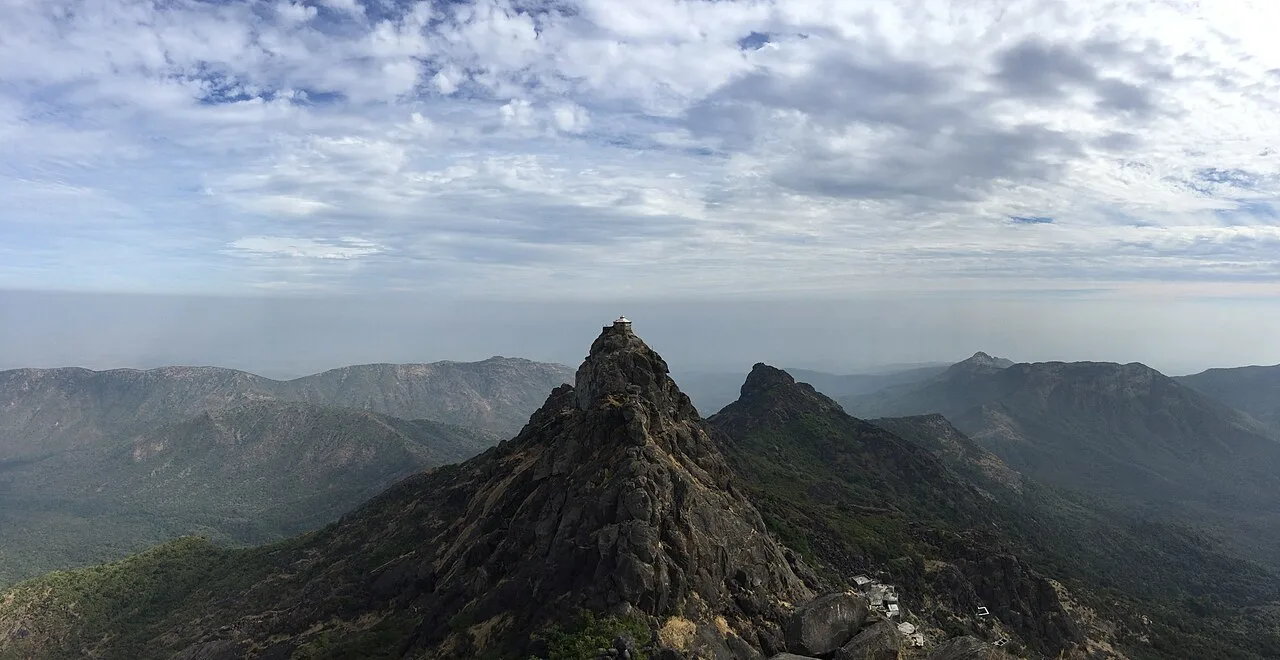
Girnar Hill
Girnar is a hill in Junagadh, Gujarat, revered as a Jain Mahatirth. Pilgrims visit in connection with traditions about Neminath, the 22nd Tirthaṅkar, and the hill’s highest summit.
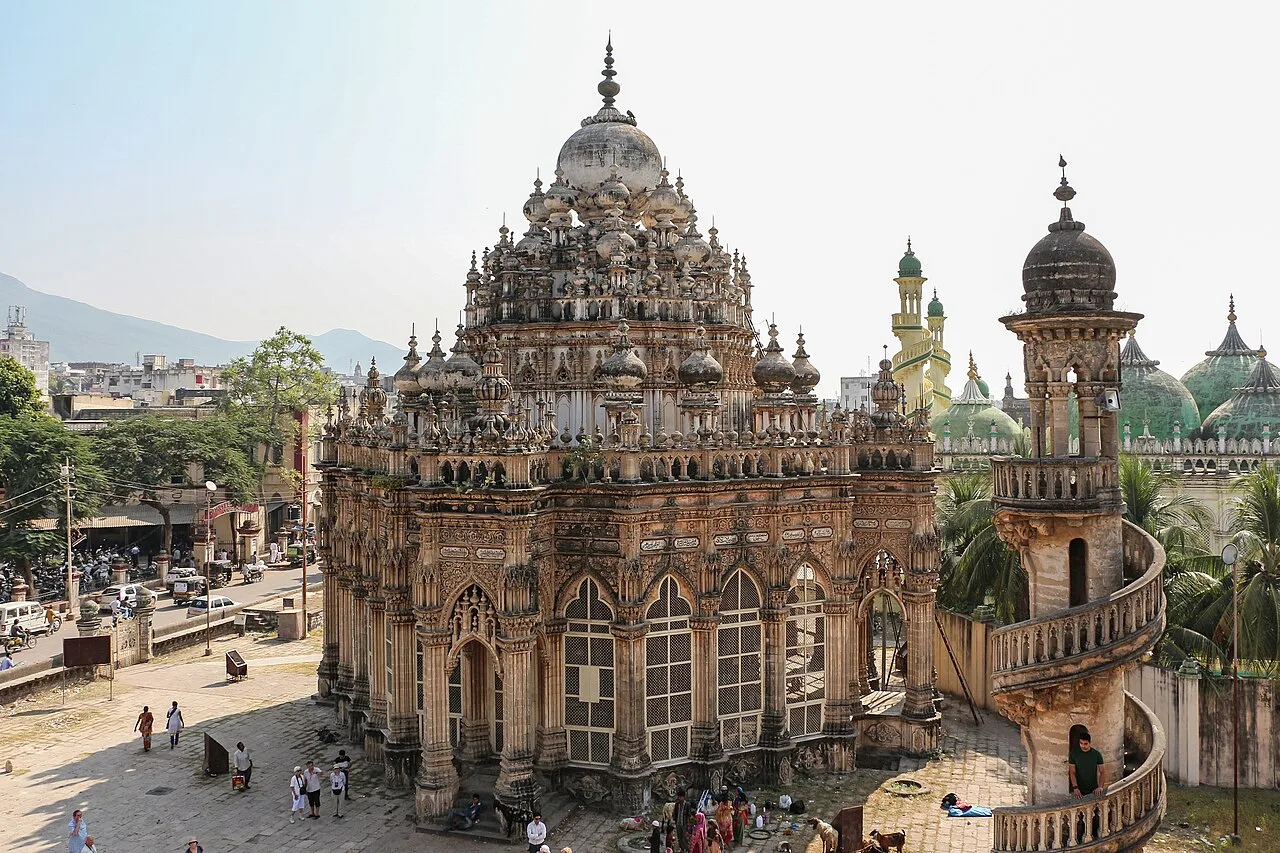
Mahabat Maqbara complex
The Mahabat Maqbara complex in Junagadh, Gujarat, contains two mausoleums; visitors come to see memorials dedicated to Nawab Mahabat Khan II and his minister.
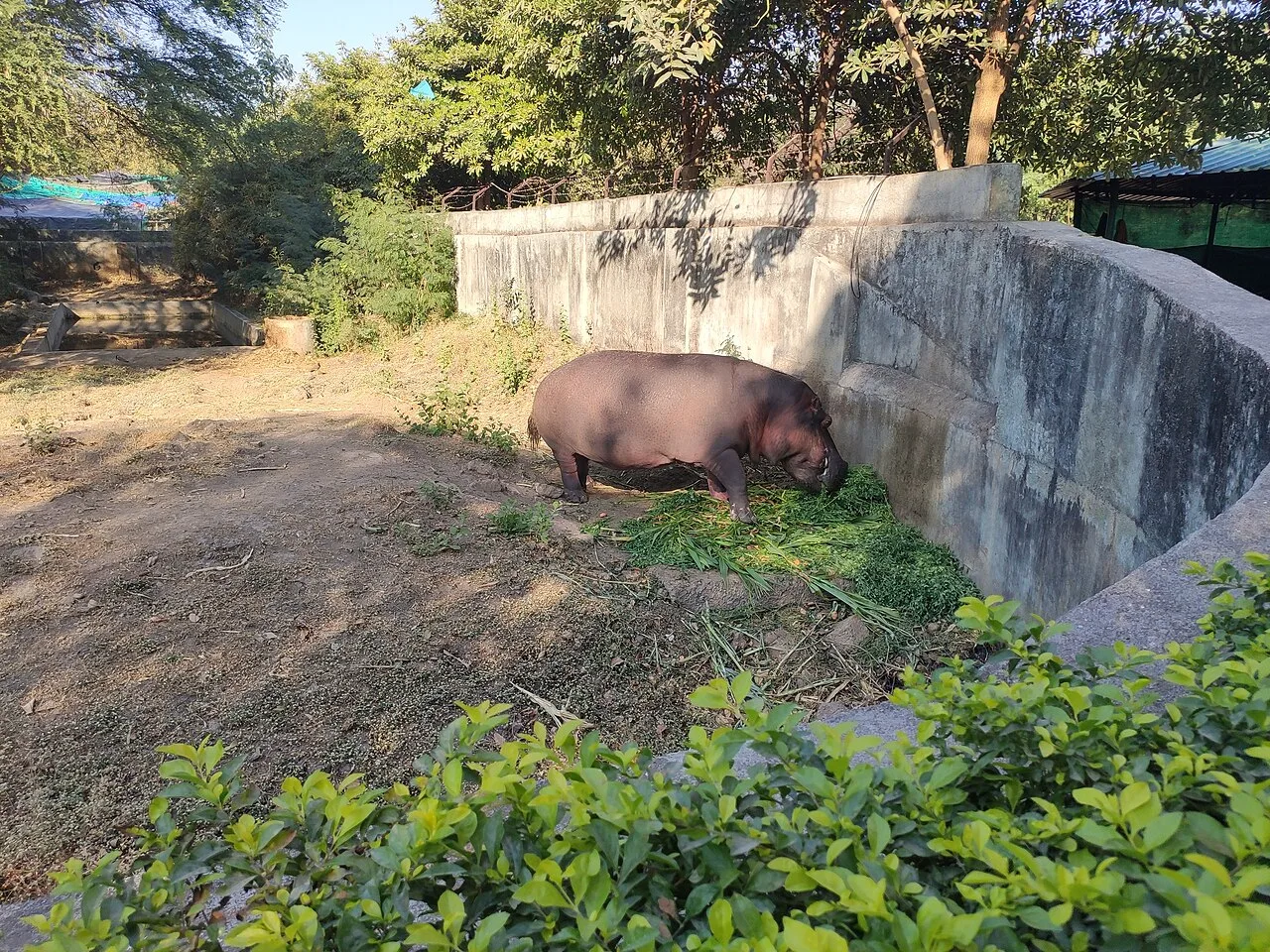
Sakkarbaug Zoological Garden
In Junagadh, Gujarat, Sakkarbaug Zoological Garden is an 84-hectare zoo established in 1863. Visitors come to see the zoo and its part in captive breeding programmes for Asiatic lions.
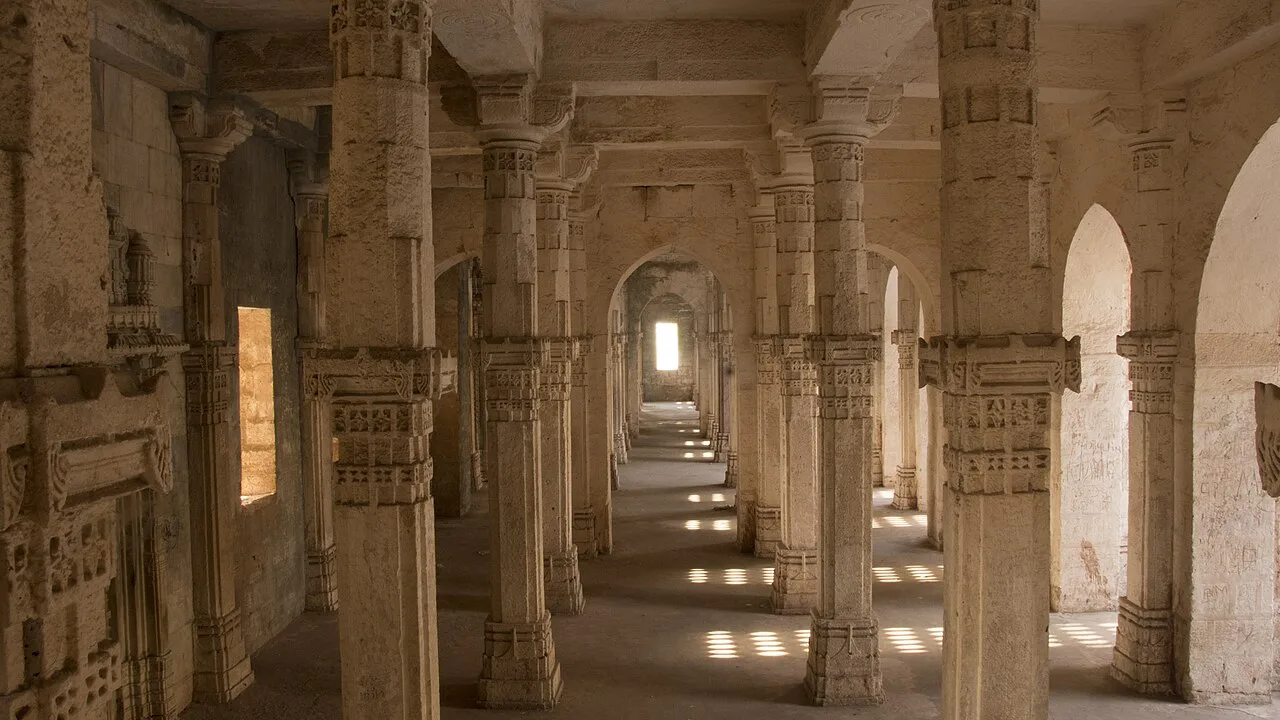
Uparkot Fort
Uparkot Fort is a fort in Junagadh district, Gujarat, on the eastern side of Junagadh. Visitors come to see the fort and its location within the city.
Food in Junagadh draws on the wider Gujarati and Kathiawadi traditions of Saurashtra, with plentiful vegetarian choices. A Gujarati thali commonly brings together rotli, vegetables, dal or kadhi, rice and accompaniments; sweetness and spice vary between kitchens. Look for dhokla, khandvi, thepla and fafda-jalebi among snacks and breakfast options. Bajra rotla, garlic chutney and hearty vegetable preparations belong to the wider Kathiawadi repertoire. Undhiyu is especially associated with winter, while kadhi-khichdi makes a comforting meal. Mohanthal and shrikhand are familiar Gujarati sweets. Ask smaller eateries what has been freshly prepared that day.
Junagadh sits within Saurashtra’s wider textile and decorative craft traditions. Bandhani, the tie-dyed cloth associated with several centres across Gujarat, is seen in saris, dupattas and dress fabrics. Embroidery, mirror work and beadwork also form part of the region’s craft vocabulary, although styles and production centres vary, and goods sold locally need not be locally made. Ask sellers about provenance and whether pieces are handmade. For architectural artistry, the Mahabat Maqbara complex offers an opportunity to appreciate ornamental stonework and elaborate historic design.
Girnar Parikrama, a pilgrimage walk around the hill, usually takes place during the Hindu month of Kartik and brings large numbers of devotees to the area. The Bhavnath Mahashivratri Mela, held near Girnar during the winter festival season, draws pilgrims and visitors for religious observances and local festivities. Navratri is celebrated across the region in autumn, while other Hindu festivals are observed in Junagadh city and nearby towns. During major gatherings, roads and pilgrimage routes can be busy, and accommodation in Junagadh may fill earlier than usual; check local conditions when planning.
Elsewhere in Gujarat
The district lies in Saurashtra’s cultivated, generally dry terrain, with Junagadh city set beside the steep mass of Girnar. Girnar’s rocky slopes, wooded sections and temple routes contrast with the surrounding plains. The wider district also includes settlements, farmland and stretches of Arabian Sea coast. These varied settings make road journeys between towns a useful part of travel, while visiting Girnar involves substantial walking and climbing on steep paths. Conditions on hill routes can change with rain, and access may be affected during pilgrimage gatherings or local conservation measures.
Junagadh has hot summers, a monsoon season and generally milder winters. Summer heat can make exposed walks and the climb at Girnar tiring, so plan strenuous activity for cooler parts of the day and carry water. Monsoon rains bring greener surroundings but can make steps and rocky paths slippery; road travel may also be slower during heavy rain. The cooler months, broadly from November to February, are usually the most comfortable period for sightseeing and pilgrimage walks. Pack light, breathable clothing for warm weather, a warm layer for winter evenings, sun protection and sturdy footwear with good grip.
Junagadh Junction is the main railway arrival point for the city and a useful base for visiting the district’s principal sights. Keshod Airport is the nearest airport, but confirm available flights before planning around it; Rajkot offers another regional air gateway. Roads connect Junagadh with Rajkot, Keshod, Veraval and other Saurashtra towns, with state transport and private buses serving the region. Within Junagadh, auto-rickshaws and hired cars are practical for reaching Uparkot, the mausoleums, Sakkarbaug and the Girnar foothills. Allow extra time during pilgrimage gatherings, and check current services locally.
Junagadh city is the practical transport hub for the district’s main sights. Auto-rickshaws and hired cars can connect the railway station and central areas with Uparkot Fort, the Mahabat Maqbara complex, Sakkarbaug Zoological Garden and the Girnar foothills. State and private buses link Junagadh with Saurashtra towns, though services and onward connections vary. Local buses or shared vehicles may be useful for some town-to-town journeys; confirm routes locally before setting out. A hired car offers more flexibility for rural stops, while the Girnar routes themselves are travelled on foot.
2 days: Girnar Hill → Uparkot Fort → Mahabat Maqbara complex → Sakkarbaug Zoological Garden; sleep in Junagadh both nights. 3 days: Girnar Hill → Uparkot Fort → Mahabat Maqbara complex → Sakkarbaug Zoological Garden; sleep in Junagadh all three nights, allowing a separate day for Girnar.
Junagadh city is the best base for visiting all four listed destinations, with a range of hotels and some simpler guesthouses. Pilgrims may find dharamshalas around the city and Girnar foothills, subject to local availability and visitor requirements. For a slower visit, staying in Junagadh for several nights avoids repeated transfers and allows time for the hill routes. Smaller towns elsewhere in the district may have more limited lodging, so check availability before making them an overnight base. Government accommodation, where available, should be confirmed in advance.
Girnar involves steep steps and sustained climbing; wear secure footwear, pace yourself and carry drinking water, especially in warm weather. Rain can make stone paths slippery. Keep a respectful distance from wildlife and do not feed animals, including monkeys. Pilgrimage crowds can slow movement on the hill and around the city, so follow local instructions and keep belongings secure. Check road conditions during monsoon and allow extra time for journeys. Mobile connectivity may be weaker on hill routes than in town. Follow posted conservation rules, and confirm any permit requirements with official local authorities before entering protected areas.
- Gir Somnathabout 71 km
- Porbandarabout 91 km
- Rajkotabout 93 km
- Diu · Dadra and Nagar Haveli and Daman and Diuabout 105 km
- Jamnagarabout 123 km
- Bhavnagarabout 153 km
- Devbhoomi Dwarkaabout 174 km
- Surendranagarabout 191 km
Straight-line distance between the centres of each district's destinations; road distance is longer.
Q: How many days should I spend in Junagadh district? A: Two days can cover the principal city sights, but three days allow a more measured visit, especially if you plan to climb Girnar. Q: When is the best time to visit? A: November to February is generally the most comfortable season for sightseeing and walking. Expect larger crowds during major pilgrimage gatherings. Q: What is the best base for these attractions? A: Junagadh city is the most convenient base for Girnar Hill, Uparkot Fort, the Mahabat Maqbara complex and Sakkarbaug Zoological Garden. Q: How do I get to Junagadh? A: Junagadh Junction is the main rail arrival point. Road and bus links connect the city with Saurashtra towns; check current transport connections before travelling. Q: Is Junagadh suitable for families or elderly travellers? A: The city’s monuments and zoo can suit a range of visitors, but Girnar’s steep, lengthy routes may be difficult for people with limited mobility. Choose activities according to fitness and access needs.
This page draws on our 4 destination guides for Junagadh and is updated as our team checks it.
Be the first to share photos, stories, advice or a helpful contact for Junagadh.
Loading…