Ghumoopedia — Explore, Discover, Experience
Sign in
Adalaj Stepwell, Gujarat

State · West India

Gujarat

From the white Rann of Kutch to Gir's lions and the Harappan city of Dholavira.

Capital
Gandhinagar
Districts
22
Destinations
67
Plan a trip in Gujarat

Overview

Understanding Gujarat

Culture

Garba, bandhani textiles and stepwells.

Food

  • Dhokla
  • Undhiyu

Festivals

  • Navratri
  • Rann Utsav
  • Uttarayan

Experiences here

  • Heritage
  • Wildlife
  • Spiritual
  • Beach
  • Festivals

Verified by the Ghumoopedia editorial team on 21 Nov 2026. Written and reviewed by Ghumoopedia's editors. Timings, fees and permits can change, so check them with the managing authority shortly before you travel.

The complete guide

Gujarat: a traveller's guide

Why visit

Gujarat brings together landscapes and experiences that feel strikingly different within one journey: the pale salt flats of the Great Rann of Kutch, the Arabian Sea coast, forested hills in the south and the dry scrublands of Saurashtra. Its celebrated wildlife includes the Asiatic lions of Gir, while archaeological sites such as Dholavira reveal the scale and sophistication of the ancient Indus Valley Civilisation. In cities and towns, stepwells, mosques, temples, palaces and lively markets offer another way to explore the state’s past and present.

The state suits a variety of trips, from wildlife safaris and birdwatching to heritage tours, pilgrimage, textile shopping and relaxed stays on the coast. Ahmedabad is a rewarding base for architecture, food and museums; Bhuj and its surrounding villages open a window onto Kutch’s crafts and desert country. Travellers can pair Rani ki Vav with the Modhera Sun Temple, or combine Dwarka’s pilgrimage sites with coastal stops. Festivals add another dimension: Navratri brings nights of Garba, while winter in Kutch is associated with the Rann Utsav. Distances are considerable, so a focused itinerary often makes for a more comfortable visit.
Landscape & climate

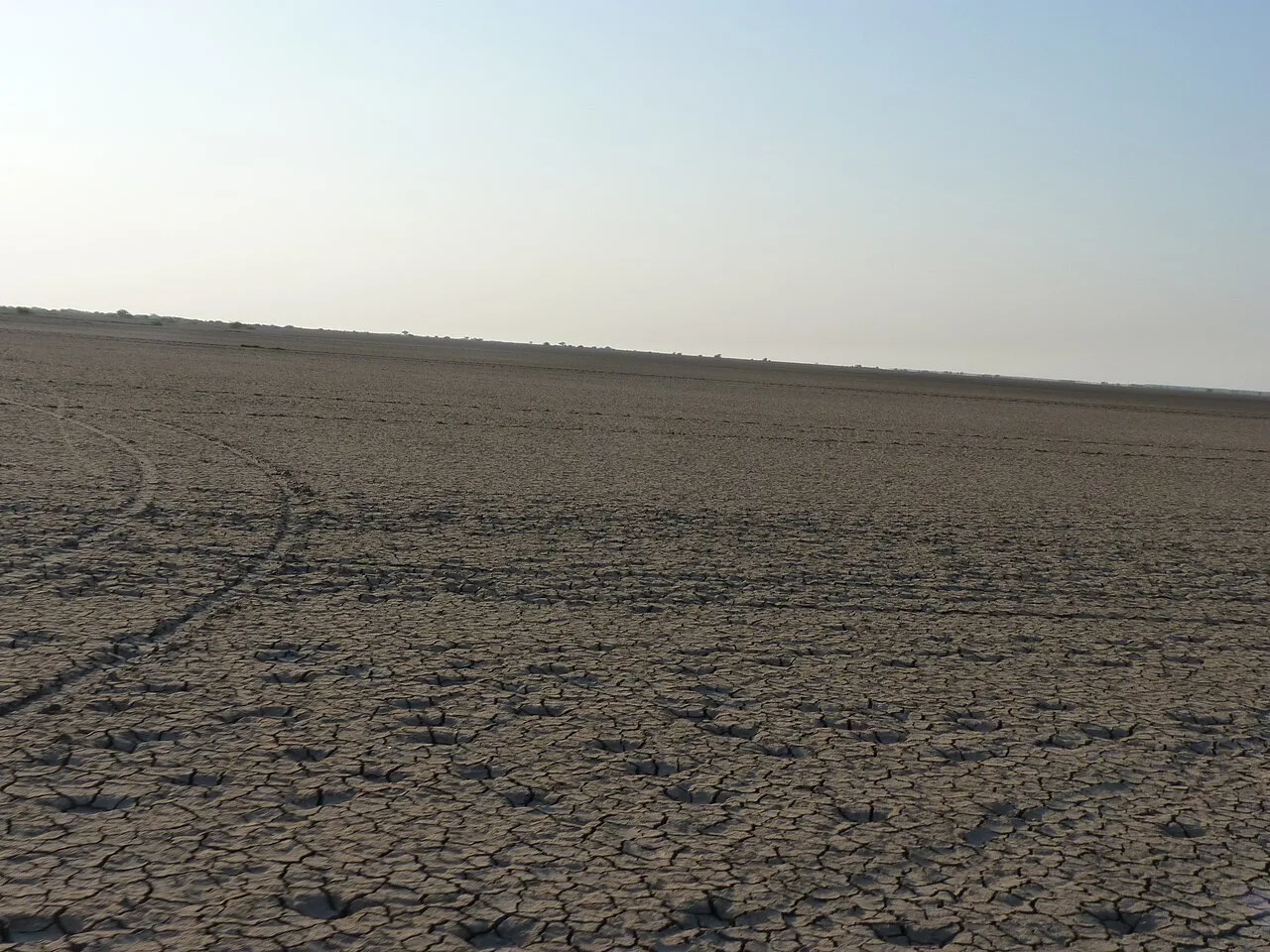
Gujarat occupies much of India’s western peninsula, bordered by Rajasthan, Madhya Pradesh and Maharashtra, with Pakistan to the northwest and a long Arabian Sea coastline. Kutch is defined by the Great and Little Rann, vast seasonal salt marshes that flood during the monsoon and become striking pale expanses in the dry months. The Saurashtra peninsula has rocky uplands, open plains, bays and beaches; the Gulf of Kutch and Gulf of Khambhat shape its indented shores. Inland, the Narmada is the state’s major river, joined by rivers including the Tapi, Sabarmati and Mahi. The Narmada valley also frames the Sardar Sarovar Dam and the Statue of Unity.

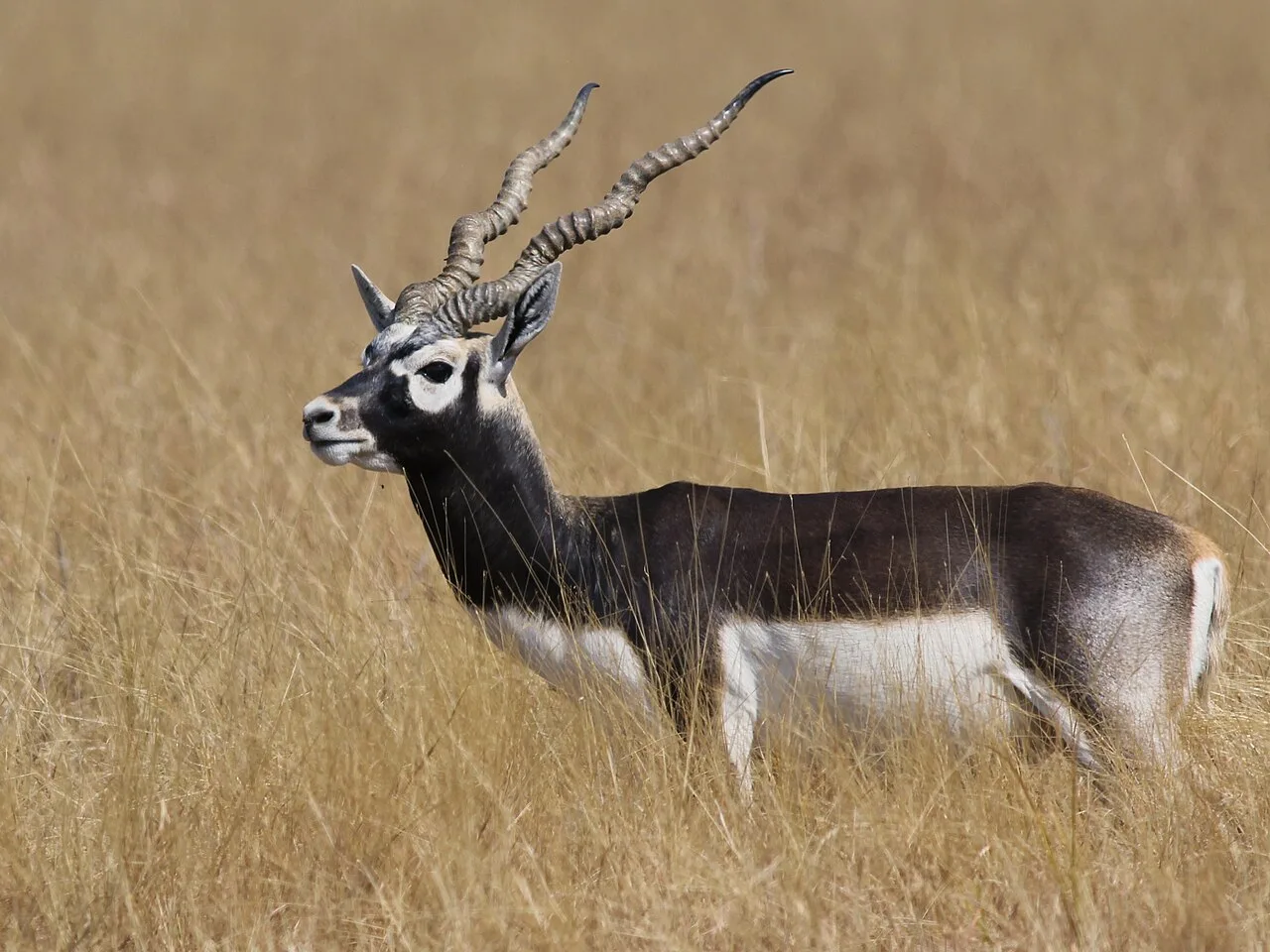
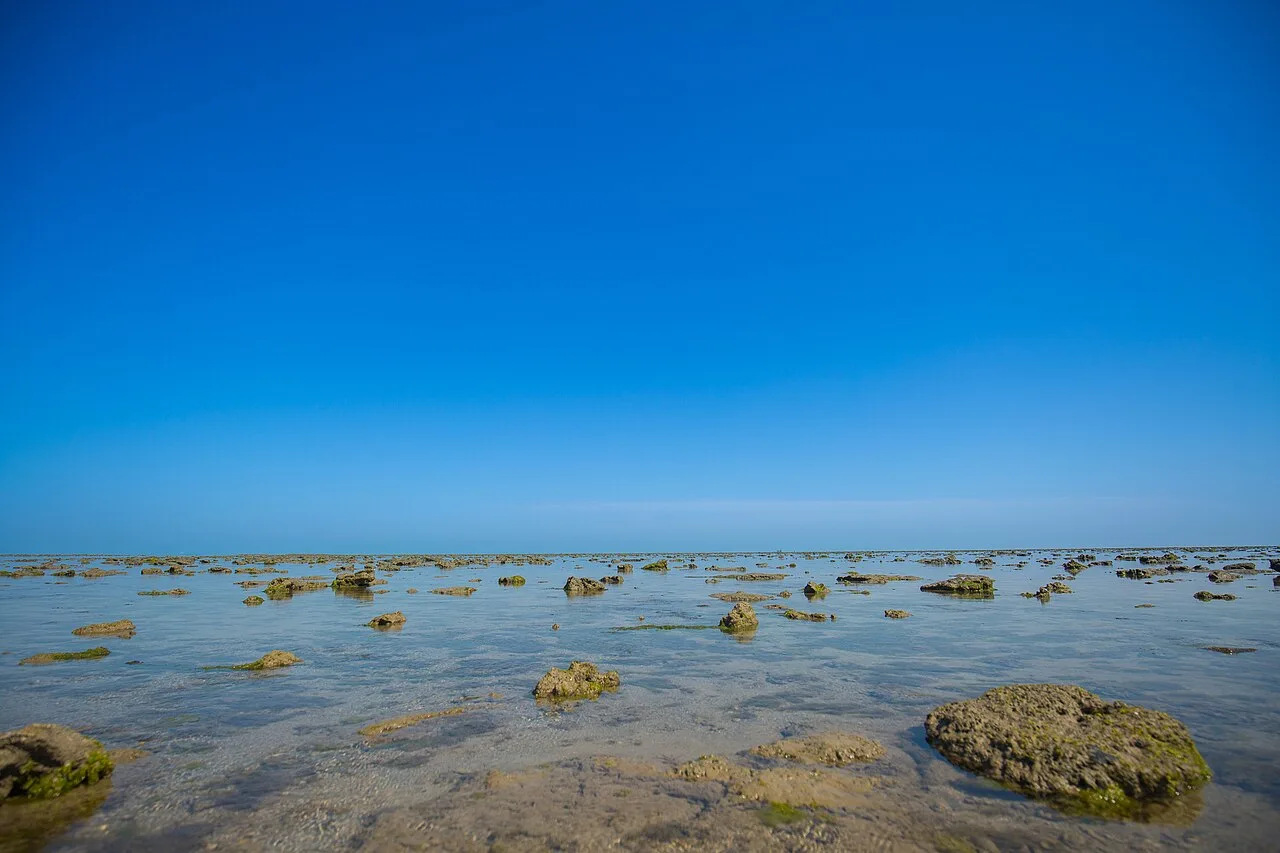
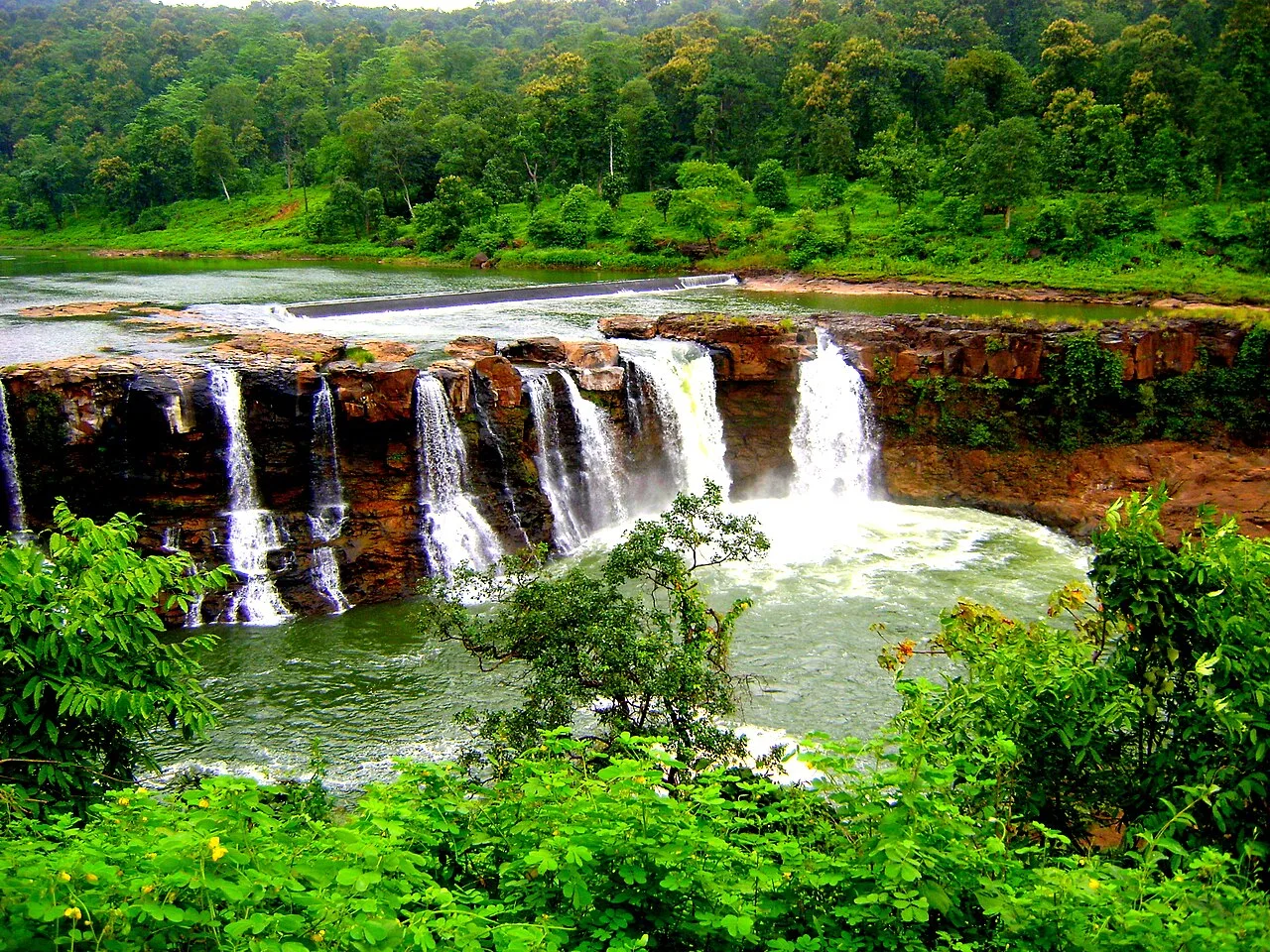
The north and central plains are generally dry, while the eastern edge rises into the Aravalli foothills and the southern districts become hillier and wetter. The Dang region, around Saputara, has forested slopes and seasonal streams. Protected habitats range from Gir’s dry deciduous forest to the mangroves and coral-rich waters of Marine National Park in the Gulf of Kutch. Nal Sarovar’s wetland attracts migratory birds in the cooler season, and Blackbuck National Park protects grassland habitat. Summers are typically very hot, especially inland; the southwest monsoon usually brings most of the rain from around June into September, with substantial regional variation. Winters are generally mild and dry, making outdoor travel more comfortable.

History & heritage

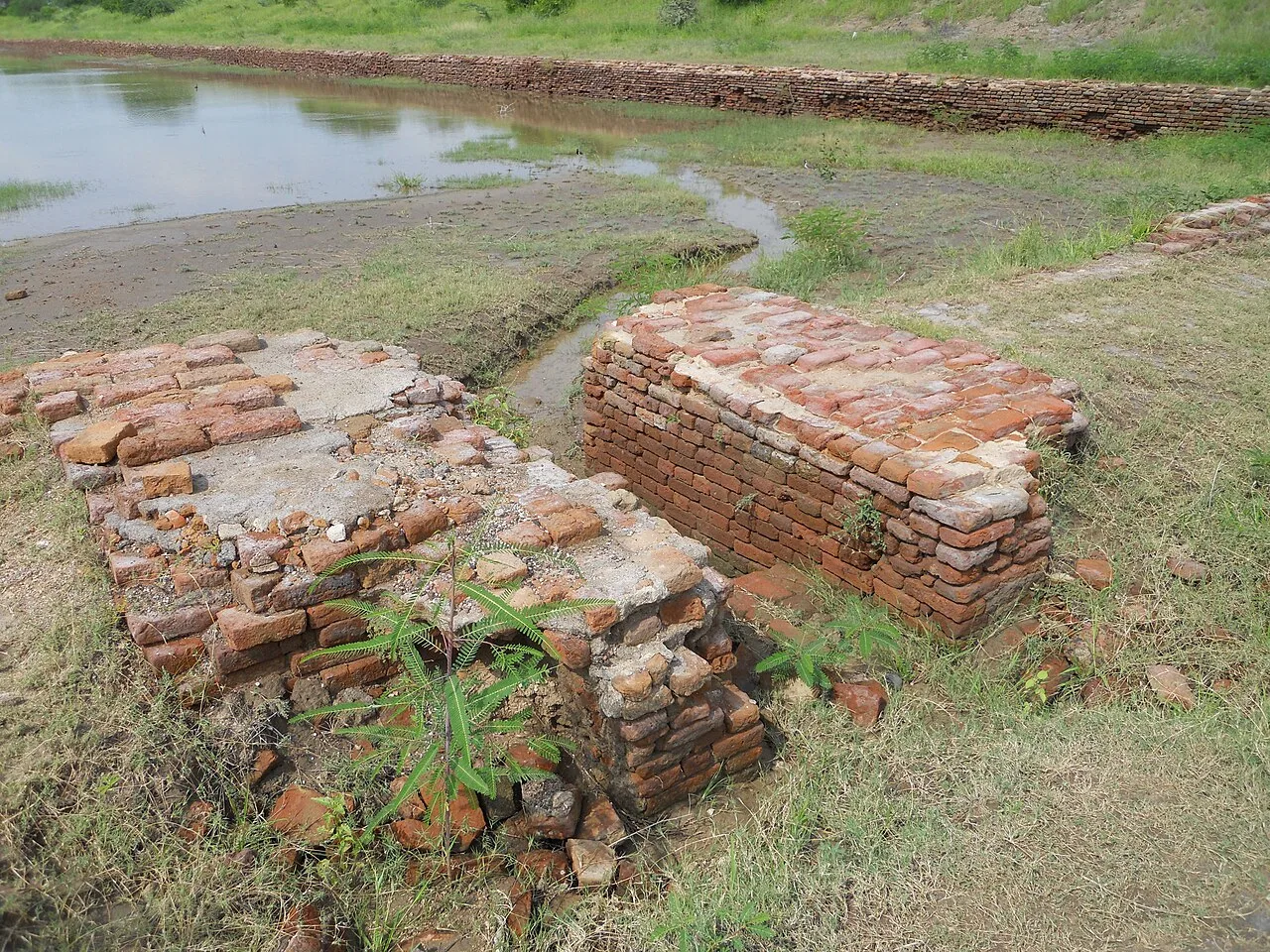
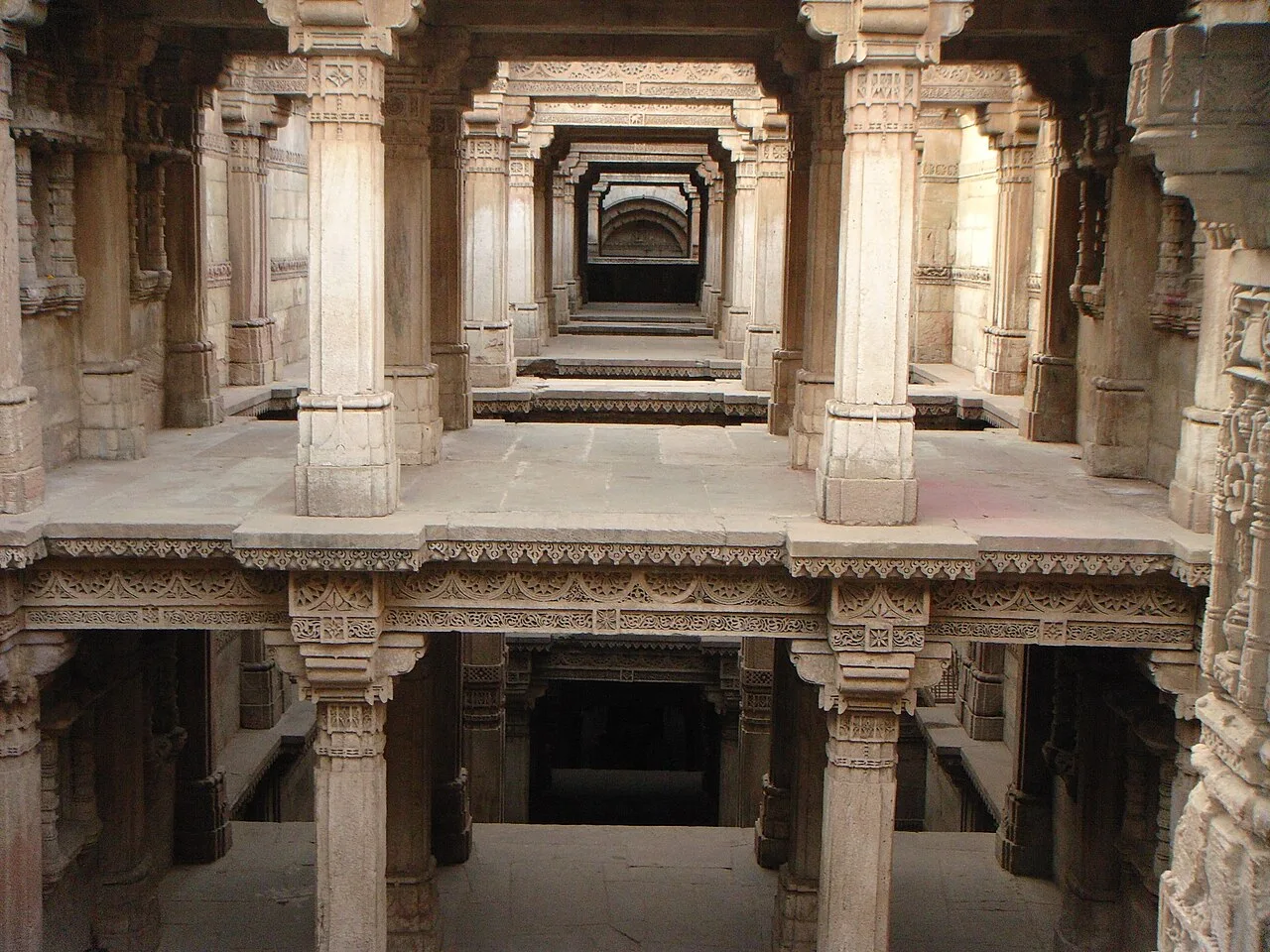
Gujarat’s history reaches back to the Indus Valley Civilisation. Dholavira, on Khadir Bet in Kutch, was a major planned city with sophisticated water management; Lothal, in the Bhal region, is known for its archaeological remains and evidence of maritime trade. The region later formed part of successive Mauryan, Western Kshatrapa and Gupta-era political worlds. From the tenth century, the Solanki, or Chaulukya, rulers sponsored temples, reservoirs and stepwells. Rani ki Vav at Patan, built in this broad medieval period, is a celebrated example of the region’s architectural and water-management heritage.

From the fifteenth century, the Gujarat Sultanate made Ahmedabad an important political and commercial centre. Its legacy includes the city’s mosques, tombs and carved stone architecture, including the Sidi Saiyyed Mosque and the Bhadra Fort precinct. Trade connected ports and towns to networks across the Indian Ocean. Mughal rule was followed by periods of Maratha influence and by the growth of princely states. European trading powers established coastal footholds; the British East India Company and, later, colonial administration reshaped trade and governance, while many princely states retained local rulers until independence. Gandhi was born in Porbandar and later led the Sabarmati Ashram in Ahmedabad, from which he organised important phases of the freedom movement. Dandi became associated with the Salt March of 1930.

After independence, Gujarati-speaking areas were initially part of Bombay State. Gujarat became a separate state on 1 May 1960, following the division of Bombay State along linguistic lines; Ahmedabad served as its first capital before Gandhinagar was developed as the capital. Modern Gujarat has grown as a centre of industry, commerce, ports and agriculture, while heritage places such as Champaner-Pavagadh Archaeological Park, Dwarka and the old city of Ahmedabad preserve distinct layers of its past.

Culture, people & festivals

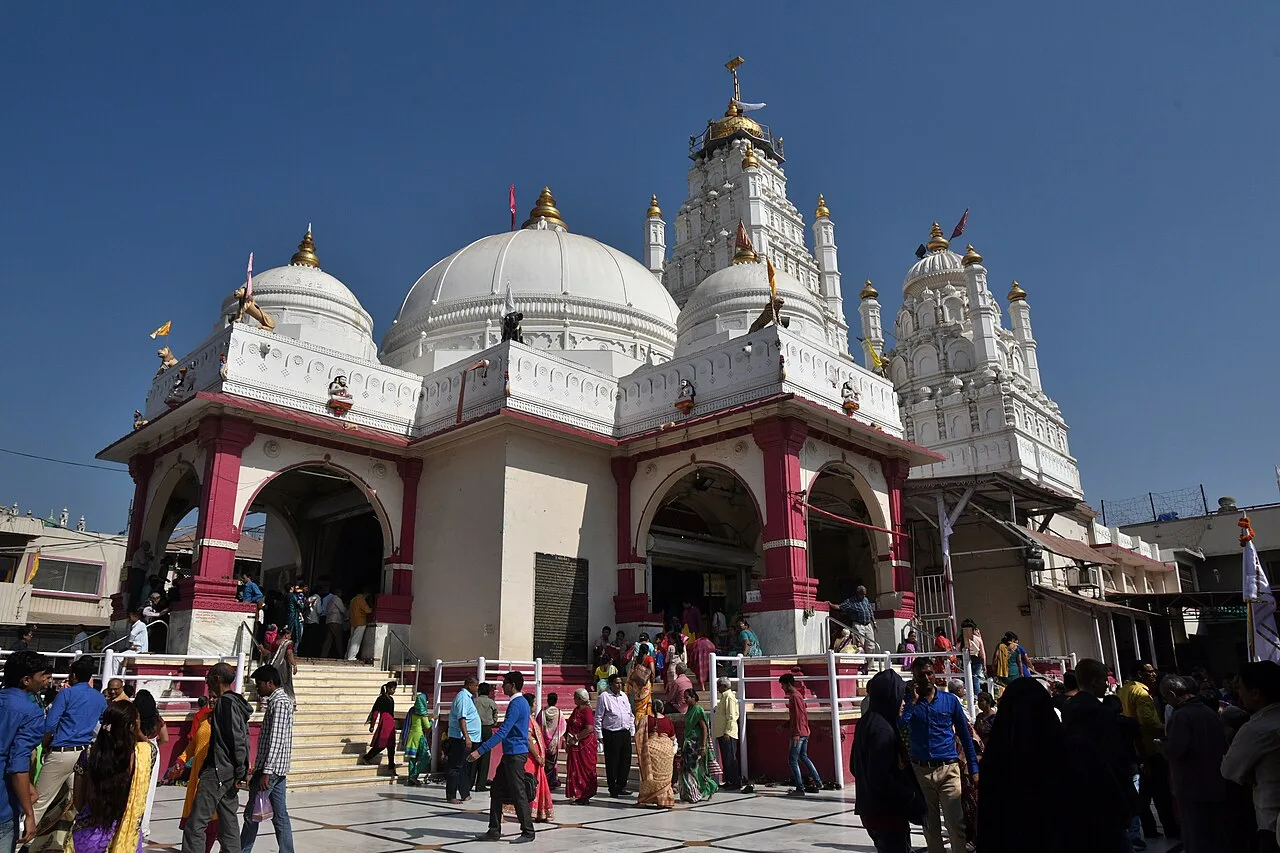
Gujarati is the principal language, with Kutchi widely spoken in Kutch and Hindi and English also used, especially in cities and visitor-facing settings. Communities across the state include Gujarati-speaking groups, pastoral communities of Kutch and Saurashtra, Jain and Muslim communities, and Adivasi peoples, including Bhil and other communities in the eastern and southern hills. Customs, dress, food and music vary between regions and communities. Hindu, Jain, Muslim, Parsi and other faith traditions have shaped the state’s religious life, visible in pilgrimage centres, mosques, temples and historic shrines. Dwarkadhish Temple, Ambaji and Dakor are among the important Hindu pilgrimage destinations; Jain heritage is prominent at sites such as Taranga.

Garba and Dandiya Raas are among Gujarat’s best-known dance traditions, performed especially during Navratri, usually in September or October, when communities gather for evenings of music and dancing. Uttarayan, the kite-flying festival around mid-January, fills city skies with colour and is especially prominent in Ahmedabad. The Rann Utsav is a winter cultural and tourism celebration in Kutch, with its programme and dates varying by year. Rath Yatra, often held in June or July, is a major religious procession in Ahmedabad. Folk music, devotional singing and the region’s distinctive dhol rhythms accompany seasonal fairs and celebrations. Visitors are welcome to watch public festivities, but should be considerate when ceremonies are religious or photography is unwelcome.

Food & flavours

Gujarati food is often associated with a balance of sweet, sour, salty and spicy flavours, though recipes vary widely by household and region. Rice, wheat, millet, pulses, vegetables and dairy all feature in everyday meals. Dhokla, made from fermented batter, is a familiar savoury snack, while thepla travels well and is commonly eaten with pickles or yoghurt. A Gujarati thali may include rotli or bhakri, dal or kadhi, vegetables, rice, chutneys and farsan. Many people eat vegetarian food, and Jain dietary traditions influence some local cooking, but non-vegetarian dishes are also part of the state’s varied food culture.

Undhiyu, a slow-cooked mixture of winter vegetables and spices, is especially associated with Saurashtra and south Gujarat and is often enjoyed around Uttarayan. Khaman, handvo, khandvi and fafda are popular snacks; dishes and names vary across towns. In Kutch, millet breads and robust, travel-friendly foods reflect a dry climate and pastoral traditions. Coastal areas offer fish and other seafood, while Surat is known for a lively street-food scene. Sweets include shrikhand, basundi, doodh pak and jalebi, with regional specialities sold in local markets. Ask about ingredients if you have dietary requirements: dishes described as vegetarian may still contain dairy, and recipes can include nuts, sesame or chilli.

Crafts, textiles & what to buy

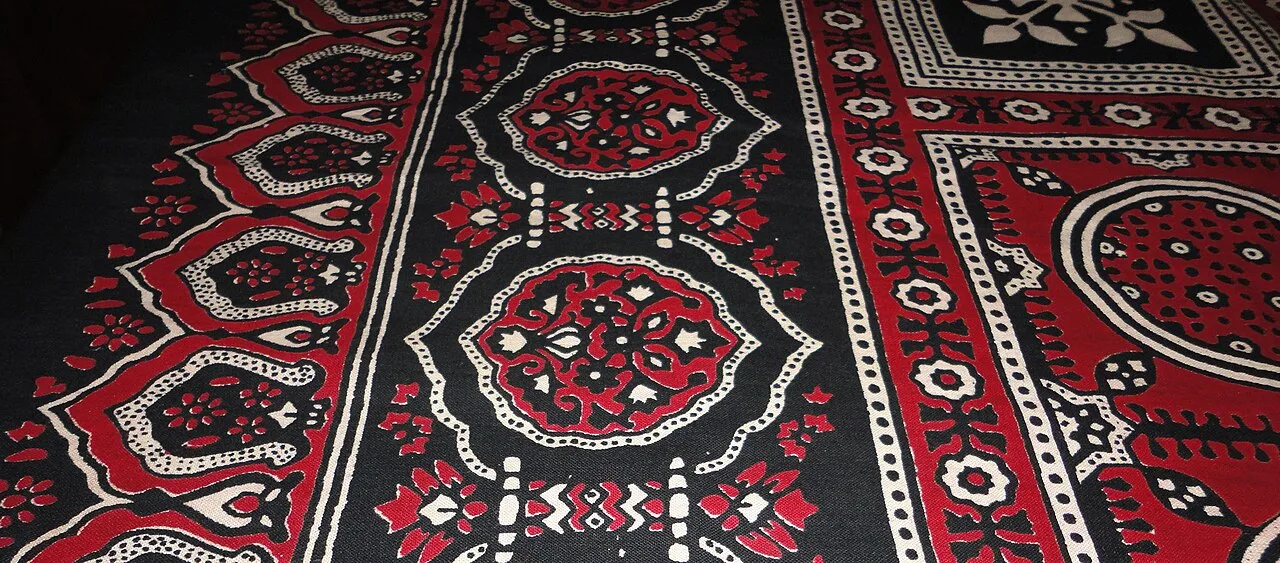
Gujarat is a major centre for textiles and handwork, with techniques and patterns closely tied to particular communities and places. Patan is famed for Patola, a painstaking double-ikat silk weave in which both warp and weft are resist-dyed before weaving. Bandhani, the tie-dye technique that creates patterned fields of tiny dots, is associated with Kutch, Jamnagar and other centres. Kutch is also known for embroidery, mirror work, woven shawls and leatherwork; villages such as Hodka and Bhujodi offer opportunities to see craft traditions and shop locally. Tangaliya weaving is associated with the Surendranagar area, while Sankheda in Vadodara district is known for lacquered wooden furniture.

Other regional crafts include the carved wooden furniture of Ahmedabad’s old pols, metalwork, pottery and the zari work of Surat. Products with Geographical Indication recognition include Patan Patola, Kutch embroidery, Tangaliya shawls, Sankheda furniture, Surat Zari Craft and Gir Kesar mango; recognised products and their production areas should be checked against current GI records. Buy from established cooperatives, workshops or craft outlets when possible, and ask about the maker and technique. Handwork can vary from piece to piece, and a machine-made item may imitate a traditional design. Bargaining is common in some markets, but respectful discussion and fair payment support the people who sustain these skills.

Getting there & getting around

Ahmedabad is Gujarat’s principal air gateway, served by Sardar Vallabhbhai Patel International Airport. Other airports serving parts of the state include Vadodara, Surat, Rajkot International Airport near Hirasar, Bhavnagar, Jamnagar and Porbandar; routes and services vary, so check current airline information before planning a connection. Ahmedabad, Vadodara, Surat, Rajkot, Bhuj and Jamnagar are among the useful railway hubs. Long-distance trains connect many of these cities with other parts of India, while local rail links can help with selected journeys. The state’s size means that a rail or air arrival may still leave a substantial road journey to a wildlife area, village or coastal destination.

Road travel is often the most flexible way to link sites. National Highway 48 follows the major Mumbai–Vadodara–Ahmedabad corridor, while National Highway 27 crosses parts of the Saurashtra and Kutch region; other national and state highways connect district centres and pilgrimage towns. State buses, private buses, taxis and hired cars serve different routes, but frequency and convenience vary outside larger cities. A car with a driver can be useful for multi-stop trips to places such as Rani ki Vav, Modhera and Patan, or for reaching Hodka, Dholavira and the Rann. Within cities, app-based taxis, auto-rickshaws and local buses may be available. For Gir safaris, use authorised booking channels, and allow extra time for rural roads and seasonal conditions.

When to go & travel tips

For most of Gujarat, November to February is the most comfortable period for sightseeing, city walks and longer road journeys. Winter is also a popular time for the Rann and birdwatching at Nal Sarovar, though nights in Kutch can be cold. Visit Saputara and the Dang hills during or just after the monsoon for greener scenery, while checking road and weather conditions. Gir visits are generally planned in the cooler months; safari availability and operating periods can change, so consult official sources. Summer can be intensely hot inland and is best approached with early starts and a flexible schedule.

Pack light, breathable clothing, sun protection, a refillable water bottle and comfortable walking shoes; add warmer layers for winter nights in Kutch and hill areas. Dress respectfully at religious sites, remove footwear where requested and ask before photographing people, ceremonies or craft workers. Keep a safe distance from wildlife, follow guides’ instructions and never feed animals. Access controls or permits may apply in some border areas and at parts of the White Rann; confirm current requirements with official authorities before travelling. Check local guidance for Gir safari bookings, road conditions and festival schedules, which can change from year to year.

Highlights

Where to begin

City by city

Cities & hubs of Gujarat

Every sight is grouped under its city — places within about 12 km together, day trips within 40 km alongside — even across district lines. Open a city to see its attractions.

See every city, town and village of Gujarat

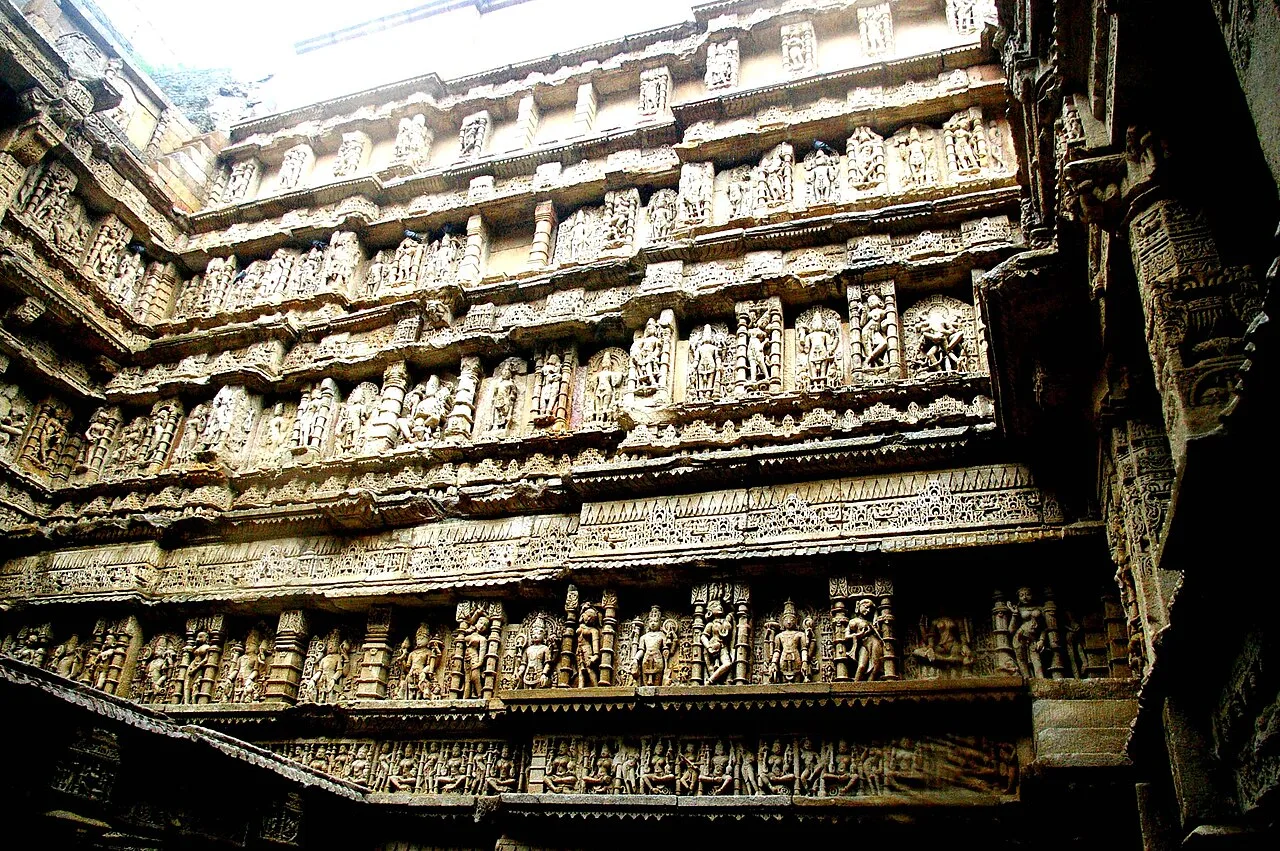
Adalaj Stepwell
Ahmedabad11 places to see

Adalaj Stepwell · Bhadra Fort · Calico Museum of Textiles · Dada Harir Stepwell

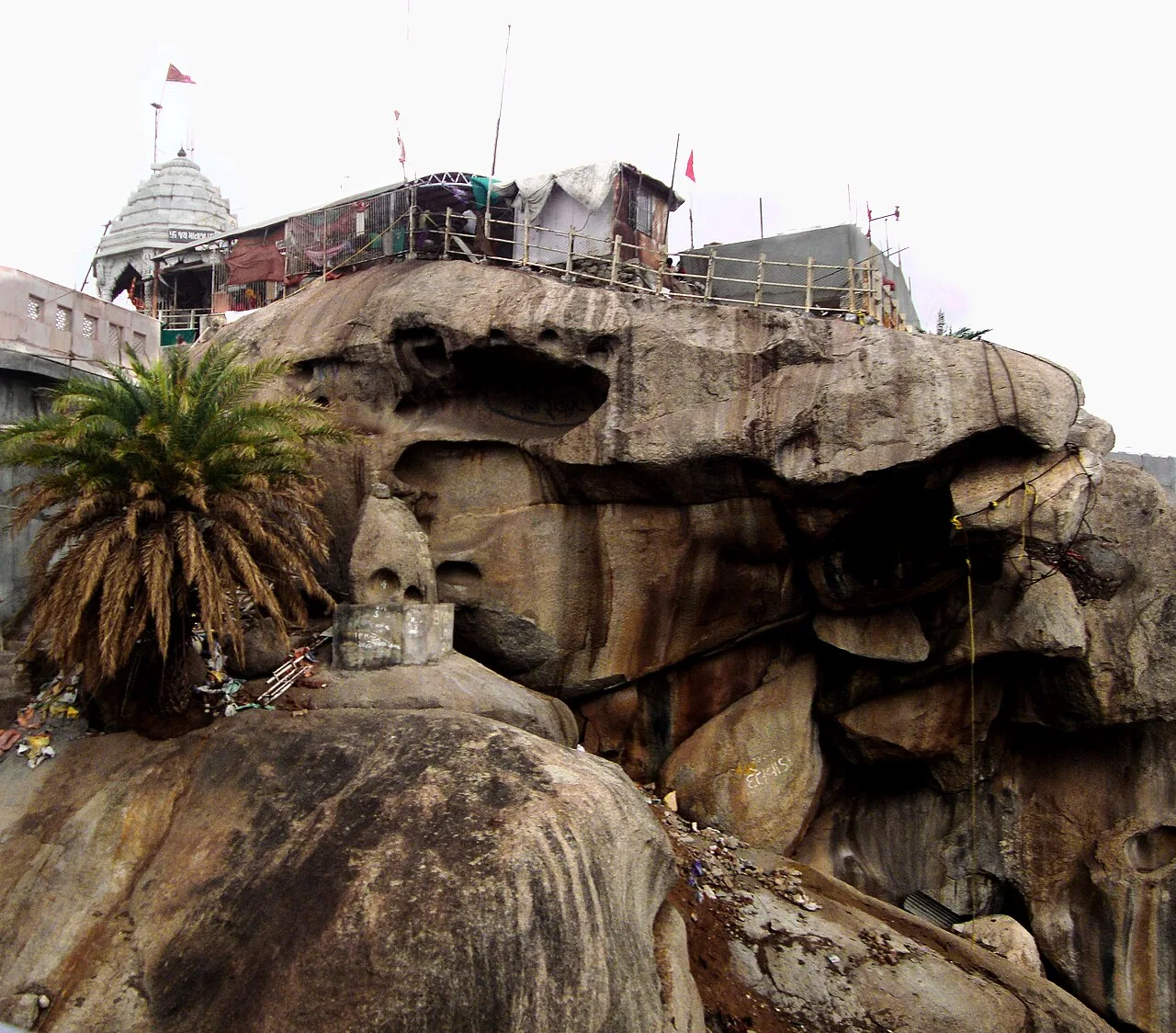
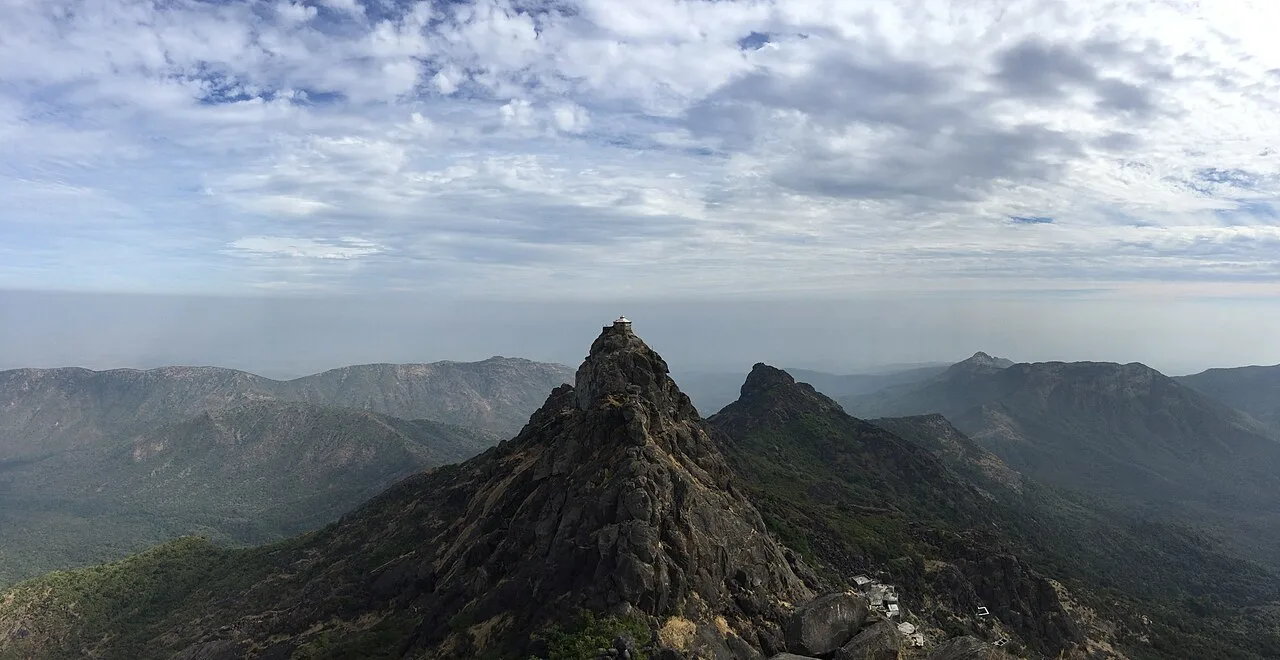
Girnar Hill
Junagadh4 places to see

Girnar Hill · Mahabat Maqbara complex · Sakkarbaug Zoological Garden · Uparkot Fort

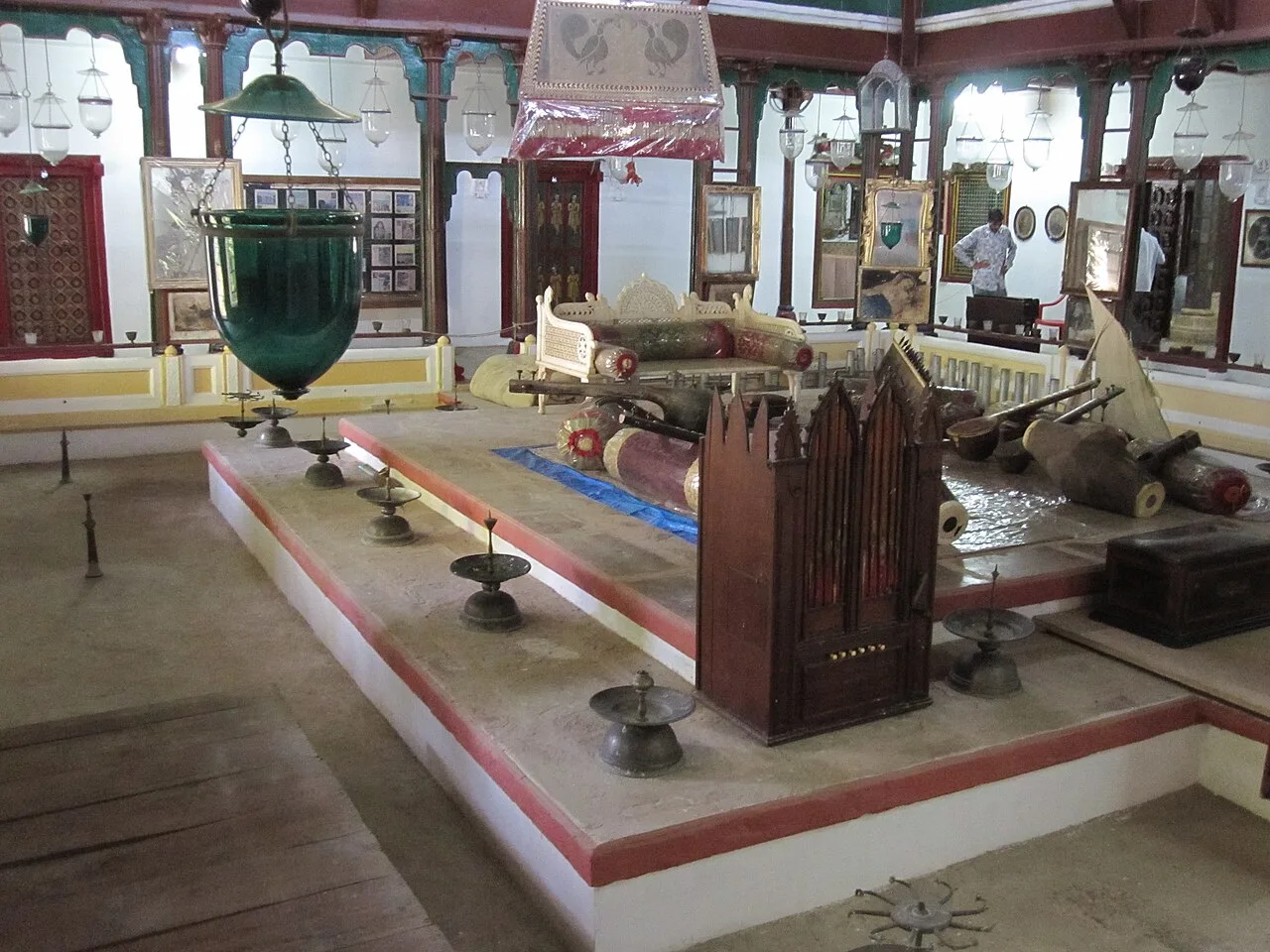
Bhuj
Bhuj3 places to see

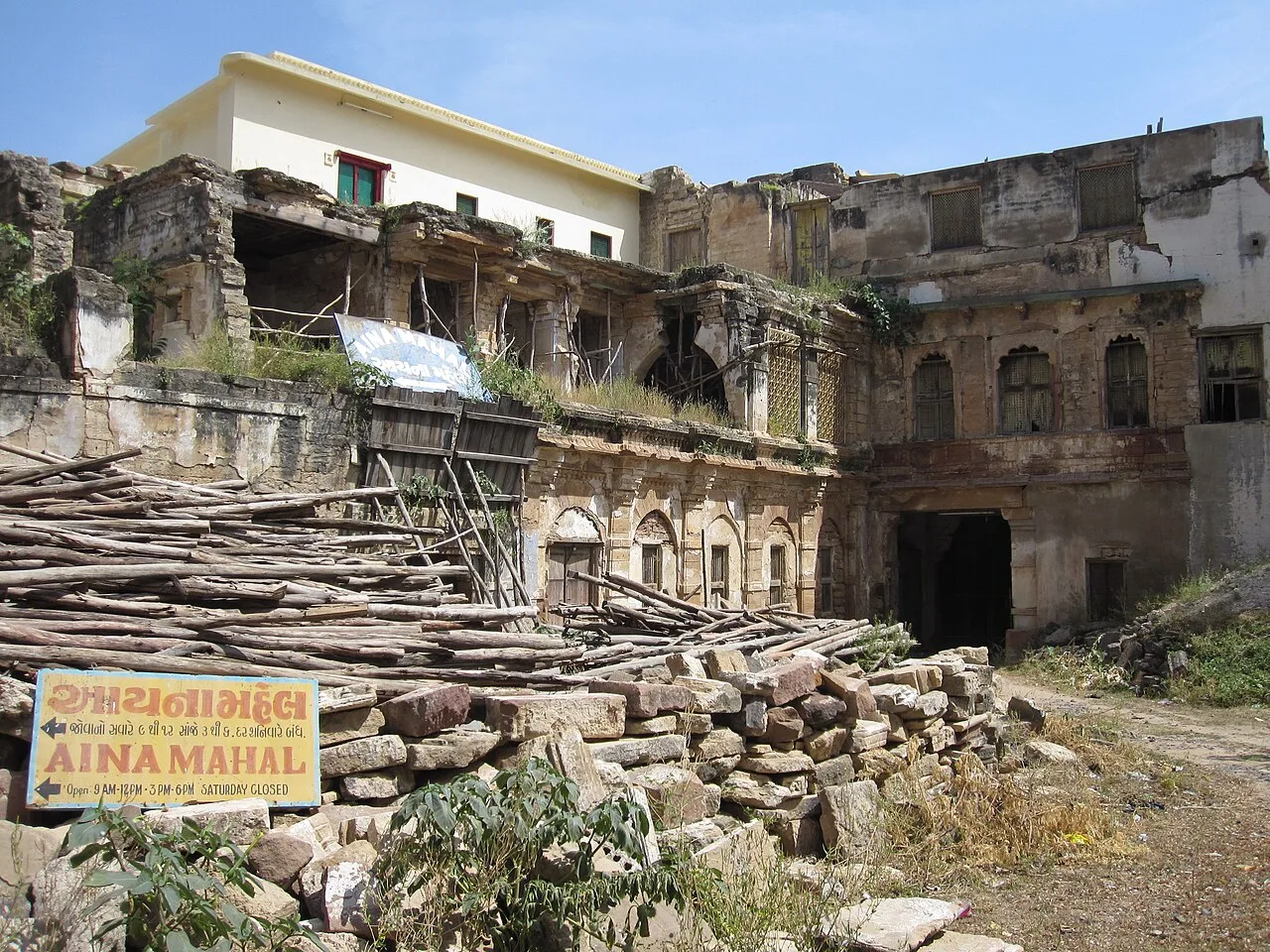
Aina Mahal · Prag Mahal

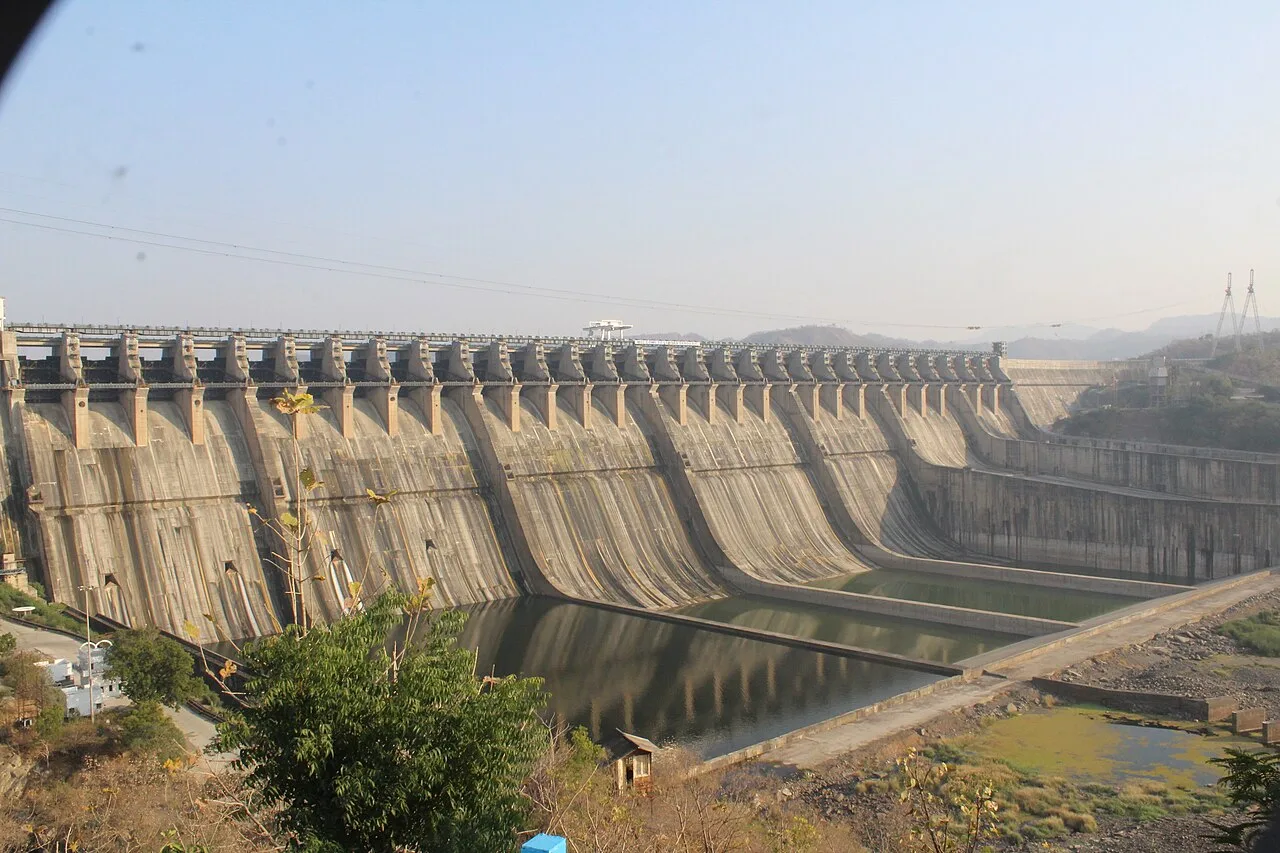
Sardar Sarovar Dam
Rajpipla3 places to see

Sardar Sarovar Dam · Shoolpaneshwar Wildlife Sanctuary · Statue of Unity

Champaner-Pavagadh Archaeological Park
Champaner2 places to see

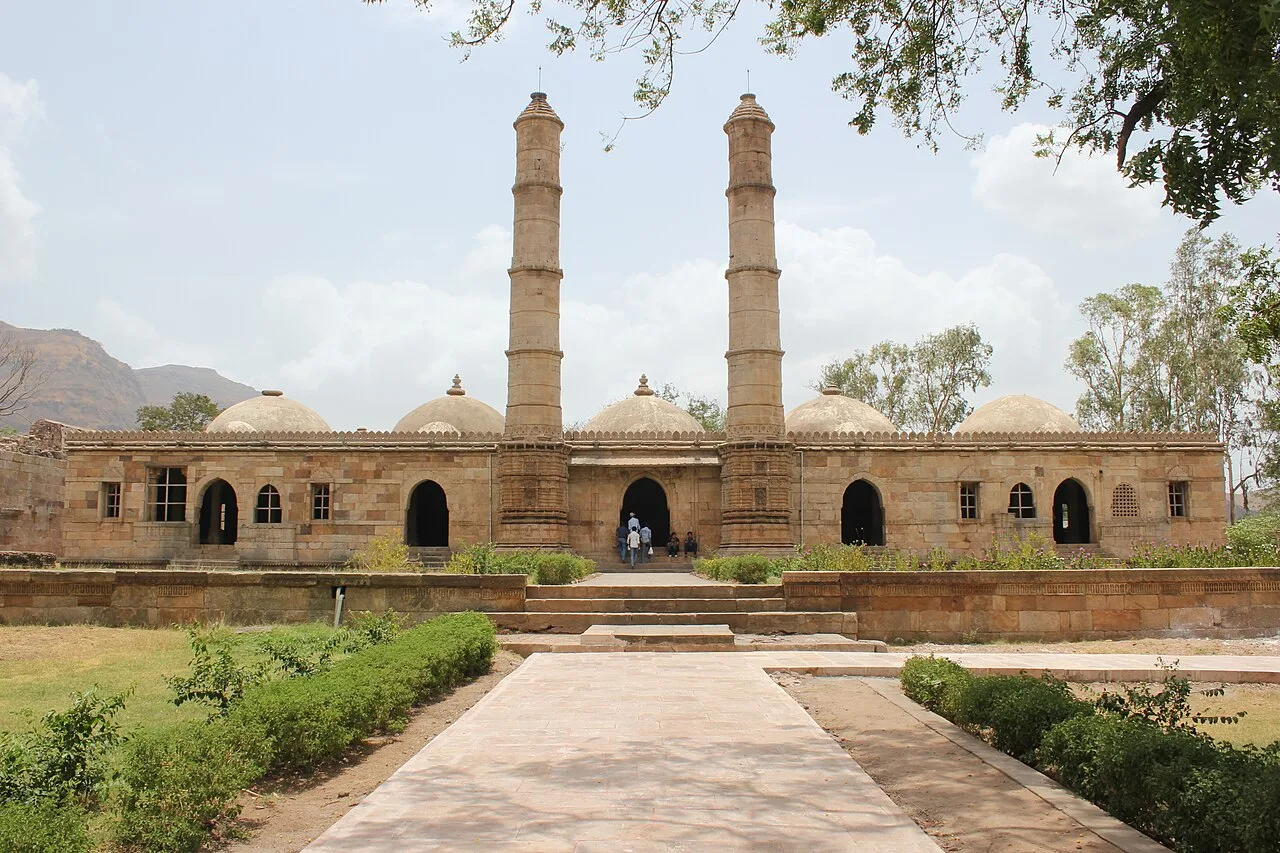
Champaner-Pavagadh Archaeological Park · Pavagadh

Mata no Madh
Dayapar2 places to see

Mata no Madh · Narayan Sarovar

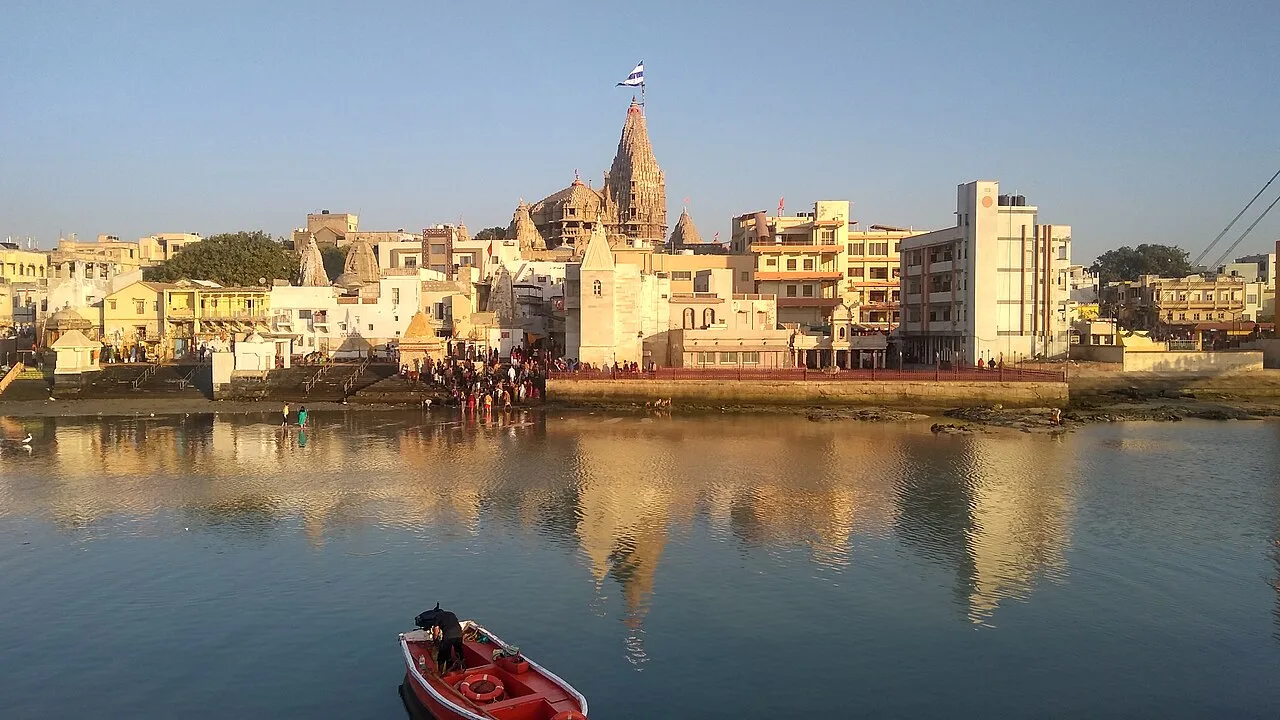
Dwarkadhish Temple
Dwarka2 places to see

Dwarkadhish Temple · Shivrajpur Beach

Mandvi
Mandvi2 places to see

Vijaya Vilas Palace

Rani ki Vav
Patan2 places to see

Rani ki Vav · Sahasralinga Tank

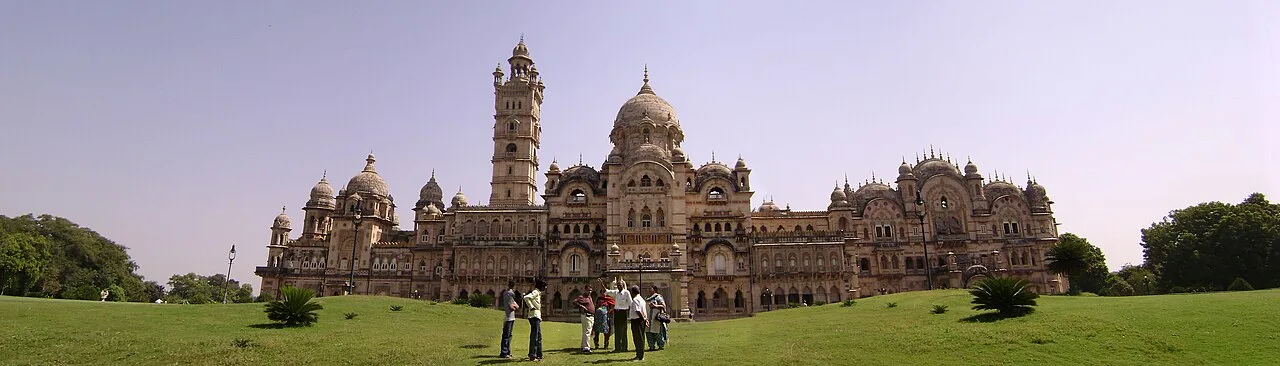
Lakshmi Vilas Palace
Vadodara2 places to see

Lakshmi Vilas Palace · Sayaji Baug

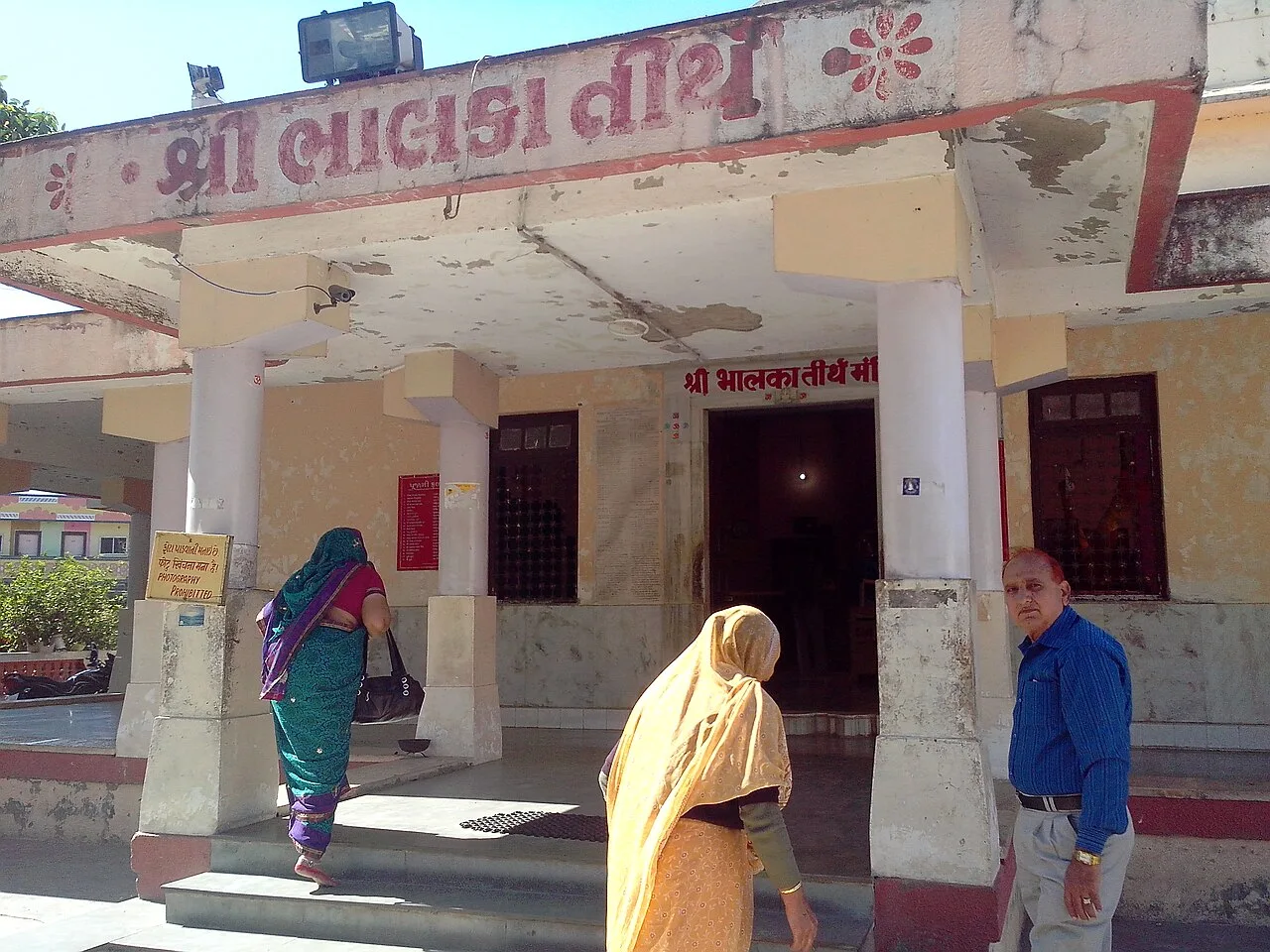
Bhalka Tirtha
Veraval2 places to see

Bhalka Tirtha · Somnath Temple

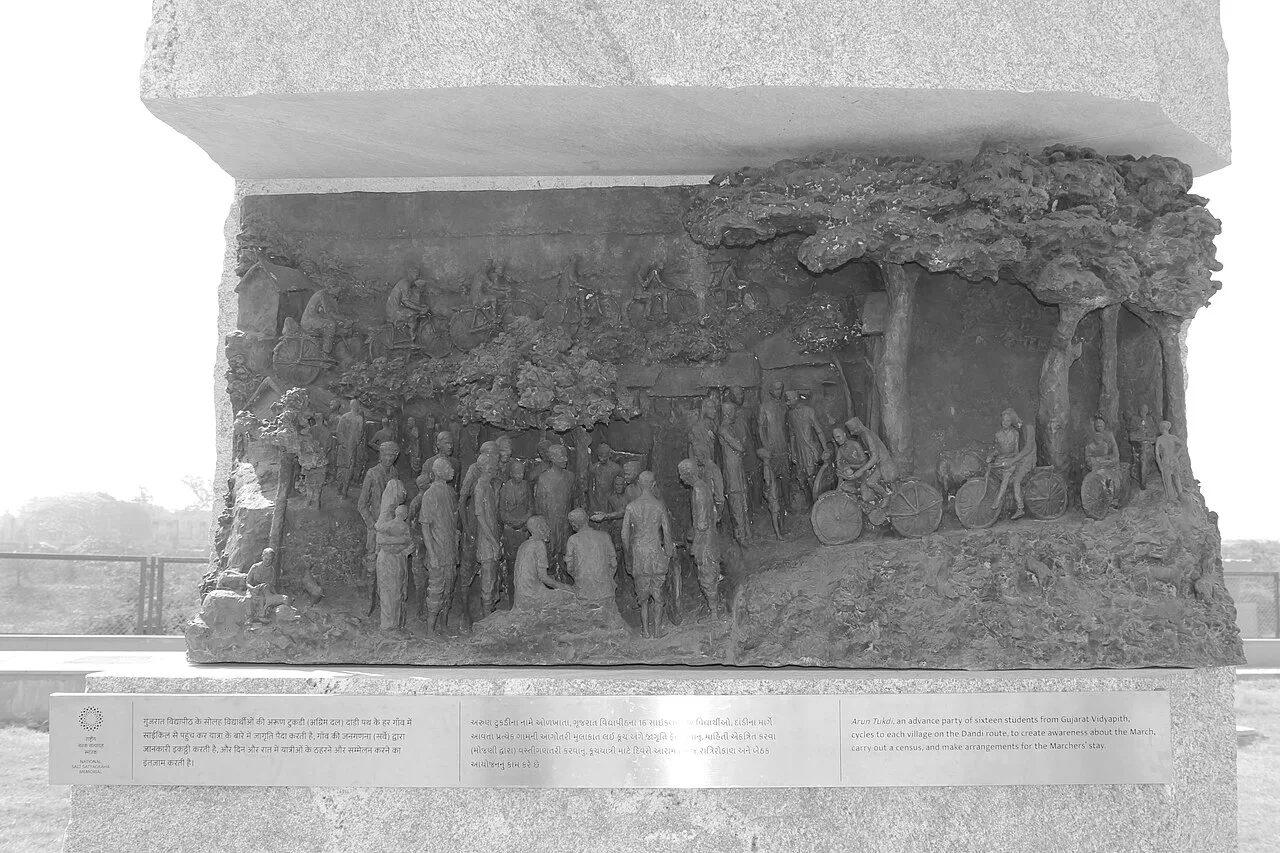
Dandi (Salt March Memorial)
Abrama1 place to see

Dandi (Salt March Memorial)

Ambaji
Ambaji1 place to see

Sights in and around Ambaji

Blackbuck National Park
Barwala1 place to see

Blackbuck National Park

Dakor
Dakor1 place to see

Sights in and around Dakor

Lothal
Dholka1 place to see

Lothal

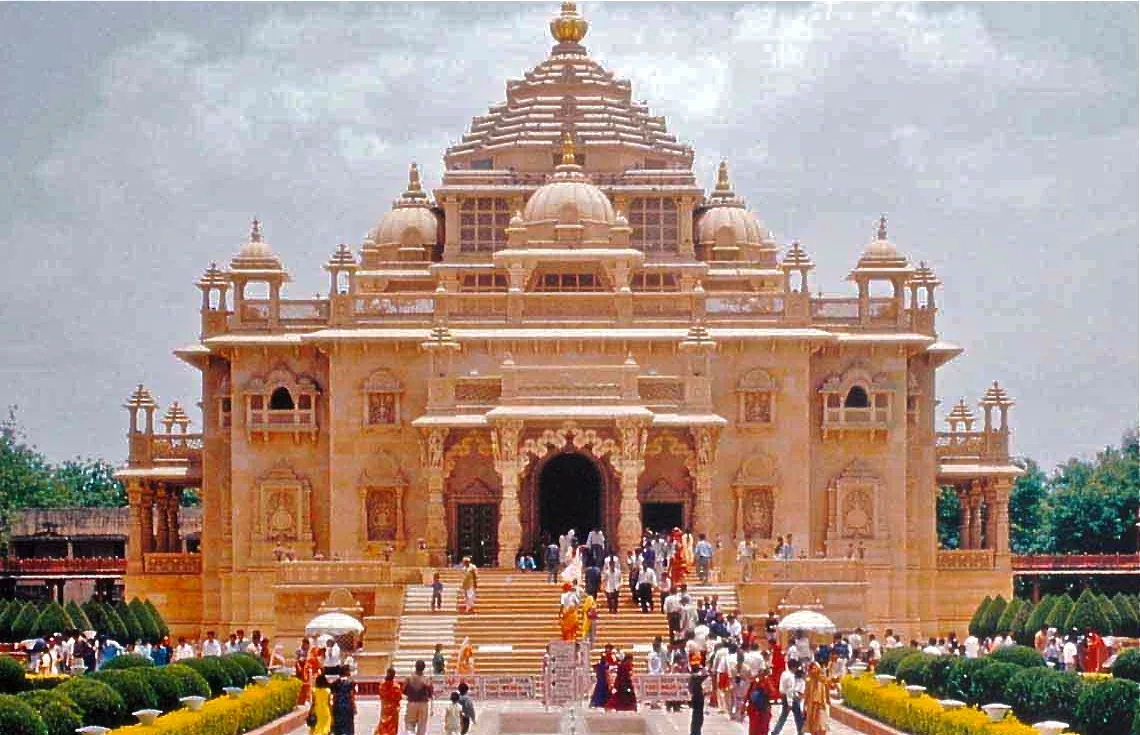
Swaminarayan Akshardham
Gandhinagar1 place to see

Swaminarayan Akshardham

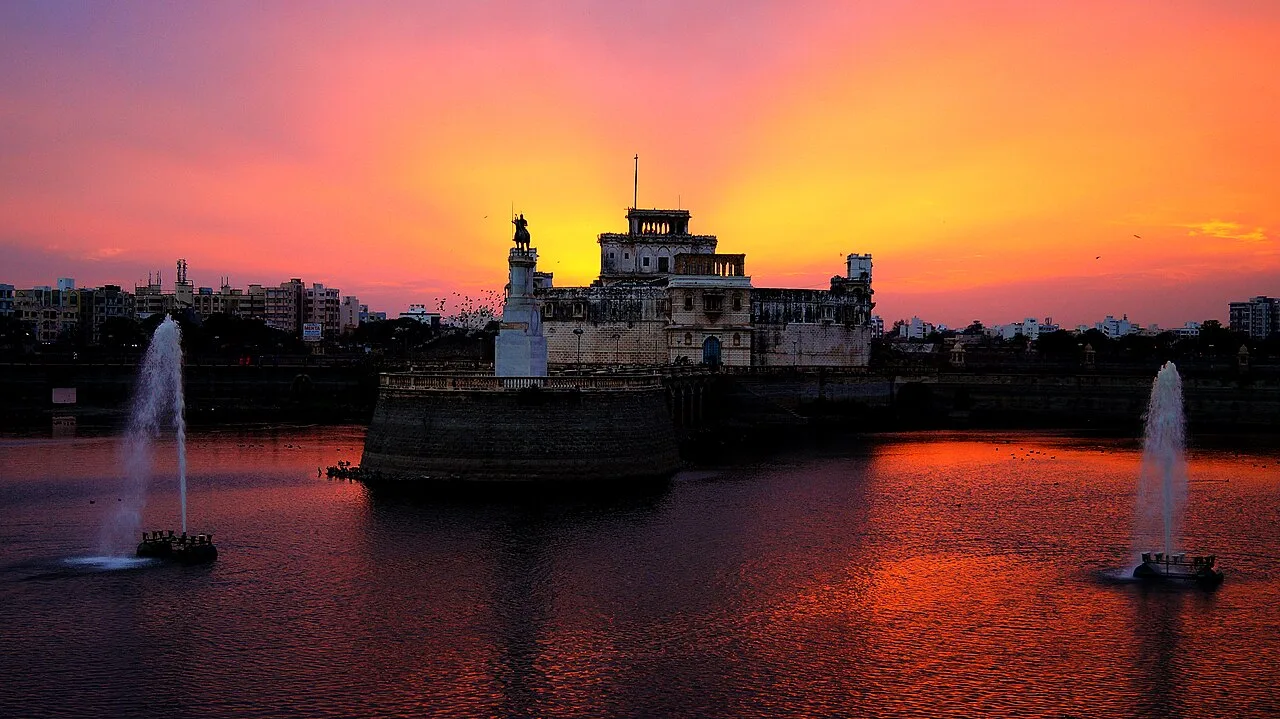
Lakhota Lake
Jamnagar1 place to see

Lakhota Lake

Polo Forest
Khedbrahma1 place to see

Polo Forest

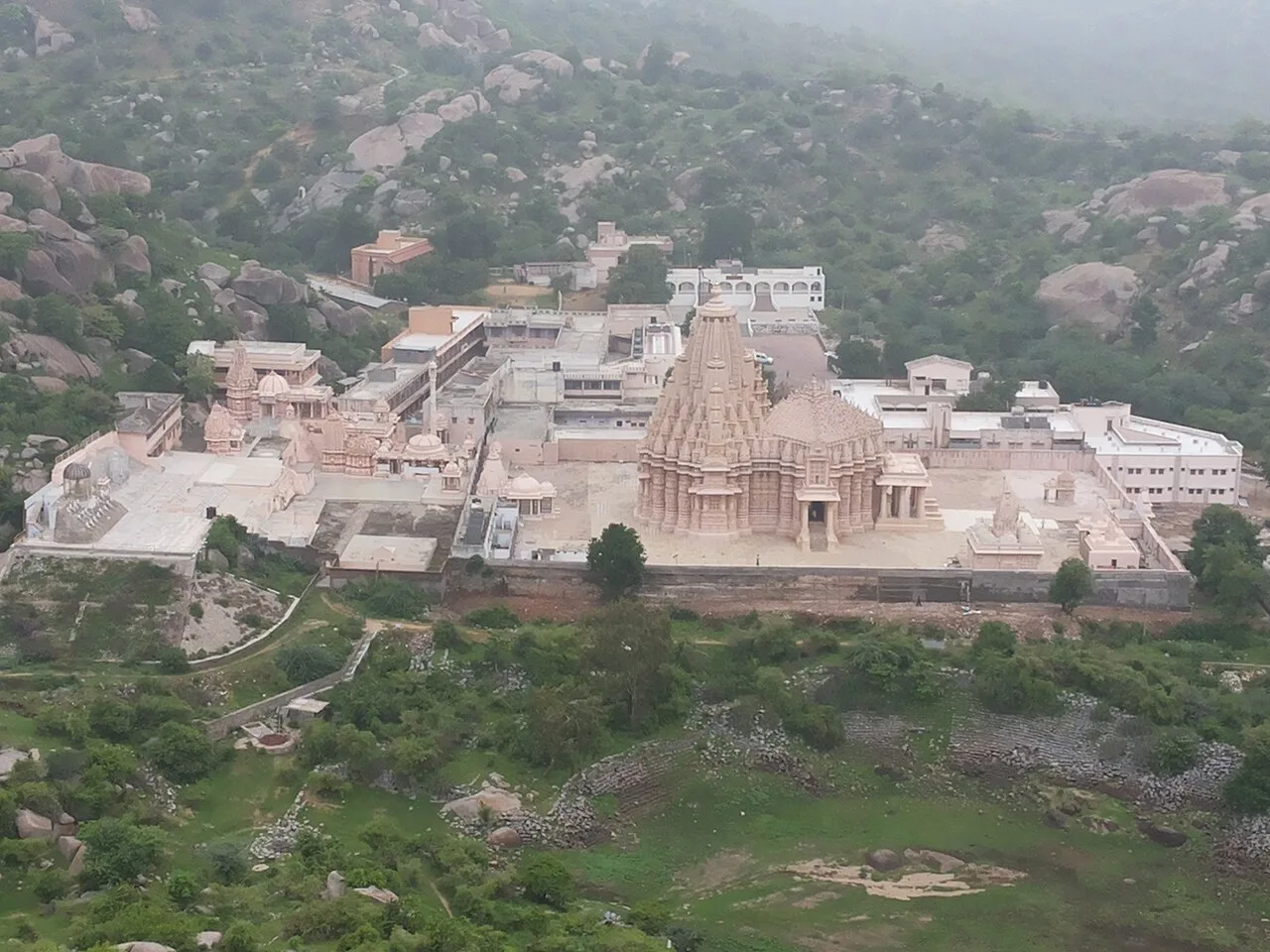
Taranga Jain Temples
Kheralu1 place to see

Taranga Jain Temples

Nal Sarovar Bird Sanctuary
Lakhtar State1 place to see

Nal Sarovar Bird Sanctuary

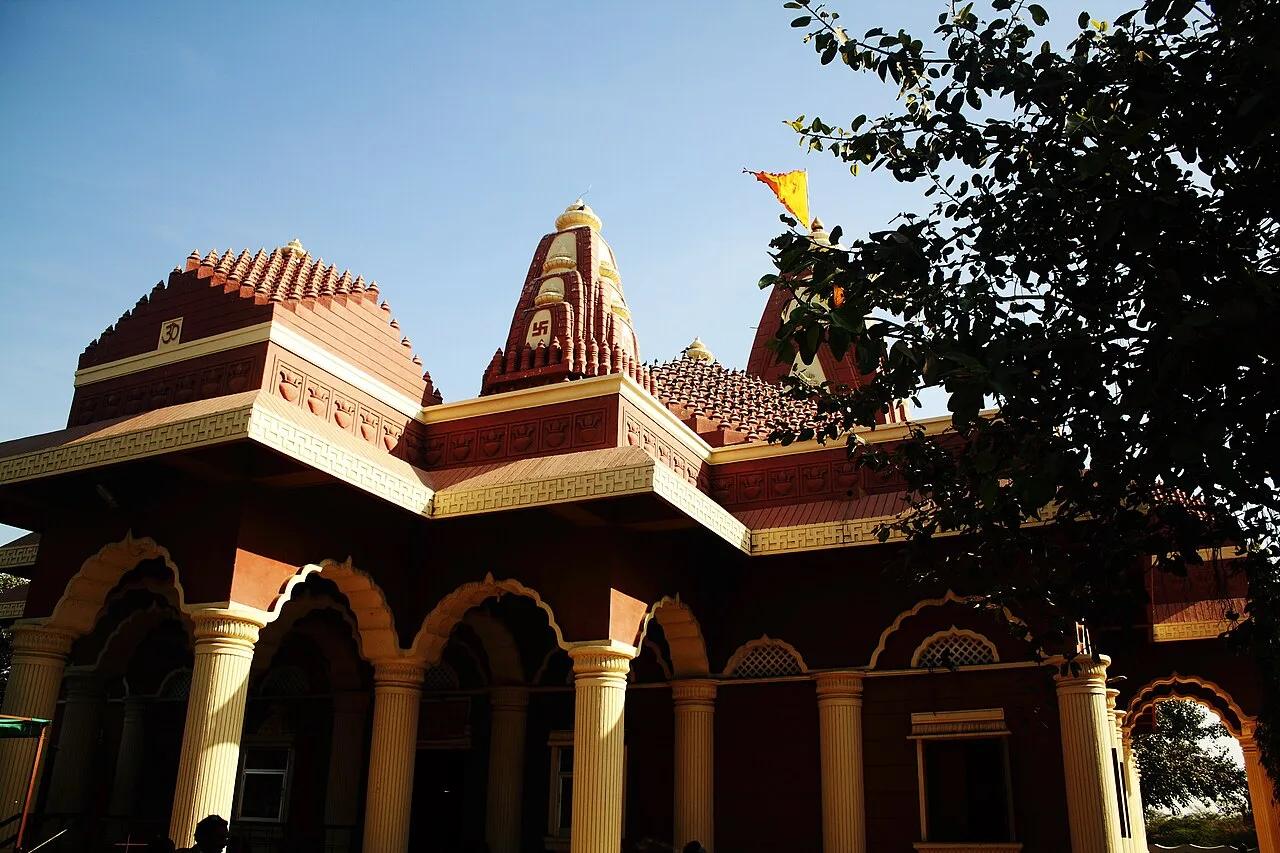
Nageshwar Jyotirlinga
Mithapur1 place to see

Nageshwar Jyotirlinga

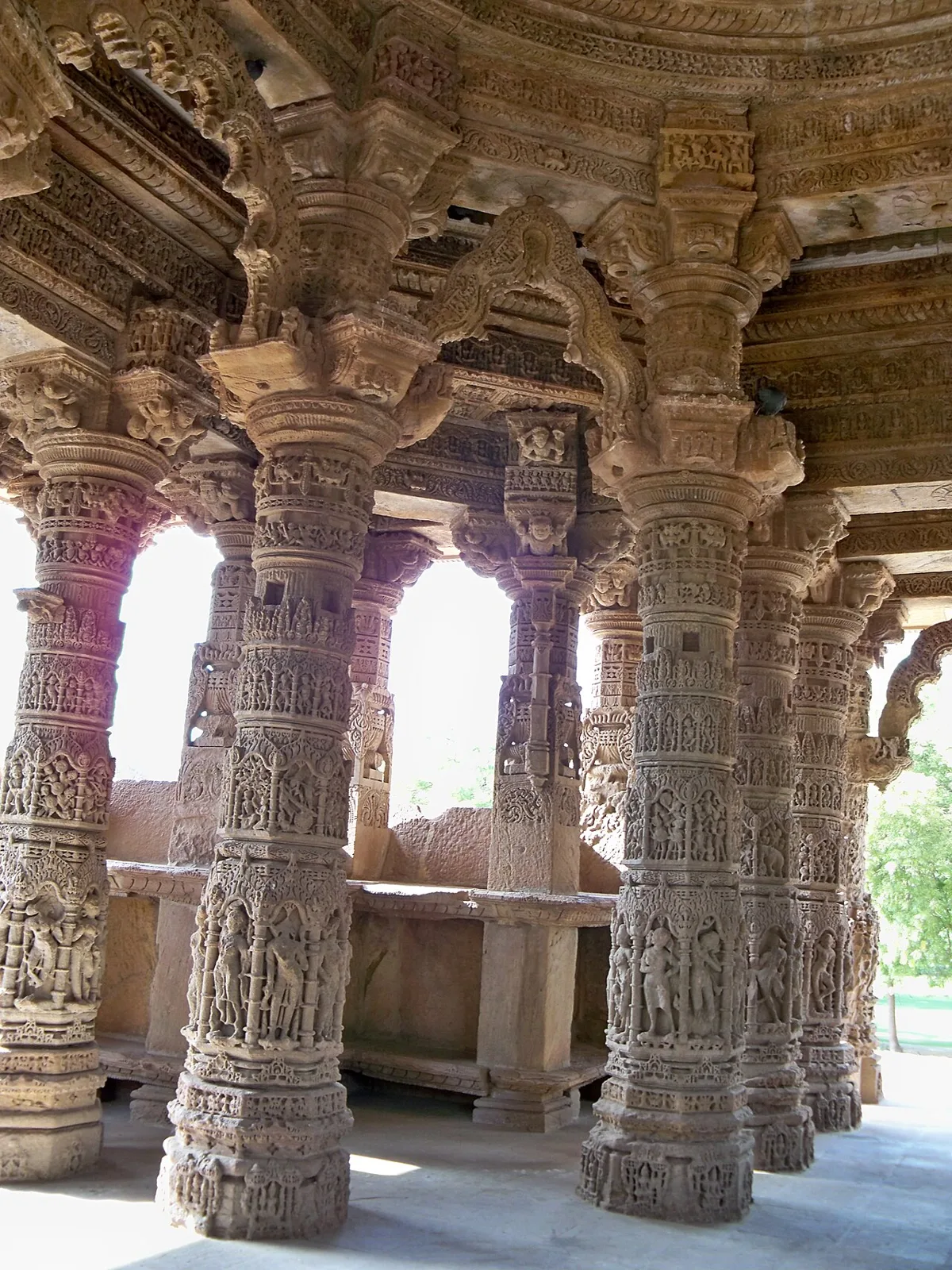
Modhera Sun Temple
Modhera1 place to see

Modhera Sun Temple

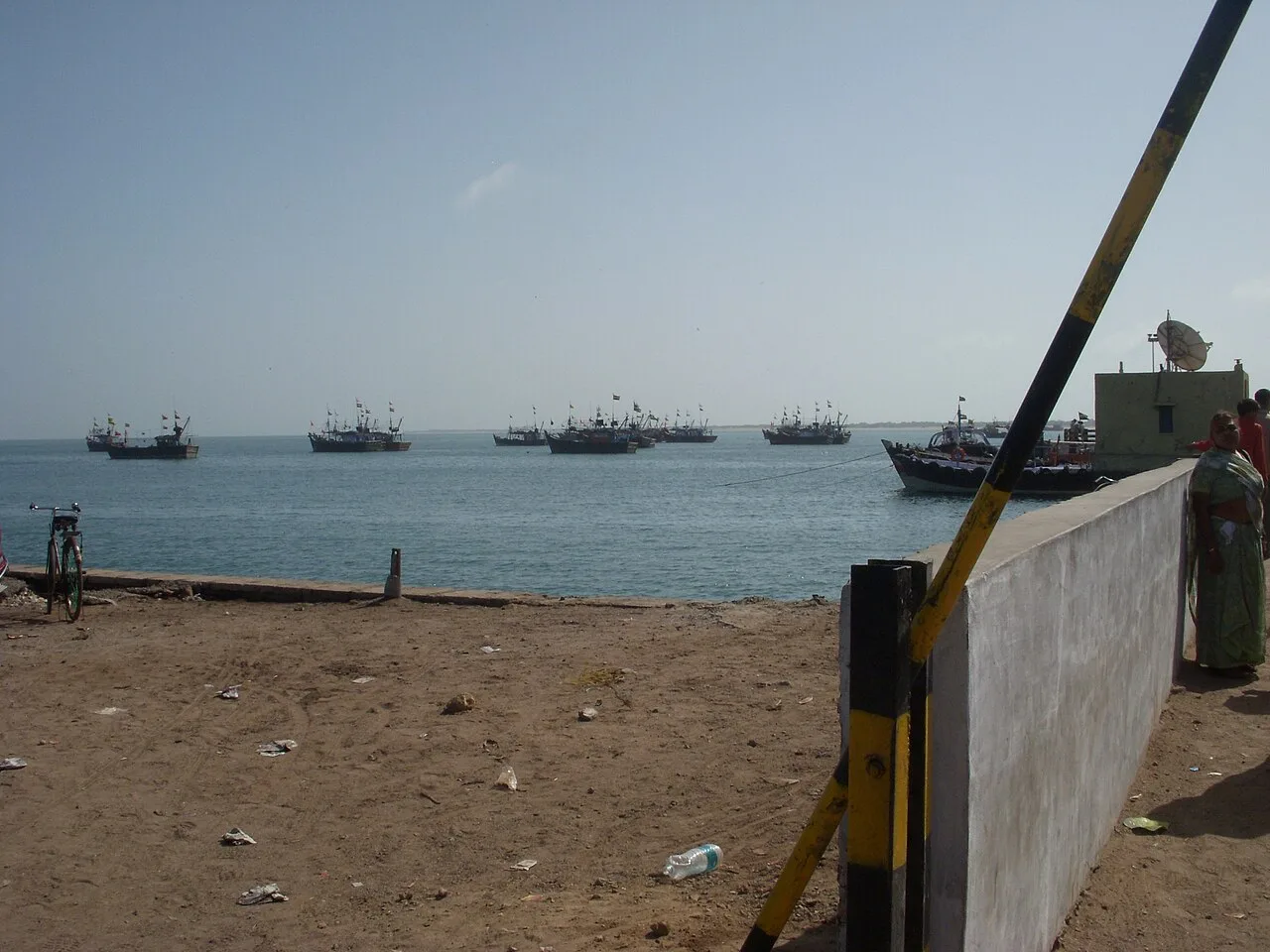
Bet Dwarka
Okha1 place to see

Bet Dwarka

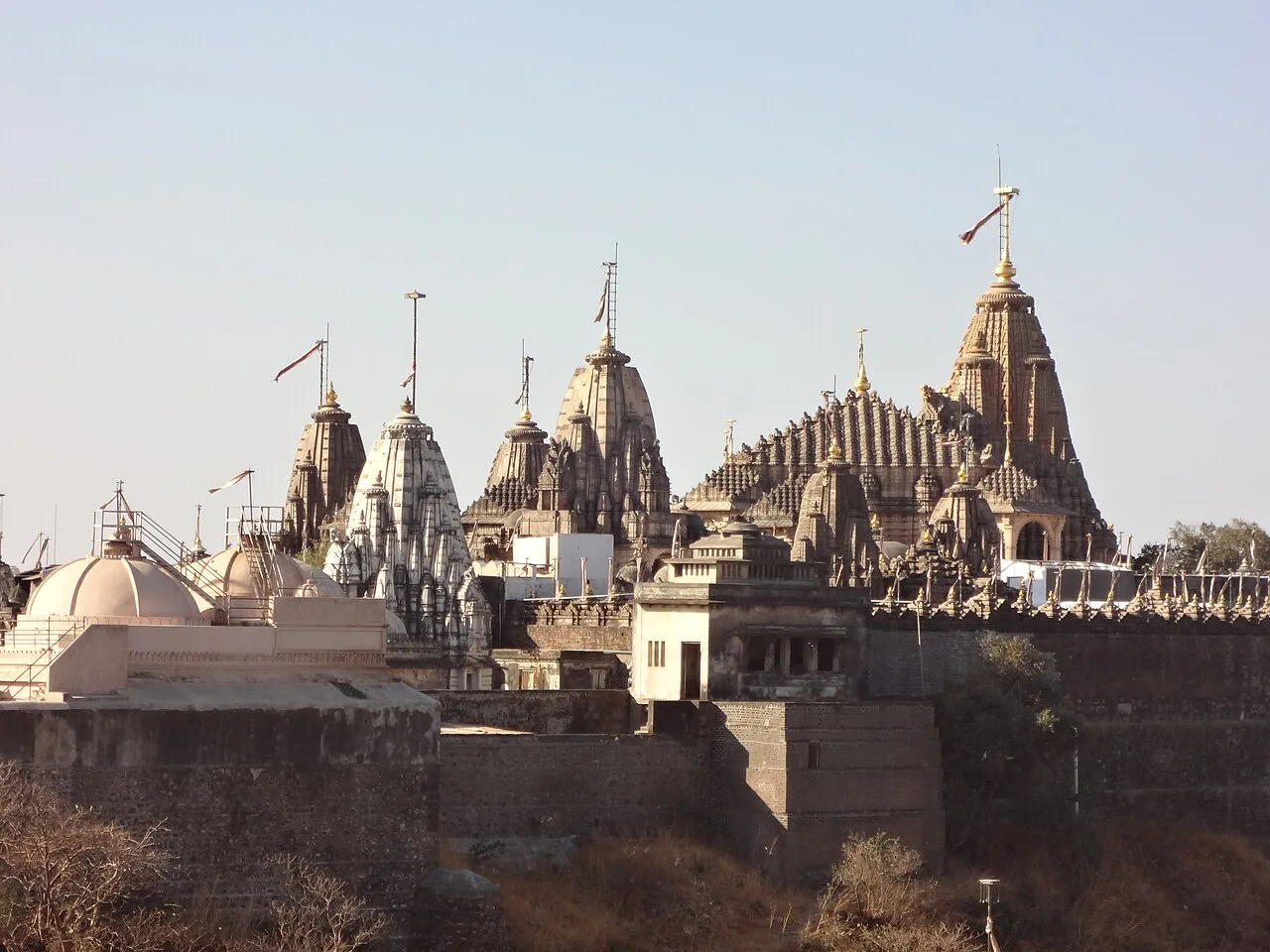
Palitana temples
Palitana1 place to see

Palitana temples

Indian Wild Ass Sanctuary
Patdi1 place to see

Indian Wild Ass Sanctuary

Kirti Mandir
Porbandar1 place to see

Kirti Mandir

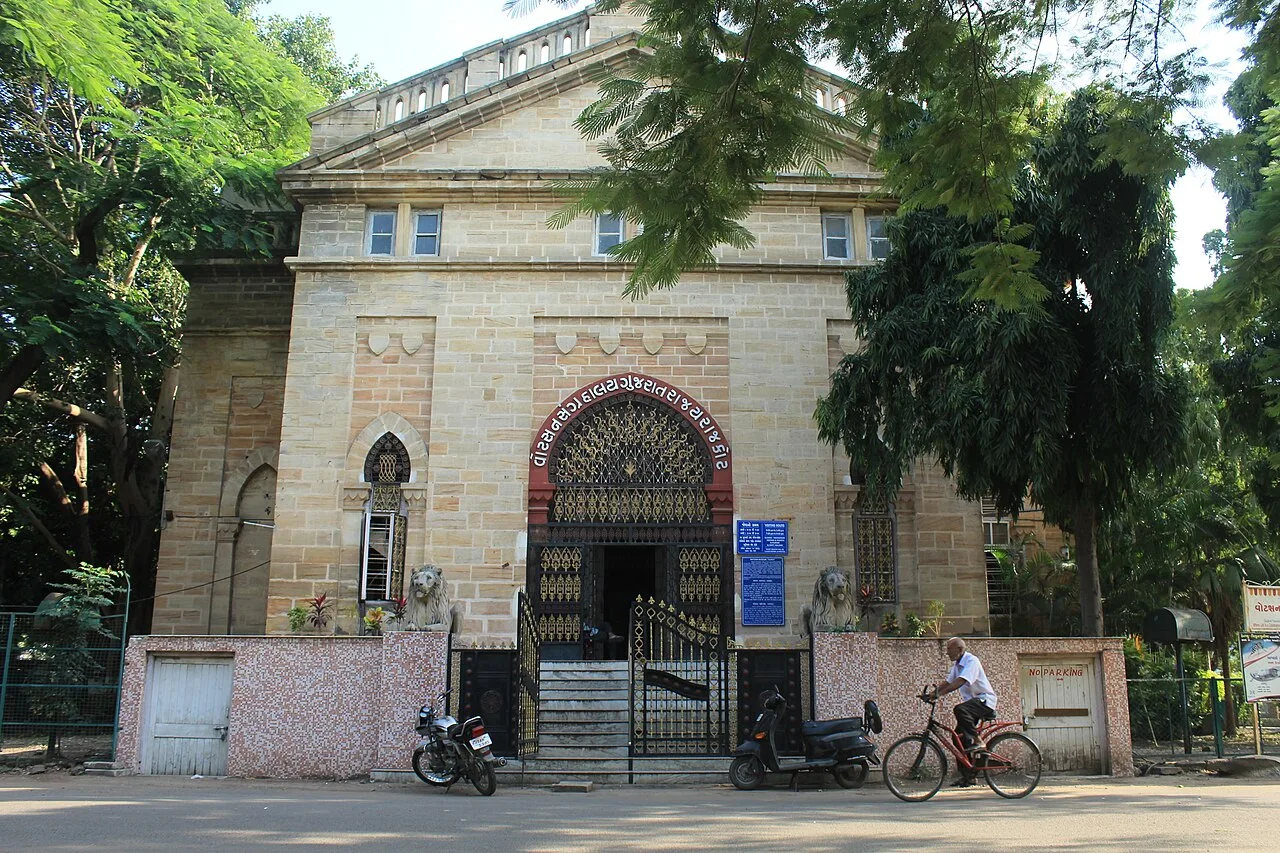
Watson Museum
Rajkot1 place to see

Watson Museum

Marine National Park
Salaya1 place to see

Marine National Park

Saputara
Saputara1 place to see

Sights in and around Saputara

Gir National Park
Sasan Gir1 place to see

Gir National Park

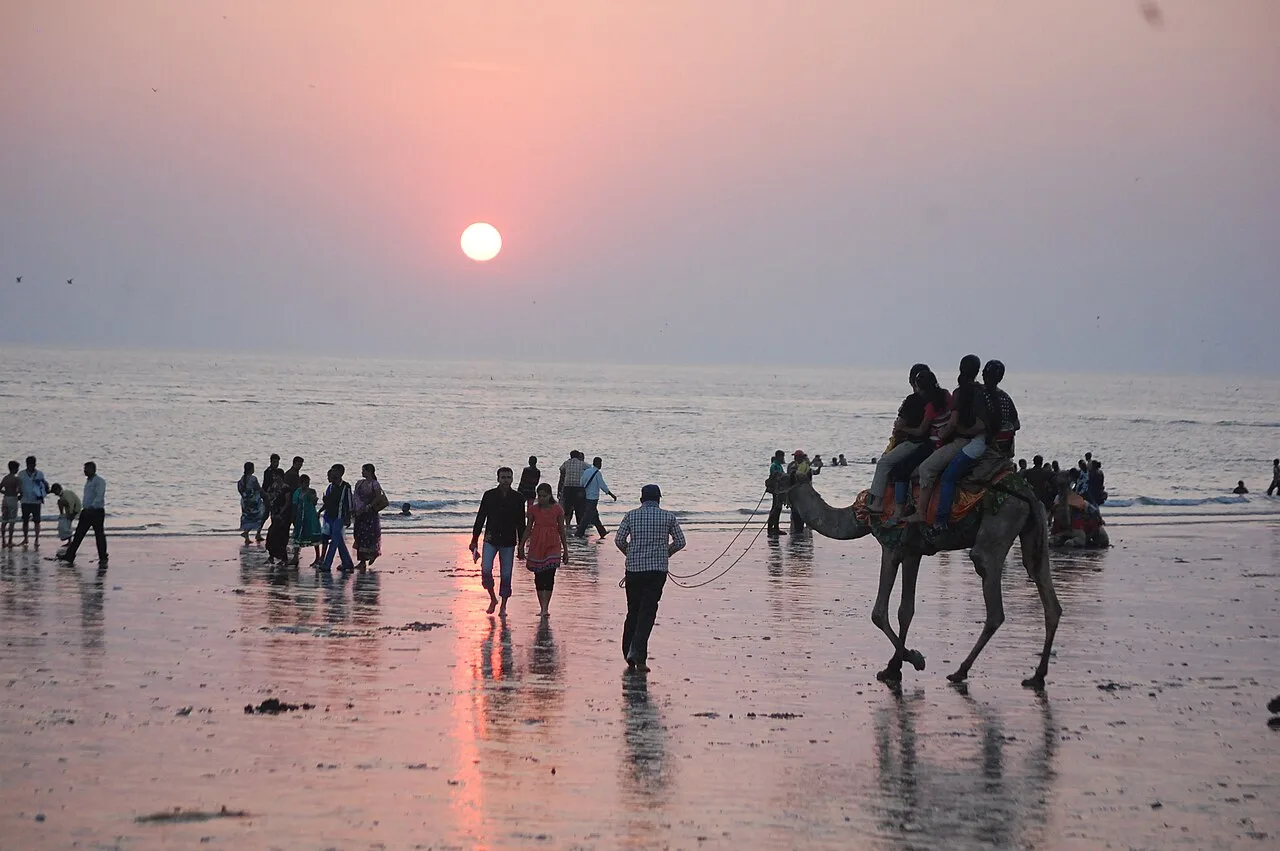
Dumas Beach
Surat1 place to see

Dumas Beach

Tarnetar
Thangadh1 place to see

Tarnetar

Waghai (Gira Falls)
Vansda1 place to see

Waghai (Gira Falls)

Away from the cities — 9 more places by district

District discovery

Gujarat: 22 districts covered

Open a district to see its destinations and neighbours. More districts are added as our team writes them.

22 of 22 districts have destination guides

Destinations

Every guide in this state

Open a district to see its cities and towns, villages and places to see.

Ahmedabad12 places
Banaskantha1 place

Places to see

Bhavnagar2 places
Dang2 places

Cities & towns

Places to see

Devbhoomi Dwarka4 places
Gandhinagar2 places
Gir Somnath3 places
Jamnagar2 places
Junagadh4 places
Kheda1 place

Places to see

Kutch16 places
Mehsana2 places
Narmada3 places
Navsari1 place
Panchmahal2 places
Patan2 places
Porbandar1 place

Places to see

Rajkot1 place

Places to see

Sabarkantha1 place

Places to see

Surat1 place

Places to see

Surendranagar2 places
Vadodara2 places

Festivals & fairs

The calendar here

Full calendar

1 Nov 2026 – 7 Mar 2027

Rann Utsav

Dhordo, Kutch · Cultural

Tent city and folk arts on the white salt desert.

Confirmed · happening nowGujarat

Festivals of Gujarat through the year

Usual season and where each is best known. Exact dates follow local calendars — linked festivals have dated guides.

  • Navratri and GarbaSeptember–OctoberStatewide, especially Ahmedabad, Vadodara, Surat and Rajkot.
  • Rann UtsavNovember–FebruaryWhite Rann, Kutch district.
  • International Kite Festival / Uttarayan14 JanuaryAhmedabad.
  • Modhera Dance FestivalJanuaryMehsana district.
  • Rath YatraJune–JulyAhmedabad's Jagannath temple.
  • Tarnetar FairAugust–SeptemberSurendranagar district.
  • Madhavpur Ghed FairMarch–AprilPorbandar district.
  • Bhavnath Mahashivratri MelaFebruary–MarchJunagadh.
  • Bhadarvi Poonam MelaAugust–SeptemberAmbaji, Banaskantha district.
  • Dang DarbarHoliThe Dangs district.
  • Chitra-Vichitra FairMarch–AprilSabarkantha district, tribal.
  • Somnath Kartik Purnima FairNovemberGir Somnath district.
From travellers and locals

Be the first to share photos, stories, advice or a helpful contact for Gujarat.

Loading…