Ghumoopedia — Explore, Discover, Experience
Sign in
Dakor, near Mahudha

City guide · Gujarat

Mahudha

Mahudha is a small municipality in Kheda district, in central Gujarat. Its importance is chiefly local: it serves residents of the surrounding countryside with everyday services and connects nearby settlements to larger centres.

Famous for

  • Access to Dakor
  • Kheda district setting
  • Local agricultural trade
  • Gujarati regional culture

Why Mahudha matters

Mahudha is a small municipality in Kheda district, in central Gujarat. Its importance is chiefly local: it serves residents of the surrounding countryside with everyday services and connects nearby settlements to larger centres. The town lies about 16 kilometres northeast of Nadiad, the nearest city, and about 25 kilometres northwest of Dakor, a well-known pilgrimage destination. This makes Mahudha a practical stop for travellers moving between rural Kheda and those towns, rather than a major tourist centre in its own right.

Visitors may find interest in the pace of everyday town life, local shops and the agricultural landscape around it. Mahudha is not widely associated with a nationally recognised craft, textile, food specialty or landmark attraction, so expectations are best kept modest. Its appeal is as a regional base and a glimpse of a smaller Gujarati municipality, with Dakor and Nadiad within reach. The town stands at roughly 37 metres above sea level, in a generally warm part of the state.
Famous for: crafts, trade & products

Mahudha is not especially known for a signature textile, handicraft, GI-tagged product or large industrial sector. It is better understood as a local service and trading centre for nearby villages. Everyday commerce is concentrated in ordinary town shops and market areas, where residents buy household goods, groceries and farm-related supplies. Visitors looking for a particular Gujarati craft or branded regional product will generally find a wider selection in larger nearby centres such as Nadiad.

Agriculture shapes the wider Kheda district, and local trade reflects the needs of the surrounding rural community; this does not make any one crop or product a distinctive Mahudha specialty. There is no widely established craft quarter or dedicated visitor market to seek out. For a sense of local commerce, explore the central shopping streets and neighbourhood shops during the day, and ask locally about seasonal produce. For textiles, handicrafts and a broader choice of Gujarat-made goods, plan to shop in Nadiad or another larger city. Mahudha's value lies more in its everyday regional role than in a product-based tourist reputation.

History

Its development is best viewed in the context of Kheda district, a fertile and long-settled part of central Gujarat where villages and market towns grew around agriculture, local exchange and routes linking larger settlements. The area came under British colonial administration as part of the wider political history of Gujarat.

Kheda district is also associated with the 1918 Kheda Satyagraha, a major episode in India's independence movement; that regional history should not be confused with a claim that Mahudha itself was its principal centre. In modern times, Mahudha has developed as a municipality serving its town and nearby rural settlements. Its civic and commercial role remains local, while Nadiad provides access to larger institutions and transport connections. The town's contemporary character reflects this combination of rural surroundings and links to nearby urban centres.

Food, festivals & culture

Gujarati is the principal language of everyday life in Mahudha, while Hindi is also commonly understood. Food follows familiar central-Gujarat tastes: meals may include rotli, vegetables, dal, kadhi and rice, with snacks such as farsan and sweets enjoyed at home or bought from local shops. These are regional foods rather than dishes uniquely associated with Mahudha.

The Hindu calendar shapes community life. Navratri, usually in autumn, brings devotional gatherings and garba across Gujarat; Diwali is marked with family visits, lamps and sweets, while Uttarayan in January is known for kite-flying in the state. Local places of worship serve residents' daily devotional needs, though Mahudha is not widely promoted for a single landmark shrine. Bhajans and other devotional songs are part of religious observances, and garba is the best-known dance form of the wider region. Festival dates follow the lunar calendar and vary from year to year. Visitors should be considerate at places of worship and follow local guidance on footwear and photography.

Visiting the city

The cooler months, roughly November to February, are generally the most comfortable time to visit; summers can be very hot, and the monsoon brings rain. The nearest major city is Nadiad, about 16 kilometres to the southwest. Nadiad Junction is the practical main railway station for reaching Mahudha. The nearest major airport is Sardar Vallabhbhai Patel International Airport in Ahmedabad.

From Nadiad, continue by road using local transport or a hired vehicle; within Mahudha, walking and locally available auto-rickshaws are useful for short trips. The central shopping streets offer the clearest look at daily town life. Visitors can also explore the quieter residential edges and surrounding countryside, or use Mahudha as a stop on a visit to Dakor, about 25 kilometres to the southeast. Confirm onward transport locally, especially for travel later in the day.

Trips from the city

Nearest places to visit from Mahudha

Our closest destination guides, by straight-line distance.

Dakor

23 km away · Kheda district

Dakor

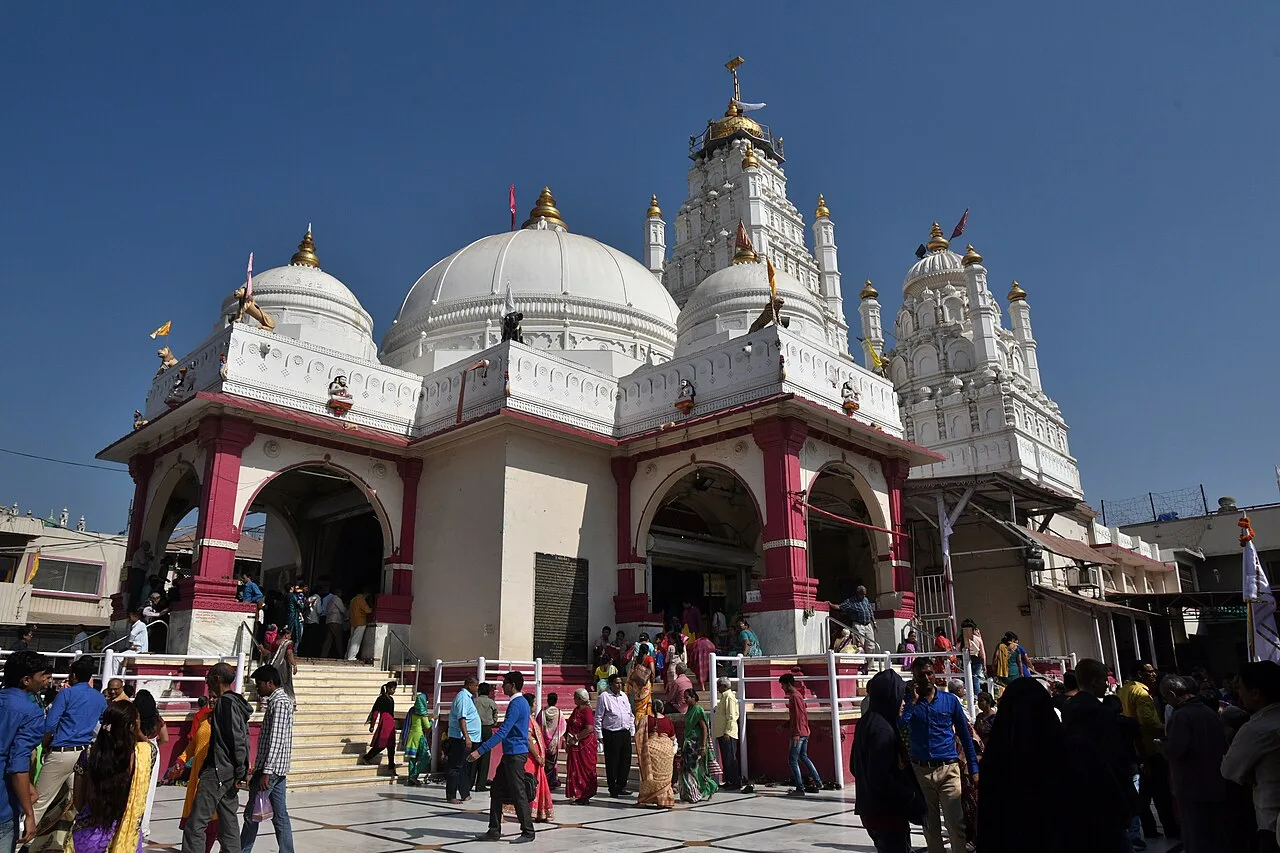
Dakor is a small city and municipality in Gujarat’s Kheda district, known for the temple of Raṇchoḍrāyjī, which draws people to the town.

Kankaria Lake

40 km away · Ahmedabad district

Kankaria Lake

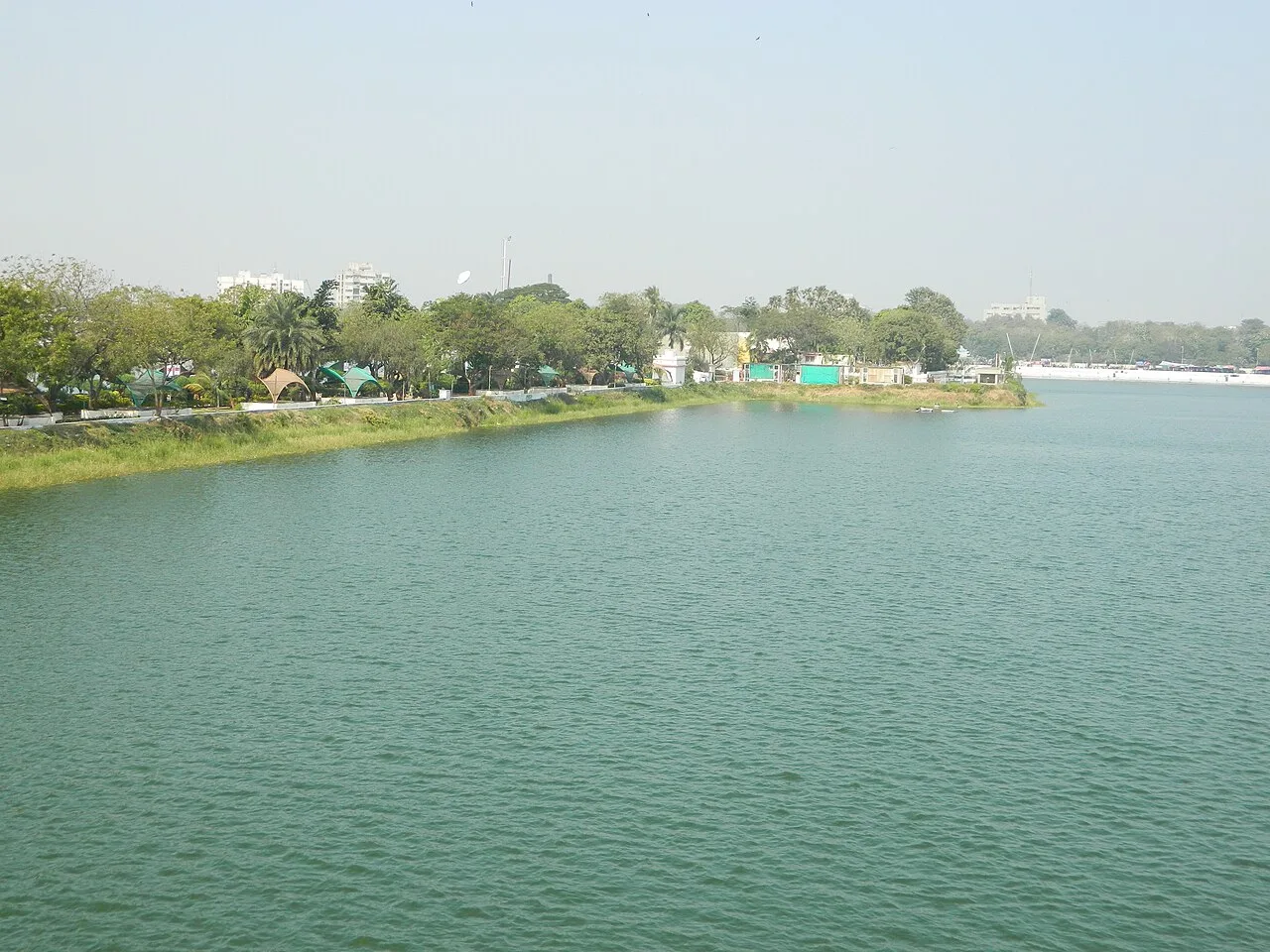
Kankaria Lake is Ahmedabad’s largest lake, situated in Maninagar. Visitors come for its leisure attractions and the cultural, artistic and social programme of the Kankaria Carnival.

Dada Harir Stepwell

42 km away · Ahmedabad district

Dada Harir Stepwell

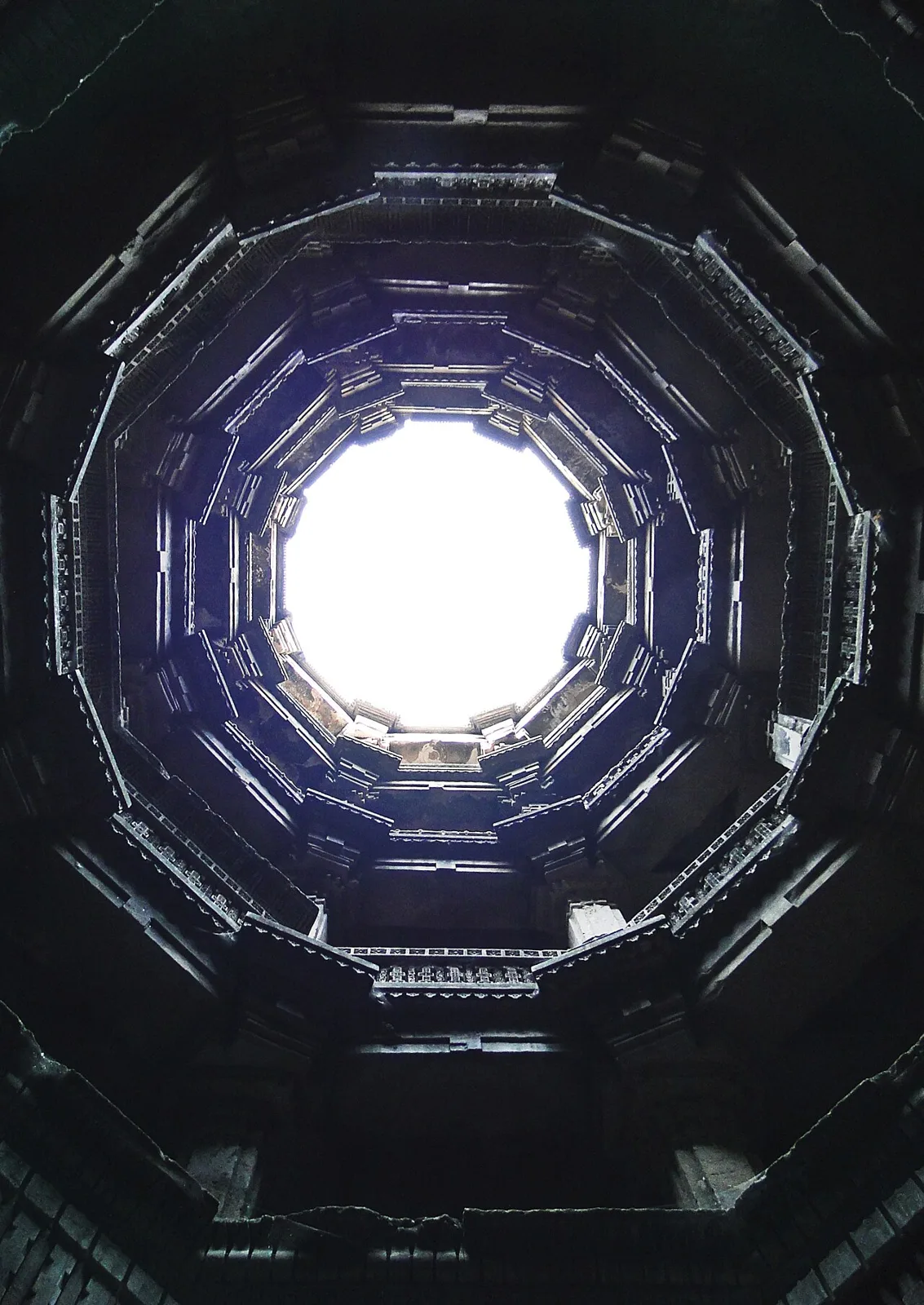
Dada Harir Stepwell is a fifteenth-century stepwell in Asarwa, Ahmedabad district, Gujarat. Visitors can see this historic structure about 15 kilometres from Ahmedabad.

Bhadra Fort

43 km away · Ahmedabad district

Bhadra Fort

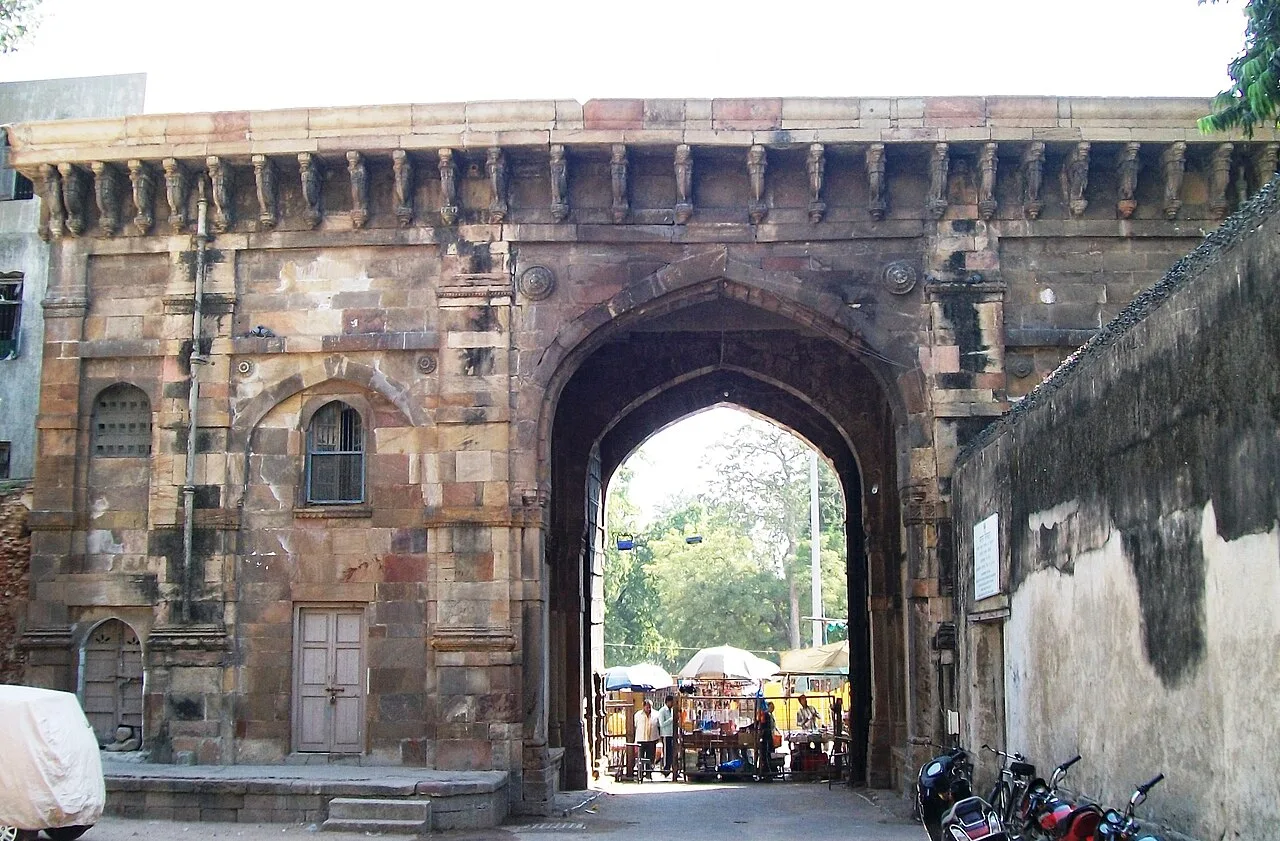
This historic Ahmedabad complex brings together royal buildings, mosques, gateways and open areas. Visitors explore its architecture and its present role as a cultural centre for the city.

Hutheesing Jain Temple

43 km away · Ahmedabad district

Hutheesing Jain Temple

Ahmedabad's Hutheesing Jain Temple, in Gujarat, is a place of Jain worship built by the Hutheesing family in 1848. Visitors can see its blend of Maru-Gurjara temple design and haveli features.

Jama Masjid, Ahmedabad

43 km away · Ahmedabad district

Jama Masjid, Ahmedabad

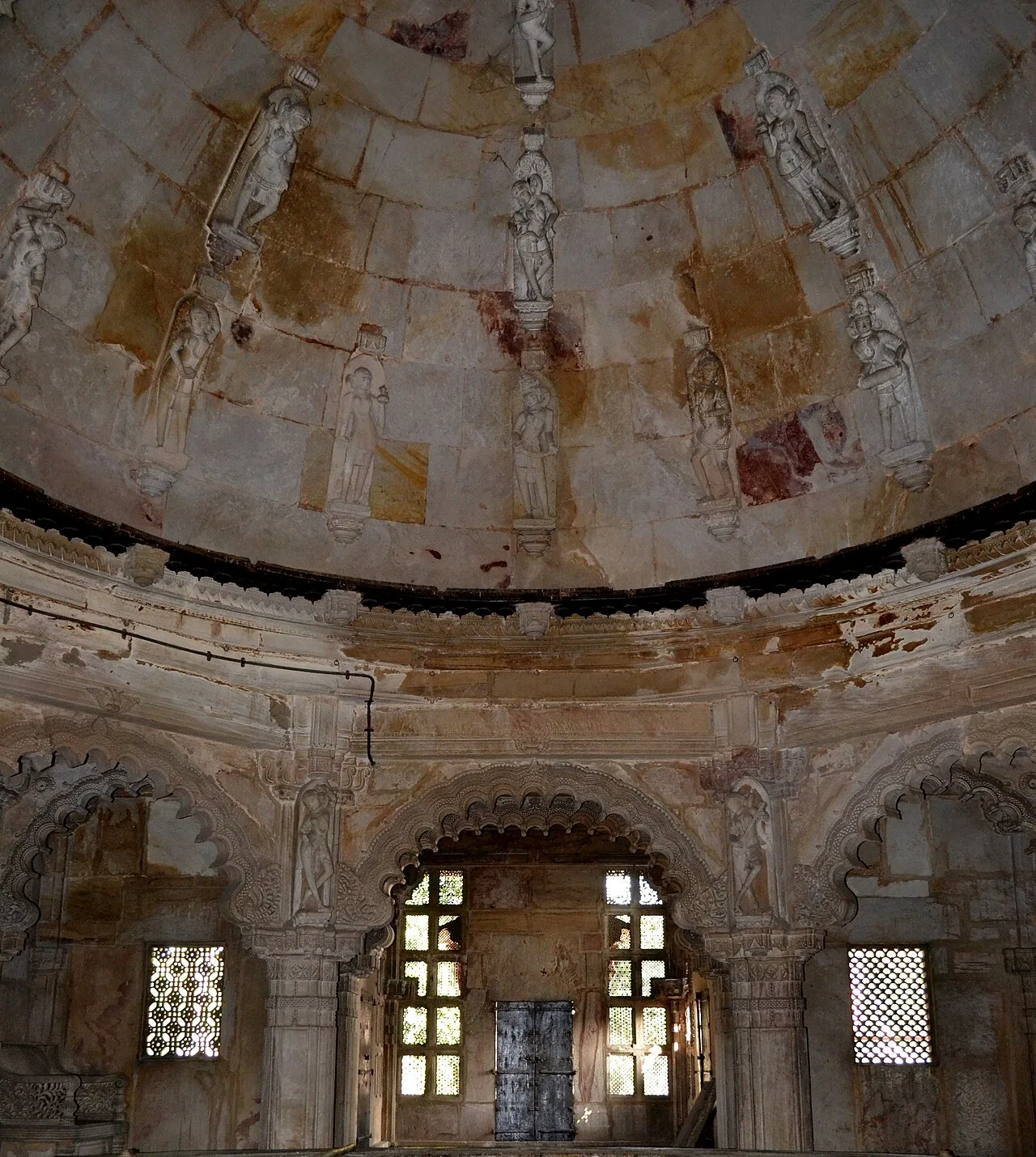
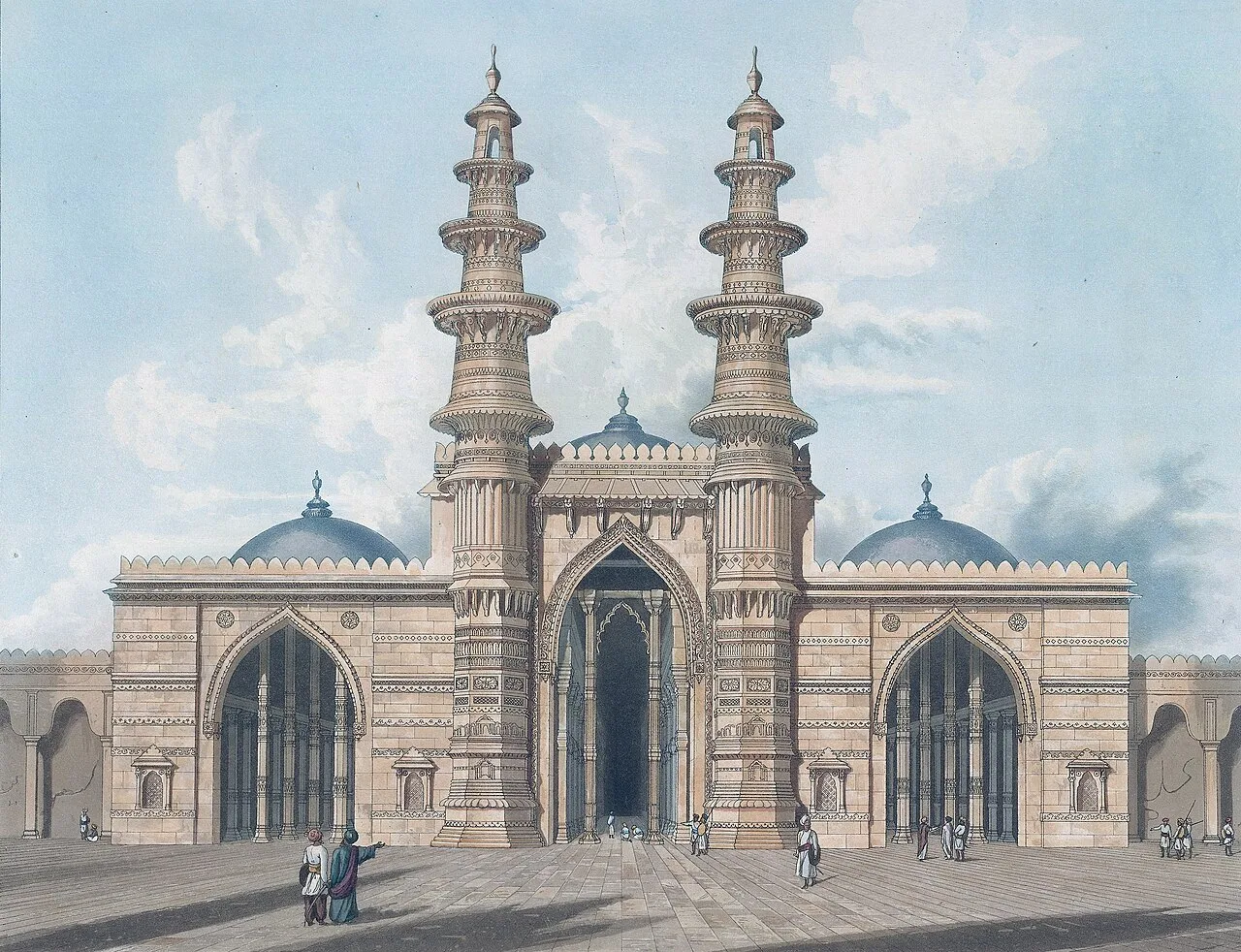
Ahmedabad’s Jama Masjid is a historic Friday mosque in the old city, visited for its impressive scale, central courtyard and expression of Gujarat-style architecture.

Sidi Saiyyed Mosque

43 km away · Ahmedabad district

Sidi Saiyyed Mosque

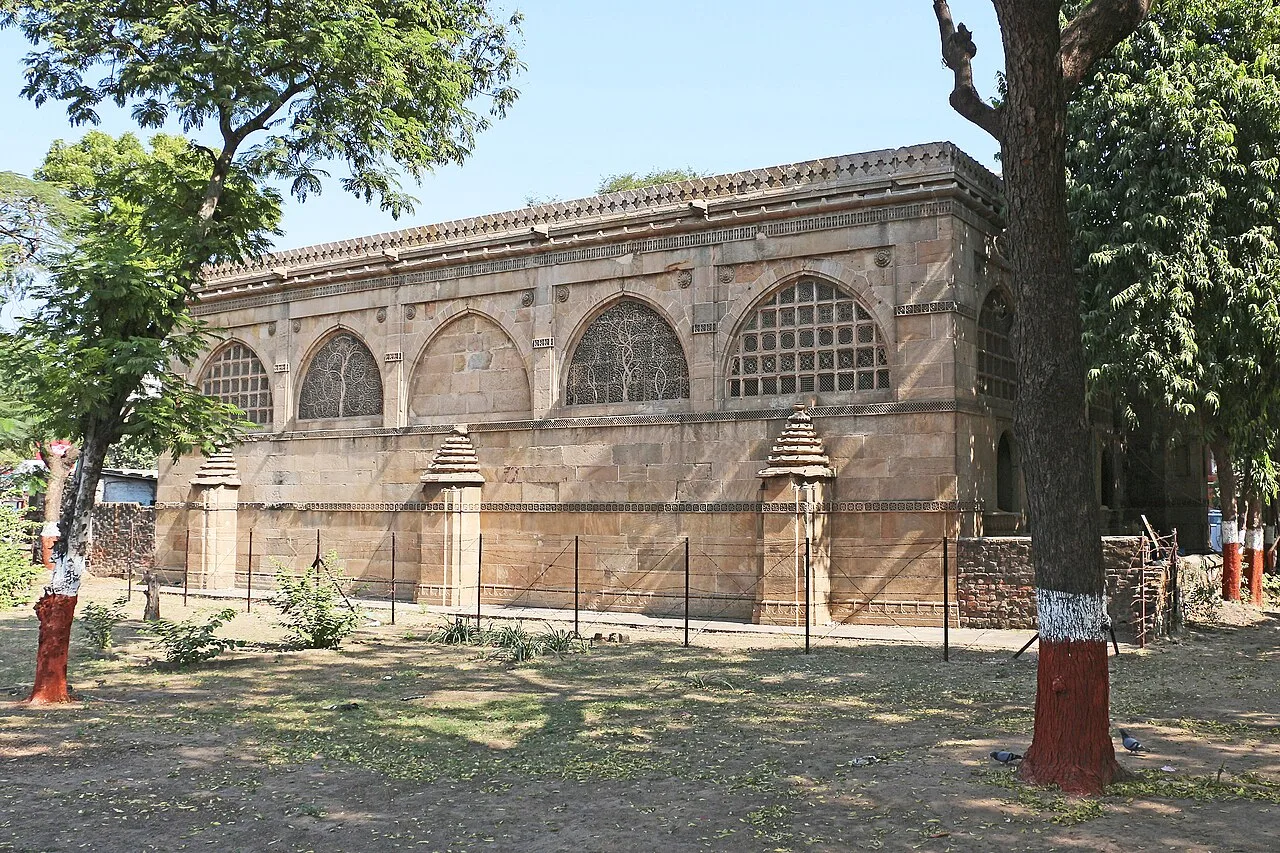
Sidi Saiyyed Mosque is a Sunni place of worship in Ahmedabad, Gujarat, also known locally as Sidi Saiyyed ni Jali. Visitors come to see this nationally important historic monument.

Calico Museum of Textiles

44 km away · Ahmedabad district

Calico Museum of Textiles

The Calico Museum of Textiles is a textile museum in Ahmedabad, Gujarat. Visitors come to see and learn about textiles at this institution, which is managed by the Sarabhai Foundation.

Map

Mahudha on the map

  1. 1Dakor
  2. 2Kankaria Lake
  3. 3Dada Harir Stepwell
  4. 4Bhadra Fort
  5. 5Hutheesing Jain Temple
  6. 6Jama Masjid, Ahmedabad
  7. 7Sidi Saiyyed Mosque
  8. 8Calico Museum of Textiles

Gujarat

Other cities to explore