
Ghumoopedia — Explore, Discover, Experience
Sign in
Indian Wild Ass Sanctuary, near Patdi

City guide · Gujarat

Patdi

Patdi is a municipality in Dasada taluka of Surendranagar district, Gujarat, and serves as the taluka headquarters. Its importance today comes from its practical role as a market and service centre for nearby villages, as well as its place in the salt economy of the region.

Famous for

  • Salt production and transport
  • Cotton processing
  • Regional farmers’ market
  • Historic inner fort
  • Surajmalji High School
In the city
0
Nearby
1
District
Surendranagar
Plan a trip

Why Patdi matters

Patdi is a municipality in Dasada taluka of Surendranagar district, Gujarat, and serves as the taluka headquarters. Its importance today comes from its practical role as a market and service centre for nearby villages, as well as its place in the salt economy of the region. Salt production and the movement of salt and related goods are prominent parts of local trade; cotton processing and agricultural commerce also contribute to the town’s working life.

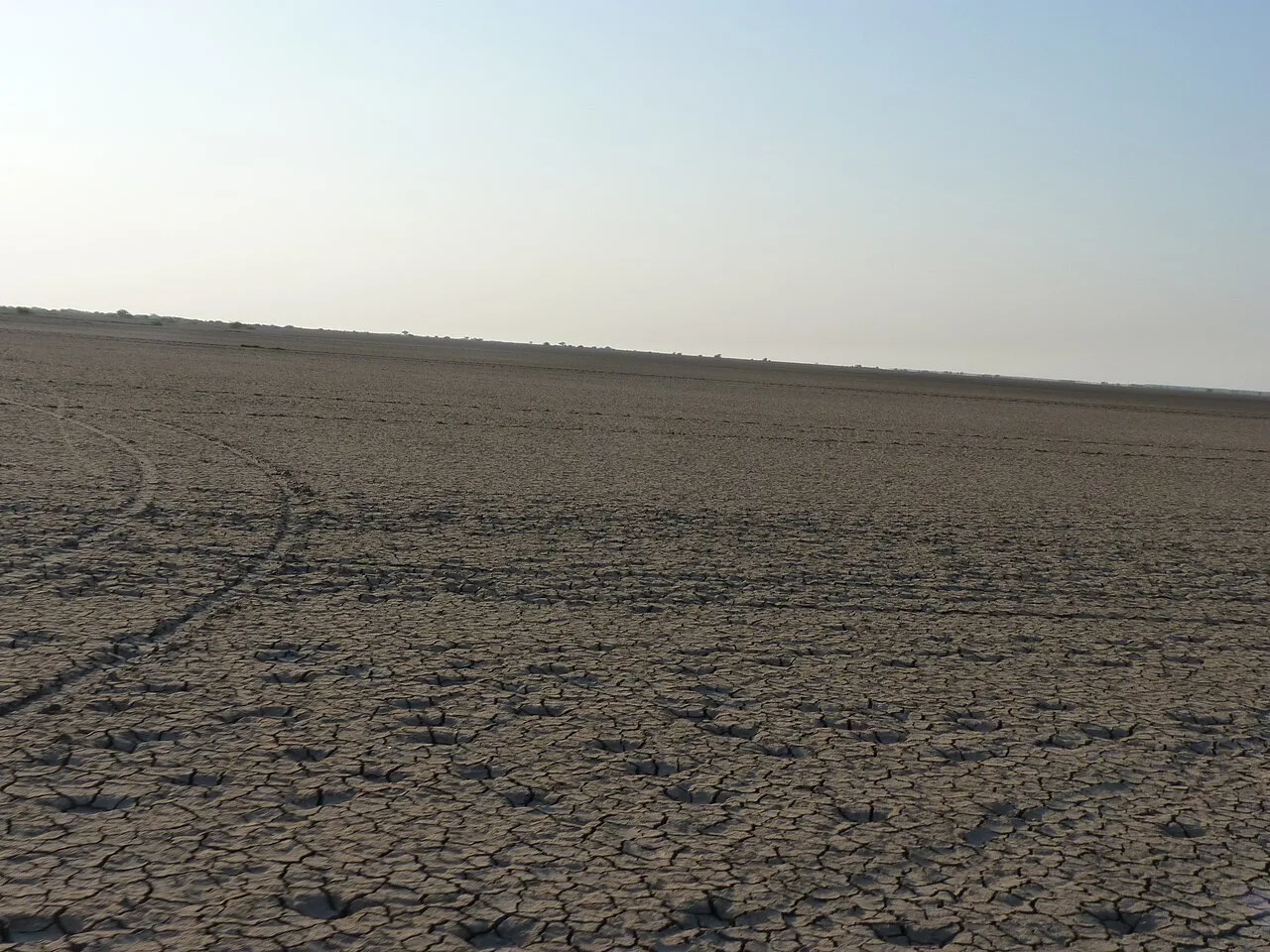
On the edge of the Little Rann of Kachchh, Patdi offers a glimpse of a dry landscape and a settlement shaped by regional trade and older local rule. Visitors may explore the historic inner-fort area, browse the town’s markets and see how salt and farming connect Patdi with surrounding communities. Surajmalji High School is among the town’s noted institutions. Patdi is not primarily a resort destination: its appeal lies in its history, everyday market activity and proximity to the distinctive Rann environment.

Famous for: crafts, trade & products

Patdi’s best-established commercial links are salt production, salt-related goods and their transport. The town also serves as a market for neighbouring villages, with everyday shops and trading activity meeting local household and farming needs. Cotton processing is another part of its economy, alongside the farmers’ market. These trades give Patdi a regional role beyond its size as a settlement.

Patdi is not widely identified with a signature sari tradition, handicraft, or GI-tagged product, so visitors should not expect a specialised craft bazaar or a recognised local textile brand. For ordinary shopping, the town’s central market is the practical place to look for daily goods and produce; ask locally about seasonal agricultural trading and cotton-related businesses. Salt is an industrial and transport commodity rather than a curated souvenir, and access to production or loading sites may depend on local arrangements. Surajmalji High School is a notable local institution, though it is not a visitor attraction in the usual sense. Patdi’s distinctive story is its working economy, not a nationally marketed craft product.

History

Patdi developed as an estate in the prant of Eastern Kathiawar and was associated with the political geography of Jhalawar State. Local tradition records that Mughal emperor Jahangir granted the title “Desai” to the town’s Kadva Patidar rulers. The Desai Patel line governed the estate through successive generations; surviving accounts name several rulers, including Nathubhai, Vakhatsimji Nathubhai, Jorawarsimhji and Surajmalji Jorawarsimhji. The inner-fort area reflects this older history of local authority and settlement.

The region’s political arrangements changed during the colonial period, as princely and administrative boundaries were reorganised. After independence, Patdi became part of the modern state of Gujarat and developed as a municipality and the headquarters of Dasada taluka. Its contemporary growth has been shaped less by large-scale tourism than by its role in local administration, agriculture, cotton processing and the salt trade connected with the nearby Little Rann. The town’s markets continue to serve surrounding villages.

Food, festivals & culture

Gujarati is the main language of daily life in Patdi; Hindi is also useful for many visitors. A Gujarati meal may include rotli, vegetables, dal or kadhi, rice and accompaniments, while snacks such as thepla and khakhra and sweets such as sukhdi or laddoo are familiar regional fare. Availability varies among homes and eateries, and no particular dish is established as a signature of the town.

Navratri, usually in autumn, is commonly marked across Gujarat with devotional gatherings and garba; Diwali falls in autumn, Uttarayan in January and Holi in spring. These are regional observances, with local celebrations shaped by families and neighbourhoods. Gujarati devotional and folk music, including garba songs, forms part of festive life. Patdi’s community worship takes place in local religious spaces, but the town is not widely known for a single major pilgrimage landmark. Visitors should dress respectfully and ask before photographing ceremonies or worshippers.

Visiting the city

The cooler months, roughly October to February, are generally the most comfortable time to visit; summers can be very hot and dry. Patdi lies near the Little Rann of Kachchh, so the surrounding open landscape is part of its appeal, though visitors should arrange local guidance before travelling into remote or working areas.

Sardar Vallabhbhai Patel International Airport in Ahmedabad is the nearest major airport, about 90 kilometres away. Viramgam is the nearest railway station with a broader range of train connections, around 30 kilometres from Patdi; rail service closer to town is limited. From either point, continue by road. Local movement is generally by auto-rickshaw or arranged vehicle, with availability best checked on arrival. Explore the central market for everyday trade and the older inner-fort area for a sense of Patdi’s history. The town’s outskirts offer views towards the dry Rann landscape.

Short trips

Around Patdi

Within about 40 km — easy half-day or day trips from the city.

Map

Patdi on the map

  1. 1Indian Wild Ass Sanctuary

Gujarat

Other cities to explore