
Ghumoopedia — Explore, Discover, Experience
Sign in
Mandvi, near Mandvi

City guide · Gujarat

Mandvi

Mandvi is a coastal town in Kachchh district, where the Rukmavati River meets the Gulf of Kutch. Once a major port of the princely state of Kutch, it remains an important local centre in southern Kachchh and a base for exploring the region’s coast and heritage.

Famous for

  • Traditional wooden dhows
  • Historic port trade
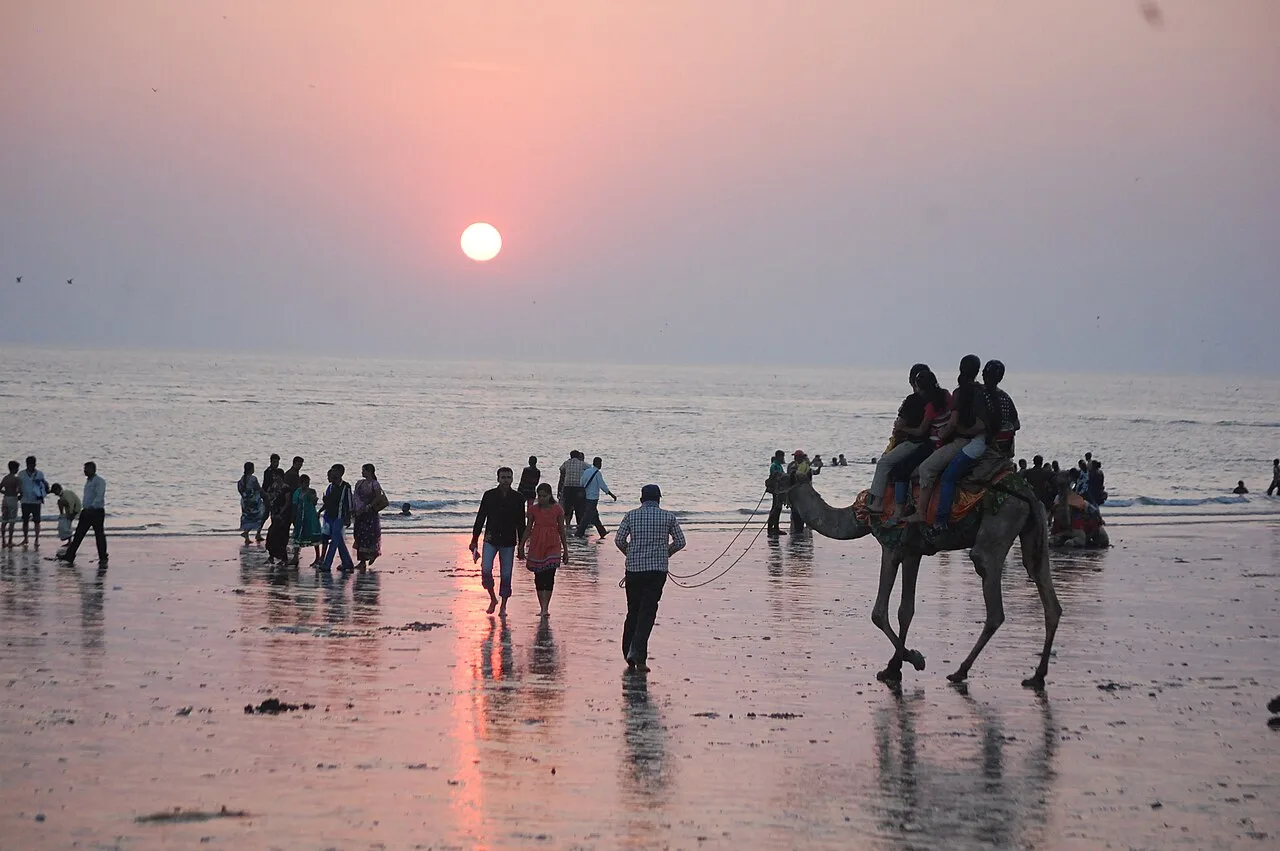
  • Mandvi Beach
  • Kutchi dabeli
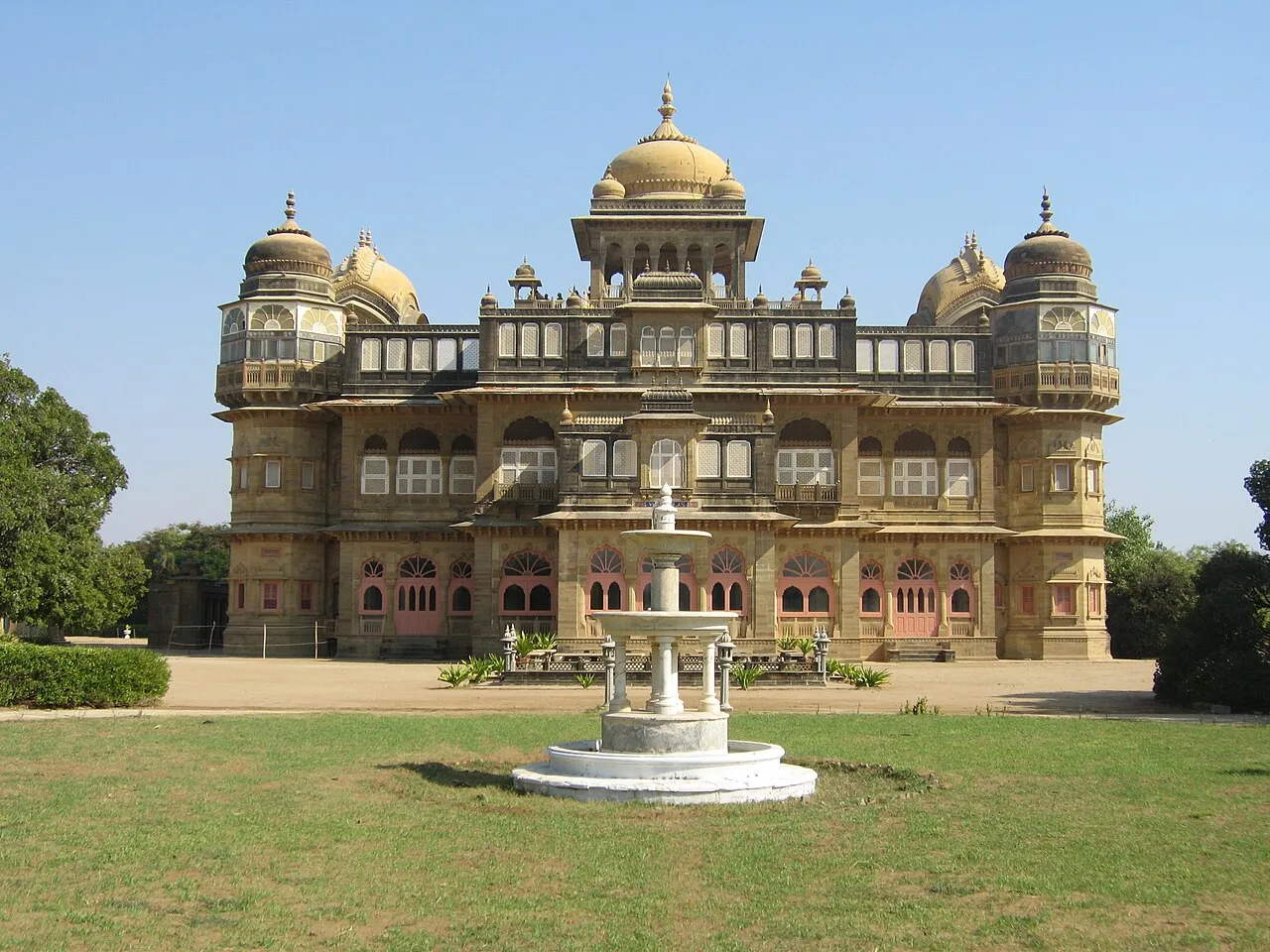
  • Vijay Vilas Palace
In the city
2
District
Kutch

Why Mandvi matters

Mandvi is a coastal town in Kachchh district, where the Rukmavati River meets the Gulf of Kutch. Once a major port of the princely state of Kutch, it remains an important local centre in southern Kachchh and a base for exploring the region’s coast and heritage. Its maritime past is still visible in the traditional wooden vessels built along the riverfront, an industry that has continued here for centuries.

Visitors come for Mandvi Beach, the surviving traces of the old fort wall and Vijay Vilas Palace, associated with the former rulers of Kutch. The town also draws people interested in boatbuilding, coastal life and Kutchi food. Dabeli, a spiced potato filling served in a bun, is widely linked to Mandvi’s food history. Together, its working waterfront, historic streets and beach give the town a character distinct from inland Kutch destinations. Mandvi’s appeal lies not in a single monument, but in the meeting of port-town history and everyday life by the sea.
Famous for: crafts, trade & products

Mandvi is best known for wooden dhow building. At yards along the Rukmavati waterfront, craftspeople continue traditional methods of constructing large wooden boats, maintaining a connection to the town’s former seaborne trade. Visitors can view the working waterfront from public areas, but should respect workers and ask before photographing or entering a yard.

The town is also associated with dabeli, a popular Kutchi snack of spiced potato in a bun, sold at local food stalls and eateries. Shops and markets in Mandvi may carry crafts from across Kachchh, including embroidered work, bandhani textiles, Ajrakh prints and regional shawls. Kutch embroidery, Ajrakh of Kutch and Kachchh shawls are among the region’s GI-recognised crafts; they are not exclusive to Mandvi. Ask sellers about a product’s maker and place of origin, especially when looking for handmade work. Mandvi is not particularly known as a saree-weaving centre; its strongest identity is maritime, with regional crafts available through local retail rather than a single defining craft market.

History

Mandvi was founded in 1580 by Rao Khengarji I, the first Jadeja ruler of Kutch. Its position at the junction of sea routes and inland caravan routes helped it grow into a major trading port. Merchants shipped goods to East Africa, the Malabar Coast and the Persian Gulf; by the eighteenth century, they collectively maintained a substantial fleet. The town’s old limits were marked by a fortified stone wall, parts of which remain visible.

In the early nineteenth century, Mandvi was an important entry point for inland trade with Malwa, Marwar and Sindh. Its port also mattered to regional rulers and to wider Indian Ocean commerce before steamships reshaped maritime transport. Local accounts connect Mandvi sailor Kanji Malam with Vasco da Gama’s voyage to India, though accounts differ about the sailor’s identity and role. As larger modern ports changed trade patterns, Mandvi’s commercial importance declined, but boatbuilding endured. The town has since developed as a coastal settlement and visitor destination while retaining parts of its historic waterfront character.

Food, festivals & culture

Kutchi and Gujarati food traditions shape daily eating in Mandvi. The town is especially associated with dabeli, a tangy, spiced potato mixture served in a bun, often with chutneys and crunchy toppings. Gujarati snacks and meals are widely available, while sweets and festive foods vary by household and season. Kutchi, Gujarati and Hindi are commonly heard in everyday life.

Navratri, usually in autumn, brings nights of devotional music and garba dancing, while Diwali and Holi are widely observed. Janmashtami and major Muslim festivals are also part of the town’s diverse religious calendar. Kachchh’s winter Rann Utsav draws visitors to the wider region, though its main celebrations are not centred in Mandvi. Hindu temples and Muslim places of worship serve local communities; visitors should dress respectfully and follow posted customs. Folk music and dance traditions from Kachchh, including garba and regional devotional singing, are part of the area’s cultural life, often encountered at community and seasonal celebrations.

Visiting the city

The cooler months, roughly November to February, are generally the most comfortable time to visit. Summer can be hot, and monsoon rain is variable. Bhuj Airport and Bhuj railway station are the nearest main air and rail connections; Mandvi has no railway station. From Bhuj, visitors can continue by road using buses, taxis or hired vehicles.

Within Mandvi, auto-rickshaws and local taxis are useful for reaching the beach, palace and town centre; confirm arrangements before setting out. Explore the old town and remaining fort-wall sections, the waterfront boatbuilding yards and Mandvi Beach. Vijay Vilas Palace is another prominent stop. The central market area is convenient for food and regional crafts. Allow time for the coast, but check local conditions before swimming and avoid entering active boatyards without permission.

Attractions

Places to visit in Mandvi

Sights within about 12 km of each other, even when they fall in different districts.

Map

Mandvi on the map

  1. 1Mandvi
  2. 2Vijaya Vilas Palace

Gujarat

Other cities to explore