
Ghumoopedia — Explore, Discover, Experience
Sign in
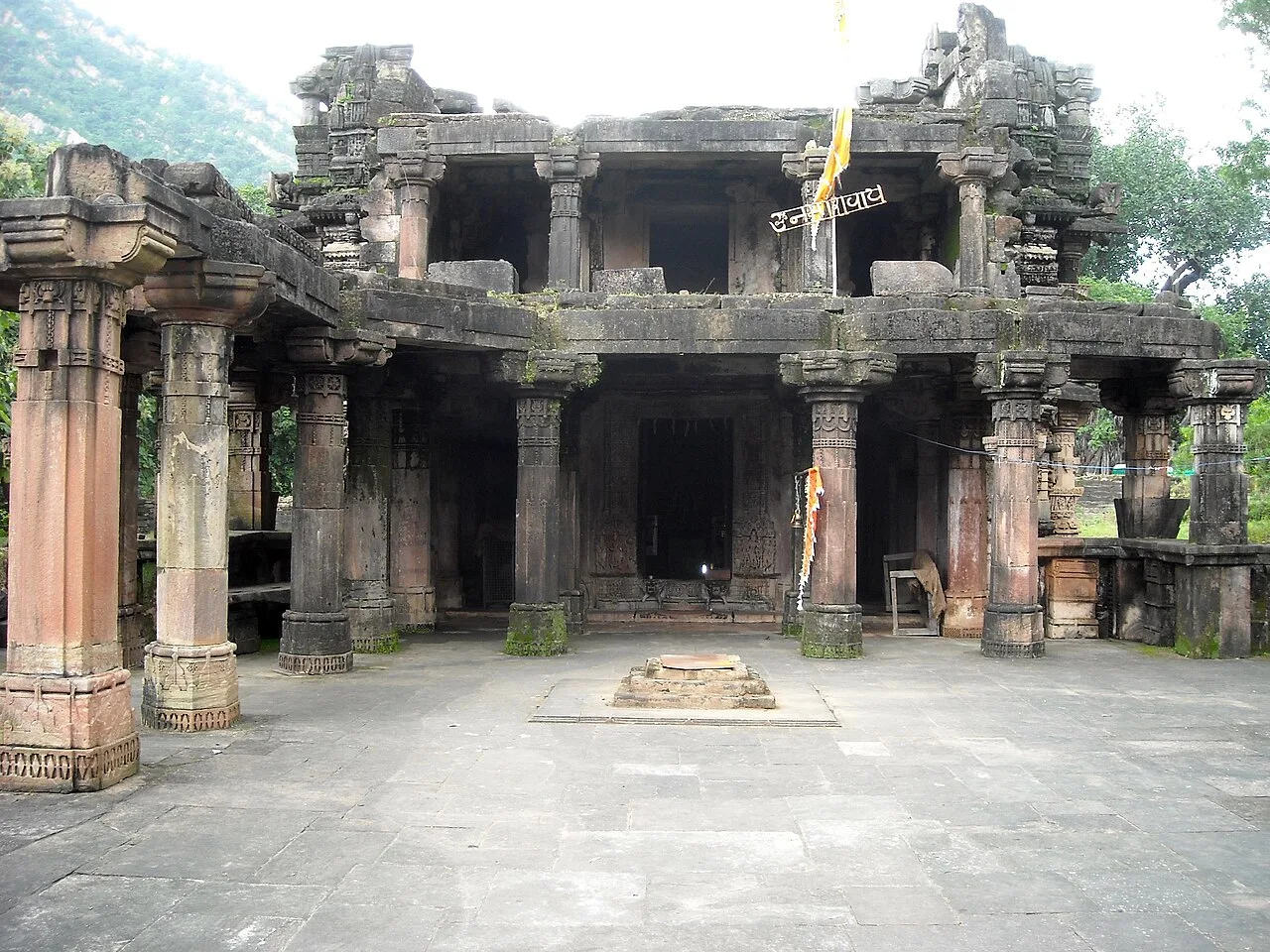
Polo Forest, near Khedbrahma

City guide · Gujarat

Khedbrahma

Khedbrahma is a taluka headquarters in Sabarkantha district, northern Gujarat, set along the Harnav River. It is best known as a longstanding pilgrimage town, with a distinctive Brahma temple and nearby shrines that draw worshippers and visitors interested in the region’s religious history.

Famous for

  • Brahma temple
  • Ambika temple
  • Pankhnath Mahadev temple
  • Brahma Vav stepwell
  • Harnav river confluence
In the city
0
Nearby
1
District
Sabarkantha
Plan a trip

Why Khedbrahma matters

Khedbrahma is a taluka headquarters in Sabarkantha district, northern Gujarat, set along the Harnav River. It is best known as a longstanding pilgrimage town, with a distinctive Brahma temple and nearby shrines that draw worshippers and visitors interested in the region’s religious history. The Brahma, Ambika and Pankhnath Mahadev temples are associated with the 11th century, while the old Brahma Vav stepwell adds to the town’s historic character.

The meeting of the Hiranyakshi, Bhimakshi and Kamakshi rivers, known as Triveni Sangam, is another point of interest. Khedbrahma also serves as a local centre for nearby villages, providing administrative and everyday services. Its appeal lies less in large-city attractions than in its temples, riverside setting and connection to older stories of Brahma and Bhrigu. Visitors can combine a visit to the town’s shrines with a broader exploration of Sabarkantha and the surrounding countryside.

Famous for: crafts, trade & products

Khedbrahma is known chiefly for its temples and pilgrimage traditions, rather than for a widely recognised textile, handicraft or industrial speciality. The Brahma temple, Ambika temple and Pankhnath Mahadev temple are the best-known places to see its religious and architectural heritage. Brahma Vav, an old stepwell, is another historic landmark. The Triveni Sangam and the Harnav riverbanks offer a quieter setting for a visit.

The town has everyday shops and a local bazaar for routine needs, but there is no well-established specialist market or documented GI-tagged product associated with Khedbrahma. Historically, a fair here brought traders selling cloth, copperware, jewellery, groceries and horses; that account describes an earlier period and should not be taken as a guide to today’s shopping. Visitors looking for distinctive regional crafts or textiles may find a broader selection in larger towns and cities in Gujarat. In Khedbrahma, the most reliable focus is the temple area and its heritage, rather than shopping for a signature local product.

History

Khedbrahma’s religious traditions connect the area with Brahma and the sage Bhrigu. Older accounts give the region several names across different eras, while archaeological and architectural evidence points to a long history of settlement. The Brahma, Ambika and Pankhnath Mahadev temples date to the 11th century; an inscription at the Aditi stepwell records the place in the 13th century, and the Brahma Vav is generally dated to the 14th century.

The area came under the Parmaras, Chaulukyas and Pariharas before entering the influence of the Idar State in the 13th century. Under British rule, Idar was administered through regional agencies before the princely-state territories were integrated into independent India. Khedbrahma became part of Sabarkantha district and, after Gujarat was formed in 1960, remained within the state. Today it is the headquarters of Khedbrahma taluka. A bridge across the Harnav has also supported movement between the town’s two riverbanks.

Food, festivals & culture

Gujarati is the main language of daily life; Hindi is also understood by many residents. The town’s cultural identity is strongly shaped by worship at the Brahma, Ambika and Shiva temples, alongside visits to the Triveni Sangam. Devotional singing is part of religious observances, while garba is commonly associated with Navratri celebrations across Gujarat. Diwali and Janmashtami are also observed. The town historically hosted a February pilgrimage fair, though visitors should check locally for current event details.

There is no single dish uniquely identified with Khedbrahma. Local eateries are a place to try familiar Gujarati meals and snacks, which may include rotli or rotla, dal, kadhi, khichdi and farsan, with regional sweets available according to the shop and season. Food choices and opening days can vary, particularly outside busy pilgrimage periods. Visitors should ask locally about vegetarian options and festival-day arrangements.

Visiting the city

October to February is generally the most comfortable season to explore Khedbrahma; summer can be hot, while monsoon brings rain and greener surroundings. Maharana Pratap Airport at Udaipur is a nearby airport option; Sardar Vallabhbhai Patel International Airport in Ahmedabad is another gateway. Khedbrahma has a railway station, and Himmatnagar is a larger rail hub for onward connections. Check current transport services before setting out.

The temple precinct, Brahma Vav, Harnav riverbanks and Triveni Sangam are the main areas to explore. Local auto-rickshaws and buses may help with short journeys; arranging a vehicle is useful for visiting sites outside the centre. Modest clothing and respectful conduct are appropriate at places of worship. River conditions can change during the monsoon, so take care near the banks.

Short trips

Around Khedbrahma

Within about 40 km — easy half-day or day trips from the city.

Map

Khedbrahma on the map

  1. 1Polo Forest

Gujarat

Other cities to explore