
Ghumoopedia — Explore, Discover, Experience
Sign in
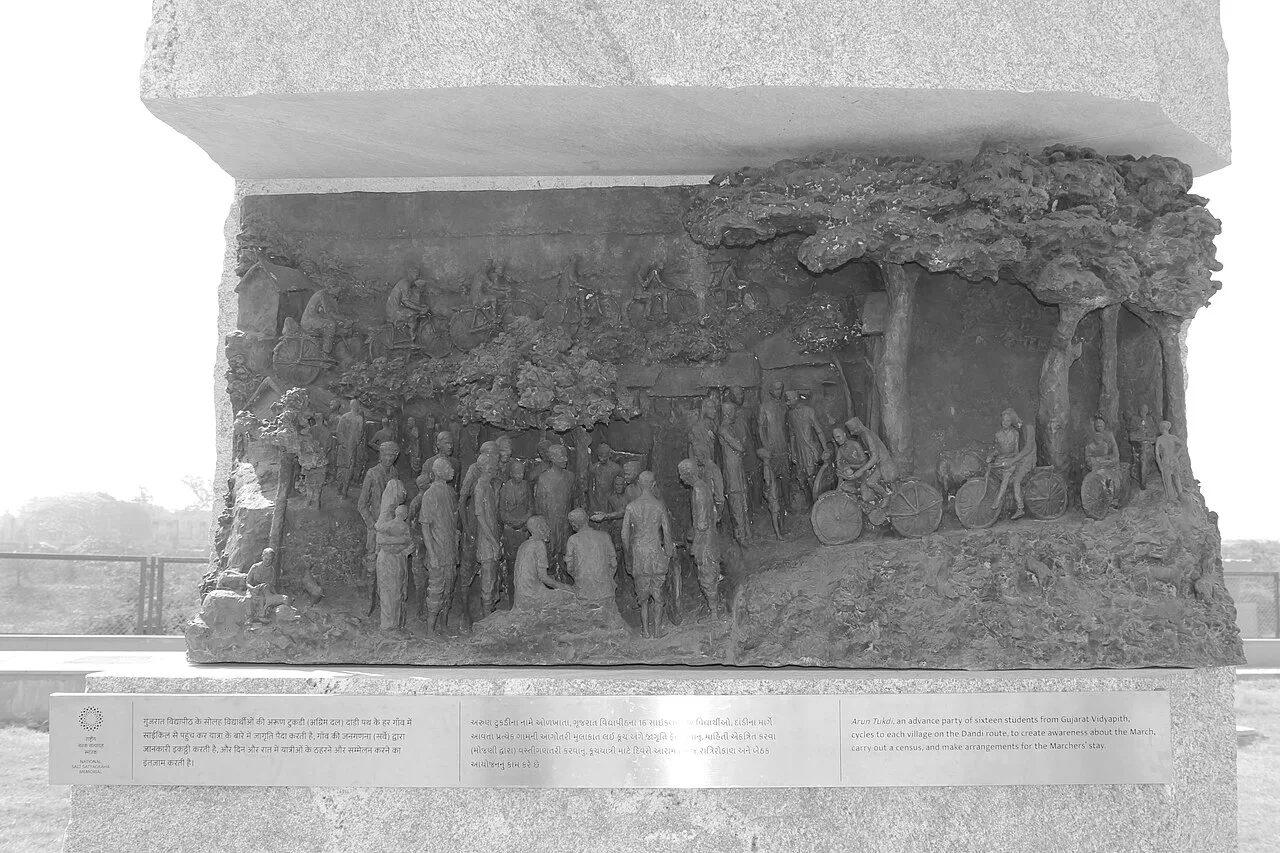
Dandi (Salt March Memorial), near Abrama

City guide · Gujarat

Abrama

Abrama is a ward within Valsad, so its importance is closely tied to the wider city rather than to a separate historic centre or independent tourist district. Valsad serves as a local hub for southern Gujarat, with shops, services, transport links and institutions used by residents of surrounding settlements.

Famous for

  • A ward of Valsad
  • Valsadi chikoo region
  • South Gujarat setting
  • Access to Tithal Beach
In the city
1
District
Navsari

Why Abrama matters

Abrama is a ward within Valsad, so its importance is closely tied to the wider city rather than to a separate historic centre or independent tourist district. Valsad serves as a local hub for southern Gujarat, with shops, services, transport links and institutions used by residents of surrounding settlements. Abrama is part of this everyday urban landscape, where residential areas sit within reach of Valsad’s commercial core and the region’s agricultural hinterland.

For visitors, Abrama can be a practical base for exploring Valsad and nearby coastal and cultural stops. Tithal Beach is a popular outing from the city, while Udvada, an important Parsi pilgrimage town, is another destination in the wider district. The area is also associated with Valsadi chikoo, a locally recognised fruit. Abrama itself is not widely known for a single landmark, craft or festival; its appeal is mainly its connection to Valsad’s services, neighbourhood life and regional travel routes.

Famous for: crafts, trade & products

Abrama does not have a widely established identity as a separate centre for textiles, handicrafts or specialist manufacturing. Its shops and daily markets are part of Valsad’s broader urban economy, where residents can find groceries, household goods, clothing and everyday services. For a wider choice of retail and services, visitors can head toward Valsad’s central commercial areas rather than expect a distinct tourist market in Abrama.

The best-known product associated with the surrounding region is Valsadi chikoo, also called sapodilla. The fruit is grown in the Valsad area and is especially visible in season through local fruit sellers and markets; it is not a product made specifically in Abrama. Valsadi chikoo has received geographical indication recognition. Mangoes and other produce from the South Gujarat hinterland also appear in local trade, depending on the season. There is no notable Abrama-based handicraft or textile tradition that visitors need to seek out. For regional produce, browse Valsad’s ordinary markets and fruit shops, checking with sellers about what is in season.

History

Abrama’s history is best understood as part of Valsad’s growth. It is a ward of the city, not a separately documented former kingdom or princely capital, and its local story is chiefly connected to the expansion of Valsad’s residential and service areas. The wider region of southern Gujarat has passed through changing administrations over the centuries, but Abrama is not widely associated with a particular ruling dynasty or major political event.

Valsad was known as Bulsar during the colonial period, and the development of rail connections helped strengthen its links with other parts of Gujarat and the western coast. In modern times, urban growth, regional commerce and transport have shaped the city’s surrounding wards, including Abrama. As Valsad expanded, neighbourhoods became increasingly connected to the city’s markets, public services and workplaces. Today Abrama’s identity is that of an urban locality within Valsad, rather than a historic settlement with a separate civic centre.

Food, festivals & culture

Daily life in Abrama reflects the wider culture of Valsad and Gujarat. Gujarati is the principal regional language, while Hindi is also commonly understood; English is used in some formal and business settings. Meals may include Gujarati staples such as rotli, dal, vegetable dishes, khichdi and farsan. Khaman and dhokla are familiar snacks, while chikoo and mangoes feature in season. These are regional food associations rather than dishes unique to Abrama.

Navratri, usually in autumn, brings garba and community celebrations across Gujarat. Diwali is marked in autumn, Uttarayan with kite-flying in January, and Holi in spring. Religious life includes local Hindu temples and shrines, alongside the diverse places of worship found across Valsad. Nearby Tithal is known for prominent temples close to the coast, and Udvada is an important destination for Zoroastrians. Gujarati folk music and garba are central to festive gatherings, while cultural events in the broader city provide additional opportunities to experience local traditions.

Visiting the city

The cooler, drier months from roughly November to February are generally comfortable for visiting; summer can be hot, and the monsoon brings heavy rain. The nearest major airport is Surat Airport, while Valsad railway station is the principal station for reaching the city by rail. From Valsad, local buses, auto-rickshaws and taxis can help visitors get around; arrangements and availability vary by area.

Abrama is most useful to explore as part of Valsad rather than as a stand-alone sightseeing district. Visitors can look around the ward’s everyday streets, then head to Valsad’s central shopping and service areas. Tithal’s beach and temples make a worthwhile coastal outing, while Udvada can be considered for a longer visit in the district. Confirm local transport options before setting out, particularly for destinations beyond the city centre.

Attractions

Places to visit in Abrama

Sights within about 12 km of each other, even when they fall in different districts.

Map

Abrama on the map

  1. 1Dandi (Salt March Memorial)

Gujarat

Other cities to explore