
Ghumoopedia — Explore, Discover, Experience
Sign in
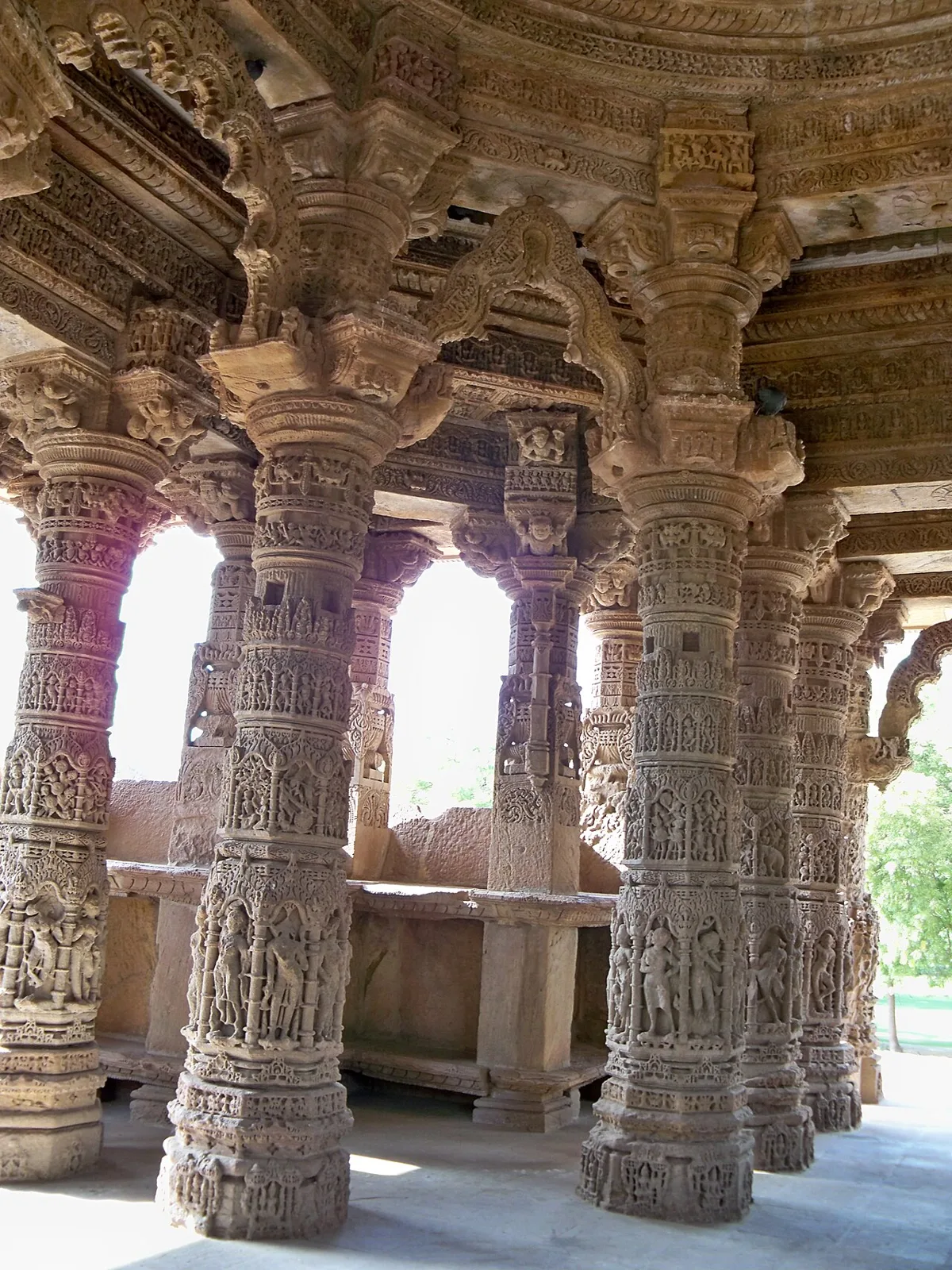
Modhera Sun Temple, near Modhera

City guide · Gujarat

Modhera

Modhera is a village in Mehsana district, best known for its 11th-century Sun Temple, a celebrated example of Chaulukya-era architecture. Set beside the Pushpavati River, the temple complex draws visitors to its carved shrine, pillared assembly hall and Surya Kund, a stepped water tank with rows of small shrines.

Famous for

  • Modhera Sun Temple
  • Chaulukya-era architecture
  • Pushpavati River
  • Solar-powered village
  • Modheshwari Temple
In the city
1
District
Mehsana

Why Modhera matters

Modhera is a village in Mehsana district, best known for its 11th-century Sun Temple, a celebrated example of Chaulukya-era architecture. Set beside the Pushpavati River, the temple complex draws visitors to its carved shrine, pillared assembly hall and Surya Kund, a stepped water tank with rows of small shrines. The village is also home to the Modheshwari Temple and historic stepwells, making it a rewarding stop for travellers interested in Gujarat’s religious and architectural heritage.

Modhera has a contemporary distinction as well: it is recognised as India’s first solar-powered village. A large solar plant and rooftop systems contribute to meeting local electricity needs, linking a historic destination with a modern energy project. Modhera is a small settlement rather than a major commercial centre, and many visitors come on a day trip from Mehsana or Ahmedabad. Its enduring appeal lies in the contrast between a quiet riverside village, finely worked medieval stone architecture and a present-day commitment to solar power.

Famous for: crafts, trade & products

Modhera is best known for heritage rather than for a particular textile, handicraft industry or large market. The Sun Temple’s sculpted stonework, the stepped Surya Kund and historic wells are its most distinctive cultural assets. The village is not widely associated with a GI-tagged product or a specialised local craft trade, so visitors should not expect a dedicated shopping district or craft bazaar.

Small shops and stalls near the temple may offer refreshments, devotional items and simple souvenirs, but availability varies. For a broader selection of Gujarati handicrafts, textiles and regional goods, visitors can browse markets in Mehsana or shop in Ahmedabad, where choices are more extensive. Modhera’s modern profile also includes solar energy: a village-scale solar plant and rooftop installations help supply local electricity. This project is a notable example of renewable-energy development, not a product for visitors to purchase. The village’s principal draw remains its historic landscape, especially the Sun Temple complex and the nearby stepwells.

History

Modhera is associated in local tradition with Dharmaranya, a sacred forest mentioned in Puranic accounts. A legend says that Rama performed a ritual here to atone for killing Ravana, who was a Brahmin, and established a settlement called Modherak. These stories form part of the area’s religious memory rather than a securely documented account of the village’s origins.

The Sun Temple was built under Chaulukya ruler Bhima I in 1026–27. Its complex, including the shrine, assembly hall and water tank, reflects the period’s skilled stone carving and temple design. Modhera also has the Modheshwari Temple and historic stepwells. The Gyaneshwari, also called Dharmeshwari, stepwell is generally attributed to the 16th or 17th century; another stepwell and its pavilion preserve earlier architectural features. A sandstone pavilion known as Hawa Mahal incorporates reused fragments from an earlier structure. In recent decades, Modhera has gained attention for solar-energy development, becoming known as India’s first solar-powered village.

Food, festivals & culture

Gujarati is the main language heard in Modhera, while Hindi is also understood by many people who work with visitors. Food reflects the wider region: Gujarati thalis, rotli, dal, vegetable dishes and snacks such as dhokla or fafda are common choices in local eateries and nearby towns. Sweets such as jalebi and local milk-based preparations can be found depending on the season and shop. These are regional favourites rather than dishes unique to Modhera.

Navratri, usually in autumn, brings devotional observances and garba, Gujarat’s best-known community dance. Diwali is also widely celebrated. The winter Uttarardh Mahotsav, when held, presents classical dance and music against the setting of the Sun Temple. Religious life centres on the Modheshwari Temple and other shrines; the Sun Temple is valued chiefly as a historic monument. Visitors may encounter devotional singing, folk performance and seasonal ceremonies, though the village’s cultural calendar is quieter outside festival periods. Customs and event schedules can vary from year to year.

Visiting the city

The cooler months from October to March are generally the most comfortable for exploring Modhera’s open-air monuments. Summer afternoons can be very hot, while the monsoon may bring rain. The nearest major airport is Sardar Vallabhbhai Patel International Airport in Ahmedabad; Mehsana Junction is the principal nearby railway station. From Mehsana, visitors can continue by road using a taxi, hired car or available local bus services. Local transport within the village is limited, so walking is practical for the temple area, with a vehicle useful for reaching more distant sites.

Allow time for the Sun Temple complex, Surya Kund and the nearby stepwells. The Modheshwari Temple, village lanes and stretches beside the Pushpavati River offer a quieter look at local life. Modhera is commonly visited as a day trip from Mehsana or Ahmedabad.

Attractions

Places to visit in Modhera

Sights within about 12 km of each other, even when they fall in different districts.

Map

Modhera on the map

  1. 1Modhera Sun Temple

Gujarat

Other cities to explore