
Ghumoopedia — Explore, Discover, Experience
Sign in
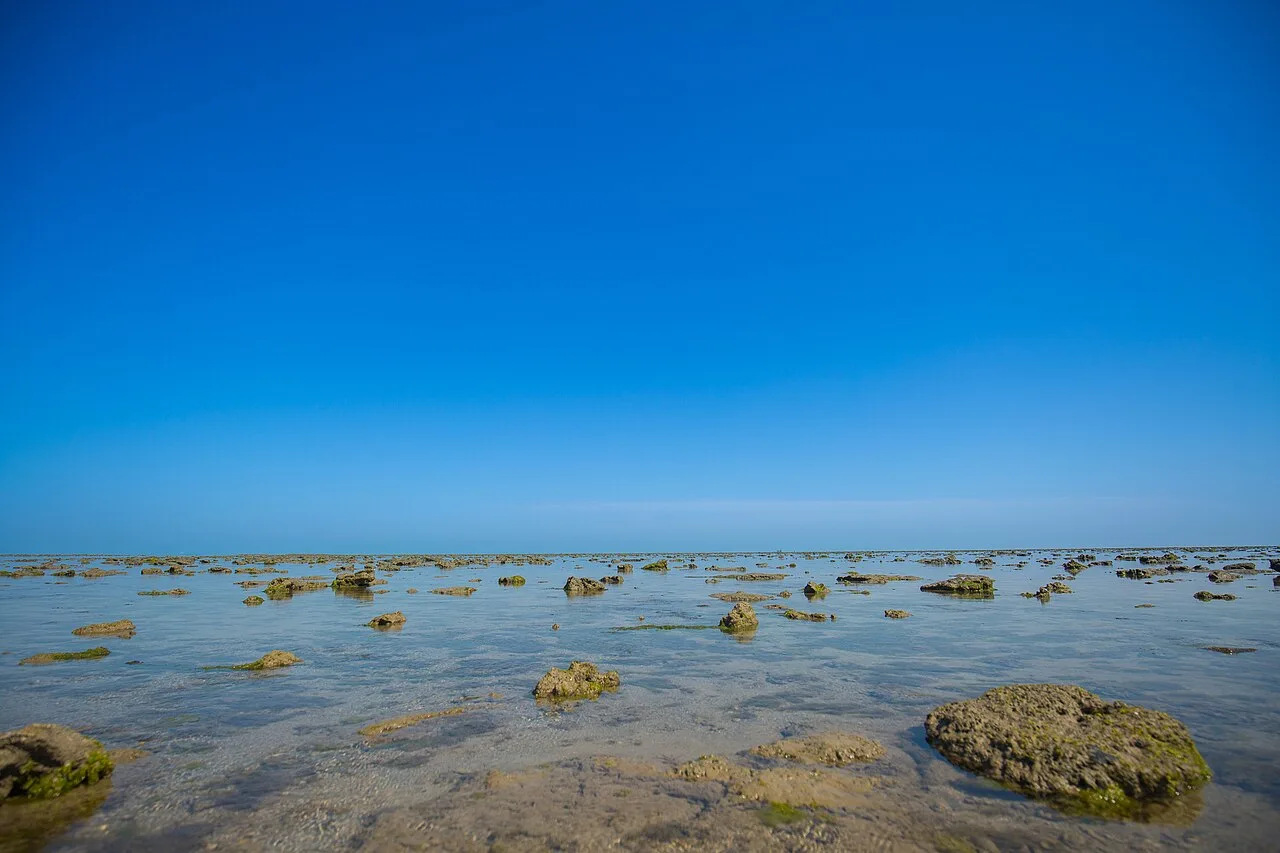
Marine National Park, near Salaya

City guide · Gujarat

Salaya

Salaya is a small municipality in Devbhumi Dwarka district, in Gujarat’s Saurashtra region. Its position near the Gulf of Kutch gives the town a coastal character and connects its everyday life with the wider maritime landscape of western Gujarat.

Famous for

  • Gulf of Kutch setting
  • Coastal maritime life
  • Fishing and boat work
  • Devbhumi Dwarka district
In the city
0
Nearby
1
District
Jamnagar
Plan a trip

Why Salaya matters

Salaya is a small municipality in Devbhumi Dwarka district, in Gujarat’s Saurashtra region. Its position near the Gulf of Kutch gives the town a coastal character and connects its everyday life with the wider maritime landscape of western Gujarat. It is also part of the district’s network of towns serving the surrounding settlements and rural hinterland.

Salaya is not primarily a destination for large monuments, resort facilities or major shopping streets. Visitors are more likely to come for the atmosphere of a working coastal town, local community life and the opportunity to explore this less-travelled part of the district. The nearby coast and the region’s seafaring and fishing connections are central to its appeal, although access to working waterfront areas may depend on local conditions. Salaya’s importance today is therefore regional rather than metropolitan: it is a municipal centre whose identity is shaped by its location, local livelihoods and links to the Gulf coast.

Famous for: crafts, trade & products

Salaya’s best-known associations are coastal livelihoods and maritime activity. Fishing and boat-related work are part of the wider Gulf of Kutch economy, but visitors should not assume that every waterfront or work area is open for sightseeing. Ask locally before entering a harbour, landing place or working yard, and treat these as places of employment rather than attractions.

Salaya is not widely established as a centre for a particular textile, handicraft or packaged food, and no specific GI-tagged product is strongly associated with the town. It is better approached as a place to observe everyday local commerce than as a dedicated shopping destination. Small neighbourhood shops serve residents with groceries, household goods and everyday needs; availability of regional specialities can vary. For a broader choice of shops and services, travellers can look to larger towns in the district, including Khambhalia. If seeking locally made goods or seafood, ask residents or shopkeepers about current sources and appropriate places to buy, since businesses and seasonal availability can change.

History

Salaya’s development is best understood through its setting on the Saurashtra coast and its connections with the Gulf of Kutch. Coastal settlements in this part of Gujarat have long been shaped by movement of people and goods by sea, alongside fishing and other local livelihoods. The specific chronology of Salaya’s growth is not as well documented in widely available accounts as that of larger regional centres, so detailed claims about individual rulers, monuments or historic events should be treated cautiously.

The town lay within the wider political history of the Nawanagar region, which was governed as a princely state during the colonial era rather than as part of directly administered British India. After independence, the area became part of Gujarat. Salaya’s present civic role reflects more recent administrative development: it is a municipality in Devbhumi Dwarka district, whose headquarters is at Khambhalia. Its modern character combines local services with the continuing influence of the surrounding coastal and rural economy.

Food, festivals & culture

Gujarati is the principal language of everyday life in Salaya, and Hindi is also understood. Food reflects the broader Saurashtra and Gujarati tradition, with home-style meals commonly built around grains, pulses, vegetables, flatbreads and pickles. Seafood may be available in this coastal setting, but menus and household preferences vary; it is best to ask locally rather than assume a particular dish is a town speciality. Salaya is not especially known for a signature sweet or a food product sold widely beyond the area.

The cultural calendar follows festivals observed across Gujarat. Navratri, usually in autumn, brings devotional observances and, in many Gujarati communities, garba; Diwali falls in autumn and Holi in spring. Eid and other Muslim observances are also part of the wider regional calendar, though practices differ among families and neighbourhoods. Temples and mosques serve local worshippers; visitors should dress respectfully and check locally about access, customs and photography. Community gatherings, family occasions and religious observance are more central to the town’s cultural life than formal visitor performances.

Visiting the city

The cooler months, roughly from October to March, are generally the most comfortable time to visit. Summers can be hot, while monsoon weather may affect road and coastal conditions. Jamnagar Airport is the nearest airport commonly used for the area, and Khambhalia Railway Station is a practical rail gateway; check current onward connections before travelling.

Within Salaya, local auto-rickshaws and hired vehicles are useful for short journeys, while a car or taxi gives more flexibility for exploring the surrounding district. The town centre is a good place to see everyday shops and services. Visitors interested in the coast can ask locally about appropriate access to the waterfront or working maritime areas, as not every site is public. Khambhalia is the nearest larger centre for additional services and onward travel.

Short trips

Around Salaya

Within about 40 km — easy half-day or day trips from the city.

Map

Salaya on the map

  1. 1Marine National Park

Gujarat

Other cities to explore