Ghumoopedia — Explore, Discover, Experience
Sign in
Saputara, near Ahwa

City guide · Gujarat

Ahwa

Ahwa is the administrative headquarters of Dang district, a forested, hilly region in southern Gujarat. Set at about 549 metres above sea level, the town serves as a centre for district offices and as a gateway to the surrounding villages, forests and hill country.

Famous for

  • Dang Darbar gathering
  • Dangi tribal culture
  • Forested Dang hills
  • Dang district headquarters
  • Access to Saputara
Plan a tripHotels near Ahwa

Why Ahwa matters

Ahwa is the administrative headquarters of Dang district, a forested, hilly region in southern Gujarat. Set at about 549 metres above sea level, the town serves as a centre for district offices and as a gateway to the surrounding villages, forests and hill country. Its importance comes less from urban attractions than from its role in connecting visitors with the distinctive landscapes and communities of the Dangs.

Travellers come to the area for wooded scenery, seasonal streams and nearby destinations such as Saputara and the forests around Waghai. Ahwa is also closely associated with Dangi tribal life and the Dang Darbar, a prominent gathering held around the Holi season. The town itself is modest, with a central market and everyday civic services rather than a large tourist district. It makes a practical stop for exploring the region, learning about local traditions and arranging onward travel into the surrounding countryside.
Famous for: crafts, trade & products

Ahwa is not especially known for large textile markets, a signature saree tradition or a major manufacturing industry. Nor is a distinctive GI-tagged product widely associated with the town. Its local trade is oriented mainly towards daily needs for residents and nearby villages, with the central bazaar the most practical place to look for groceries, seasonal produce and everyday goods.

Small-scale tribal craft traditions, including bamboo and other locally available materials, may be encountered in the district, though availability varies and there is no dependable, dedicated craft market in town. Ask locally about community-made items rather than expecting a formal showroom. The Dang Darbar brings a livelier seasonal market atmosphere, with stalls and cultural activity around the gathering; it is a particularly interesting time to encounter local goods and customs. Ahwa’s most prominent institutions are civic and administrative: district offices make it the service centre for the Dangs. Visitors looking for a broader range of shops or specialist products should plan ahead, as Ahwa is a small regional town rather than a major commercial hub.

History

The Dangs have long been home to tribal communities, with settlements shaped by the region’s hills and forests. Ahwa’s administrative importance dates to the colonial period: before 1857, British officer James Outram selected it as the headquarters for the Dangs. The town’s position within the hill district made it a centre for administration and contact with surrounding communities.

During British rule, the Dangs were governed through arrangements involving local chiefs, rather than developing into a large colonial city. Ahwa consequently remained a small administrative settlement. After India’s independence and the formation of Gujarat state in 1960, it continued as the headquarters of Dang district. Modern development has chiefly supported its role as a service centre, with government offices and facilities serving residents across a widely dispersed, rural district. Its history is therefore closely tied to the administration of the Dangs and to the region’s enduring tribal presence, rather than to major urban expansion or a large industrial economy.

Food, festivals & culture

Dangi communities and traditions are central to the cultural life of Ahwa and the surrounding district. Dangi and Gujarati are heard locally, alongside Hindi and Marathi in everyday interactions. Folk music, percussion and group dances are important at community gatherings; performances and traditional dress are especially visible during the Dang Darbar, usually held around Holi. Holi, Diwali and Navratri are also observed, with customs varying between villages and communities.

Meals in the area commonly reflect rural foodways, with grains such as maize and millets, pulses, rice and seasonal vegetables forming part of everyday cooking. Rather than a city famous for a particular restaurant dish or sweet, Ahwa offers a simple local food scene centred on small eateries and home-style meals. Hindu temples and village shrines serve as places of worship, while many local customs are closely connected to community life and the natural surroundings. Visitors should be respectful when attending ceremonies or photographing people, and ask permission before taking pictures.

Visiting the city

The cooler months from October to February are generally the most comfortable for visiting. The monsoon brings greener scenery but can also mean heavy rain and more difficult road travel. Surat Airport is a practical air gateway. Waghai is the closest railway station, while Bilimora Junction is a useful rail gateway; check current services before planning the onward journey.

Local buses and hired vehicles connect Ahwa with nearby settlements and regional attractions, while a taxi or private vehicle offers more flexibility for exploring forest country. In town, the central market and district-office area are easy places to orient yourself. From Ahwa, visitors can plan excursions towards Saputara, Waghai and the surrounding forest landscape. Check locally about access rules before entering protected areas.

Trips from the city

Nearest places to visit from Ahwa

Our closest destination guides, by straight-line distance.

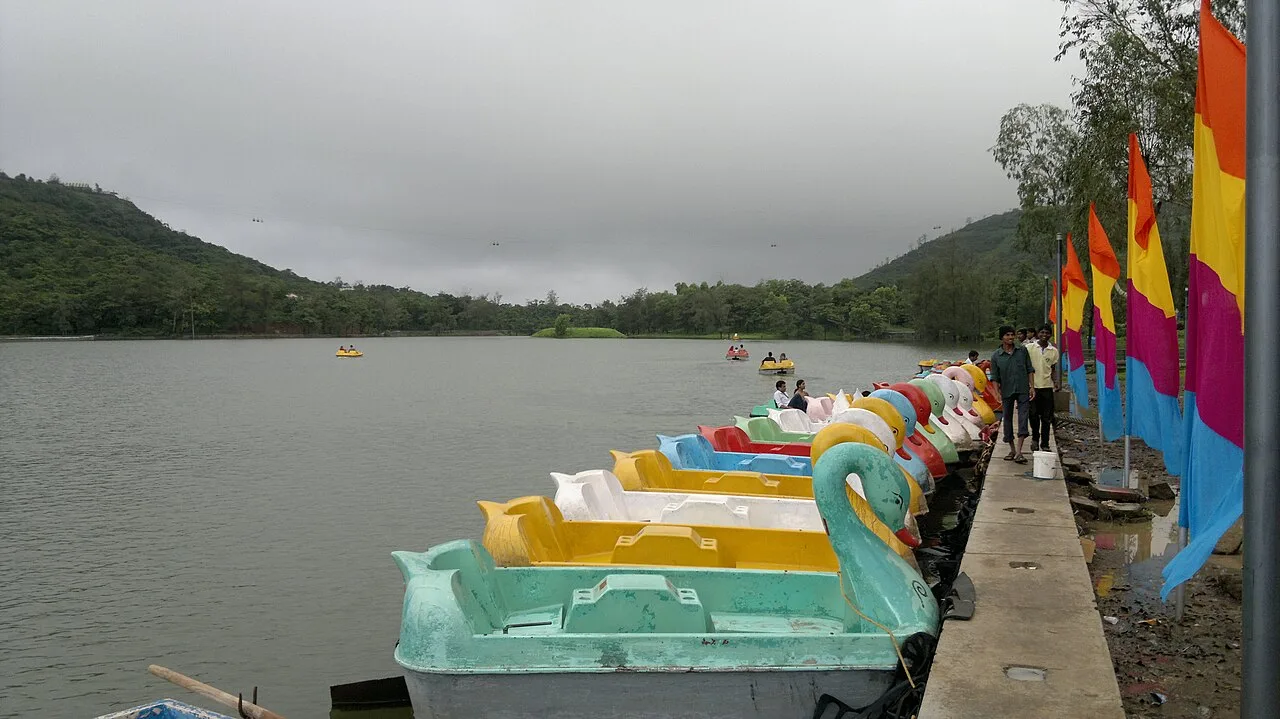
Saputara

21 km away · Dang district

Saputara

Saputara is a hill station in Gujarat’s Dang district, within the Sahyadris, also called the Western Ghats. People visit it as a recognised tourist destination.

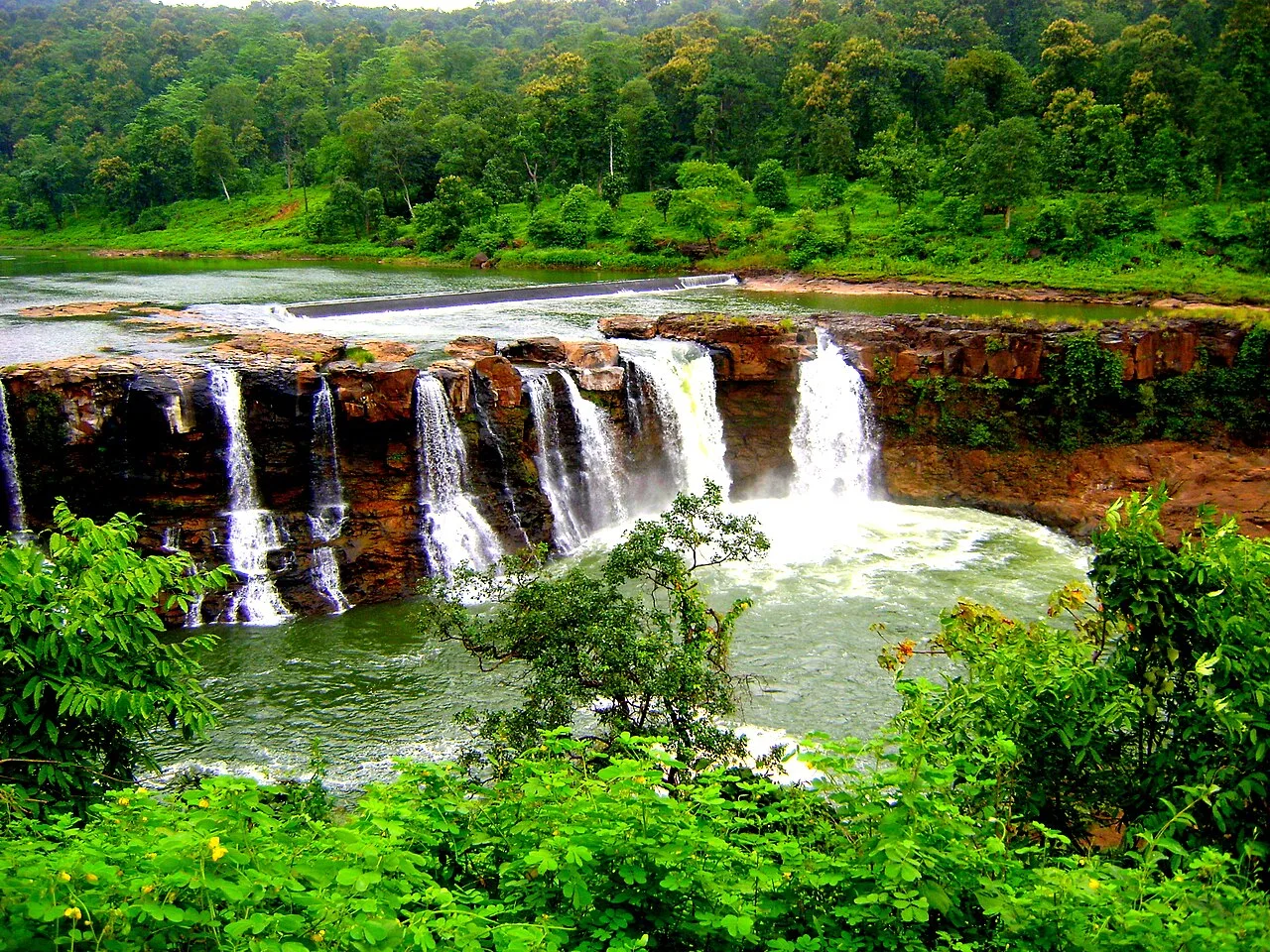
Waghai (Gira Falls)

21 km away · Dang district

Waghai (Gira Falls)

Waghai is a town and taluka in Gujarat’s Dang district, associated with Gira Falls. Visitors come to the area to see the falls and explore this part of the district.

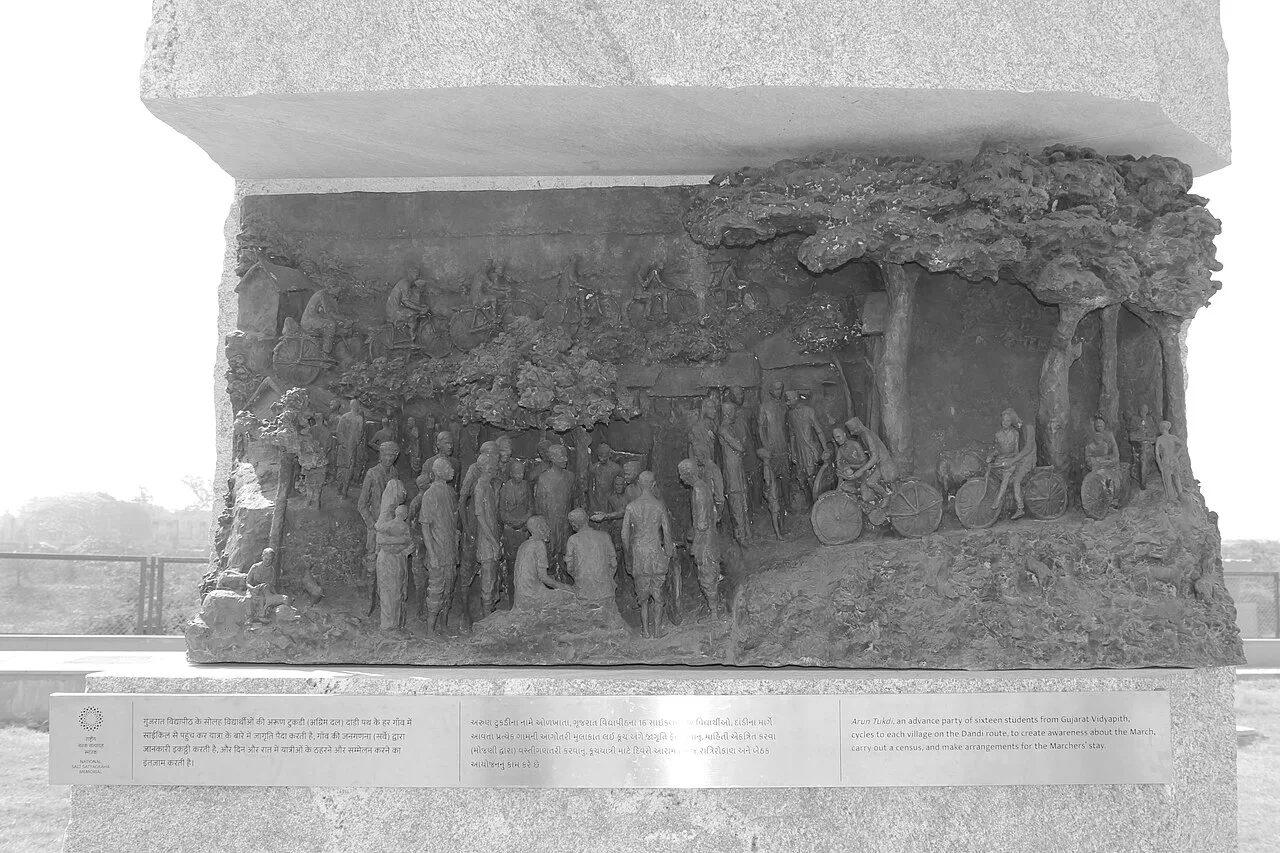
Dandi (Salt March Memorial)

93 km away · Navsari district

Dandi (Salt March Memorial)

Dandi is a coastal village in Gujarat’s Navsari district, visited for its connection to Gandhi’s 1930 Salt March and the memorial commemorating the campaign.

Dumas Beach

107 km away · Surat district

Dumas Beach

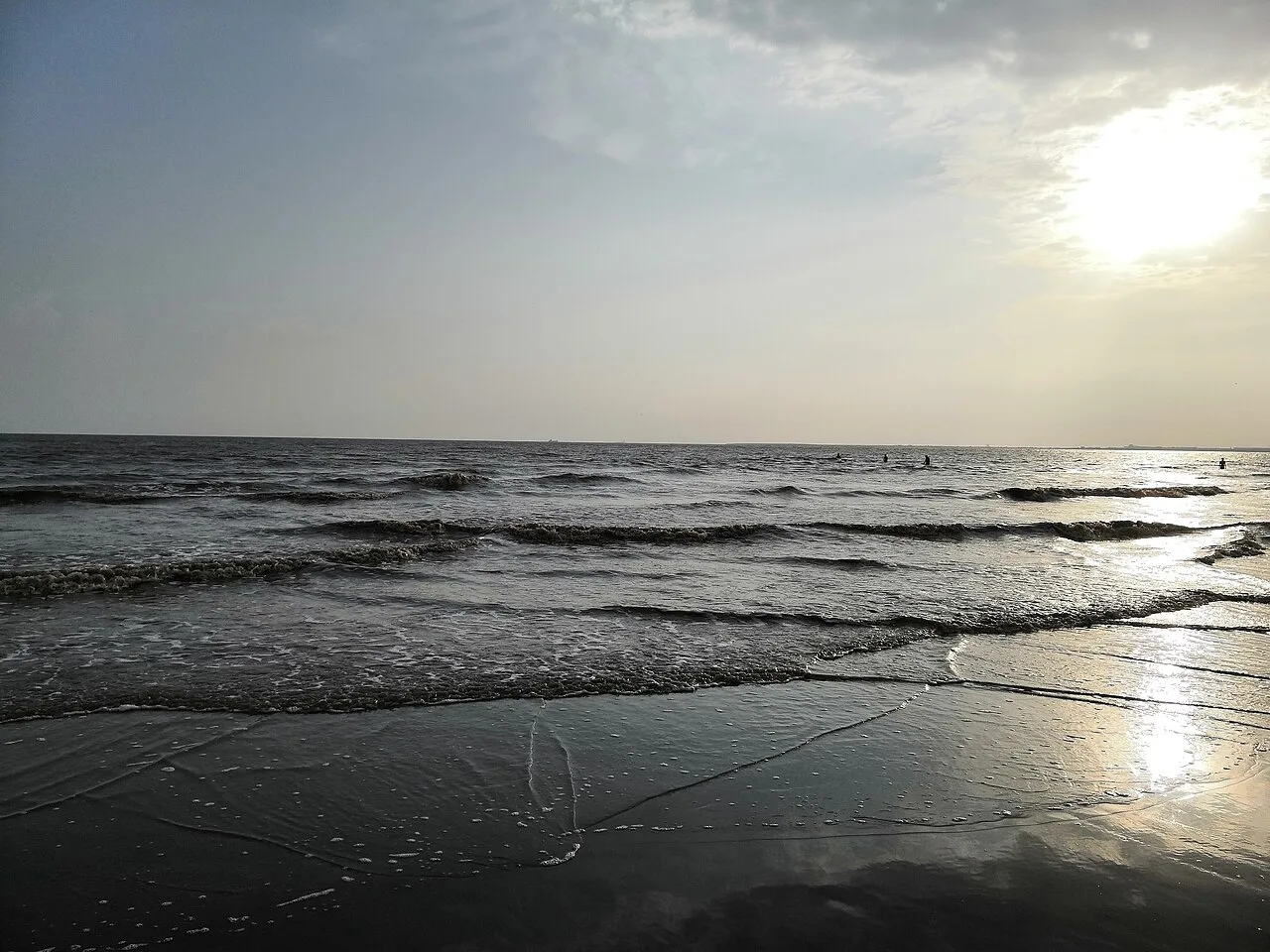
Dumas Beach is a rural coastal destination in Surat district, Gujarat, on the Arabian Sea. People visit as part of South Gujarat’s tourism, while the beach is also said to be haunted and was once a burial site.

Shoolpaneshwar Wildlife Sanctuary

112 km away · Narmada district

Shoolpaneshwar Wildlife Sanctuary

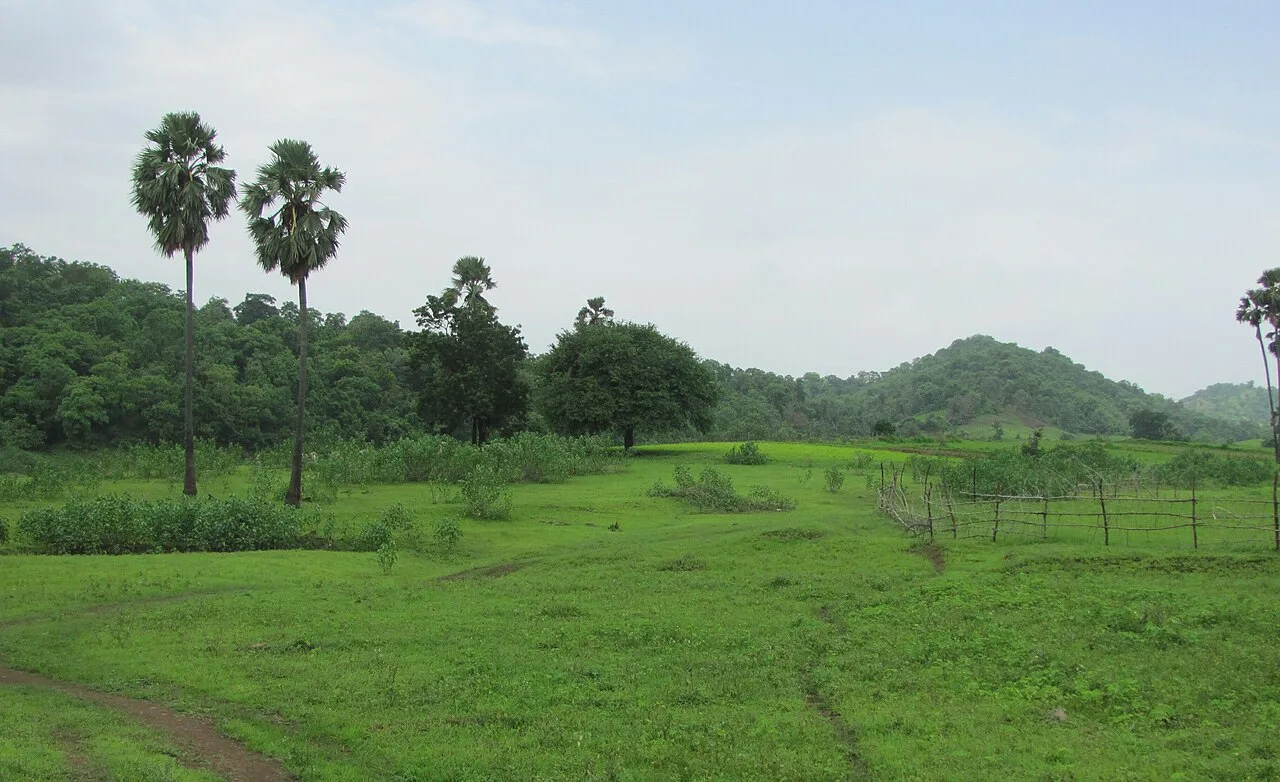
Shoolpaneshwar Wildlife Sanctuary is a 607.7-square-kilometre protected area in Gujarat’s Narmada district. Visitors come to experience its varied forest habitats and natural setting.

Sardar Sarovar Dam

119 km away · Narmada district

Sardar Sarovar Dam

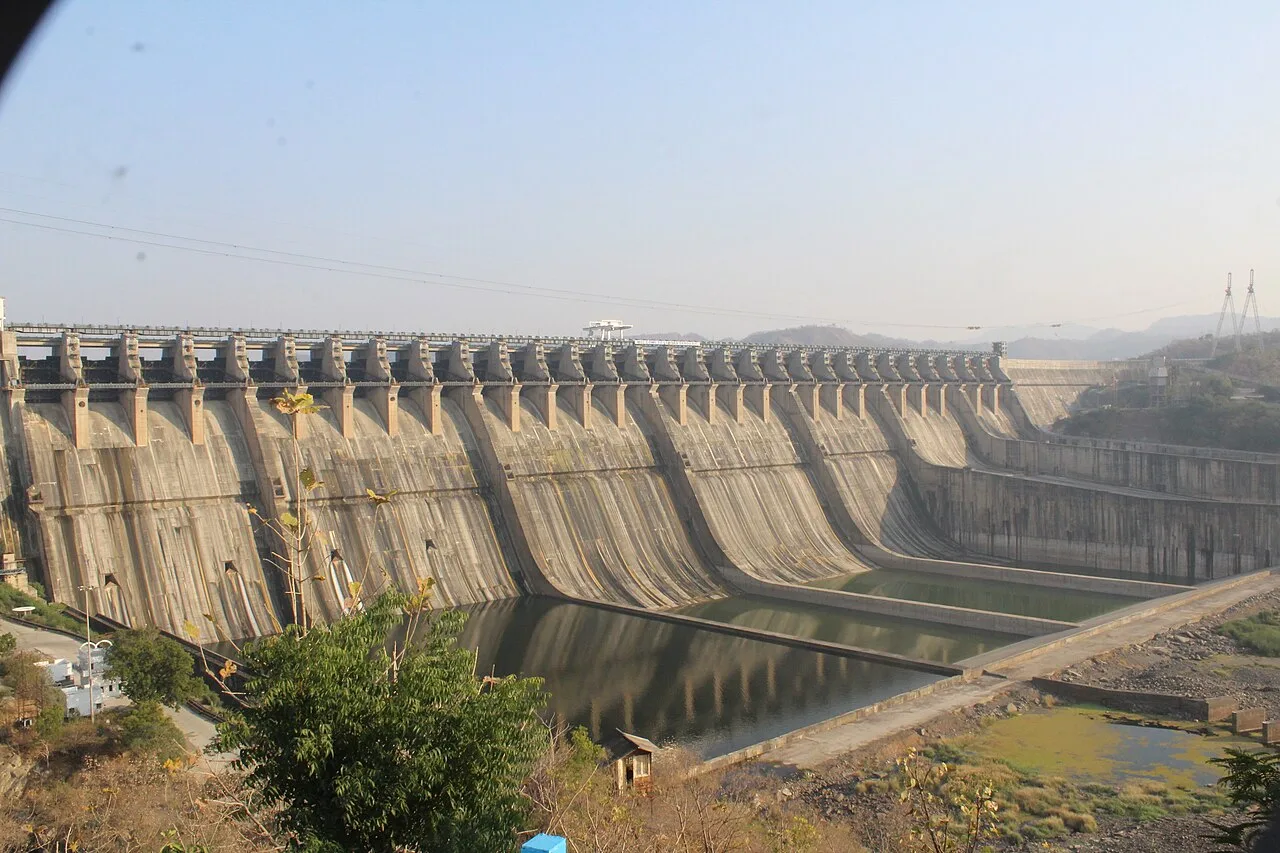
Sardar Sarovar Dam is a major concrete structure on the Narmada, built to support irrigation and power generation. Visitors may be interested in its scale and its role in the river’s development.

Statue of Unity

120 km away · Narmada district

Statue of Unity

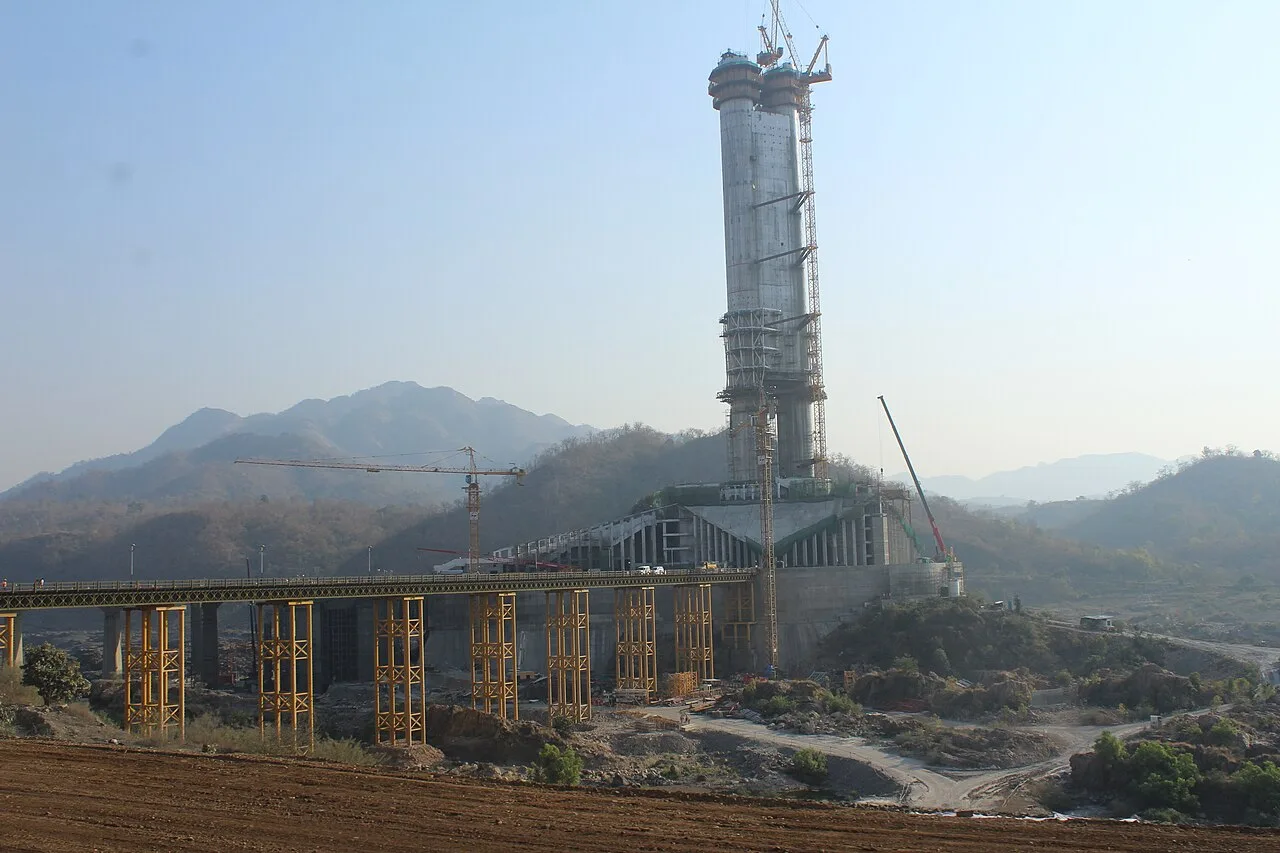
The Statue of Unity is a 182-metre tribute to Sardar Patel in Gujarat’s Narmada valley. Visitors come to see the world’s tallest statue and its commemoration of Patel’s role in India’s political integration.

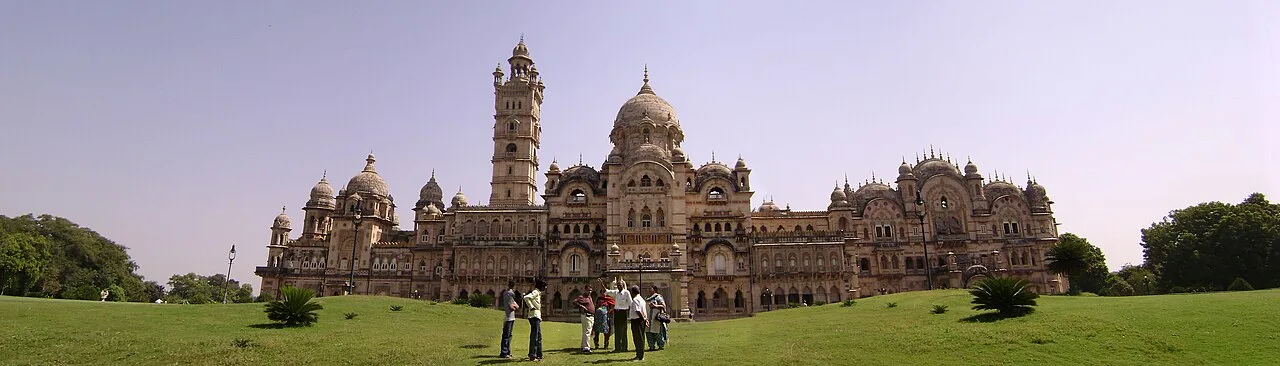
Lakshmi Vilas Palace

178 km away · Vadodara district

Lakshmi Vilas Palace

Lakshmi Vilas Palace is a former Gaekwad royal residence in Vadodara, known for its Indo-Saracenic architecture and extensive grounds. People visit to see the palace, its museum and links to the dynasty.

Map

Ahwa on the map

  1. 1Saputara
  2. 2Waghai (Gira Falls)
  3. 3Dandi (Salt March Memorial)
  4. 4Dumas Beach
  5. 5Shoolpaneshwar Wildlife Sanctuary
  6. 6Sardar Sarovar Dam
  7. 7Statue of Unity
  8. 8Lakshmi Vilas Palace

Gujarat

Other cities to explore