
Ghumoopedia — Explore, Discover, Experience
Sign in
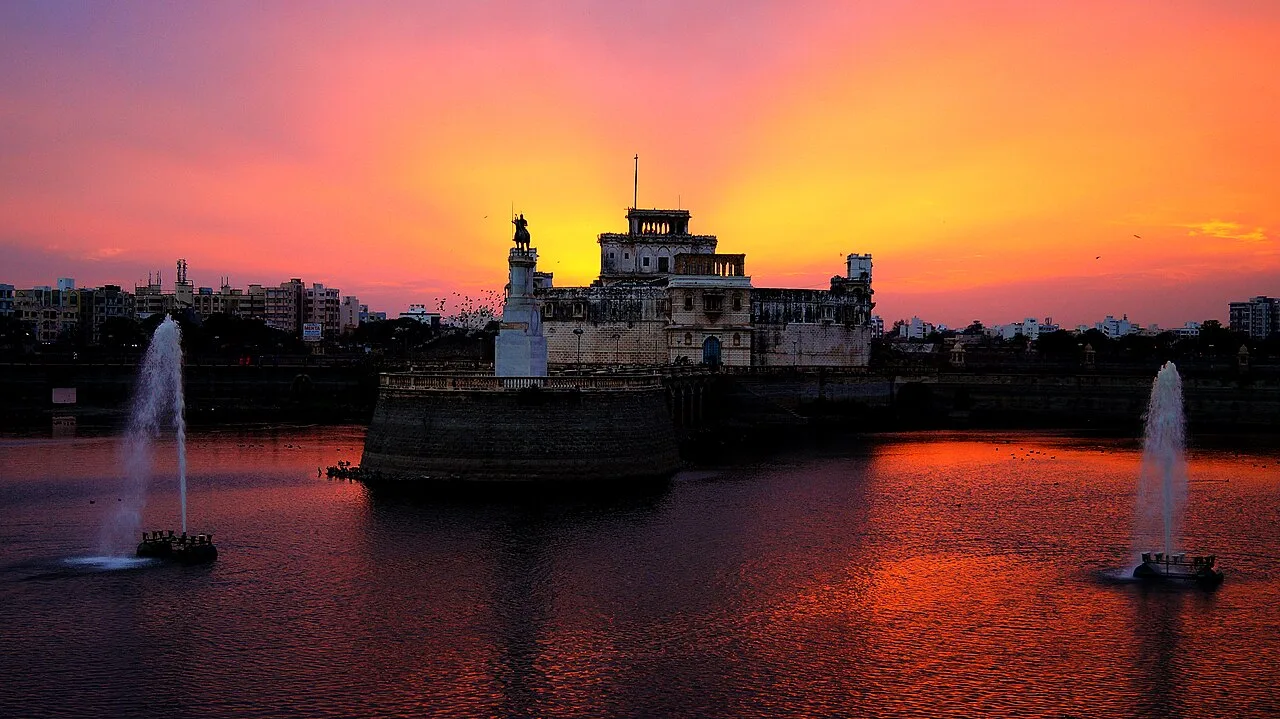
Lakhota Lake, near Jamnagar

City guide · Gujarat

Jamnagar

Jamnagar is a major city in western Gujarat and the headquarters of its district, with a distinctive mix of princely-state heritage, coastal nature and modern industry. Founded as Nawanagar, it grew around the Rangmati and Nagmati rivers and remains a useful base for exploring the Gulf of Kutch and the wider Saurashtra region.

Famous for

  • Jamnagari Bandhani
  • Dryfruit Kachori
  • Ghughra snacks
  • Lakhota Lake and Palace
  • Bala Hanuman Temple
  • Oil refining and petrochemicals
In the city
1
District
Jamnagar

Why Jamnagar matters

Jamnagar is a major city in western Gujarat and the headquarters of its district, with a distinctive mix of princely-state heritage, coastal nature and modern industry. Founded as Nawanagar, it grew around the Rangmati and Nagmati rivers and remains a useful base for exploring the Gulf of Kutch and the wider Saurashtra region. Lakhota Lake and Palace, old-city temples and traditional markets give visitors a glimpse of its historic character.

The city is also closely linked to India’s energy sector: a vast oil-refining and petrochemicals complex lies in Jamnagar district. Alongside this industrial role, Jamnagar is known for Bandhani tie-dye, metal and silver jewellery, local snacks and the nearby Khijadia Bird Sanctuary. The Gulf’s islands and marine habitats offer a very different experience from the city’s busy streets. Jamnagar is also home to the WHO Global Centre for Traditional Medicine initiative, reflecting its growing role in health and research. Together, these contrasts make it both a working regional centre and a rewarding stop for culture, crafts and nature.

Famous for: crafts, trade & products

Jamnagar is best known for Bandhani, a tie-dye textile tradition in which cloth is carefully knotted before dyeing to create patterns of dots and rings. Local shops and textile traders in the old city sell Bandhani fabrics and garments; ask about the fabric, dyeing method and place of origin, since styles and labels vary. The city is also associated with silver and brass jewellery and small handicrafts, including agate paperweights. Traditional market lanes around Darbargadh and Chandi Bazaar are good places to browse textiles, ornaments and everyday local goods.

Food specialties include Dryfruit Kachori and Ghughra, sold by snack shops and sweet-makers, while Gujarati household and restaurant cooking adds a broader range of savoury snacks and sweets. Jamnagar district has a major oil-refining and petrochemical presence, and the nearby ports support trade in goods such as bauxite and agricultural products. The WHO Global Centre for Traditional Medicine is an important institution in the city. Bandhani is a defining local craft, but shoppers seeking a GI-labelled product should check the item’s current certification and provenance rather than assume every piece carries a geographical tag.

History

Jamnagar began as Nawanagar, founded in 1540 by Jam Rawal as the capital of a Jadeja-ruled state in Saurashtra. The settlement was established beside the Rangmati and Nagmati rivers, and its name later evolved into Jamnagar, or the town of the Jams. Nawanagar became one of the region’s prominent princely states, with its rulers shaping the city’s political and architectural history.

The state came under British paramountcy in the early nineteenth century. In the twentieth century, rulers including Jam Saheb Digvijaysinhji supported civic development and helped shape the city’s modern infrastructure. After princely rule ended, Jamnagar developed as a district and regional centre within Gujarat. Its growth increasingly included manufacturing, port-linked trade and energy. The establishment of a large refinery and petrochemical complex in the district transformed its economic profile, while the city has continued to preserve its textile crafts, markets and historic landmarks alongside newer institutions.

Food, festivals & culture

Gujarati is the principal local language, and Hindi is also widely understood. Jamnagar’s food reflects Saurashtra’s fondness for boldly seasoned vegetarian dishes and snacks. Look for Dryfruit Kachori and Ghughra at local snack shops, alongside familiar Gujarati farsan and sweets. Meals may include rotli, vegetables, pulses and pickles, with recipes varying between homes and eateries.

Navratri, usually in autumn, brings evenings of garba and raas dancing, while Janmashtami is celebrated in the monsoon season with devotion to Krishna. Diwali brings lamps, sweets and family gatherings, and Uttarayan in January is marked by kite flying. Temples and other places of worship are part of everyday life; Bala Hanuman Temple is among the city’s best-known devotional sites, while the old city also has Jain temples and shrines. Folk music and devotional singing are heard at festivals and religious gatherings, alongside the wider Gujarati traditions of garba and raas.

Visiting the city

The most comfortable time to visit is October to February, when days are generally warm and evenings cooler. Summers are very hot, and monsoon rain can be erratic. Jamnagar Airport, also known as Govardhanpur Airport, serves the city; Jamnagar railway station is its main rail hub. Auto-rickshaws, taxis and local buses can help with getting around, while a hired vehicle is useful for bird sanctuaries and coastal excursions.

Explore the old-city lanes around Darbargadh, then visit Lakhota Lake and Palace and nearby temples. Market streets are a good place to browse Bandhani and local snacks. Khijadia Bird Sanctuary makes a rewarding nature outing northeast of town. Pirotan Island and other Marine National Park sites require advance planning, as access depends on permits, tides and local arrangements.

Attractions

Places to visit in Jamnagar

Sights within about 12 km of each other, even when they fall in different districts.

Map

Jamnagar on the map

  1. 1Lakhota Lake

Gujarat

Other cities to explore