
Ghumoopedia — Explore, Discover, Experience
Sign in
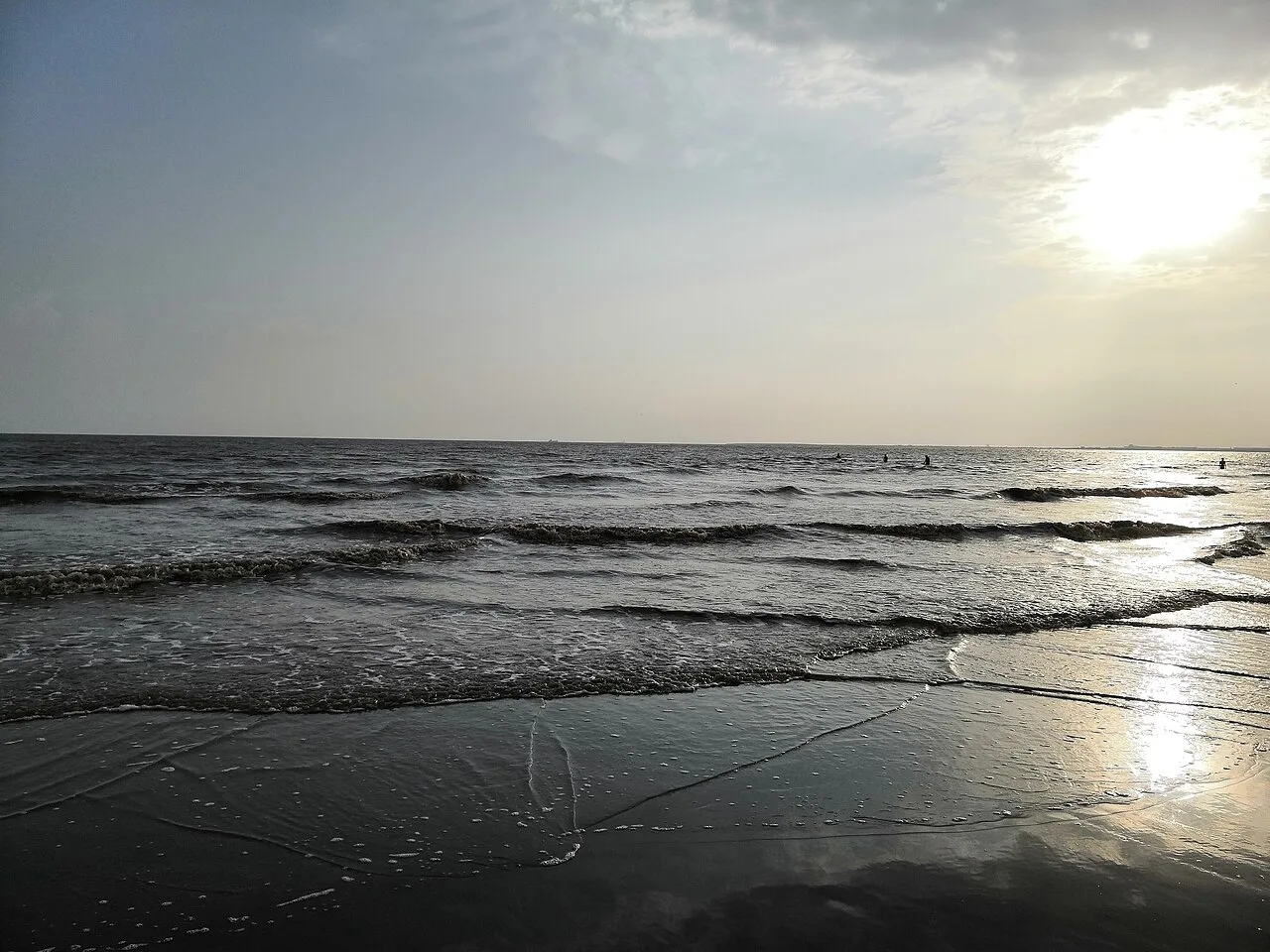
Dumas Beach, near Surat

City guide · Gujarat

Surat

Surat is a major commercial centre in South Gujarat, known internationally for its diamond and textile industries. Diamond cutting and polishing workshops and businesses form a defining part of the city’s economy, while its textile trade supplies fabrics, sarees and garments to markets across India.

Famous for

  • Diamond cutting and polishing
  • Textile and saree markets
  • Surat zari craft
  • Surti locho and khaman
  • Ghari sweet
In the city
0
Nearby
1
District
Surat
Plan a trip

Why Surat matters

Surat is a major commercial centre in South Gujarat, known internationally for its diamond and textile industries. Diamond cutting and polishing workshops and businesses form a defining part of the city’s economy, while its textile trade supplies fabrics, sarees and garments to markets across India. The Surat Diamond Bourse reflects the scale of the city’s role in the global diamond trade.

The city stands on the Tapi River, not far from the Arabian Sea. Its history as a busy port has left a legacy of trade and cultural exchange, while today’s streets mix old neighbourhoods, busy markets and modern commercial districts. Visitors come for Surti food, shopping and historic sites, as well as for the city’s lively festivals. Places such as the old riverfront, Dutch Garden and Gopi Talav offer a change of pace from the crowded market areas. Surat is also a useful base for exploring South Gujarat, including the coast and nearby towns. Its appeal lies in this combination of working city, trading heritage and distinctive local cuisine.

Famous for: crafts, trade & products

Surat is best known for textiles and diamonds. Its markets deal in dress materials, synthetic fabrics, sarees, embroidery and ready-made garments, with major wholesale shopping areas around Ring Road and Sahara Darwaja. Visitors can browse shops for fabrics and clothing, though the wholesale trade can be busy and geared towards bulk buyers. The city’s textile industry ranges from weaving and dyeing to garment production and distribution.

Surat zari craft, the making of fine metallic-thread embroidery, is a recognised local craft. Zari work appears on sarees, bridal wear and decorative fabrics; textile shops and specialist traders in the city are good places to look for it. Surat’s diamond trade is concentrated in cutting, polishing and dealing, and the Surat Diamond Bourse is a major institution in the sector, though it is not simply a tourist shopping destination. For everyday retail, look to established textile markets and clothing shops rather than expecting factory access. Local food markets and sweet shops are also worth exploring for Surti snacks and ghari, a rich sweet associated with the city.

History

Surat’s early history is not fully clear, but references to a settlement called Suryapur appear in accounts of the region. By the 16th century it had become an important port, benefiting from trade across the Arabian Sea. Portuguese raids damaged the city in the early 1500s; the Mughal conquest in 1573 helped establish Surat as a major imperial trading centre. Merchants from several parts of the world operated here, and in 1612 the English established a trading factory.

Maratha ruler Shivaji raided Surat twice in the 17th century, disrupting commerce. The port remained prosperous, with shipbuilding and textile production among its industries, but its prominence declined as Bombay grew as a major harbour. Under British rule, Surat continued as a regional trading town. In the modern era it expanded rapidly as diamond processing and textile manufacturing developed into major industries. Investment in transport, civic services and commercial infrastructure has shaped the contemporary city, including the development of the Surat Diamond Bourse.

Food, festivals & culture

Surti food is a highlight: locho, a soft steamed gram-flour snack, and sev khamani are popular savouries, while ghari is a rich sweet associated with the city. Khaman, farsan and other snacks are easy to find in local eateries and sweet shops. Ponk, tender roasted grain, is a seasonal winter treat in the wider region. Gujarati is the main language; Hindi and Urdu are also widely heard.

Navratri, usually in autumn, brings nights of garba and dandiya, while Uttarayan, the January kite festival, fills rooftops with activity. Diwali, Eid and Ganesh Chaturthi are also celebrated by the city’s diverse communities. Gujarati folk music and devotional singing are part of festivals and religious gatherings. Places of worship include the Chintamani Jain Temple and Ambika Niketan Temple, alongside mosques and other shrines across the city. These traditions sit alongside Surat’s energetic market culture and a strong affection for local food.

Visiting the city

The cooler, drier months from November to February are generally the most comfortable time to visit; summers can be very hot and the monsoon brings heavy rain. Surat International Airport serves the city, while Surat railway station is its main rail hub, with connections to major cities. Auto-rickshaws, taxis and city buses are useful for getting around; traffic can be busy, so allow time for journeys.

Explore the old city and its markets for textiles and street food, especially around Ring Road and Sahara Darwaja. The Tapi riverfront, Gopi Talav and Dutch Garden offer quieter outings, while Dumas is a popular coastal excursion. Keep in mind that wholesale textile markets can be crowded and may be oriented towards trade rather than leisurely browsing.

Short trips

Around Surat

Within about 40 km — easy half-day or day trips from the city.

Map

Surat on the map

  1. 1Dumas Beach

Gujarat

Other cities to explore