
Ghumoopedia — Explore, Discover, Experience
Sign in
Ambaji, near Ambaji

City guide · Gujarat

Ambaji

Ambaji is a pilgrimage town in Banaskantha district, in north Gujarat near the Rajasthan border. Its best-known landmark is the Ambaji temple, an important Shakti shrine that draws worshippers from Gujarat, Rajasthan and further afield.

Famous for

  • Ambaji Shakti Peeth shrine
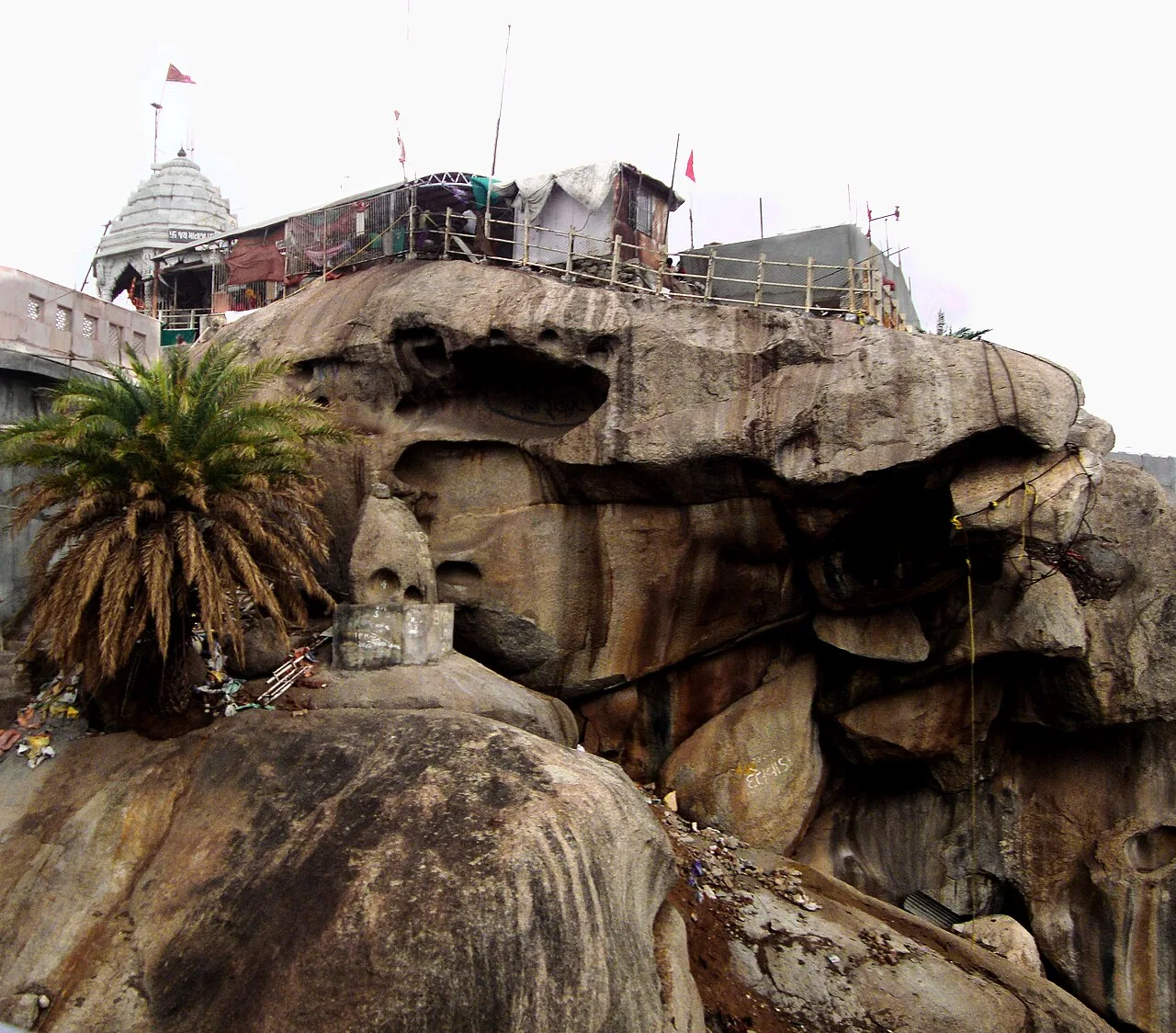
  • Gabbar Hill pilgrimage
  • Bhadarvi Purnima fair
  • Ambaji white marble
  • Aravalli foothill setting
In the city
1
District
Banaskantha

Why Ambaji matters

Ambaji is a pilgrimage town in Banaskantha district, in north Gujarat near the Rajasthan border. Its best-known landmark is the Ambaji temple, an important Shakti shrine that draws worshippers from Gujarat, Rajasthan and further afield. The town’s religious importance is closely linked with nearby Gabbar Hill, a sacred site visited as part of the pilgrimage.

The annual Bhadarvi Purnima fair brings a particularly large gathering of devotees, while Navratri adds to the town’s devotional atmosphere. Ambaji also serves visitors exploring the Aravalli foothills and the nearby Kumbhariya Jain temples. Its setting, at about 480 metres above sea level between north Gujarat and Rajasthan, gives it a distinct regional character. Local shops and services cater largely to pilgrims, and the surrounding area is associated with Ambaji marble. Together, the shrine, seasonal festivals and borderland location make Ambaji a significant religious and visitor centre in northern Gujarat.

Famous for: crafts, trade & products

Ambaji is better known for pilgrimage-related commerce and stone than for textiles or a broad handicrafts market. The town is associated with Ambaji white marble, quarried in the surrounding region and used in buildings, sculpture and temple work. Marble products and stonework can be found through local dealers and workshops, though the town is not primarily a destination for large-scale retail shopping.

Around the temple precinct, shops sell devotional items, offerings, souvenirs and packaged prasad for pilgrims. These are the most convenient places to browse for religious keepsakes. The local economy also supports transport, food and accommodation services that grow busy during major pilgrimage periods. Visitors looking specifically for sarees, craft cooperatives or a wide range of GI-tagged goods may find more choice in larger Gujarat cities. In Ambaji, the most distinctive purchases are generally temple-related items and locally marketed marble products; ask sellers about the source and finish of stone before buying.

History

Ambaji’s growth has centred on its temple and the steady movement of pilgrims to the shrine and Gabbar Hill. Local religious tradition gives the sacred sites a long history, but the town’s early development is not recorded in a single continuous account. Its position near the Gujarat–Rajasthan boundary also connected it with movement between the two regions.

During the colonial period, the surrounding area was part of the Danta princely state, within the network of states under British paramountcy. After independence, the region became part of the Indian Union and later the state of Gujarat, formed in 1960. In more recent decades, improved road access, pilgrimage facilities and visitor services have supported Ambaji’s development as a major religious centre. The town’s modern character remains closely tied to worship, seasonal gatherings and the needs of visitors rather than to large-scale urban industry.

Food, festivals & culture

Ambaji’s public life is shaped by Hindu pilgrimage and the calendar of the temple. Bhadarvi Purnima, usually falling in August or September, is the principal annual gathering, while Navratri, generally in September or October, brings prayers and devotional activity. Garba is part of the wider Gujarati festival tradition and may be seen during Navratri celebrations. The temple and Gabbar Hill are the central places of worship; the Kumbhariya Jain temples nearby add another important religious destination.

Gujarati is widely spoken, with Hindi and languages or dialects familiar to neighbouring Rajasthan also heard. Food for visitors is mostly familiar Gujarati and north Indian fare. Simple thalis, snacks and sweets are available around the pilgrimage area; choices can be especially busy during festival periods. Rather than a distinct signature cuisine, Ambaji’s food culture reflects its role as a welcoming stop for devotees travelling through the region.

Visiting the city

The cooler months from October to March are generally comfortable for exploring Ambaji. The monsoon can bring rain, and the Bhadarvi Purnima period is especially busy, so allow for crowds if travelling then. The nearest major airport is Maharana Pratap Airport near Udaipur; Ahmedabad’s Sardar Vallabhbhai Patel International Airport is another option. Abu Road railway station, across the Rajasthan border, is the main rail gateway for Ambaji.

Buses, taxis and private vehicles connect the town with nearby centres. Auto-rickshaws and local taxis are useful for short trips, including to Gabbar Hill and Kumbhariya. Explore the temple precinct on foot, then visit Gabbar Hill for its pilgrimage setting. Kumbhariya makes a worthwhile nearby excursion for its Jain temples. The town centre around the shrine is the most convenient area for food, shops and visitor services.

Attractions

Places to visit in Ambaji

Sights within about 12 km of each other, even when they fall in different districts.

Map

Ambaji on the map

  1. 1Ambaji

Gujarat

Other cities to explore