
Ghumoopedia — Explore, Discover, Experience
Sign in
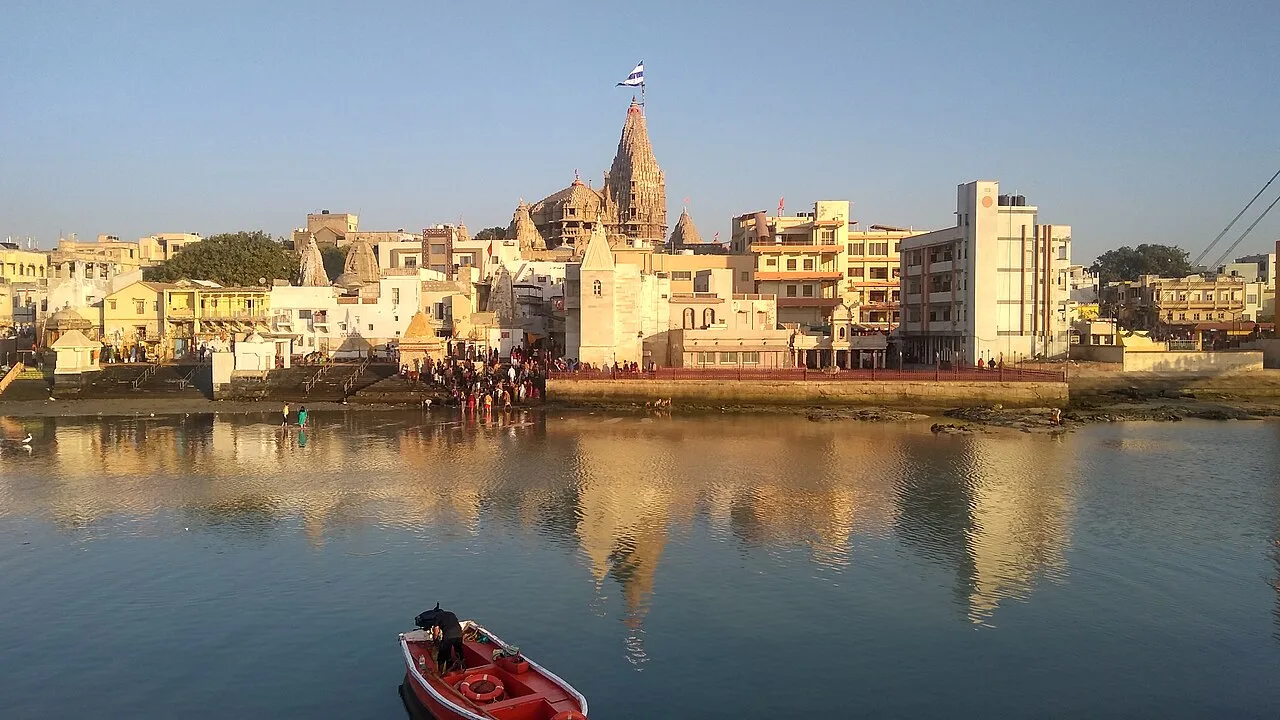
Dwarkadhish Temple, near Dwarka

City guide · Gujarat

Dwarka

Dwarka is a coastal pilgrimage town on Gujarat’s Saurashtra peninsula, where the Gomti River meets the Arabian Sea. Its central landmark, the Dwarkadhish Temple, is dedicated to Krishna and draws worshippers from across India.

Famous for

  • Dwarkadhish Temple
  • Krishna pilgrimage
  • Gomti riverfront
  • Janmashtami celebrations
  • Bet Dwarka visits
In the city
2
District
Devbhoomi Dwarka

Why Dwarka matters

Dwarka is a coastal pilgrimage town on Gujarat’s Saurashtra peninsula, where the Gomti River meets the Arabian Sea. Its central landmark, the Dwarkadhish Temple, is dedicated to Krishna and draws worshippers from across India. The town is counted among the Sapta Puri, a group of seven sacred Hindu cities, and its temple complex also includes the western monastic seat associated with Adi Shankaracharya. These religious traditions give Dwarka a central place in Hindu pilgrimage and in Gujarat’s cultural identity.

Visitors come for temple darshan, the riverfront ghats and nearby sacred sites, including Rukmini Devi Temple and Bet Dwarka. The town is also part of a wider Krishna pilgrimage circuit linking places such as Mathura and Vrindavan. Beyond its religious role, Dwarka is known for its exposed Arabian Sea coastline and the archaeological interest surrounding ancient coastal settlements in the region. Today, pilgrimage, local services and visitor travel shape much of its public life, while its temples and seafront remain the main reasons to stop here.
Famous for: crafts, trade & products

Dwarka is best known for religious visits rather than for a signature textile, craft industry or locally distinctive GI-tagged product. Around the Dwarkadhish Temple and the lanes leading to it, visitors can find everyday pilgrimage goods such as prayer beads, incense, small devotional images and offerings. These shops serve temple-goers and are the most accessible place to browse for religious keepsakes. Availability and styles vary, so visitors looking for a particular craft may find a wider selection in larger Gujarati cities.

The town’s visitor economy also supports stalls and shops selling snacks, sweets and simple souvenirs. Gujarati textiles and handicrafts from elsewhere in Saurashtra may be available through local retailers, but they should not be confused with products made specifically in Dwarka. Historically, the coast’s setting supported maritime activity; today, the town’s most visible trade is tied to pilgrimage and travel. For a sense of local commerce, browse the temple approaches and the streets around the old town, where practical worship supplies sit alongside food shops and small vendors.

History

Dwarka’s history combines religious tradition with evidence of long-standing settlement along Gujarat’s coast. In Hindu accounts, Krishna is said to have made the city his home after leaving Mathura; ancient texts describe Dvārakā as a fortified coastal city. Archaeological work onshore and offshore has found traces of settlements and structures linked to maritime activity, though these finds do not by themselves verify the epic narratives. A copper inscription dated to 574 CE provides an early historical reference to a ruler of Dwarka.

The Dwarkadhish Temple was rebuilt and enlarged over time. In 1473, the town and temple were attacked by Gujarat Sultan Mahmud Begada; the temple was subsequently restored. During the nineteenth century, Dwarka and the surrounding Okhamandal region were contested by local Vagher forces, the British and the Gaekwad state of Baroda. The temple was renovated in that period. Since independence, Dwarka has developed as a major pilgrimage centre and regional service town. The Sudama Setu pedestrian bridge across the Gomti opened in 2016, improving access to the nearby island shrine area.

Food, festivals & culture

Dwarka’s daily rhythm is closely connected to worship at the Dwarkadhish Temple, with devotional singing and prayer forming a familiar part of the town’s public life. Gujarati is the main local language; Hindi is also widely understood, particularly in visitor-facing settings. Food is generally easy to find in vegetarian form around the pilgrimage centre. Gujarati thalis, snacks and sweets are common, while temple offerings and prasad are part of the devotional experience. These are widely enjoyed foods rather than dishes unique to Dwarka.

Janmashtami, usually observed in August or September, is the town’s major festival. Celebrations honour Krishna with temple rituals, devotional music and large numbers of pilgrims. Navratri, held in the autumn, brings the wider Gujarati traditions of garba and devotional song into the festive calendar. Visitors can encounter worship and local religious life at the Dwarkadhish Temple, Rukmini Devi Temple and the shrines around Gomti Ghat. Dress modestly at places of worship and follow local guidance on photography and temple customs.

Visiting the city

October to March is generally the most comfortable period to visit, with hot weather common in other months and monsoon rains usually arriving from June to September. Janmashtami brings a distinctive festive atmosphere but also heavier pilgrimage crowds. Porbandar Airport is the nearest airport; Jamnagar Airport is another option for air connections. Dwarka railway station is the town’s main rail station.

The old town, Dwarkadhish Temple and Gomti Ghat are best explored on foot, though local autorickshaws and taxis are useful for longer trips. Allow time for Rukmini Devi Temple and the coastal lighthouse area. Bet Dwarka and the pilgrimage sites around Okha make worthwhile excursions; check local transport arrangements before setting out. The temple approaches and riverfront are the most convenient areas for shops, food and visitor services.

Attractions

Places to visit in Dwarka

Sights within about 12 km of each other, even when they fall in different districts.

Map

Dwarka on the map

  1. 1Dwarkadhish Temple
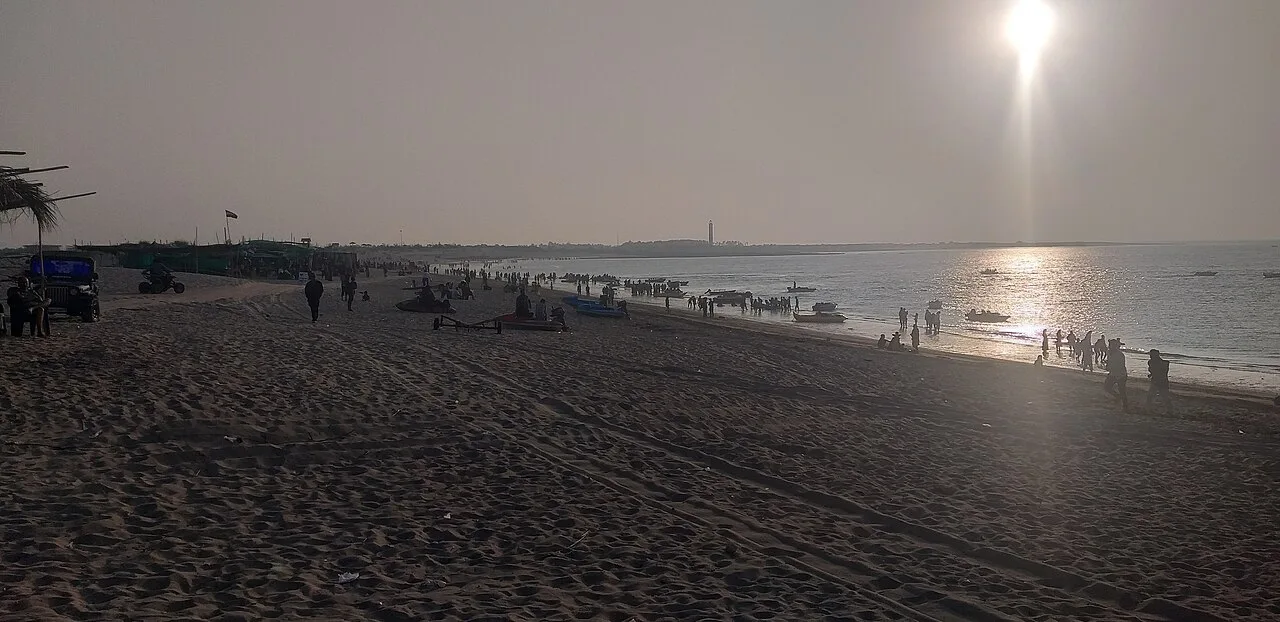
  2. 2Shivrajpur Beach

Gujarat

Other cities to explore