
Ghumoopedia — Explore, Discover, Experience
Sign in
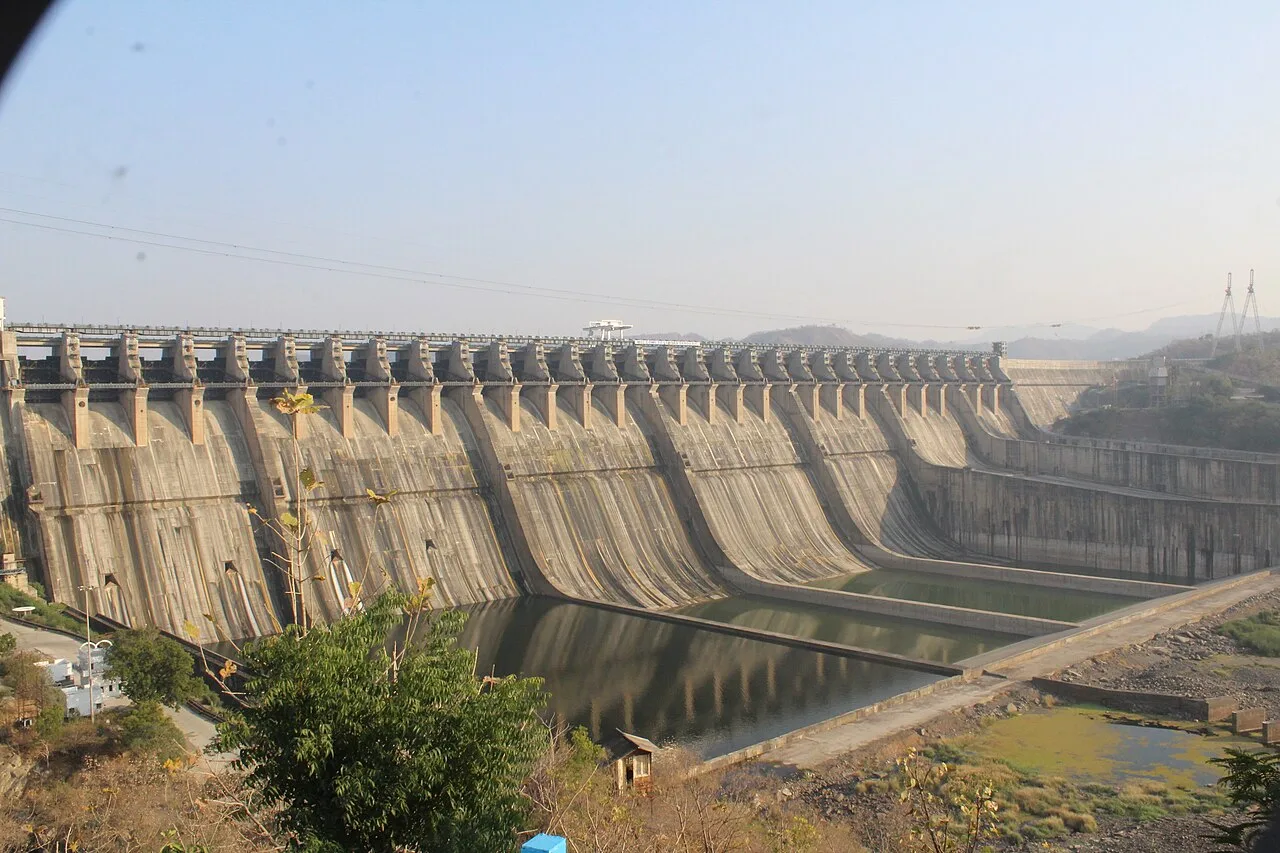
Sardar Sarovar Dam, near Rajpipla

City guide · Gujarat

Rajpipla

Rajpipla is a historic town in Gujarat’s Narmada district and its administrative centre. Set among the wooded hills and river landscapes of eastern Gujarat, it is best known as the former capital of the Rajpipla princely state.

Famous for

  • Former Rajpipla princely capital
  • Rajvant Palace heritage
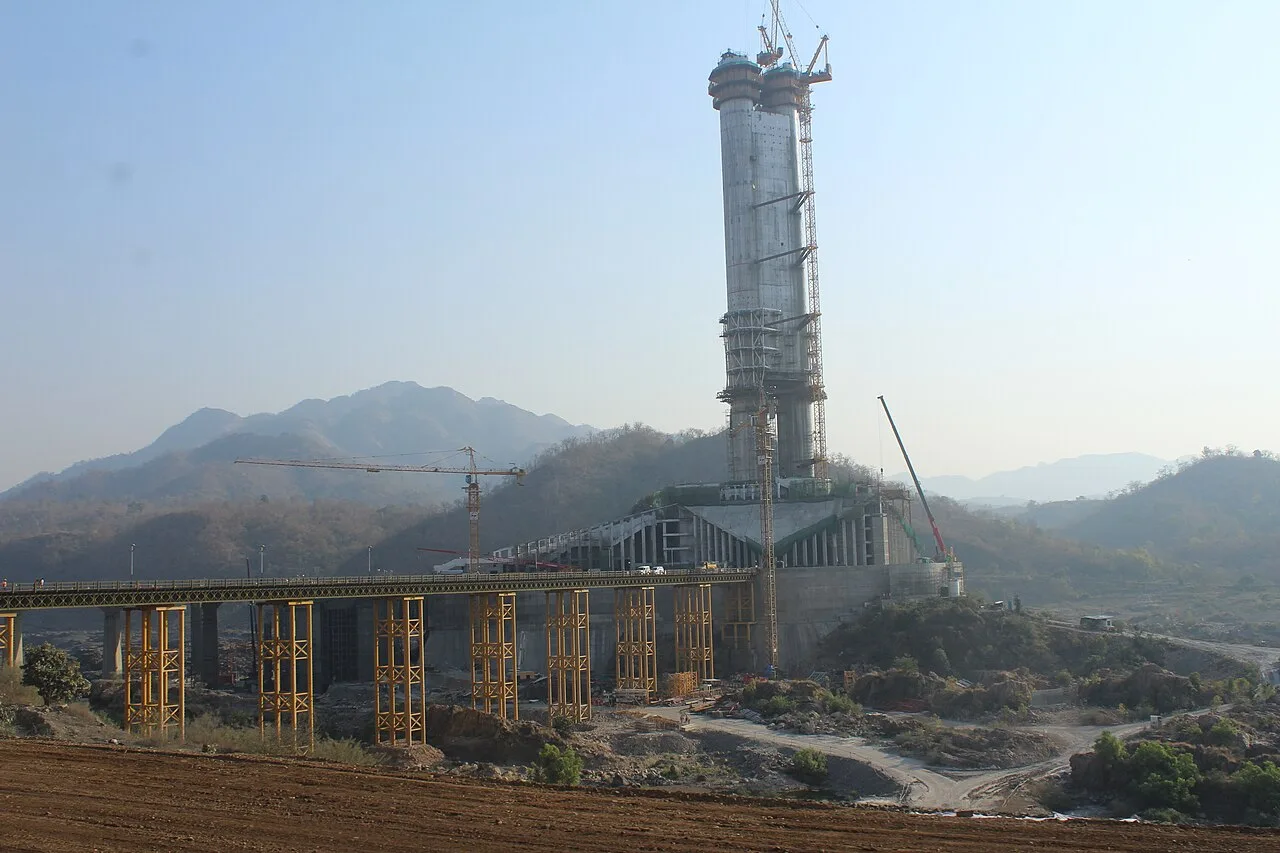
  • Nearby Statue of Unity
  • Nandod historical identity
In the city
0
Nearby
3
District
Narmada
Plan a trip

Why Rajpipla matters

Rajpipla is a historic town in Gujarat’s Narmada district and its administrative centre. Set among the wooded hills and river landscapes of eastern Gujarat, it is best known as the former capital of the Rajpipla princely state. The town’s royal past remains part of its identity, especially in the old centre and around Rajvant Palace, a former royal residence.

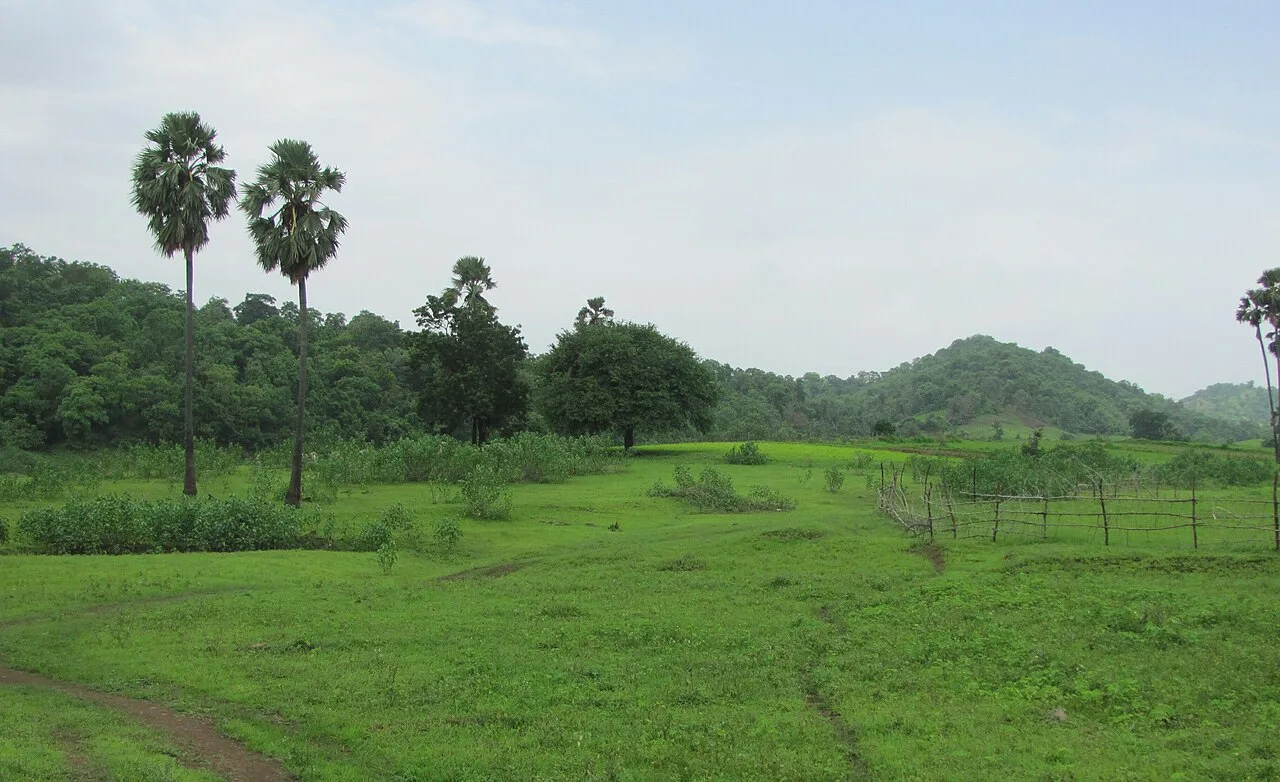
Rajpipla also makes a useful stop for exploring the wider Narmada region. The Statue of Unity and the attractions around Ekta Nagar, the Sardar Sarovar area and Shoolpaneshwar Wildlife Sanctuary are within reach by road, though they are outside the town itself. Visitors come for a mix of regional history, nearby nature and river scenery rather than for a major shopping or resort district. Within town, the bazaar and everyday neighbourhoods offer a glimpse of local life, while the surrounding countryside brings a quieter pace. Gujarati is widely used, alongside Hindi and languages spoken by tribal communities in the region.
Famous for: crafts, trade & products

Rajpipla is not especially known as a centre for a particular textile, handicraft or GI-tagged product. Its strongest associations are its princely heritage and its role as a local commercial and administrative centre. Rajvant Palace is a prominent reminder of the royal era; visitors should check locally whether particular parts of the property are accessible, as it is not simply a public museum.

For everyday shopping, the central bazaar and shops along the main town roads are the most practical places to browse. They serve local needs, with groceries, household goods, clothing, snacks and general retail rather than a dedicated tourist craft market. Small shops and food sellers are better options for sampling or buying locally made snacks than for seeking a signature packaged product. Visitors looking for a wider choice of regional crafts or souvenirs can also explore the visitor facilities around Ekta Nagar, near the Statue of Unity. Ask sellers about the maker and origin of an item: products sold in town may come from across Gujarat rather than being made in Rajpipla itself.

History

Rajpipla has a long history as a seat of power in the Narmada region. In the era of the Gurjara rulers, the area was known as Nandipuri and served as the capital of the Lata kingdom. Nandol and Nandod are later forms of the name found in historical usage. A local tradition connects the name Rajpipla with a ruler who first lived beneath a pipal tree.

The town later became the capital of the Kingdom of Rajpipla, a princely state ruled by a succession of local chiefs and kings. During the colonial period, the state retained its rulers under British paramountcy, while the town developed as its political and administrative centre. The princely state joined the Indian Union after independence, and Rajpipla’s royal legacy remains visible in its palace and historic urban character.

In modern Gujarat, Rajpipla is the headquarters of Narmada district. Its role now combines district administration and local trade with growing interest from travellers exploring the Narmada valley.

Food, festivals & culture

Everyday food in Rajpipla reflects the broader Gujarati kitchen: rotli, dal, seasonal shaak, rice, khichdi and kadhi are familiar staples. Snacks and farsan are available from local shops, while sweets such as jalebi and peda are common across the region. Menus and home cooking vary, so visitors may find both mild and more strongly spiced dishes. The central bazaar is a convenient place to look for tea, snacks and simple meals.

Navratri, usually in autumn, brings nights of garba and community celebration; Diwali, also in autumn, is marked with lamps, family visits and sweets. Uttarayan in January is celebrated with kite-flying, while Holi in spring adds colour and gatherings. Gujarati is the principal public language, and Hindi is also widely understood. Bhili and other tribal languages are spoken in communities across the wider district. Hindu temples and neighbourhood shrines form part of local religious life, alongside places of worship serving the town’s diverse residents.

Visiting the city

The cooler months, roughly October to February, are generally the most comfortable for visiting. Monsoon brings greener landscapes but can make outdoor travel less predictable. Vadodara Airport is the nearest major airport. Rajpipla railway station serves the town; Ekta Nagar station is another useful railhead for visitors combining Rajpipla with the Statue of Unity area.

Auto-rickshaws and local taxis are practical for short trips, while a hired car is useful for reaching attractions and countryside beyond town. Explore the central bazaar and older town streets for daily life, and see the palace area for a sense of Rajpipla’s royal past. Allow extra time for road trips towards Ekta Nagar, the Sardar Sarovar area or Shoolpaneshwar Wildlife Sanctuary; these are regional excursions, not neighbourhood sights.

Short trips

Around Rajpipla

Within about 40 km — easy half-day or day trips from the city.

Map

Rajpipla on the map

  1. 1Sardar Sarovar Dam
  2. 2Shoolpaneshwar Wildlife Sanctuary
  3. 3Statue of Unity

Gujarat

Other cities to explore