
Ghumoopedia — Explore, Discover, Experience
Sign in
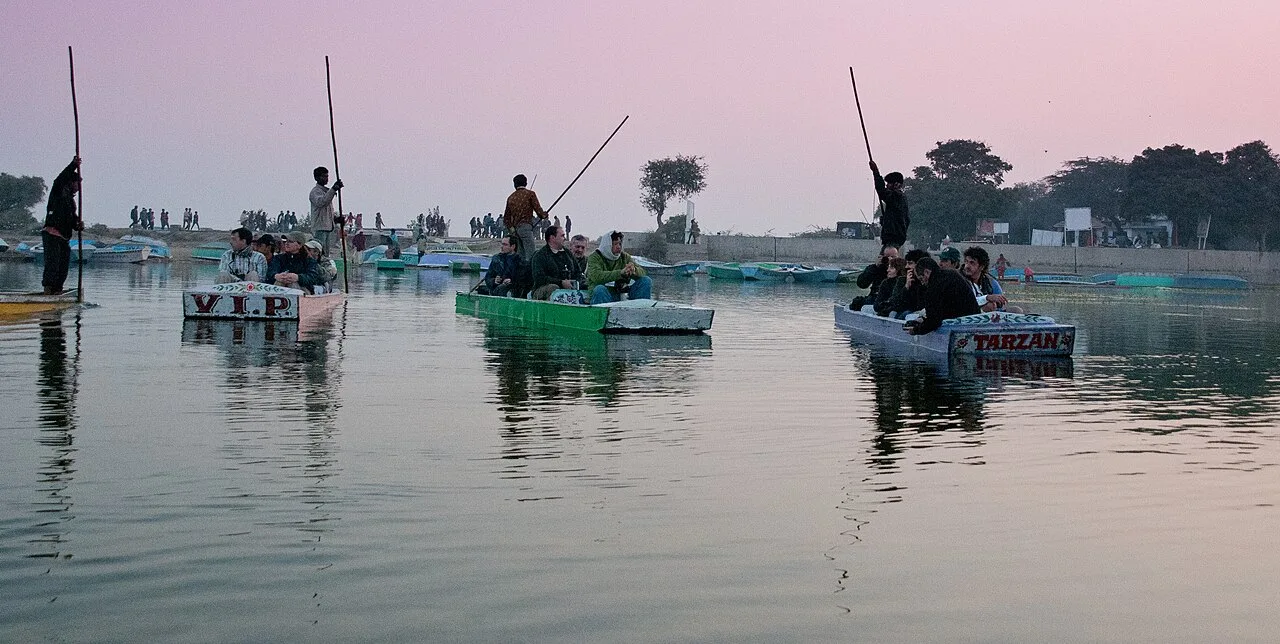
Nal Sarovar Bird Sanctuary, near Lakhtar State

City guide · Gujarat

Lakhtar State

Lakhtar is a small town in Gujarat’s Surendranagar district, best known historically as the centre of the former Lakhtar princely state. Its importance today is chiefly local: it serves residents and nearby settlements with everyday markets, services and connections to the wider district.

Famous for

  • Jhala Rajput heritage
  • Former princely-state history
  • Thakur Sahib lineage
  • Gujarati regional life
In the city
0
Nearby
1
District
Ahmedabad
Plan a trip

Why Lakhtar State matters

Lakhtar is a small town in Gujarat’s Surendranagar district, best known historically as the centre of the former Lakhtar princely state. Its importance today is chiefly local: it serves residents and nearby settlements with everyday markets, services and connections to the wider district. Travellers are drawn more by its regional history and quiet town atmosphere than by large-scale tourist attractions.

The town’s story is closely associated with the Jhala Rajput rulers, who governed Lakhtar under the title Thakur Sahib. That past gives the settlement a distinct place in the history of the former princely states of the Saurashtra region. Visitors can get a feel for contemporary Gujarati life by walking through the market and older parts of town, while using Lakhtar as a stop on a broader journey through Surendranagar district. It is a modest destination, so those seeking major monuments, specialist shopping or extensive visitor facilities should plan accordingly.

Famous for: crafts, trade & products

Lakhtar is not widely identified as a centre for a particular textile, handicraft or GI-tagged product. Its local commerce is practical and town-focused, serving residents and people from surrounding villages. The bazaar is the best place to look for everyday goods, groceries, snacks and seasonal produce; availability and origin can vary, so ask shopkeepers about local sourcing. There is no well-established specialist craft market to seek out.

The town’s clearest point of distinction is its association with the former Lakhtar State and its Jhala Rajput ruling family. Visitors interested in this heritage can ask locally about surviving historic buildings or sites, but should confirm access and significance before making a special trip; public visitor facilities may be limited. For a broader selection of regional shopping and services, Surendranagar is the district’s larger commercial centre. Lakhtar is better approached as a place to experience a small-town market and regional history than as a destination for a named textile, signature food product or organized handicraft trade.

History

Lakhtar State was founded in 1604 by Abhaisinhji Chandrasinhji, a ruler of the Jhala Rajput dynasty. Its chiefs used the title Thakur Sahib, and the state passed through successive generations of the family. Among its later rulers were Karansinhji II, who ruled from 1846 to 1924, Balvirsinhji and Indrasinhji, whose reign continued into the final years of princely rule.

During the British Raj, Lakhtar was a non-salute princely state: it retained its ruler and local administration while existing under British paramountcy. The princely system ended with India’s independence in 1947, and Lakhtar became part of the modern Indian state of Gujarat. Over time, the town’s role shifted from a royal-state centre to a local settlement serving nearby communities. Today it forms part of Surendranagar district’s civic and commercial life, while its dynastic past remains its most distinctive historical association.

Food, festivals & culture

Gujarati is the principal language of everyday life; Hindi may also be understood in shops and public settings. Food follows familiar regional patterns, with meals built around rotli or other breads, seasonal shaak, dal, rice, and khichdi with kadhi. Farsan and sweets are available through local shops, though Lakhtar is not especially known for a signature dish. Ask locally about freshly prepared snacks and seasonal specialities.

Navratri, usually in the autumn, brings devotional gatherings and garba across Gujarat. Diwali is also widely celebrated in autumn, while Holi in spring and Janmashtami are observed by many communities. Folk songs, devotional music and garba are part of the wider regional cultural tradition. Worship takes place at neighbourhood temples and shrines, alongside other local places of worship. Visitors should dress respectfully and check locally before photographing ceremonies or entering religious sites.

Visiting the city

The cooler months, roughly November to February, are generally the most comfortable for visiting. Summer can be very hot, while the monsoon brings periodic rain. The nearest major commercial airport is generally Sardar Vallabhbhai Patel International Airport in Ahmedabad. Lakhtar has its own railway station; Surendranagar Junction is a larger rail station serving the district, so check which is more convenient for your route.

Within town, local buses, auto-rickshaws and taxis may be useful; confirm availability on arrival. The bazaar and older residential areas are the most approachable places to explore on foot. Lakhtar is a small town rather than a developed sightseeing hub, so allow time for a relaxed visit and ask residents about access to historic sites. For a wider choice of accommodation and services, consider basing yourself in Surendranagar.

Short trips

Around Lakhtar State

Within about 40 km — easy half-day or day trips from the city.

Map

Lakhtar State on the map

  1. 1Nal Sarovar Bird Sanctuary

Gujarat

Other cities to explore