
Ghumoopedia — Explore, Discover, Experience
Sign in
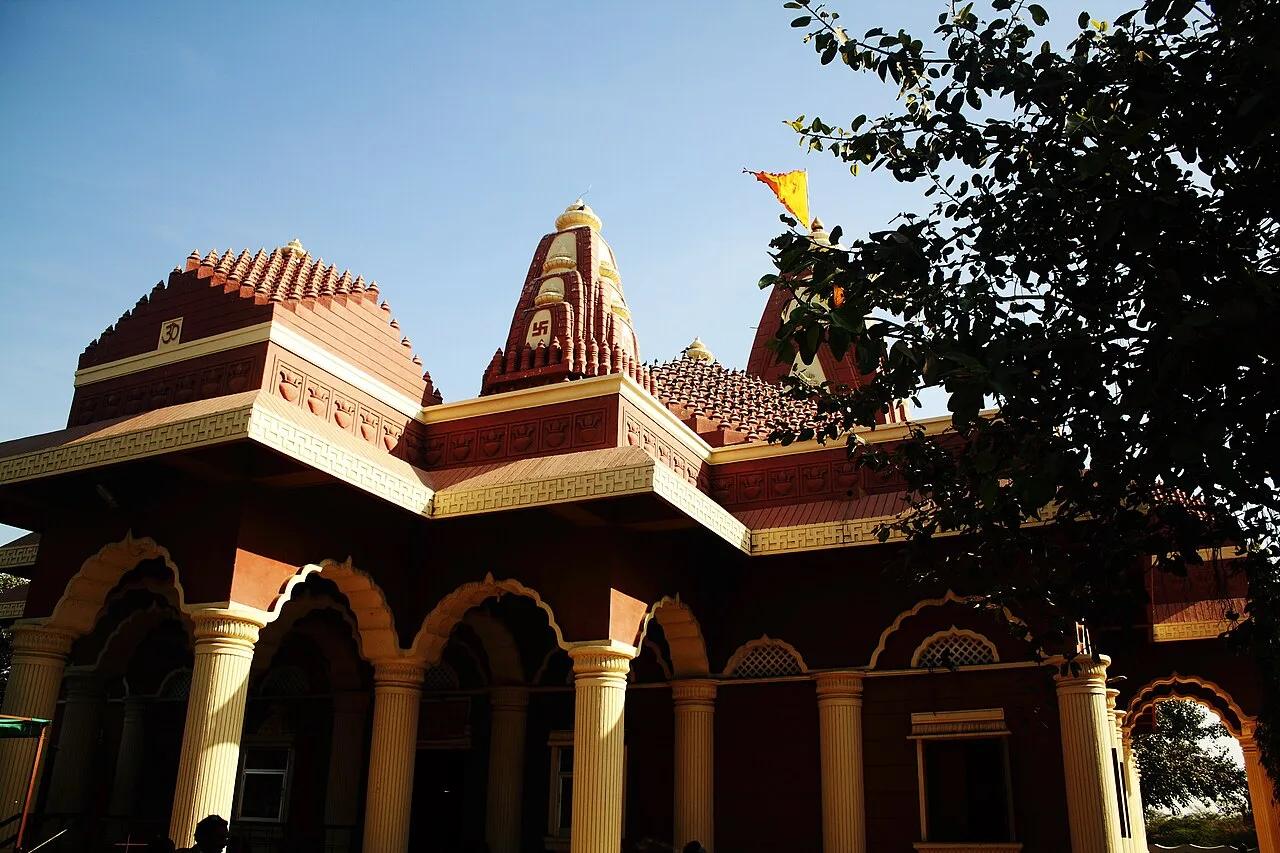
Nageshwar Jyotirlinga, near Mithapur

City guide · Gujarat

Mithapur

Mithapur is a coastal industrial town in Devbhumi Dwarka district, about 20 kilometres from Dwarka. Its importance comes chiefly from Tata Chemicals’ salt and soda ash operations, which shaped both local employment and the town’s planned layout.

Famous for

  • Tata Chemicals township
  • Salt and soda ash
  • Okhamandal coastal setting
  • Township gardens and lakes
In the city
1
District
Devbhoomi Dwarka

Why Mithapur matters

Mithapur is a coastal industrial town in Devbhumi Dwarka district, about 20 kilometres from Dwarka. Its importance comes chiefly from Tata Chemicals’ salt and soda ash operations, which shaped both local employment and the town’s planned layout. Unlike a typical pilgrimage or resort destination, Mithapur is best understood as a working industrial township set within the historic Okhamandal region.

The town’s appeal for visitors lies in this distinctive combination of industry, community life and coastal scenery. A central square connects the township’s streets, while parks, gardens, a local market and a stretch of beach give the settlement a green, lived-in character. Lakes on the outskirts can attract migratory birds during winter. Mithapur also serves as a local service centre, with schools and healthcare facilities used by residents of nearby villages. Visitors should keep in mind that industrial sites are workplaces, not automatically open attractions; the town’s public spaces and surrounding landscape are its more accessible points of interest.

Famous for: crafts, trade & products

Mithapur is best known for salt and soda ash production, rather than for a recognised textile, handicraft or GI-tagged product. Tata Chemicals’ operations are central to the town’s identity and economy. The industrial facilities are not ordinary retail destinations, and access may be restricted, so visitors should not assume that plant tours or factory purchases are available.

For everyday shopping, the town market has shops serving residents and workers, with general household goods and daily necessities. It is a practical place to experience local commerce, but Mithapur is not widely known as a specialist craft or souvenir market. There is no established local tradition of a particular saree, artisan product or food item for which shoppers should make a special trip. The township’s schools, hospital, parks and community facilities are also important local institutions, though they primarily serve residents. For regionally made crafts or a broader range of Gujarati goods, visitors may find more choice in larger towns; in Mithapur, the clearest expression of its economic character is its chemical industry and the planned community built around it.

History

Mithapur’s modern development began in 1939, when the Tatas took over the Okha Salt Works. The town lies in Okhamandal, a region with a long history of settlement and past kingdoms. The land for the industrial development was acquired in the 1930s from the former princely state of Baroda, during the period when the region was part of princely India under British paramountcy.

As salt production expanded, Mithapur grew into a centre for Tata Chemicals’ coastal operations, including soda ash. The company developed a planned township for employees and their families, alongside facilities used by the wider local community. In the 1960s, architect Muzaffar Ahmed Yahya helped shape its layout, including the arrangement of streets around a central square. The township’s schools, hospital, market and public spaces grew with the industrial settlement. Today, Mithapur remains closely associated with Tata Chemicals, while also functioning as a residential and service centre for nearby villages.

Food, festivals & culture

Mithapur’s community includes Hindu, Muslim and Christian residents, and temples, Sunni mosques and a church reflect that mix. Religious and community life is shaped by the wider customs of Gujarat as well as by the town’s close-knit township setting. Gujarati is the principal regional language; Hindi is also commonly useful to visitors, and English may be understood in some workplaces and institutions.

There is no widely recognised Mithapur-specific cuisine or food festival. Visitors can expect familiar Gujarati home-style meals and snacks, though menus vary by household and shop. Navratri, usually in autumn, brings devotional music and garba dancing across Gujarat. Diwali is also celebrated in autumn, while Janmashtami falls during the monsoon season. Muslim residents observe Eid festivals according to the Islamic calendar, and Christians mark Christmas in December. Celebrations are community occasions rather than scheduled tourist events, so visitors should follow local guidance and be respectful at places of worship.

Visiting the city

The cooler months from November to February are generally the most comfortable time to visit; summers can be hot, and the monsoon brings humid, changeable weather. Porbandar Airport is generally the closer airport geographically, while Jamnagar Airport is another option; check current flight connections before planning. Mithapur has a local railway station, and Okha and Dwarka are alternative railheads for the area.

Local travel is best arranged by taxi or other private transport, especially for reaching the coast and nearby villages. Within town, explore the central square, market and public gardens, then visit the beach and lakes on the outskirts where access is permitted. These are working and residential spaces, so respect local privacy and posted restrictions. Industrial facilities are not public attractions unless access has been formally arranged.

Attractions

Places to visit in Mithapur

Sights within about 12 km of each other, even when they fall in different districts.

Map

Mithapur on the map

  1. 1Nageshwar Jyotirlinga

Gujarat

Other cities to explore