Ghumoopedia — Explore, Discover, Experience
Sign in
Lakshmi Vilas Palace, near Amod

City guide · Gujarat

Amod

Amod is a town in Bharuch district and the administrative headquarters of its taluka. Its importance today is regional: it serves local communities with everyday services and connects settlements in this part of Gujarat to Bharuch and Jambusar.

Famous for

  • Dandi Heritage Route
  • Dhadhar River setting
  • Bharuch taluka headquarters
  • Historic Thakur estate
Plan a tripHotels near Amod

Why Amod matters

Amod is a town in Bharuch district and the administrative headquarters of its taluka. Its importance today is regional: it serves local communities with everyday services and connects settlements in this part of Gujarat to Bharuch and Jambusar. The town lies on National Highway 228, the Dandi Heritage Route, making it a useful stop for travellers following the historic road across the state.

Amod is also close to the Dhadhar River, which helps define its rural surroundings. It is not widely known as a major monument or shopping destination; visitors are more likely to appreciate it as a working small town and a glimpse of life away from Gujarat’s larger urban centres. Its historical interest includes the former Thakur estate and the town’s municipal history. For a visit, the appeal is in the road journey, the local setting and the chance to explore the Bharuch–Jambusar countryside rather than a long list of established tourist attractions.
Famous for: crafts, trade & products

Visitors should not expect a specialist shopping district or a craft market comparable to those in Gujarat’s larger cities. The town’s role is chiefly local and administrative, serving residents and nearby villages rather than attracting shoppers from across the region.

For everyday purchases, look to the shops and small markets around the town centre. These are practical places to find routine household goods and locally available food items, though stock and selection vary. Travellers seeking a broader choice of textiles, handicrafts or regional products can explore larger commercial centres such as Bharuch. Amod’s most distinctive point of interest is its setting on the NH 228 Dandi Heritage Route, not a named product or industry. If you are interested in local specialties, ask shopkeepers about seasonal produce and goods from nearby villages; availability is likely to be more useful than looking for a formally branded Amod product.

History

Amod’s history is tied to local landholding and administration in the Bharuch region. At the beginning of the twentieth century, it was the seat of a Thakur who controlled a substantial estate. The estate’s income was considerably greater than that of the town’s civic body, reflecting the importance of landed authority in local life at the time. Maharaja Naharsinhji is also associated with the town’s historical record.

Amod municipality was established in 1890, during the period of British rule in India. This marks an important step in the development of formal civic administration alongside the older estate system. In later decades, Amod continued as a local service centre rather than a large industrial city. Today it is the headquarters of Amod taluka in Bharuch district, and its position on the Bharuch–Jambusar road supports its continuing role as a connector for nearby settlements.

Food, festivals & culture

Gujarati is the principal language of everyday life in Amod; Hindi is also useful for visitors. Local food follows the broader Gujarati pattern, with vegetarian meals, breads, lentils, seasonal vegetables and snacks commonly found in the region. Sweets and savoury items vary by shop and season, so it is best to ask locally for fresh or locally made choices rather than expect a dish unique to Amod.

Diwali, usually in autumn, Navratri, generally in the autumn, and Uttarayan, in January, are among the major festivals celebrated across Gujarat and observed in towns such as Amod. Holi is also part of the annual calendar. Garba is a familiar form of festive music and dance during Navratri. Neighbourhood places of worship provide settings for daily observance and festival gatherings; visitors should follow local customs, dress respectfully and ask before taking photographs. The town’s cultural character is best experienced through its everyday markets, community events and religious celebrations.

Visiting the city

The cooler months, roughly November to February, are generally the most comfortable time to visit. Summer can be very hot, while monsoon brings rain that may affect road journeys. Vadodara Airport is a practical nearby airport for reaching Amod; Bharuch Junction is the main railway station commonly used for onward travel. From either, continue by road, checking current connections before setting out.

National Highway 228 passes through Amod and links it with Bharuch and Jambusar. Local travel is generally by auto-rickshaw or hired vehicle, with services varying by time and demand. Explore the town centre for everyday shops and local activity, then follow the highway or nearby rural roads for views of the countryside and the Dhadhar River surroundings. Amod is best treated as a short stop or a base for local travel, rather than a destination with a large visitor district.

Trips from the city

Nearest places to visit from Amod

Our closest destination guides, by straight-line distance.

Lakshmi Vilas Palace

47 km away · Vadodara district

Lakshmi Vilas Palace

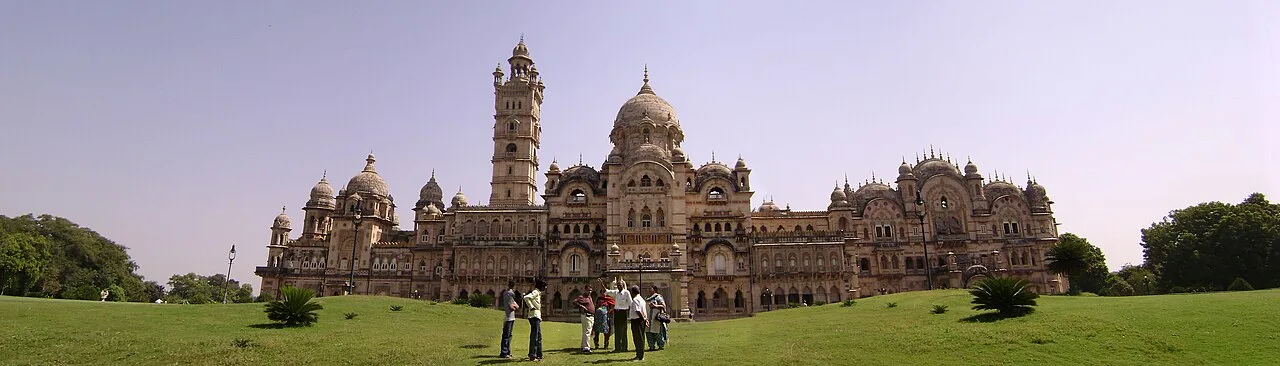
Lakshmi Vilas Palace is a former Gaekwad royal residence in Vadodara, known for its Indo-Saracenic architecture and extensive grounds. People visit to see the palace, its museum and links to the dynasty.

Sayaji Baug

48 km away · Vadodara district

Sayaji Baug

Sayaji Baug, also called Kamati Baug, is a garden in Vadodara, Gujarat, established by Maharaja Sayajirao Gaekwad and visited for recreation and tourism.

Pavagadh

84 km away · Panchmahal district

Pavagadh

Pavagadh is a municipal area in Gujarat’s Panchmahal district, about 46 kilometres from Vadodara. Visitors come to see its Mahakali temple and the Champaner-Pavagadh Archaeological Park, a UNESCO World Heritage Site.

Blackbuck National Park

85 km away · Bhavnagar district

Blackbuck National Park

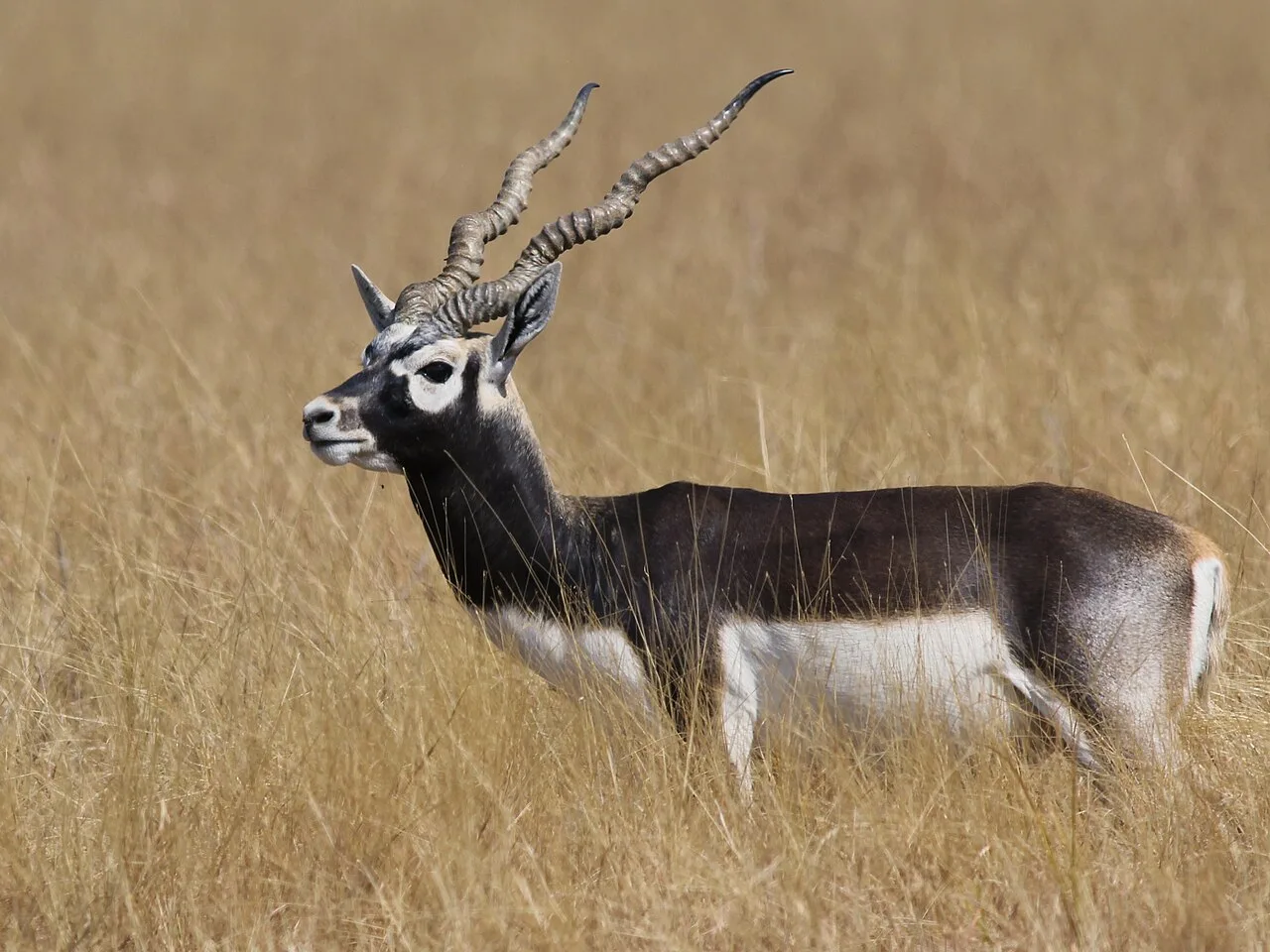
Blackbuck National Park is a protected area in Bhavnagar district, Gujarat, valued for its blackbuck and conservation efforts involving wolves and the lesser florican.

Champaner-Pavagadh Archaeological Park

87 km away · Panchmahal district

Champaner-Pavagadh Archaeological Park

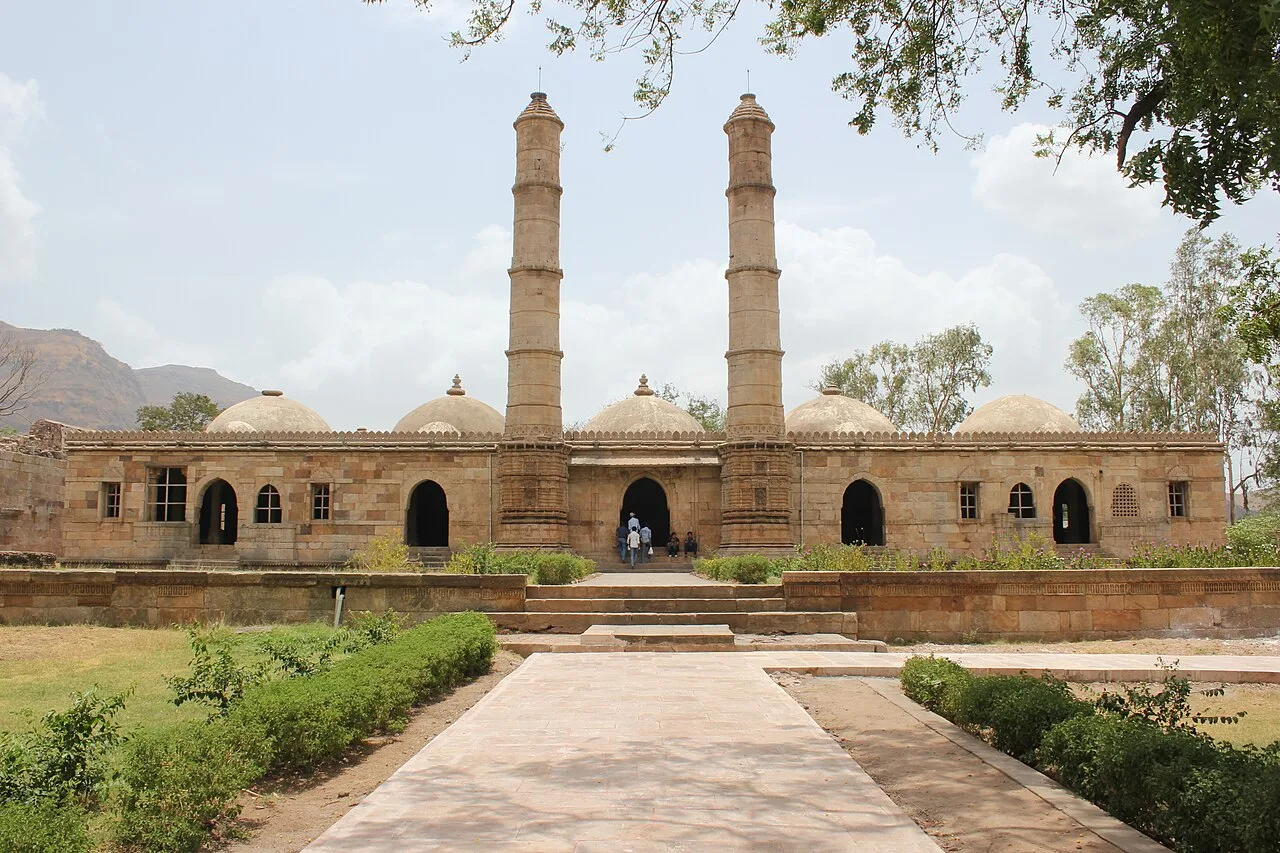
This archaeological park in Gujarat’s Panchmahal district preserves Champaner, Pavagadh’s hill fortress and monuments from several periods. Visitors explore its historic architecture and visit the Kalika Mata Temple.

Lothal

87 km away · Ahmedabad district

Lothal

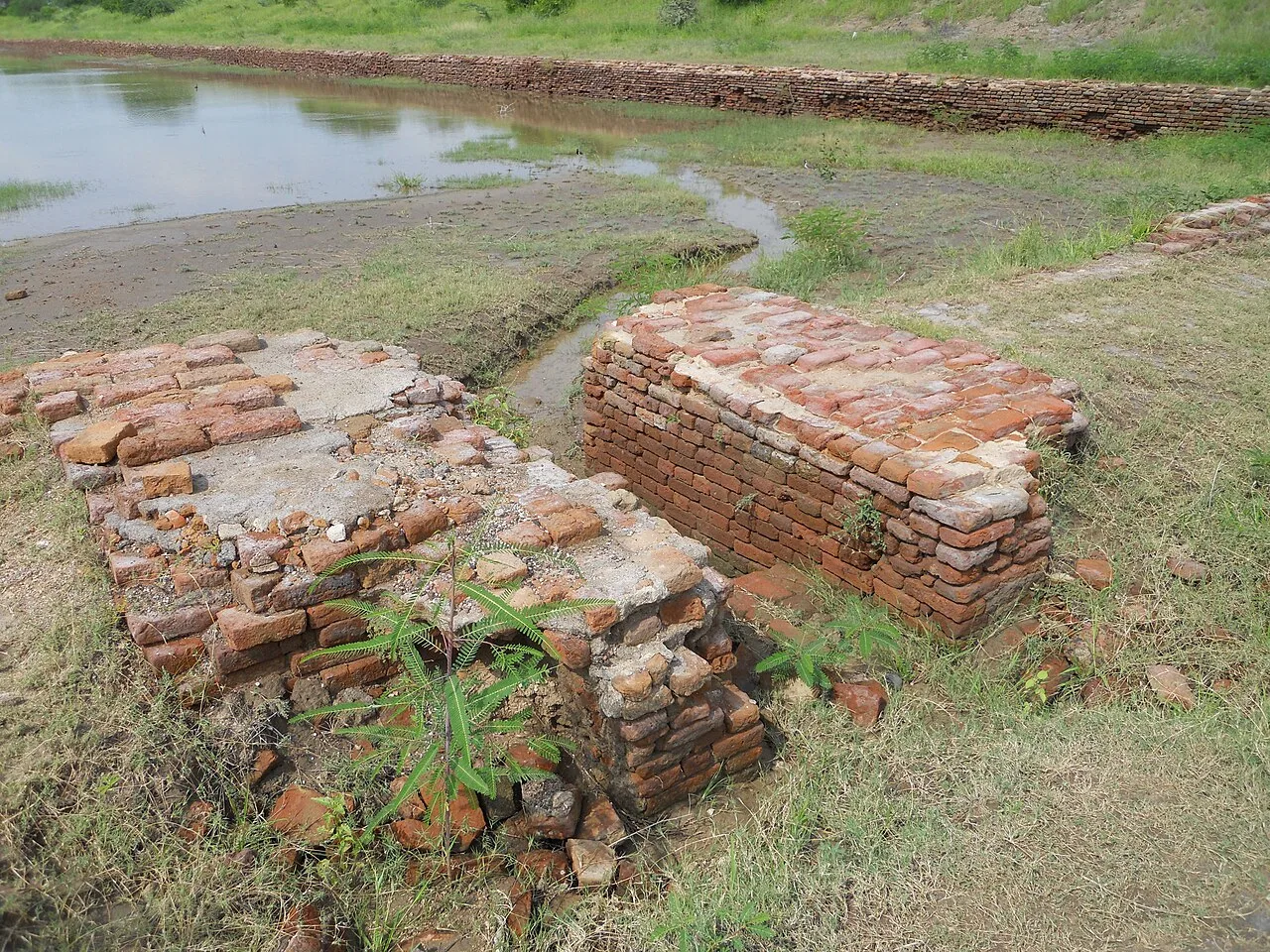
Lothal is a settlement of the ancient Indus Valley Civilisation in Gujarat. Visitors come to learn about its place among the civilisation’s southernmost sites and its early history.

Dakor

89 km away · Kheda district

Dakor

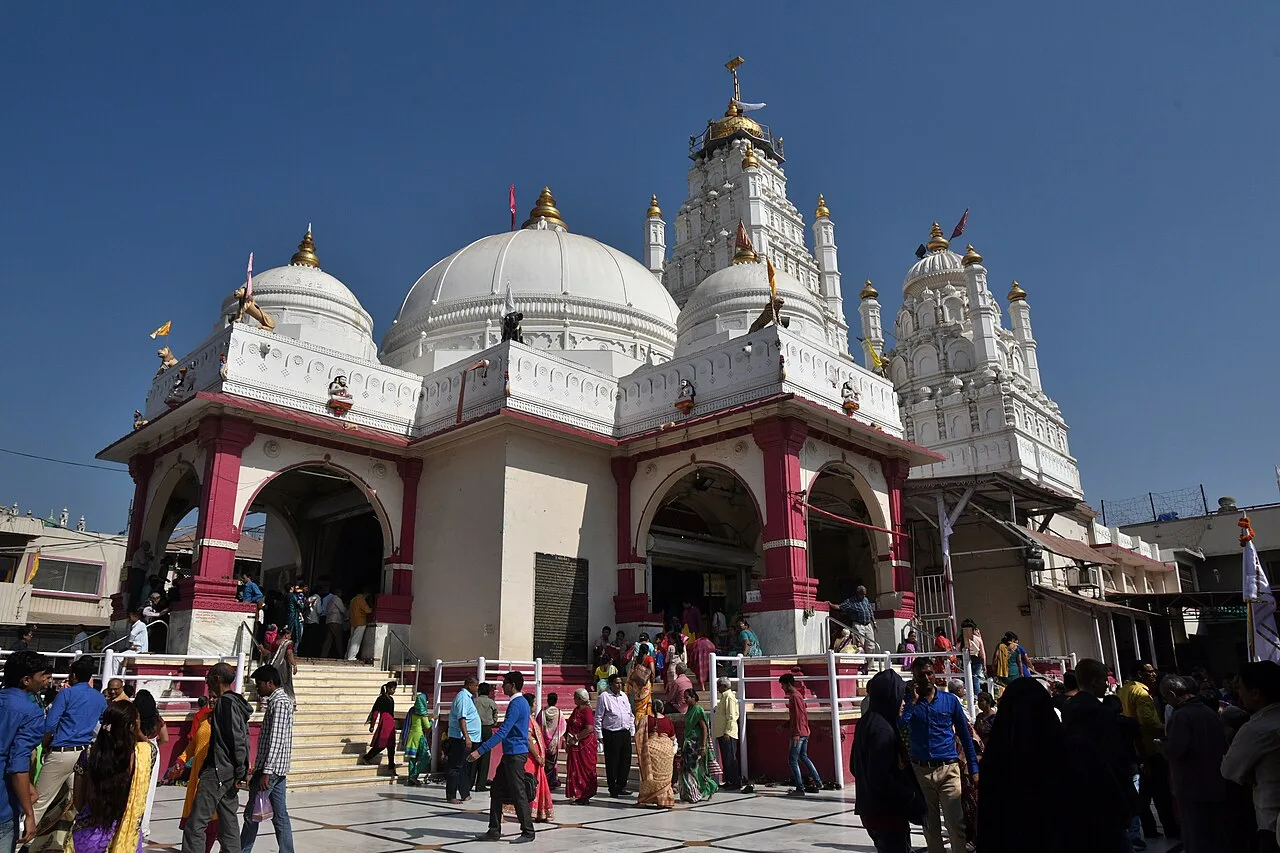
Dakor is a small city and municipality in Gujarat’s Kheda district, known for the temple of Raṇchoḍrāyjī, which draws people to the town.

Statue of Unity

89 km away · Narmada district

Statue of Unity

The Statue of Unity is a 182-metre tribute to Sardar Patel in Gujarat’s Narmada valley. Visitors come to see the world’s tallest statue and its commemoration of Patel’s role in India’s political integration.

Map

Amod on the map

  1. 1Lakshmi Vilas Palace
  2. 2Sayaji Baug
  3. 3Pavagadh
  4. 4Blackbuck National Park
  5. 5Champaner-Pavagadh Archaeological Park
  6. 6Lothal
  7. 7Dakor
  8. 8Statue of Unity

Gujarat

Other cities to explore