Ghumoopedia — Explore, Discover, Experience
Sign in
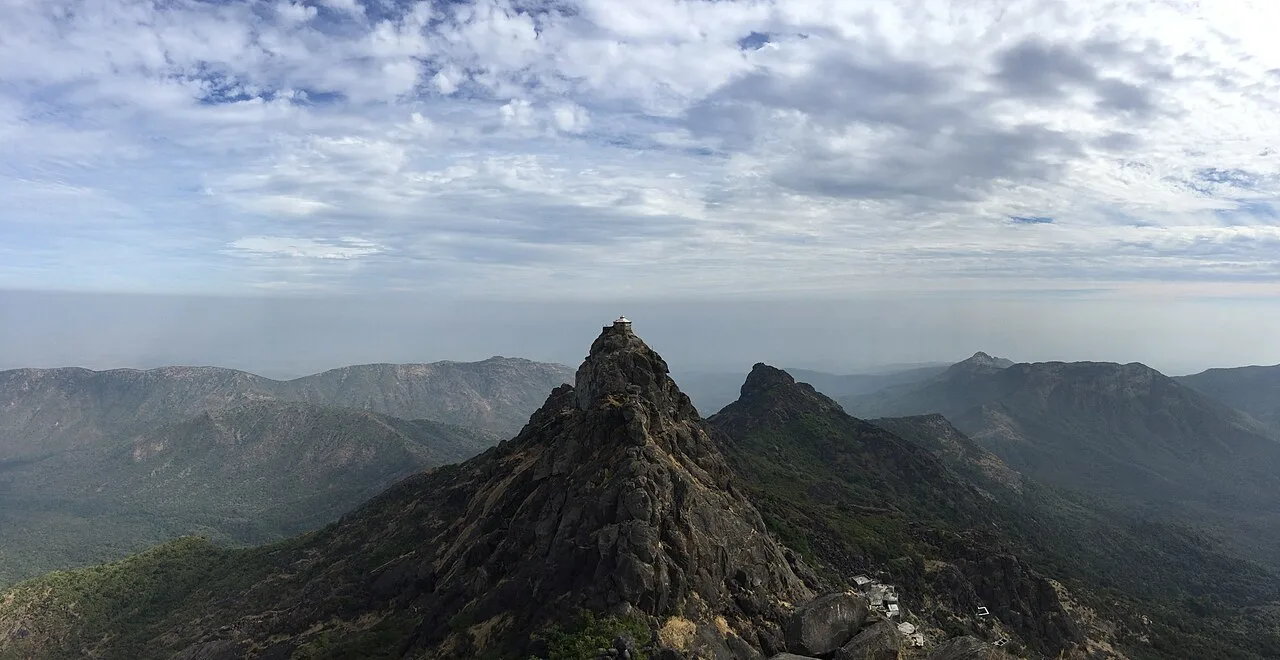
Girnar Hill, near Junagadh

City guide · Gujarat

Junagadh

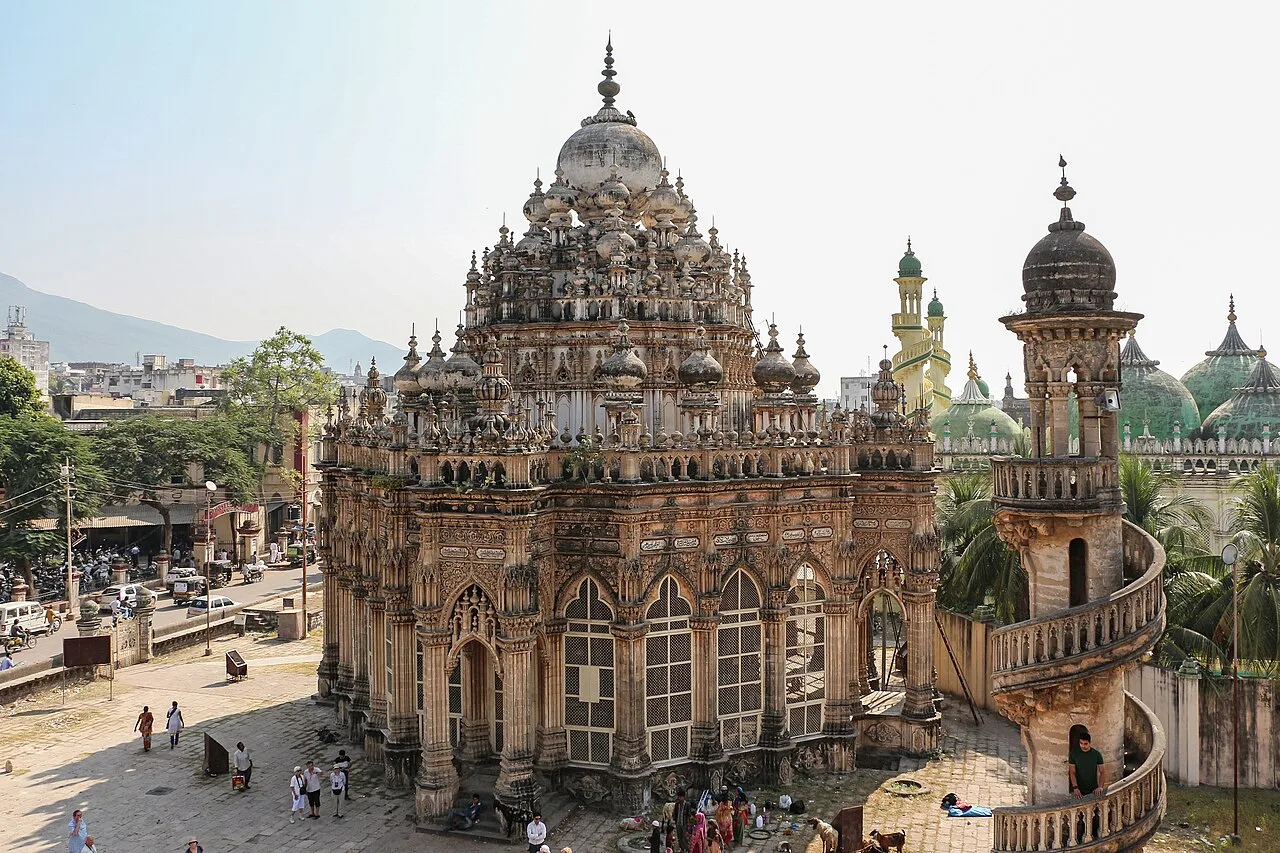
At the foot of the Girnar hills in Saurashtra, Junagadh is a regional centre for administration, education, agriculture and trade. Its long history is visible in Uparkot Fort, ancient rock-cut caves and the nearby Ashoka rock edicts, while the striking Mahabat Maqbara reflects a later princely era.

Famous for

  • Girnar hill pilgrimage
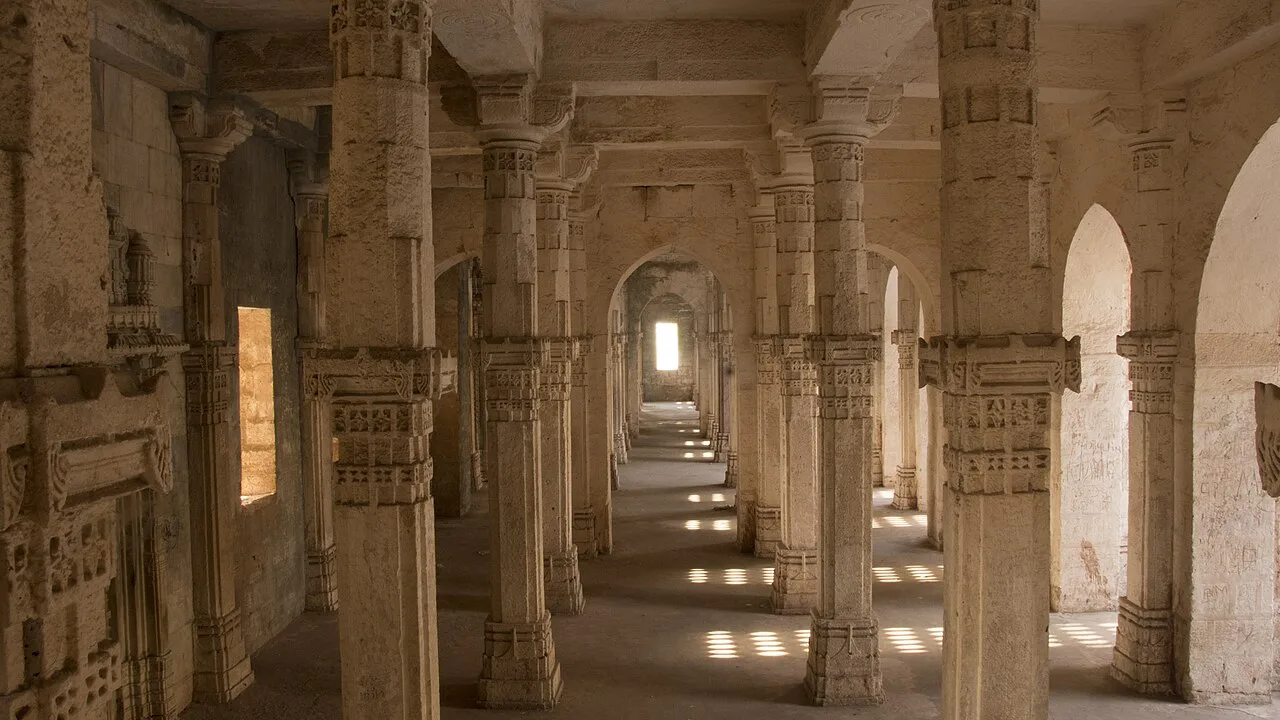
  • Uparkot Fort
  • Ashoka’s rock edicts
  • Gir Kesar mangoes
  • Bhavnath Shivratri fair
  • Mahabat Maqbara
In the city
4
District
Junagadh

Why Junagadh matters

At the foot of the Girnar hills in Saurashtra, Junagadh is a regional centre for administration, education, agriculture and trade. Its long history is visible in Uparkot Fort, ancient rock-cut caves and the nearby Ashoka rock edicts, while the striking Mahabat Maqbara reflects a later princely era. These layers make the city an appealing stop for visitors interested in archaeology and architecture.

Girnar is also a major draw: pilgrims climb to Hindu and Jain shrines on the hill, and trekkers come for its paths and wide views. The annual Bhavnath fair brings a lively gathering to the foothills. Junagadh is a useful base for exploring Saurashtra and the wider Gir region, including its famous mango-growing belt. The city’s markets and Gujarati and Kathiawari food add to the experience. Its name is commonly understood as “old fort,” a fitting reference to the historic stronghold at the heart of town.
Famous for: crafts, trade & products

Junagadh’s best-known regional produce is Gir Kesar mango, a GI-tagged variety grown in the wider Gir-Saurashtra belt. During the mango season, local fruit shops and markets offer the fresh crop; outside the season, look for preserved mango products. Groundnuts, cotton and other farm produce are also important to the surrounding economy, and the city serves as a trading and processing centre for the agricultural hinterland.

There is no single signature textile or handicraft that defines Junagadh. Central bazaars are the practical places to browse everyday Gujarati clothing, household goods, snacks and seasonal produce. Bandhani garments and embroidered items from the wider Saurashtra and Gujarat tradition may be found among general textile shops, though they are not exclusive to the city. Junagadh Agricultural University is a prominent local institution, reflecting the importance of farming and agricultural research in the region. For a sense of local commerce, explore the busy shopping streets around the old city and ask vendors about produce in season.

History

Junagadh’s history centres on Uparkot, an old fort traditionally associated with the Mauryan period. Nearby, Ashoka’s rock edicts date to the third century BCE; later inscriptions and Buddhist caves record the area’s continuing importance. The Chudasama rulers made Junagadh a seat of power in Saurashtra. In 1472, Gujarat Sultan Mahmud Begada defeated the last Chudasama ruler and took the city, strengthening its fortifications. Mughal commanders later governed the region.

From the eighteenth century, Junagadh was ruled by the Babi nawabs as a princely state under British paramountcy. After the 1947 Partition, the state’s proposed accession to Pakistan was followed by political upheaval and its integration into India in 1948. Junagadh became part of Gujarat when the state was formed in 1960. Today it remains an administrative and agricultural centre, with its historic monuments and Girnar pilgrimage routes central to its identity.

Food, festivals & culture

Gujarati is the main language, and Kathiawari speech is common; Hindi is also understood. Local meals draw on Saurashtra’s hearty cooking: bajra rotla, eggplant-based ringan no olo, spicy potatoes, kadhi and khichdi are familiar choices. Gujarati snacks and sweets are readily available in markets and eateries, with offerings varying by season.

Navratri, usually in autumn, is celebrated with garba and community gatherings, while Diwali and Janmashtami are widely observed. The Bhavnath Mahadev temple fair at the foot of Girnar takes place around Maha Shivratri, usually in February or March, drawing pilgrims and ascetics. The Girnar parikrama, commonly held during the cooler post-monsoon season, is another major religious gathering. Junagadh’s places of worship reflect its layered traditions: Hindu shrines and Jain temples on Girnar, Bhavnath Mahadev near the foothills, and historic mosques in the city. Folk music, devotional singing and garba are part of the region’s cultural life.

Visiting the city

The most comfortable months to visit are generally October to March, when conditions are cooler for walking and climbing Girnar. Summers can be very hot, and the monsoon brings rain to the hill paths. Keshod Airport is the nearest airport; travellers may also consider Rajkot International Airport for broader connections. Junagadh Junction is the city’s main railway station.

Auto-rickshaws, taxis and local buses serve the city; arrange a vehicle for trips beyond the centre. Explore Uparkot and the old city for fortifications, caves and historic streets, then visit the Ashoka edicts on the city’s outskirts and Mahabat Maqbara. The Bhavnath area and Girnar foothills are a good base for temple visits and hill walks. Check local conditions before setting out on longer climbs.

Attractions

Places to visit in Junagadh

Sights within about 12 km of each other, even when they fall in different districts.

Map

Junagadh on the map

  1. 1Girnar Hill
  2. 2Mahabat Maqbara complex
  3. 3Sakkarbaug Zoological Garden
  4. 4Uparkot Fort

Gujarat

Other cities to explore