
Ghumoopedia — Explore, Discover, Experience
Sign in
Saputara, near Saputara

City guide · Gujarat

Saputara

Saputara is a hill station in Gujarat’s Dang district, within the Sahyadris, also called the Western Ghats. People visit it as a recognised tourist destination.

Famous for

  • Western Ghats hill scenery
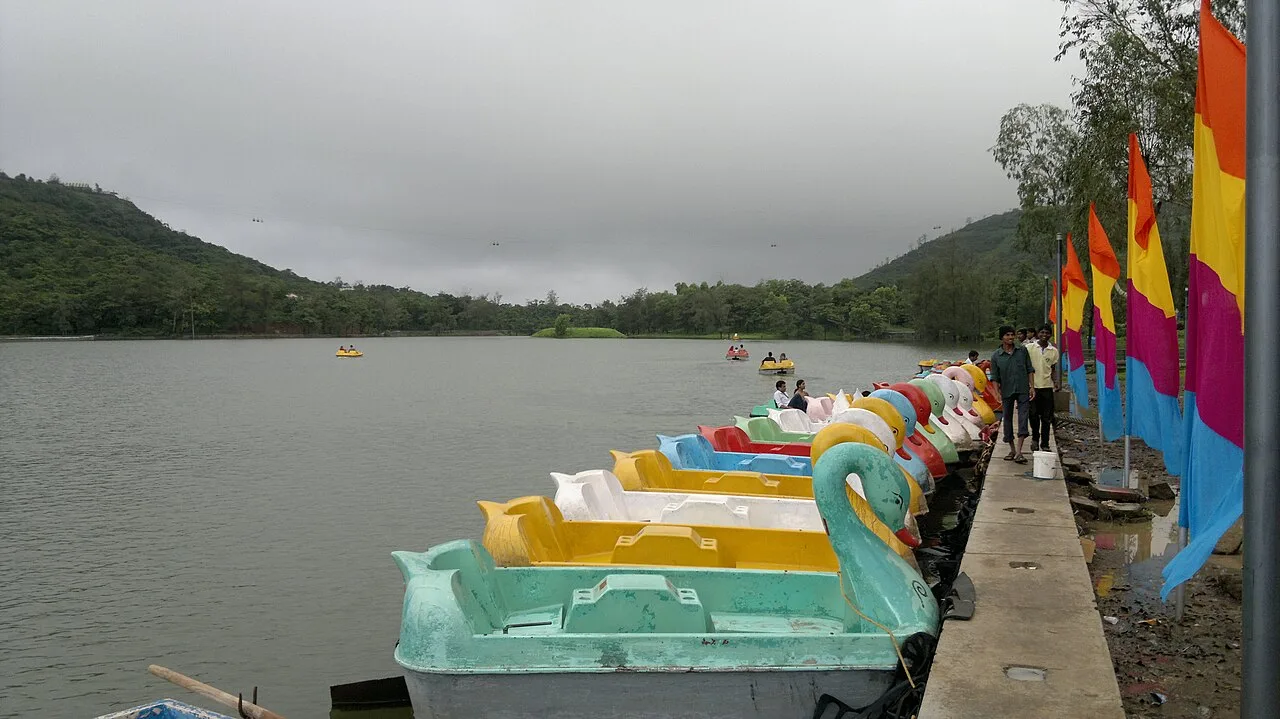
  • Saputara Lake
  • Sunset and Sunrise Points
  • Dang tribal culture
  • Hathgadh Fort
In the city
1
District
Dang

Why Saputara matters

Saputara is Gujarat’s best-known hill station, set in the Sahyadri range of the Western Ghats in Dang district. Its cooler upland setting makes it a popular retreat from the plains, especially for visitors from southern Gujarat and neighbouring Maharashtra. Forested slopes, viewpoints and a lakeside centre give the small town a character distinct from Gujarat’s larger commercial cities.

Visitors come to paddle or walk beside Saputara Lake, watch the changing light from Sunset Point and Sunrise Point, and explore Echo Point and the Saputara Tribal Museum. Hathgadh Fort and the forests around the town make worthwhile excursions, while Vansda National Park lies farther afield. Saputara also provides an introduction to the landscapes and living cultures of the Dang region. It is primarily a leisure and nature destination rather than a manufacturing or major trading centre; its importance rests on tourism, its position in the hills and its role as a gateway to nearby sights.

Famous for: crafts, trade & products

Saputara is not a major textile, saree or industrial centre, and no particular GI-tagged product defines the town. Its distinctive local identity is more closely connected with the craft traditions of Dang’s Adivasi communities. Visitors may encounter bamboo and other locally made craftwork, decorative objects and souvenirs in shops around the lake and town centre. Availability and styles vary, so the Saputara Tribal Museum is a useful place to learn about the region’s material culture rather than a retail market.

The museum presents aspects of tribal life, including traditional objects and arts, and helps put local crafts in context. Small shops and seasonal stalls are the most convenient places to look for souvenirs; buyers can ask about the maker and materials, and favour items made locally. Saputara’s shops mainly serve visitors with crafts, snacks and everyday travel needs, rather than functioning as a wholesale bazaar. For a wider selection of goods, travellers generally look to larger towns in the region. The area’s strongest draw remains its scenery and cultural setting, not a signature export or a nationally recognised commercial product.

History

Saputara lies in the Dang region, a forested upland historically associated with Adivasi communities and local chiefs. The Dangs’ political history differs from that of many large Gujarati cities: authority was traditionally dispersed among chiefly territories, and relations with outside powers, including the British, were shaped by the region’s forests and local leadership. The Dang Darbar, held in the region around the Holi season, preserves a public association with these chiefly traditions.

The present town is a modern hill resort rather than an old royal capital or colonial cantonment. After Gujarat became a separate state in 1960, tourism development helped establish Saputara as the state’s principal hill-station destination. Roads, visitor facilities and attractions around the lake and viewpoints expanded its appeal to travellers from Gujarat and nearby Maharashtra. The surrounding landscape has also drawn attention to conservation and tribal heritage. Today, Saputara’s growth is chiefly linked to tourism, while the broader Dang district retains a rural and forest-based character.

Food, festivals & culture

Saputara’s food reflects both Gujarati hospitality and the traditions of the surrounding Dang region. Restaurants commonly serve familiar Gujarati meals and snacks, while local diets may include grains such as maize and millet, pulses and seasonal produce. The town is not especially known for a single signature sweet or dish, and menus can vary with the season and visitor demand.

Gujarati and Dangi are heard locally, with Marathi also used because of the town’s proximity to Maharashtra. Dangi community music and group dances are part of the region’s cultural life, and performances may be featured at community gatherings or tourism events. Holi and Diwali are widely observed; the Dang Darbar, held around the Holi period, is an important regional gathering associated with the area’s chiefly history. Navratri is also celebrated in the wider Gujarati tradition. Visitors will find temples and local places of worship in and around town, alongside Indigenous customs that are closely tied to community and landscape.

Visiting the city

October to February is generally a comfortable season to visit, with winter temperatures that can fall to around 8°C and daytime highs reaching about 28°C. The monsoon brings lush scenery but also rain and cloud that may affect views. Nashik Airport at Ozar is a nearby air option, though services are limited; Surat Airport is another gateway. Bilimora is a commonly used mainline railway station for onward road travel, while Waghai is closer but has more limited rail connections.

Taxis and hired vehicles are practical for reaching viewpoints and nearby sights; the lakefront and town centre are easy to explore on foot. Set aside time for the lake, the museum and the sunrise and sunset viewpoints. Hathgadh Fort makes a longer outing, and Vansda National Park is a farther excursion.

Attractions

Places to visit in Saputara

Sights within about 12 km of each other, even when they fall in different districts.

Map

Saputara on the map

  1. 1Saputara

Gujarat

Other cities to explore