
Ghumoopedia — Explore, Discover, Experience
Sign in
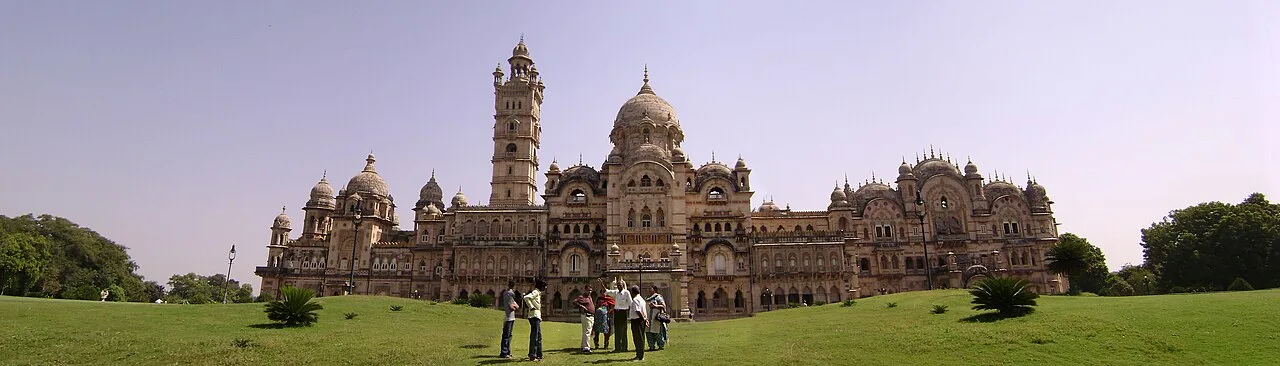
Lakshmi Vilas Palace, near Vadodara

City guide · Gujarat

Vadodara

Vadodara, also called Baroda, is a major city in central Gujarat and the administrative headquarters of Vadodara district. Its location between the Mahi and Narmada river regions has helped make it an important centre for commerce, industry and education.

Famous for

  • Laxmi Vilas Palace
  • Gaekwad royal heritage
  • Maharaja Sayajirao University
  • Sev usal
  • Sankheda lacquer furniture
In the city
2
District
Vadodara

Why Vadodara matters

Vadodara, also called Baroda, is a major city in central Gujarat and the administrative headquarters of Vadodara district. Its location between the Mahi and Narmada river regions has helped make it an important centre for commerce, industry and education. The city’s identity is closely tied to the Gaekwad dynasty, whose former residence, Laxmi Vilas Palace, remains one of Gujarat’s most striking landmarks. The Maharaja Sayajirao University of Baroda also gives the city a strong academic and artistic presence.

Visitors come for the palace and its collections, the galleries and gardens around the city, and the lively lanes of the old centre. Vadodara is often called a cultural city, with a visible tradition of music, visual arts and festive Garba. Its food scene, especially the much-loved sev usal, adds another reason to linger. Alongside its heritage, the city is a base for exploring central Gujarat and a busy modern hub with manufacturing, services and educational institutions.
Famous for: crafts, trade & products

Vadodara is associated with Gujarati textiles, embroidered garments, jewellery and everyday handicrafts. In the old city, markets around Mandvi, Lehripura and Raopura offer a traditional shopping experience, with fabric shops, household goods, ornaments and seasonal festival wares. The range varies by shop, so visitors looking for a particular regional weave or craft should check its origin rather than assume it was made in the city.

A distinctive craft from the wider district is Sankheda lacquered wooden furniture, known for its glossy finish and painted decoration. Sankheda furniture has a Geographical Indication, and craft outlets and specialist retailers in Vadodara can be places to enquire about it. The city and its surrounding industrial areas are also known for engineering, chemicals, petrochemicals, pharmaceuticals and related manufacturing. Makarpura and Nandesari are among the established industrial areas, while the city’s universities and cultural institutions support design, fine arts and performing arts. For local food products and snacks, traditional sweet shops and snack sellers in the old city and busy commercial neighbourhoods are good places to browse.

History

The Vadodara region has evidence of early settlement, including prehistoric finds at Akota. In the first millennium CE, Akota was a trading centre, and the area later became significant for Jain communities. An early record of Vadodara appears in a ninth-century copper-plate grant. Over subsequent centuries, the settlement grew under regional dynasties and the Gujarat Sultanate; its name is traditionally linked to the banyan tree, or vad.

Maratha power reshaped the city in the eighteenth century, when the Gaekwad family established Baroda State. Under Gaekwad rule, Vadodara developed as a princely capital. Maharaja Sayajirao Gaekwad III, who ruled from the late nineteenth into the early twentieth century, supported education and civic development; the university that bears his name continues that legacy. During the colonial era, Baroda remained a princely state under British paramountcy. After India’s independence it joined the Indian Union, and the city’s official name became Vadodara in 1974. Modern growth has brought expanding industry, transport links and urban neighbourhoods.

Food, festivals & culture

Gujarati is the principal local language; Hindi and English are also widely used. Vadodara’s food culture includes Gujarati thalis, farsan and snacks such as khaman, fafda-jalebi and sev usal, a popular spicy dish often eaten with pav. Sweet shops sell regional mithai and seasonal treats, while cafés and restaurants reflect the city’s increasingly varied tastes.

Navratri, usually in September or October, is a major celebration, with Garba and Dandiya Raas drawing dancers to community grounds and venues across the city. Uttarayan, the January kite festival, and Diwali in autumn are also widely observed. Ganesh Chaturthi, Eid and Christmas add to the city’s festival calendar. Classical music, theatre, painting and dance have a strong presence, supported in part by Maharaja Sayajirao University’s arts programmes. Places of worship include temples, mosques, churches and the distinctive EME Temple, reflecting the city’s diverse communities.

Visiting the city

The cooler, drier months from October to February are generally the most comfortable for visiting. Summer can be very hot, while the monsoon, usually from June to September, brings humid weather and occasional heavy rain. Vadodara Airport, also known as Harni Airport, serves the city; Vadodara Junction is its main railway station.

Auto-rickshaws, city buses and app-based cabs are useful for getting around. The old city’s lanes around Mandvi and Lehripura are worth exploring for markets and historic streets. Laxmi Vilas Palace and Sayaji Baug are major stops, while Alkapuri and Fatehgunj have restaurants, shops and cafés. Akota offers another convenient base, with access to central attractions and the Vishwamitri river area.

Attractions

Places to visit in Vadodara

Sights within about 12 km of each other, even when they fall in different districts.

Map

Vadodara on the map

  1. 1Lakshmi Vilas Palace
  2. 2Sayaji Baug

Gujarat

Other cities to explore