
Ghumoopedia — Explore, Discover, Experience
Sign in
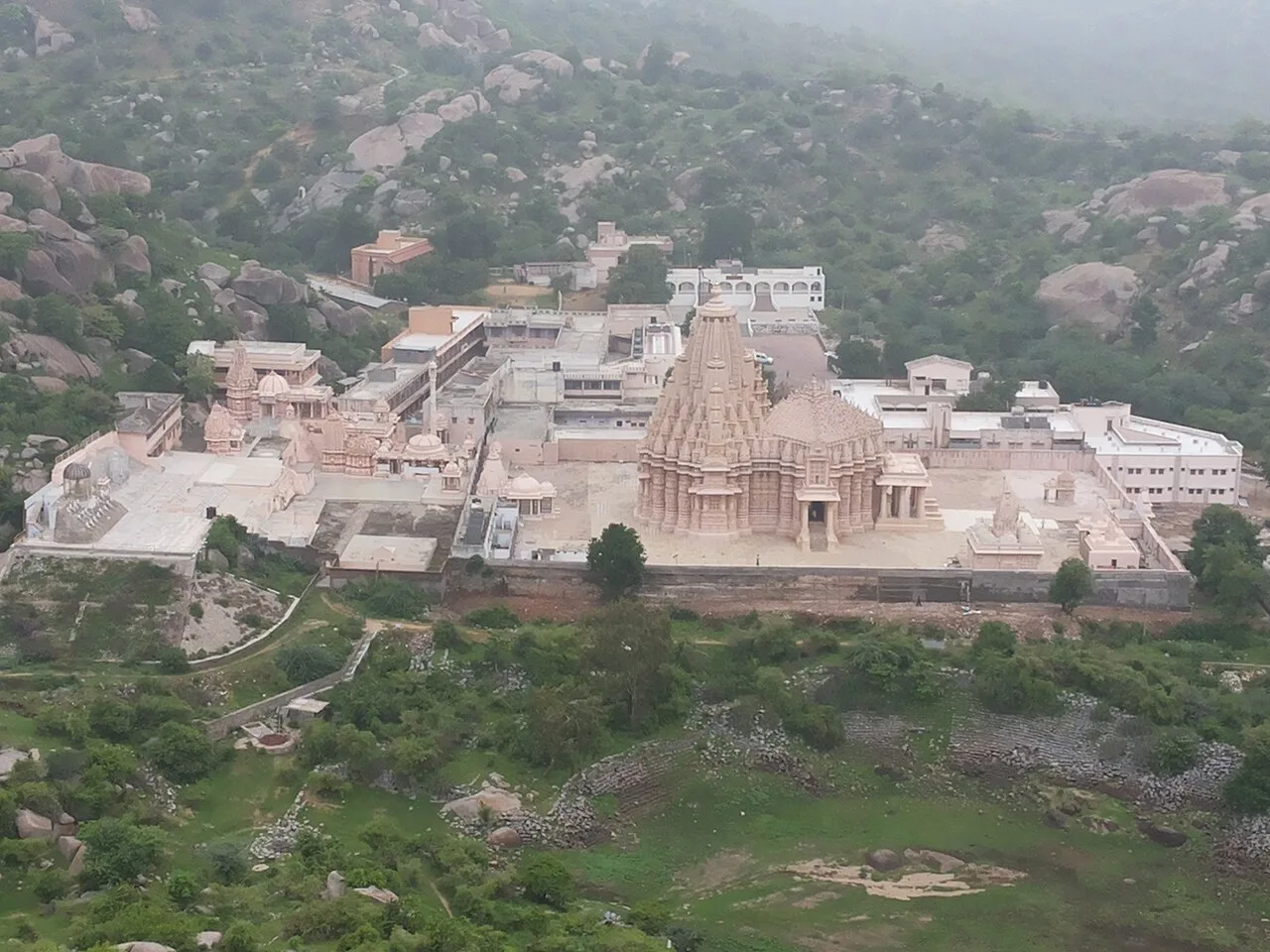
Taranga Jain Temples, near Kheralu

City guide · Gujarat

Kheralu

Kheralu is a small town in Mehsana district and the administrative centre of a taluka in north Gujarat. Its importance today is chiefly regional: it serves nearby villages with everyday shopping, public services and connections to the surrounding countryside.

Famous for

  • Taranga Jain temples
  • Rupen River
  • Humbada Jain heritage
  • Ancient bodhisattva sculpture
  • North Gujarat market town
In the city
0
Nearby
1
District
Mehsana
Plan a trip

Why Kheralu matters

Kheralu is a small town in Mehsana district and the administrative centre of a taluka in north Gujarat. Its importance today is chiefly regional: it serves nearby villages with everyday shopping, public services and connections to the surrounding countryside. For travellers, it offers a quieter base for exploring the area’s rural landscapes and the nearby hills of Taranga, associated with a prominent Jain temple complex.

The town’s heritage gives it significance beyond its present-day size. A bodhisattva sculpture discovered in Kheralu points to an early Buddhist presence, while the area was home to Humbada Jain communities in the 15th and 16th centuries. The Rupen River, which rises in the Taranga hills and flows towards the Little Rann of Kutch, is another defining feature of the wider taluka. Kheralu is not a major shopping or resort destination; its appeal lies in this combination of local-town life, religious heritage and access to the landscape of north Gujarat.

Famous for: crafts, trade & products

Kheralu is better known for its regional role and heritage than for a signature textile, handicraft or GI-tagged product. No widely recognised local saree, craft or manufactured speciality defines the town. Its everyday market serves Kheralu and surrounding villages, with the kinds of daily provisions, household goods, clothing and farm-related supplies commonly found in a small-town centre. Visitors looking for such essentials can explore the central commercial streets and local shops.

The area’s strongest visitor association is with Taranga and its Jain religious heritage, rather than with a dedicated craft market. Kheralu’s history also includes a Humbada Jain community in the 15th and 16th centuries, and the discovery of an early bodhisattva sculpture adds archaeological interest. These are cultural and historical associations, not products to shop for; the sculpture’s present display location should be checked locally before making a visit specifically to see it. For specialised textiles, artisan workshops or a broad choice of branded goods, travellers may find more options in larger regional centres such as Mehsana or Ahmedabad.

History

Kheralu’s past is indicated by archaeological and community evidence, although a detailed succession of local rulers is not well established in the town’s commonly known history. A bodhisattva sculpture discovered here dates to the 3rd or 4th century CE, suggesting that Buddhist imagery was present in the area in antiquity. In the 15th and 16th centuries, Kheralu was home to Humbada Jains, linking the town to the religious and commercial networks of medieval Gujarat.

North Gujarat later came under changing regional and princely administrations during the colonial period, but Kheralu is not especially associated with a major colonial event or a well-documented local ruling dynasty. Its more continuous story is that of a settlement serving the surrounding agricultural region. In modern Gujarat, Kheralu has developed as a town and taluka centre within Mehsana district, supporting local administration and everyday services. The Rupen River and the Taranga hills remain enduring geographical features of the wider area.

Food, festivals & culture

Gujarati is the main language of daily life in Kheralu; Hindi is also understood by many people. Food follows the familiar vegetarian traditions of north Gujarat. Local meals may include rotli or rotla, vegetable dishes, dal, rice and khichdi-kadhi, while farsan and sweets are commonly available from town eateries and sweet shops. These are regional favourites rather than dishes unique to Kheralu.

The Hindu festival calendar brings celebrations such as Navratri, usually in autumn, Diwali in autumn, Uttarayan in January and Holi in spring. Garba is widely associated with Navratri across Gujarat, while family gatherings and visits to places of worship shape many festival days. Jain religious heritage is an important part of the wider area’s history, with Taranga’s Jain temples drawing pilgrims and visitors. Local temples and community shrines are part of everyday town life. Folk performance traditions such as garba and bhavai belong to Gujarat’s broader cultural landscape, though schedules and performances in Kheralu vary.

Visiting the city

The cooler months from October to February are generally the most comfortable time to visit; summers can be very hot, while monsoon weather may affect journeys through the countryside. The nearest major airport is Sardar Vallabhbhai Patel International Airport in Ahmedabad. Kheralu has a railway station, while Mehsana Junction is a larger regional rail hub; check current connections before travelling. Road journeys from Mehsana and other north Gujarat towns are a practical way to reach Kheralu.

Within town, local taxis, auto-rickshaws and shared vehicles may be available, though arrangements are best confirmed on arrival. Explore the central market streets for everyday town life, and consider the surrounding villages and Taranga hills for regional scenery and religious heritage. The town is compact, but distances beyond its centre are easier to cover by road. Carry water and plan outdoor visits for the cooler parts of the day.

Short trips

Around Kheralu

Within about 40 km — easy half-day or day trips from the city.

Map

Kheralu on the map

  1. 1Taranga Jain Temples

Gujarat

Other cities to explore