
Ghumoopedia — Explore, Discover, Experience
Sign in
Bhuj, near Bhuj

City guide · Gujarat

Bhuj

Bhuj is a city and administrative centre in Gujarat’s Kutch district. Visitors interested in Kutch’s past may come to learn about its former role as the capital of Kutch State.

Famous for

  • Kutch embroidery
  • Ajrakh block printing
  • Rogan painting
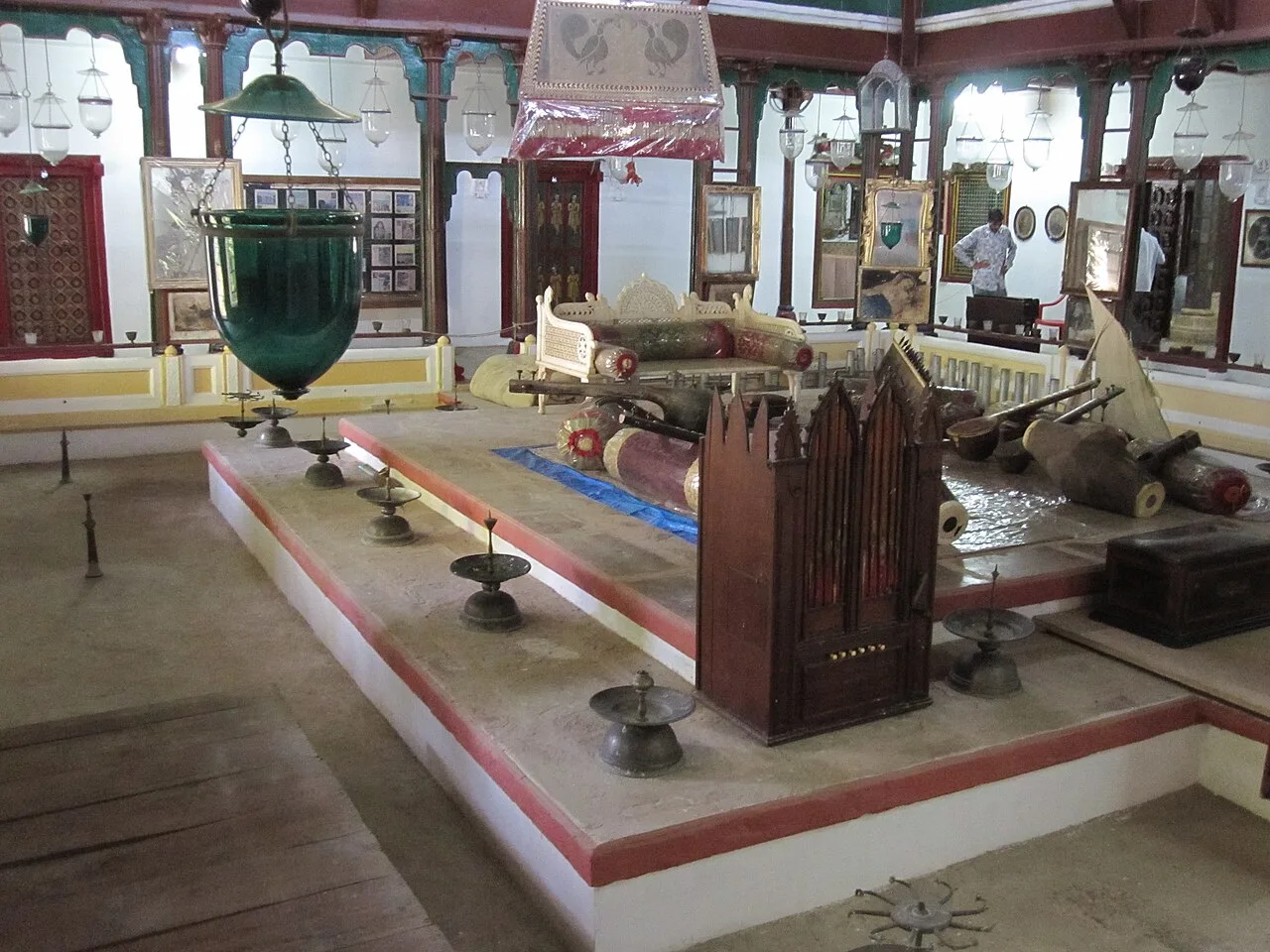
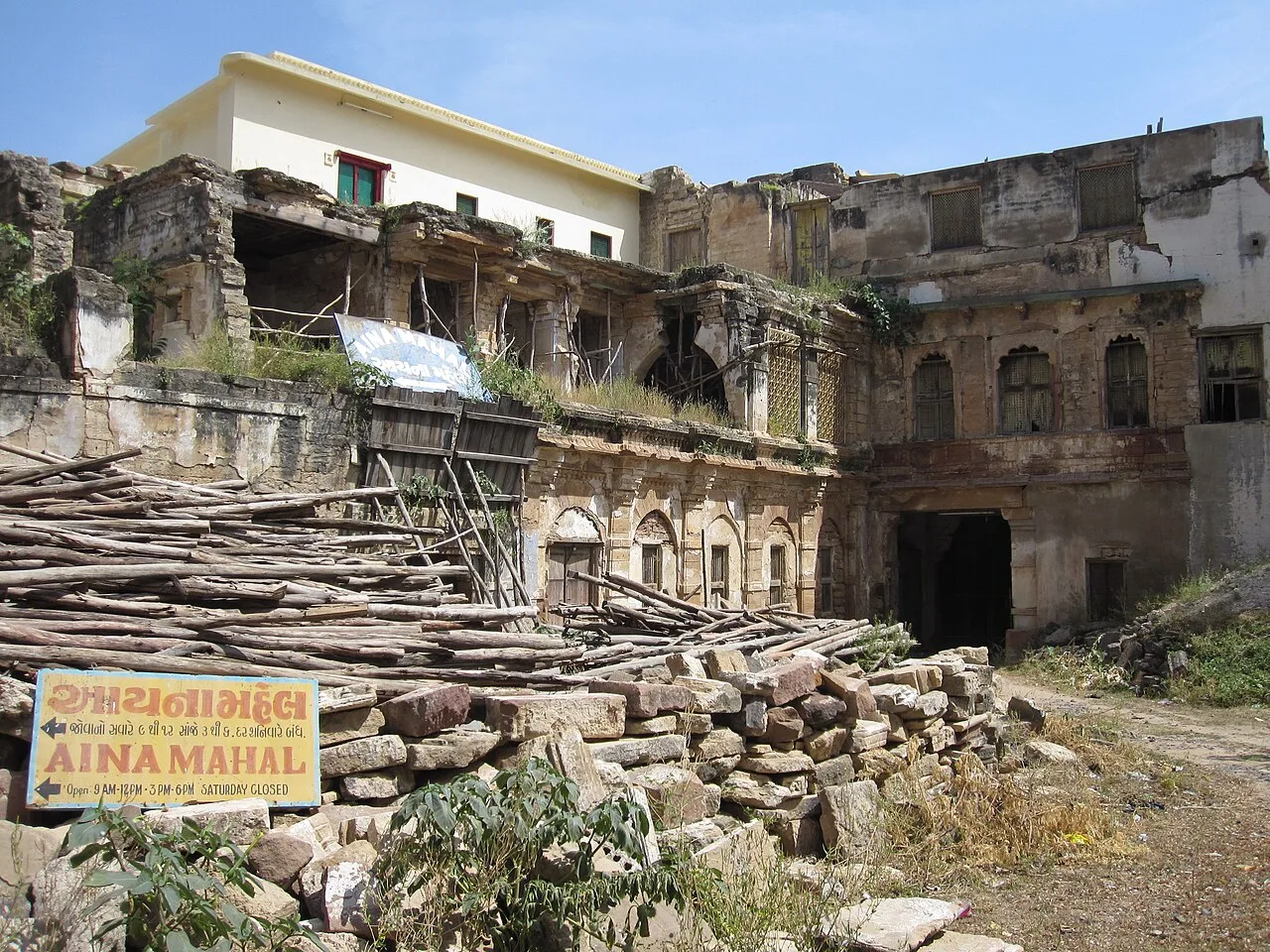
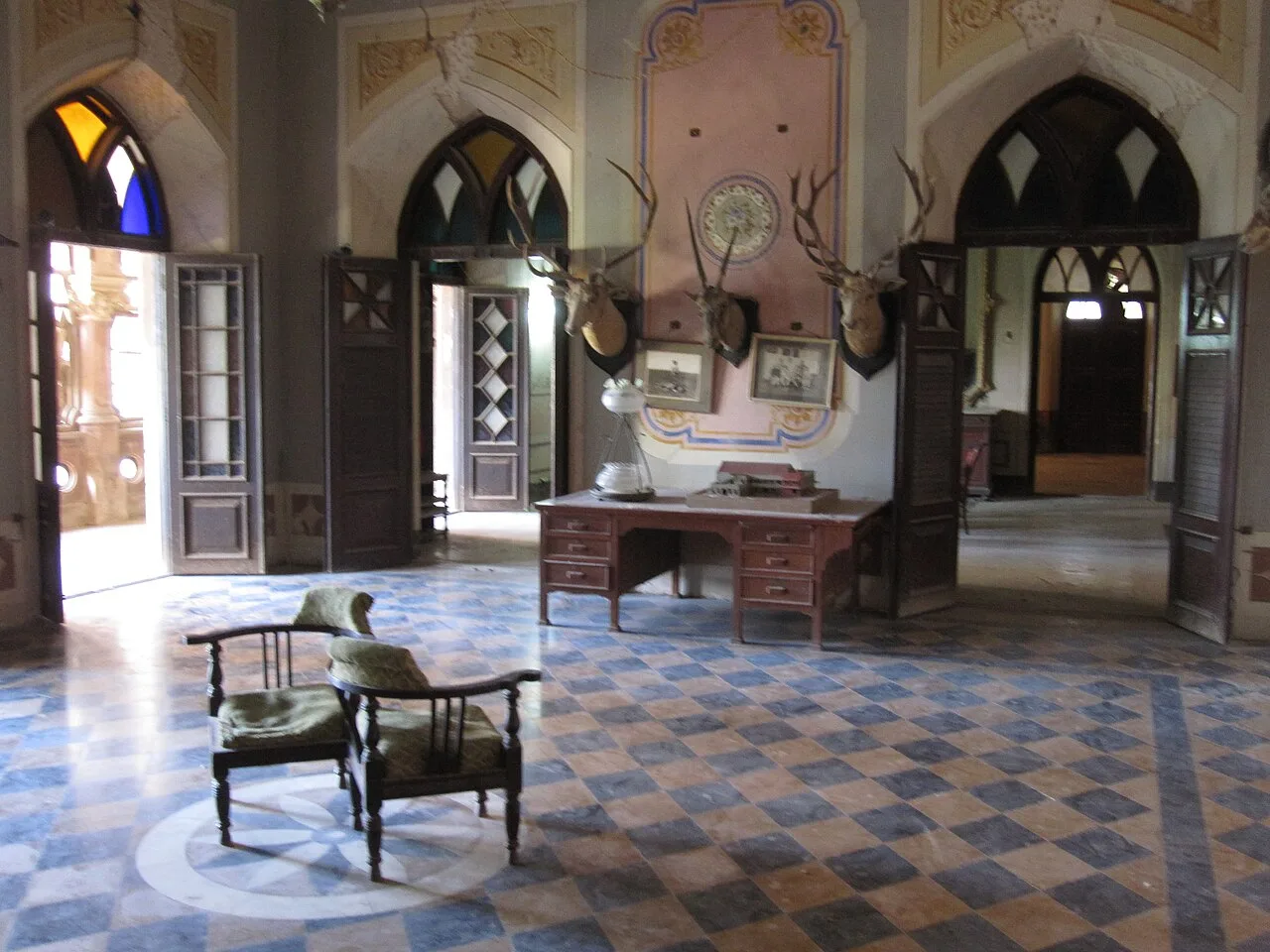
  • Prag Mahal and Aina Mahal
  • Bhujia Fort
In the city
3
District
Kutch
Plan a tripHotels near Bhuj

Why Bhuj matters

Bhuj is the administrative headquarters of Kutch district and a natural starting point for exploring the region’s craft villages, historic sites and wide salt desert. Once the capital of the princely state of Kutch, it brings together palaces, temples, museums and a lively old-city market within a compact urban centre. Visitors come for landmarks such as Prag Mahal and Aina Mahal, the collections at Kutch Museum, and the lakefront setting of Hamirsar Lake.

Bhuj is also a gateway to Kutch’s celebrated artisan traditions. Nearby Bhujodi is known for weaving, while Ajrakhpur and Madhapar offer opportunities to learn about distinctive printing and painting practices. The city and its surroundings were profoundly affected by the 2001 earthquake; rebuilding has reshaped parts of Bhuj, and Smritivan on Bhujia Hill commemorates those who lost their lives. For travellers, Bhuj combines a practical base for regional journeys with a rich sense of Kutch’s history and living culture.
Famous for: crafts, trade & products

Bhuj is closely associated with the wider Kutch craft belt, particularly embroidered textiles, Ajrakh block printing, bandhani tie-dye, weaving, leatherwork and metal crafts. Kutch embroidery, Ajrakh and Rogan art have geographical-indication recognition. Rogan painting is especially associated with the nearby village of Nirona, while Madhapar is another place to seek out the tradition. These crafts are made across Kutch rather than exclusively in the city, making Bhuj a useful base for visiting artisan communities.

For weaving and embroidery, explore Bhujodi, just outside the city. Ajrakhpur, on the Bhuj–Bhachau road, is a centre for Ajrakh printing; the Living and Learning Design Centre nearby presents regional crafts and artisan work. Local shops and cooperatives in Bhuj’s old-city markets sell textiles, embroidered accessories, shawls and other handicrafts. Kutch Museum offers context for the region’s material culture, while direct visits to workshops can help visitors understand how designs and techniques are made. Ask about the maker and the craft when buying, since similar-looking pieces may be produced in different places and by different methods.

History

Bhuj grew as a fortified centre under the rulers of Kutch. Rao Khengarji I made it the state capital in 1549, and the city later developed palaces, temples and defensive walls. Rao Godji I had the city walls built in the early 18th century; Bhujia Fort guarded the hill overlooking the settlement. The Swaminarayan temple, established in the early 19th century, is among the city’s important places of worship.

British forces captured Bhujia Fort in 1819, the same year a major earthquake devastated much of the city. Kutch became part of independent India after 1947, and Bhuj later became the headquarters of Kutch district in Gujarat. Earthquakes struck again in 1956 and, with especially severe consequences, in 2001. Reconstruction brought major changes to the city’s buildings, roads and infrastructure. The Smritivan Earthquake Memorial and Museum on Bhujia Hill preserves the memory of the 2001 disaster, while historic structures and neighbourhoods continue to reflect Bhuj’s layered past.

Food, festivals & culture

Food in Bhuj draws on Gujarati and Kutchi home cooking. Visitors can look for bajra rotla served with vegetables or garlic chutney, khichdi with kadhi, and Kutchi dabeli, a spiced potato filling in a bun. Gujarati sweets and savoury snacks are common in local eateries and shops. Menus vary, and the city’s markets and restaurants offer both everyday regional dishes and familiar Indian options.

Gujarati, Kutchi and Hindi are widely used. Hindu, Jain and Muslim communities contribute to the city’s religious and cultural life; the Swaminarayan temple and local mosques are among its places of worship. Navratri, usually in autumn, brings nights of garba and raas dancing, while Diwali and Janmashtami are also widely observed. In winter, the Rann Utsav celebrates Kutch’s crafts, music and dance at Dhordo, outside Bhuj, and many travellers use the city as a base for attending. Folk music and dance traditions are also encountered at cultural events and in artisan communities across the district.

Visiting the city

October to March is generally the most comfortable period to visit, with warm days and cooler evenings. Summer can be intensely hot, while monsoon rain is variable. Bhuj Airport serves the city, and Bhuj railway station is its main rail terminus; check current connections when planning a journey.

Auto-rickshaws and taxis are useful for getting around town, while a car or organised vehicle makes visits to craft villages and sites farther afield easier. Explore the old city and its markets, the Hamirsar Lake area, and the palace precinct around Prag Mahal and Aina Mahal. Bhujia Hill offers views and includes the fort and Smritivan memorial. Bhujodi and Ajrakhpur are good nearby excursions for seeing regional crafts; allow additional travel time for destinations deeper into Kutch.

Attractions

Places to visit in Bhuj

Sights within about 12 km of each other, even when they fall in different districts.

Map

Bhuj on the map

  1. 1Bhuj
  2. 2Aina Mahal
  3. 3Prag Mahal

Gujarat

Other cities to explore