Ghumoopedia — Explore, Discover, Experience
Sign in
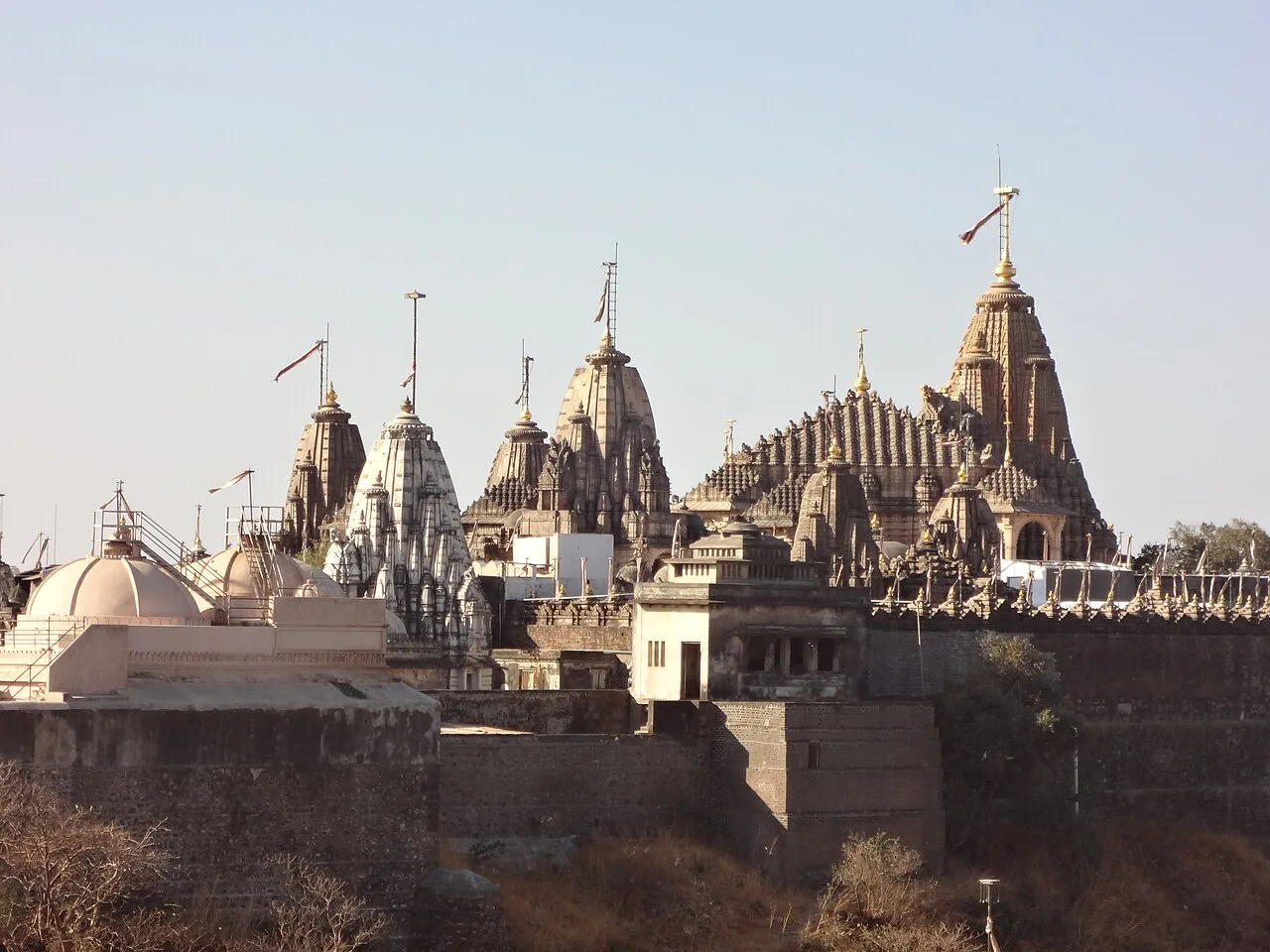
Palitana temples, near Alang

City guide · Gujarat

Alang

Alang is a small coastal town in Bhavnagar district, best known for the ship-breaking and recycling yards along its shore. Ships brought here at the end of their working lives are dismantled, and their steel and other reusable materials enter supply chains across India.

Famous for

  • Alang ship-breaking yard
  • Ship recycling industry
  • Working coastal beaches
  • Recovered ship materials

Why Alang matters

Alang is a small coastal town in Bhavnagar district, best known for the ship-breaking and recycling yards along its shore. Ships brought here at the end of their working lives are dismantled, and their steel and other reusable materials enter supply chains across India. The long line of vessels and dismantling plots has led to Alang’s beaches being frequently described as the world’s largest ship graveyard.

The yard gives Alang an importance far beyond its size: it is a significant centre of maritime recycling and a source of work for people in the region. For visitors, the coast offers a striking view of an industrial landscape unlike a conventional seaside resort. The activity is specialised and safety-sensitive, however, and the working yards are not ordinary tourist attractions. Alang is also a useful starting point for exploring the wider Saurashtra coast and nearby Bhavnagar. Its identity today is shaped above all by the meeting of shoreline, heavy industry and the trade in materials recovered from ships.
Famous for: crafts, trade & products

Alang is not widely known as a centre for textiles, sarees, handicrafts or a particular GI-tagged product. Its defining trade is ship recycling. Vessels are dismantled in plots along the coast, and recovered steel, machinery, fittings and other reusable components are channelled into the wider market. This activity supports a network of specialist businesses and workers, though the yards are industrial workplaces rather than open retail markets.

The most direct place to understand Alang’s trade is the ship-recycling belt itself, viewed from permitted public areas; entry to work sites should not be assumed. Buyers seeking recovered materials generally deal through the relevant businesses and traders, with access and transactions subject to their rules. Alang does not have a recognised visitor shopping district devoted to these goods. For everyday shopping, regional food and Gujarati products, visitors can look to Bhavnagar’s markets, where the range is broader. The town’s commercial character is therefore closely tied to the recycling industry, rather than to a craft bazaar or a signature local consumer product.

History

Alang’s wider historical setting is the Saurashtra coast and the former princely state of Bhavnagar, whose influence shaped the surrounding region before Indian independence. The area’s identity was not built around a major royal court or a famous colonial-era city centre; its modern prominence came much later through industry. Gujarat became a separate state in 1960, and Alang’s development subsequently became closely associated with the maritime economy of the coast.

The ship-breaking yard began operations in 1983, transforming the shoreline into a specialised centre for dismantling end-of-life vessels. Its location allowed ships to be brought close to shore for dismantling, and the industry grew to draw workers, contractors and material traders from across India. The resulting settlement and local economy developed around the yards and their supporting services. In recent decades, ship recycling has also drawn greater attention to worker safety and environmental practices. Alang’s contemporary story is thus one of rapid industrial growth, alongside continuing efforts to manage the impacts of a demanding coastal industry.

Food, festivals & culture

Alang shares the food traditions of coastal Saurashtra and Kathiawar. Everyday Gujarati meals may include rotla, vegetables, lentils, rice and kadhi; regional favourites such as ringan no olo and sev tameta are found across the wider area, rather than being unique to Alang. Gujarati sweets and snacks are also part of local food culture. As a working coastal settlement, Alang sits within a region where seafood is eaten by some communities, alongside the largely familiar range of Gujarati vegetarian dishes.

Gujarati is the main language of the region, with local Kathiawadi speech and Hindi also heard. Navratri, usually celebrated in autumn, brings garba and raas dancing, while Uttarayan in January and Diwali in autumn are widely observed across Gujarat. Religious life is expressed through neighbourhood temples and shrines as well as the festivals and household observances of local communities. Bhavnagar offers a wider choice of places of worship and cultural activity for visitors seeking more than Alang’s industrial and coastal setting.

Visiting the city

The cooler months, roughly November to February, are generally the most comfortable time to visit; summers can be hot, and monsoon weather may affect coastal travel. Bhavnagar Airport is the nearest airport, and Bhavnagar Terminus is the main railway station for reaching the area. From Bhavnagar, visitors can continue to Alang by road in a hired vehicle or taxi; local transport options may be limited, so arranging onward travel in advance is useful.

The main area to explore is the Alang coastline and its industrial setting, viewed only from places where access is permitted. The dismantling plots are working sites, not walk-in attractions, and visitors should follow local safety directions. Bhavnagar is a practical base for markets, services and a broader regional visit. Alang is best approached as a specialised industrial destination, rather than as a beach resort.

Trips from the city

Nearest places to visit from Alang

Our closest destination guides, by straight-line distance.

Palitana temples

41 km away · Bhavnagar district

Palitana temples

Palitana is a major Jain temple complex on Shatrunjaya Hill in Gujarat. Pilgrims visit its many shrines, especially revered by the Śvetāmbara community and linked with the Tirthankaras.

Dumas Beach

66 km away · Surat district

Dumas Beach

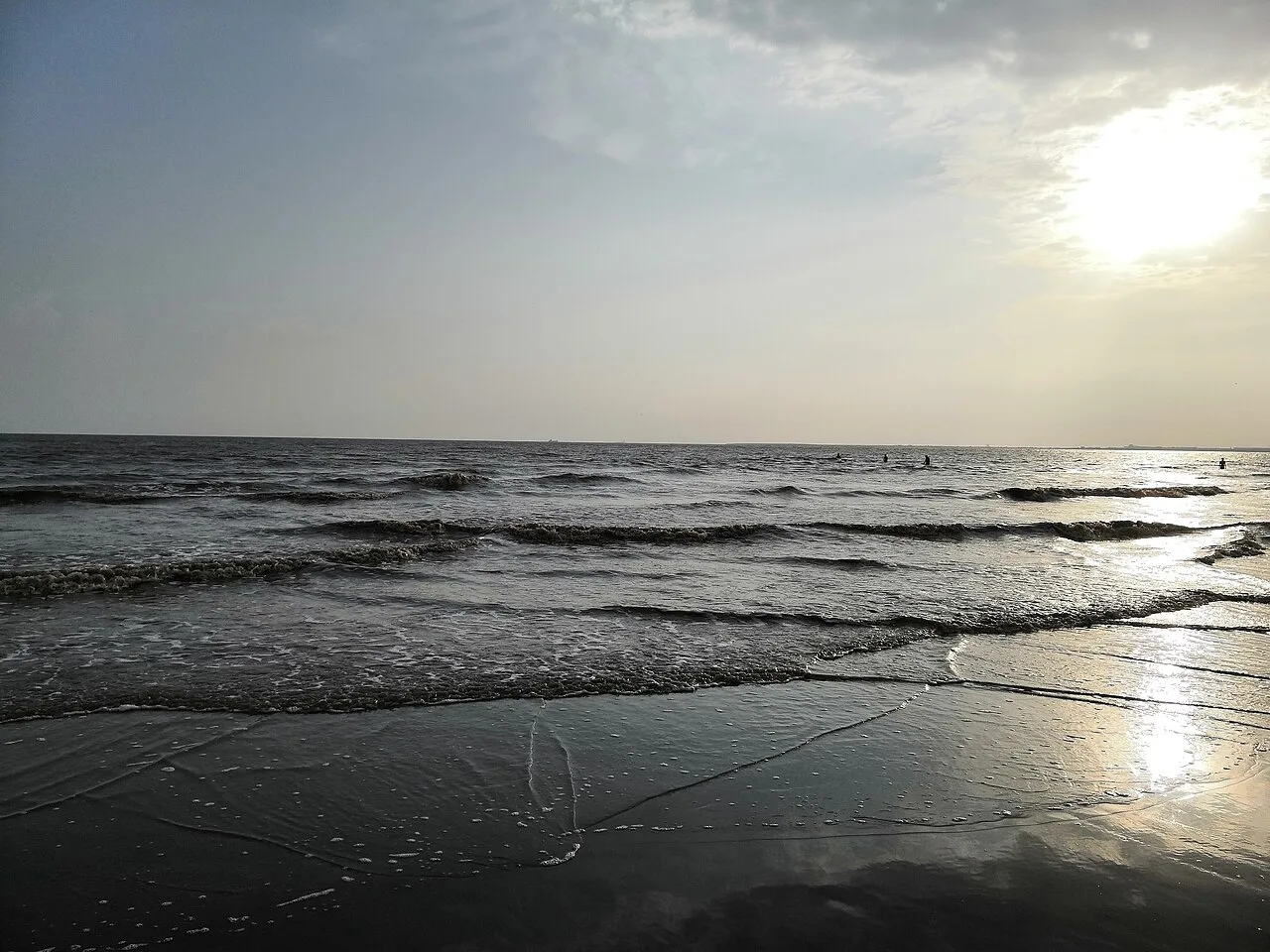
Dumas Beach is a rural coastal destination in Surat district, Gujarat, on the Arabian Sea. People visit as part of South Gujarat’s tourism, while the beach is also said to be haunted and was once a burial site.

Blackbuck National Park

72 km away · Bhavnagar district

Blackbuck National Park

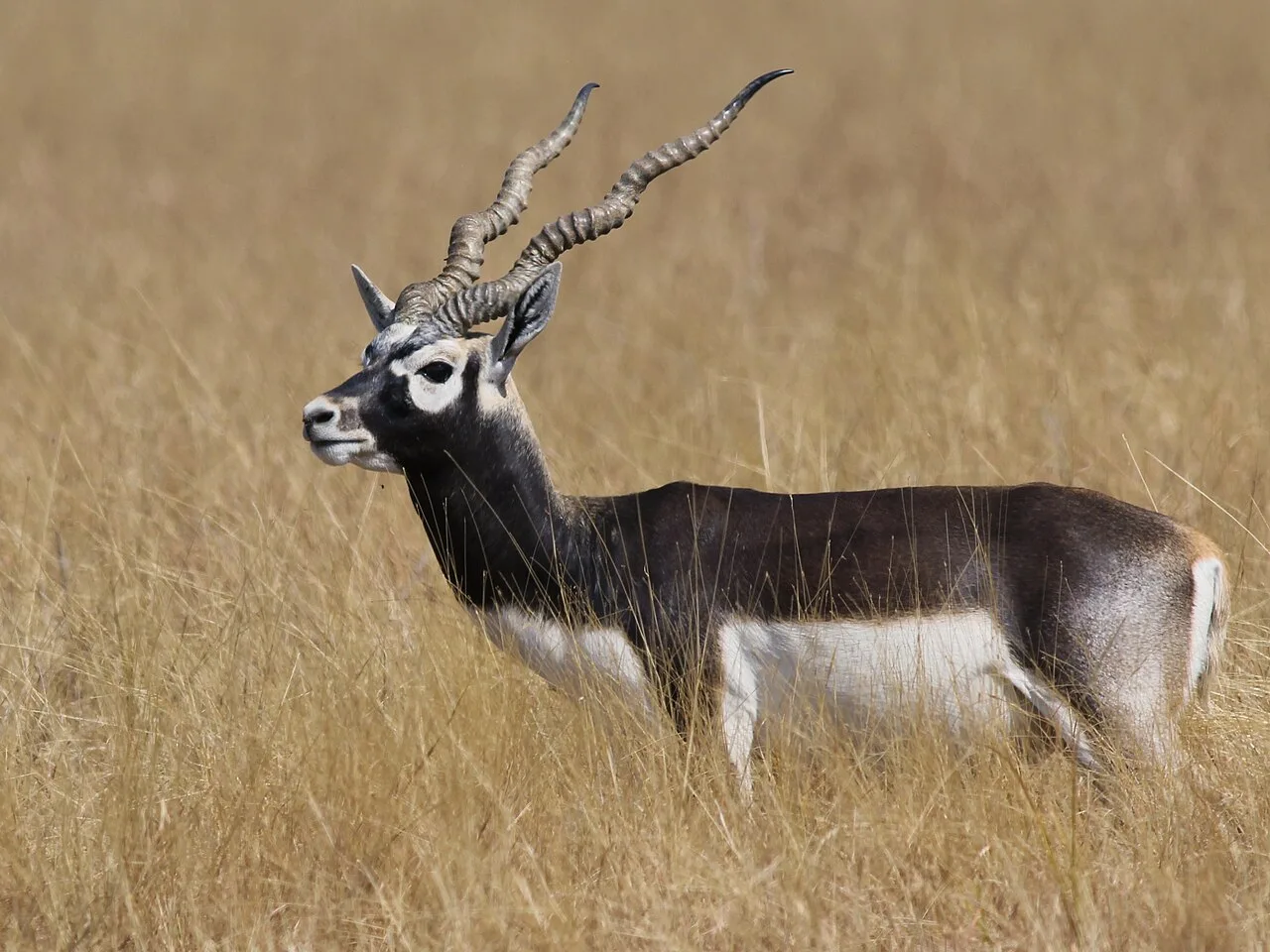
Blackbuck National Park is a protected area in Bhavnagar district, Gujarat, valued for its blackbuck and conservation efforts involving wolves and the lesser florican.

Dandi (Salt March Memorial)

86 km away · Navsari district

Dandi (Salt March Memorial)

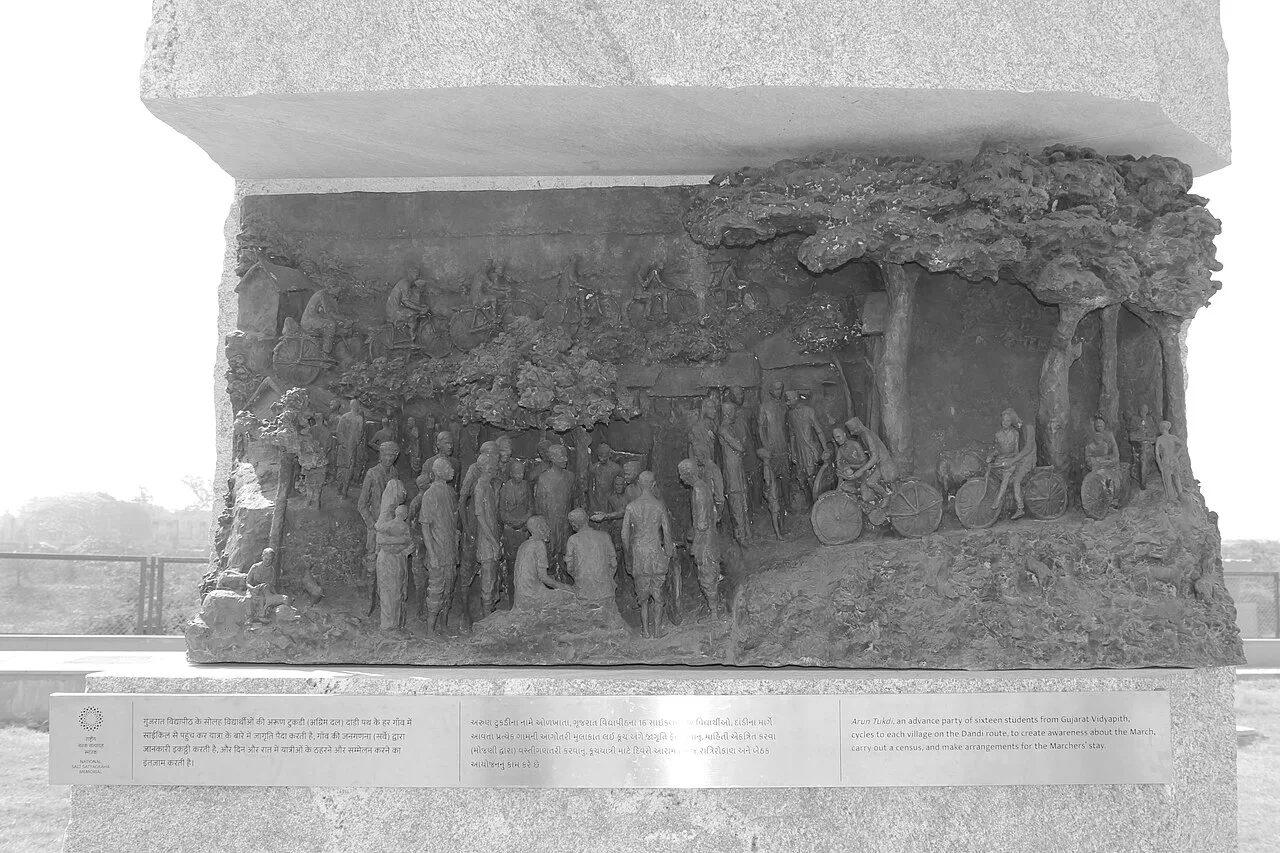
Dandi is a coastal village in Gujarat’s Navsari district, visited for its connection to Gandhi’s 1930 Salt March and the memorial commemorating the campaign.

Lothal

125 km away · Ahmedabad district

Lothal

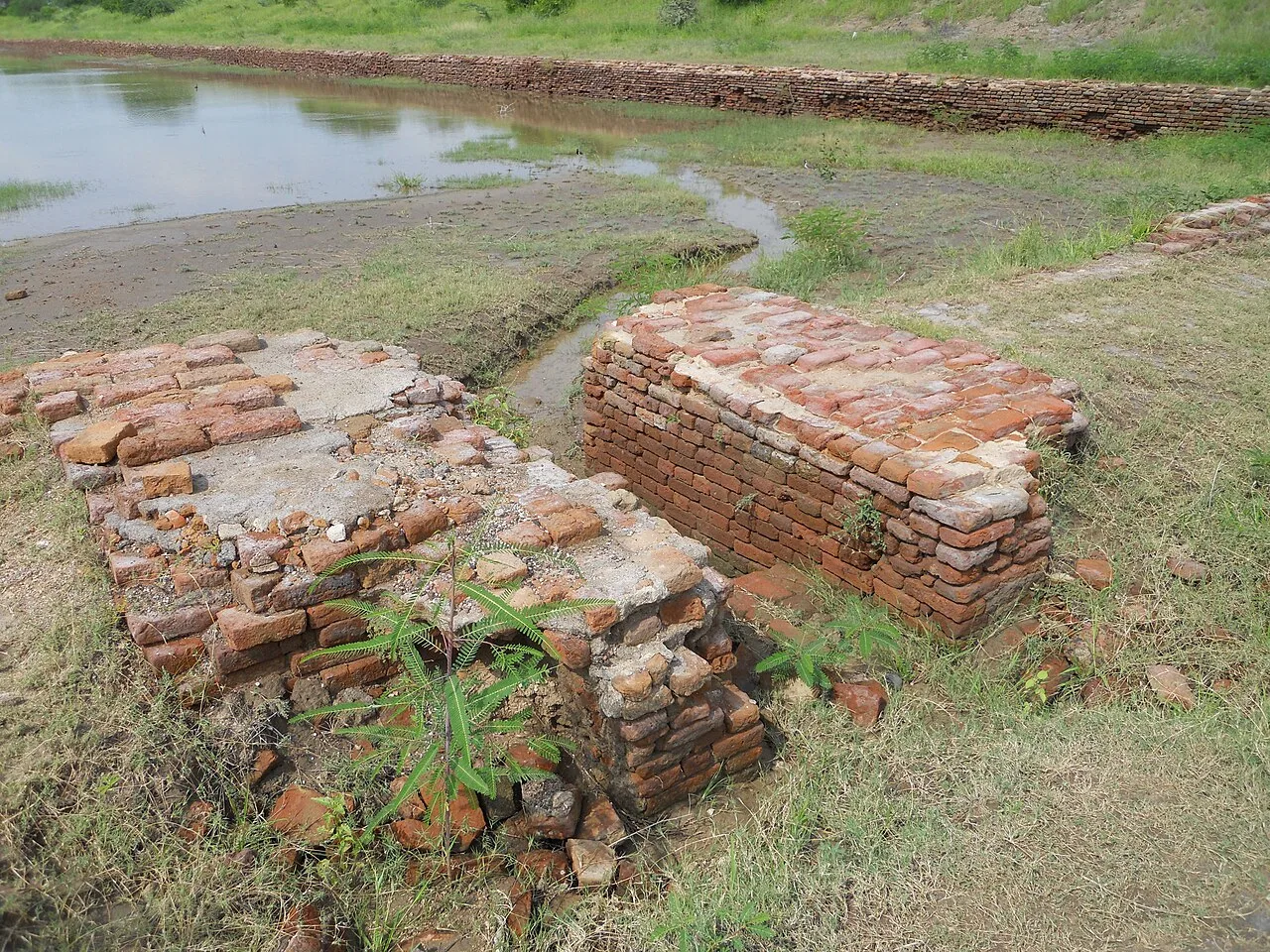
Lothal is a settlement of the ancient Indus Valley Civilisation in Gujarat. Visitors come to learn about its place among the civilisation’s southernmost sites and its early history.

Lakshmi Vilas Palace

145 km away · Vadodara district

Lakshmi Vilas Palace

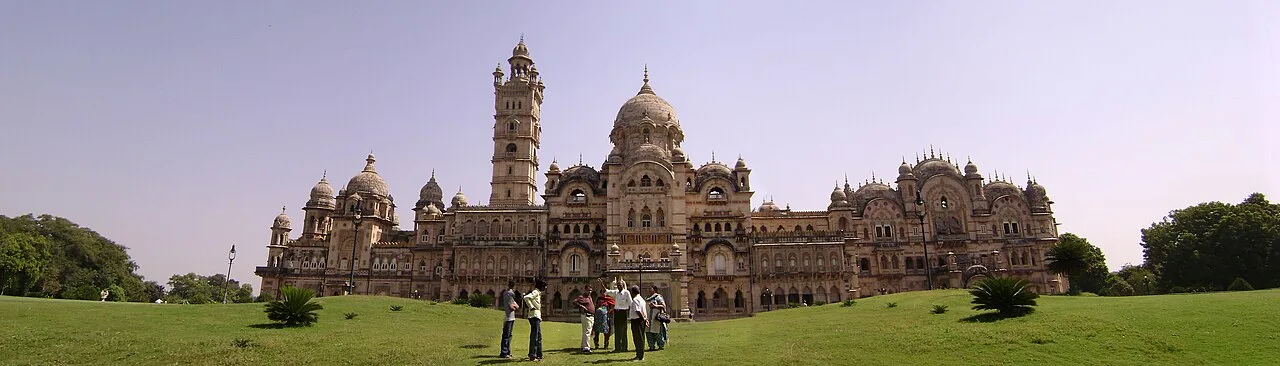
Lakshmi Vilas Palace is a former Gaekwad royal residence in Vadodara, known for its Indo-Saracenic architecture and extensive grounds. People visit to see the palace, its museum and links to the dynasty.

Gir National Park

146 km away · Gir Somnath district

Gir National Park

Gir National Park, also called Sasan Gir, is a protected area in Gujarat known for its Asiatic lions. Visitors come to see its wildlife and forest landscape.

Sayaji Baug

146 km away · Vadodara district

Sayaji Baug

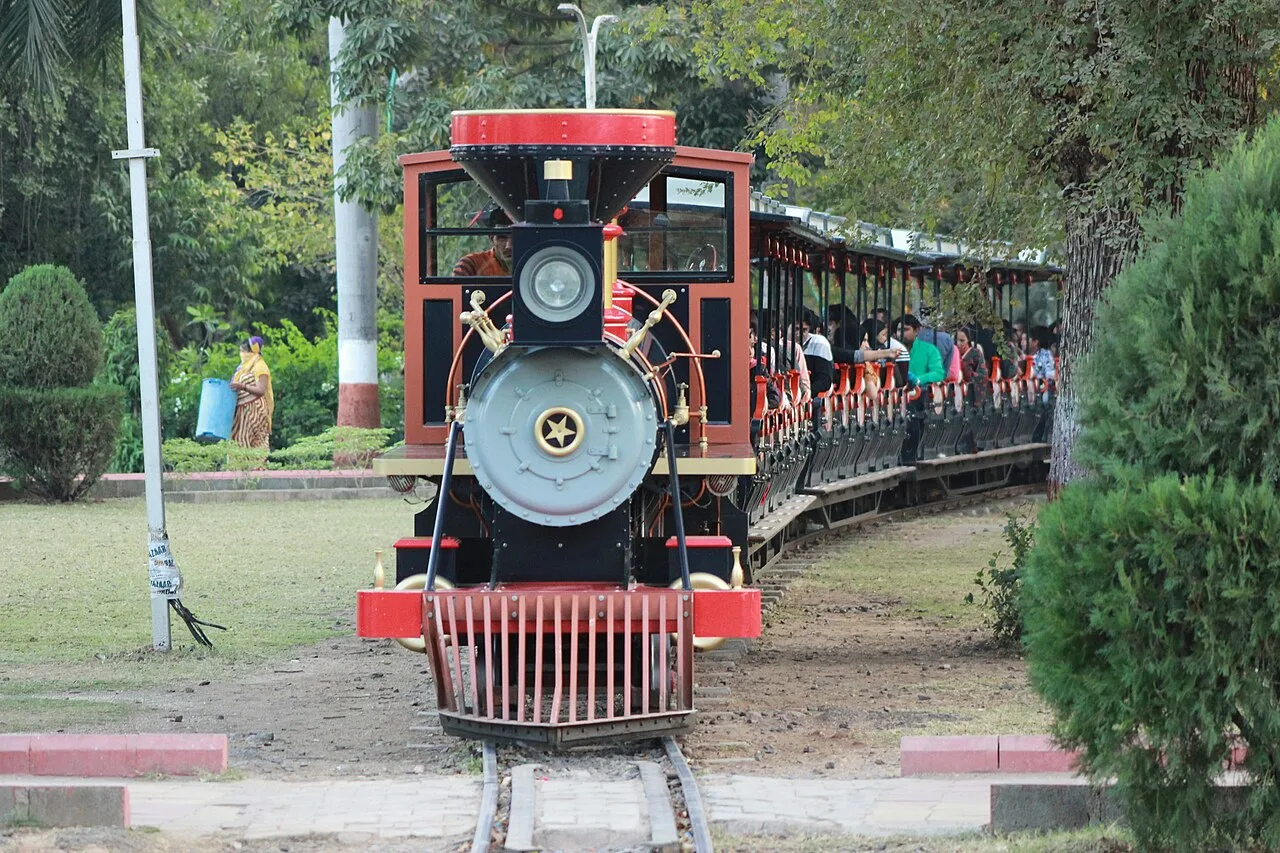
Sayaji Baug, also called Kamati Baug, is a garden in Vadodara, Gujarat, established by Maharaja Sayajirao Gaekwad and visited for recreation and tourism.

Map

Alang on the map

  1. 1Palitana temples
  2. 2Dumas Beach
  3. 3Blackbuck National Park
  4. 4Dandi (Salt March Memorial)
  5. 5Lothal
  6. 6Lakshmi Vilas Palace
  7. 7Gir National Park
  8. 8Sayaji Baug

Gujarat

Other cities to explore